Wort preparation
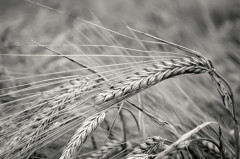
It all starts with grain. More often than not, that grain is malted barley, but rye, wheat, oats, and other cereals sometimes make their way into the mix. The grain is crushed, or milled, to expose the internal starches and break up the outer husks. This mix of crushed starch kernels and husks is called grist.
The grist is mixed with hot water and held at a certain temperature in a process called mashing. During the mash, the water hydrates the starches and makes them available to enzymes that are contained within the grain itself. Over a period of an hour or more, these enzymes convert the starches into sugars that can be fermented by brewer's yeast.
Once the starch conversion is complete, the sweet sugar water, called wort (rhymes with "dirt"), is filtered out of the grains. The grains are also rinsed with additional hot water to recover as much of the sugar as possible. This rinsing process is called sparging.
In this course, we'll skip the mash and rely on malt extract and a small amount of specialty grain for flavor and aroma. Malt extract is a concentrated wort that malting companies produce for you to reconstitute at home. Experienced homebrewers often conduct their own mashes, but equally great beer can be made with extract. And using extract is much faster and simpler.
If you'd like to learn to make wort by mashing grains, consider enrolling in Craft Beer & Brewing's All-Grain & Partial Mash course after you've mastered the techniques in this one.