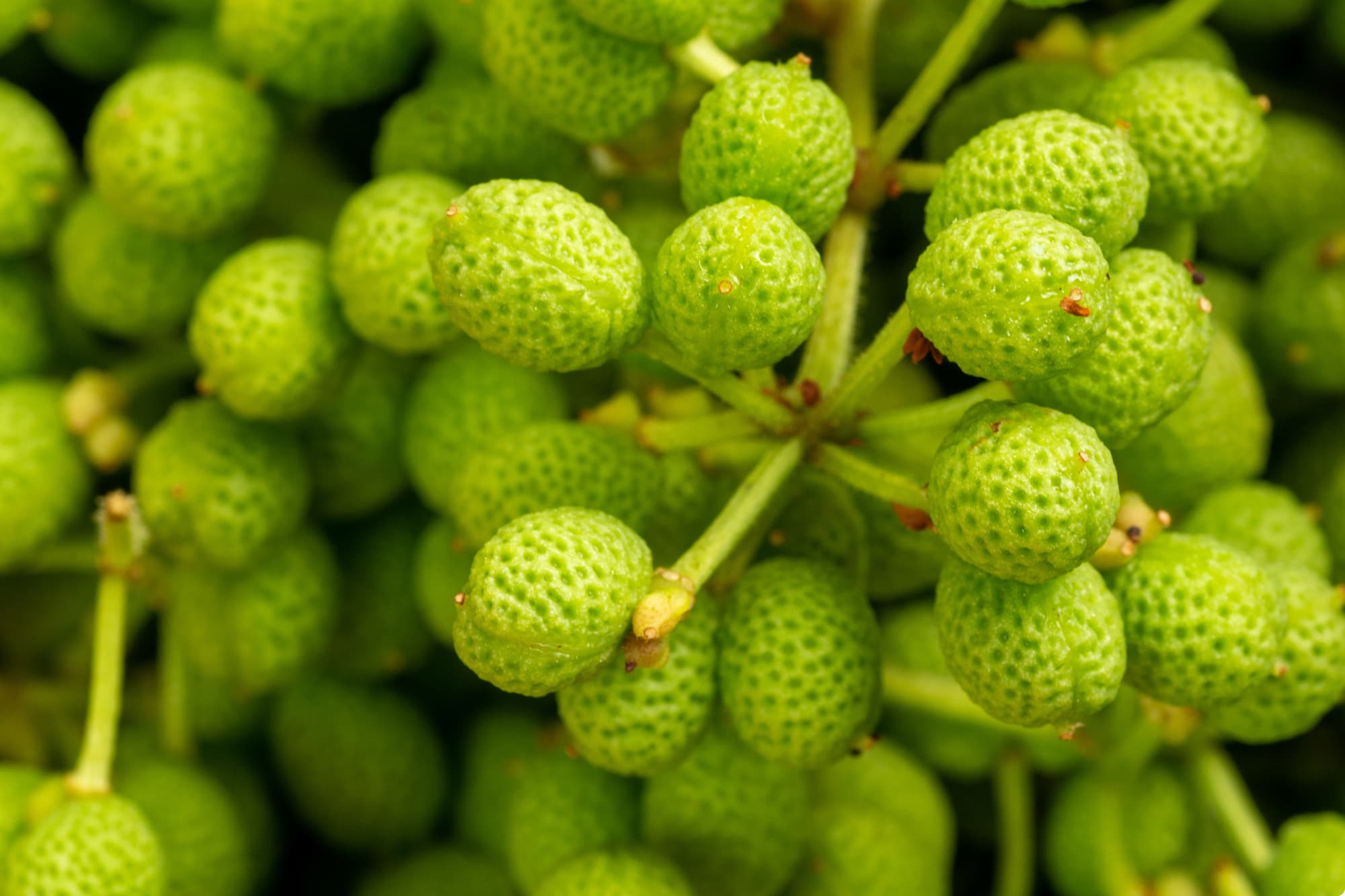
Quality dried sansho might be a magic powder with magic powers, tingling our brains while boosting crowd-pleasing citrus flavors—but with great power comes great responsibility.

Quality dried sansho might be a magic powder with magic powers, tingling our brains while boosting crowd-pleasing citrus flavors—but with great power comes great responsibility.
You have a lot of flexibility here with the specific ingredients, especially the hops—just about any Noble (or Noble-ish) variety should work well in either addition. Play around with it: Much like an American amber ale, the malty backbone is forgiving, and there are a lot of ways to get this right.

This small, taproom-focused brewery just outside of Fort Worth, Texas, has scored major medals and won fans with their thoughtful approach to flavor-forward beer that blends timeless technique with contemporary energy.
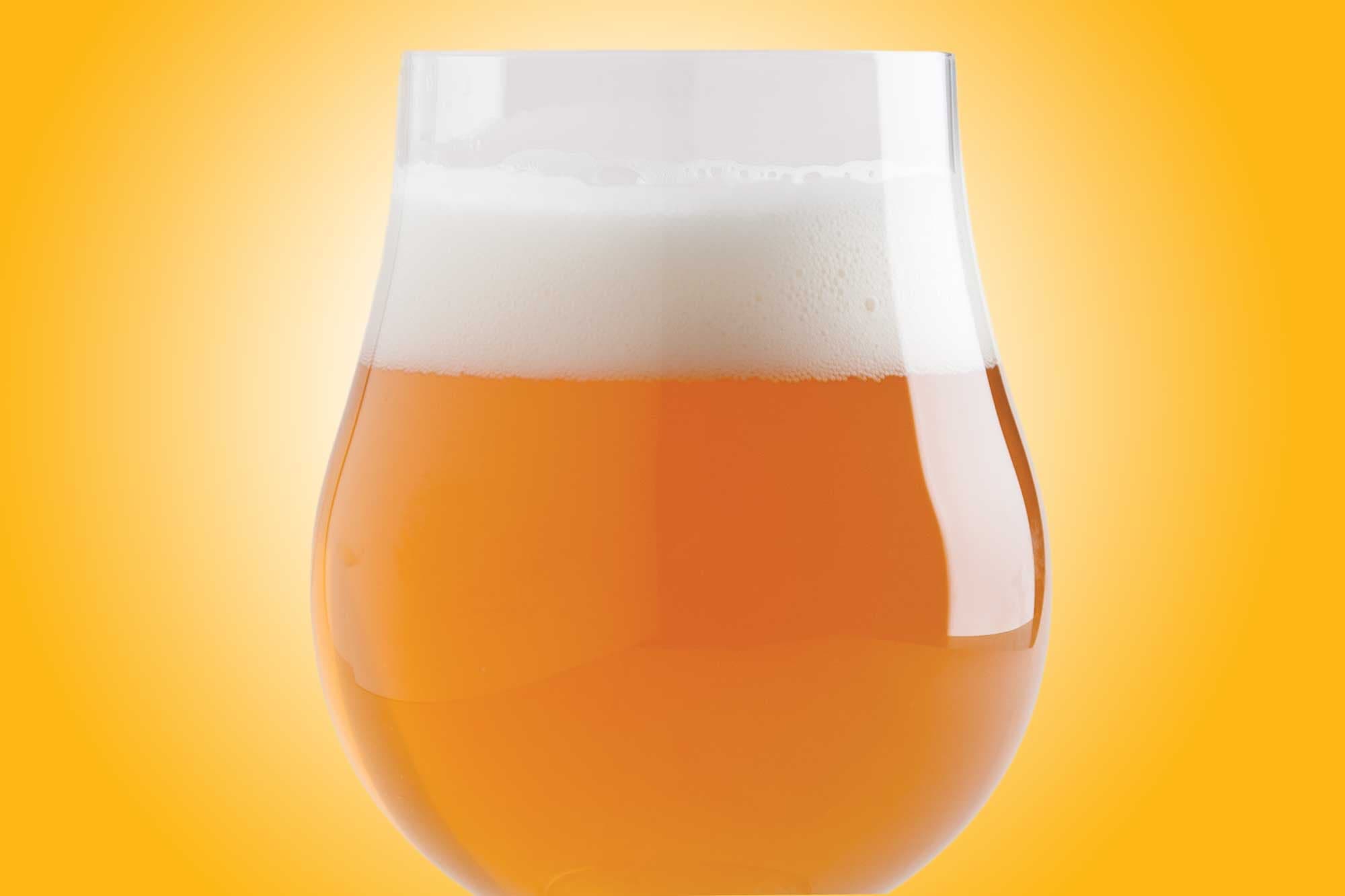
The “keeping beers” of French Flanders can be found in a spectrum running from blonde to brown—with corresponding shifts in the hops-malt balance—but *ambrée* is arguably the classic hue.
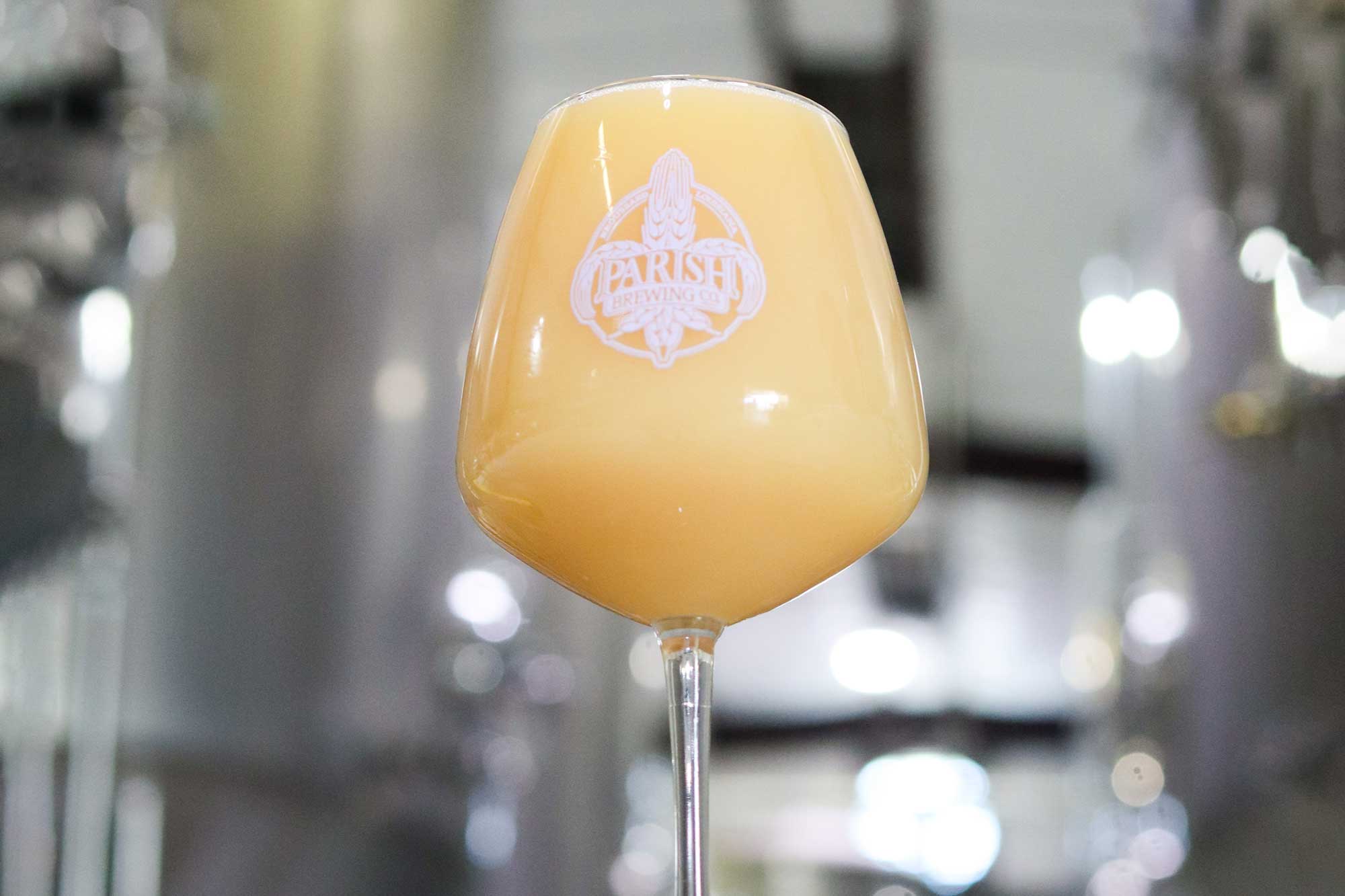
Parish Brewing in Broussard, Louisiana, designed this lush IPA recipe to showcase the Dolcita hop—“in all its coconut and Peach Rings glory,” says head brewer Ryan Speyrer.
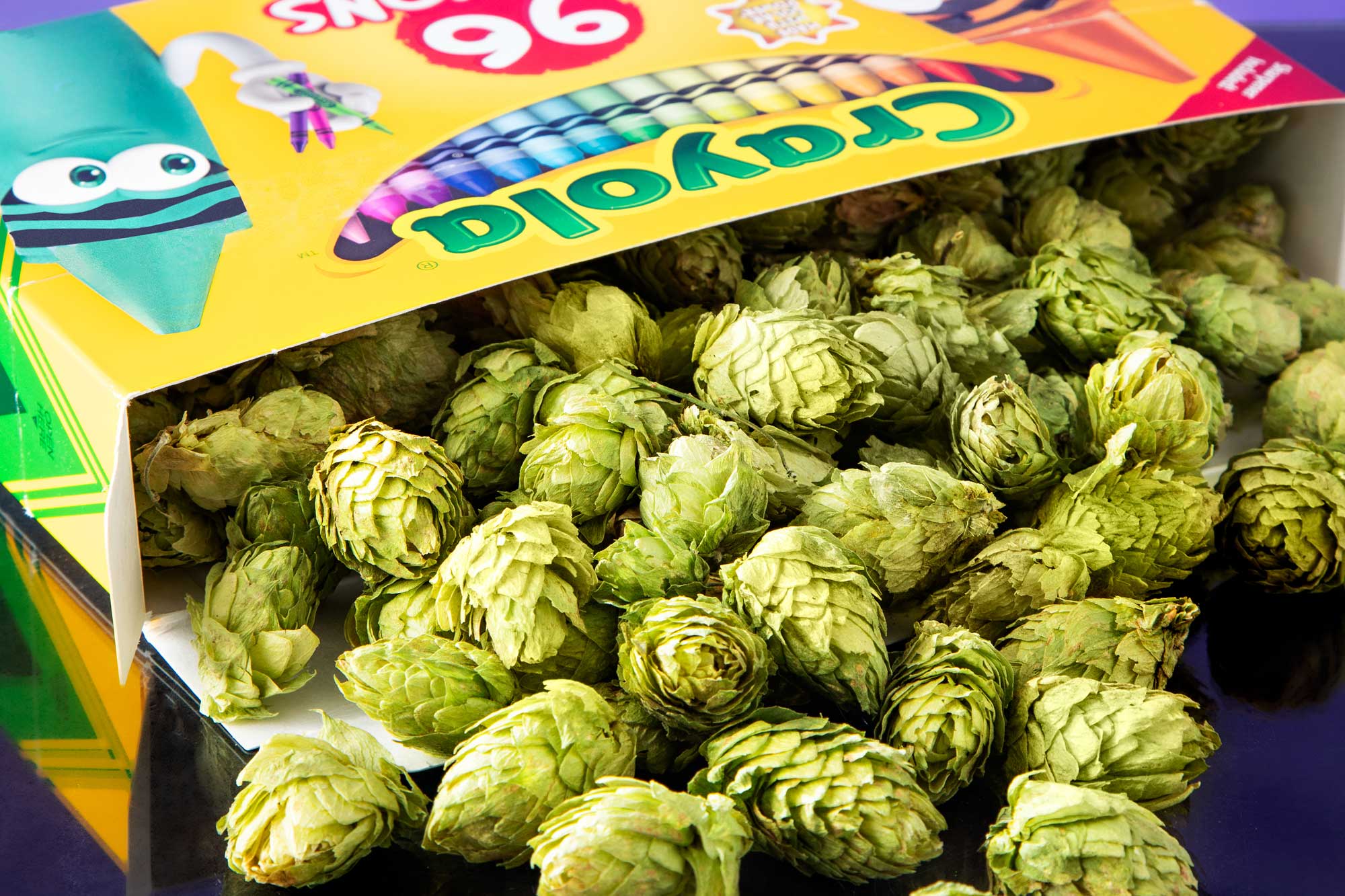
Hop breeders know what brewers and drinkers want: punchy, unforgettable fruit aromas. But how to deliver those efficiently and at the right scale? There’s the rub.
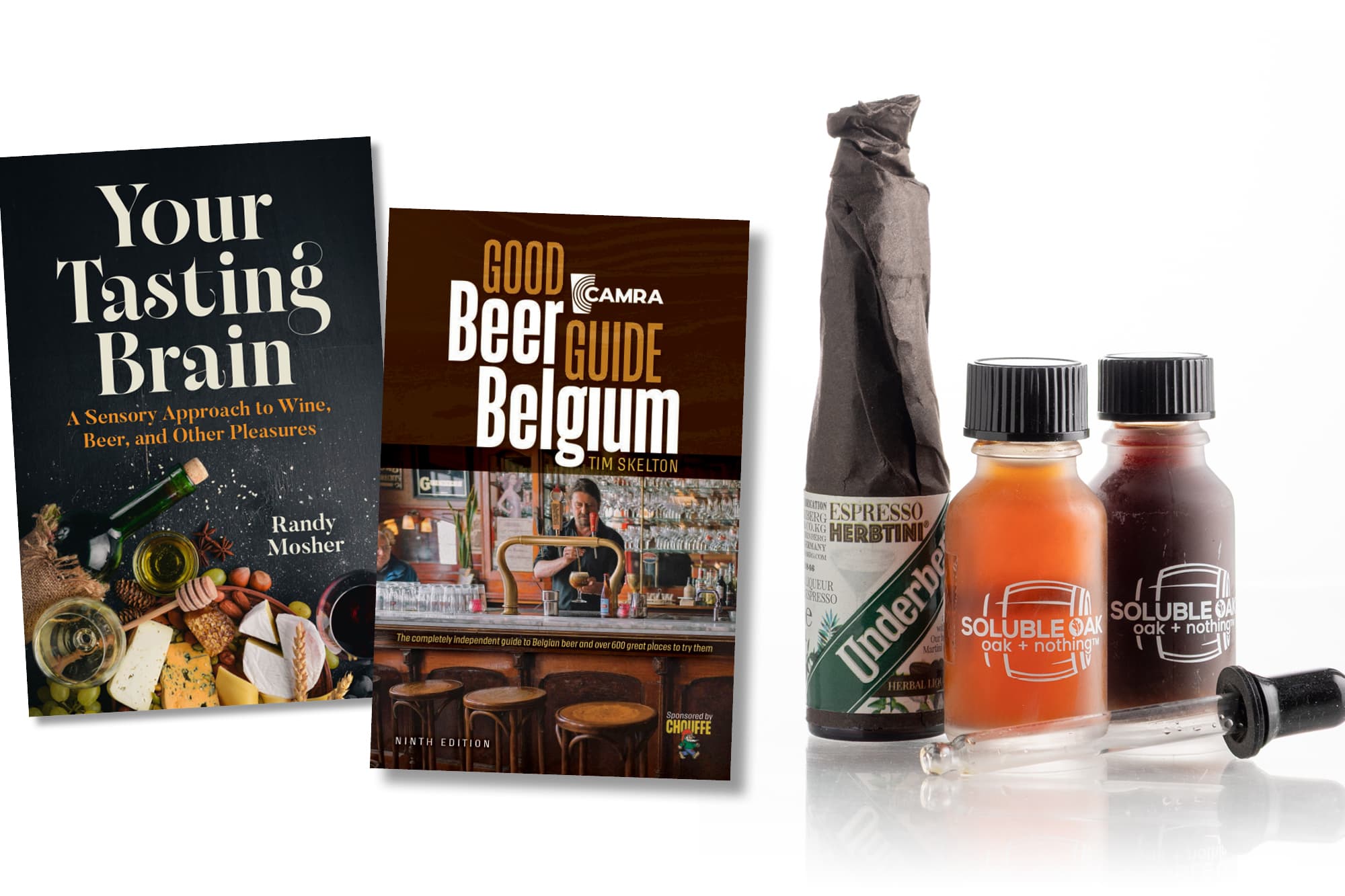
From cerebral reading to Espresso Herbtini, here are a few fresh suggestions from our editorial team.

The Cleveland brewer walks through the ingredients and processes behind Shower Beer and Oni Giri—beers that both won 2026 GABF gold medals in their respective light lager and rice lager categories.
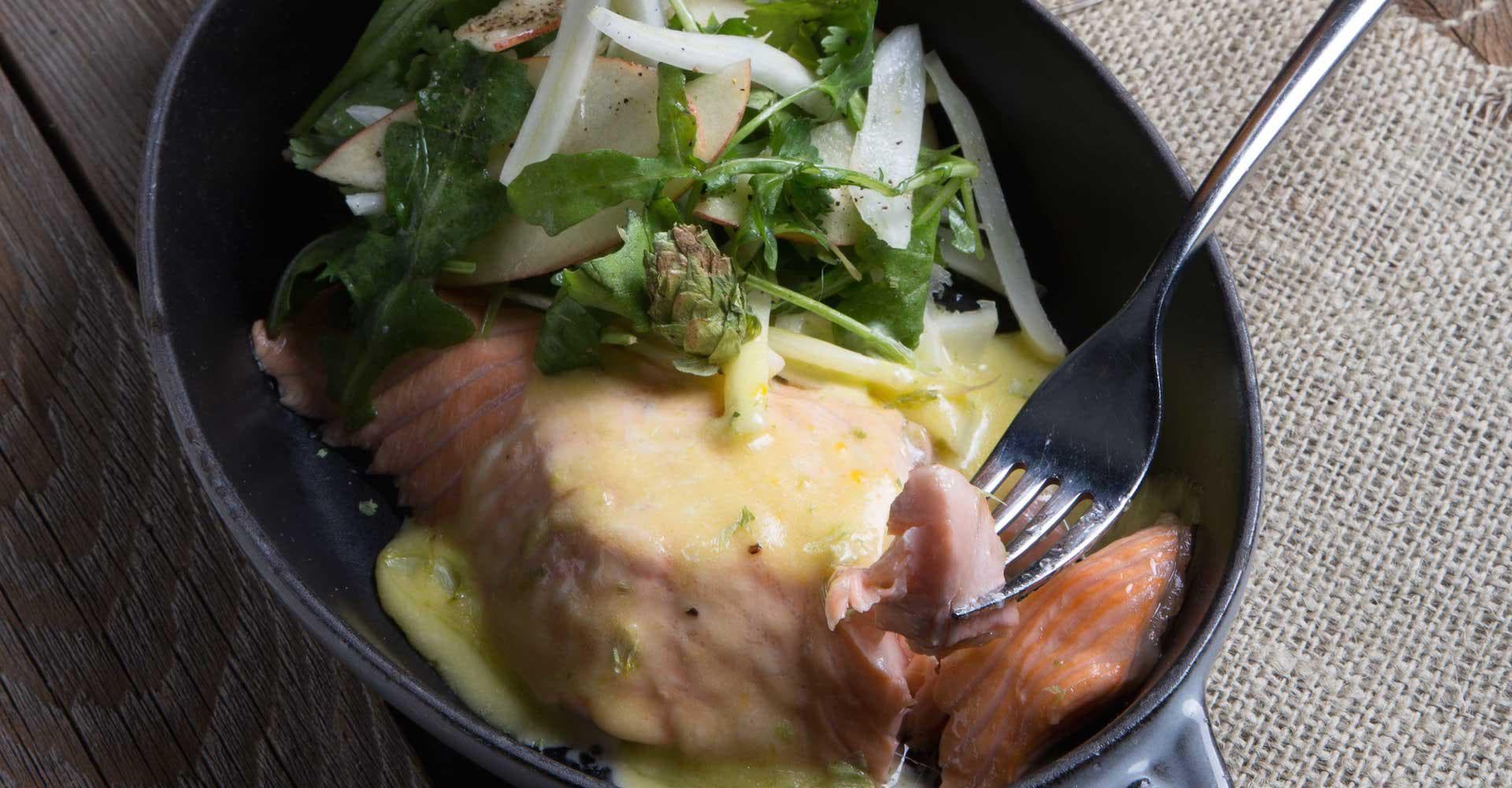
With hop harvest behind us and deeper autumn ahead, here’s a salmon preparation—including an apple-fennel slaw on the side—that makes use of a whole-cone hop and a splash of your favorite Belgian-style blonde ale.
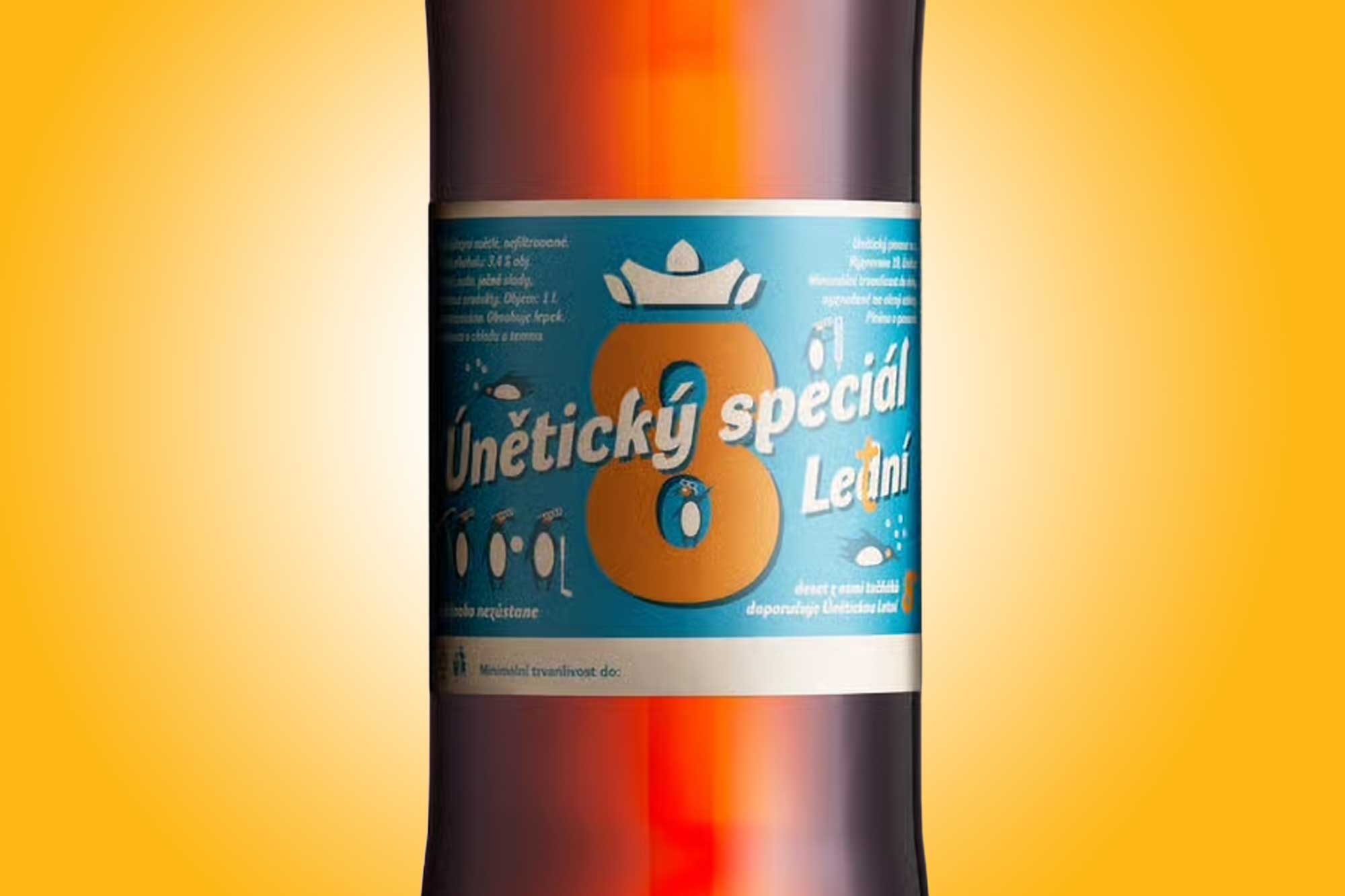
Also known as the Osmička, or Eight, this is Unětický’s lighter summer seasonal checks in at about 3.4 percent ABV. Unusually for a Czech pale lager, it gets a step-infusion mash—not a decoction—and a hit of Citra hops in the whirlpool.
Great beer gets guests in the door. Events keep them coming back. Here’s how breweries are turning their event space into real holiday revenue, before competitors book it first.
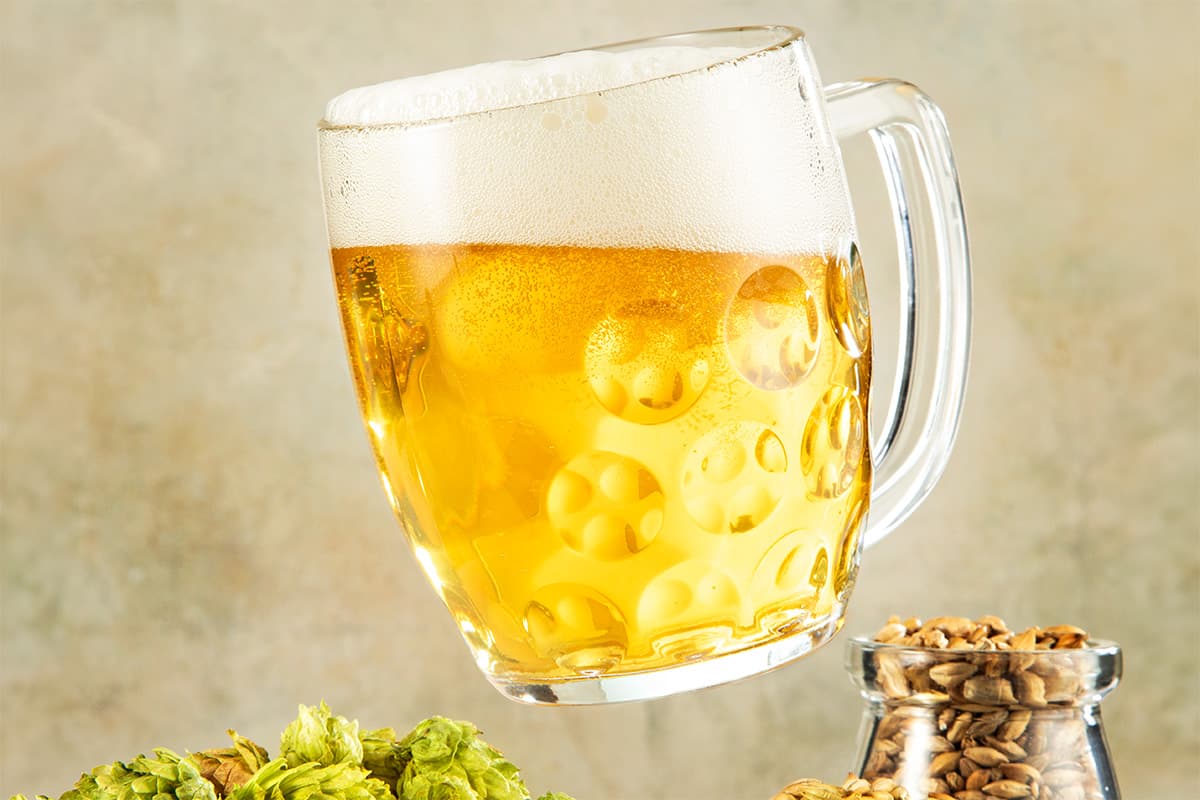
Smaller Czech breweries are embracing an emerging trend: lighter lagers of 7°P and 8°P, packed with hops and often brewed in ways that defy the country’s usual methods.
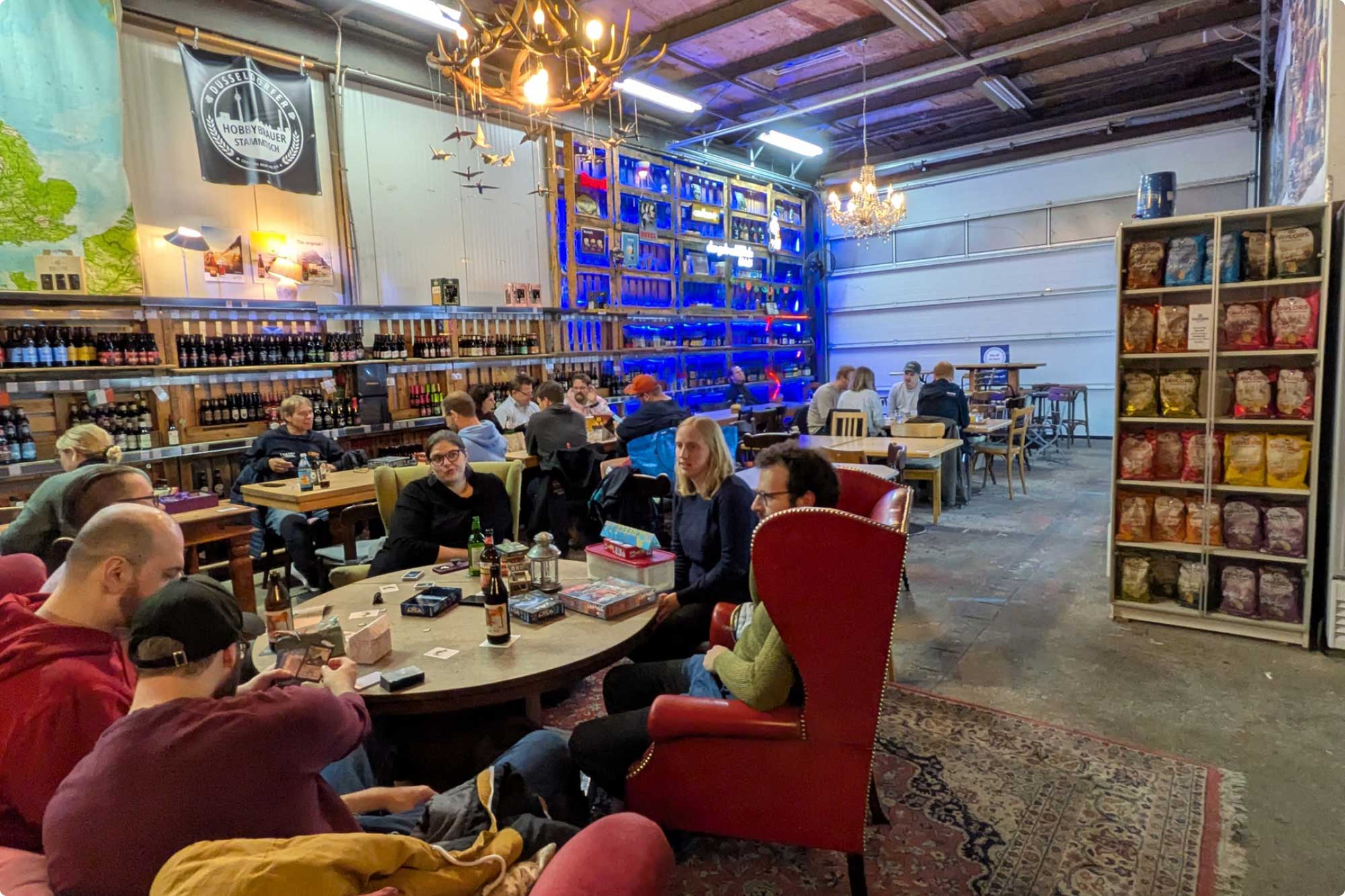
From our Love Handles files on the world’s top spots to enjoy a beer: In the home of alt, this beer shop and tasting room offers a friendly place to enjoy some of the best in European craft (including altbier too, of course.)
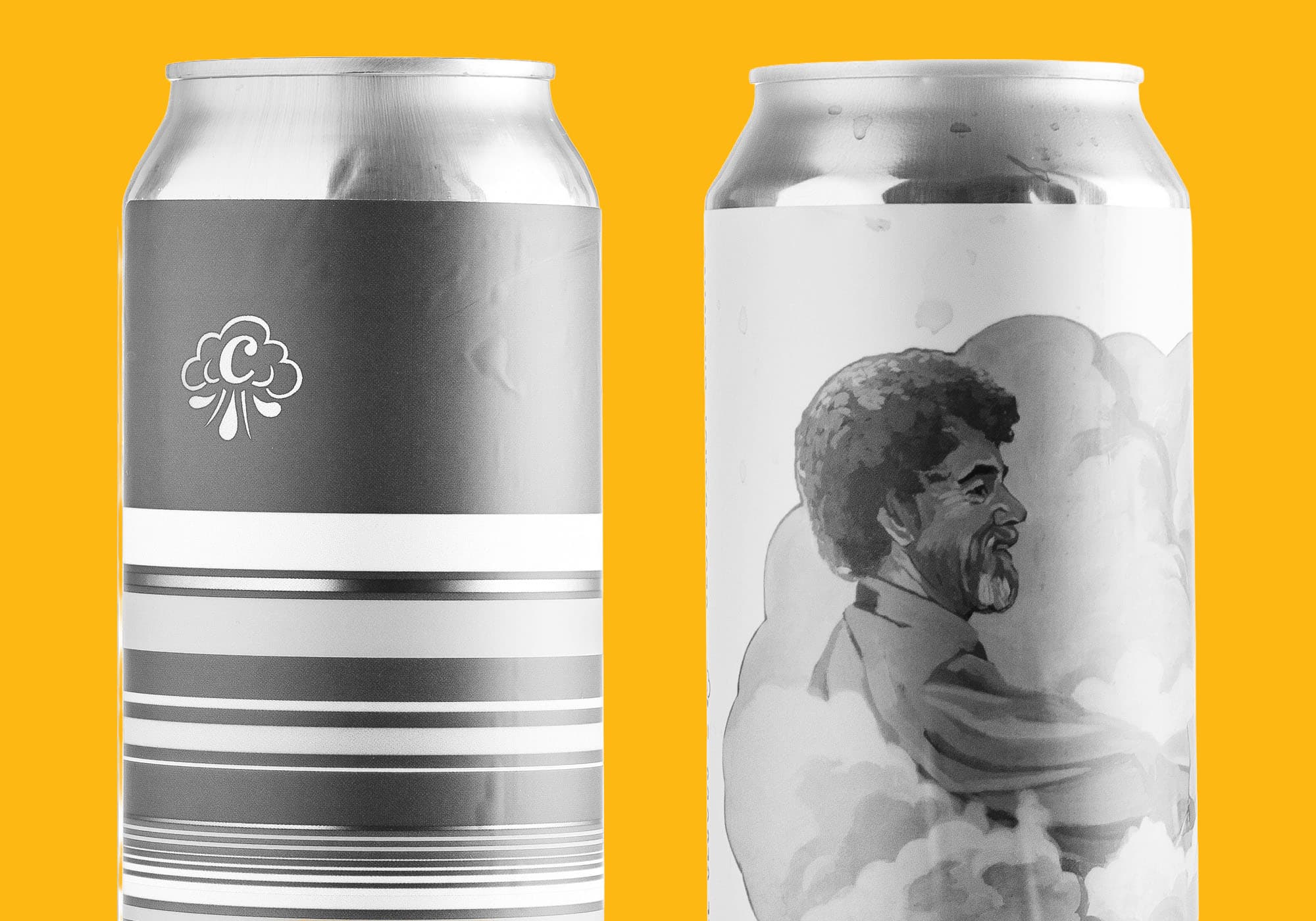
The founder of the award-winning Seattle brewery is pursuing life goals with a move to New Zealand while friends at Bale Breaker take on the Cloudburst brand and brewery, but it hasn’t dampened his enthusiasm for Southern Hemisphere hops, “dad” beers, fresh hops, and more.
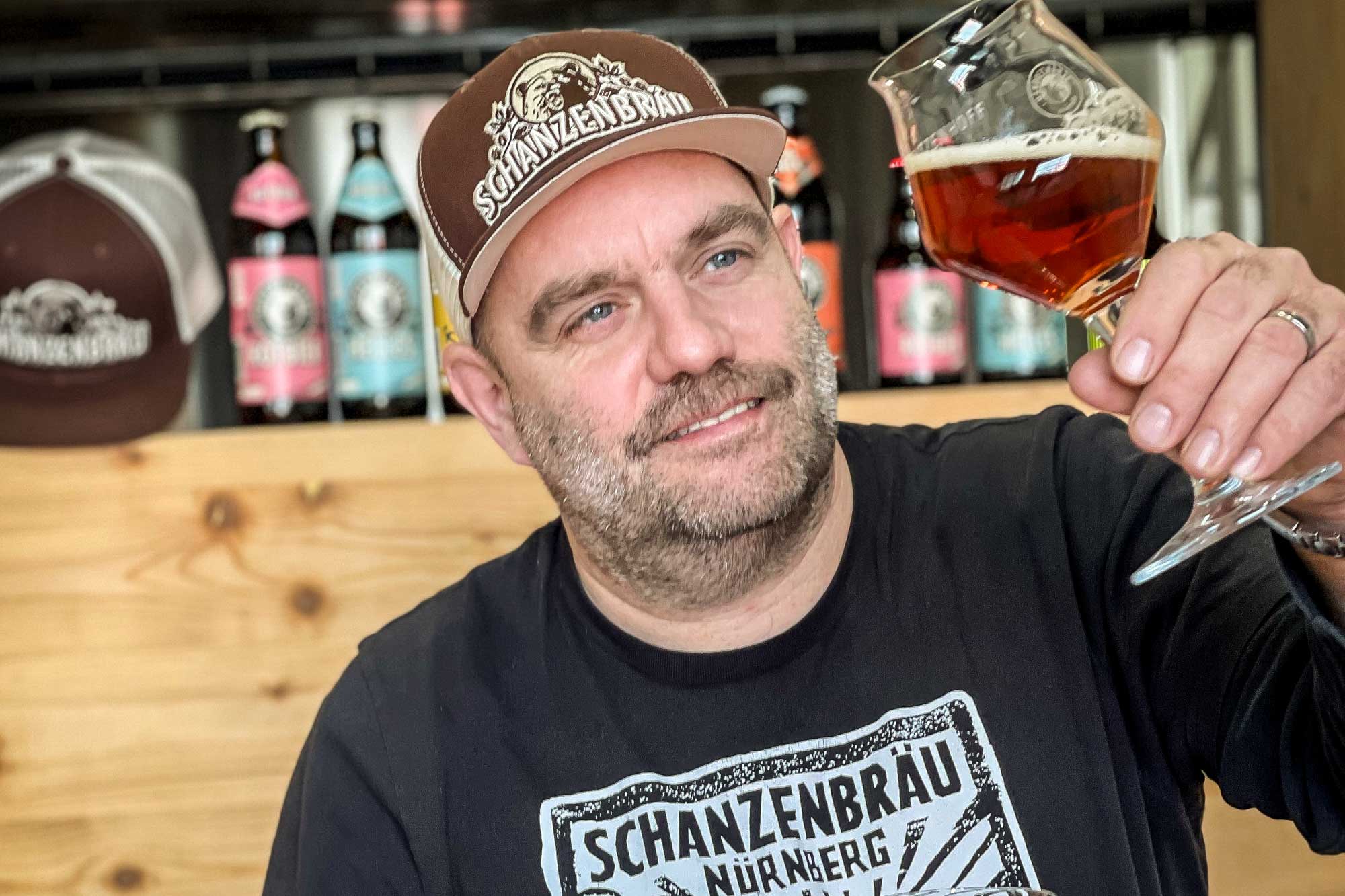
Based on conversations with Brauerei Schanzenbräu founder Stefan Stretz, here’s a recipe for the Nuremberg brewery’s popular red lager—drier and slightly more bitter than other versions of the regional style.
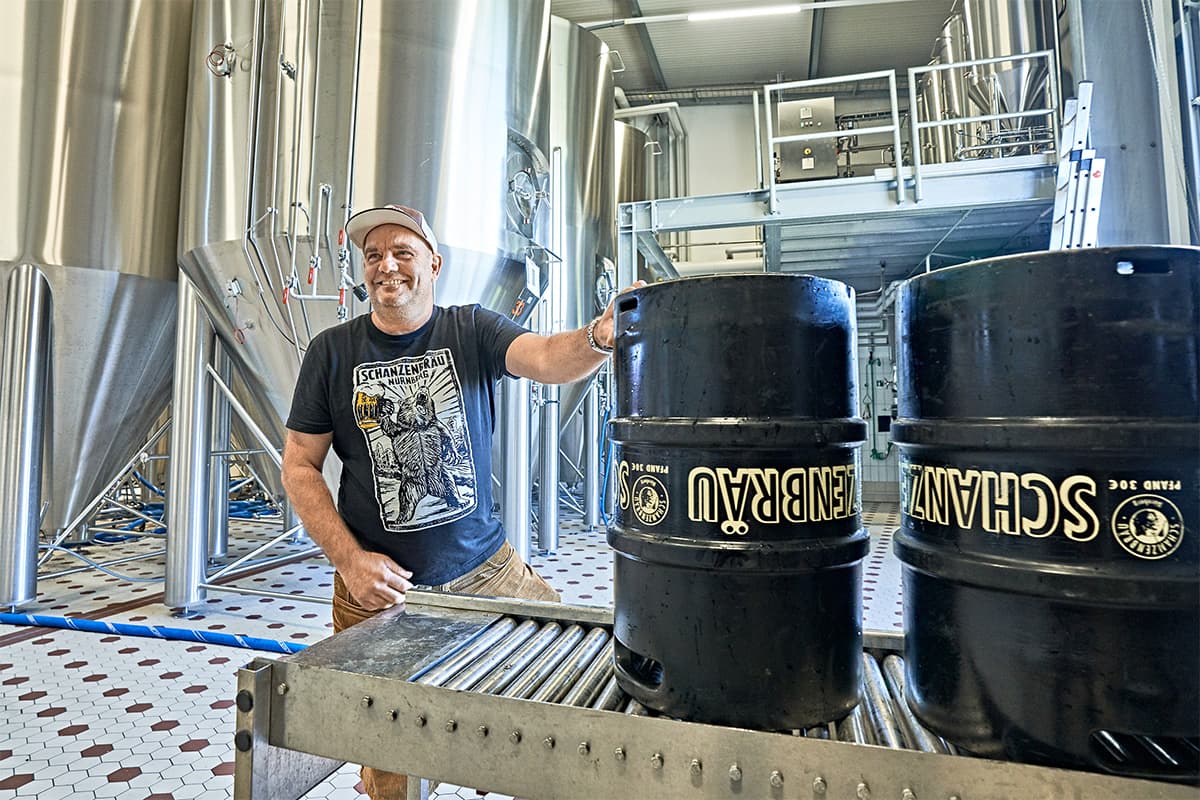
Nuremberg’s Schanzenbräu sells plenty of helles, but it’s best known for its distinctive red lager—a niche style, even within Germany. The challenge, says founder Stefan Stretz, is achieving easy drinkability in such a full-bodied, malt-forward beer.
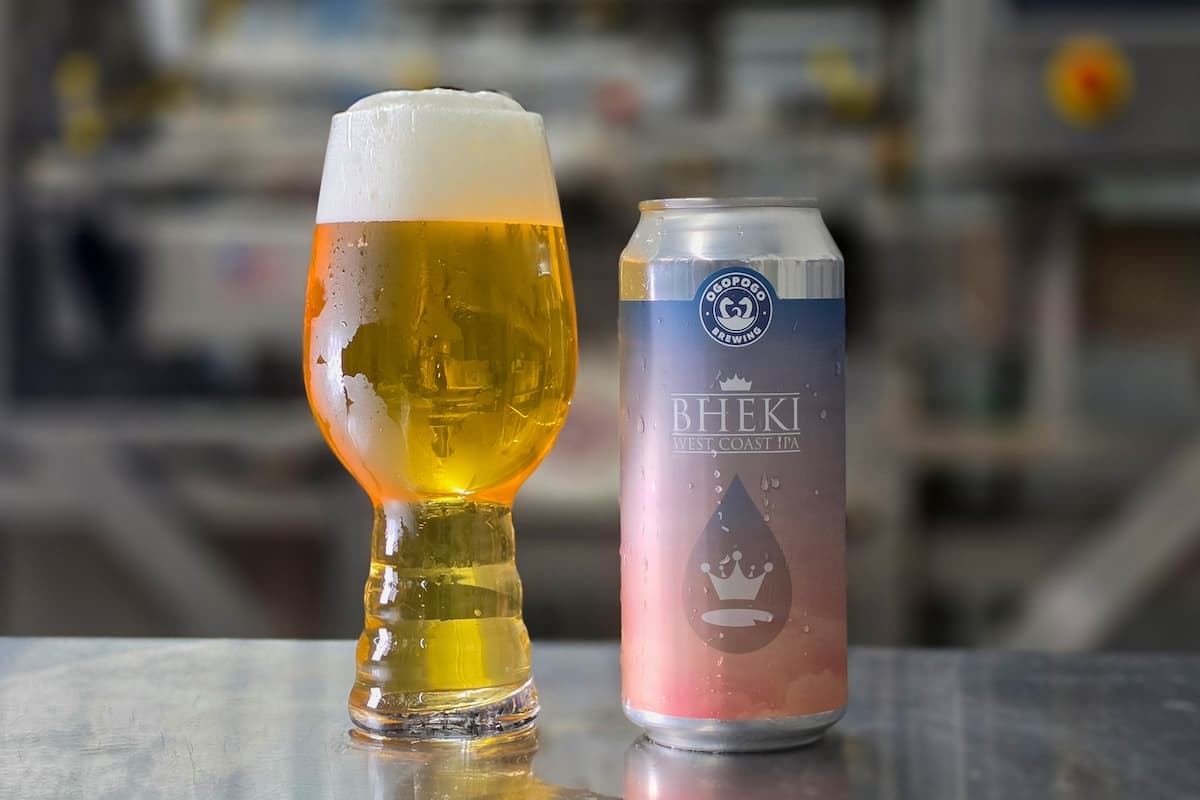
Jason De La Torre, cofounder and brewer at Ogopogo in San Gabriel, California, describes this West Coast IPA as “crisp, punchy, resinous, and dank.” Using modern methods and hop products, it includes doses of Incognito in the whirlpool and Cryo in the dry hop.
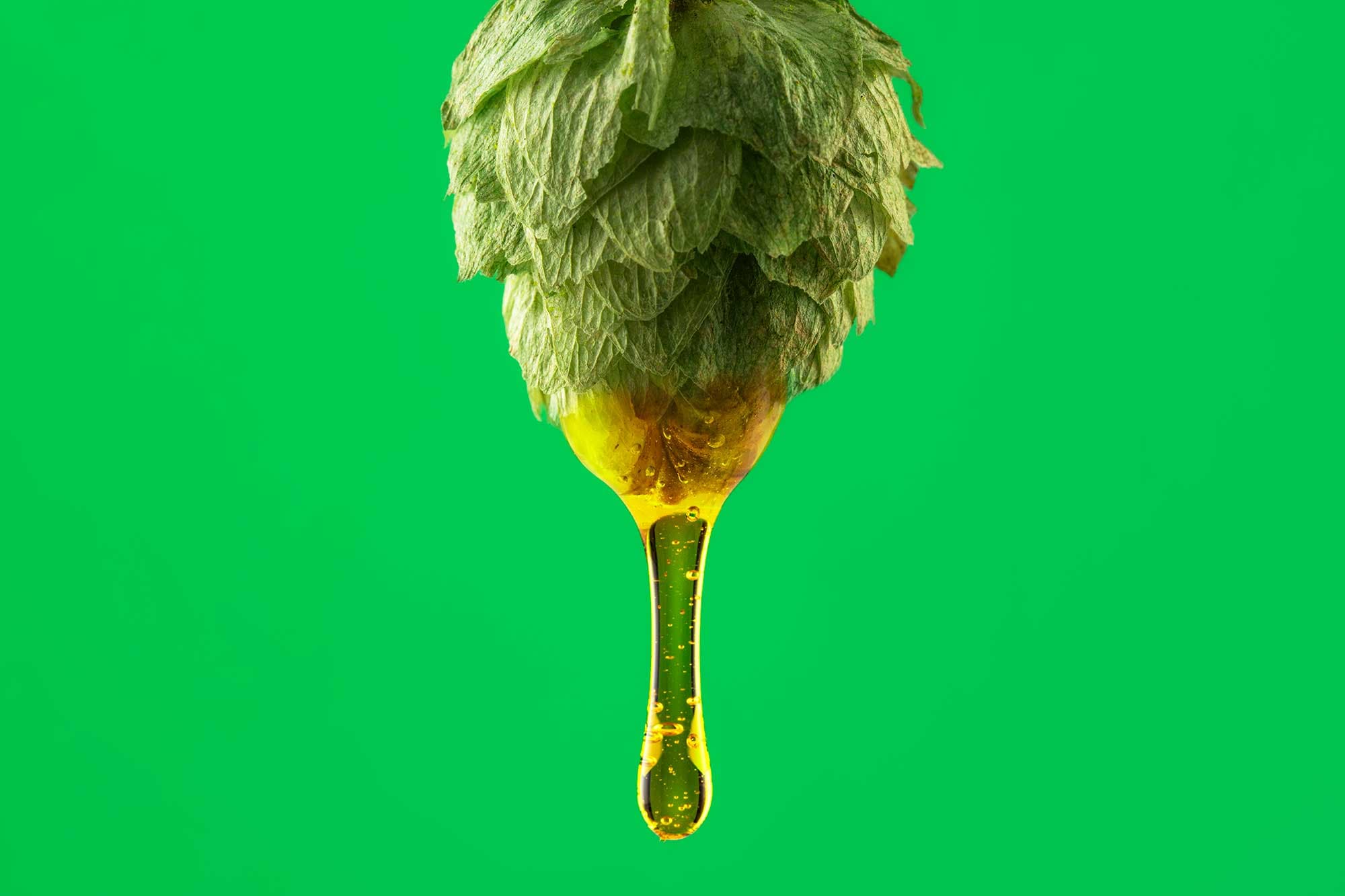
With today’s advanced hop products, there are no silver bullets. Yet they can be powerful tools in the brewery—if used carefully, intentionally, and while heeding the advice of fellow brewers.

After leaving brewing to become an attorney, the cofounder of this Des Moines brewpub felt the pull to return to the brewhouse. Today, he continues to iterate on progressive hazy IPAs while honing low-ABV table lager.

From truly bready beers to intense meads—all flavored with a beloved botanical—the brewing traditions of Ethiopia are as ancient as they are intriguing.
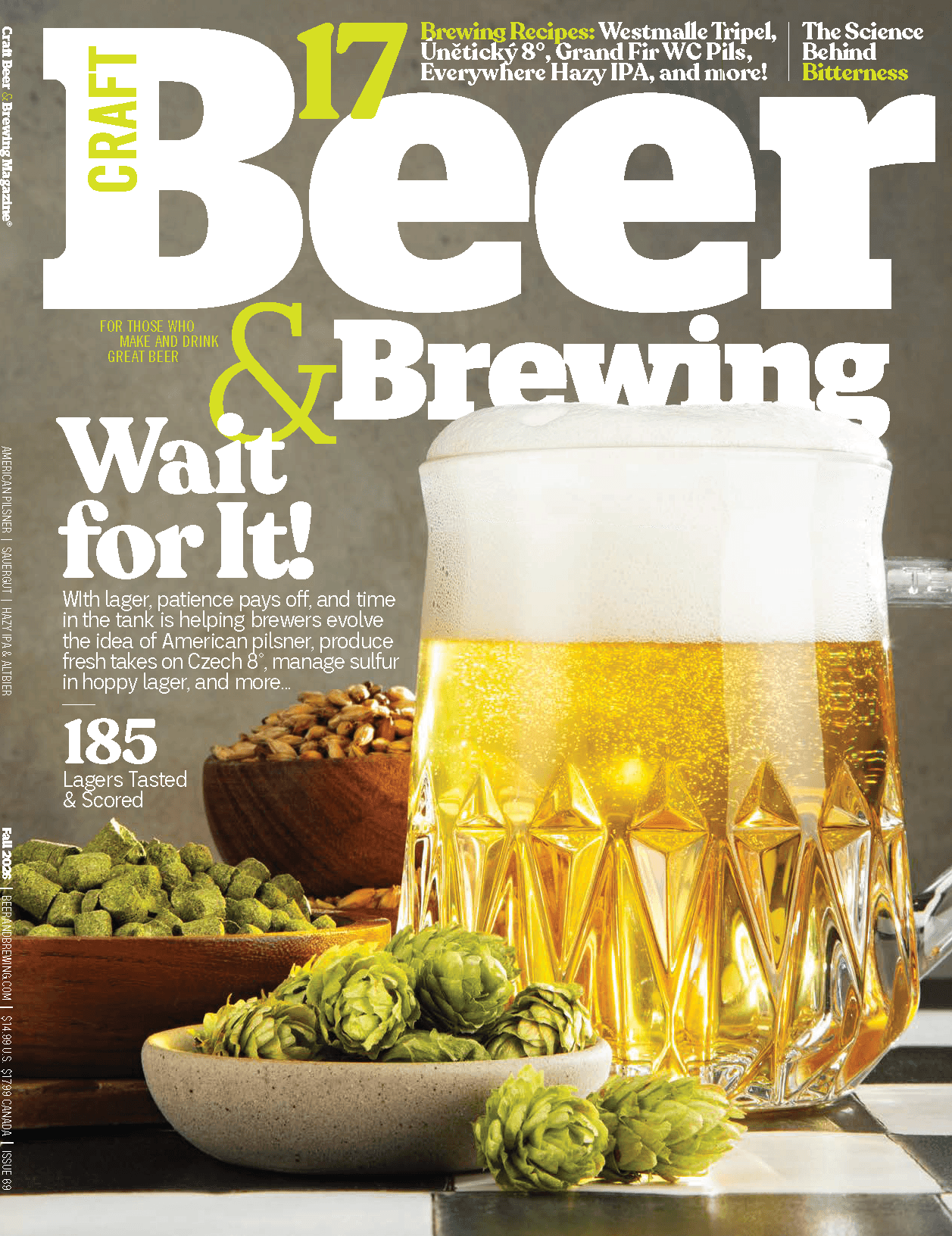
Great lagers reward patience, and in our Fall 2026 issue, we explore the techniques, science, and traditions that make them some of the world's most compelling beers.
Get tips and new content delivered weekly to your inbox.