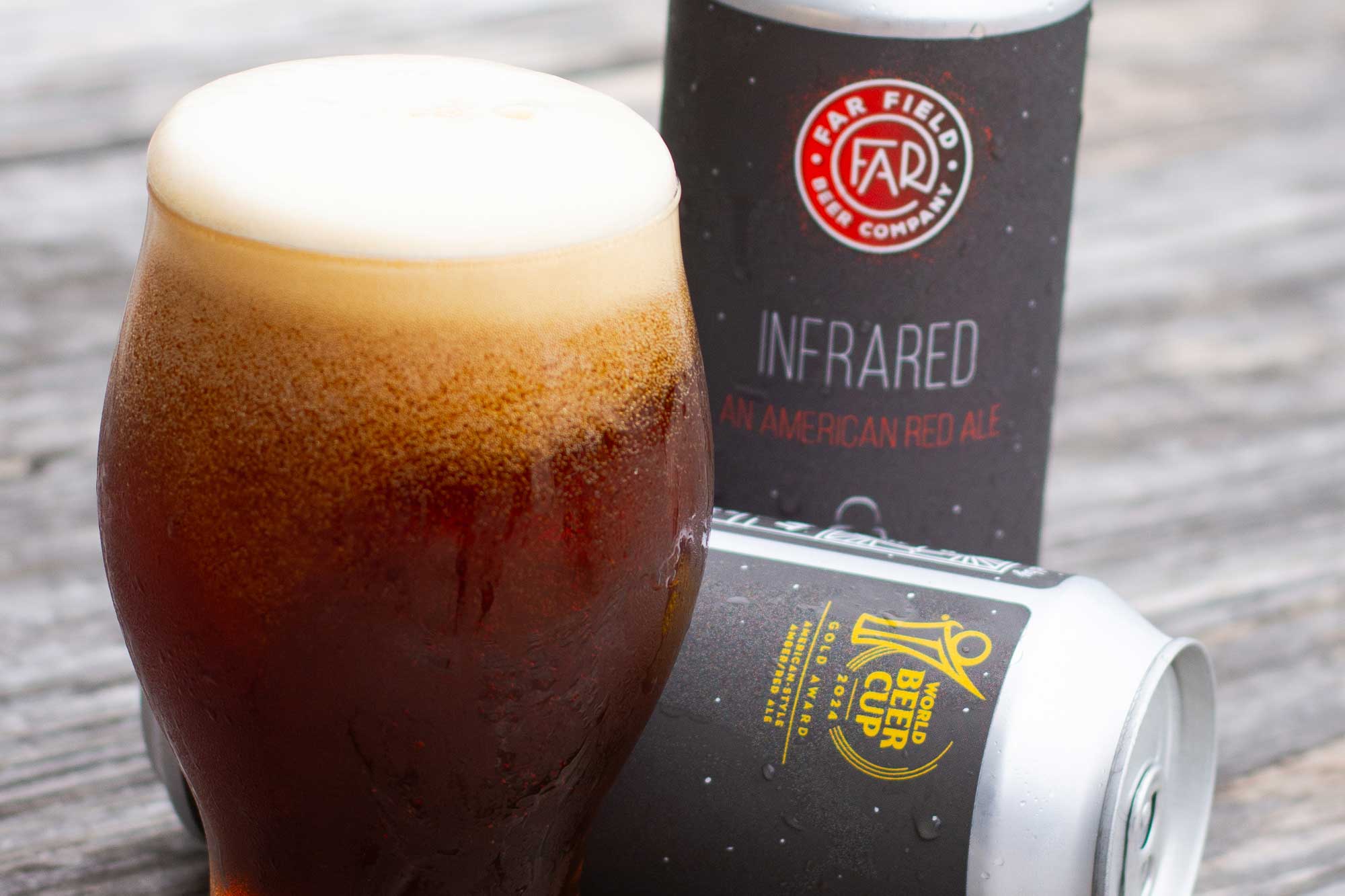
Recipe: Far Field Infrared American Red Ale
Subscriber
From Far Field Beer in Lawndale, California, in L.A.’s South Bay area, here’s a recipe for the American amber that won gold at the 2024 World Beer Cup.

119 articles in this category
From Far Field Beer in Lawndale, California, in L.A.’s South Bay area, here’s a recipe for the American amber that won gold at the 2024 World Beer Cup.
American amber ales aren’t fossils—they’re more like liquid signals sent through time and space from an earlier generation. And today’s brewers continue to refine and polish them to an appealing ruby hue, while the opportunities for flavor and quality are greater than ever.
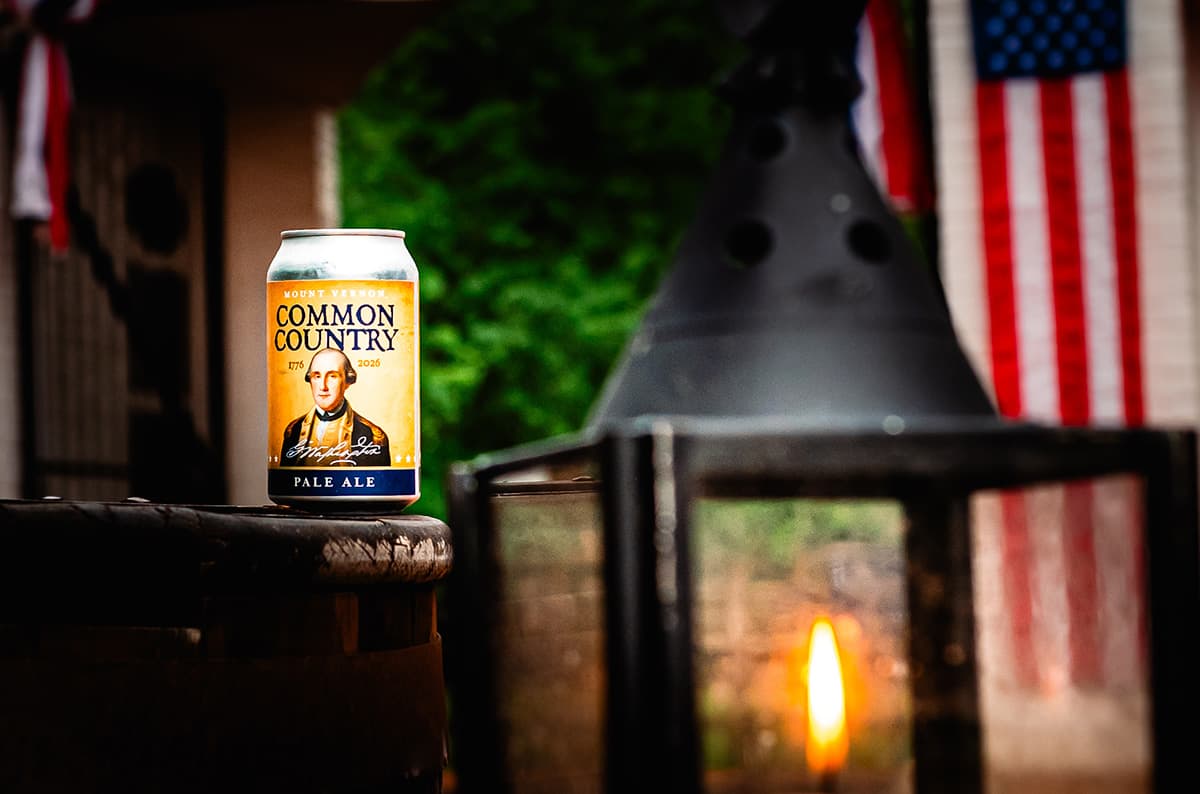
This colonial-era pale ale recipe—a collaboration with Mount Vernon to celebrate the 250th anniversary of the Declaration of Independence—takes a page right out of Martha Washington’s cookbook.
Besides sanitation, success here depends on two things: slightly chloride-forward water to round out the malt, and great attenuation for a light, dry finish.
Whether you’re the type who appreciates a real technical challenge—or just the type who appreciates something easygoing and ice-cold on a hot day—light lager has plenty to offer the ambitious (and thirsty) brewer.
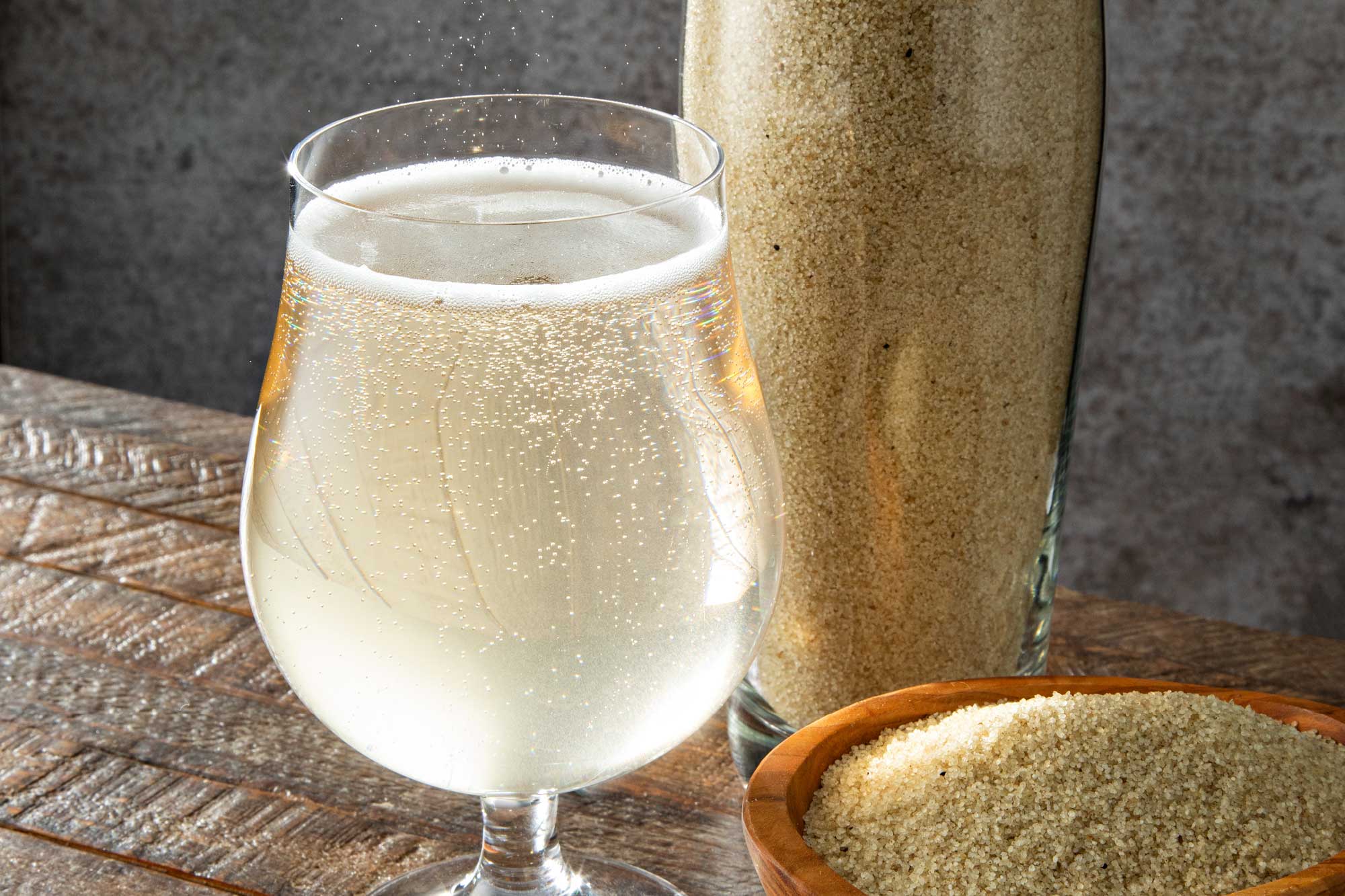
Patrick Bourque, head brewer at Kiitos in Salt Lake City, says they brewed this IPA to showcase fonio’s unique flavors—such as passion fruit, lychee, and white peach—and how those flavors meld nicely with the flavors and aromas of modern hop varieties.
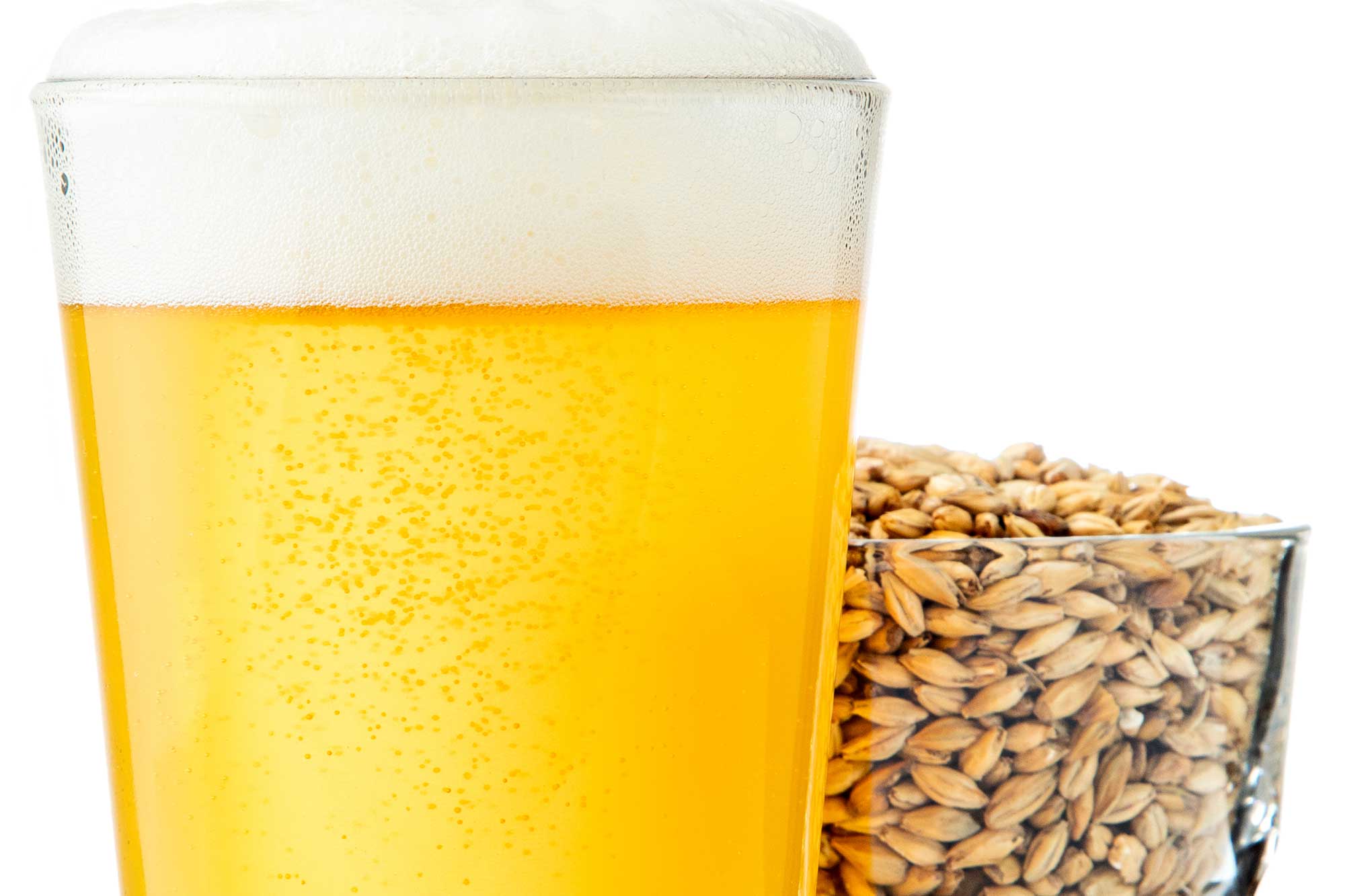
From Formula Brewing in Issaquah, Washington, here’s a recipe for the contemporary American wheat beer that won gold at the 2025 Great American Beer Festival.
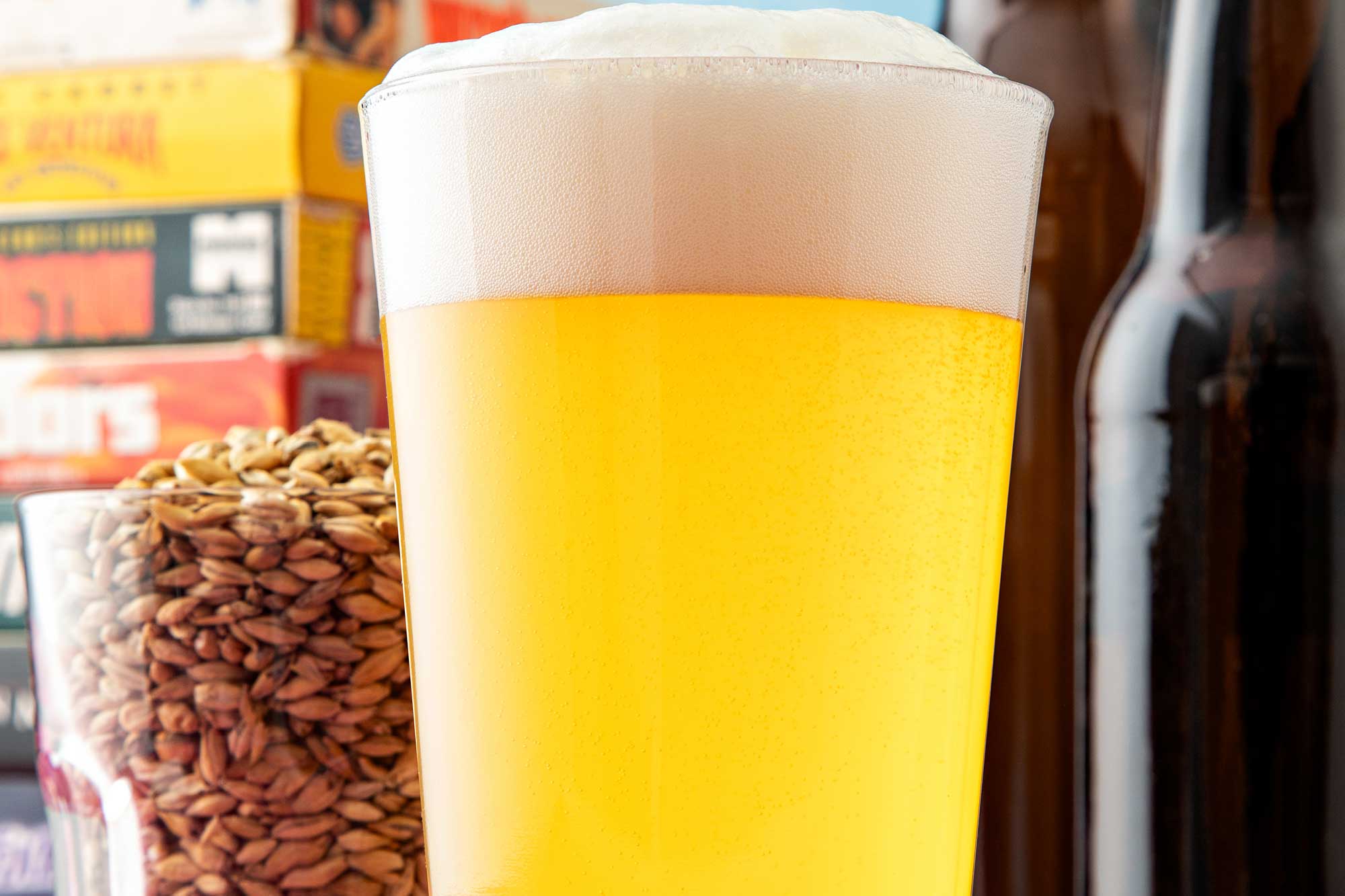
Based more on an ingredient than an existing tradition, American wheat is arguably the United States’ first truly native modern beer style. Refreshing and easygoing, attractive and flavorful, it arrived just in time to help American craft beer grow.
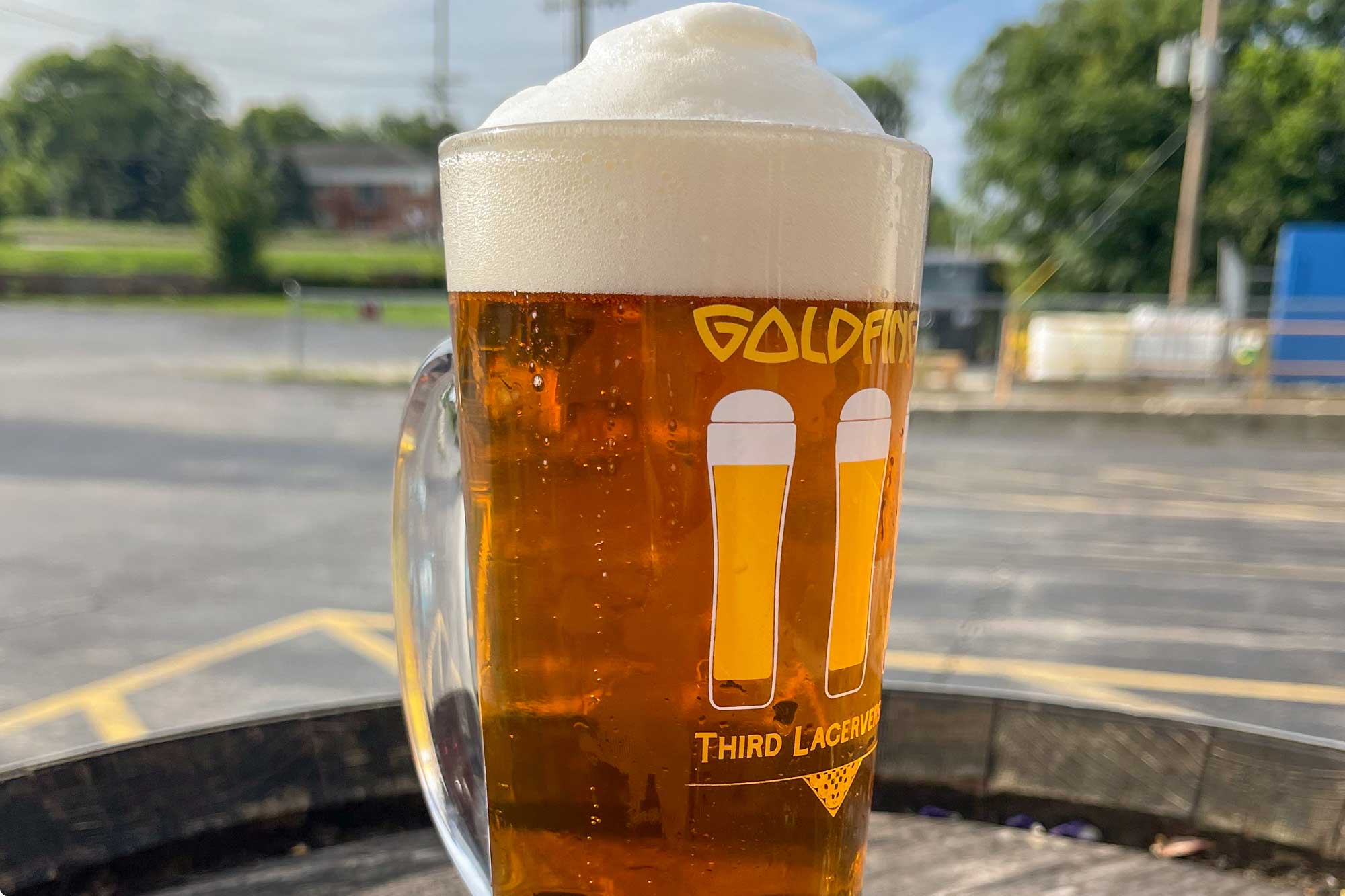
In the Chicago suburb of Downers Grove, Goldfinger has built a strong national reputation for its lagers. This one is inspired by the German zoigl tradition but makes use of American ingredients, including corn and whole-leaf Mt. Hood hops.
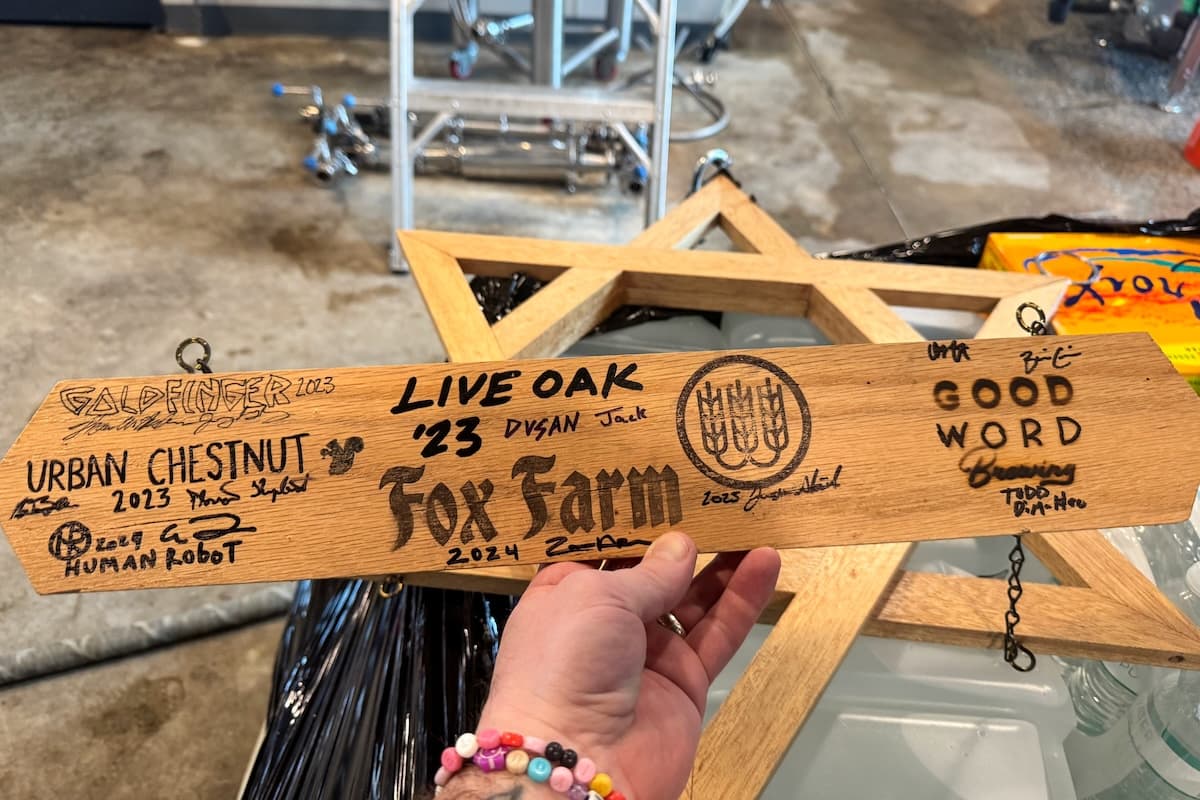
One lager brewery at a time, a homemade zoigl star is making its way around the United States. At each brewery, the star signals participation in an evolving collaboration inspired partly by the Oberpfalz tradition. Tom Beckmann, cofounder and brewer at Goldfinger in Chicago, explains.
Fogbelt Brewing in Santa Rosa, California, recently revived this craft classic long brewed by Mendocino in nearby Hopland. Often cited as the first American red ale, pioneering microbrewers Don Barkley and Jack McAuliffe first brewed Red Tail Ale in 1983.
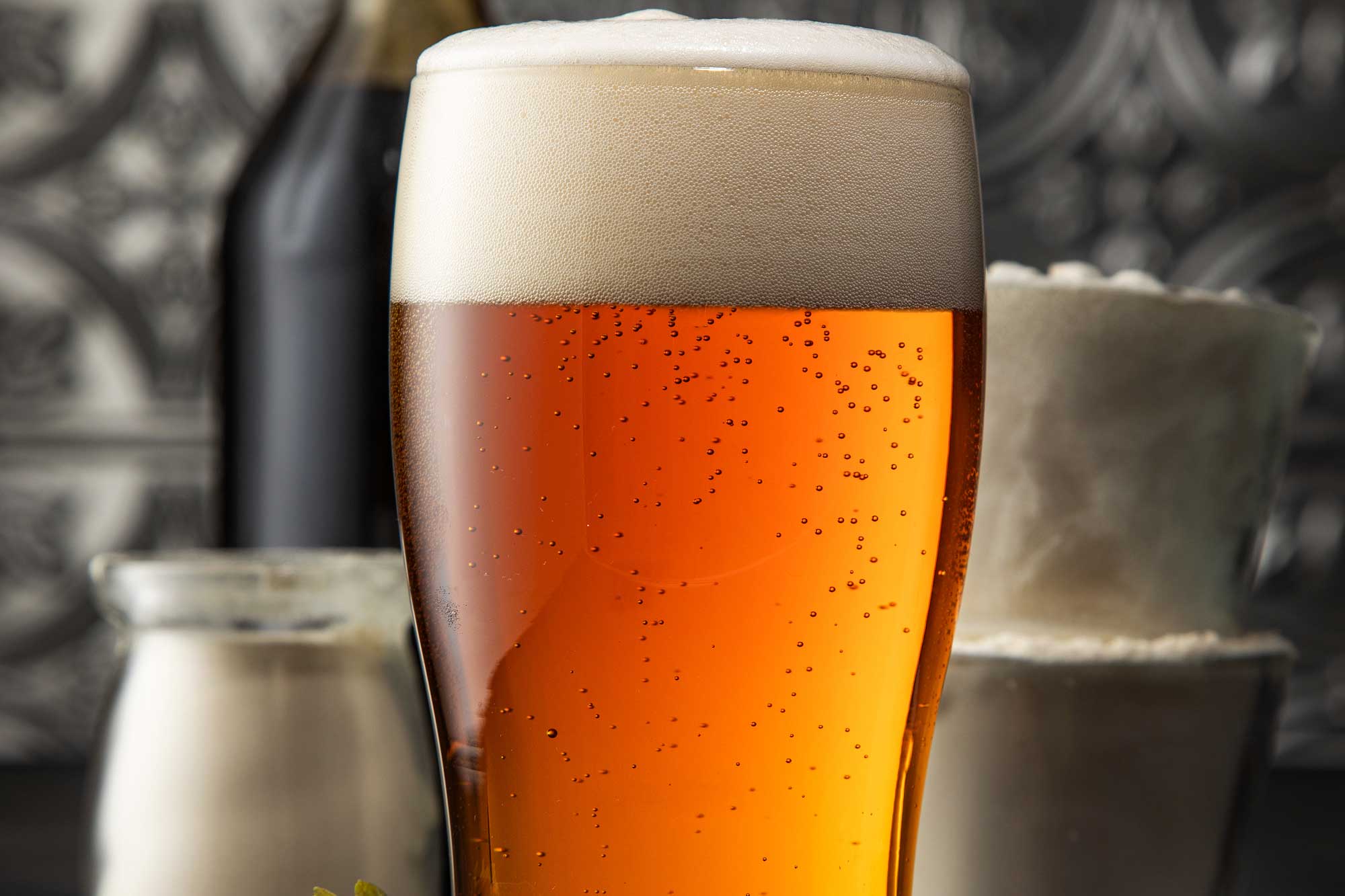
A classic style in the American craft pantheon, this amber ale is Annie Johnson’s house beer—the one she’s brewed again and again to dial in her process and ingredients. (She also drinks it.)
From Odell Brewing in Fort Collins, Colorado, this recipe is a celebration of Strata hops and the people who pick them.
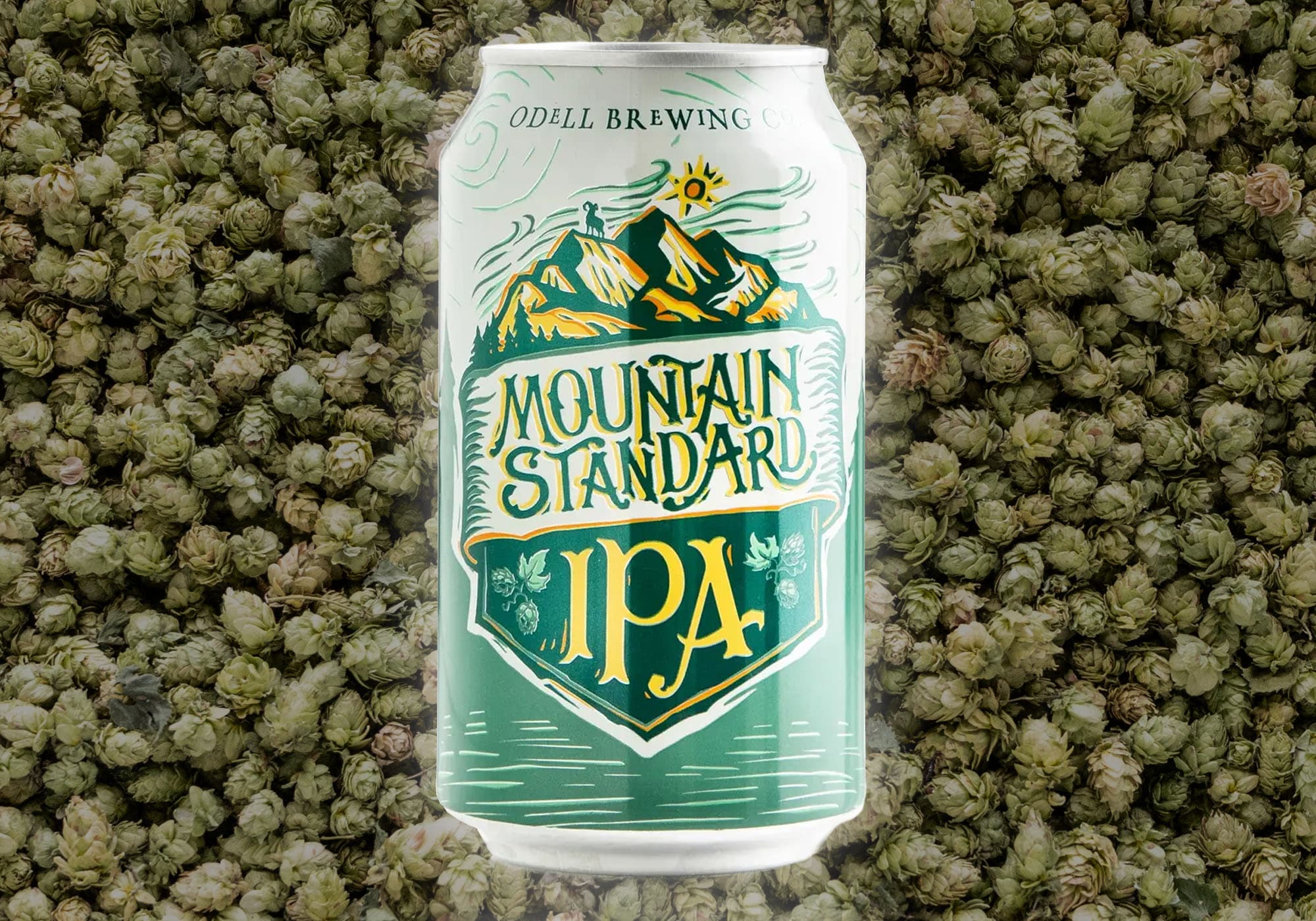
For the team at Odell Brewing in Fort Collins, Colorado, this mountain-style IPA is a tribute to the Rocky Mountains. They select its modern hop varieties to achieve a complex profile of juicy and tropical notes.
Every brewer should have a house beer they use to get better—the one you could brew in your sleep to fine-tune your process, get to know your ingredients intimately, and dial in flavor and quality. For Annie Johnson, that beer is her throwback American amber ale.
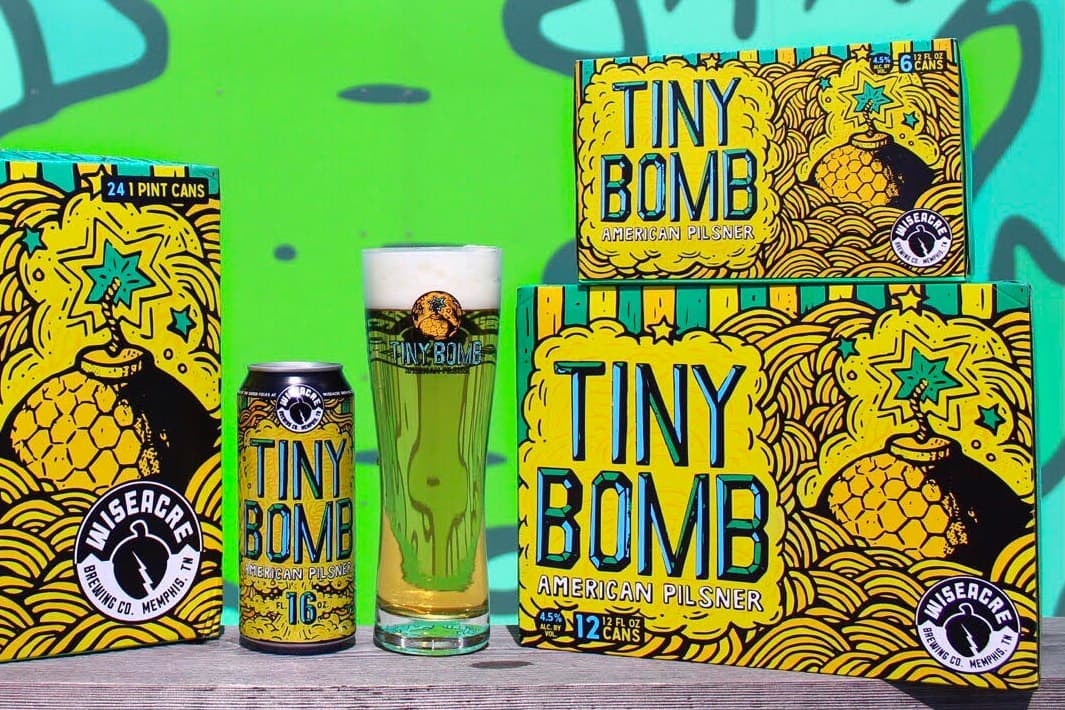
The flagship beer from Wiseacre in Memphis, Tennessee, Tiny Bomb is a svelte, session-strength American lager with the full flavor of a German pilsner.
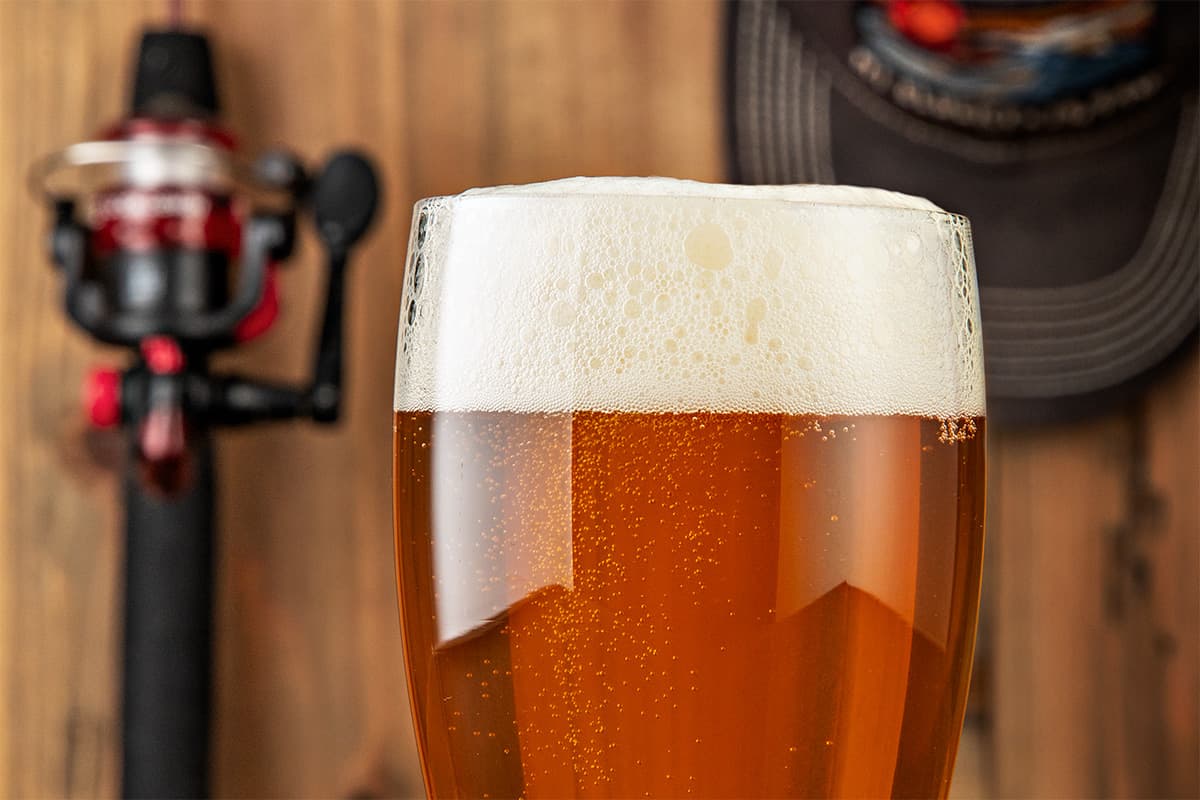
A classic style in the modern American pantheon, this hop-and-malt-forward strong ale serves as a great starting point for experimentation—for example, by subbing in your favorite hop varieties.
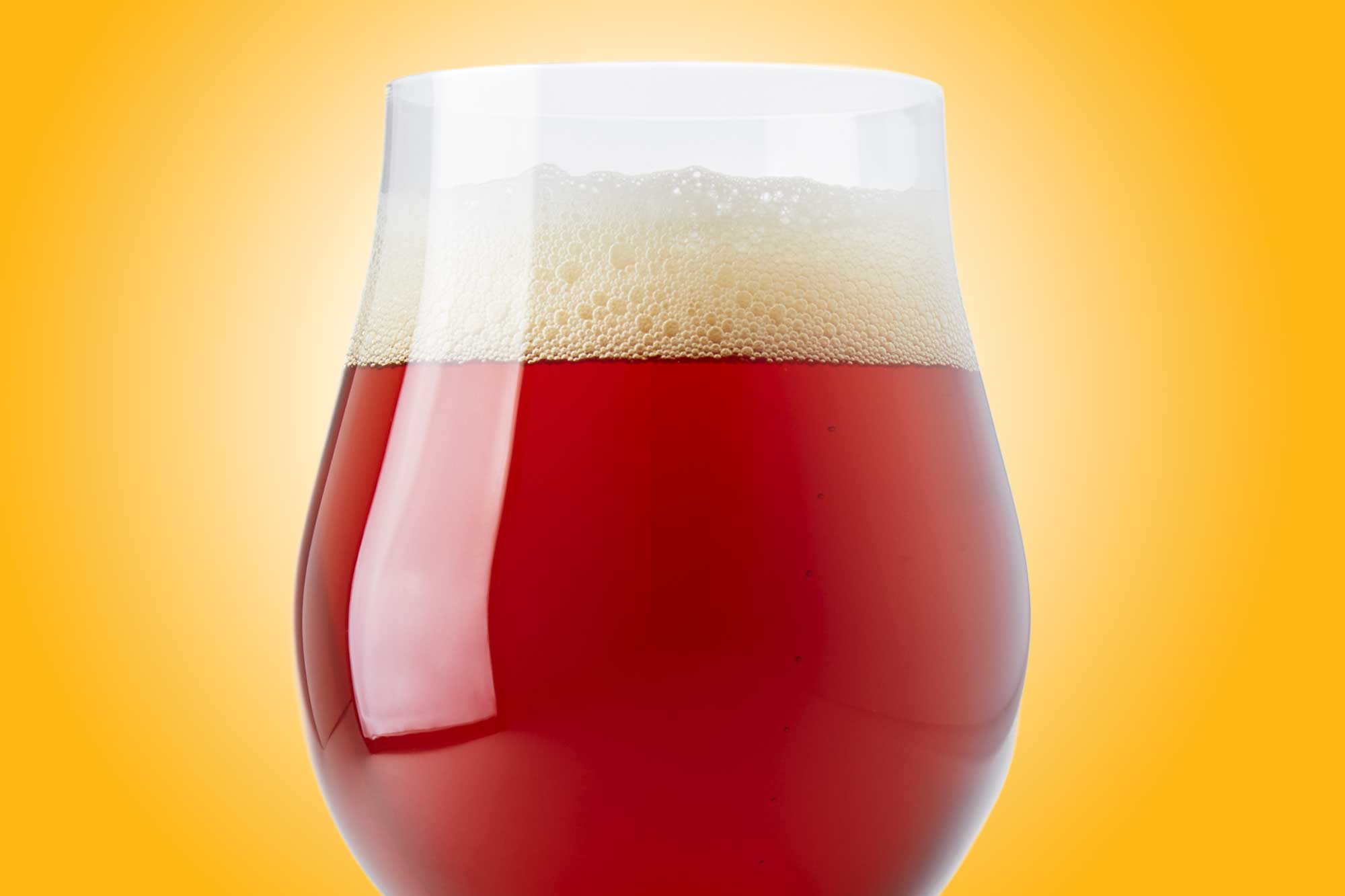
This celebration of malt and American hops is one that should evolve nicely as the weeks pass, the bitterness rounds, and malt comes into the fore.
Based on details shared by the former lead brewer at Peoples Brewing in Oshkosh, Wisconsin, this mid-20th century American bock gets its color from a darker caramel Munich malt—not from the syrups that were common in dark adjunct lagers from that time.
From Cloudburst founder-brewer Steve Luke, here’s a homebrew recipe for the West Coast double red that won gold at the 2025 World Beer Cup.