Recipe: Offset Gooding Farms IPA
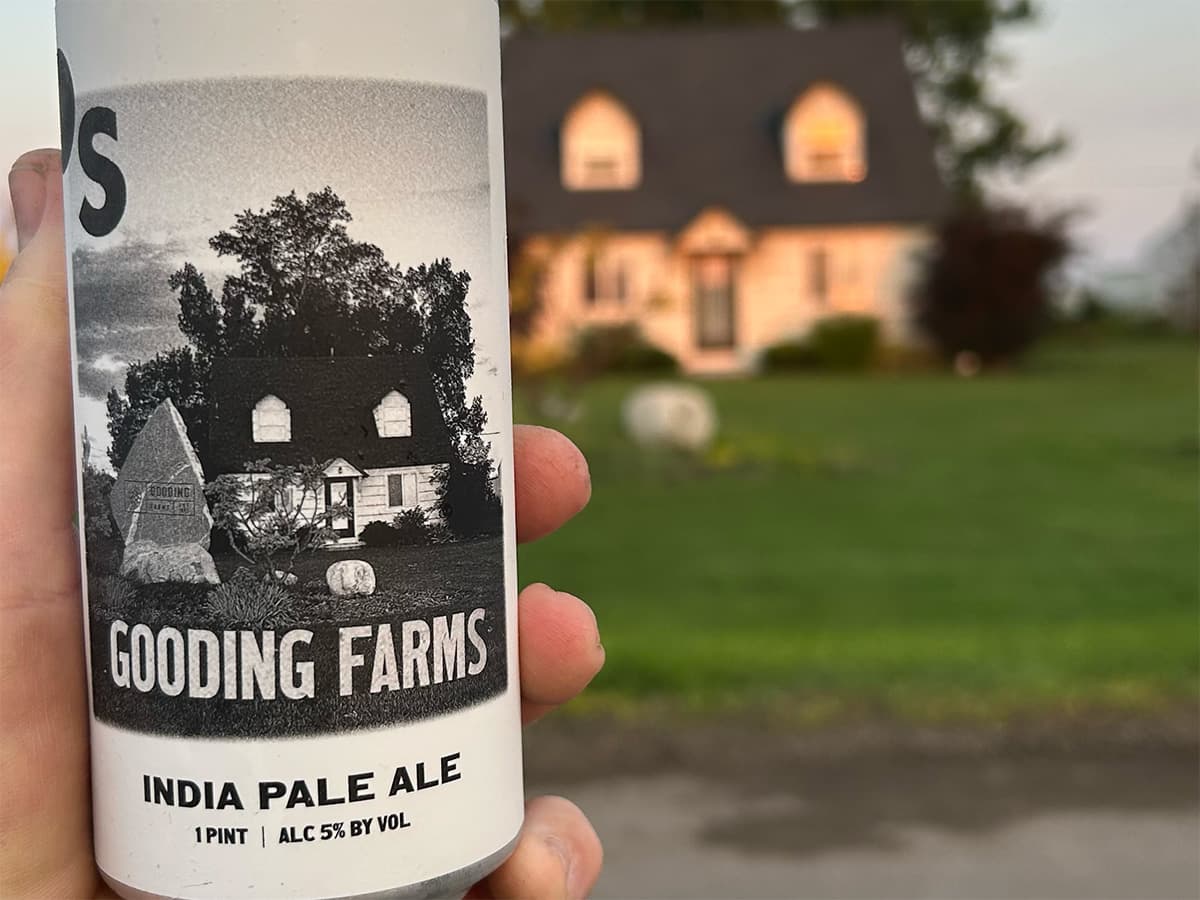
ALL ACCESSFrom Offset Bier in Park City, Utah, this session-strength IPA—which features the new public hop, Vera—is fresh off a gold-medal win at the Great American Beer Festival.
84 articles in this category

From Offset Bier in Park City, Utah, this session-strength IPA—which features the new public hop, Vera—is fresh off a gold-medal win at the Great American Beer Festival.

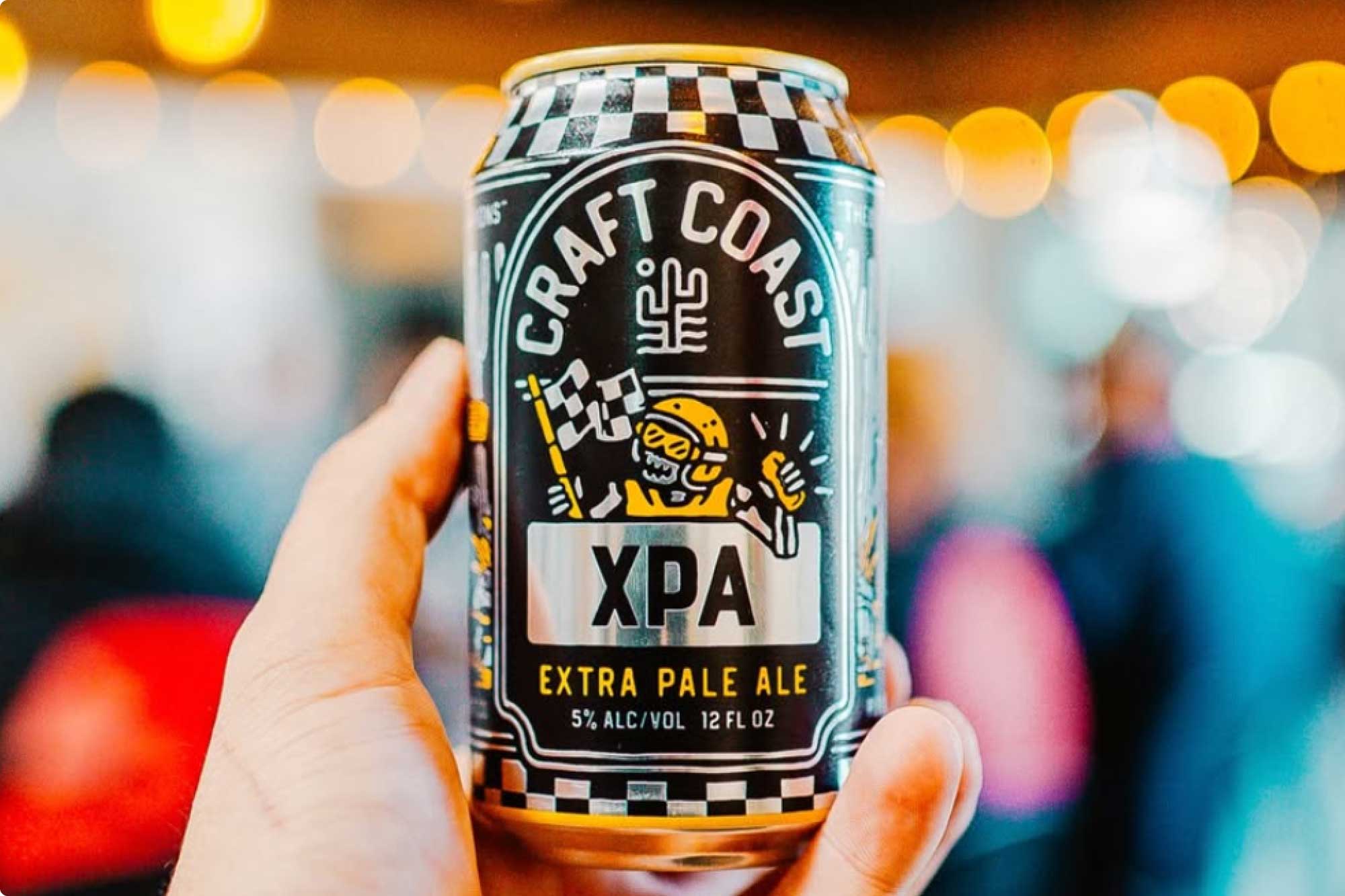
This extra pale ale is a crowd favorite at Craft Coast Beer & Tacos in San Diego’s North County. It’s also found success at the highest levels of competition, winning two straight World Beer Cup medals—bronze in 2024, then silver in 2025.


Here’s how homebrewers can punch up their pale ales with the bright flavors of New Zealand hops. Plus: a method for getting a whirlpool-like flavor burst without having to whirl anything.

From Shawn Cooper and Joran Van Gingerachter of Atlanta’s Halfway Crooks, here’s a recipe for their own “brewer’s beer”—a dry, bitter, quenching pale ale packed with Belgian-grown hops and accentuated by careful yeast expression.

Taking cues from modern Belgian pale ales such as Taras Boulba and XX Bitter, Sanguine is a balanced expression of ample hops and yeast character. “We chased this beer for four years, trying to find the flavor profile,” says Halfway Crooks cofounder Shawn Cooper. “This is where we ended up.”

With a gluten-free grist of 100 percent rice malt, this homebrew recipe comes from Jim Eckert, the rice-malting pioneer who founded Eckert Malting & Brewing in Chico, California.

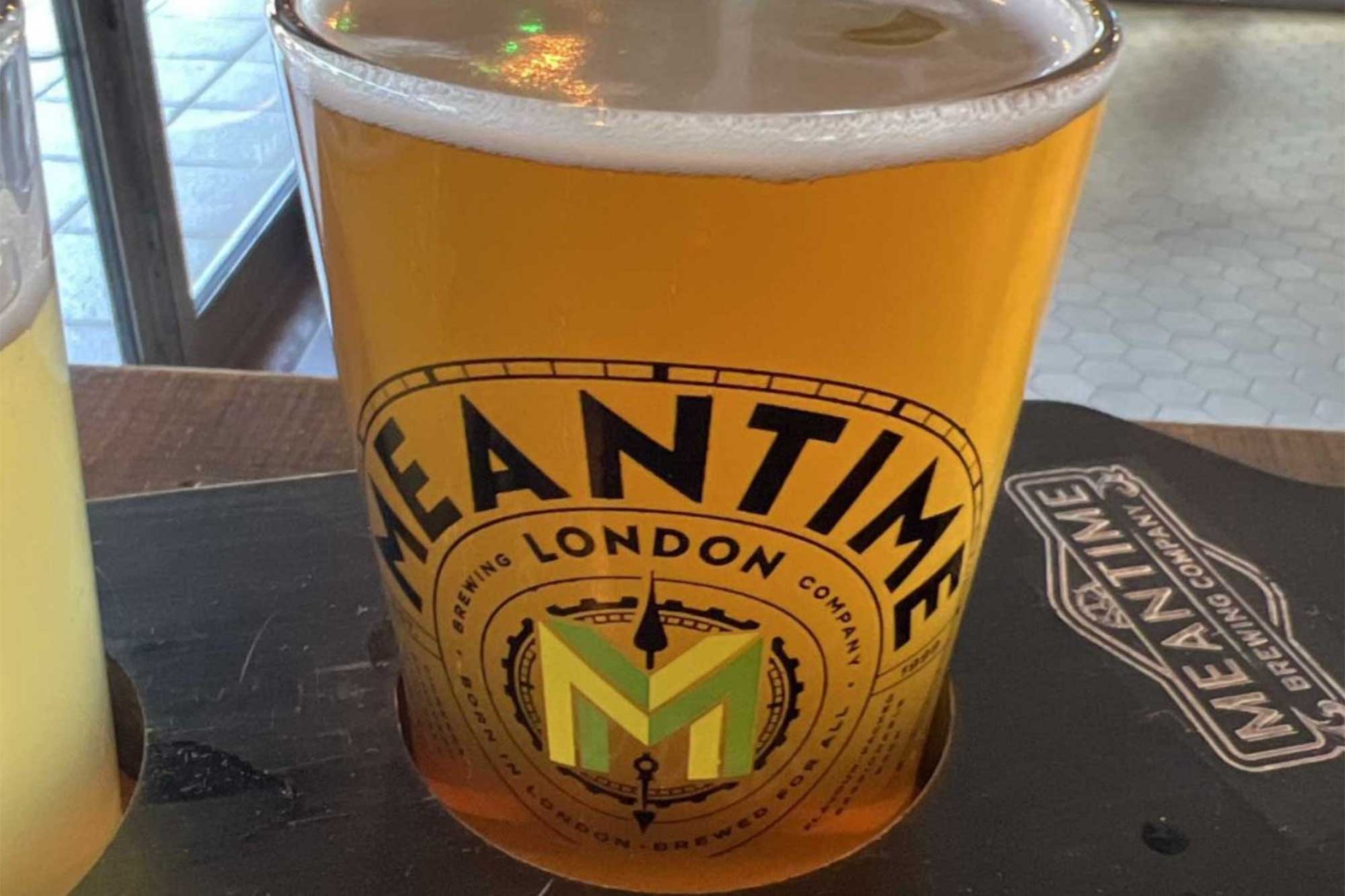
Writer David Jesudason and brewer Nidhi Sharma share this homebrew-scale recipe based on an Indian-spiced pale ale they brewed together at London’s Meantime. It features “luminescent” turmeric as well as coriander, bay leaves, and black pepper.

From the historic heart of Amsterdam, De Bekeerde Suster brewer Jason Pellett shares this recipe for a hop-forward pale ale that makes use of cacao’s fruity pulp (and a few of the nibs).

From Marble Beers in Manchester, England, here’s what head of production Joe Ince describes as “a lighter, hoppier bitter, northern in style.”

Today’s British brewers are melding traditional cask bitter with brighter, modern hopping for a crushable alchemy greater than the sum of its parts. Will the rest of us ever catch on?

Malt extract and hop extract join hands for this American pale ale recipe, which gets some aromatic bang from a potent cold-side addition.

From Cervecería Hércules in Santiago de Querétaro, here’s a taste of summer from Mexico featuring a global blend of American, British, German, and New Zealand hops.

The style that helped launch the craft movement has been on the back burner—but the next evolution of American pale ale is underway. Here, brewers Matt Brynildson and Sam Tierney review Firestone Walker’s pale ale journey—and reveal its next destination.

So far, Anthony Tallman’s quest to brew the perfect hop-forward session beer has borne two GABF silver medals for Carlsbad Crush. But this San Diego brewer isn’t done experimenting with techniques, ingredients, or timing, as he continues to squeeze big hop flavors into Burgeon’s lean, drinkable beers.

From Lukáš Tomsa, head brewer at Dva Kohouti in Prague, comes this recipe for a Czech-style American pale ale—with a base of Czech pale ale malt, it gets a single decoction meant to promote body, foam, and attenuation.

Described as “an ultramodern meditation on the relationship between hops and yeast,” this hazy pale ale—double dry-hopped with Mosaic and Motueka, and fermented with Omega’s thiolized Cosmic Punch—won gold at the 2022 Great American Beer Festival.

Luminous Beings was practically an afterthought—a mid-strength hazy pale ale designed to culture up some thiolized yeast for bigger IPAs. Yet that afterthought took on a life of its own, winning gold at the 2022 Great American Beer Festival. Greg Winget, director of brewing operations at Wye Hill in Raleigh, North Carolina, explains the method behind it.

Pale ale makes an ideal base for trying out the split-batch method and experimenting with the different flavors you can get from one kettle of wort and a single brew day. Following this recipe, you’ll get an American-style pale ale, a Belgian-style pale ale, and a British-style strong bitter—but it’s easy to imagine more variations.

There is not one pale ale—they are infinite. For example: There are a few classic types that can be assembled from essentially the same wort based on some key choices. Let’s explore the versatility.