Everything You Want to Know About Harvesting and Repitching Yeast
Learn the ins and outs of harvesting and repitching yeast and why the practice pays off.
By Kristen Ewer

52 articles in this category
Learn the ins and outs of harvesting and repitching yeast and why the practice pays off.
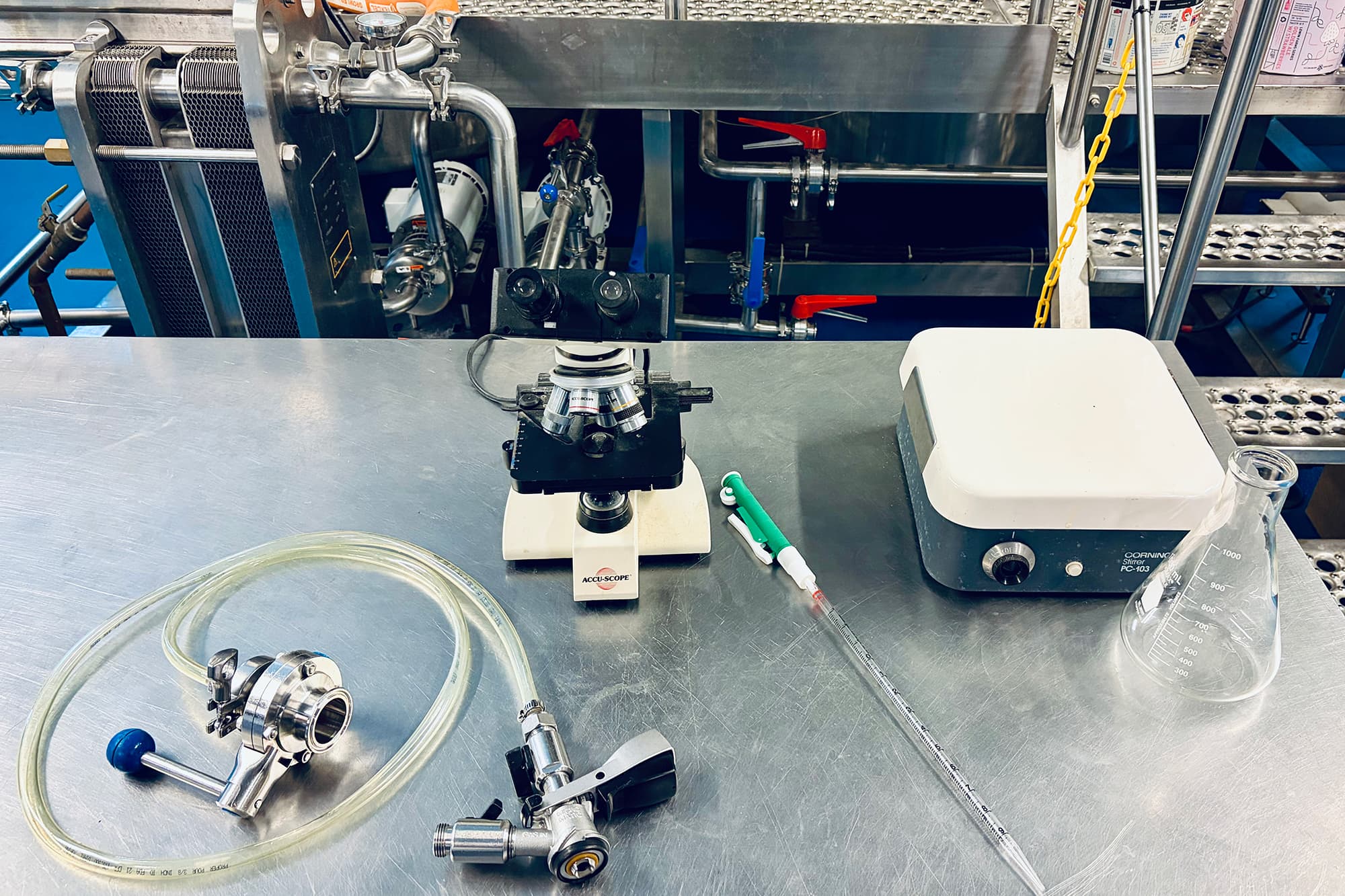
Harvesting yeast saves cost and ensures consistency—but only when done right. Learn the equipment, sanitation steps, and timing that turn slurry into usable, healthy yeast for repitching.
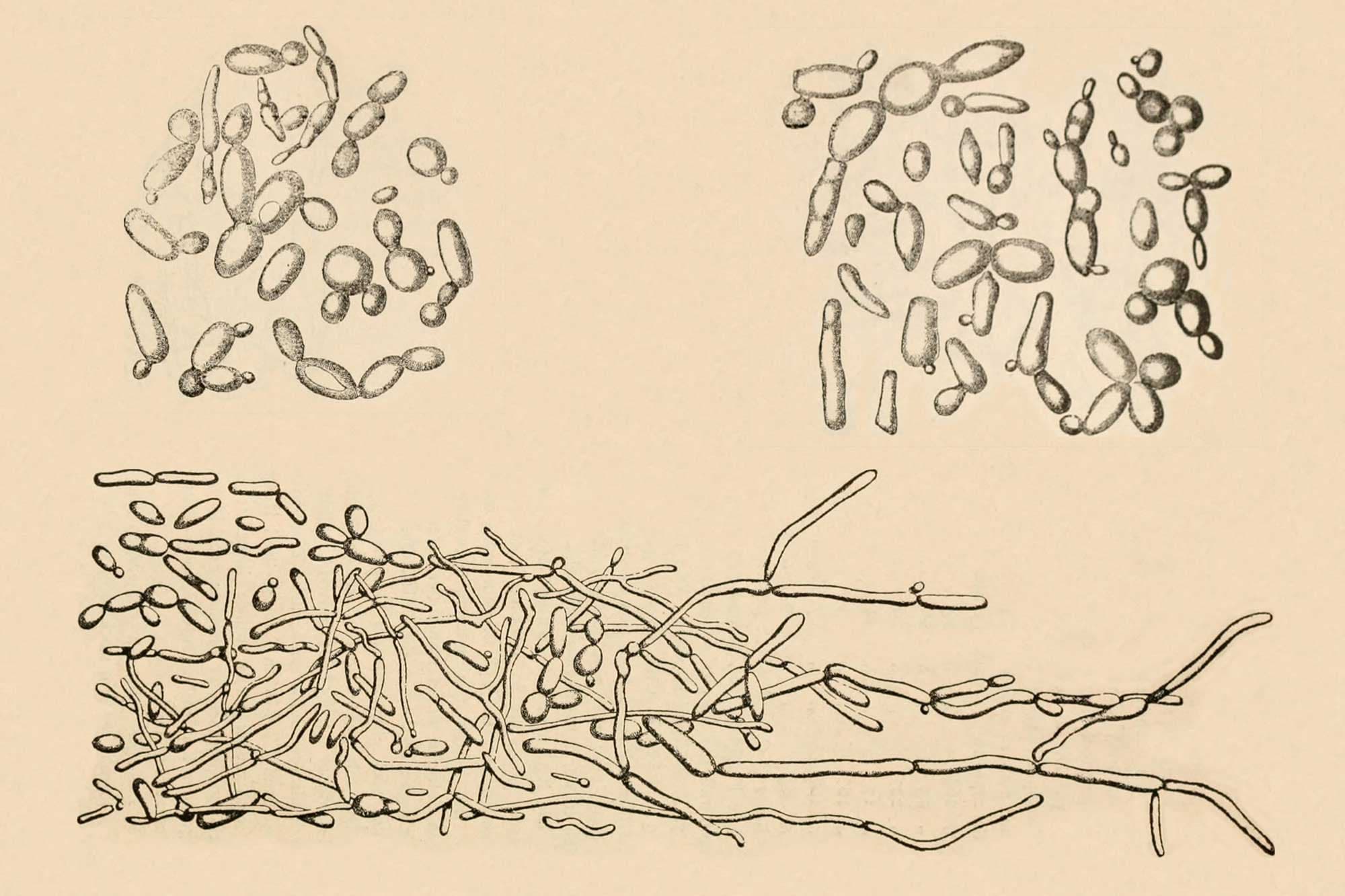
Fermentation has been around for billions of years, but only recently did a new type emerge—lager fermentation, conducted by an organism that didn’t exist for much of Earth’s history. Here is its story... starting from the very, very beginning.
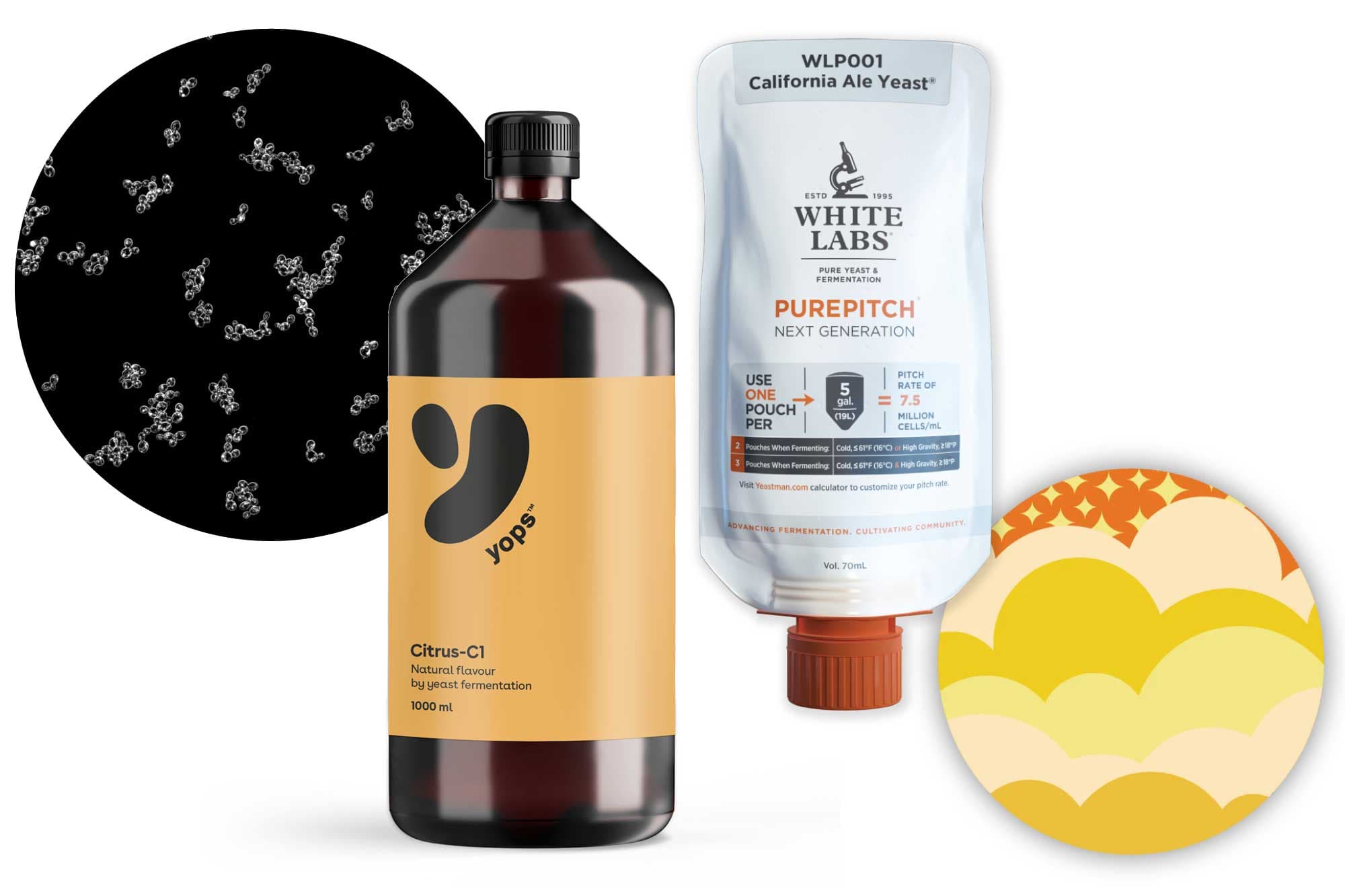
Innovation in the fermentation space shows no sign of slowing, as today’s yeast suppliers continue to expand the brewing world’s access to novel and functional yeast varieties—and delivered in better shape than ever before. Here’s a handful of yeast-related developments piquing our interest.
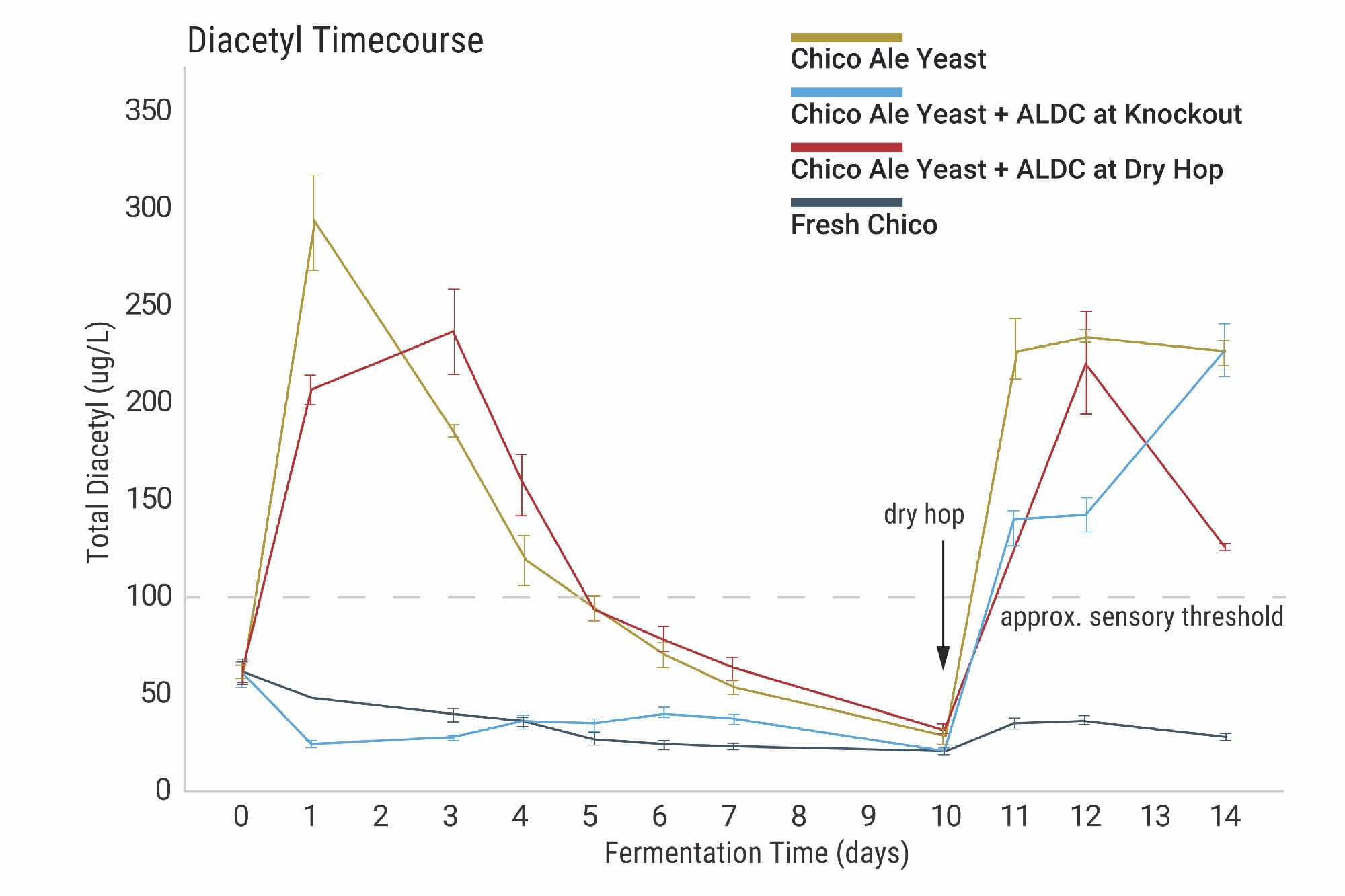
How does yeast-derived ALDC compare to purified ALDC enzyme in reducing diacetyl? To test various conditions, Berkeley Yeast designed a recipe that would result in high diacetyl after dry hopping. Here are the results of their testing.
As NA beers grow as a category, specialized yeasts can be an accessible way for smaller breweries to jump into the fray. But which strain should you try first? Recent research aims to help you narrow it down.

Steve Parker, cofounder and head brewer of Fidens in Albany, New York, reveals their preferred yeast strain and what it contributes to their IPAs—including the right balance of hop and yeast expression, a slight acidity, and a stable haze.
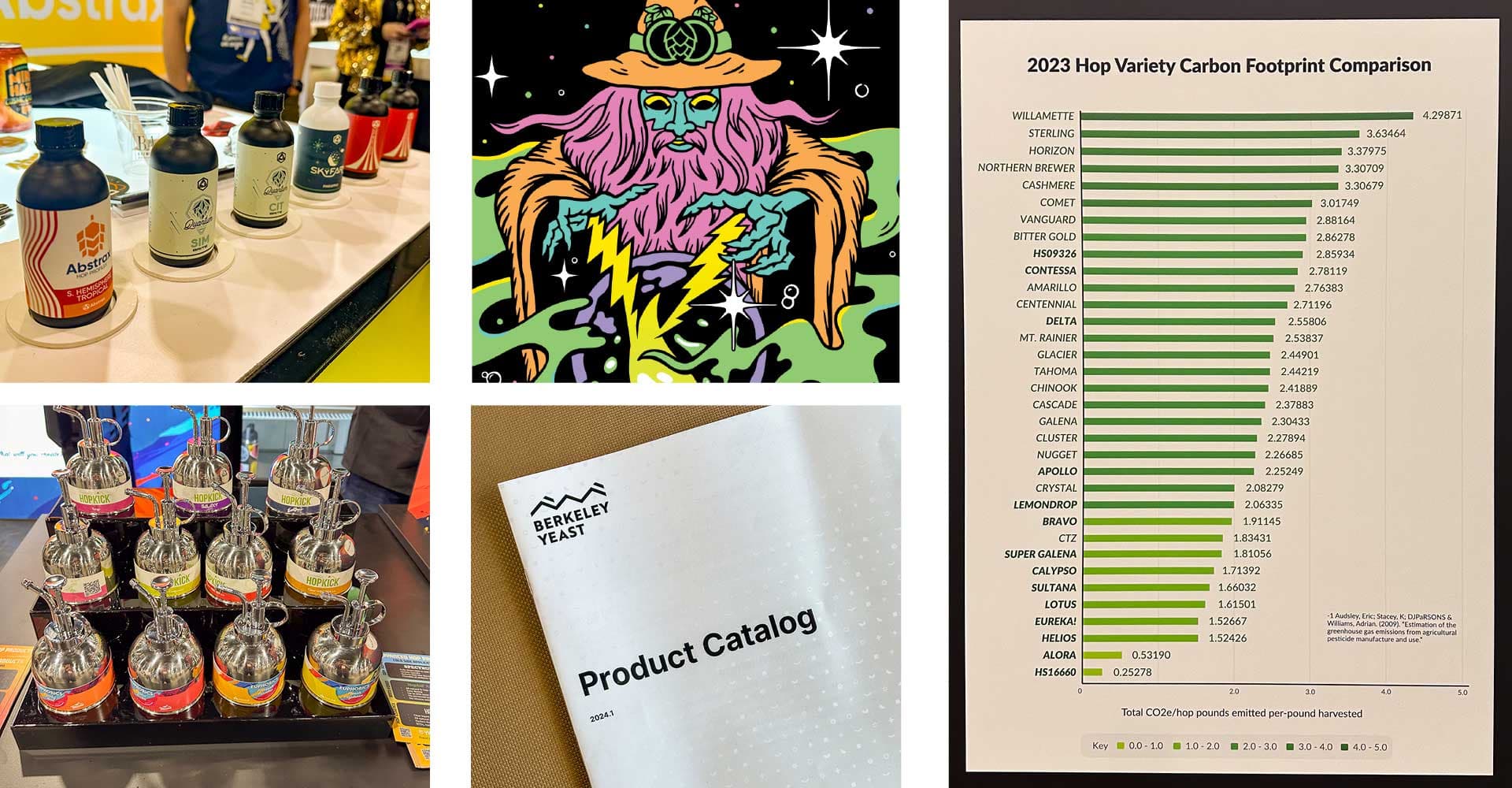
As it always does, the recent Craft Brewers Conference offered glimpses of where brewing may be going, whatever your scale. From terpenes to Dynaboost to new yeast strains, here are a few finds from the trade-show floor have us excited about what’s next.

Brewers don’t make beer, yeast do—but they also make a lot more yeast. Here’s a look at some of the specialized gear that brewers use to propagate and ensure consistent pitches from batch to batch.
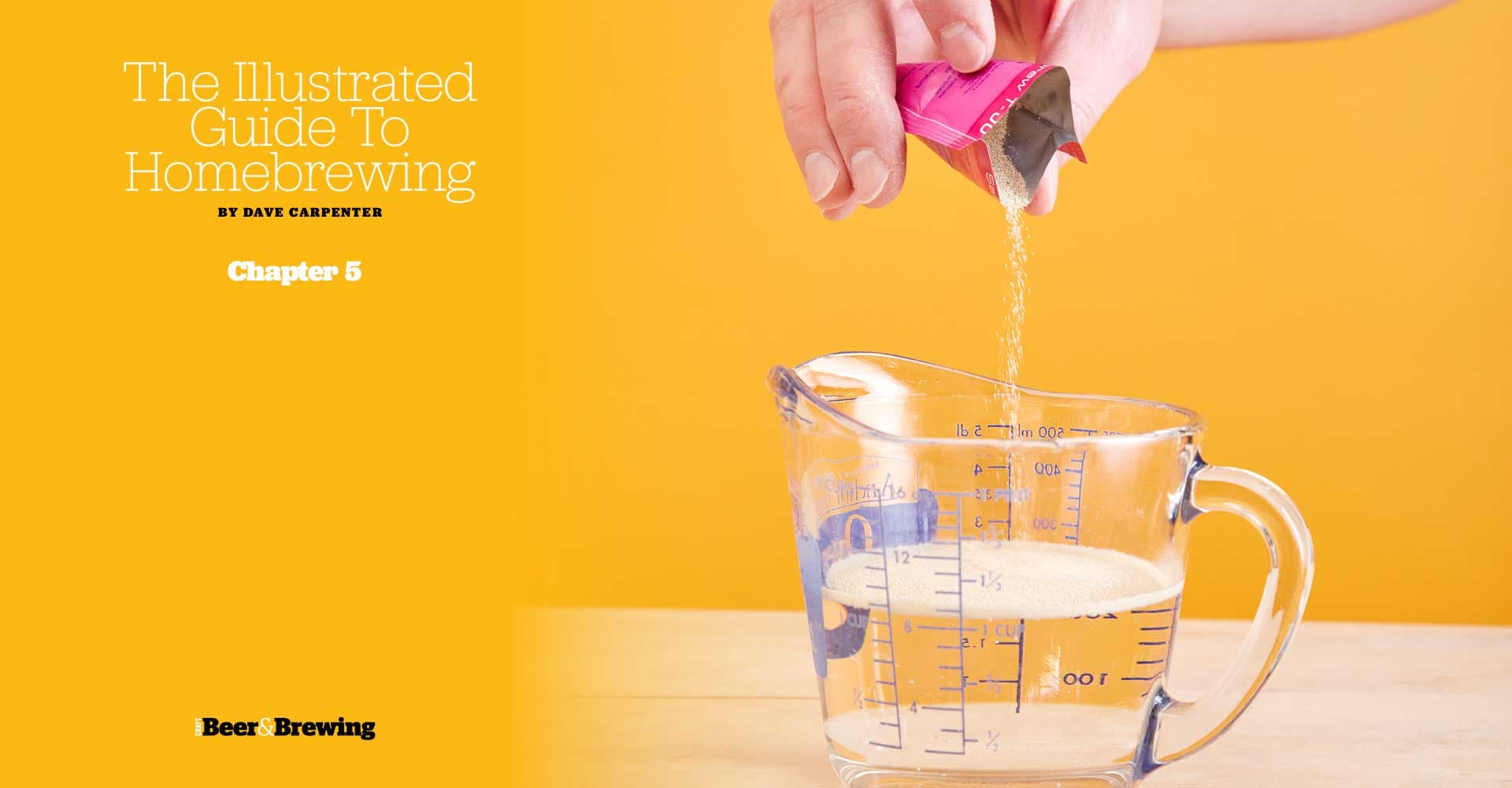
The quality of your beer hinges on the yeast and handling it properly—but it need not be difficult. From our Illustrated Guide to Homebrewing, here’s what you need to know about types of yeast and how to manage them so that your fermentation goes to plan.
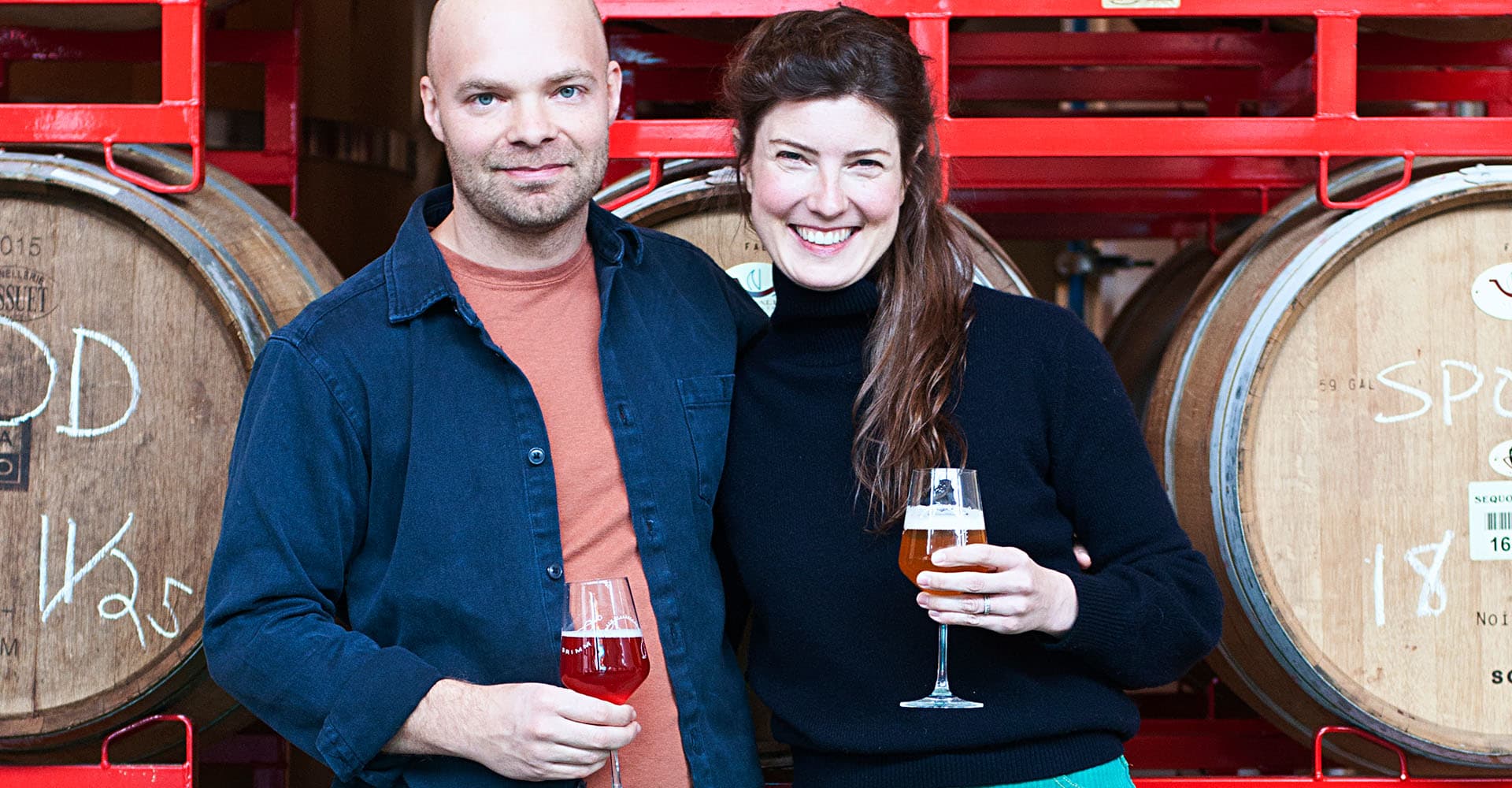
Lauren and Joe Grimm of the eponymously named Brooklyn-based brewery have built processes to optimize yeast health and performance, whether brewing hazy IPAs or wild and spontaneous beers.
These cool customers have co-evolved with us as brewers and drinkers, traveling and prospering while producing some of the world’s most popular beers. Behind these yeast strains and their important differences, there is a unique genetic story.
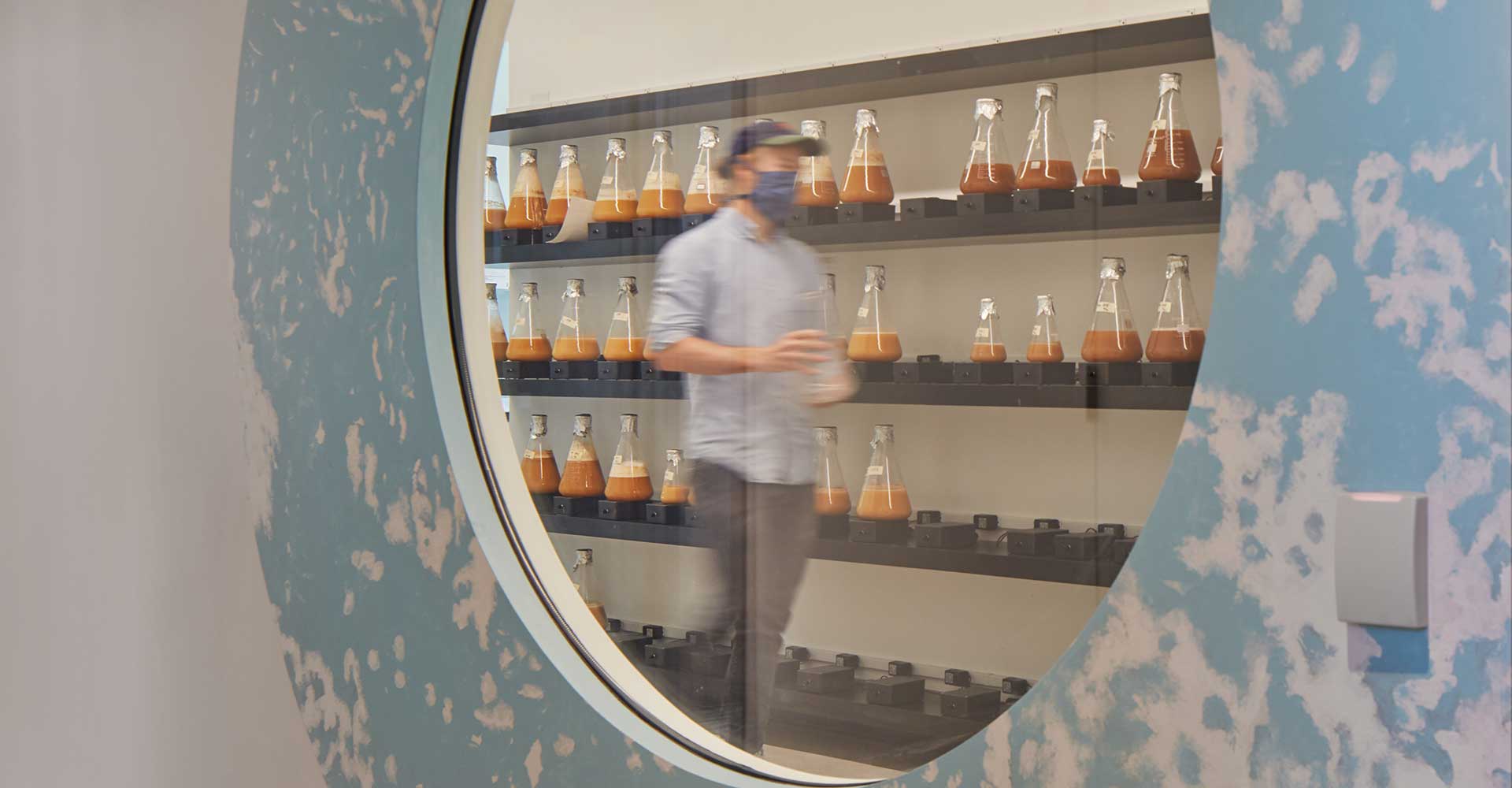
Brewing beer just got a lot more interesting. Consider this fresh, Thiolized approach to recipe design from Omega Yeast.
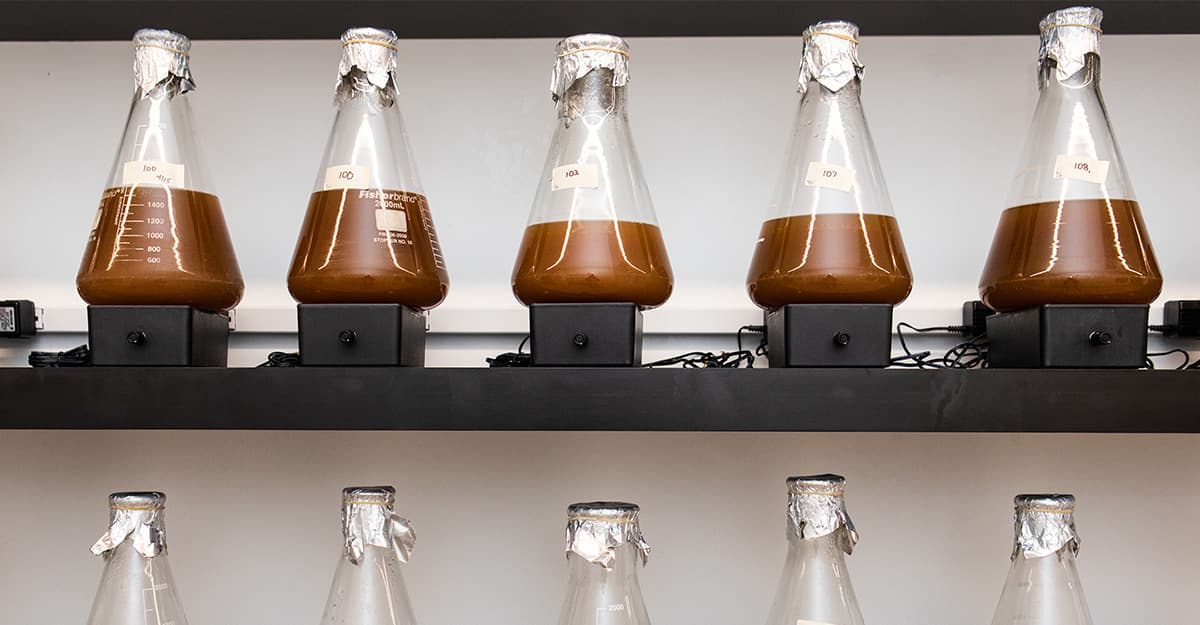
The sensory experience of beers rich in thiols suggests that much more could be done with them, even with simpler recipes and basic ingredients. Laura Burns, R&D director of Omega Yeast, explains the potential.
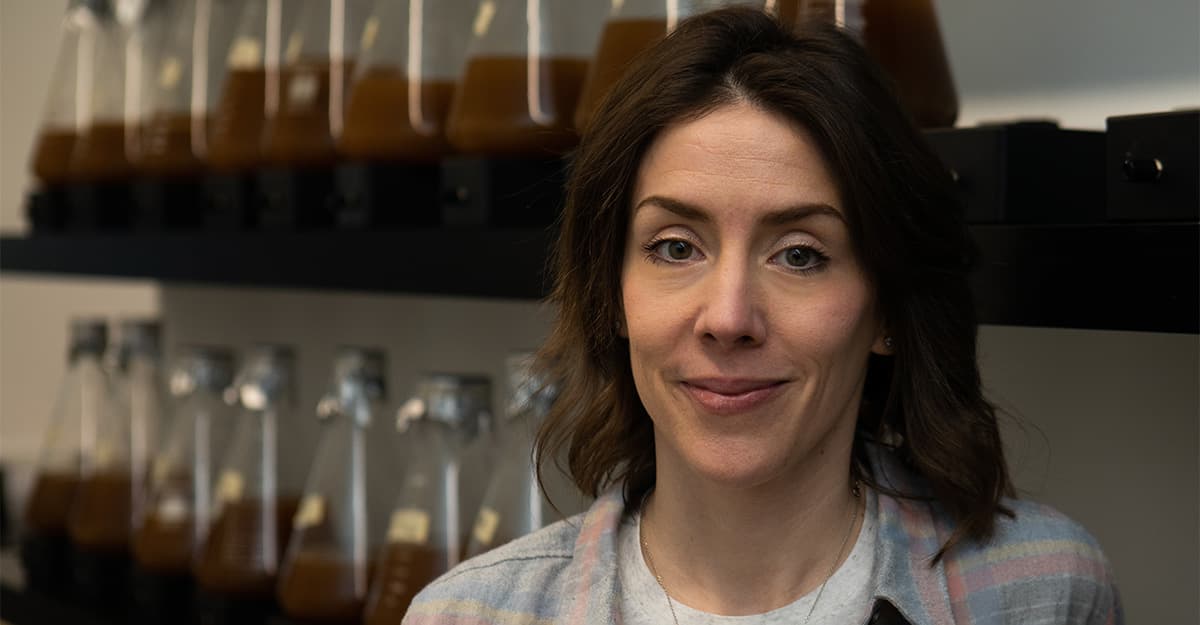
Laura Burns, R&D director of Omega Yeast, explains how mash-hopping makes more thiol precursors available to biotransformation—and how malt itself can be a rich source of those precursors—so that even very simple beers can have exotic aromas.
Biotransformation is an expansive, complex process. Laura Burns, R&D director of Omega Yeast, puts the topic into context, raising questions about the conventional wisdom and zooming in on certain precursors that exist in beer’s ingredients.
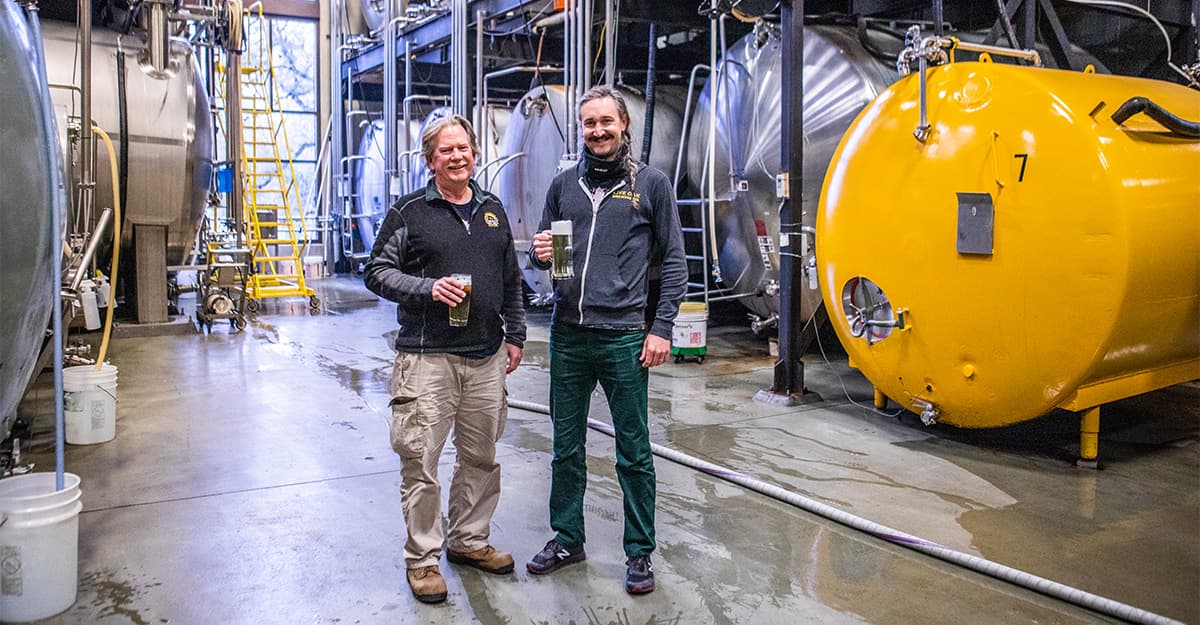
Live Oak founder Chip McElroy and head brewer Dusan Kwiatkowski discuss the strains they use for their traditional lagers—and how they’re testing different Saaz-type strains for use in their Czech-style pilsner.
Russian River cofounder and brewmaster Vinnie Cilurzo explains how choosing the right yeast and ensuring a healthy fermentation can help you reduce the risk of hop creep.
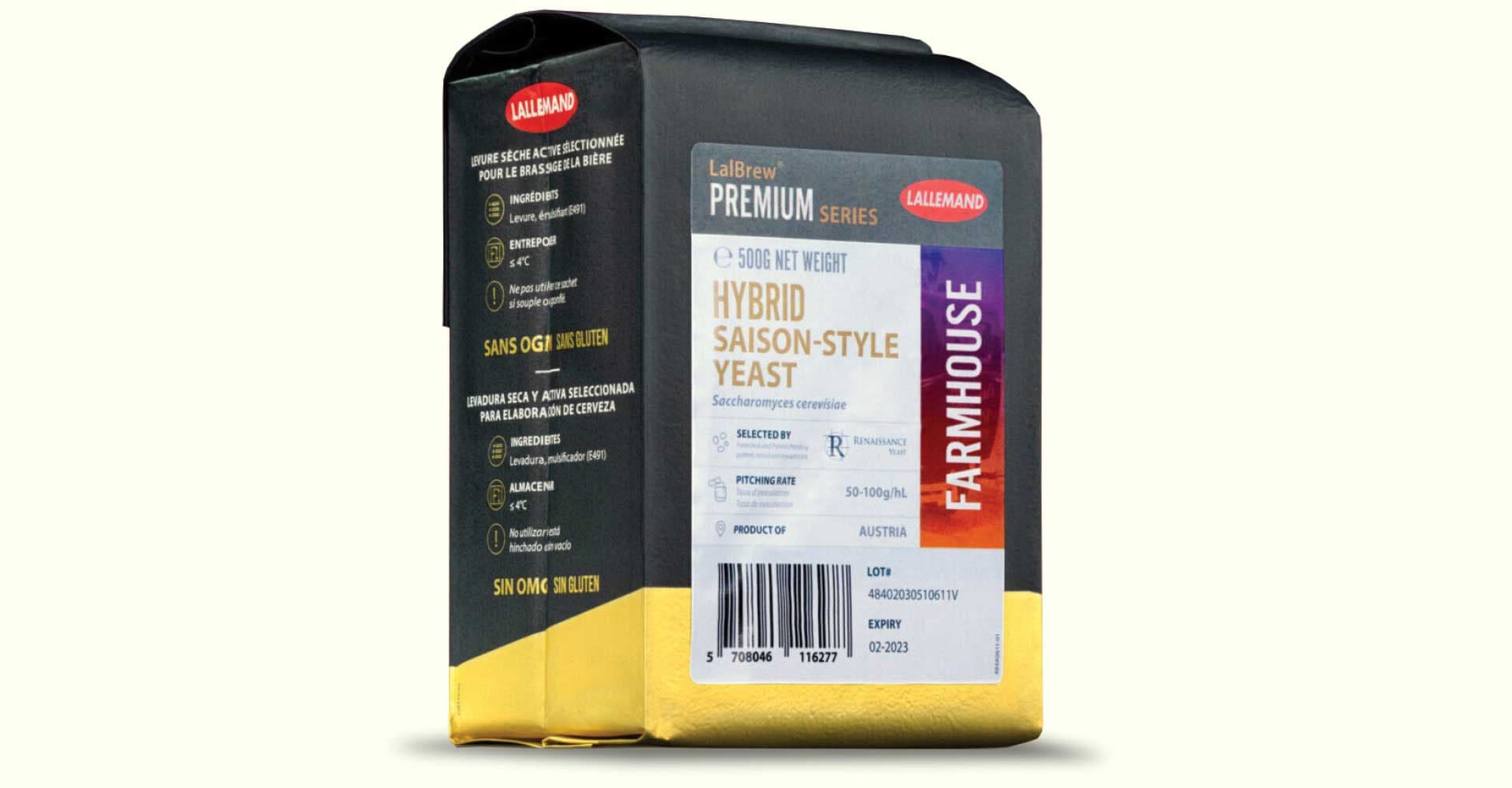
The labs have been busy developing new critters for us to corral. Here are few recent releases worth trying at home.
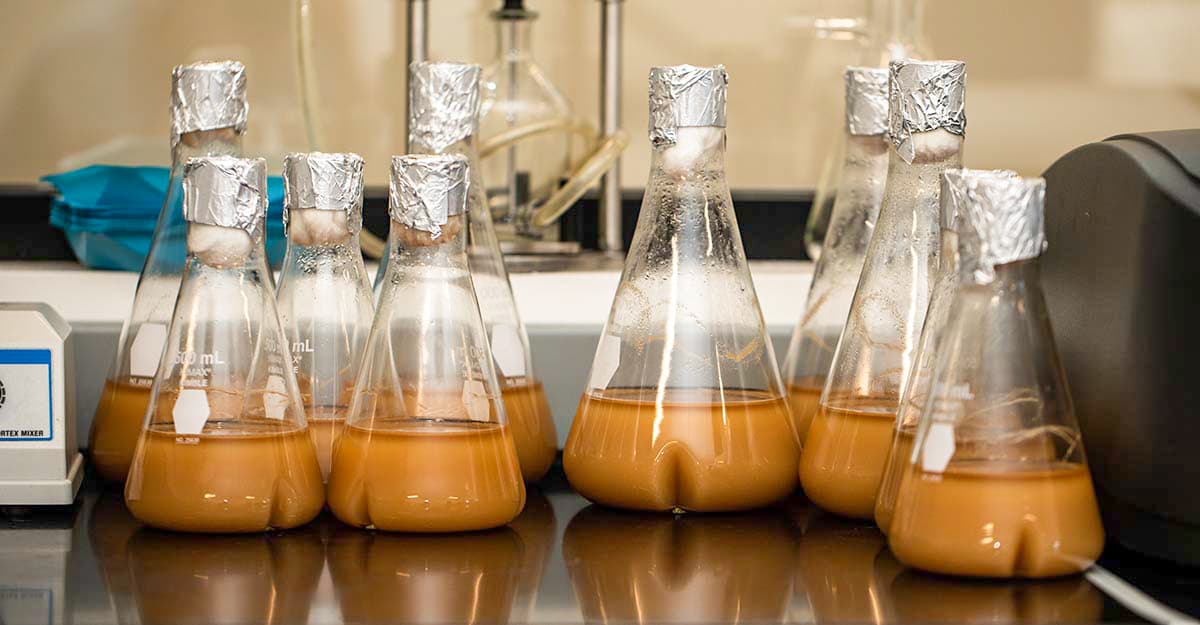
From tank geometry to hydrostatic pressure, Russian River cofounder Vinnie Cilurzo and head lab technician Taylor Lane explain the advantages of traditional open-top fermentation—and why their yeast love it too.
Browse every article filed under this tag.