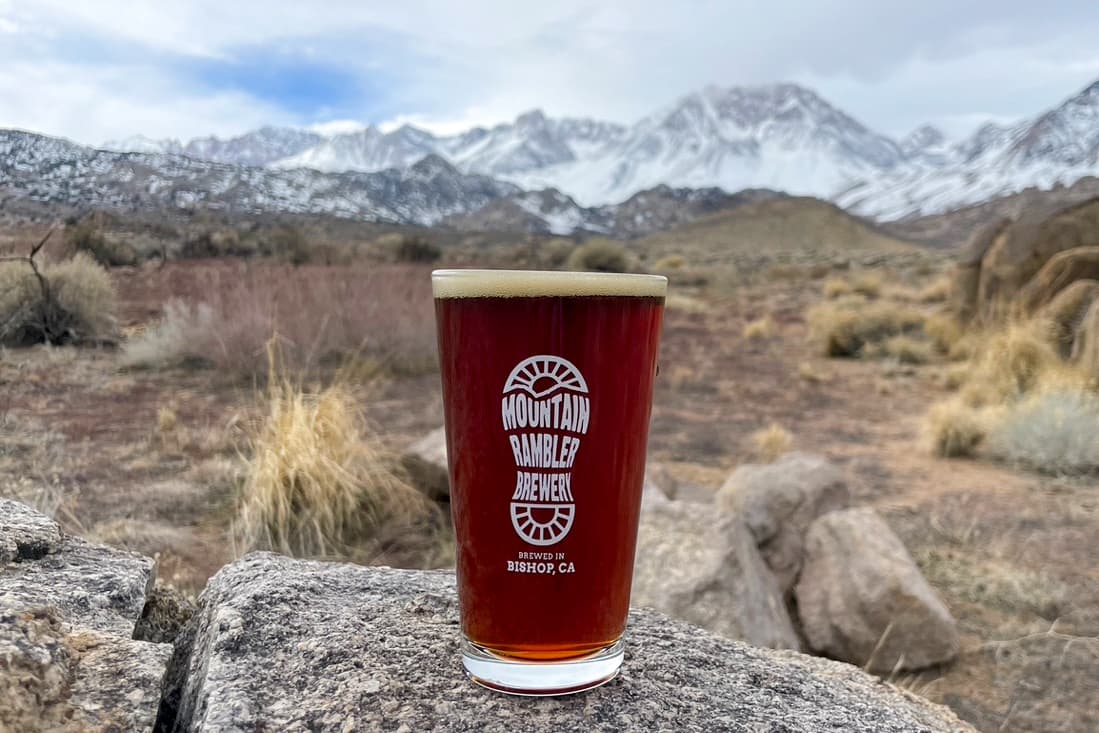
Recipe: Mountain Rambler Singing Coyote Amber Ale
Subscriber
Malt complexity leads the way in this amber ale—a gold medal–winner at the 2025 World Beer Cup—from Mountain Rambler in Bishop, California.
By Ryan Quinlan

20 articles in this category
Malt complexity leads the way in this amber ale—a gold medal–winner at the 2025 World Beer Cup—from Mountain Rambler in Bishop, California.
In Sonoma County, California, Fogbelt Brewing is refreshing and reviving an American classic—Mendocino’s Red Tail Ale—and finding a receptive audience.
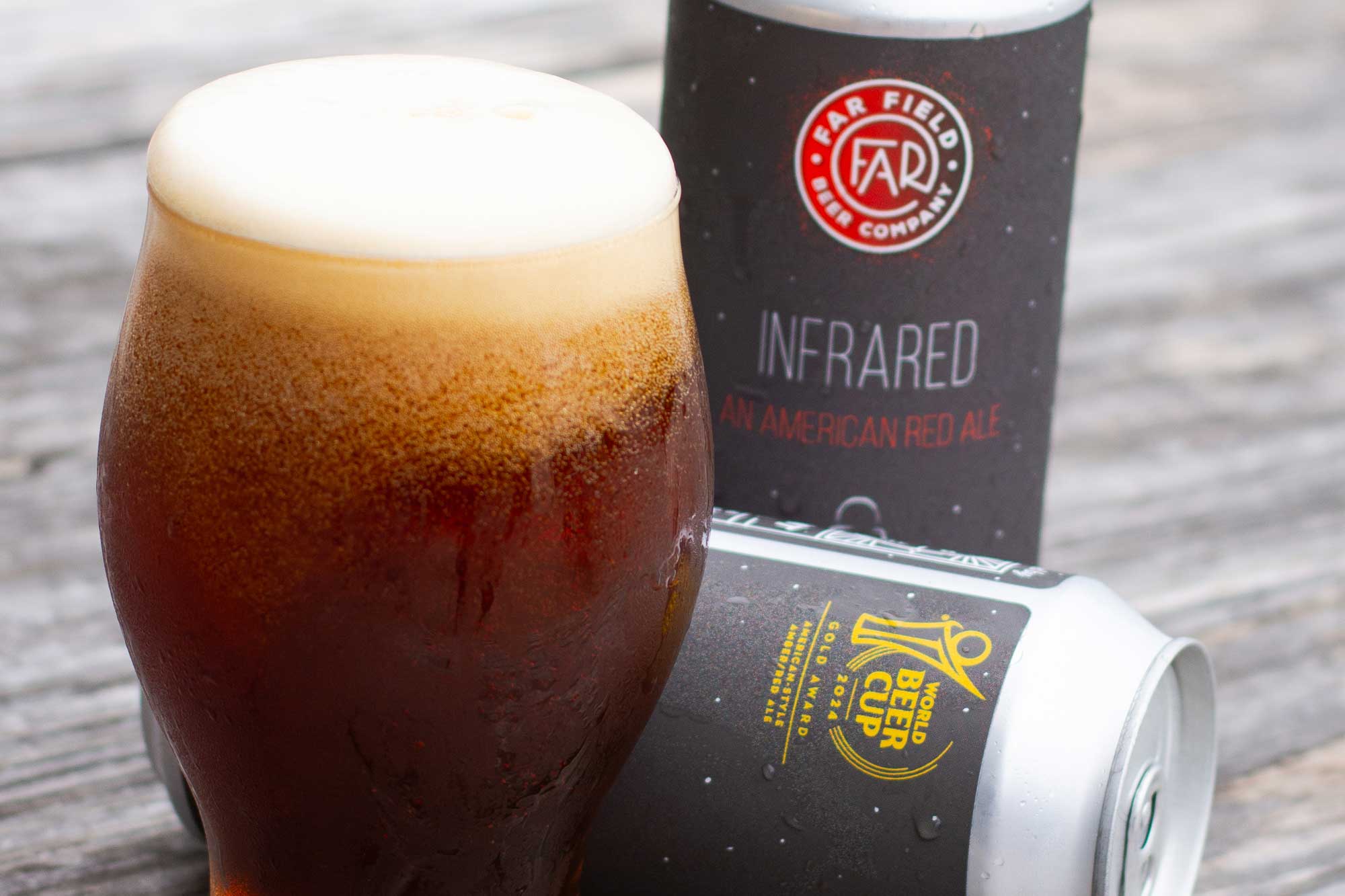
From Far Field Beer in Lawndale, California, in L.A.’s South Bay area, here’s a recipe for the American amber that won gold at the 2024 World Beer Cup.
American amber ales aren’t fossils—they’re more like liquid signals sent through time and space from an earlier generation. And today’s brewers continue to refine and polish them to an appealing ruby hue, while the opportunities for flavor and quality are greater than ever.
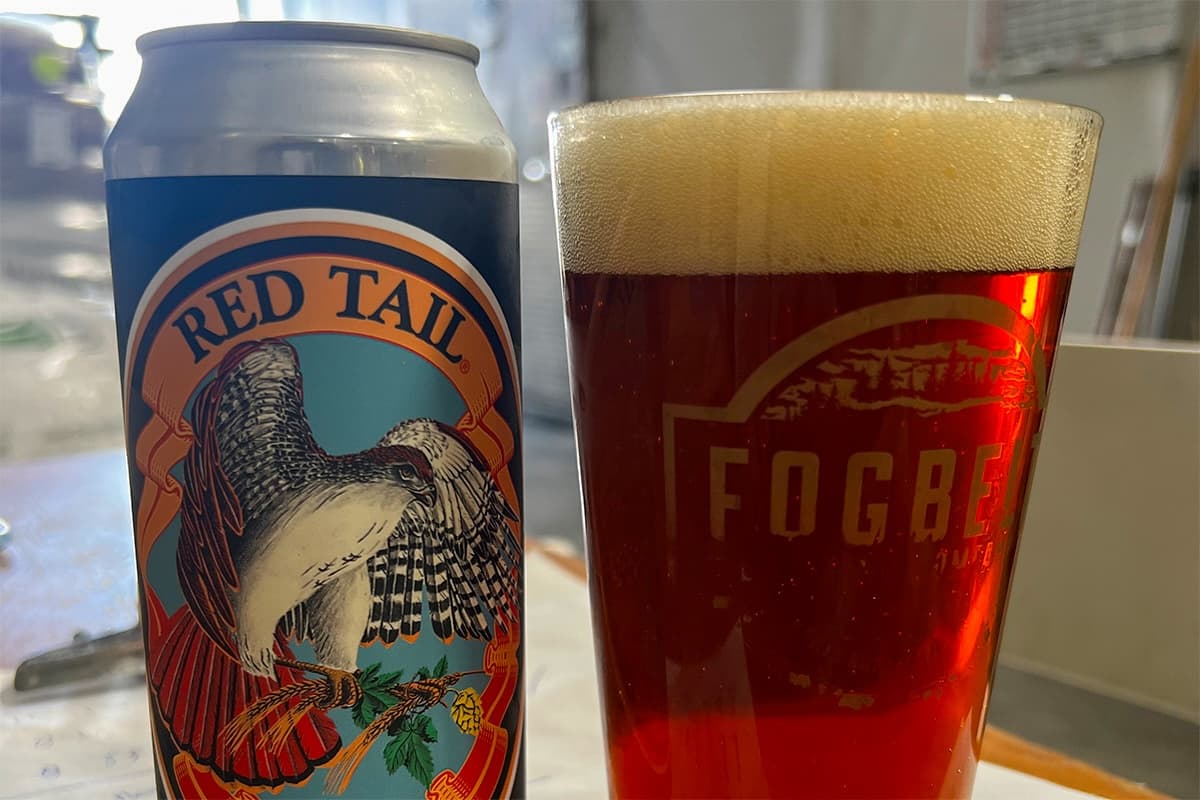
Fogbelt Brewing in Santa Rosa, California, recently revived this craft classic long brewed by Mendocino in nearby Hopland. Often cited as the first American red ale, pioneering microbrewers Don Barkley and Jack McAuliffe first brewed Red Tail Ale in 1983.
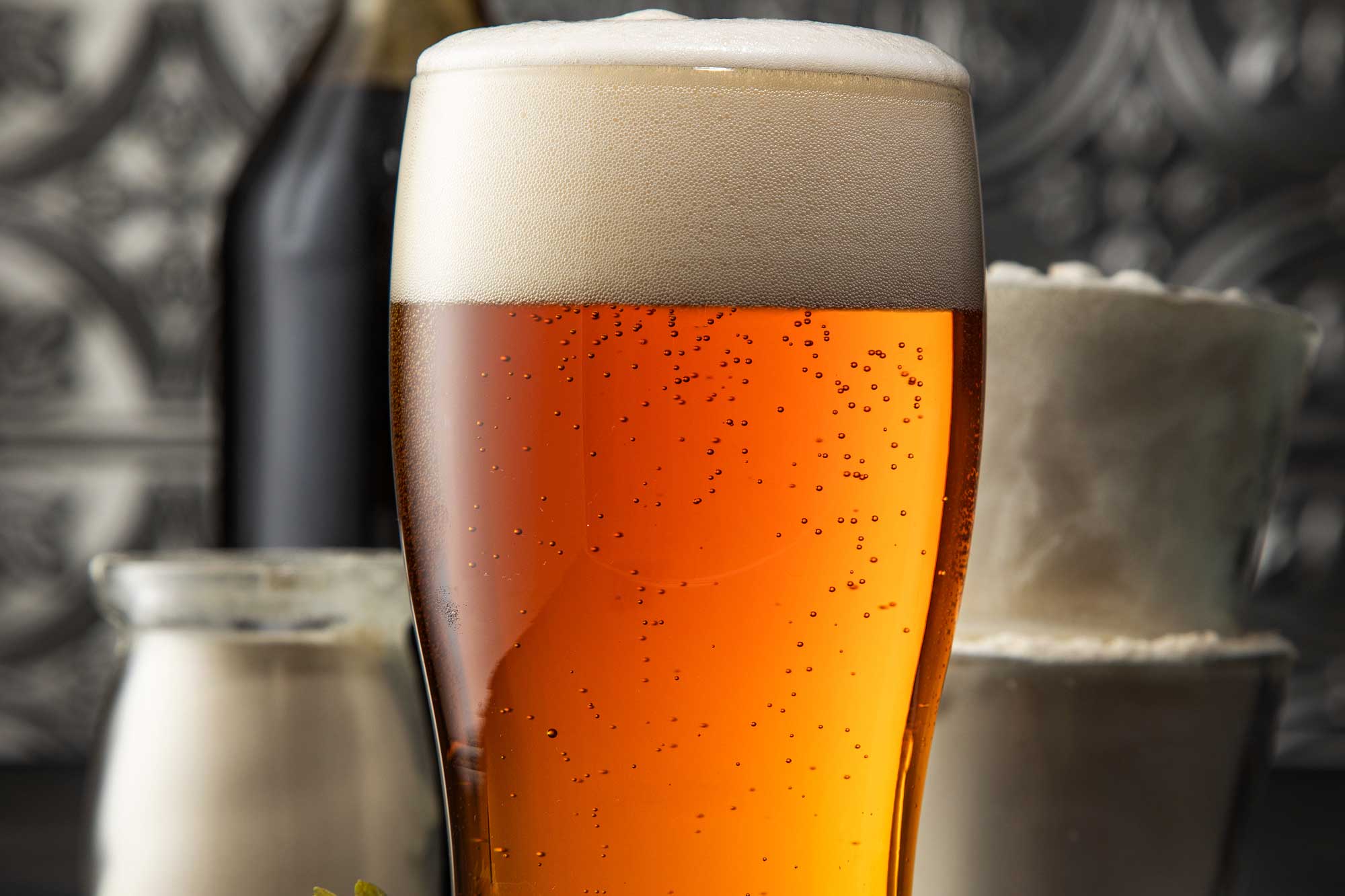
A classic style in the American craft pantheon, this amber ale is Annie Johnson’s house beer—the one she’s brewed again and again to dial in her process and ingredients. (She also drinks it.)
Every brewer should have a house beer they use to get better—the one you could brew in your sleep to fine-tune your process, get to know your ingredients intimately, and dial in flavor and quality. For Annie Johnson, that beer is her throwback American amber ale.
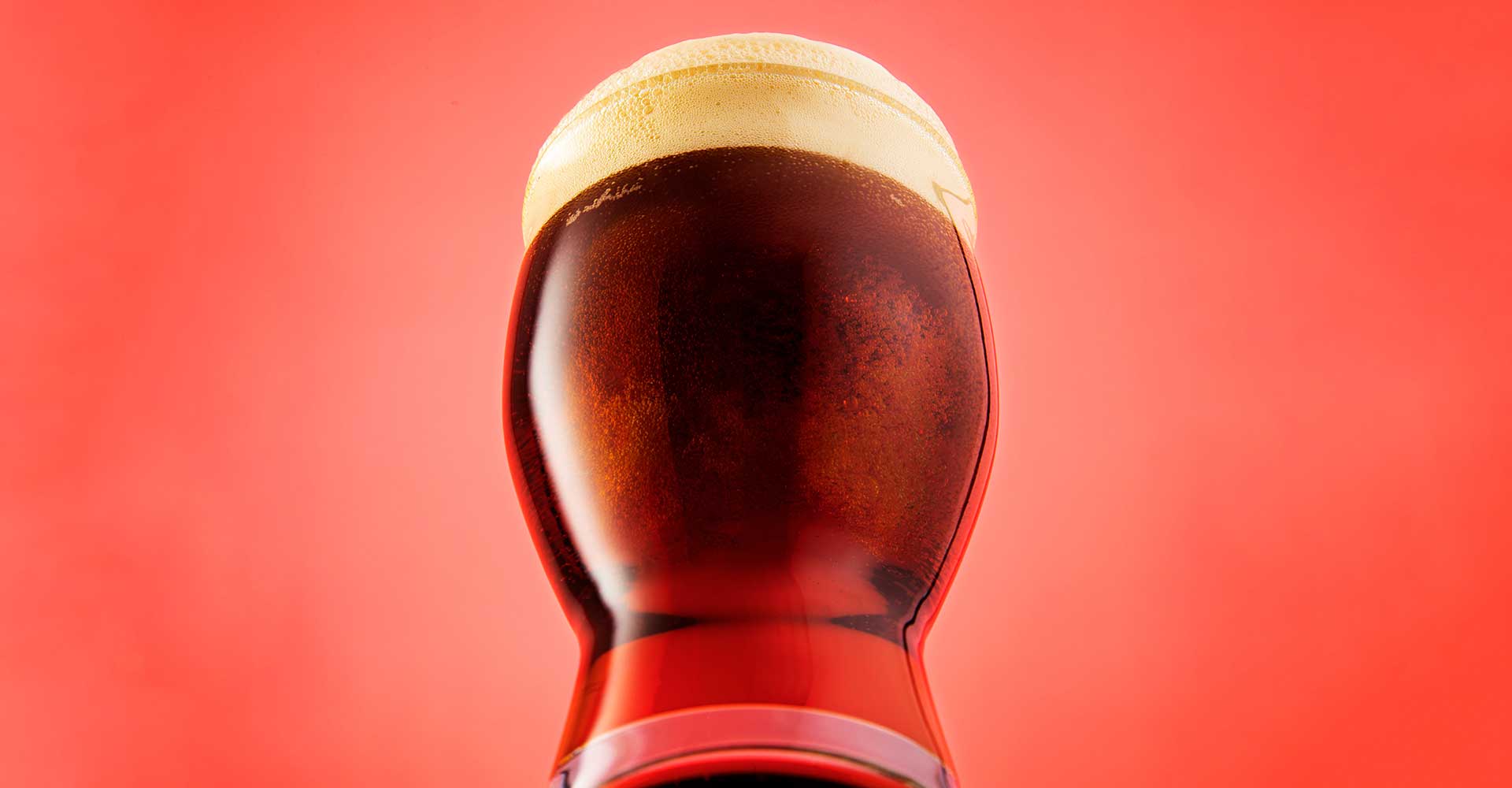
From Cloudburst founder-brewer Steve Luke, here’s a homebrew recipe for the West Coast double red that won gold at the 2025 World Beer Cup.
Besides having a nice red-amber hue and tasting great—earthy, malty, and spicy-bitter—this recipe shows how alternative base grains can make a significant difference in flavor.
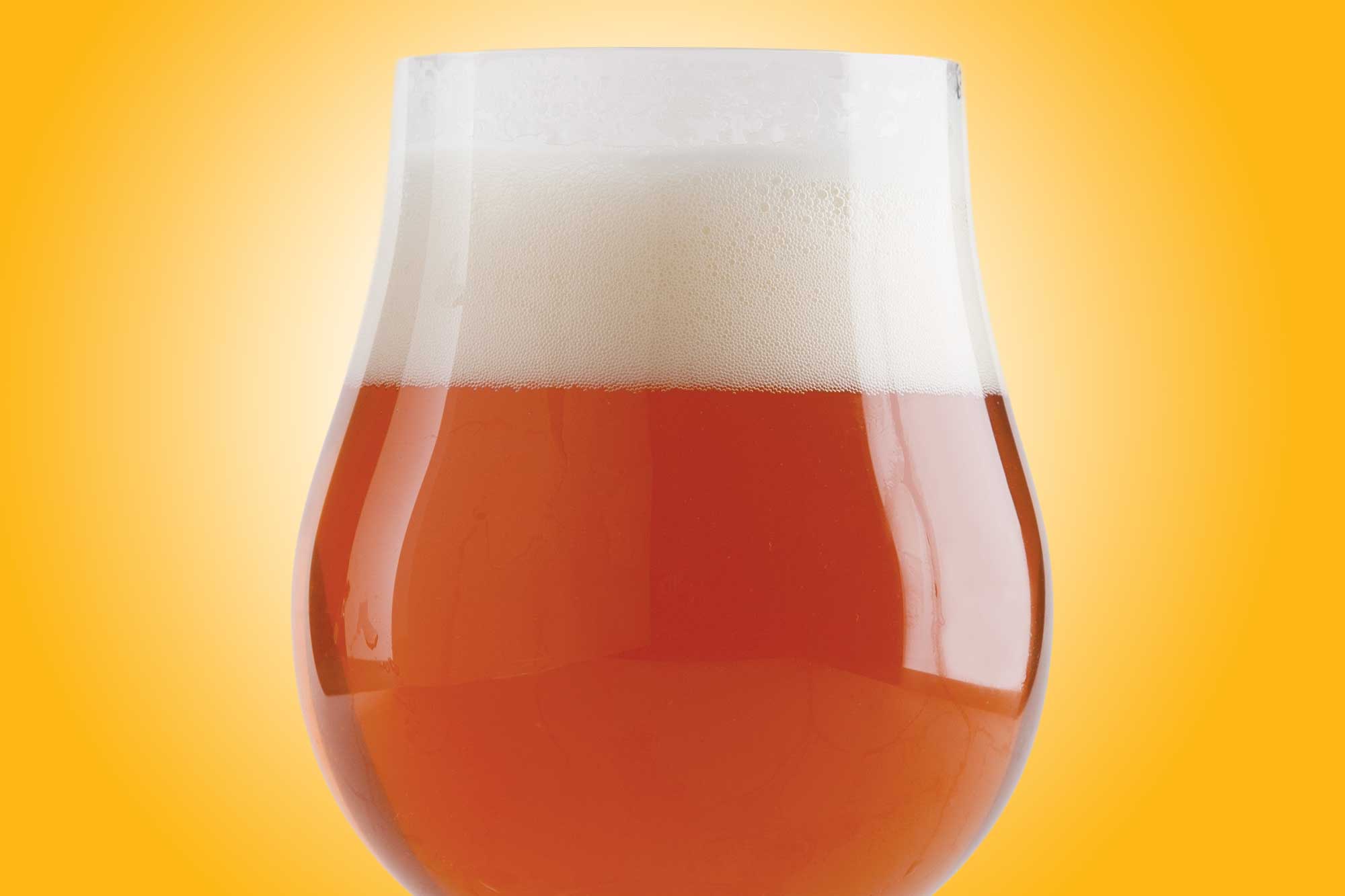
This beer began as an attempt to brew something with a properly reddish hue for the holidays—but it serves just as well as an exploration of earthy rye and malty depth with a firm, spicy bitterness.
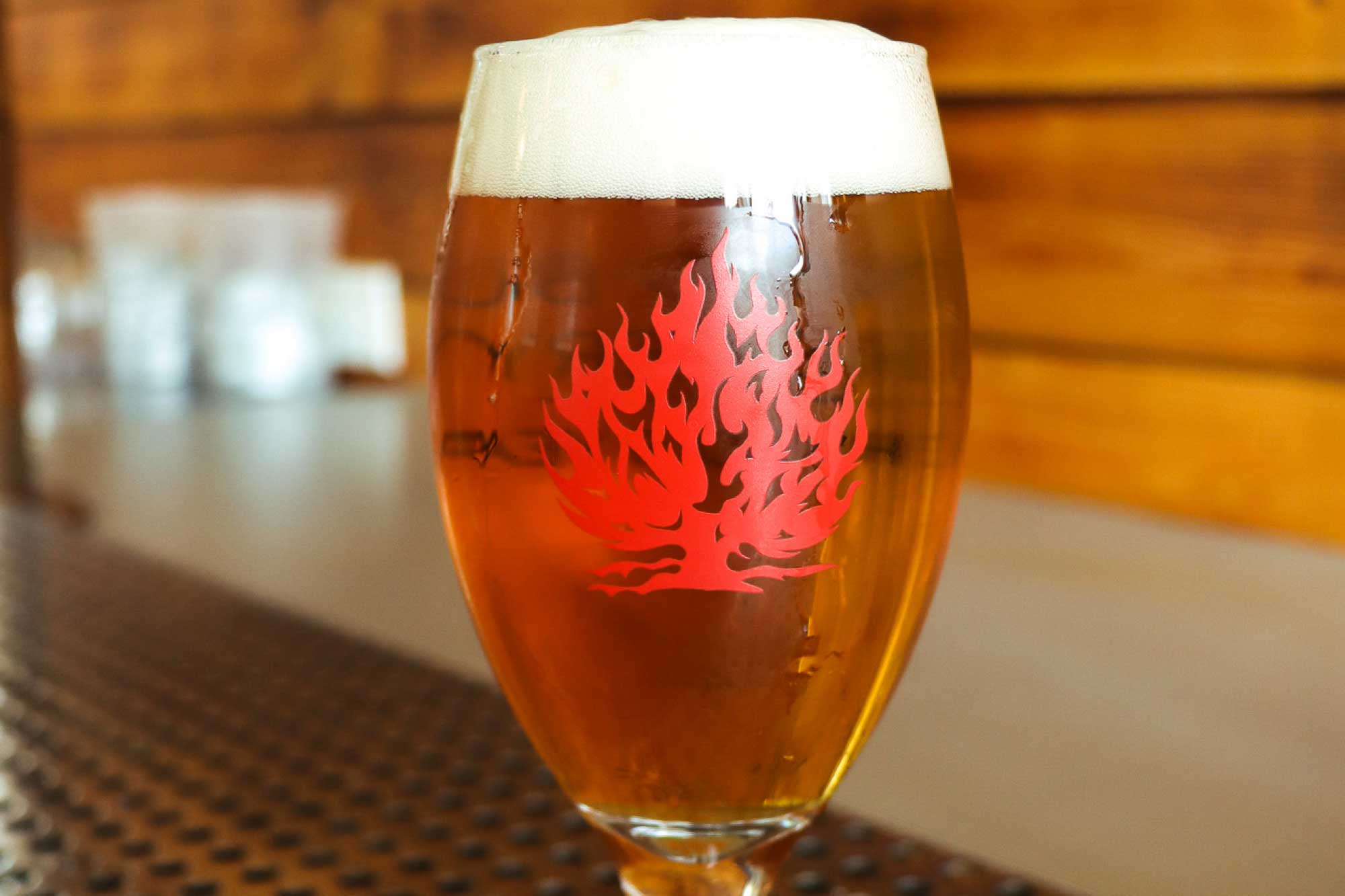
From Chicago’s Burning Bush Brewery, this amber ale includes two types of basil grown right there on their patio next to the Chicago River.
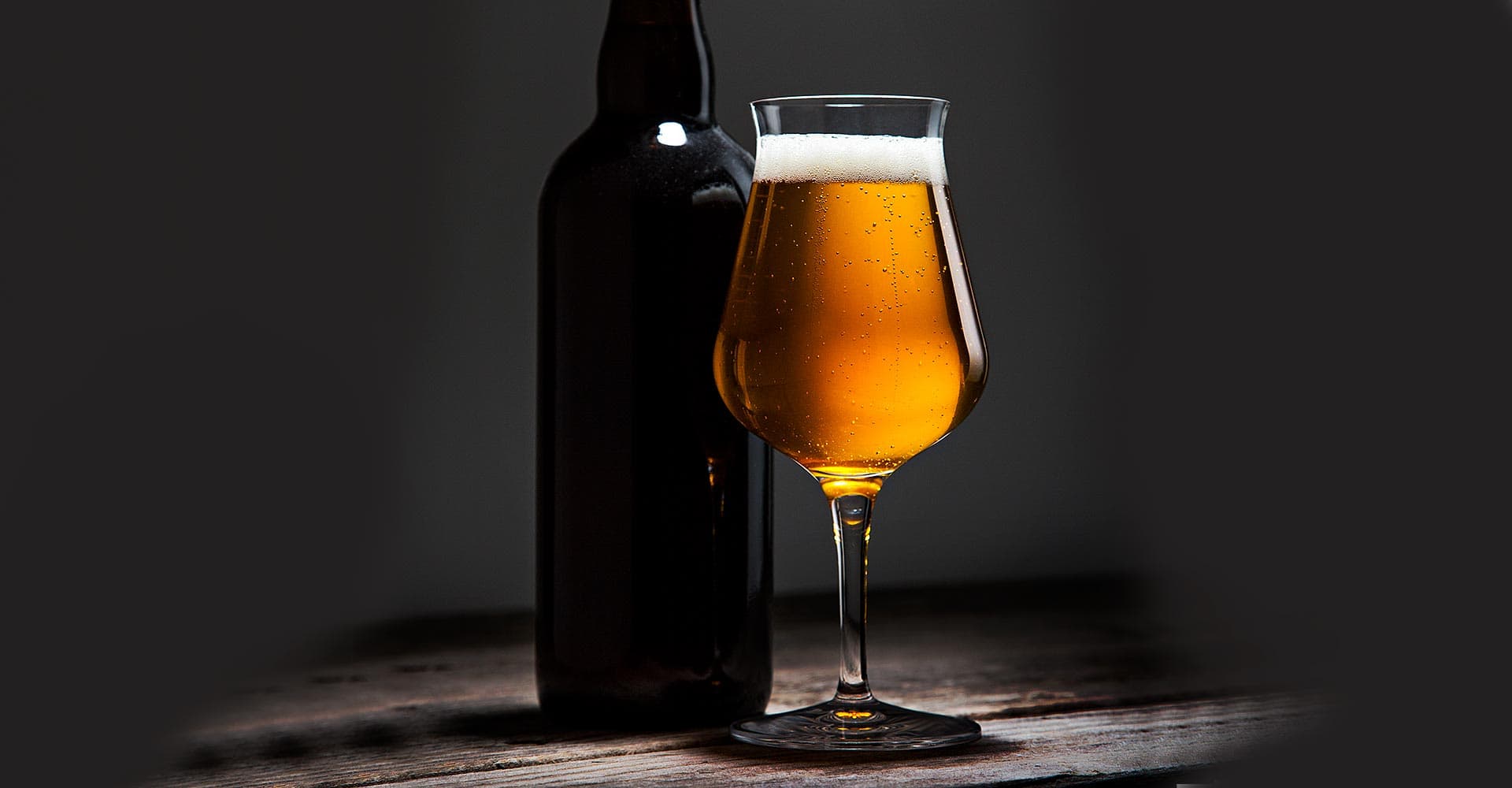
This Belgian-style amber ale should serve as a fine vehicle for any “concrete” sugar such as panela, piloncillo, rapadura, tapa de dulce, or jaggery.
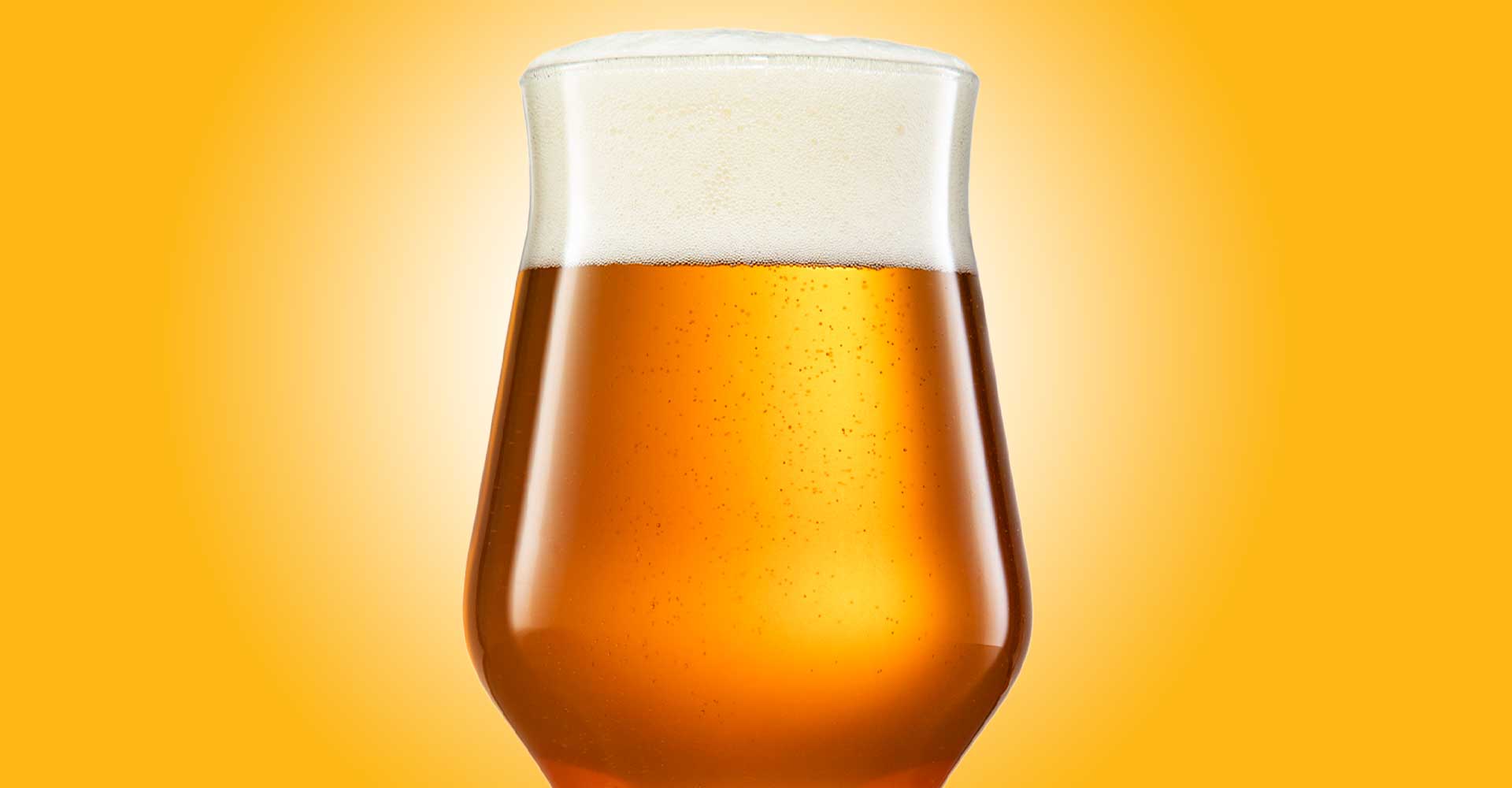
Kentucky common is a smooth, drinkable, light-amber hybrid that’s closer to Kölsch, cream ale, and California common than it is to Jack Daniels.
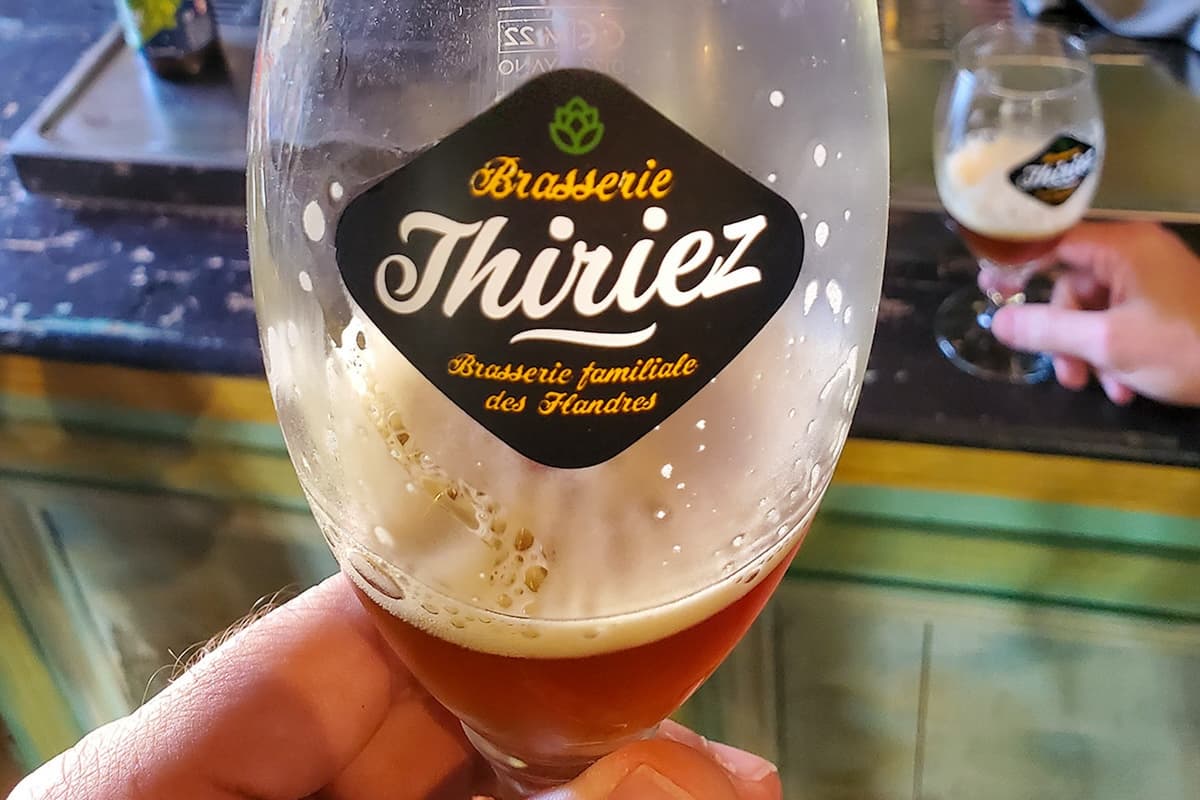
Fermented with Thiriez’s house saison yeast, this ambrée has a complex, malt-forward flavor with aromas of citrus peel, hazelnut, caramel, and gingerbread.
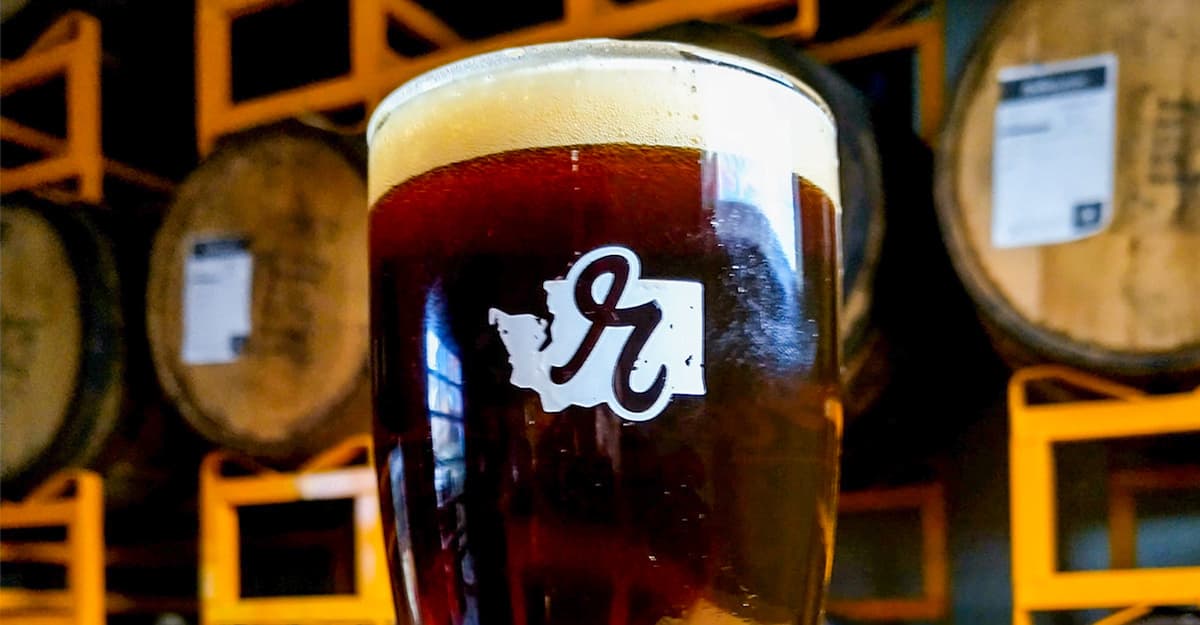
From Reuben’s Brews in Seattle, here’s a recipe for a modernized take on amber ale that features plenty of hops in the whirlpool and a broad, malty foundation.
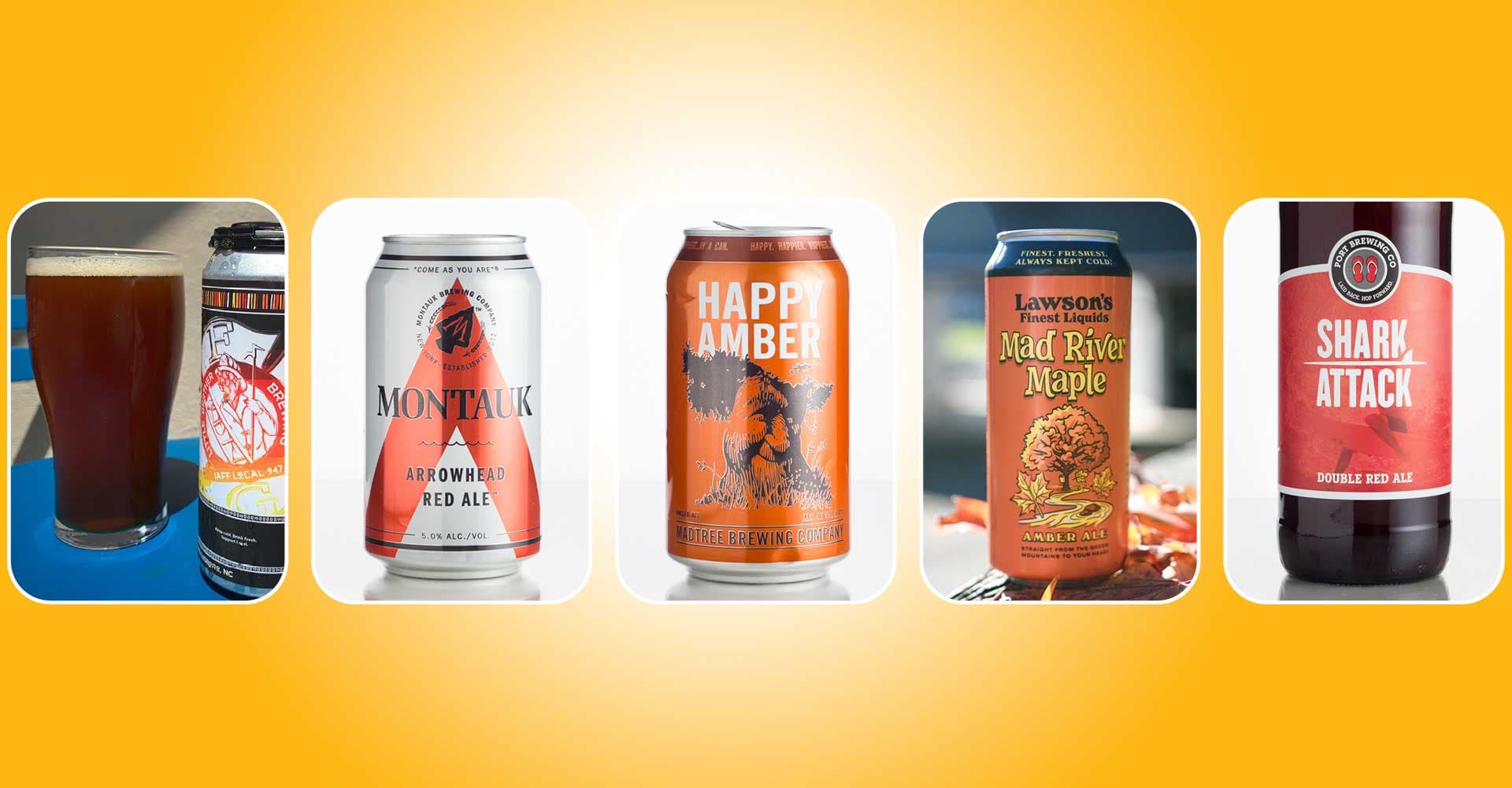
Whether they’re smooth, malty throwbacks or hop-drenched progressives in crimson tuxedos, here are some of the best American amber and red ales we know.
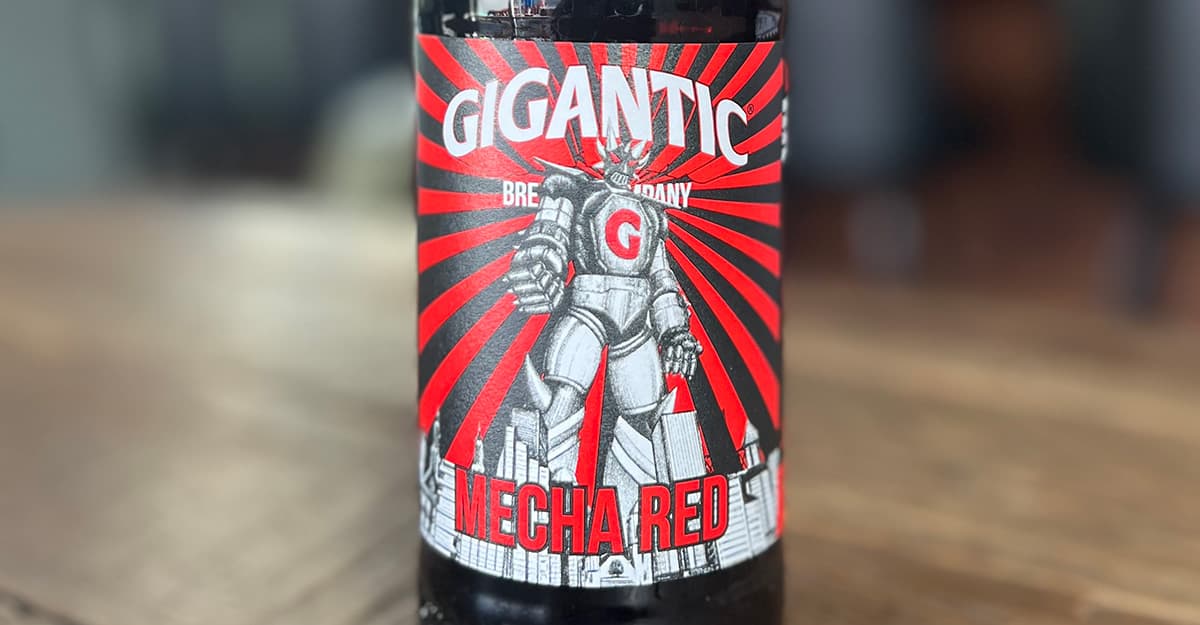
“Mecha Red is a modern amber ale intended to be malty and caramelly, but not a sticky caramel bomb,” says Van Havig, cofounder and master brewer at Gigantic in Portland, Oregon. “It’s mildly fruity from hops and esters and finishes with a hint of chocolate.”
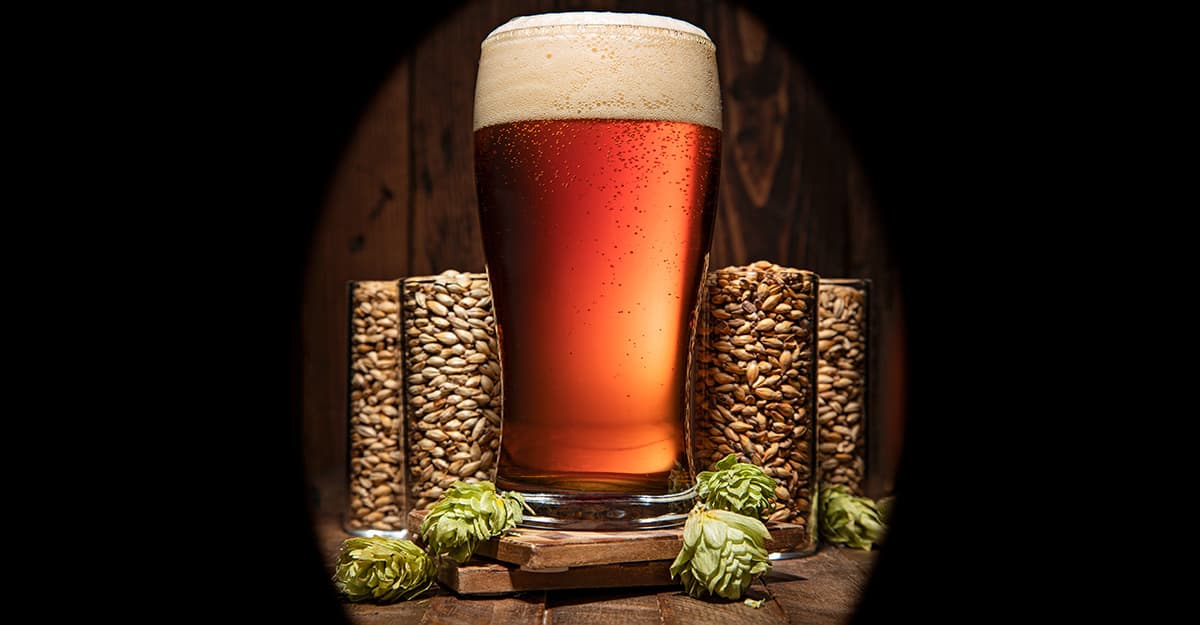
A ruddy ’90s pint is reappearing with modernized flavors—and it has a lot to say about the evolution of American craft brewing.
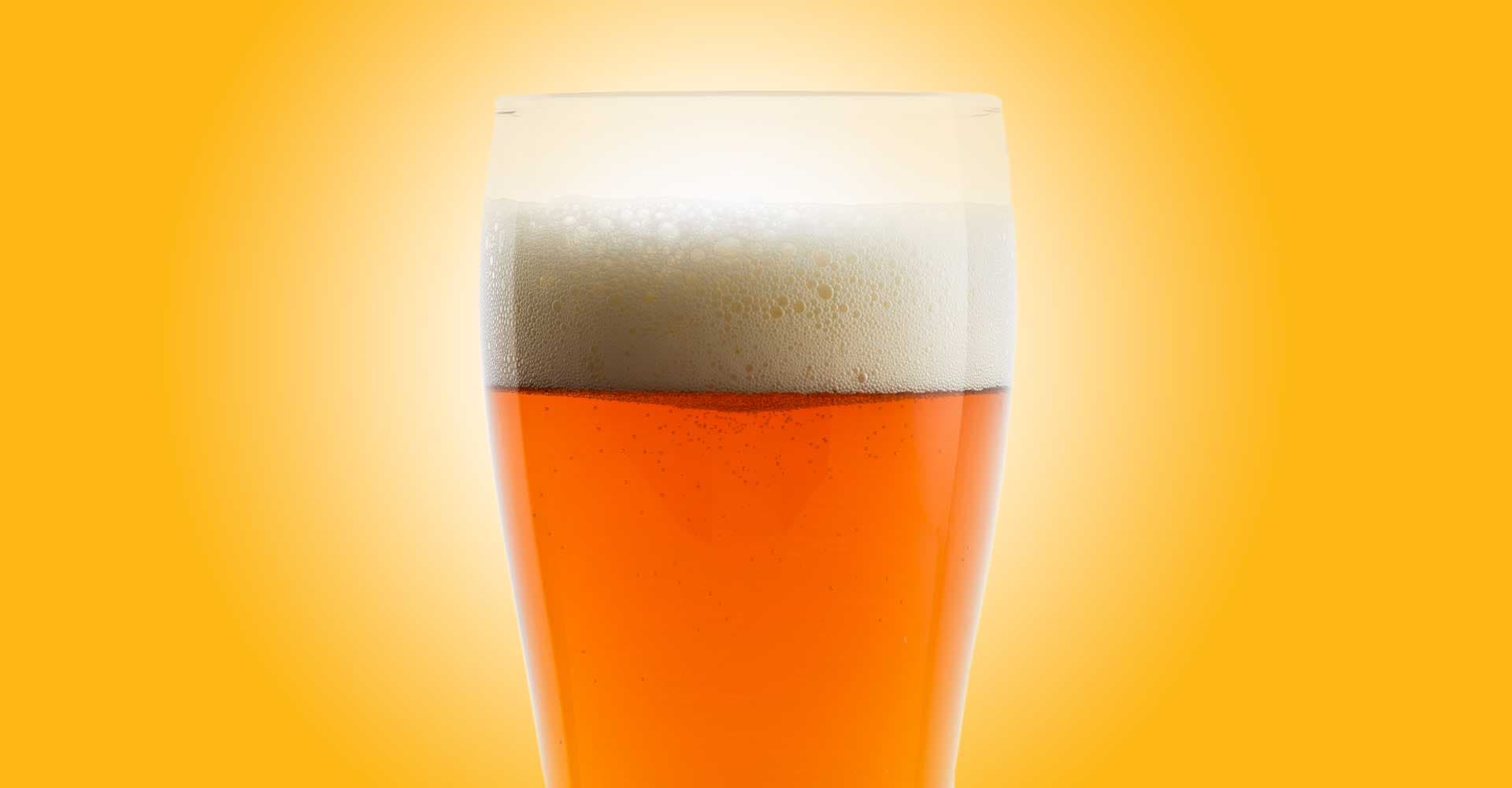
In a world where nearly everything seems to be a pale and/or juicy IPA, here is a welcome change of pace: a depth of fun malt and hop flavors, patently American without being one-note citrus-driven.
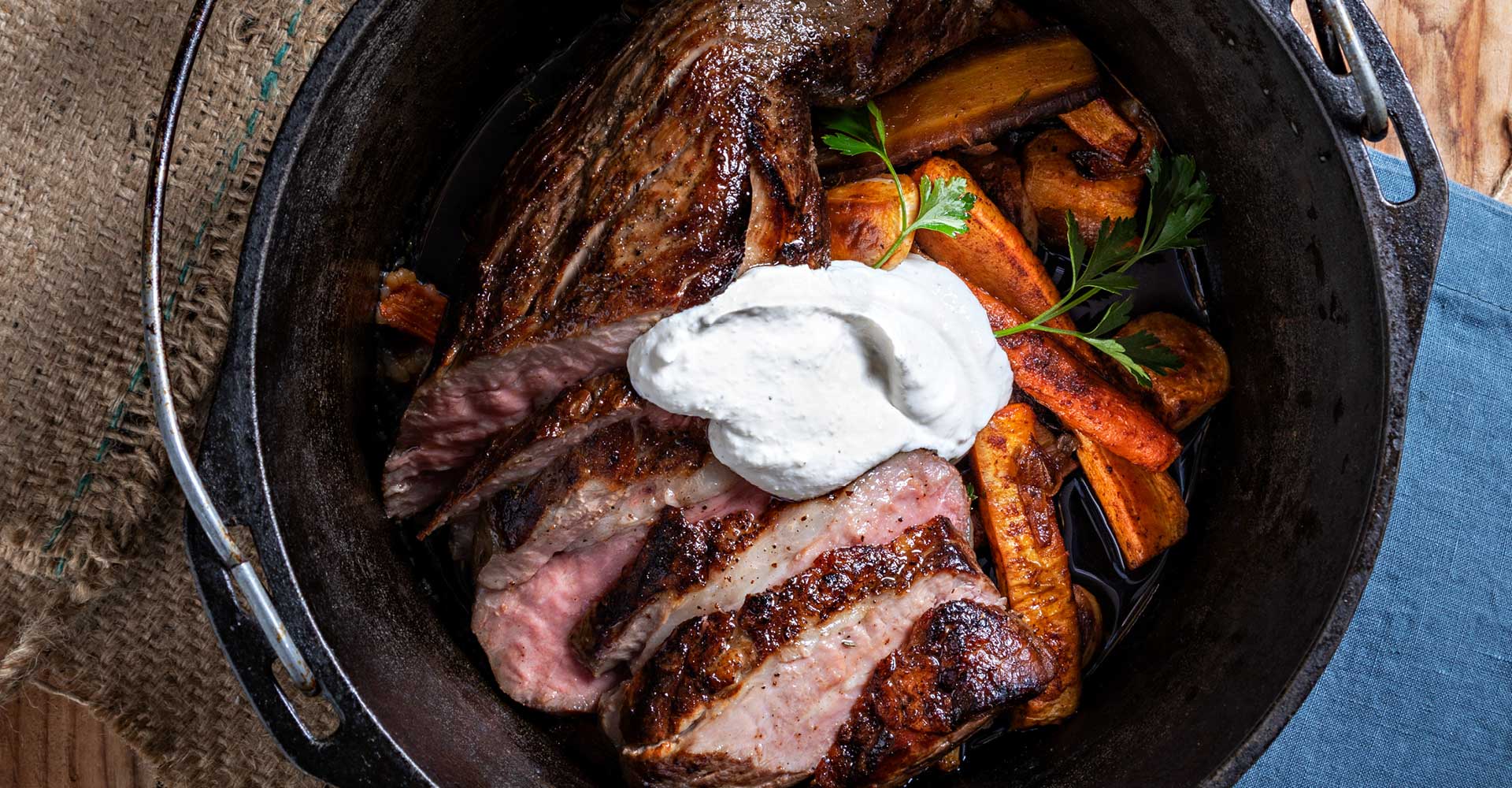
On the last days of winter, what could be better than spicy soup, a roast with smoky character, and a winter-warmer-spiked bread?
Browse every article filed under this tag.