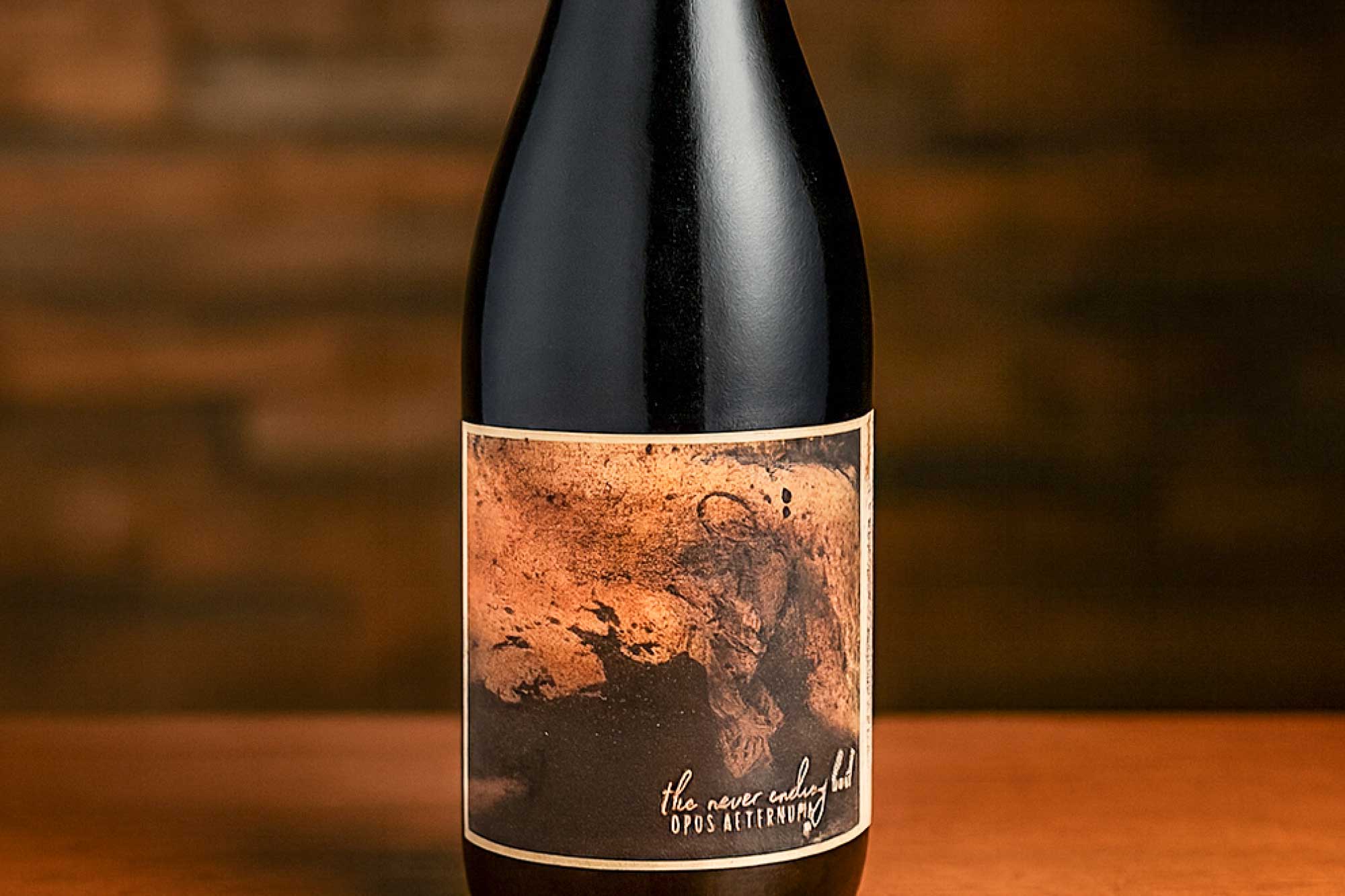
Recipe: Opus Aeternum, the Neverending Boil
Subscriber
From South Africa’s Afro Caribbean and Soul Barrel breweries, this hefty barleywine of 17.5 percent ABV is based on a unique, experimental process involving a boil stretched out over six days.

69 articles in this category
From South Africa’s Afro Caribbean and Soul Barrel breweries, this hefty barleywine of 17.5 percent ABV is based on a unique, experimental process involving a boil stretched out over six days.
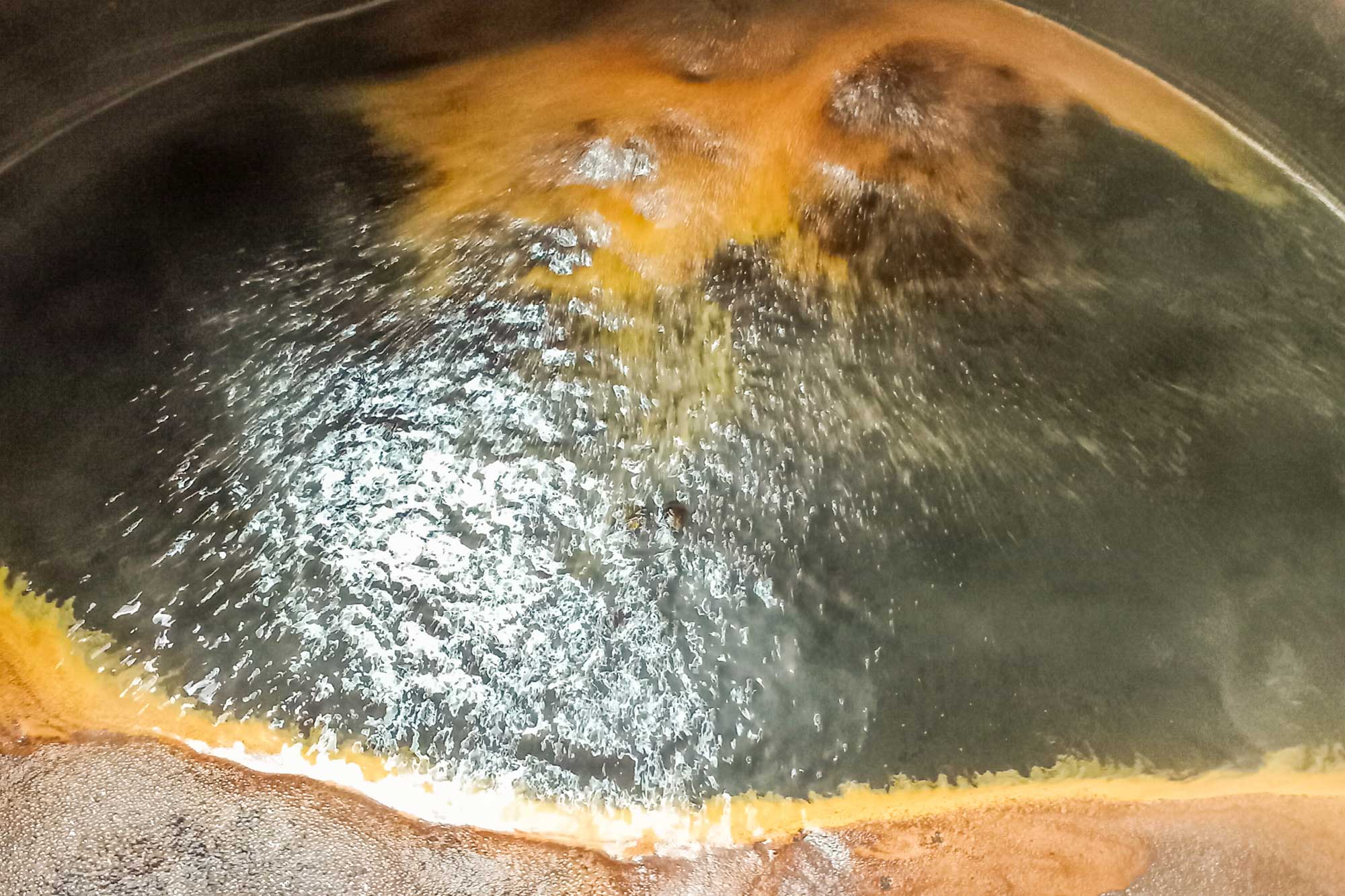
A collaborative experiment between South African brewers led to a super-hefty barleywine of 17.5 percent ABV, via an unusual boiling process measured in days rather than hours.
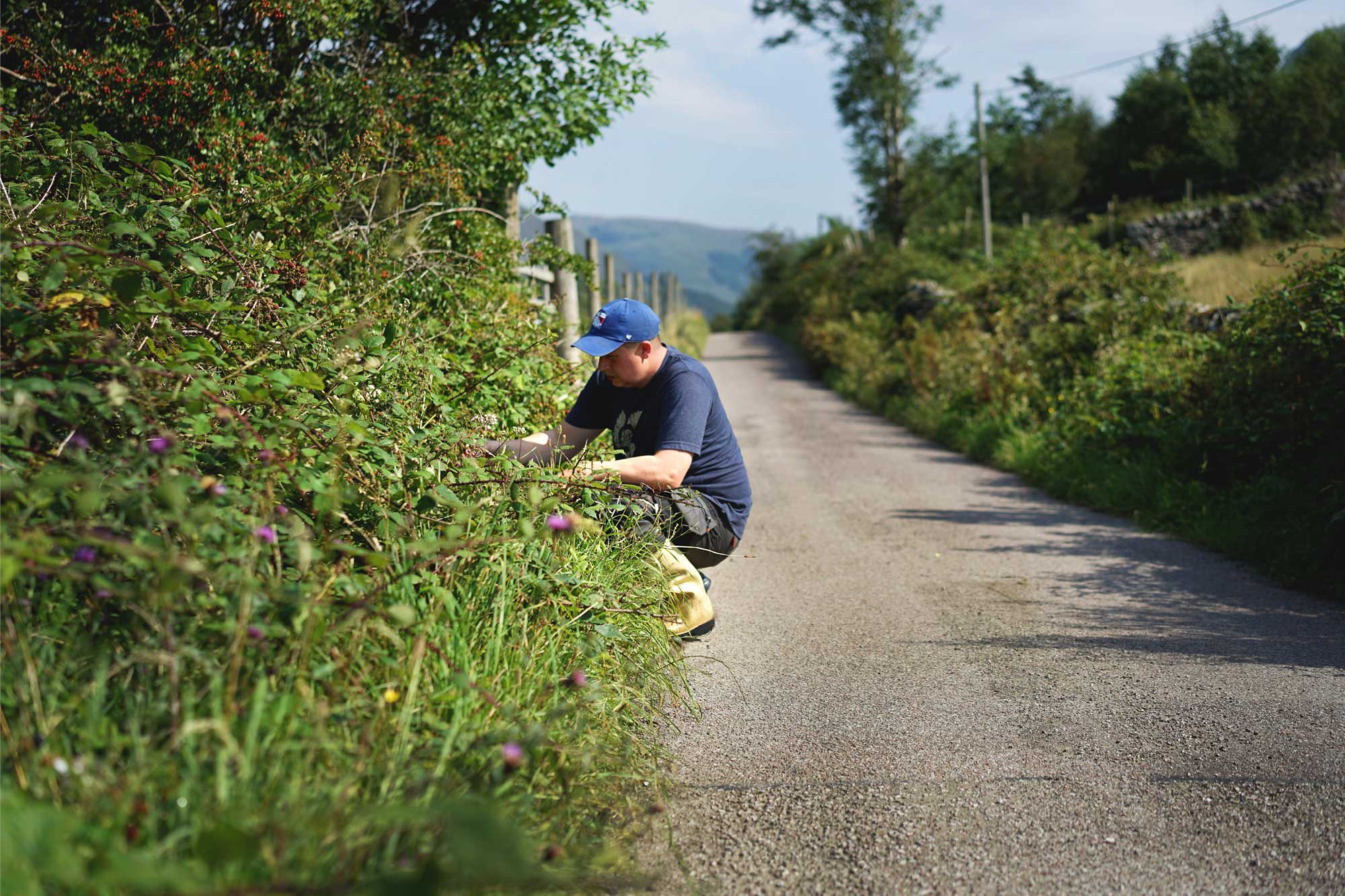
In Scotland, Dan Wye of Fyne Ales is creating mixed-culture beers designed to mimic the flavor and texture of wine. By using foraged fruit, flowers, and herbs in his blends, he’s attempting to define a new style.
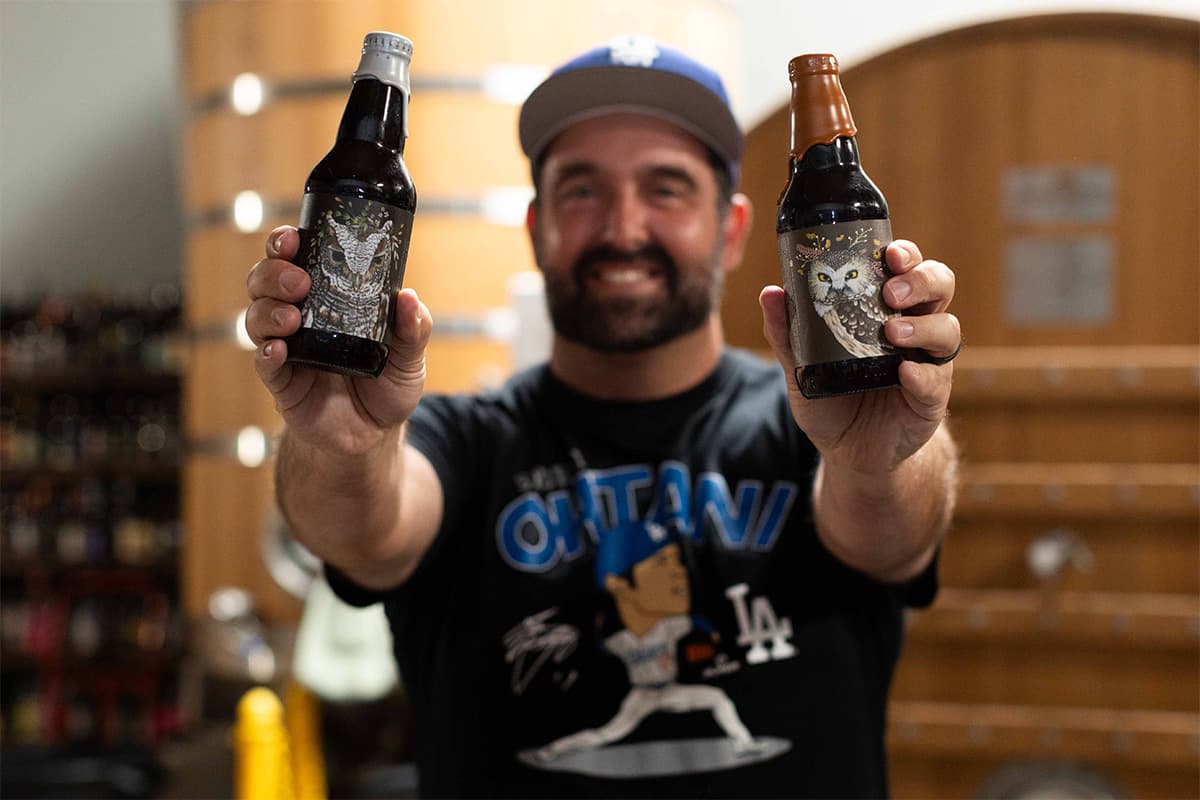
It takes a lot of house-toasted hazelnuts to get the flavor that Horus Aged Ales founder Kyle Harrop wants in a special subset of his barrel-aged beers. “It gets real expensive, real quick,” he says. In this clip from his video course, he explains the process in detail.
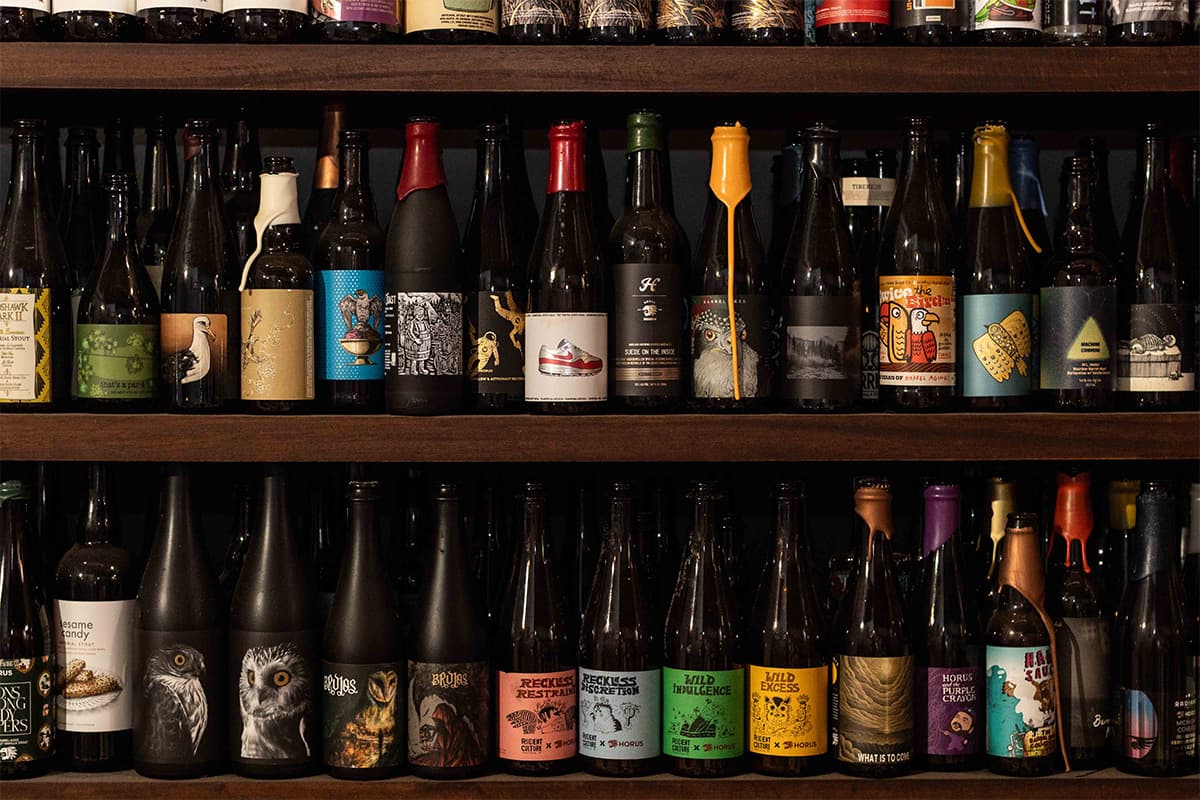
The realm of vanilla and its flavor potential extends far beyond Madagascar and Tahiti. In this clip from his video course, Horus Aged Ales founder Kyle Harrop talks about some of his favorite origin vanillas for barrel-aged beers—and about how the bean can overshadow the barrel.
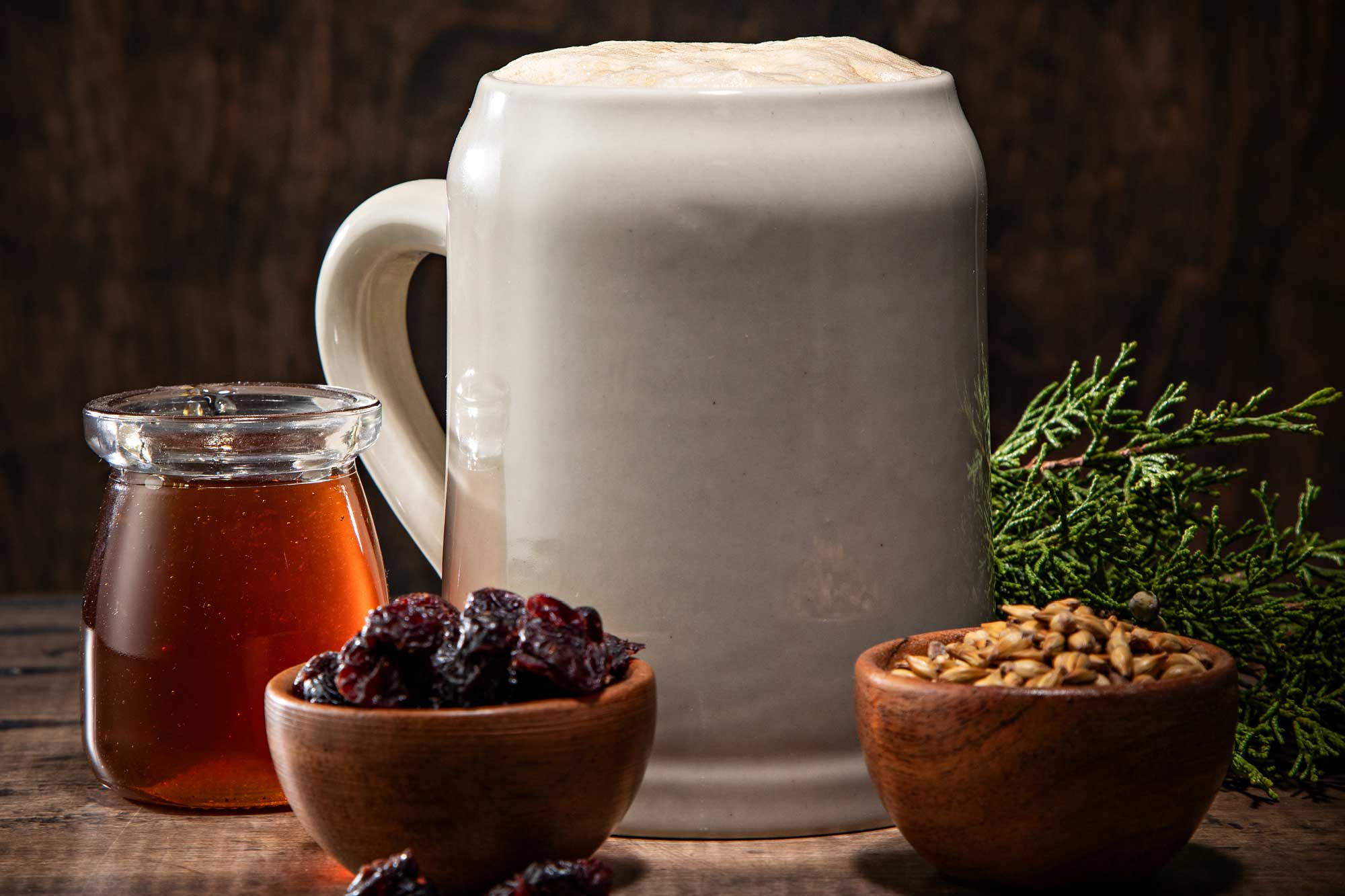
There’s much we don’t know, but the archaeological finds of ancient Nordic beverages point to beer, mead, and wine—and to hybrids of all three—as the status beverages of the rich and powerful.
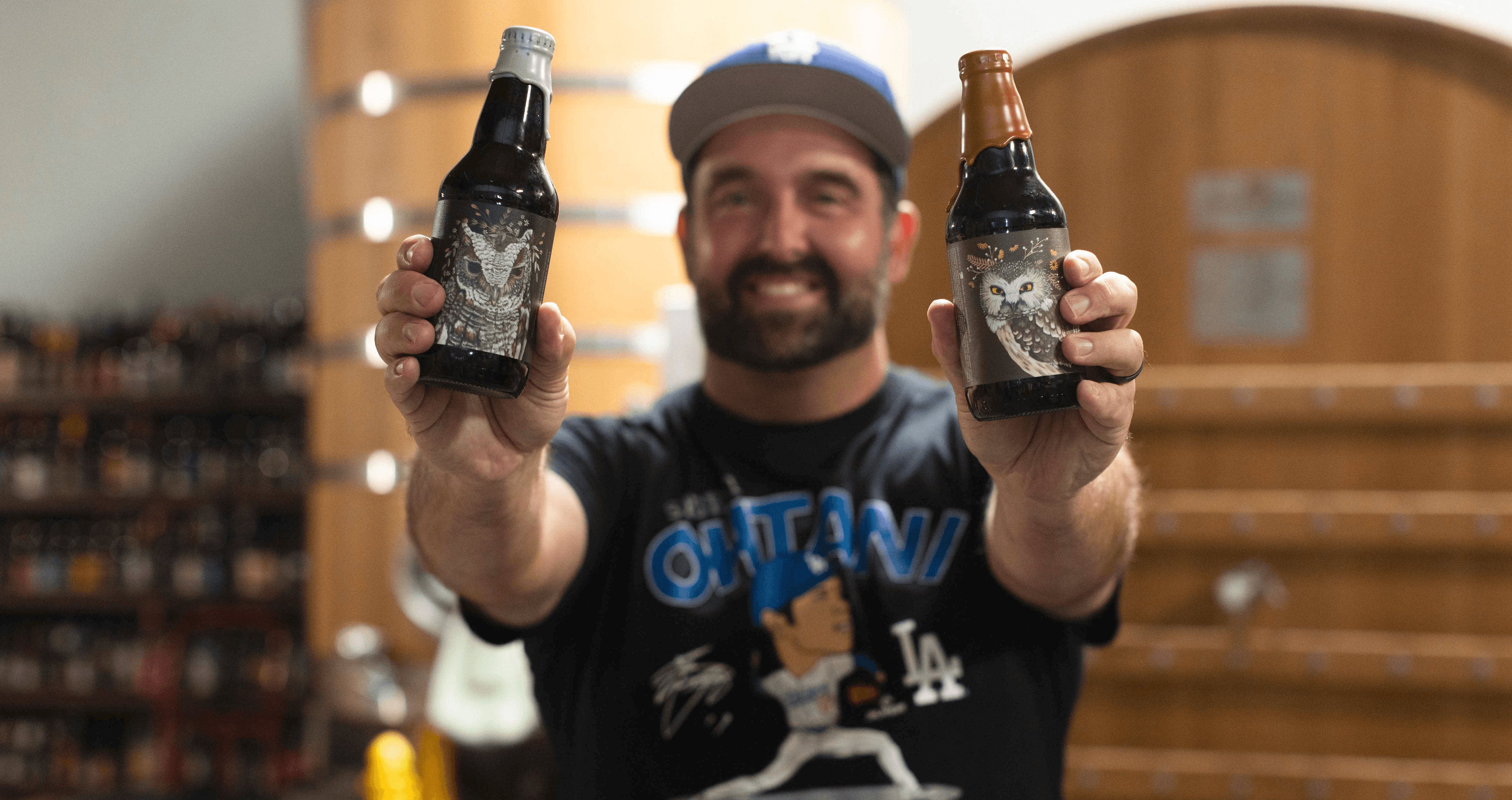
Kyle Harrop, founder of Horus Aged Ales, shares his approach to brewing, aging, and blending higher-gravity barleywines and stouts—and to selecting and using the flavor components that can take those beers to the next level.
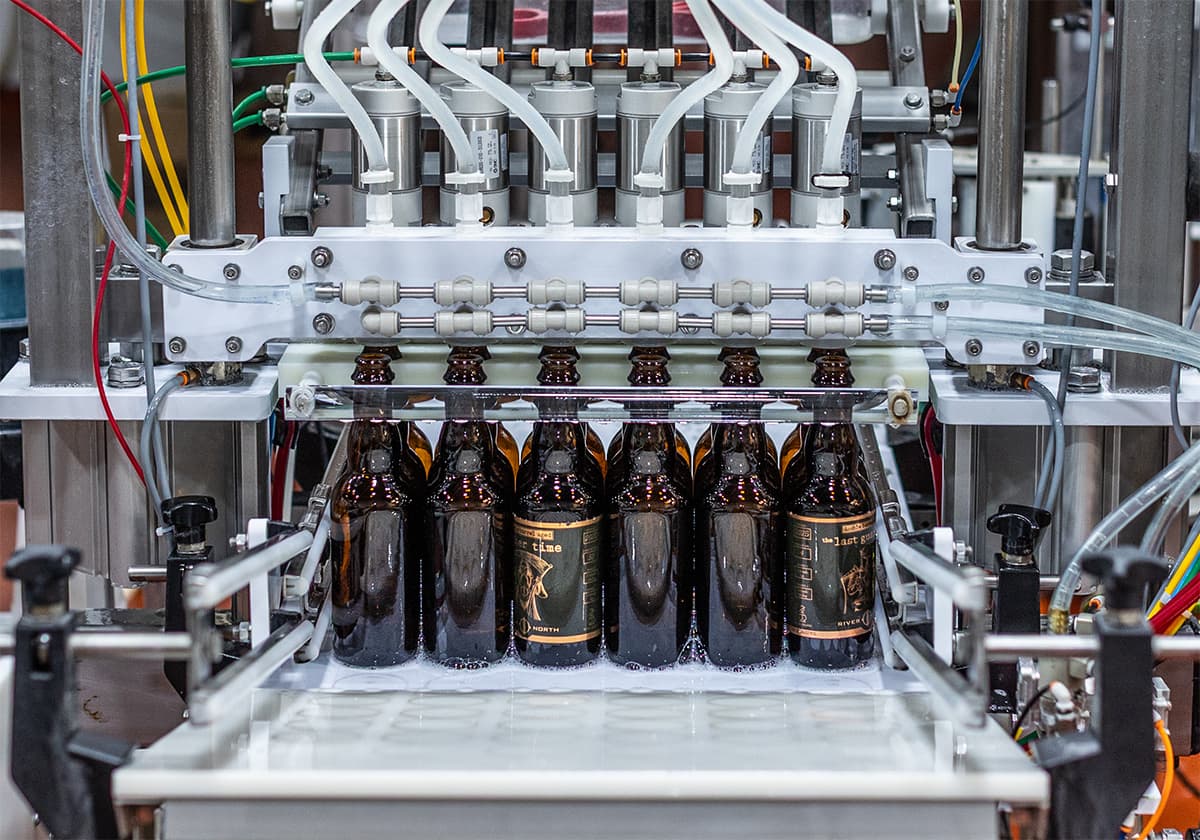
When beer gets high enough in alcohol content, it can pose a threat to can lining and affect how we perceive carbonation. In this clip from their video course, River North founder Matt Hess explains how and why they bottle in glass and adjust for carbonation.

For River North’s coffee-infused beers, it’s whole beans, fresh and medium-roasted. In this clip from their video course, founder Matt Hess explains the method.
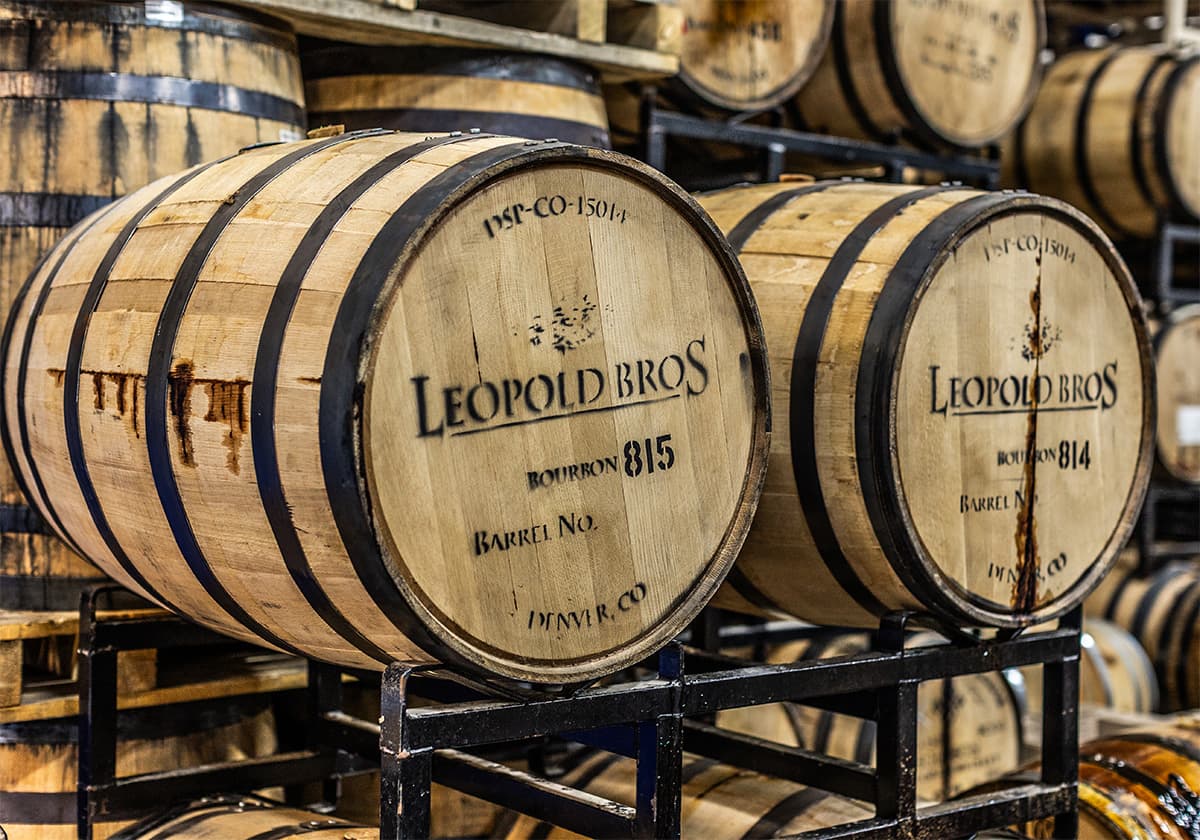
From the angel’s share to dilution, River North founder Matt Hess lays out some key considerations to keep in mind when you’re planning to age your beers in spirits barrels.
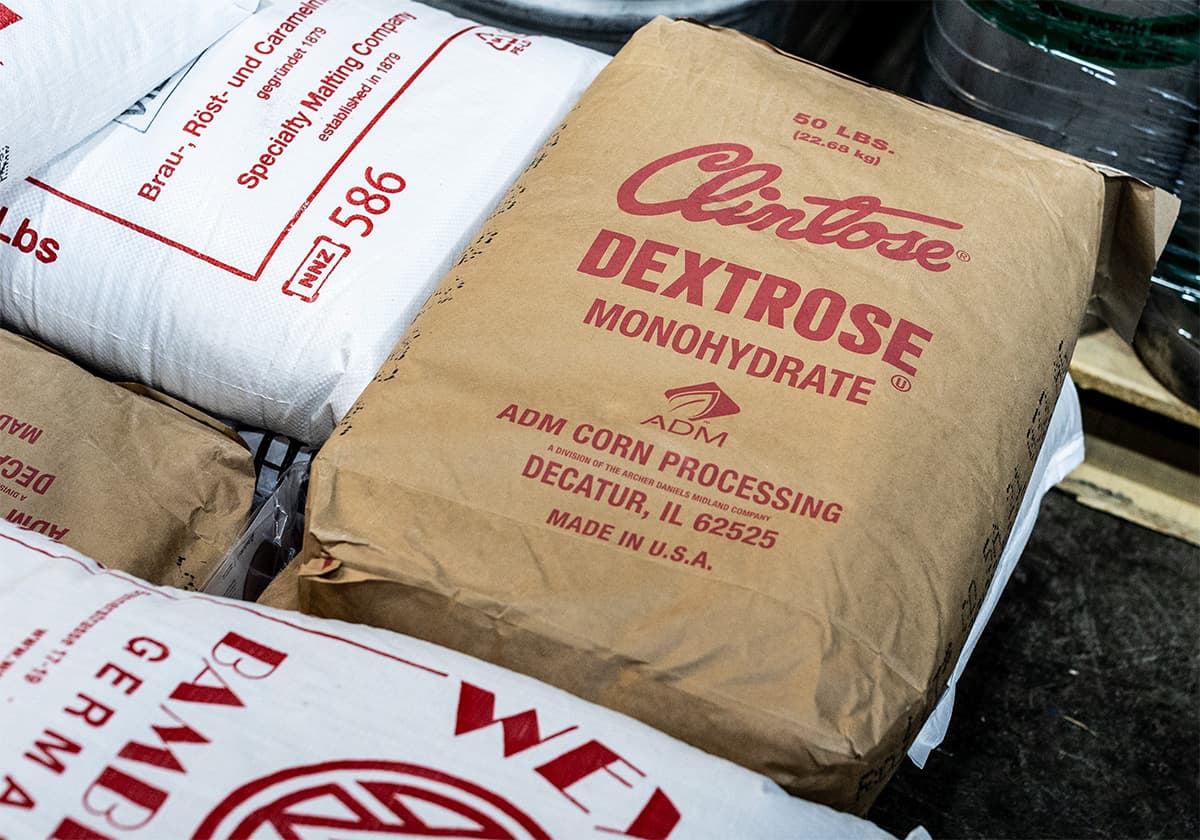
From dextrose to brewer’s crystals, River North founder Matt Hess covers some of the key things to consider when choosing and adding sugars to boost the gravities of very strong beers.
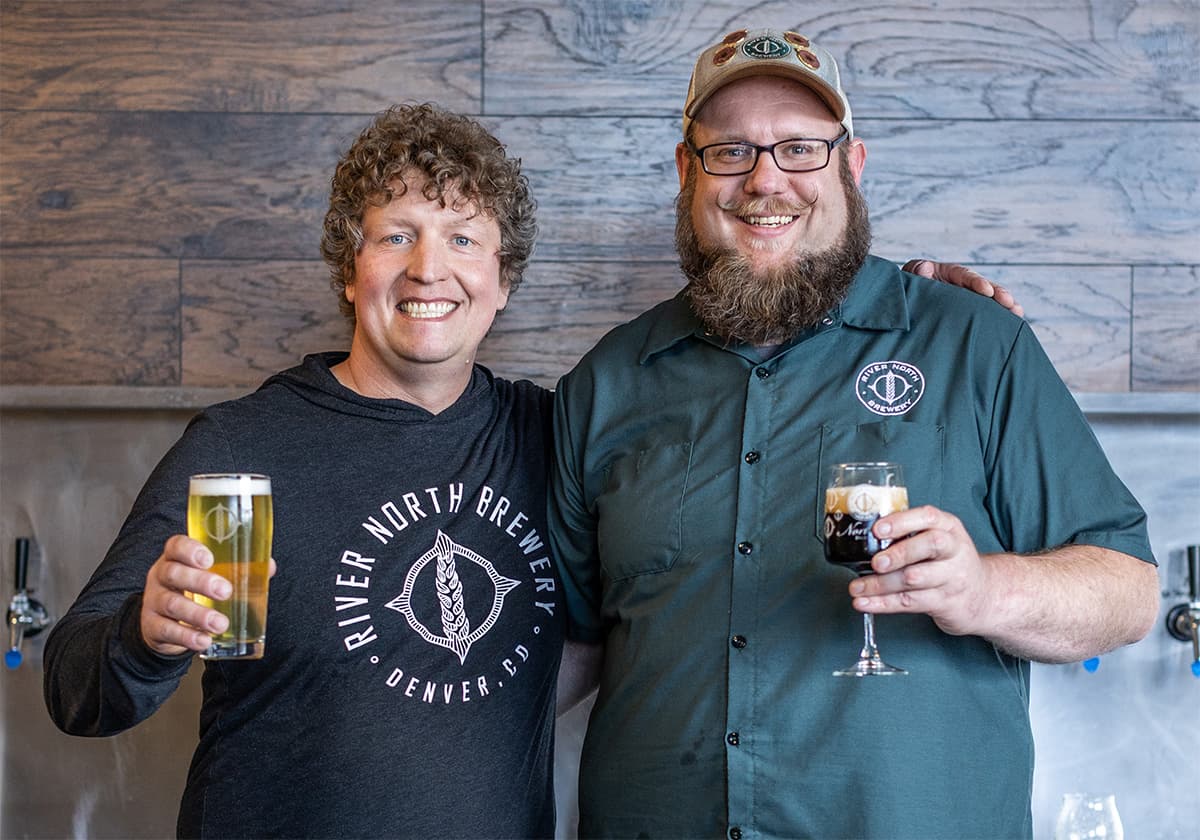
From recipe design and ingredient choices to barrel-aging, blending, and packaging, River North founder Matt Hess and head brewer Matt Malloy share the methods and philosophy behind their unusually robust and flavorful award-winning beers.
The team at Revolution in Chicago blends two threads of barrel-aged barleywine to produce their heralded Straight Jacket. Here’s a recipe for one of those threads, plus all the info you need to make the other one—or to make an unblended version.
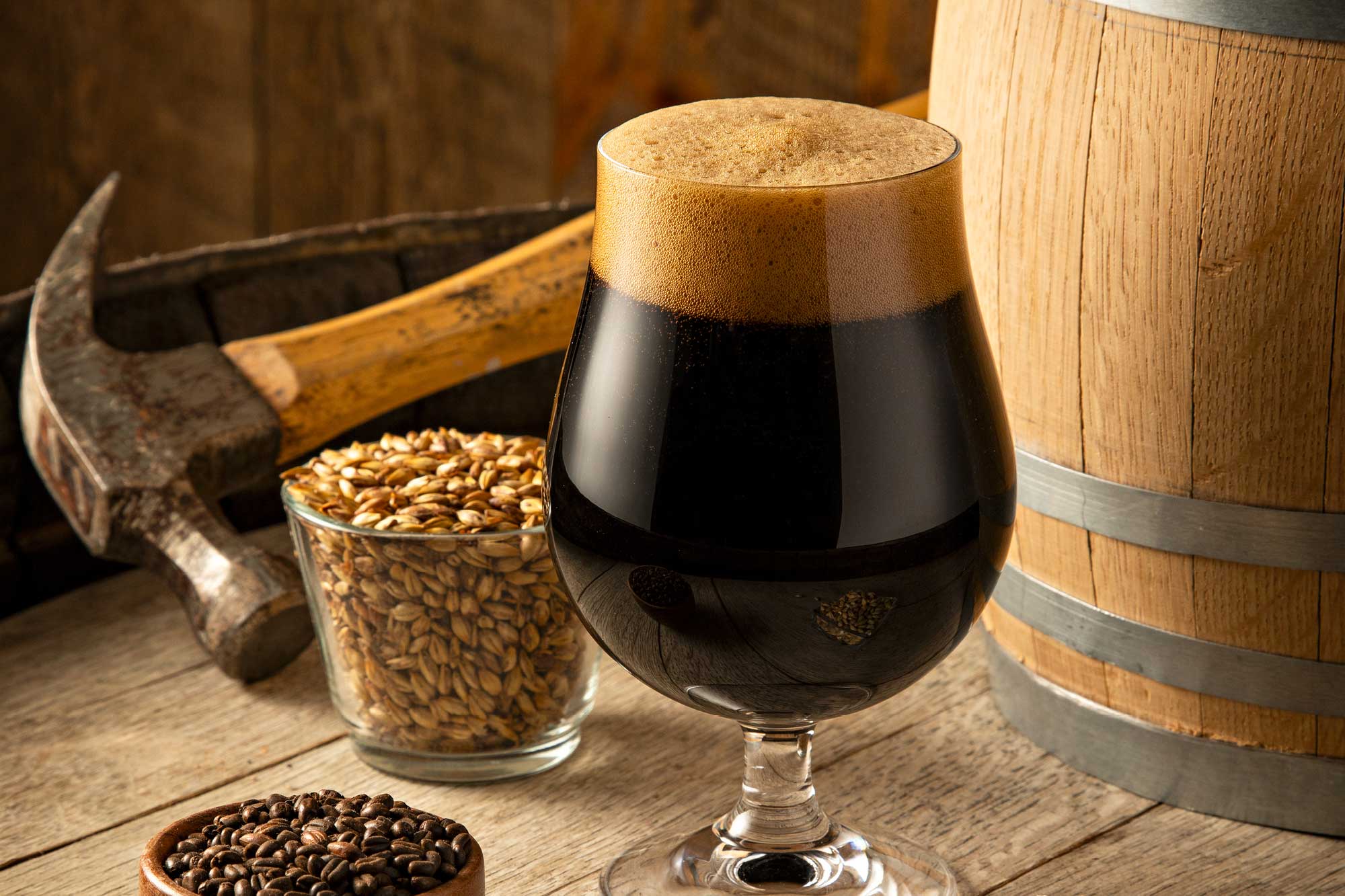
The world’s best oak-aged beers begin with careful hot-side considerations. Here’s how some of today’s leading brewers design stouts and barleywines to maximize success inside the barrel, and beyond.
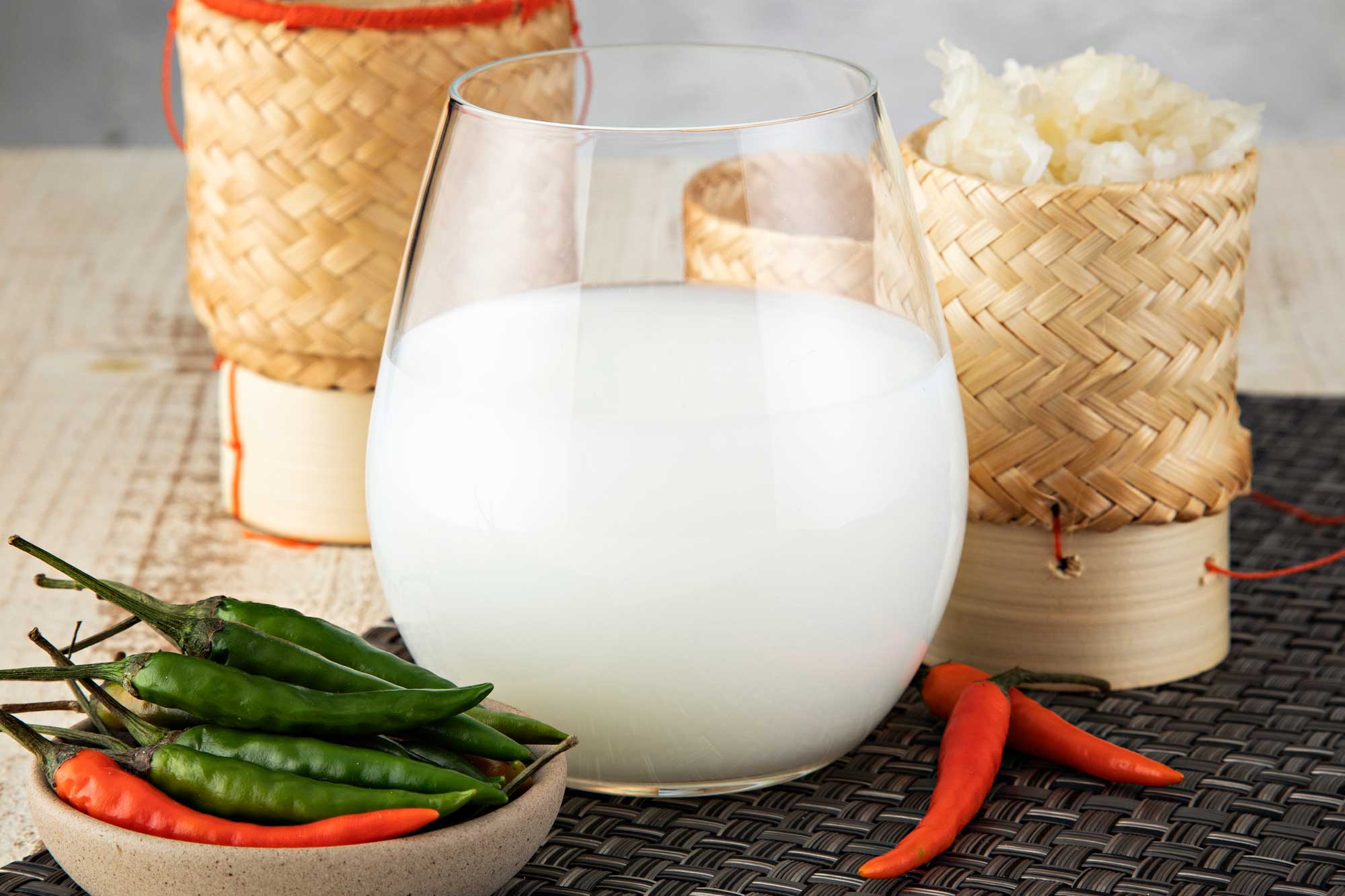
Amid craft beer’s rise in Thailand, brewers there are taking a fresh look at what their uncles and grandmas concocted—a folk drink fermented from sticky rice, wild yeast, molds, and a seemingly random mix of botanicals. (They’re also figuring out how to make it better.)
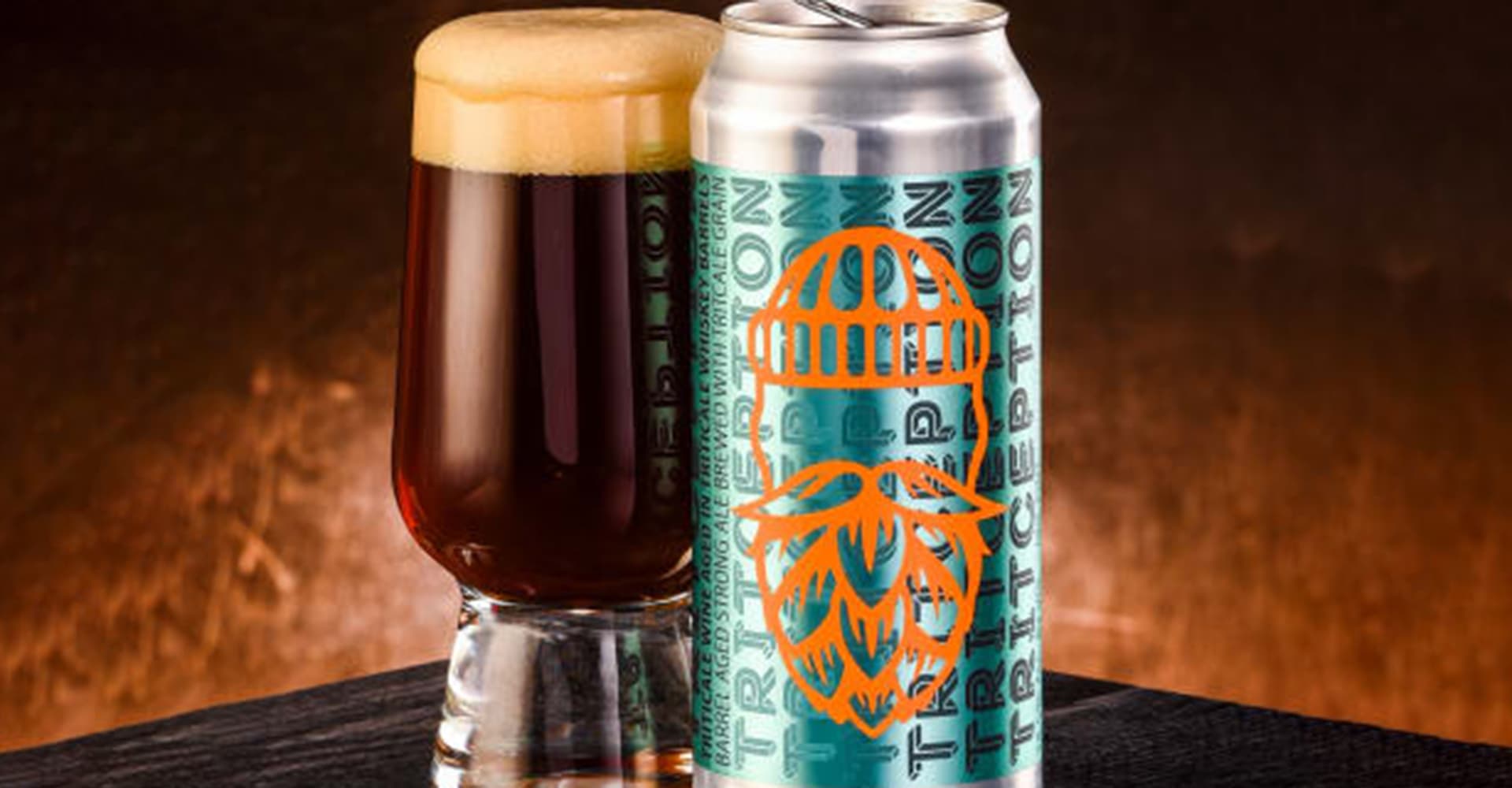
Brewed with barrel-aging in mind, this barleywine-style ale from Lumberbeard Brewing in Spokane, Washington, leans heavily into locally malted triticale—an unusual wheat-rye hybrid.
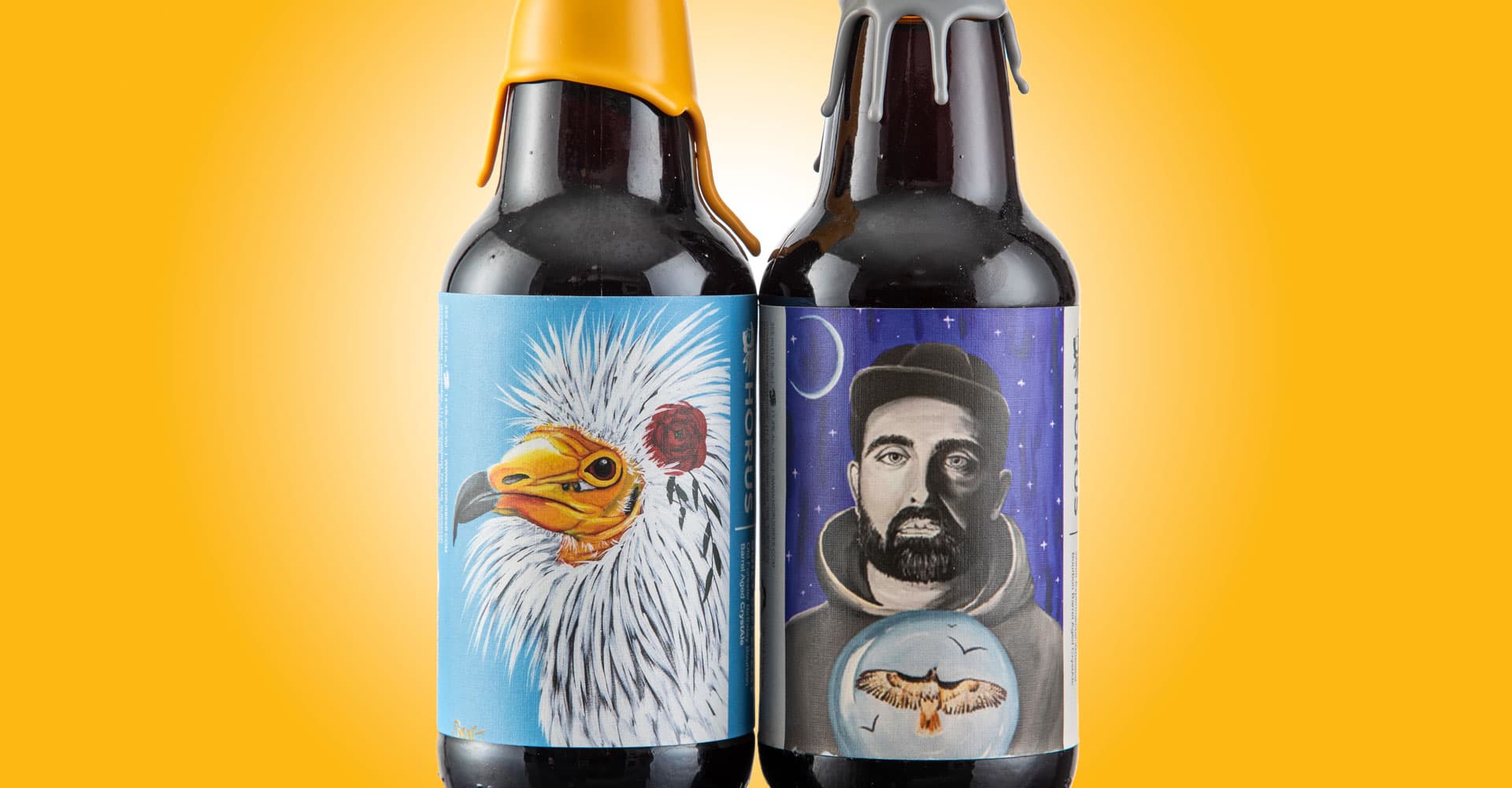
Rather than run away from crystal malt, Kyle Harrop of Horus Aged Ales in Oceanside, California, embraces it fully with this deviant barleywine-strength ale.
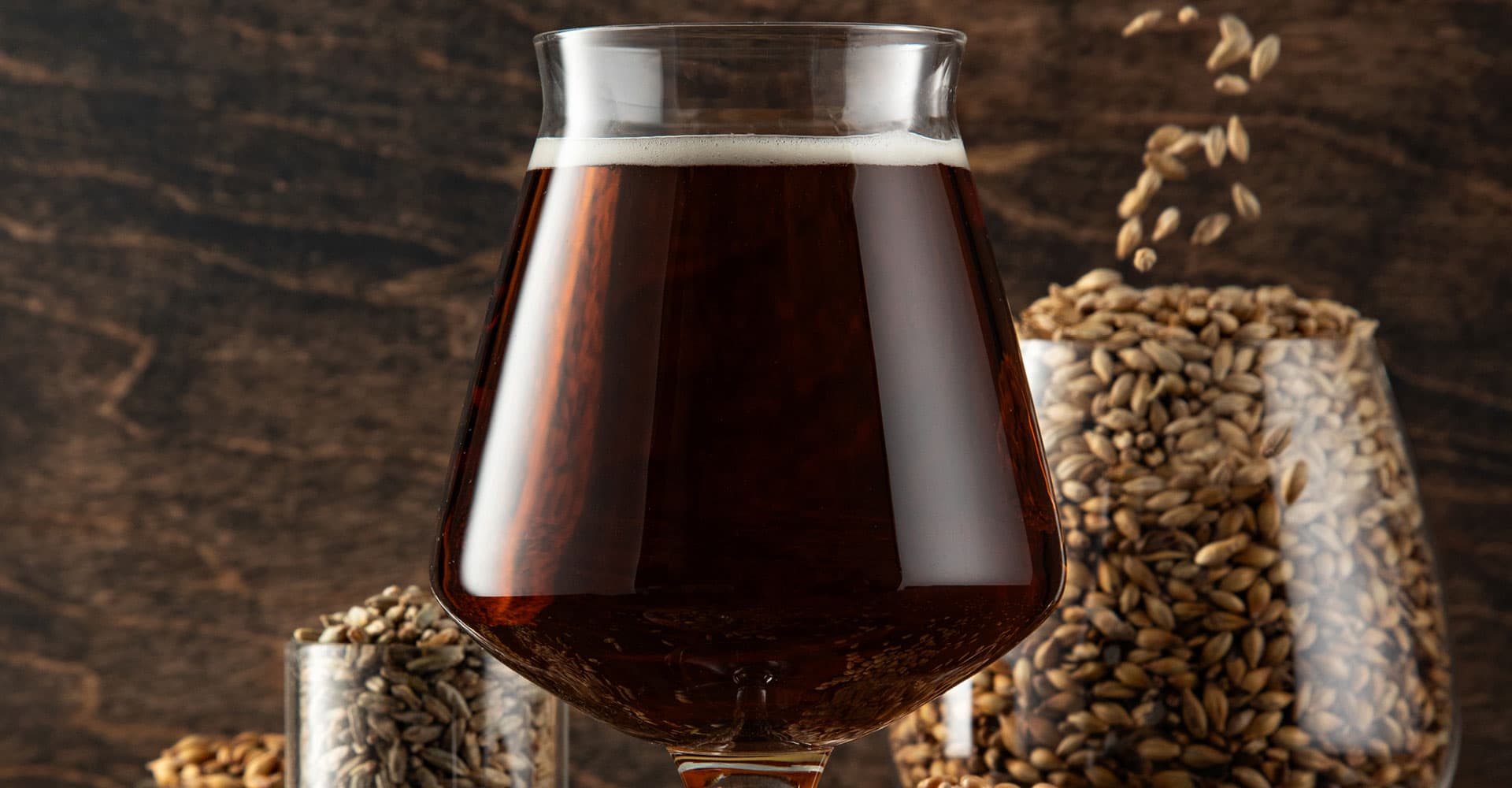
Barleywines and wheatwines explore the boldest flavor frontiers of their respective grains. Now, daring brewers are applying that maximalist approach to wine-strength beers brewed with millet, rye-wheat hybrids, smoked malts, and more.
Give those barrels plenty of time before tasting, says New Image founder Brandon Capps, and be open to new possibilities when tasting different components for blending.
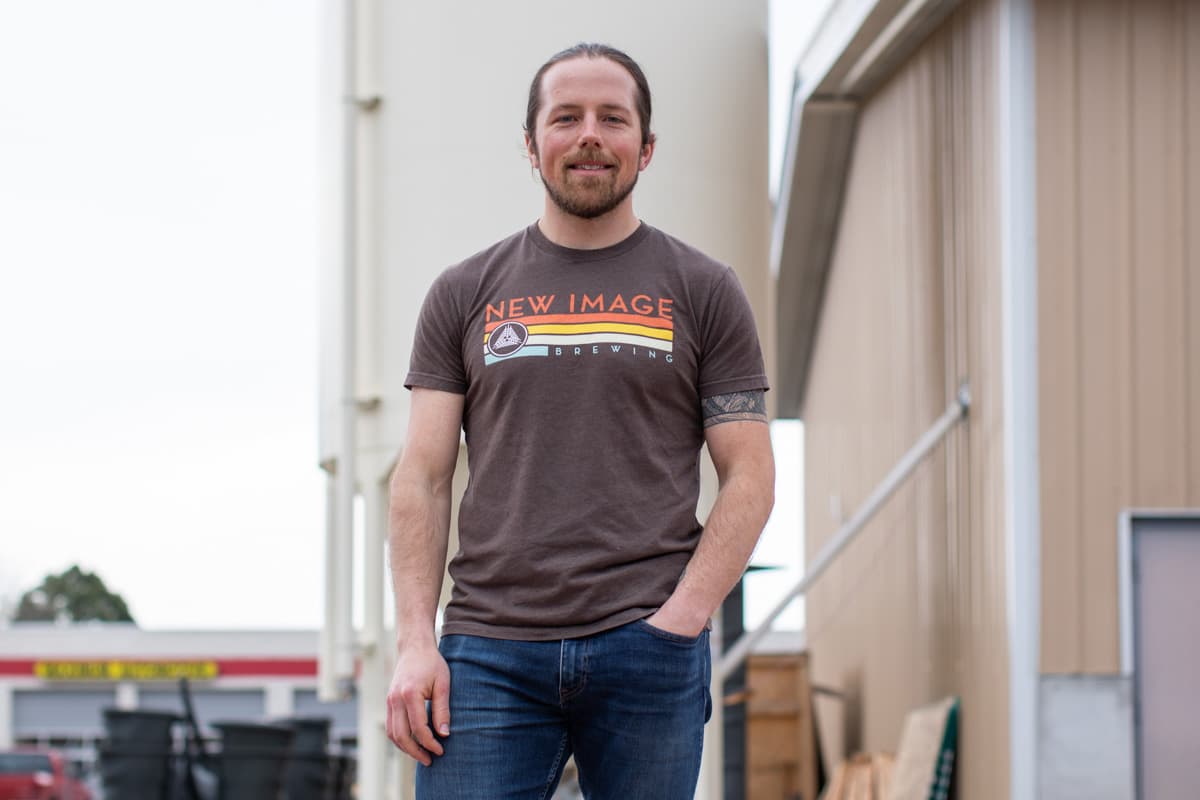
When it’s time to pull nails and evaluate components for blending, New Image’s Brandon Capps recommends including tasters who are less familiar with the style, while also ensuring that tasting happens blindly and individually.