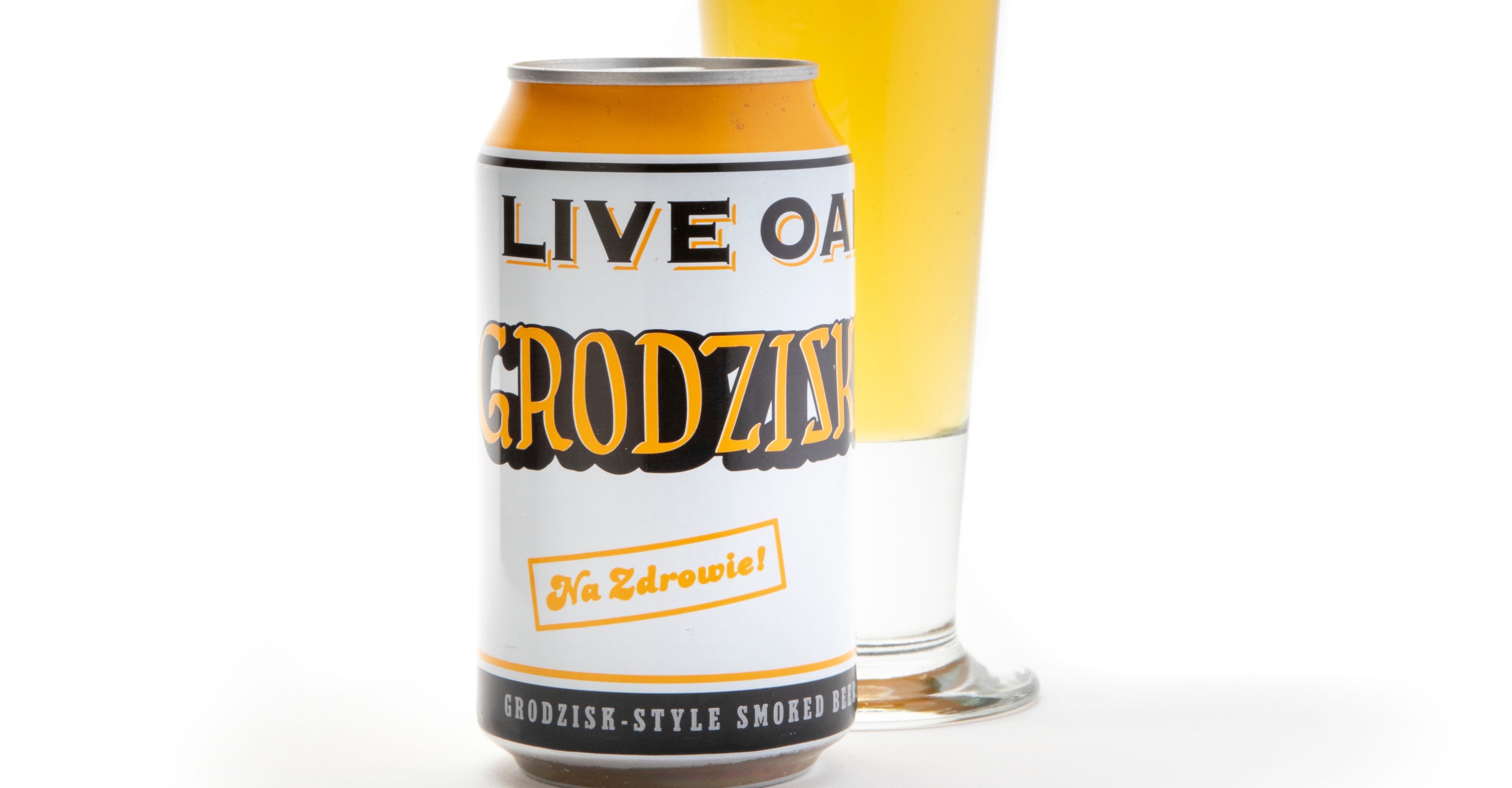
Live Oak Grodziskie Recipe
This beer is an effervescent smoked beer with a potent herbal Saaz bouquet. The wheat malt and the bubbles allow for the full-body feeling in a 3 percent ABV beer, not to mention the meringue-like head.

Showing 2581-2600 of 4726 articles
This beer is an effervescent smoked beer with a potent herbal Saaz bouquet. The wheat malt and the bubbles allow for the full-body feeling in a 3 percent ABV beer, not to mention the meringue-like head.
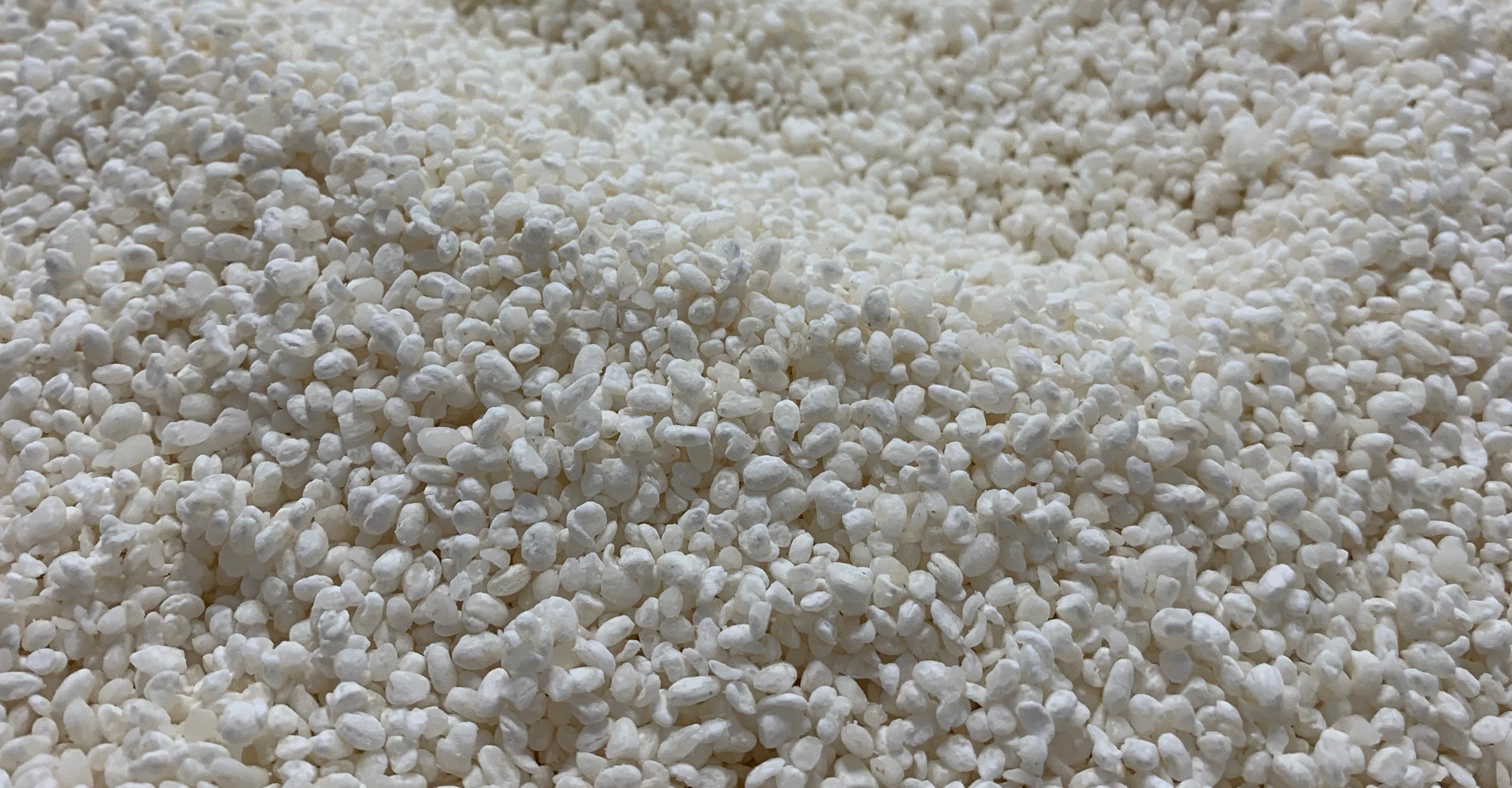
Brewers are experimenting with white koji to speed up the time to acidify their kettle sours.
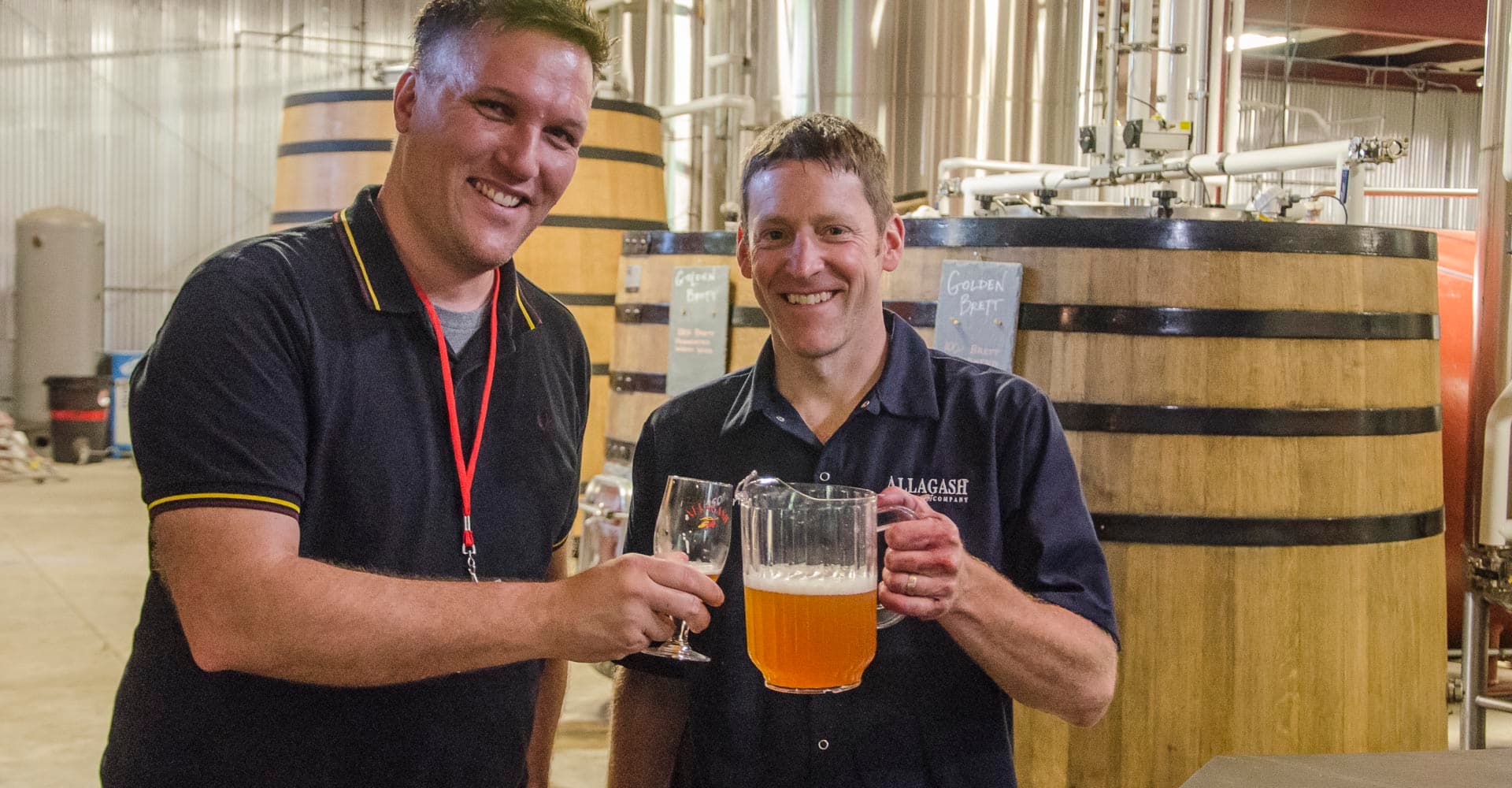
Perkins shares lessons learned over two decades of work at Allagash, from building haze stability in witbier to fermenting with Brettanomyces and spontaneous fermentation

Chris Tropeano, founder of Resident Culture Brewing shares his thoughts on cold dry hopping and why it works for his brewery.
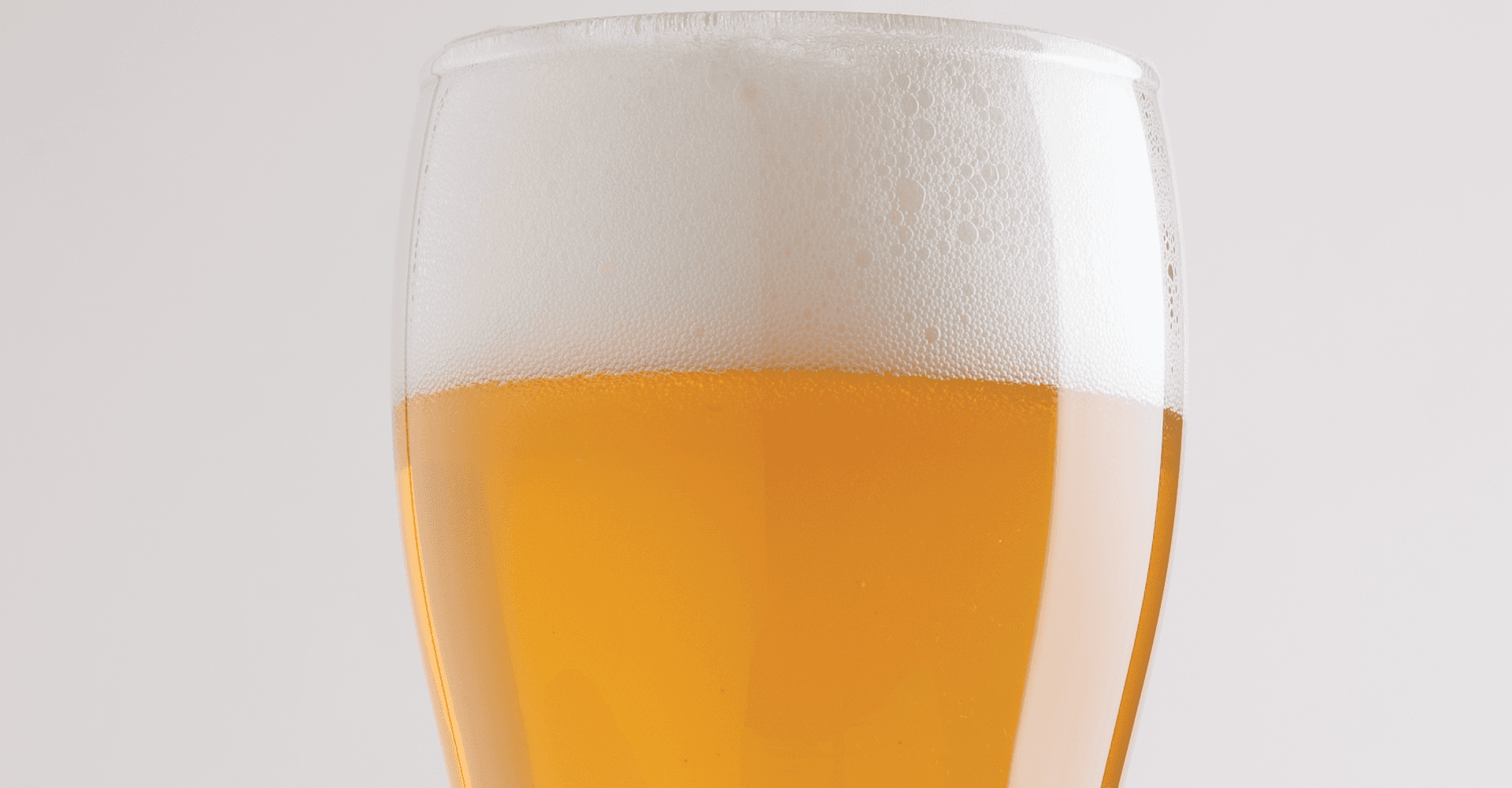
Hefeweizen is the classic hazy style with aromas of banana and clove, and while it might not be the most popular beer style these days, Phil Markowski doesn’t think it will ever disappear and offers some tips on how to make a great version at home.
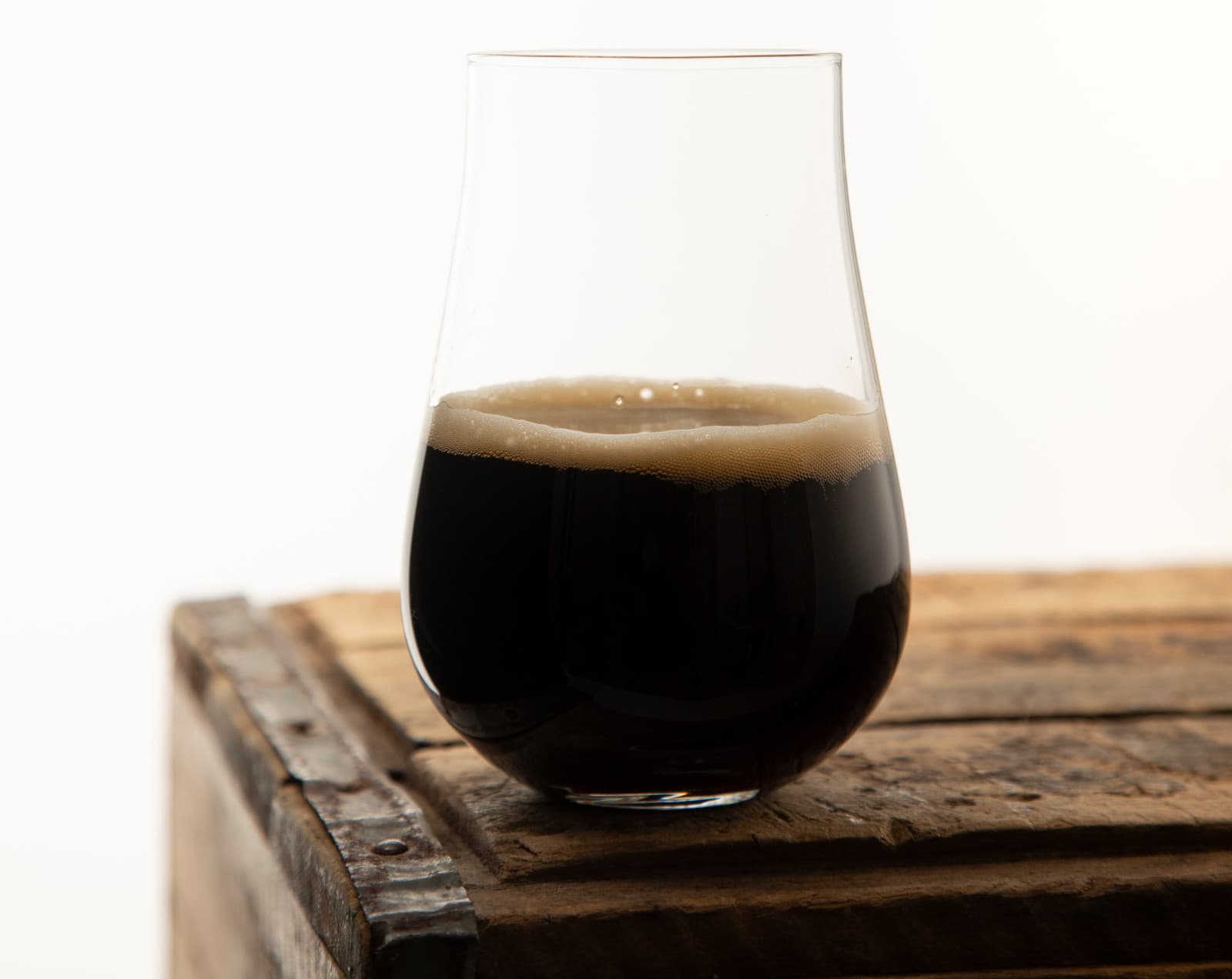
Time is a transformative ingredient in wood-aged beer. Neil Fisher of WeldWerks Brewing shares what he’s learned about making beers that stand up to extended aging.
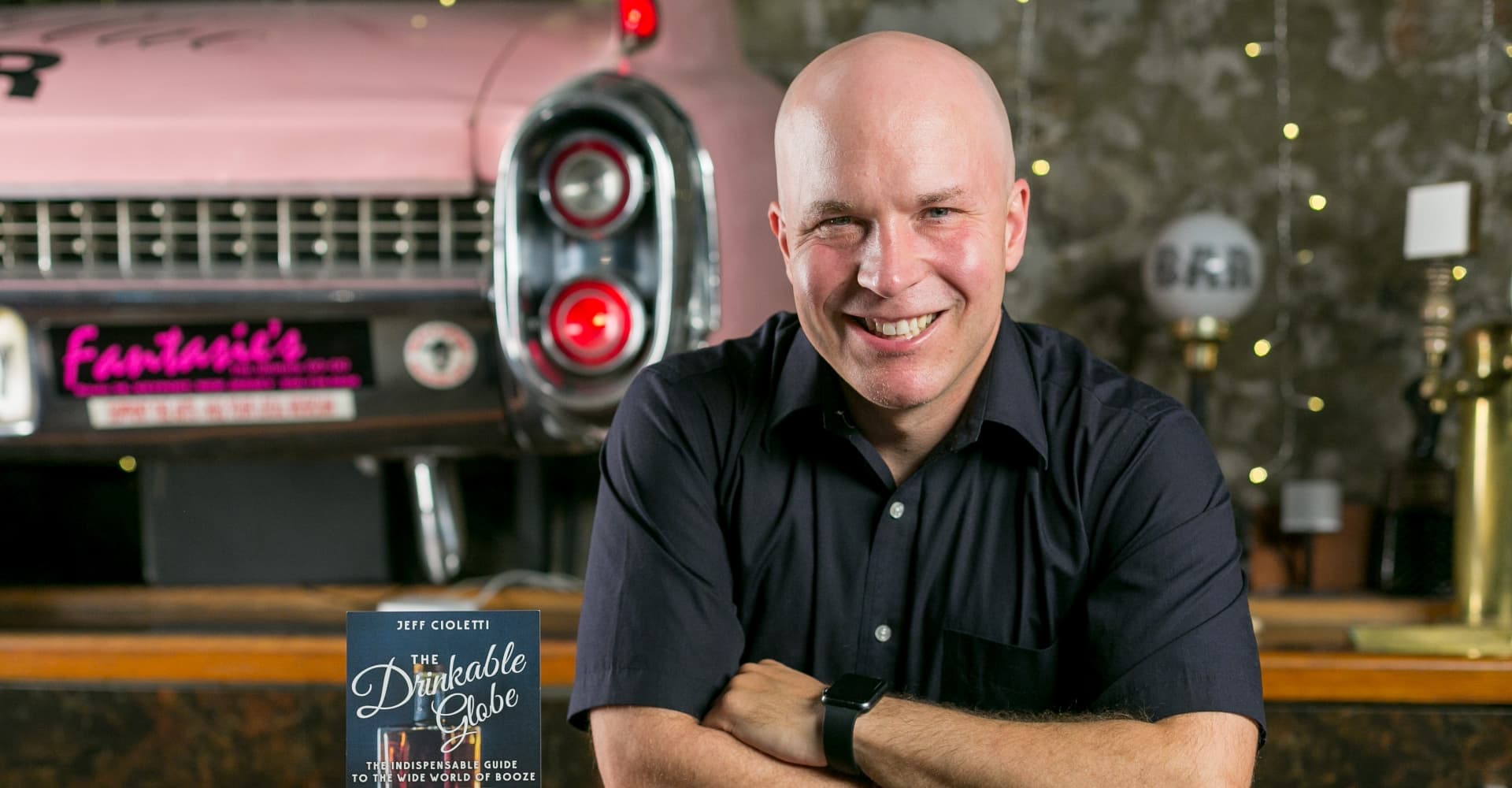
Certified Saké Advisor Jeff Cioletti discusses the three step brewing process involved in making saké.
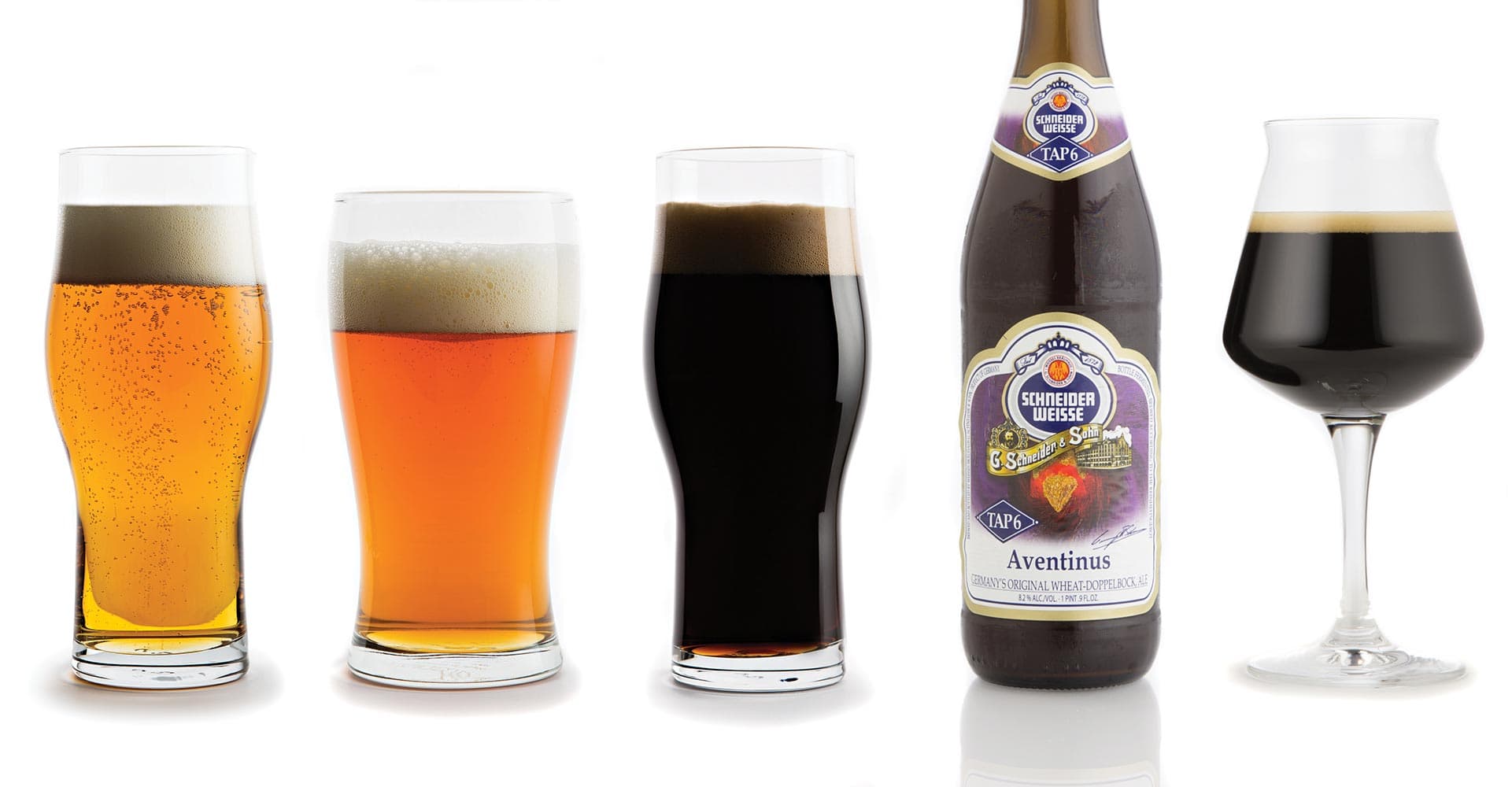
We reached out to brewers’ guild directors and asked for recommendations on dark-colored lagers (from a state other than the one they represent) that have tickled their fancy. Here’s what these proponents of craft beer reach for when they travel.
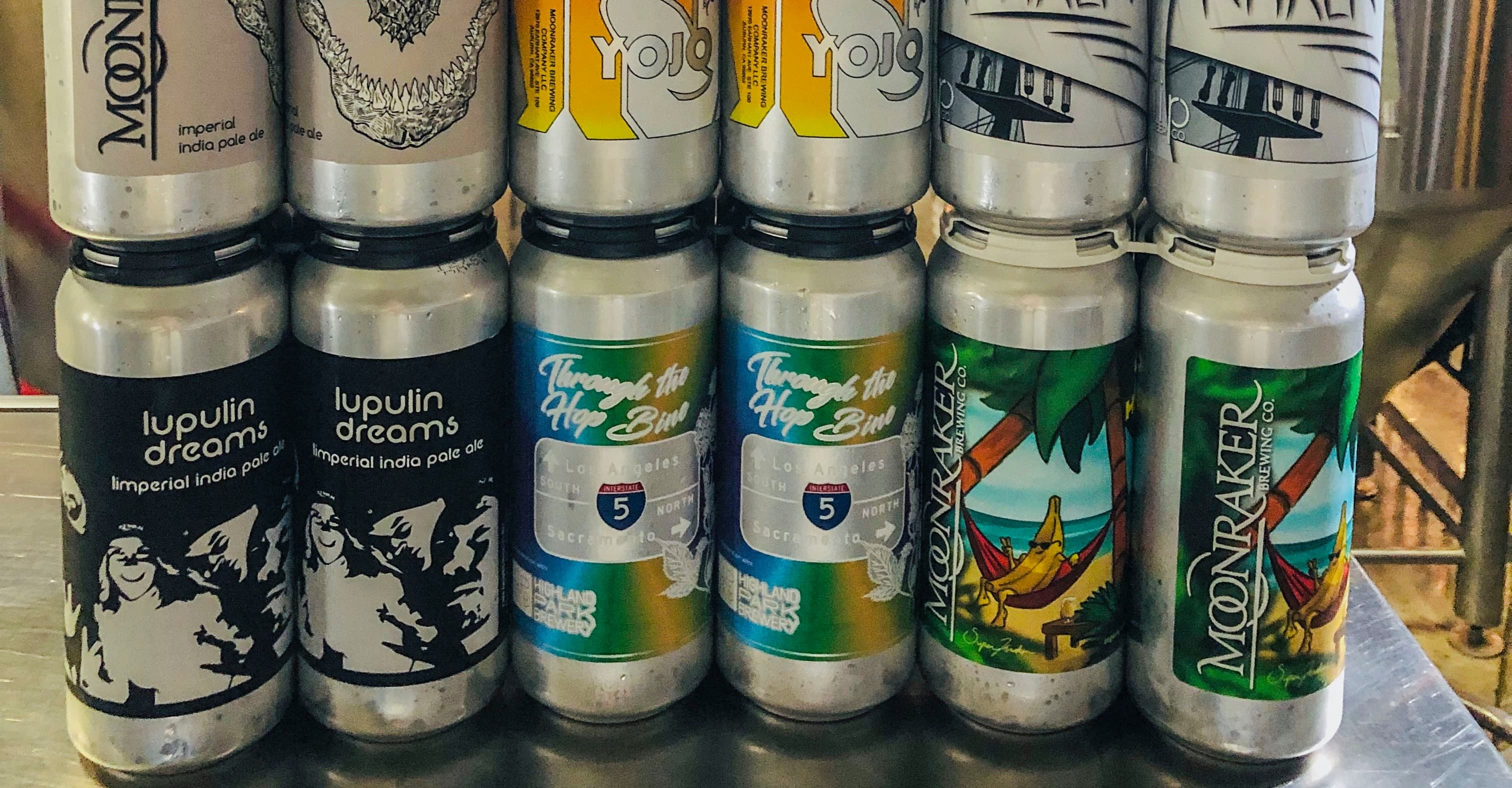
A collaboration between Moonraker Brewing Co. and their friends at Highland Park Brewery, this NEIPA boasts huge hops flavors and aromas of gooseberry, diesel, orange zest, mango, and evergreen over a biscuit-like malt foundation.
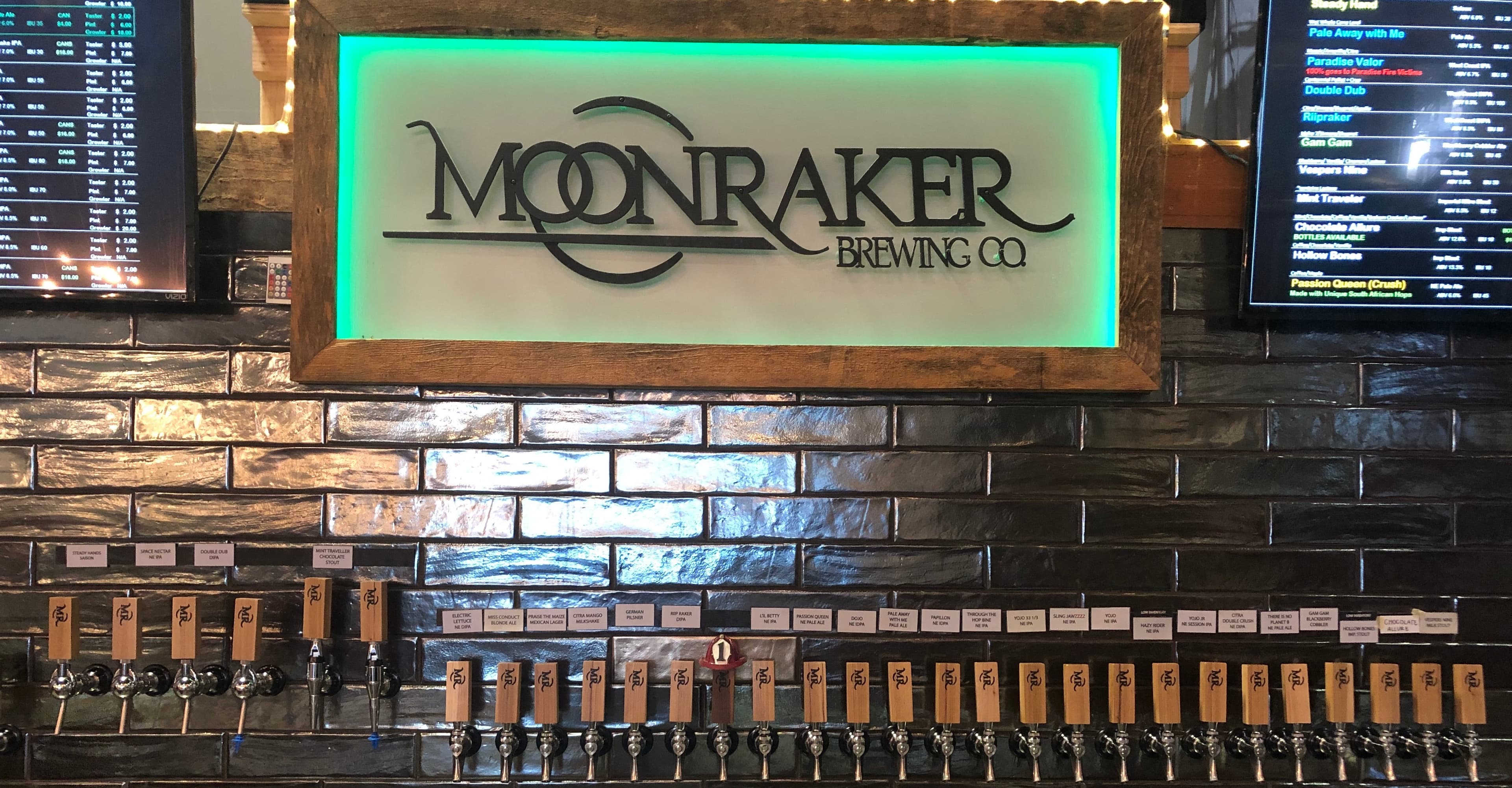
A group of former California homebrewers creates buzz with hazy IPAs but proves equally adept at mastering classic styles. Get to know the virtuosos at Moonraker Brewing Co.
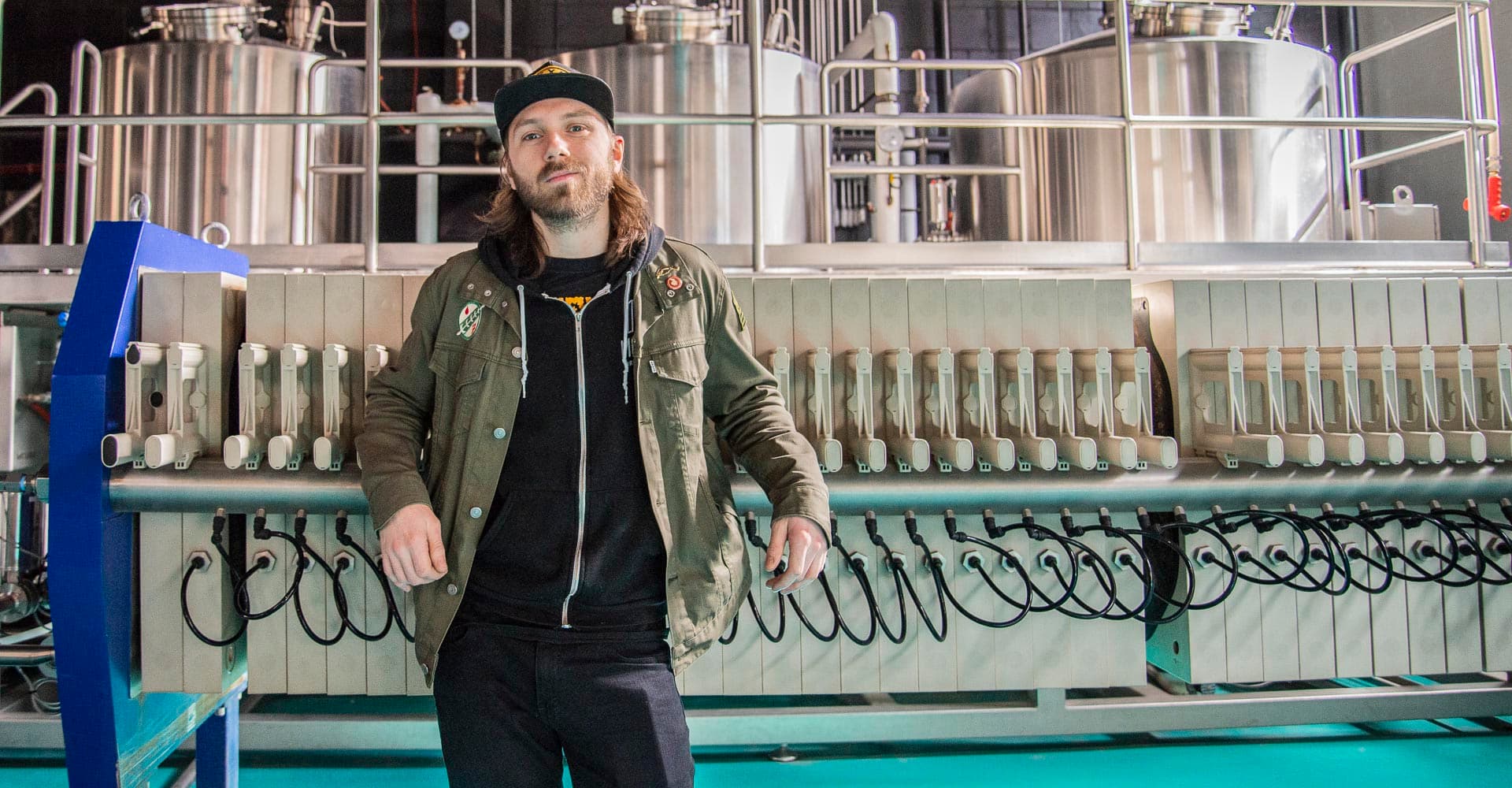
In this episode, Knee discusses the mash filter process and unique design considerations, the finer points of malt in designing hoppy beers, layering cryo and T-90 hops of the same variety on top of each other for heightened effect, and much more.
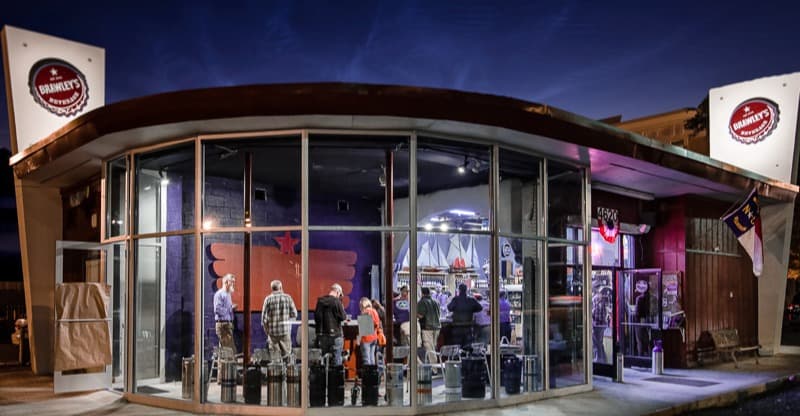
In this edition of Lovehandles we explore Brawley’s Beverage, Hoot Owl, and Finn's Manor
The speed and temperature flexibility of kveik yeasts make them attractive to commercial brewers, and many, like Daniel Cady of Mikkeller San Diego have begun experimenting with them across a range of styles beyond just “farmhouse” ales.
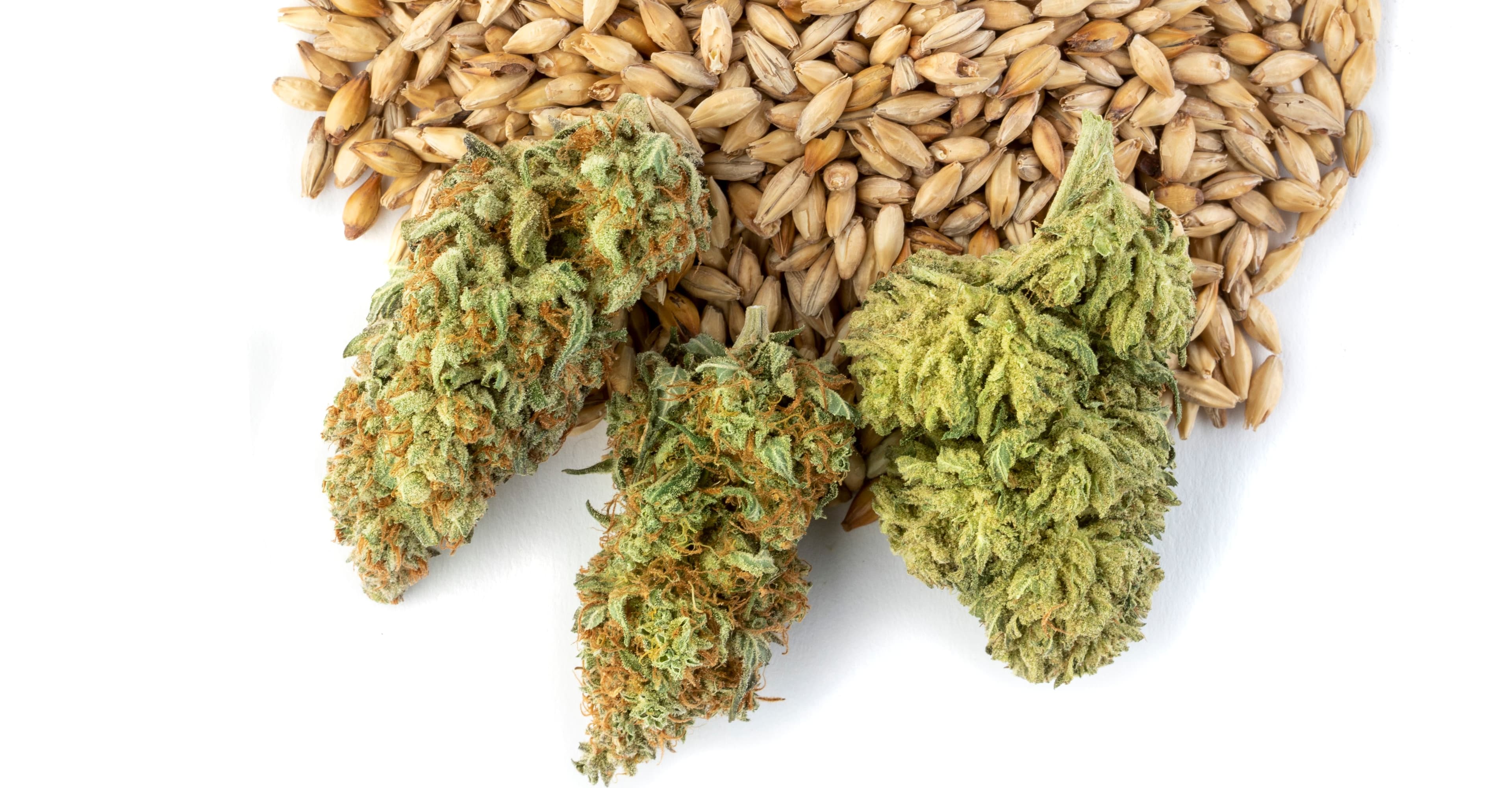
Read on about a collaboration that combines a cold-side addition of cannabis flower with a tincture addition that allows you to customize the concentration of THC in each bottle.
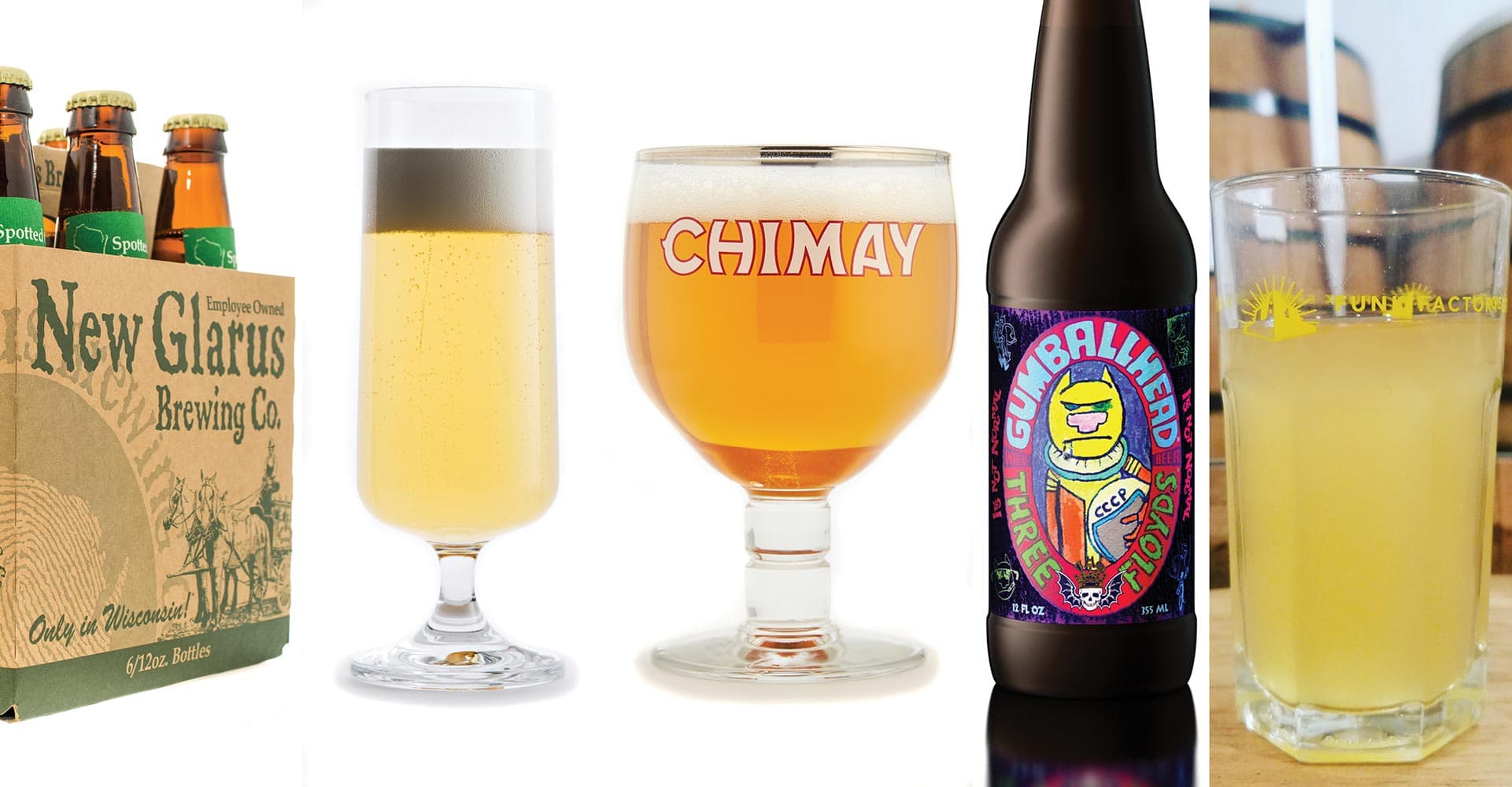
We reached out to brewers’ guild directors and asked for recommendations on light-colored ales (from a state other than the one they represent) that have tickled their fancy. Here’s what these proponents of craft beer reach for when they travel.
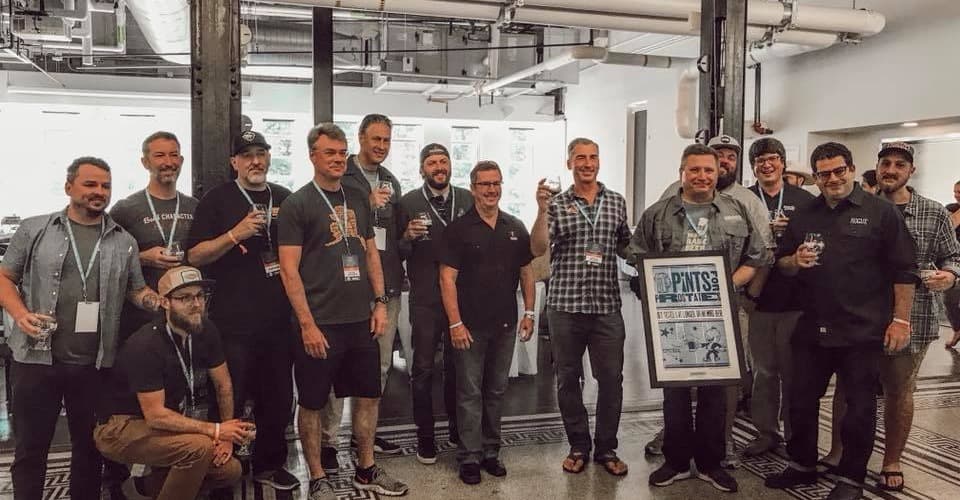
Partial List of Breweries for Pints for Prostates Event Announced
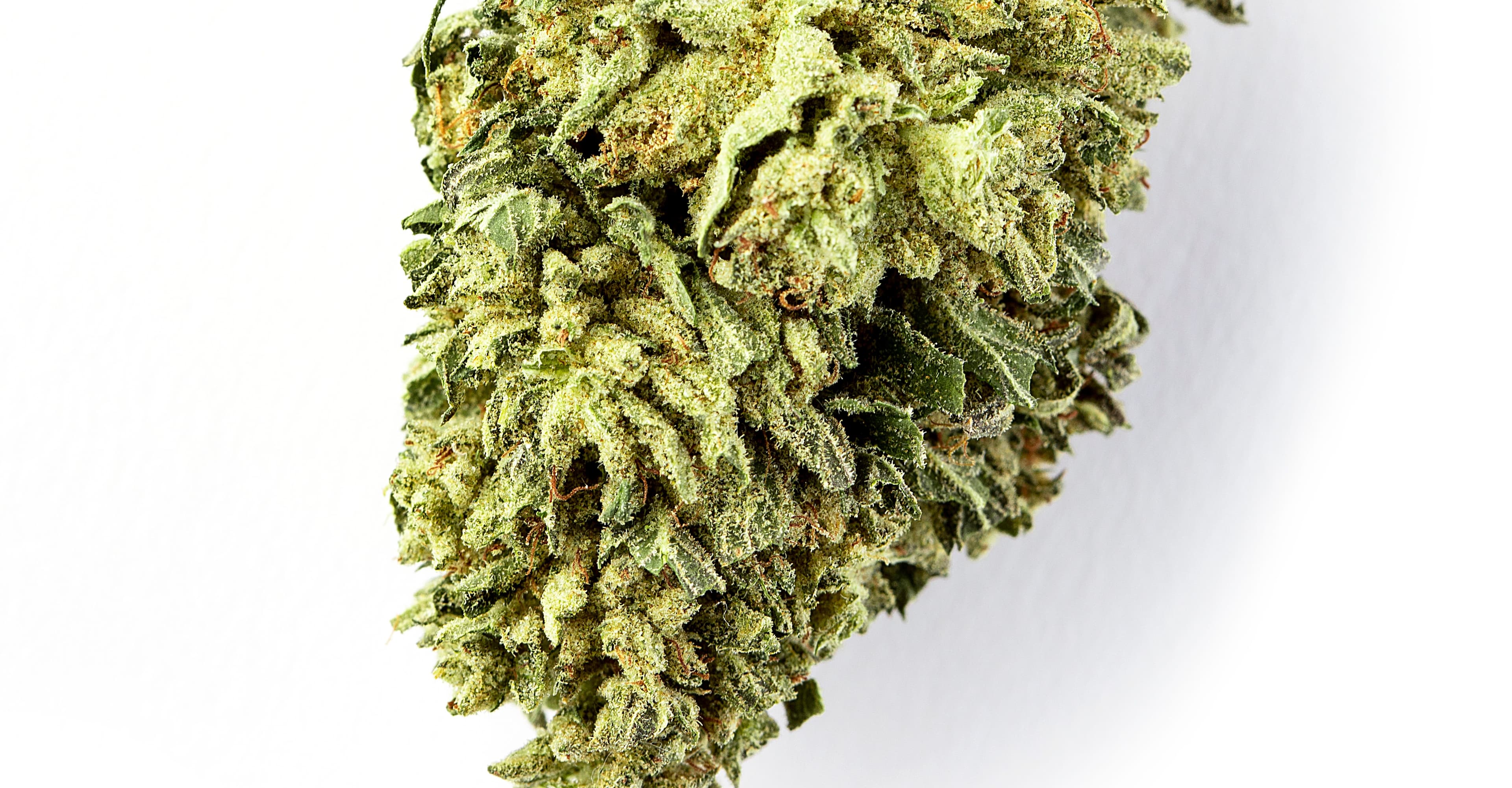
This modified Weldwerks Juicy Bits recipe (which is in no way created by, endorsed by, or otherwise affiliated with the brewery) has your favorite juicy aromas and infuses THC for a pleasant focused body high.

Adair Paterno traded in a legal career for a life in beer. If you’re familiar with the beers they produce, it’s no surprise that her 6- pack is stacked with bright and expressive yet dry and drinkable beers with a distinctly Belgian lean.

In part two with Vinnie Cilurzo, he discusses open fermentation for everything from Pliny the Elder to STS Pils, the impact of tank geometry, de-barreling sour beer without worry about oxygen exposure, and much more.
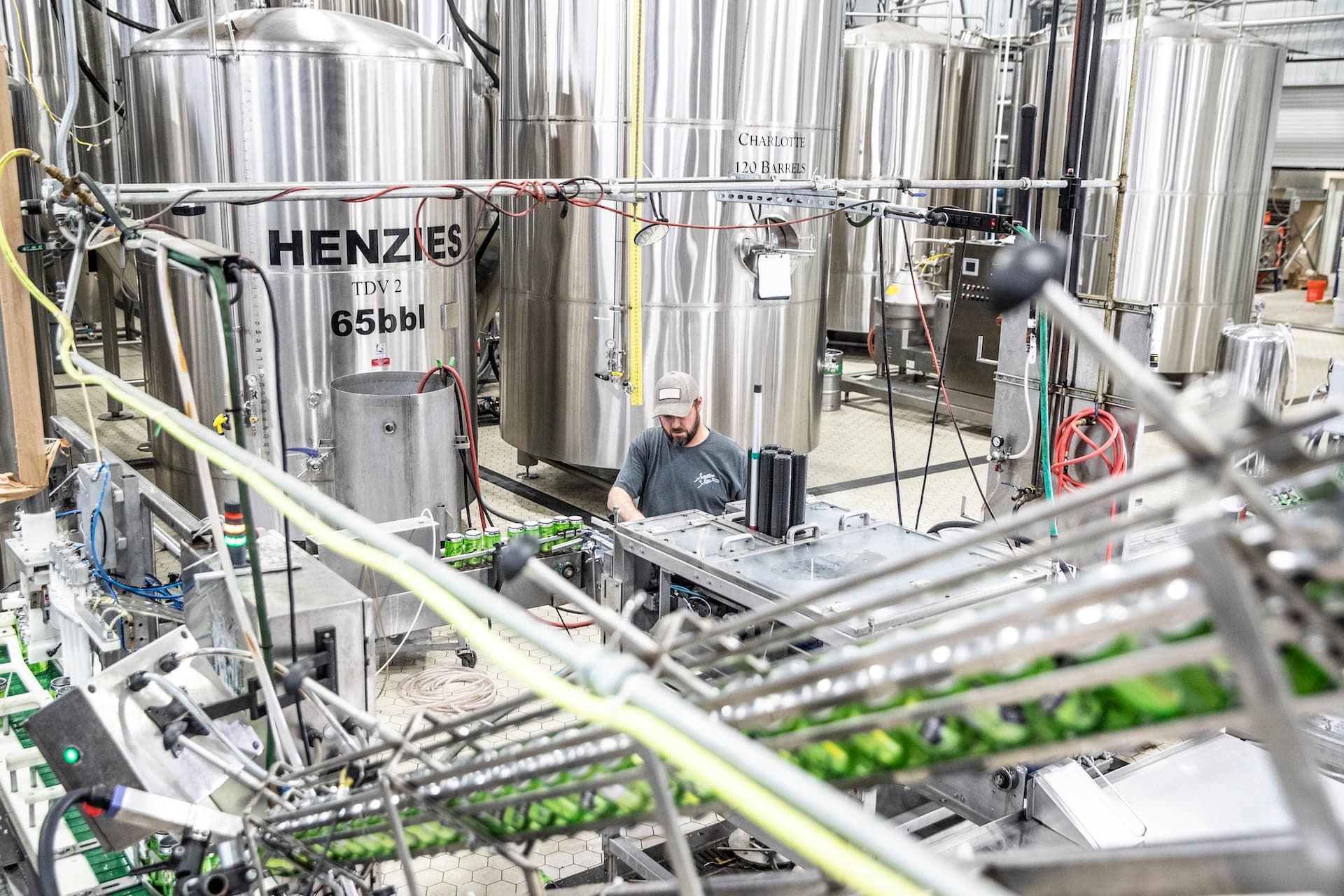
The use of food grade lubricants in the brewing industry is an important part of producing a product that protects the public and keeps the brewer in compliance with food safety regulations.