Acidic Content in Mixed Fermentation Beers (Video Tip)
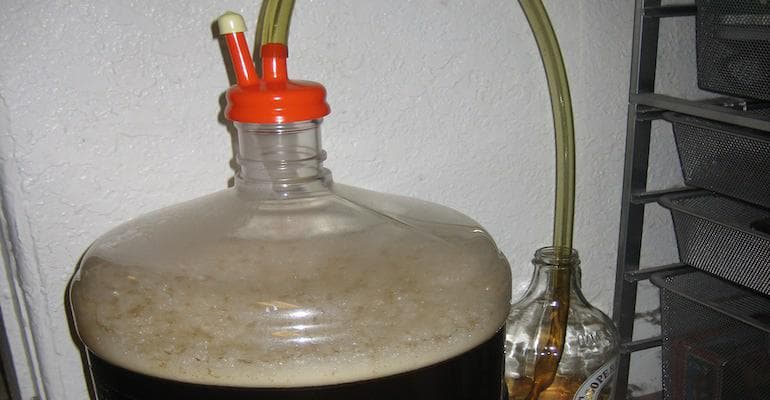
In this Craft Beer & Brewing video tip brewer Kyle Carbaugh discusses specific strains and ways to manage acid production in your mixed fermentation beers.
Showing 2601-2620 of 4606 articles

In this Craft Beer & Brewing video tip brewer Kyle Carbaugh discusses specific strains and ways to manage acid production in your mixed fermentation beers.

While the focus for most homebrewers is brewing all-grain recipes, Josh Weikert argues that it’s not always necessary. You can benefit from having a bit less control (but no loss of quality) and a significant chunk of time back in your brew day.

From Fal Allen, this recipe is a combination of the traditional (the air-dried malt and the spices) and the new (the brewhouse souring).

The key to a proper gose, says Fal Allen, the longtime brewmaster at Anderson Valley Brewing Company, is to go easy on the salt and don’t put too much stock in the fancy stuff.

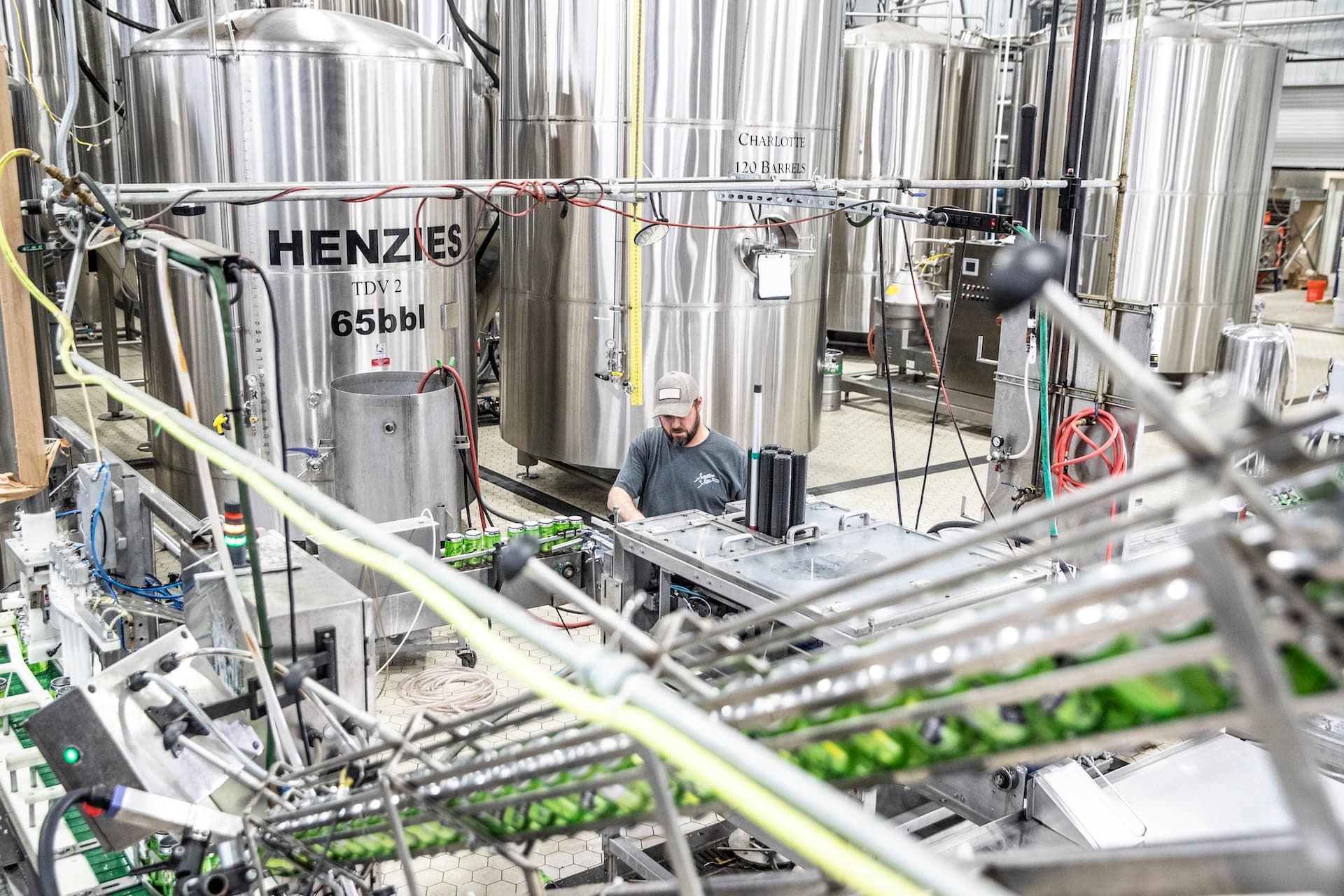
Todd Boera is known for creative yet grounded mixed culture botanical beers, and their new production brewery out on a farm 30 minutes from Morganton, NC puts an even finer point on the connection between the brewery and the agriculture that supports it.

Stu Blake, the founder of 2nd Act beer is here with this video tip that goes over the basics of this necessary piece of brewing equipment.

In the city of Middletown, New York, the line forms early outside of Equilibrium Brewery on weekends for fans jonesing for a hops fix. This is what happens when professionally trained scientists get involved in brewing.

In this 110-minute video, 2nd Act Beer Founder Stu Blake covers homebrew instrumentation, readings, interpretation, and actions you can take following the readings, helping you make better, more consistent beer.

Homebrew expert Brad Smith, author of the Beersmith homebrewing software and the voice behind the Beersmith podcast, is here to help you identify leaks in your CO2 equipment.

Hibiscus makes perfect sense for an IPA, John Troegner says. “It creates berry flavors and aromas, lowers pH, and is actually similar to the Vic Secret hops.”

To avoid being overwhelmed by all the options, try focusing on a manageable subset of grain—crystal (aka caramel) malts. Using the mini-batch (1 gallon/3.8 liters) method, we demonstrate how you can learn to distinguish among the types of crystal malt.

Mike Pallen paid his dues as a homebrewer and after helping some other breweries get off the ground all while working on his own recipes, he's busted out onto the national beer scene.

Knowing how to build a recipe for fractional distillation, how to use the process, and how to make a style into an “Ice Whatever” is a great tool to have in your bag.

TrimTab Brewing’s Founder is focused on its local community, discovery of flavors, and a belief that even something very small can have a big impact on its surroundings.

A few days before fermentation is done, ramp up the temperature to clean up any remaining diacetyl. Josh Weikert tells you how.

Maine Beer Company has developed a reputation for expressively hoppy beers, so it’s no surprise that half of Cofounder Dan Kleban’s 6-pack is lupulin-focused. But his love for Belgian-style funk, flavor, and character fills out the rest.

MORE Brewing Co.’s Shaun Berns says this is one of his “favorite beers. It started off as a German-style Pilsner but quickly changed to a classic American lager.”

While the thought of ale spontaneously fermenting in coolships might conjure thoughts of the country, you’re more likely to find it in cities across America.

Dogfish Head former head brewer talks through everything from the process of innovation to brewhouse key performance indicators, building beers from the simplest Pilsner to giant high-gravity beers, evaluating ingredients, reducing diacetyl, and much more.

In an interview, Jeff Alworth talks about his new book that looks at the impact and importance that Widmer Brothers Brewing Co. had on Portland, Oregon (and beyond).