Make Your Best Pumpkin Ale
Summer ends too soon, vacations are over too soon, fall seasonals hit the shelves too soon—all reminders that while it may feel too soon to drink a pumpkin beer, it’s just the right time to brew one.

225 articles in this category
Summer ends too soon, vacations are over too soon, fall seasonals hit the shelves too soon—all reminders that while it may feel too soon to drink a pumpkin beer, it’s just the right time to brew one.
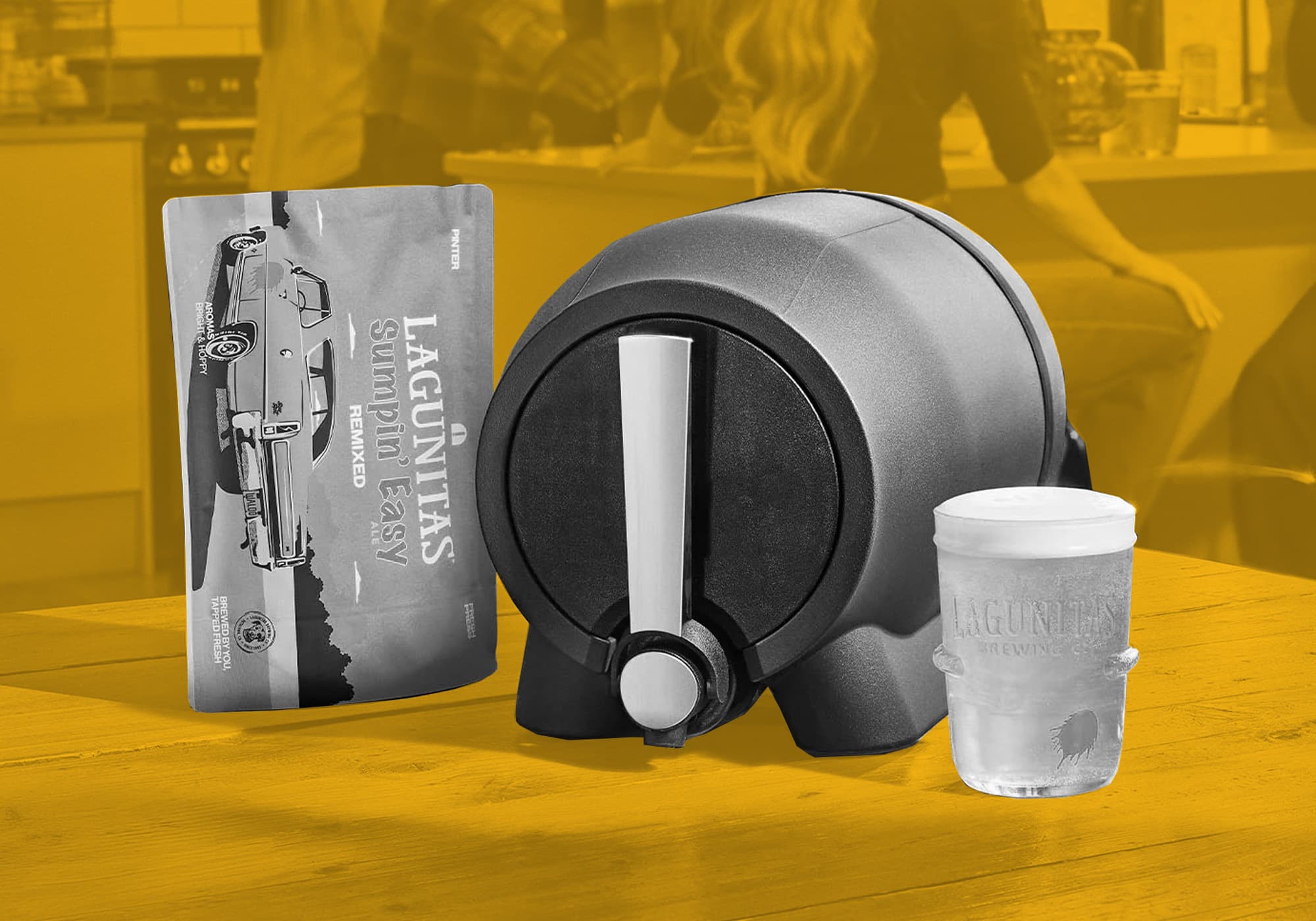
Most professional craft brewers get their start as homebrewers, often with simple extract-based kits. Pinter’s mission to make that process easier—and the beer better—is helping a new generation of future brewers connect with the art and craft of making.
Meant to represent the kind of pale lagers that were brewed by the likes of John Wagner, who brewed the first lager in the United States, this is kind of like German or Czech Pilsner but includes some local variability and flair.
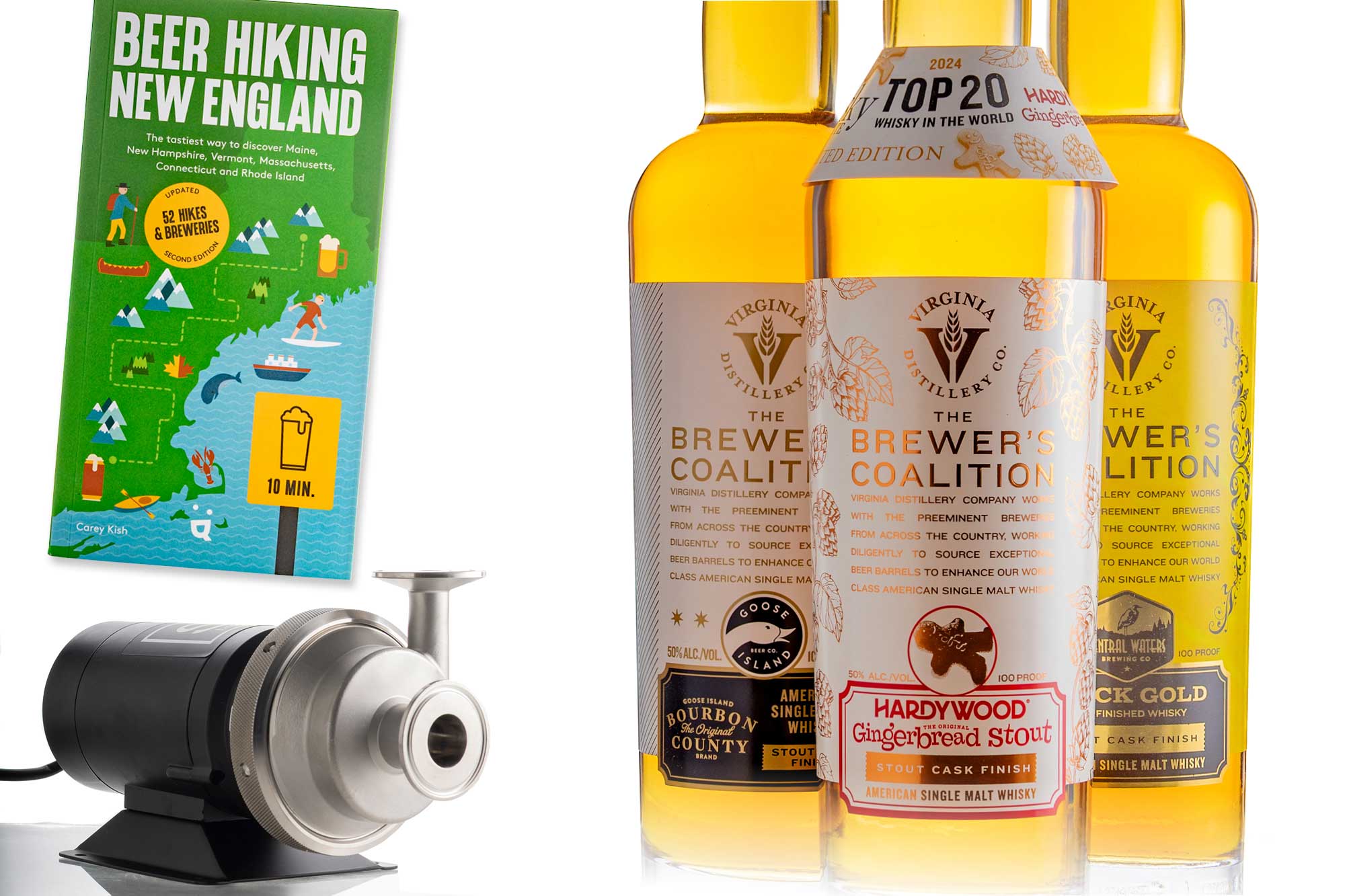
From beer-barreled whiskey to brewery hikes and your new favorite player in the transfer portal, here are a few things we’re stoked on, now.
Every brewer should have a house beer they use to get better—the one you could brew in your sleep to fine-tune your process, get to know your ingredients intimately, and dial in flavor and quality. For Annie Johnson, that beer is her throwback American amber ale.
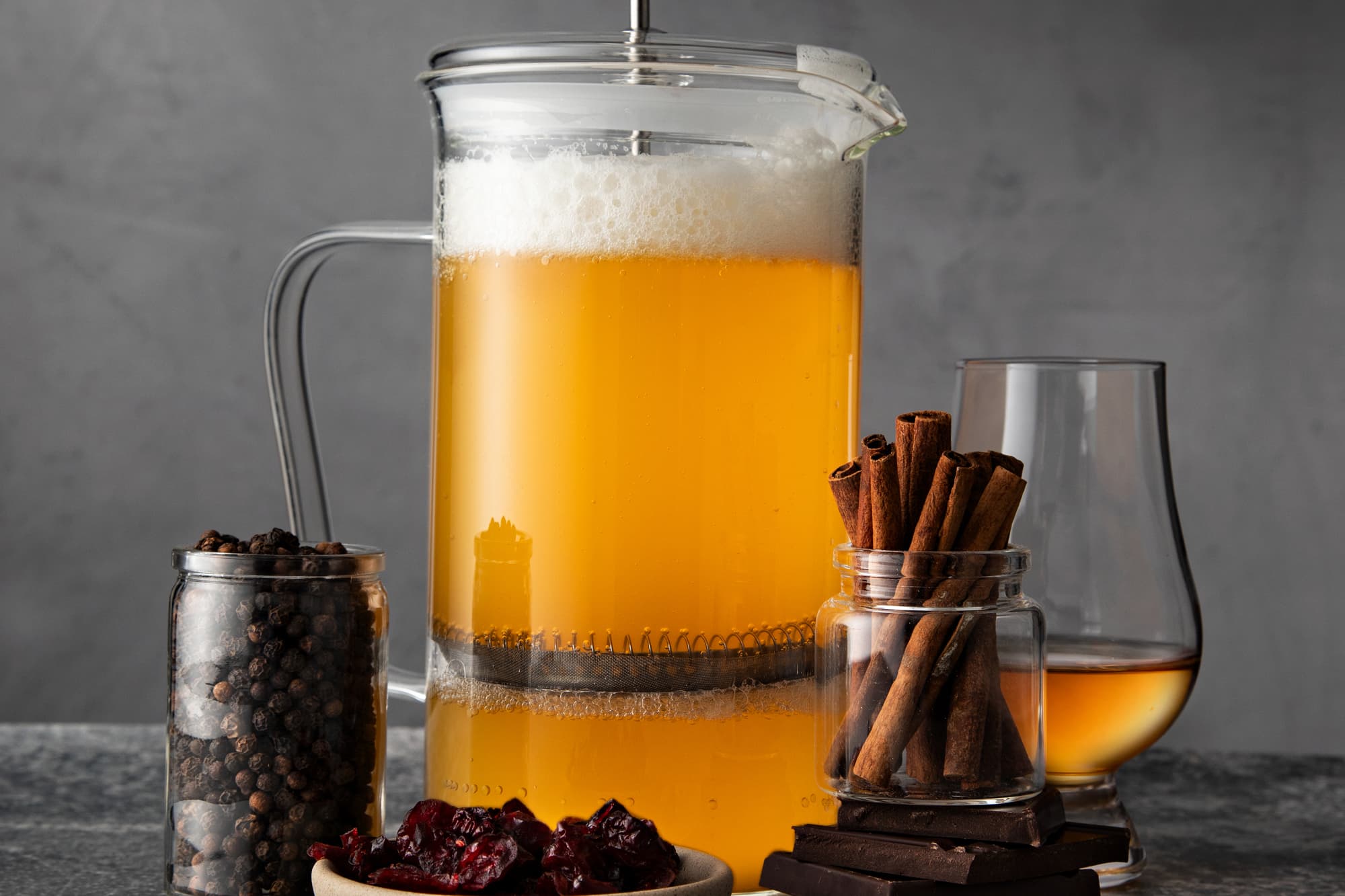
Infusing beer with fruit and other flavors between the tap and the glass isn’t just a relic of a time when craft beer was less mainstream—and, often, more fun. It’s also something you can do at home, today. Ready to get acquainted?
Here’s how homebrewers can punch up their pale ales with the bright flavors of New Zealand hops. Plus: a method for getting a whirlpool-like flavor burst without having to whirl anything.
A great helles is simple in composition—but simple can be surprisingly hard to get right, especially when there’s nowhere for mistakes to hide. It's a worthy challenge, and the payoff is a beer that pretty much everyone is happy to drink.
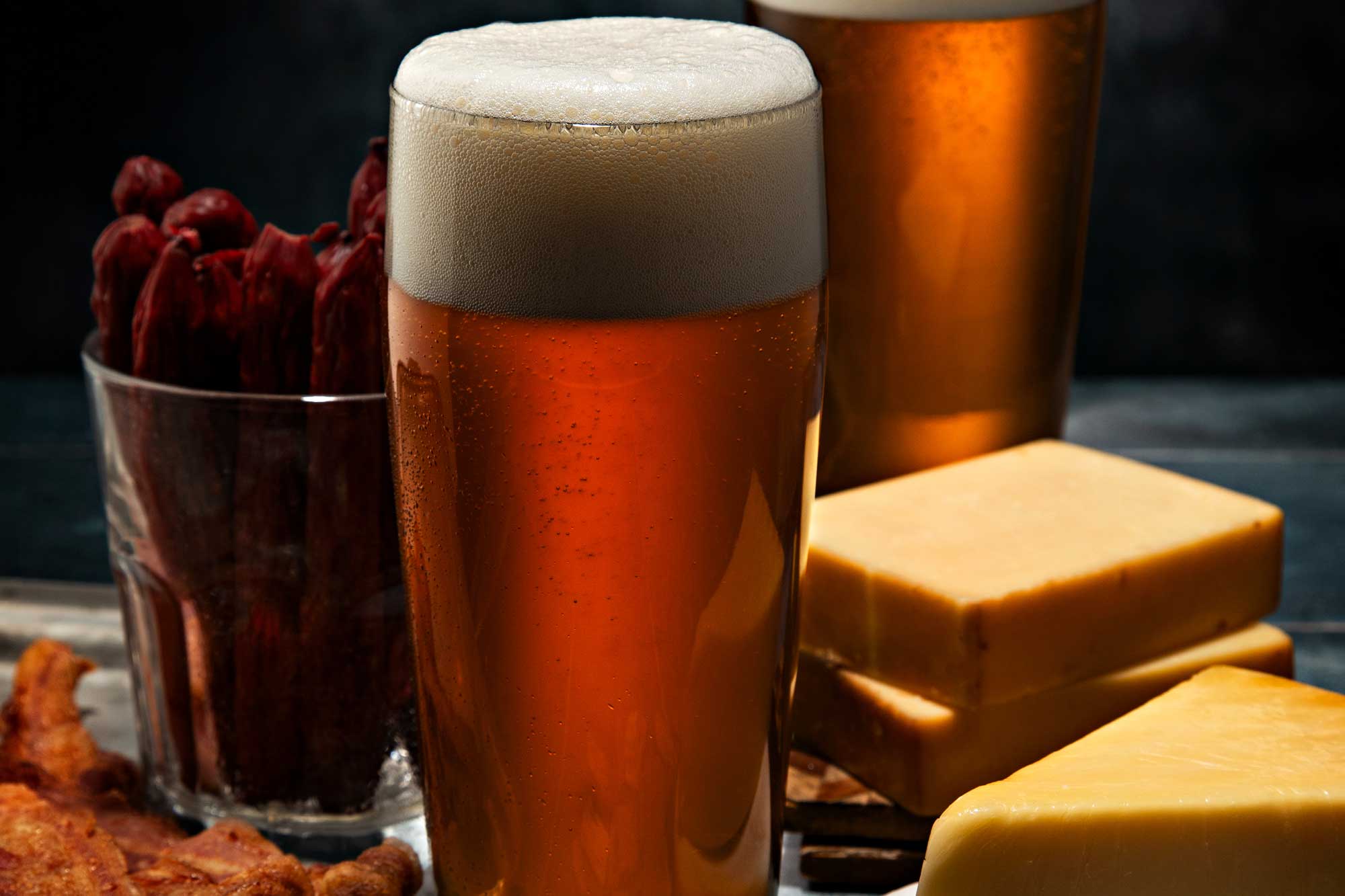
When it comes to smoked malt, there are far more options for all-grain brewers than for those who rely on extracts. This partial-mash recipe maps out just one way to get it done.
Don’t let them tell you an extract brewer can’t brew a good rauchbier. While smoked-malt extract is a rarity, there are ways to get creative with our smoke and dial it in to make a lager that can convert the skeptics.
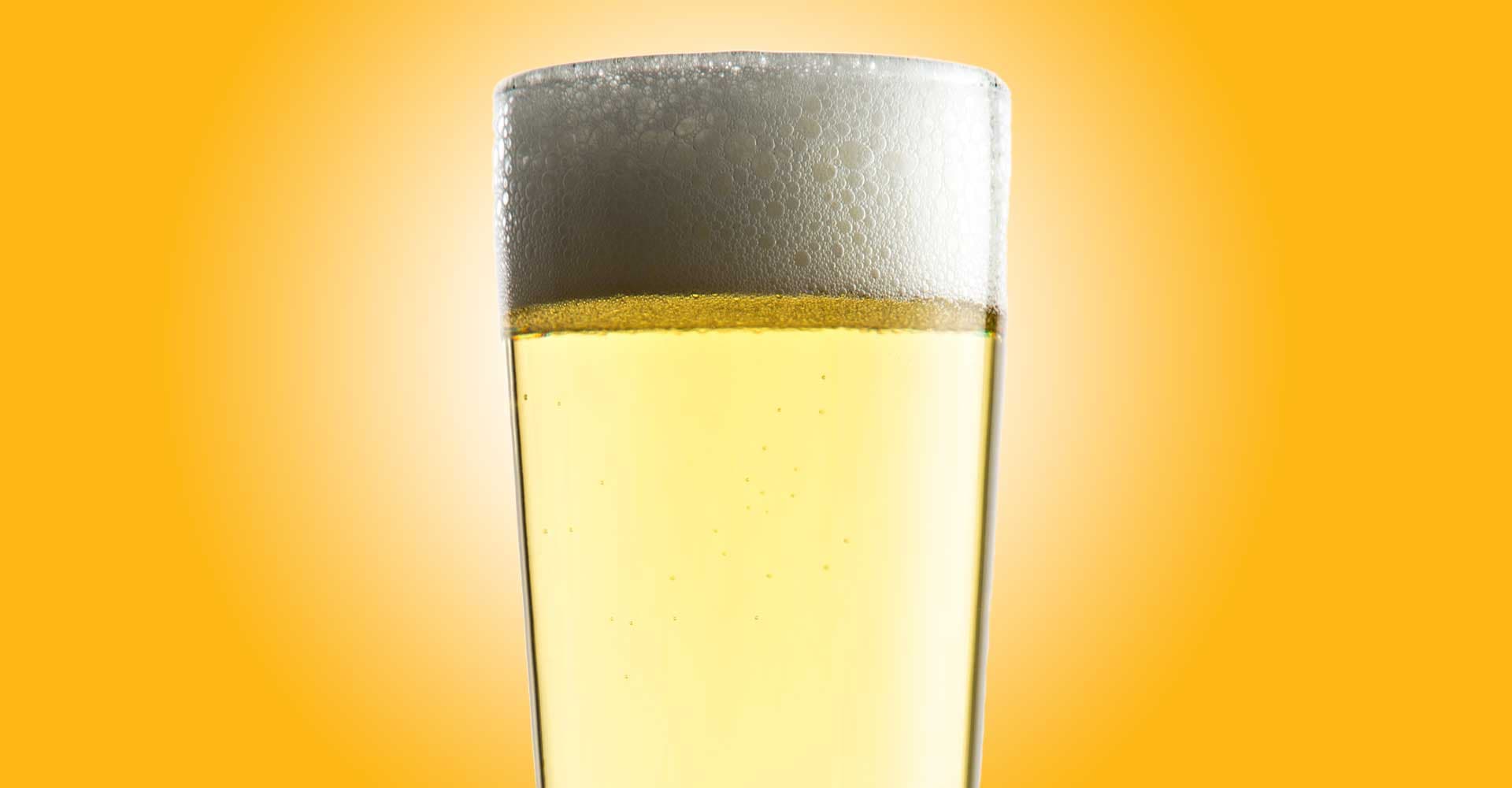
A great one to enjoy by the autumn bonfire, this is a style that any smoked-beer enthusiast should know how to make—and it can be nearly as easy to brew as it is to drink.
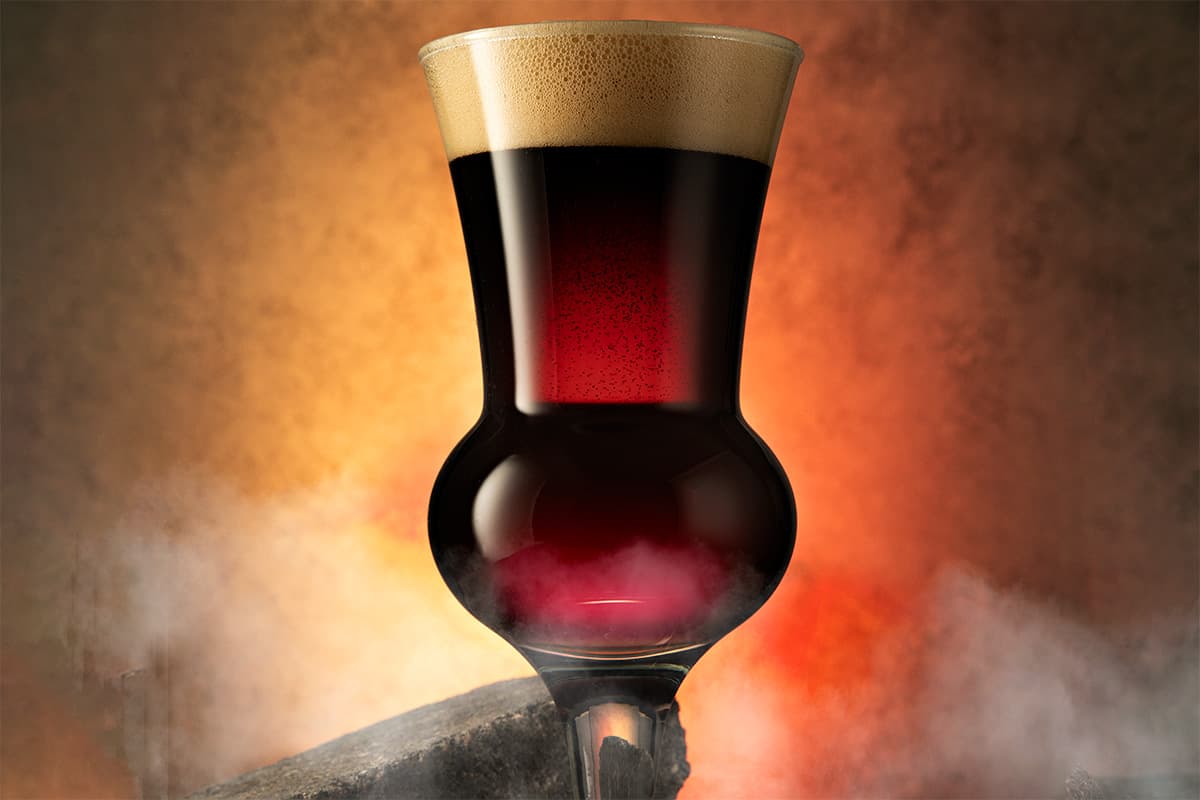
Sometimes known as “kettle caramelization,” the Maillard richness of a boil reduction can add deeper malt flavor to any beer you brew—even if it’s not Scottish.
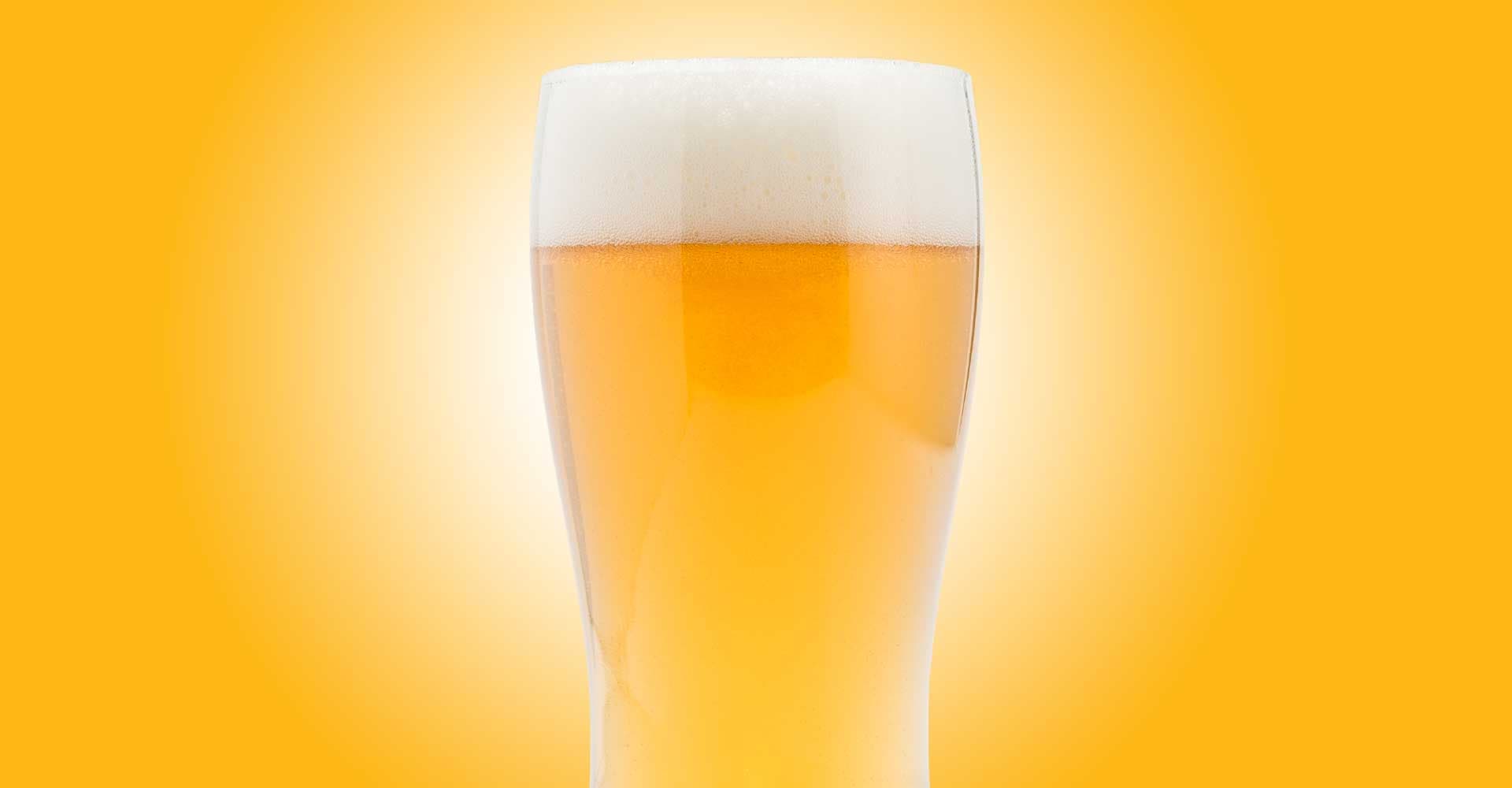
Ready to brew a great American lawnmower beer?
Since adjunct lagers are cool again, it may be time to give American malt liquor a fresh look. Lean and strong, this adjunct-laden product of the post-Prohibition era has the power to evoke simpler times.
“Smooth and dangerous” and great for winter sipping, these are some of the most enjoyable beers you’ll ever drink—and they can be surprisingly easy to make if you build a good recipe and adhere to some basic brewing practices.
Crack some grains and cook some rice if you want, but attacking cold IPA with the partial-mash method is simple. Let the pedants argue about whether it’s a style—we’re too busy brewing and drinking it.
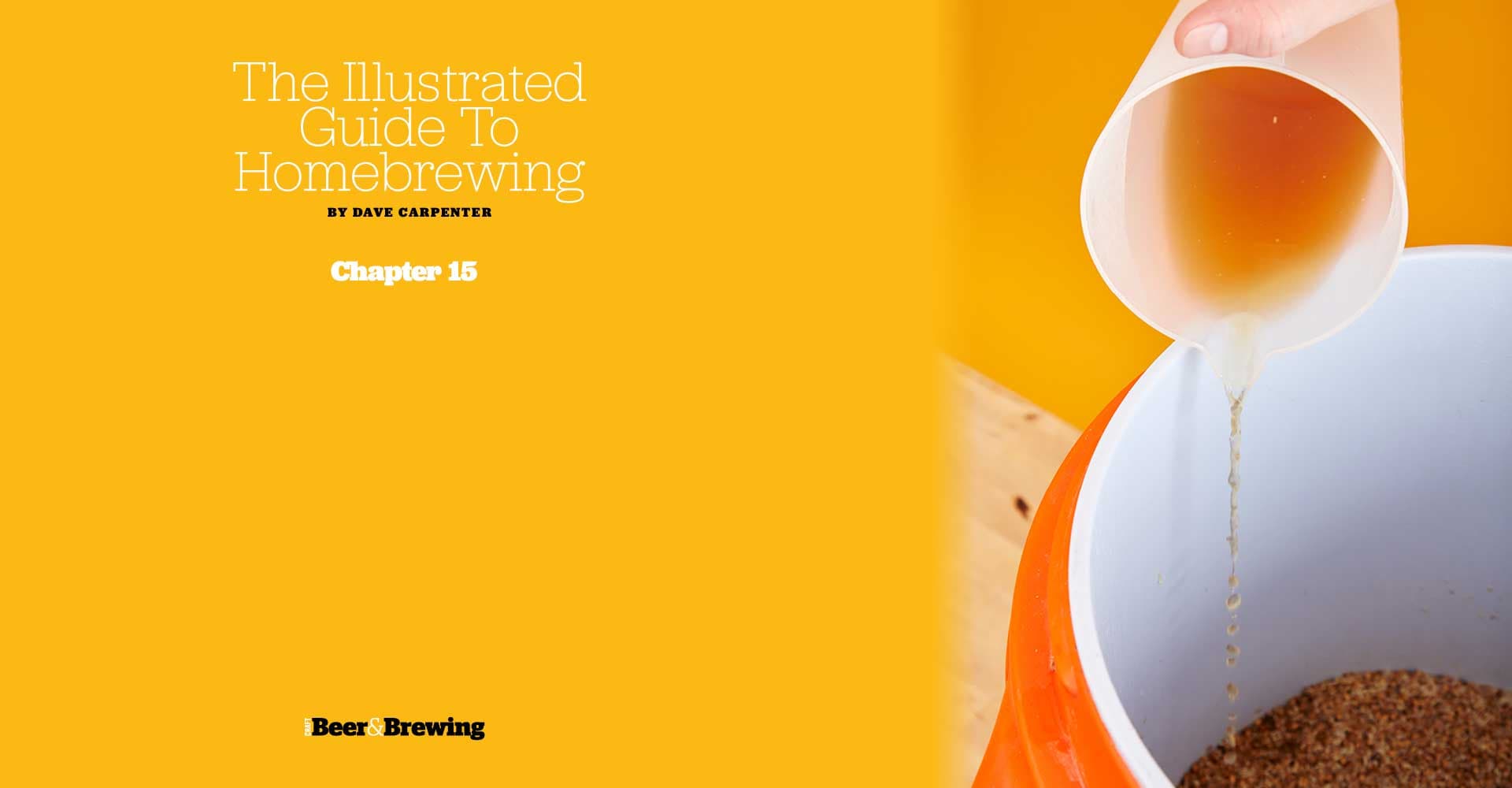
From our Illustrated Guide to Homebrewing: The last thing that separates all-grain brewing from extract is separating your wort from the grain—then it’s flame on.
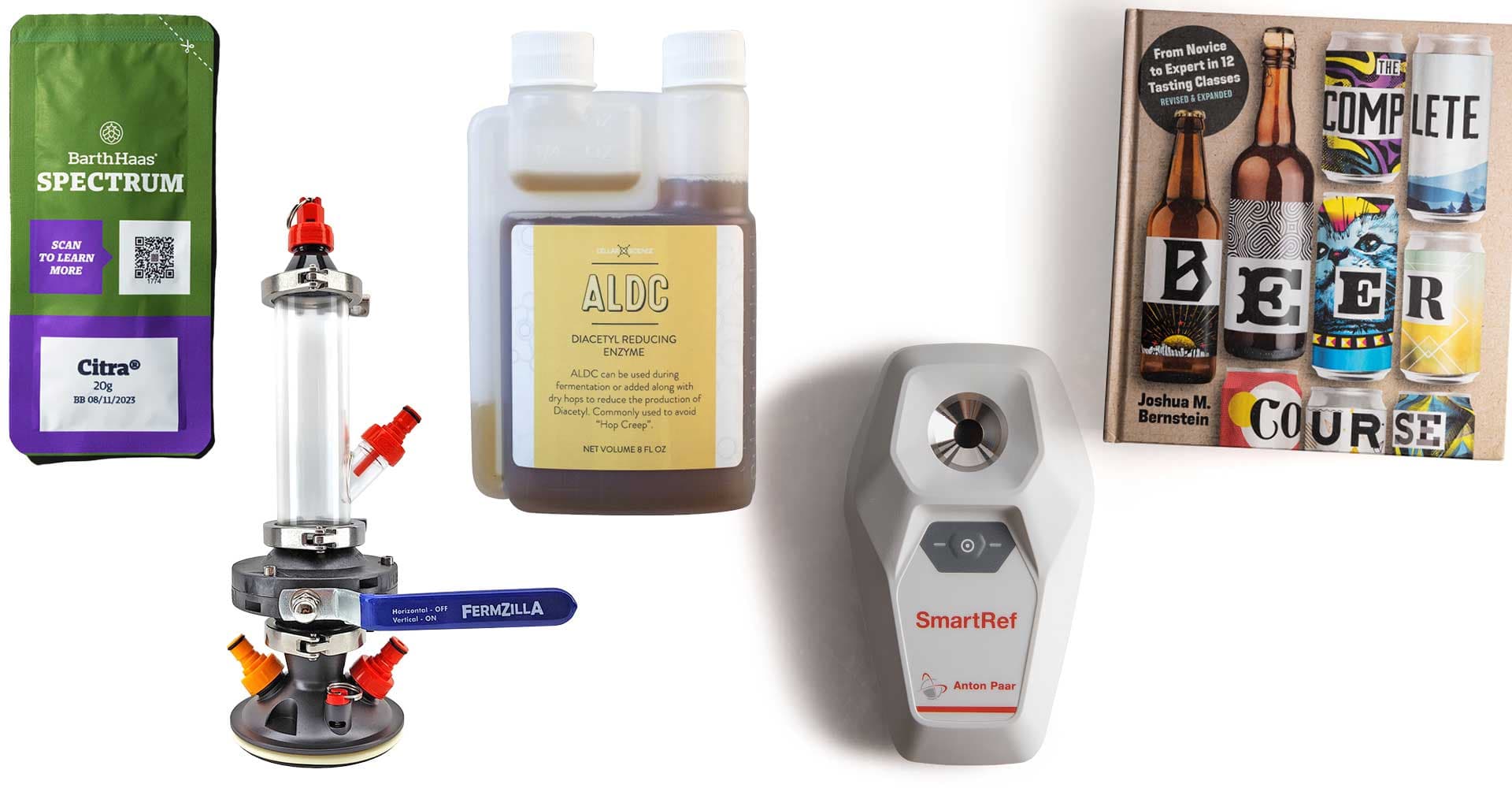
For homebrewers looking to up their game—and for anyone looking to share their enthusiasm with beer-curious people—here are five picks from our editors
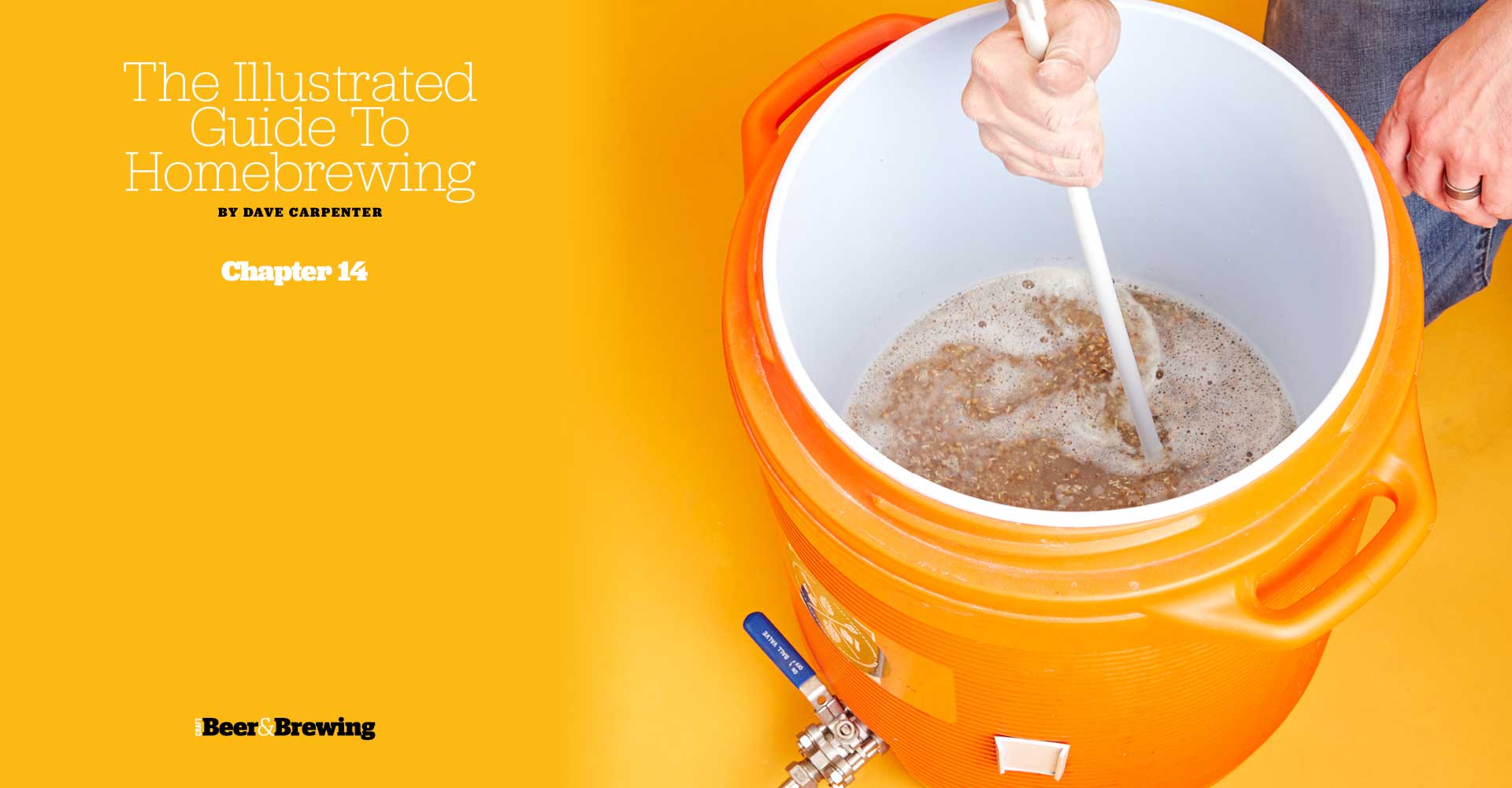
From our Illustrated Guide to Homebrewing: For those jumping into all-grain brewing at home, here’s what to know about mashing for success.
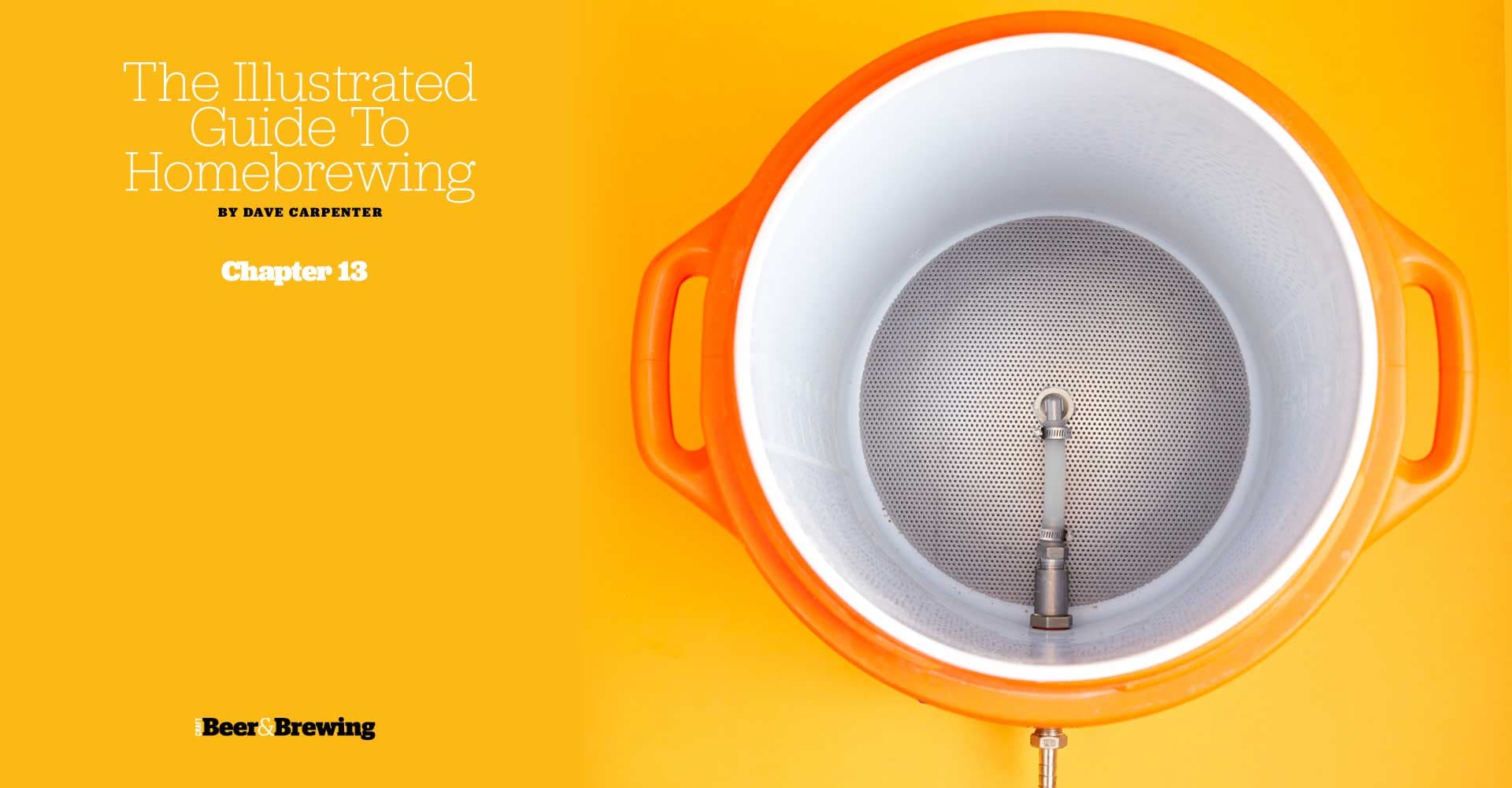
From our Illustrated Guide to Homebrewing, here’s what to know when you’re moving from extracts to taking greater control of your grist, mash, and lauter.