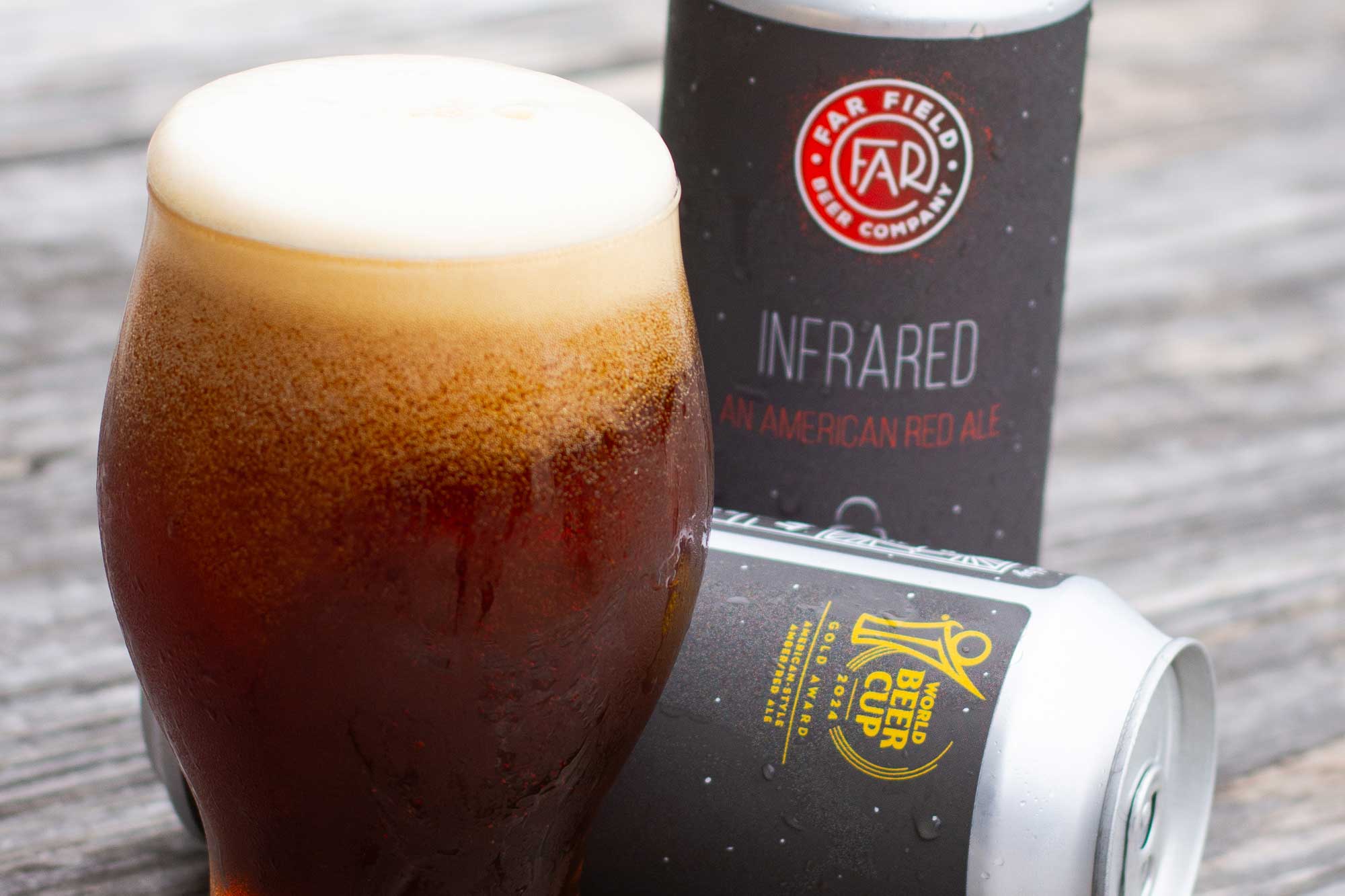
Recipe: Far Field Infrared American Red Ale
Subscriber
From Far Field Beer in Lawndale, California, in L.A.’s South Bay area, here’s a recipe for the American amber that won gold at the 2024 World Beer Cup.

426 articles in this category
From Far Field Beer in Lawndale, California, in L.A.’s South Bay area, here’s a recipe for the American amber that won gold at the 2024 World Beer Cup.
American amber ales aren’t fossils—they’re more like liquid signals sent through time and space from an earlier generation. And today’s brewers continue to refine and polish them to an appealing ruby hue, while the opportunities for flavor and quality are greater than ever.
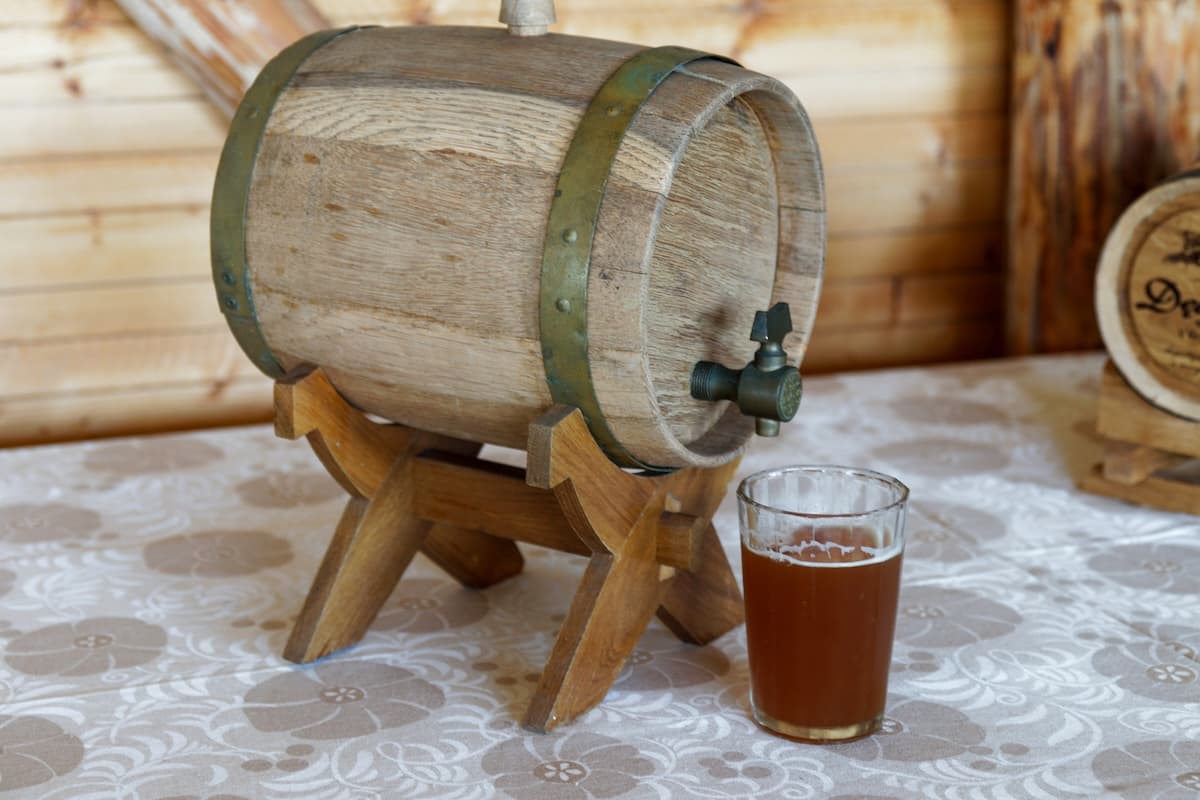
This recipe represents most of what we know about the traditional farmhouse style of Latgale in southeastern Latvia. Note that the bitterness and strength of these beers can vary widely—feel free to adjust the hops or pack more malt into your mash tun.
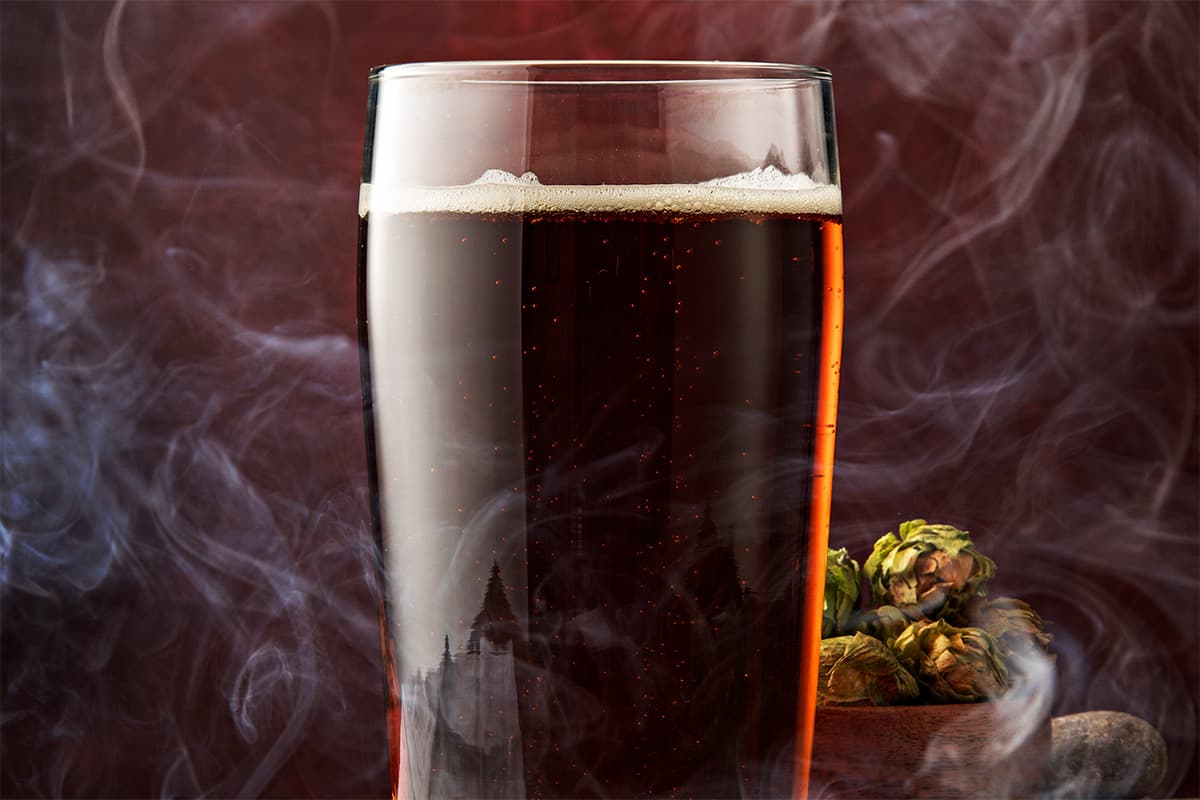
This obscure farmhouse brewing tradition out of eastern Latvia is still alive today, and it’s one that fans of smoked beer may want to add to their bucket lists.
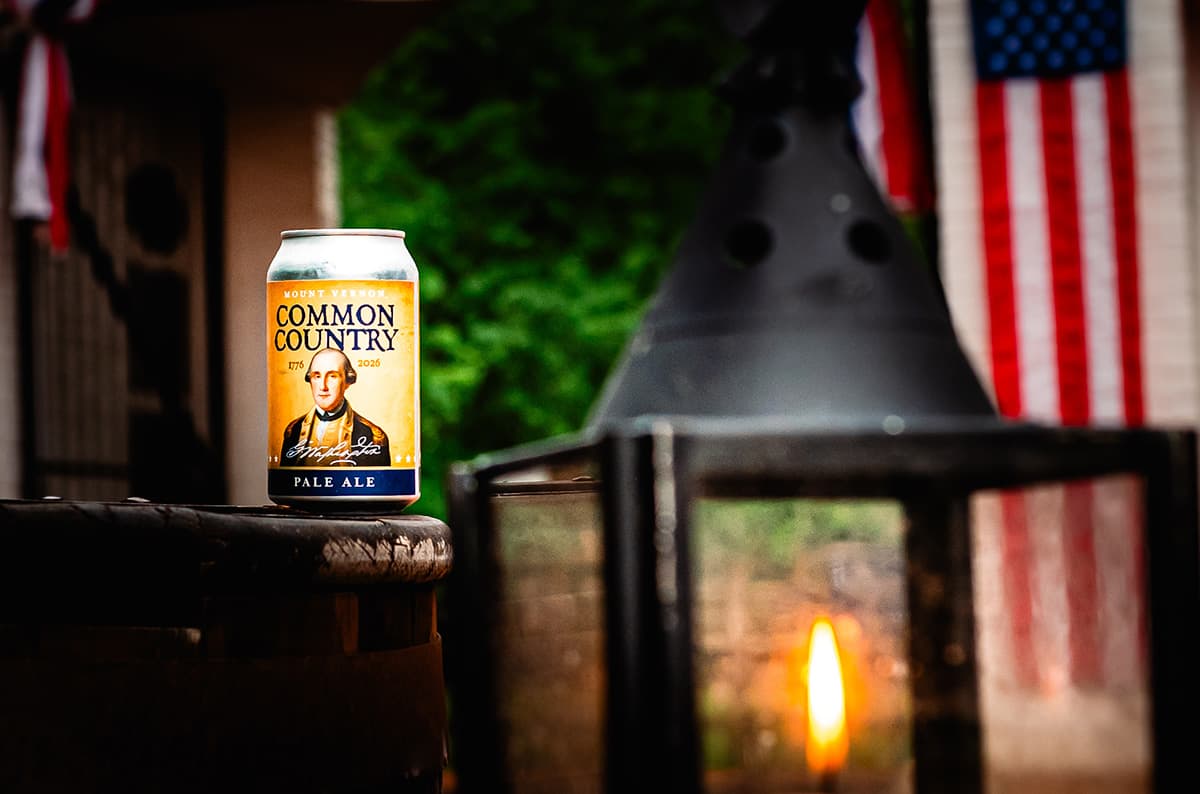
This colonial-era pale ale recipe—a collaboration with Mount Vernon to celebrate the 250th anniversary of the Declaration of Independence—takes a page right out of Martha Washington’s cookbook.
Meant to represent the kind of pale lagers that were brewed by the likes of John Wagner, who brewed the first lager in the United States, this is kind of like German or Czech Pilsner but includes some local variability and flair.
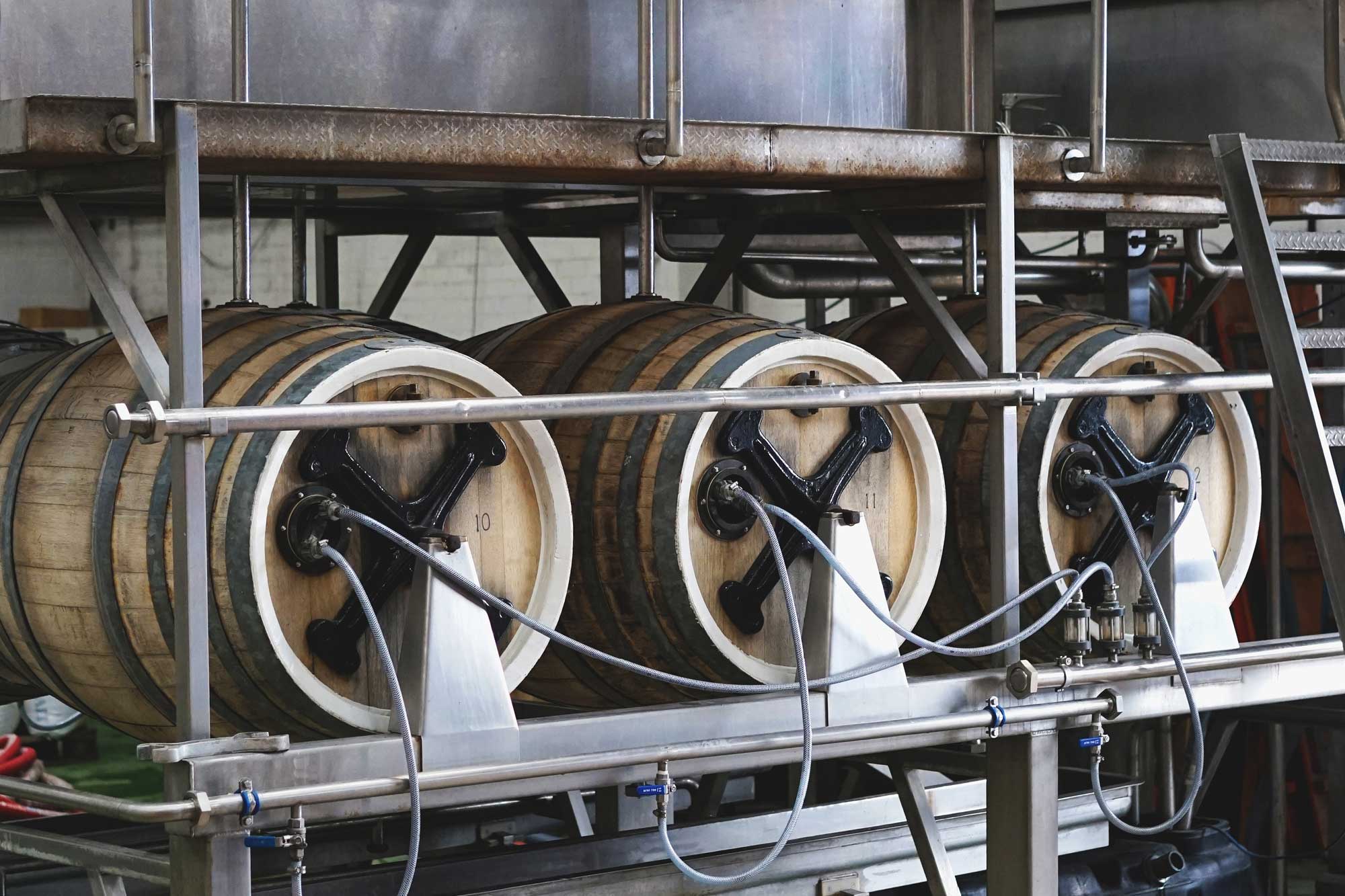
In England’s East Midlands, the brewing trailblazer Thornbridge has rescued and is continuing to use a vital piece of British brewing heritage—an original Burton Union system. More than just a museum piece, the technology lends a suppleness to the ales that course through it.
Besides sanitation, success here depends on two things: slightly chloride-forward water to round out the malt, and great attenuation for a light, dry finish.
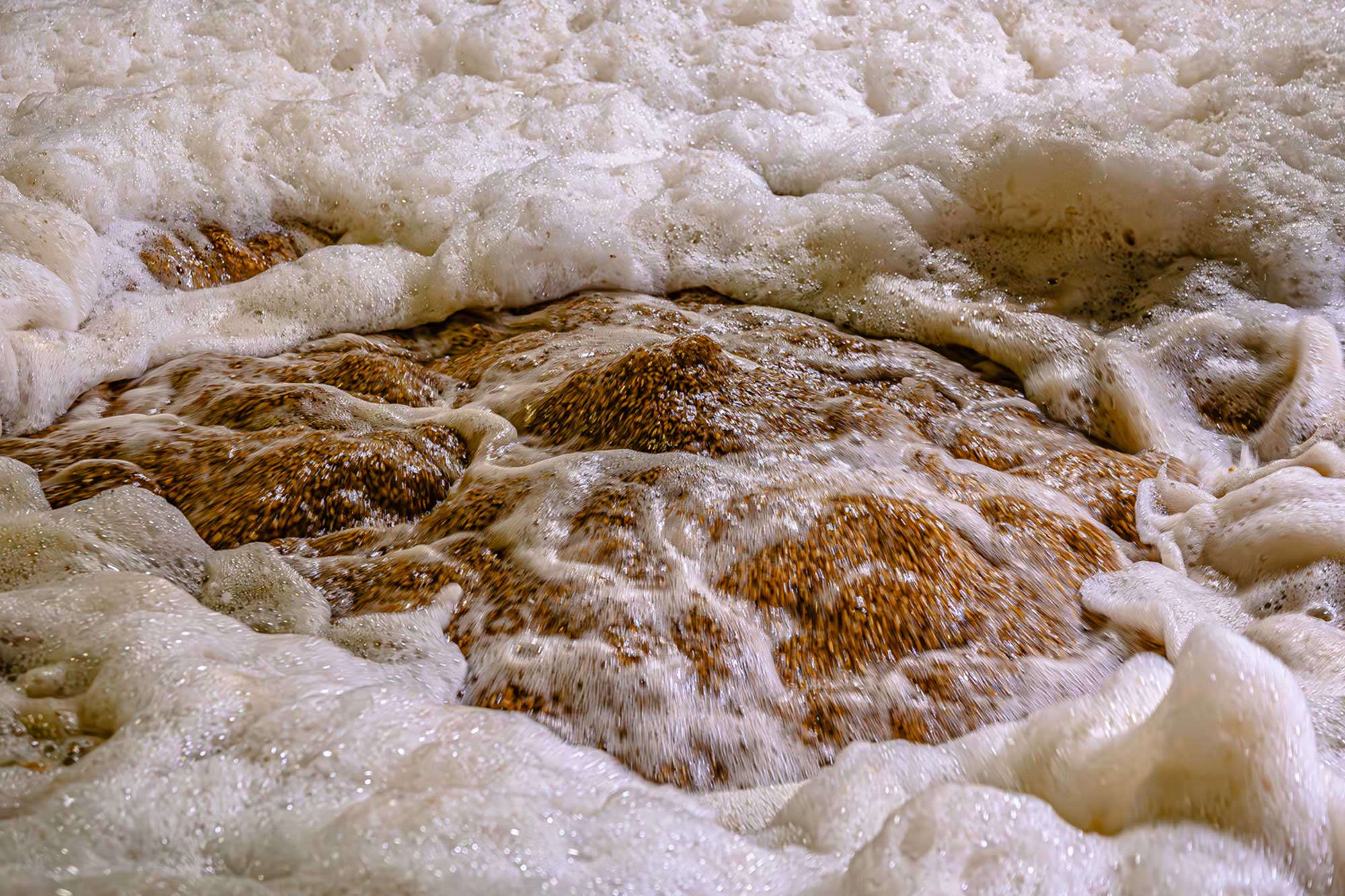
What’s driving the push behind ultra-pale malts anyway?
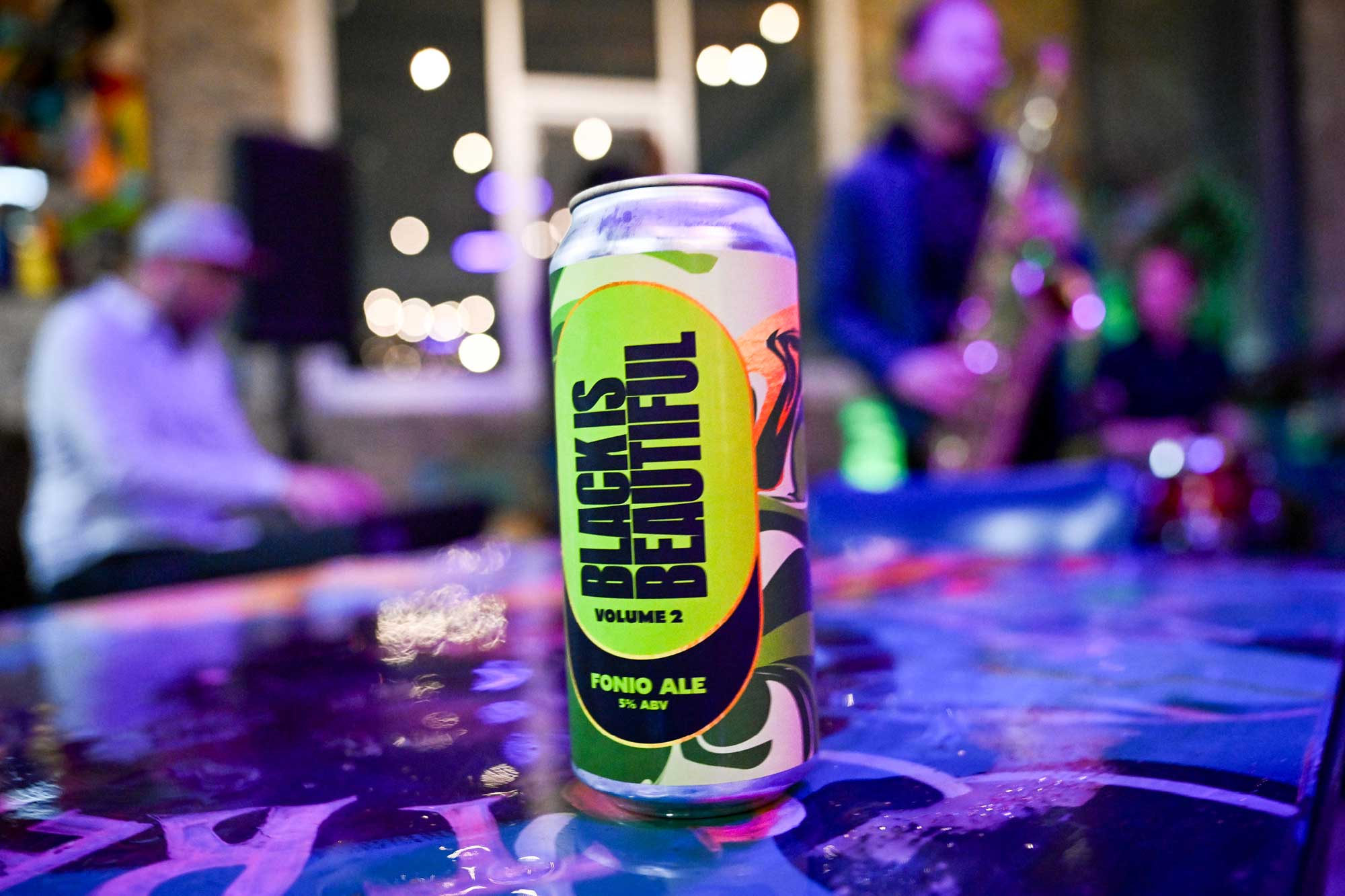
Missouri’s first Black-owned brewery, Kansas City’s Vine Street, released this light, hoppy, fonio-focused riff on the Black Is Beautiful open-source collab in 2025.
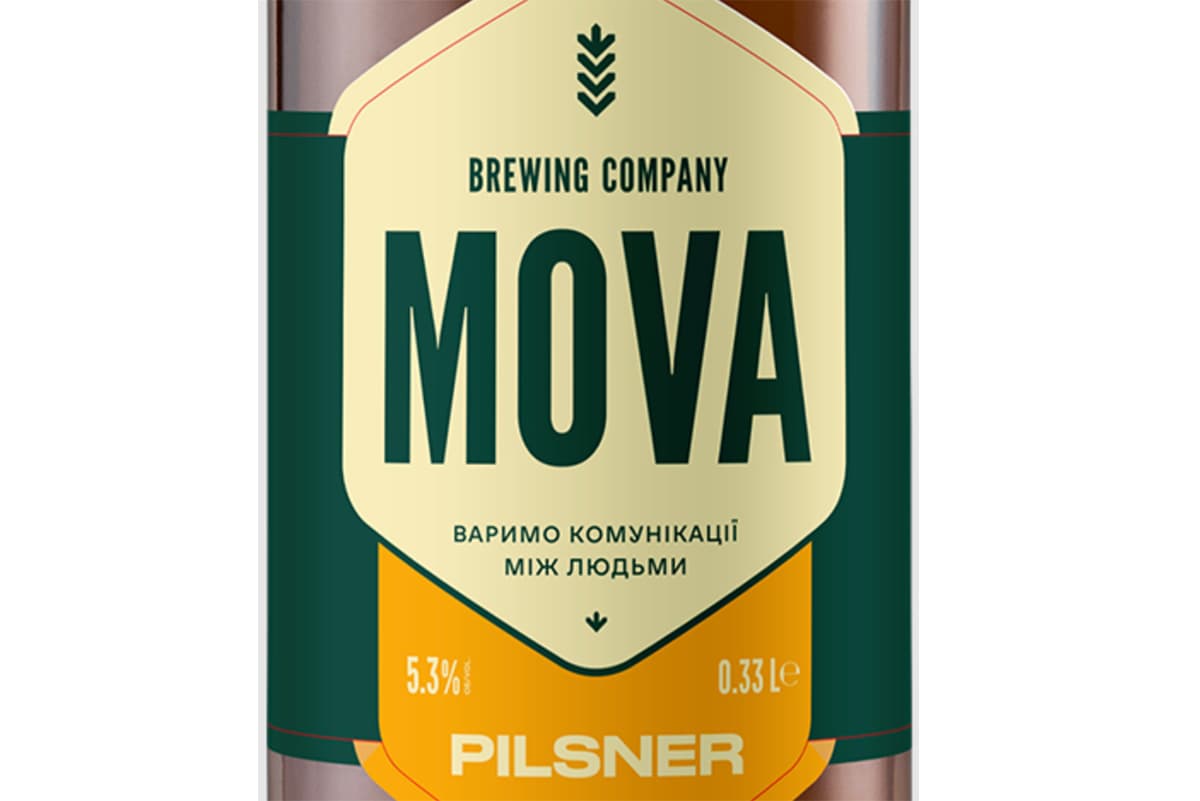
From Mova Brewing in Dnipro, Ukraine, here’s a recipe for the Czech-style pilsner that won gold at the 2025 European Beer Star, beating out some of the best lager breweries from Czechia, Germany, the United States, and around the world.
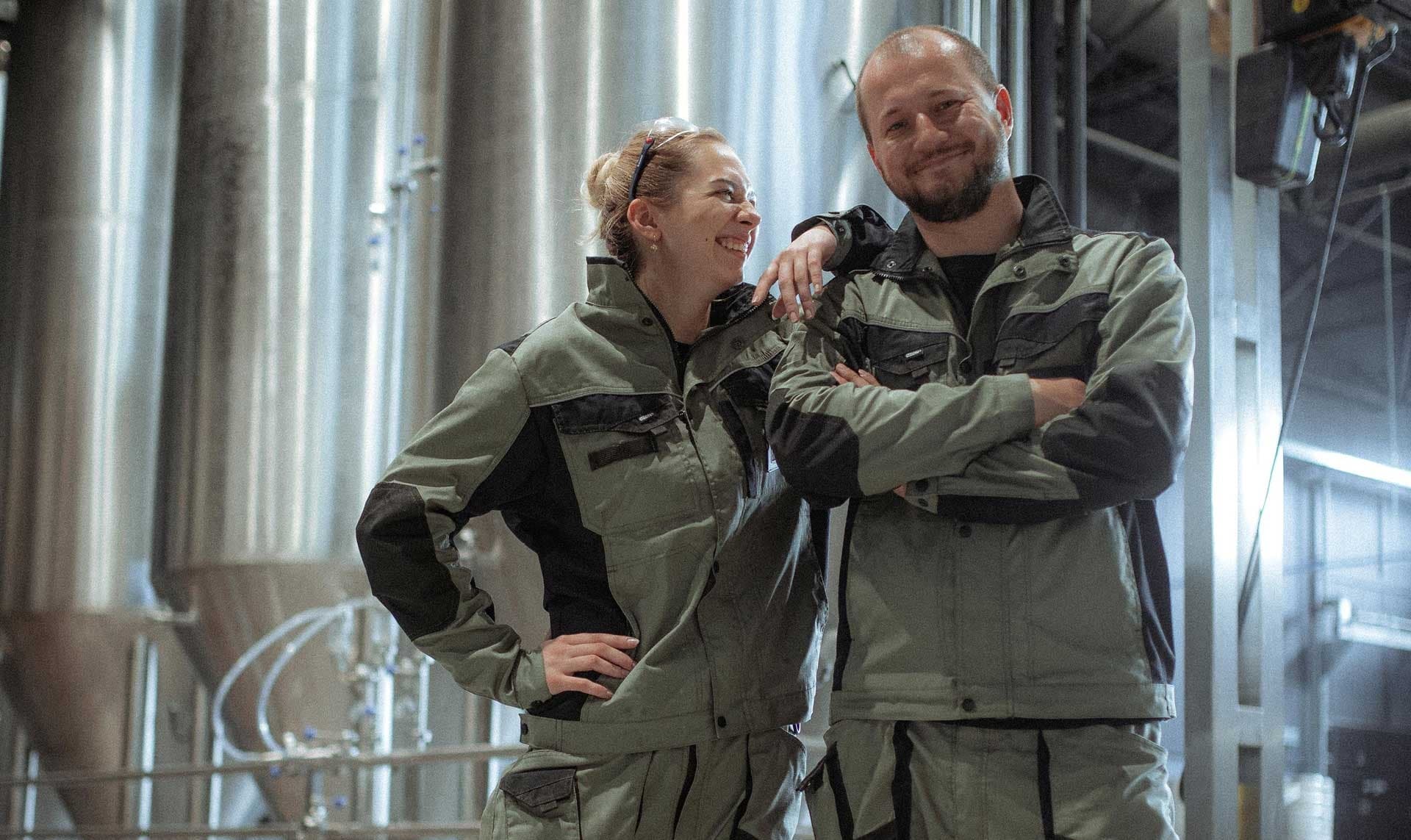
In Dnipro, Ukraine, not far from the front lines of war with Russia, Mova Brewing sticks to a Czech script when brewing its Mova Pilsner, which won gold at the 2025 European Beer Star.
From Formula Brewing in Issaquah, Washington, here’s a recipe for the contemporary American wheat beer that won gold at the 2025 Great American Beer Festival.
Malt-forward yet light and highly drinkable, this Scottish-style session ale is also straightforward to brew.
The Scottish heavy—also known as the 70-shilling ale—isn’t so heavy at all. Typically below 4 percent ABV, it punches well above its weight in flavor.
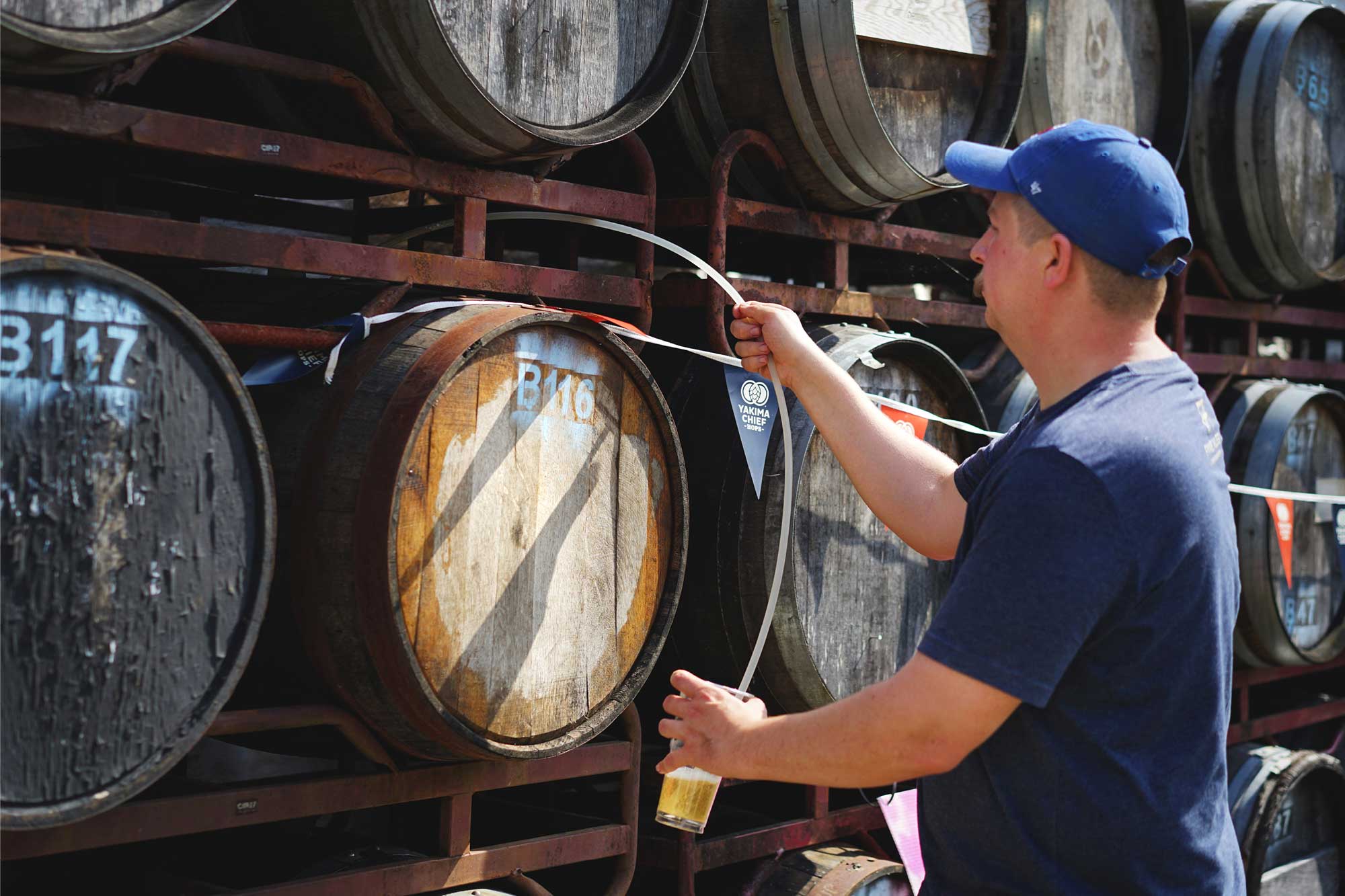
From Dan Wye, head of the Origins project at Fyne Ales in Cairndow, Scotland, here’s a recipe from one of his mixed-culture wine chimeras—containing no grapes, but with flavors inspired by sauvignon blanc wine from France’s Loire Valley.
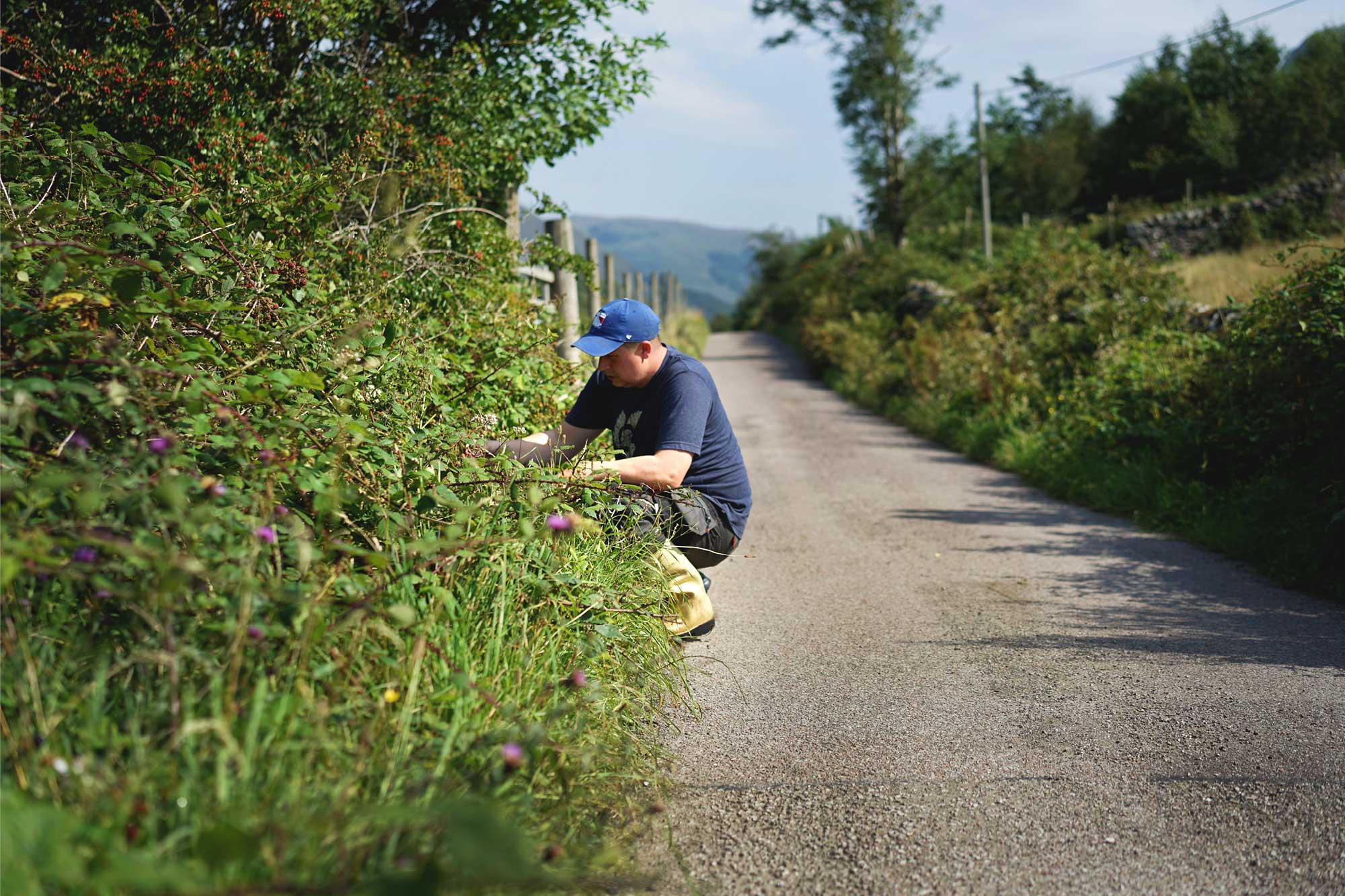
In Scotland, Dan Wye of Fyne Ales is creating mixed-culture beers designed to mimic the flavor and texture of wine. By using foraged fruit, flowers, and herbs in his blends, he’s attempting to define a new style.
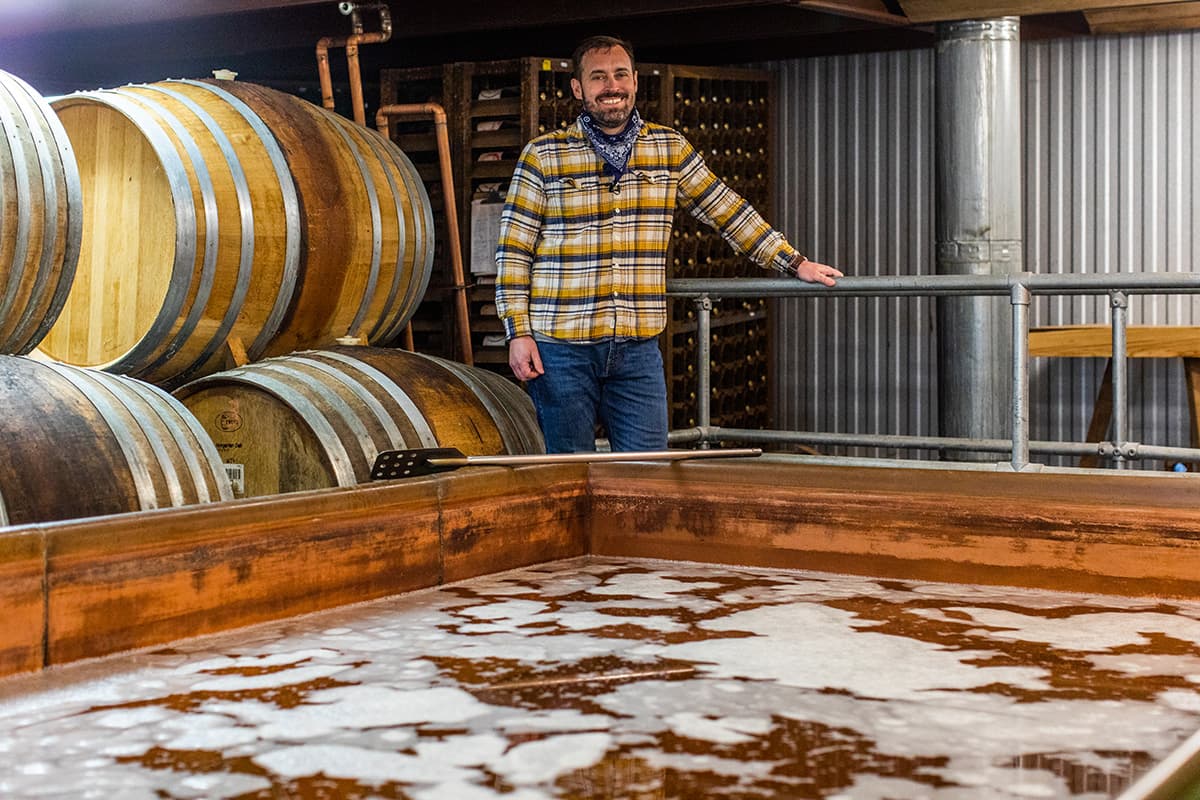
Want to try your hand at brewing an uncarbonated ale with enough acidity to refresh and complexity to intrigue? Here’s a recipe from Austin’s Jester King for a lambic-inspired beer that’s ready to drink in just a few months.
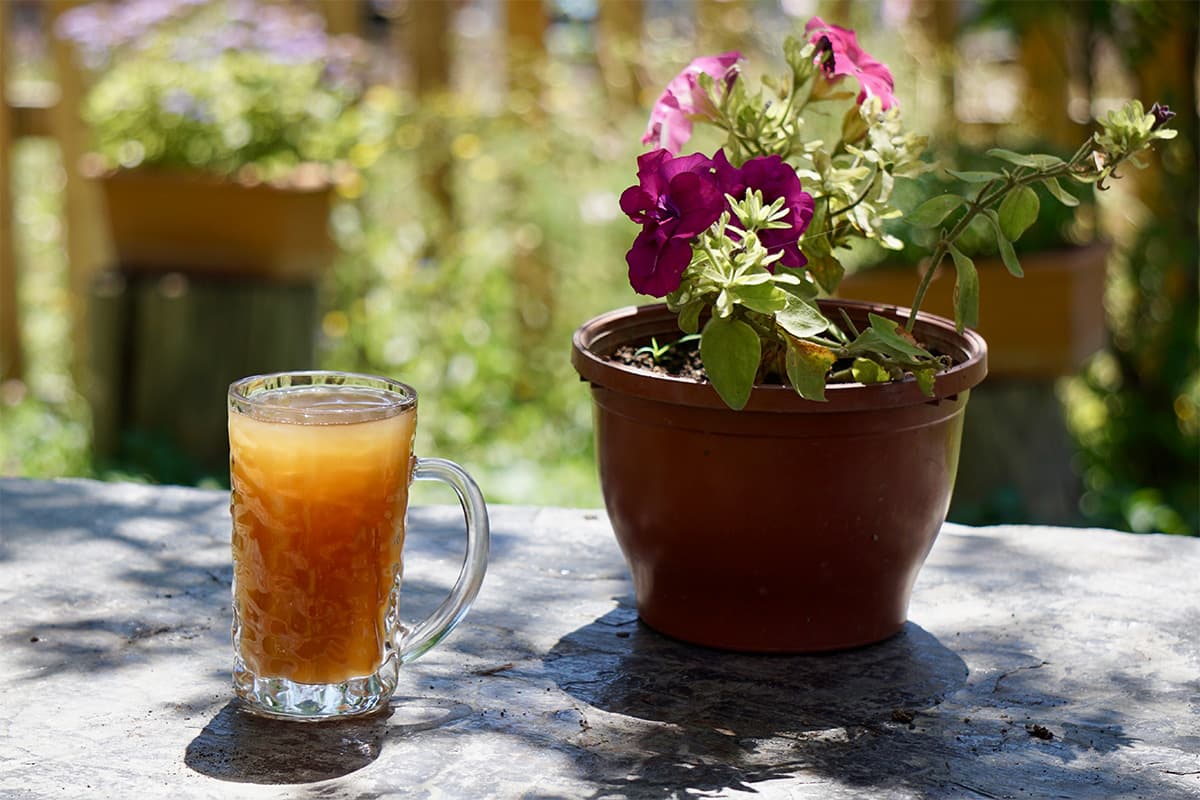
As a way to illustrate the methods that go into one of the world’s oldest surviving brewing traditions—including wind-dried malt, foraged hops, and a boiled mash—here’s a recipe for aludi, the farmhouse ale from Georgia’s highlands.
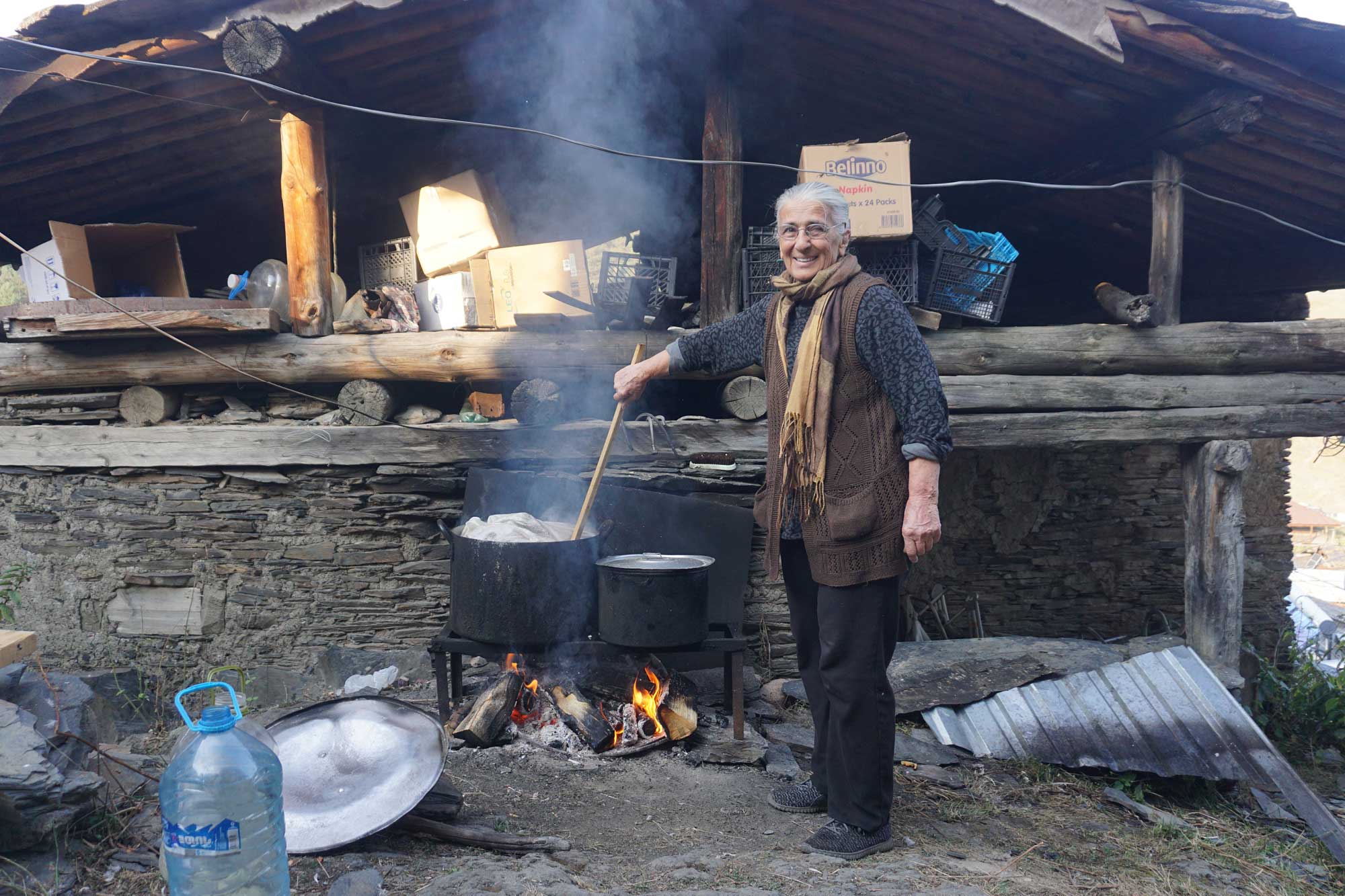
In the mountains of eastern Georgia, a rare type of farmhouse beer represents a centuries-old tradition that survives.