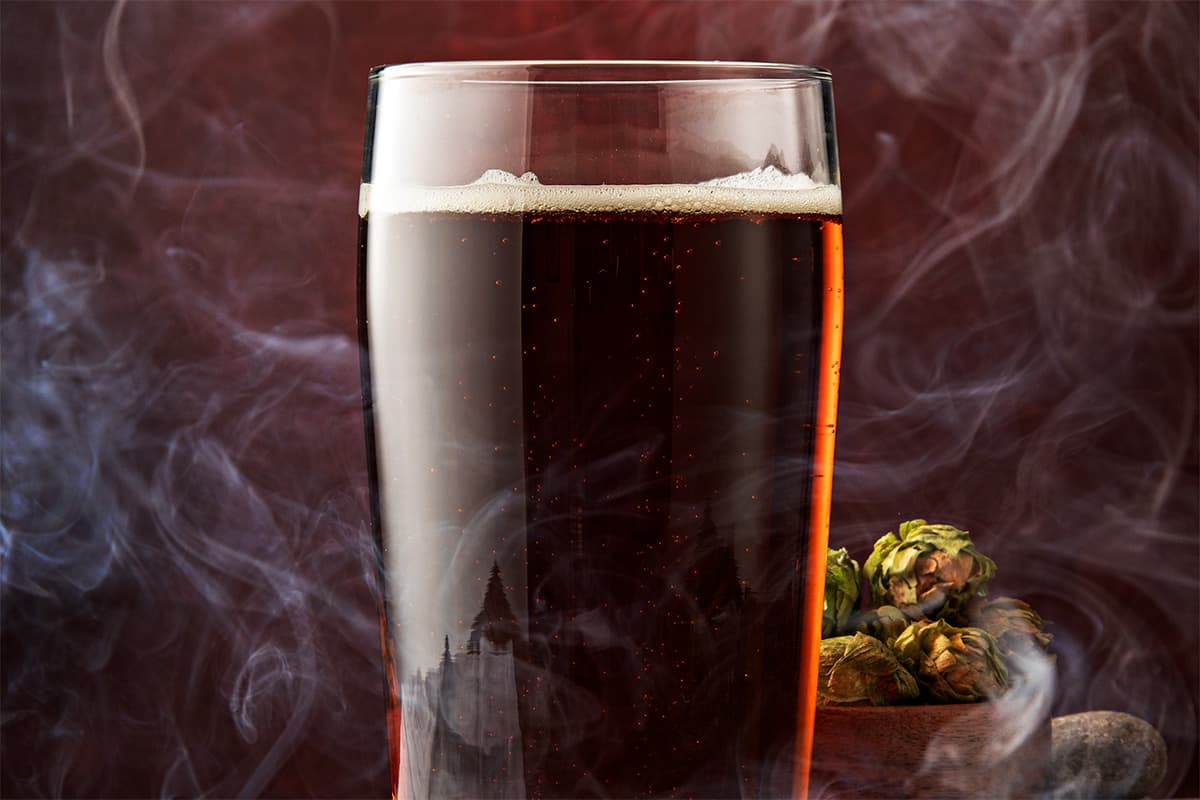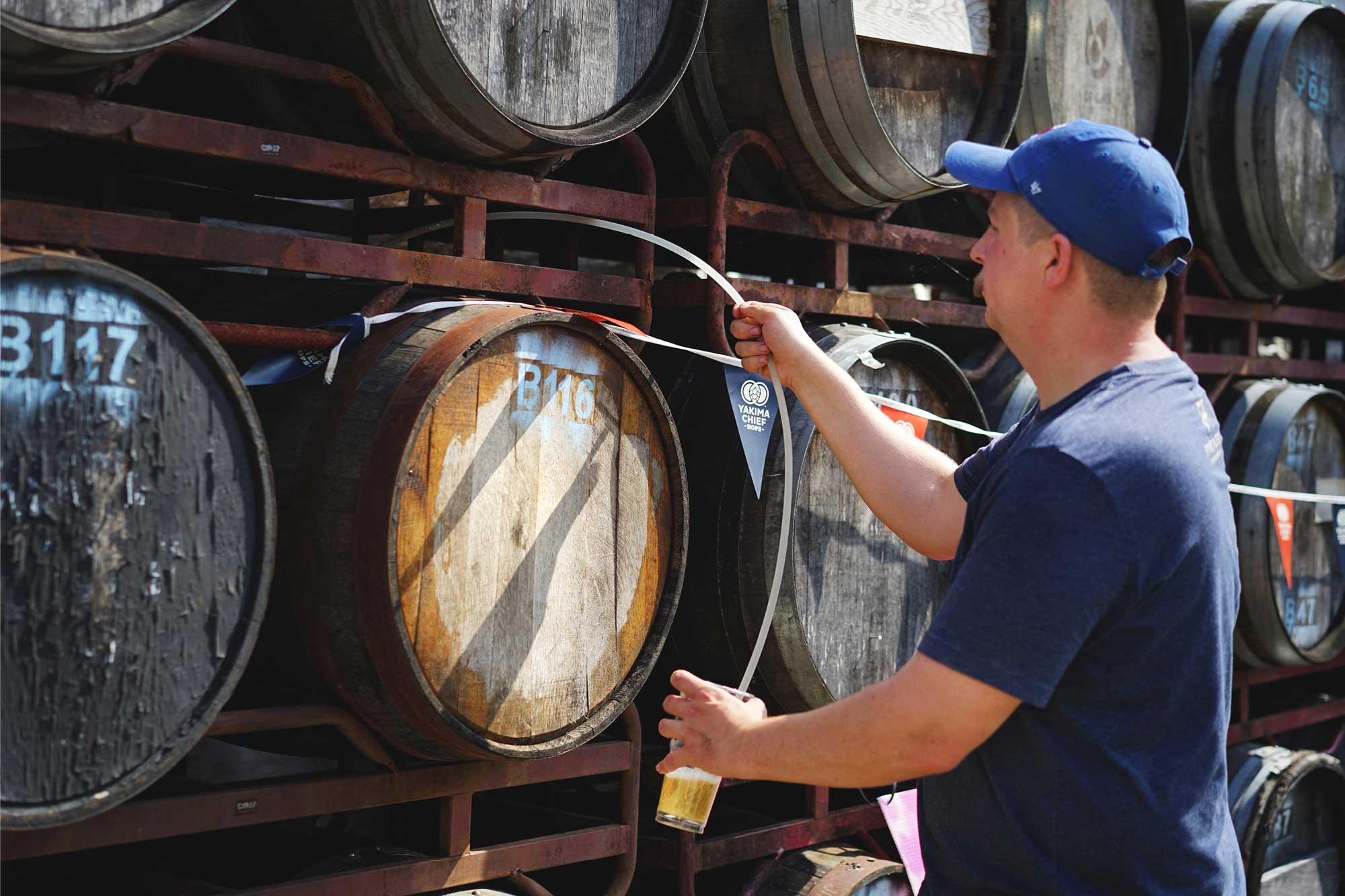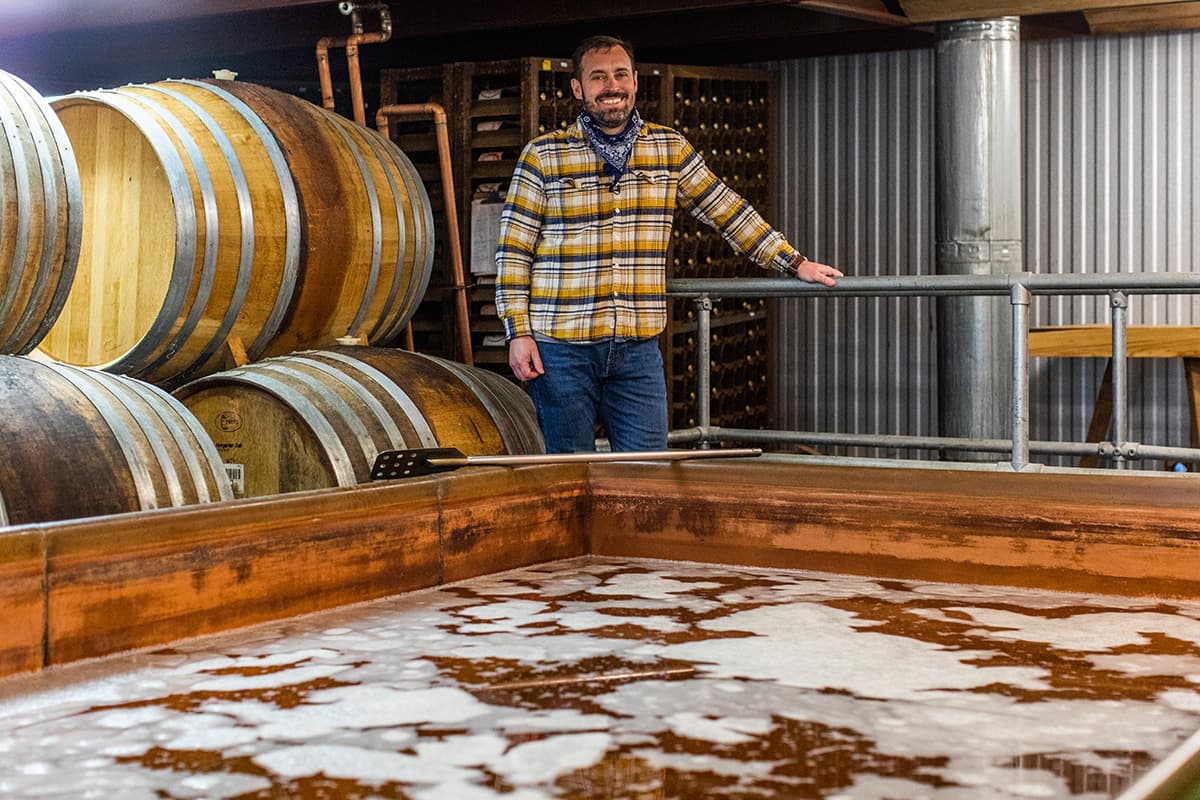
Zoiglbier: Star of the Oberpfalz
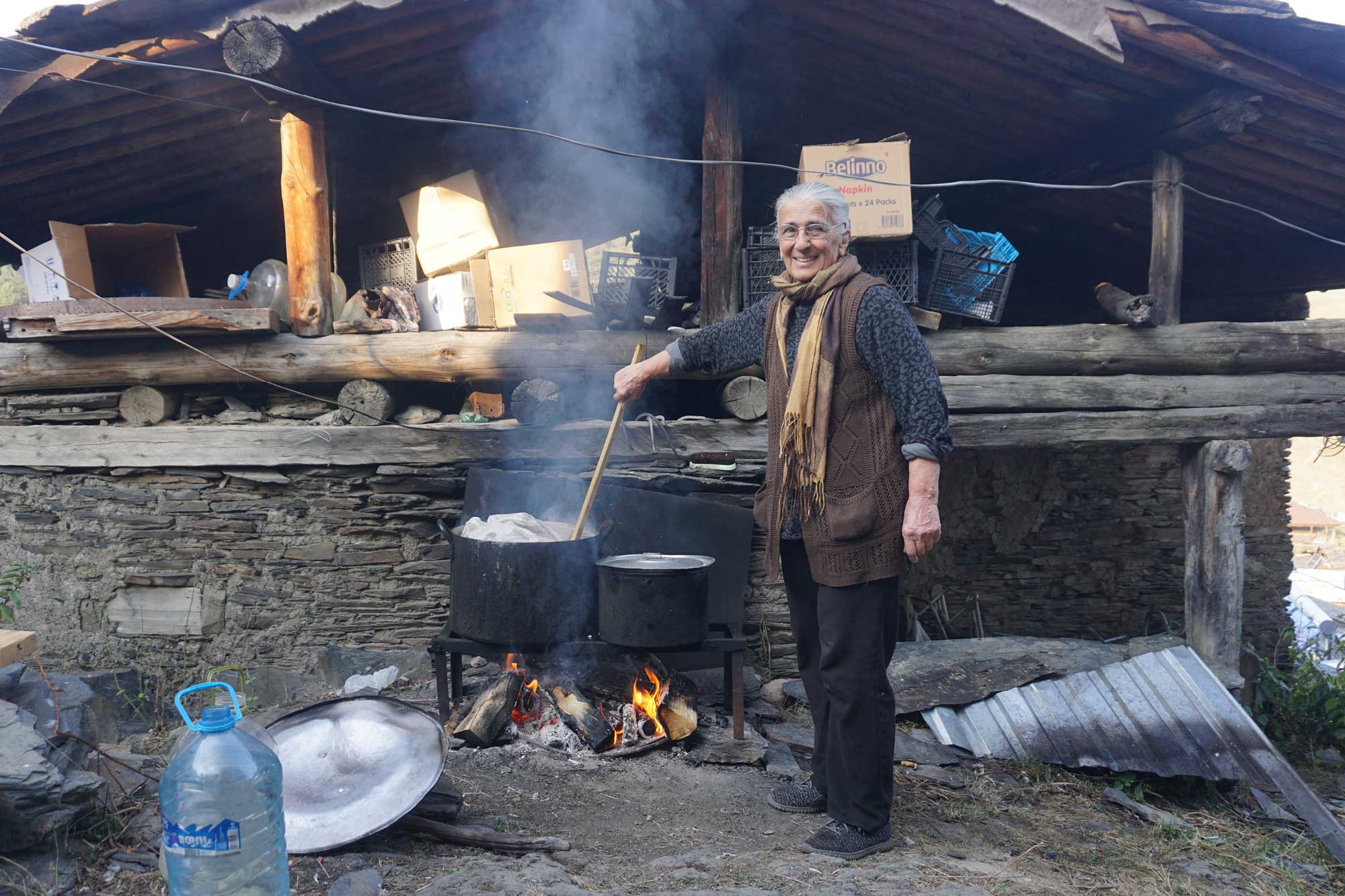
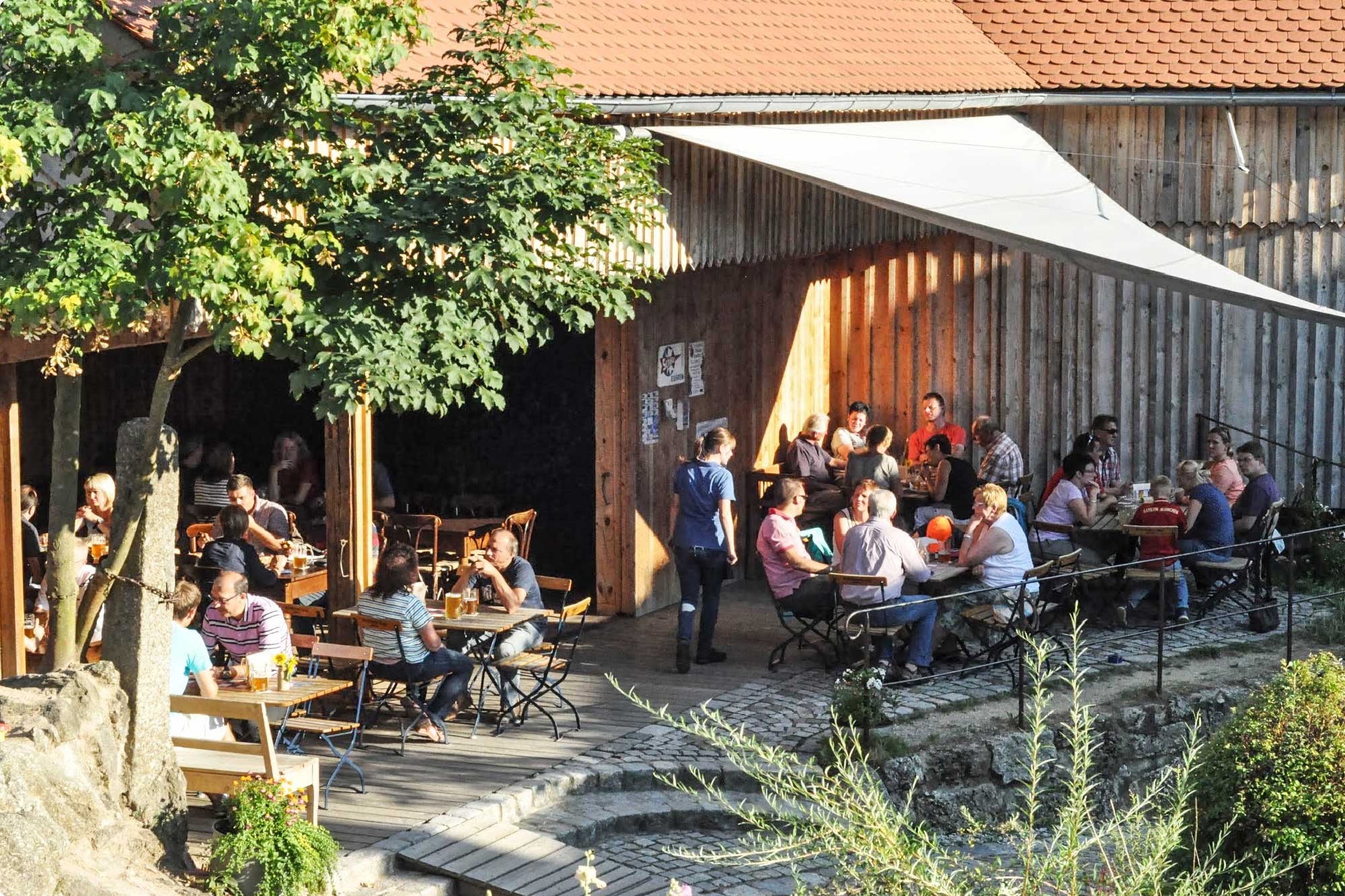
From shared breweries to shared tables, the zoigl tradition of northeast Bavaria is unlike anything else in modern brewing or hospitality.
89 articles in this category

From shared breweries to shared tables, the zoigl tradition of northeast Bavaria is unlike anything else in modern brewing or hospitality.

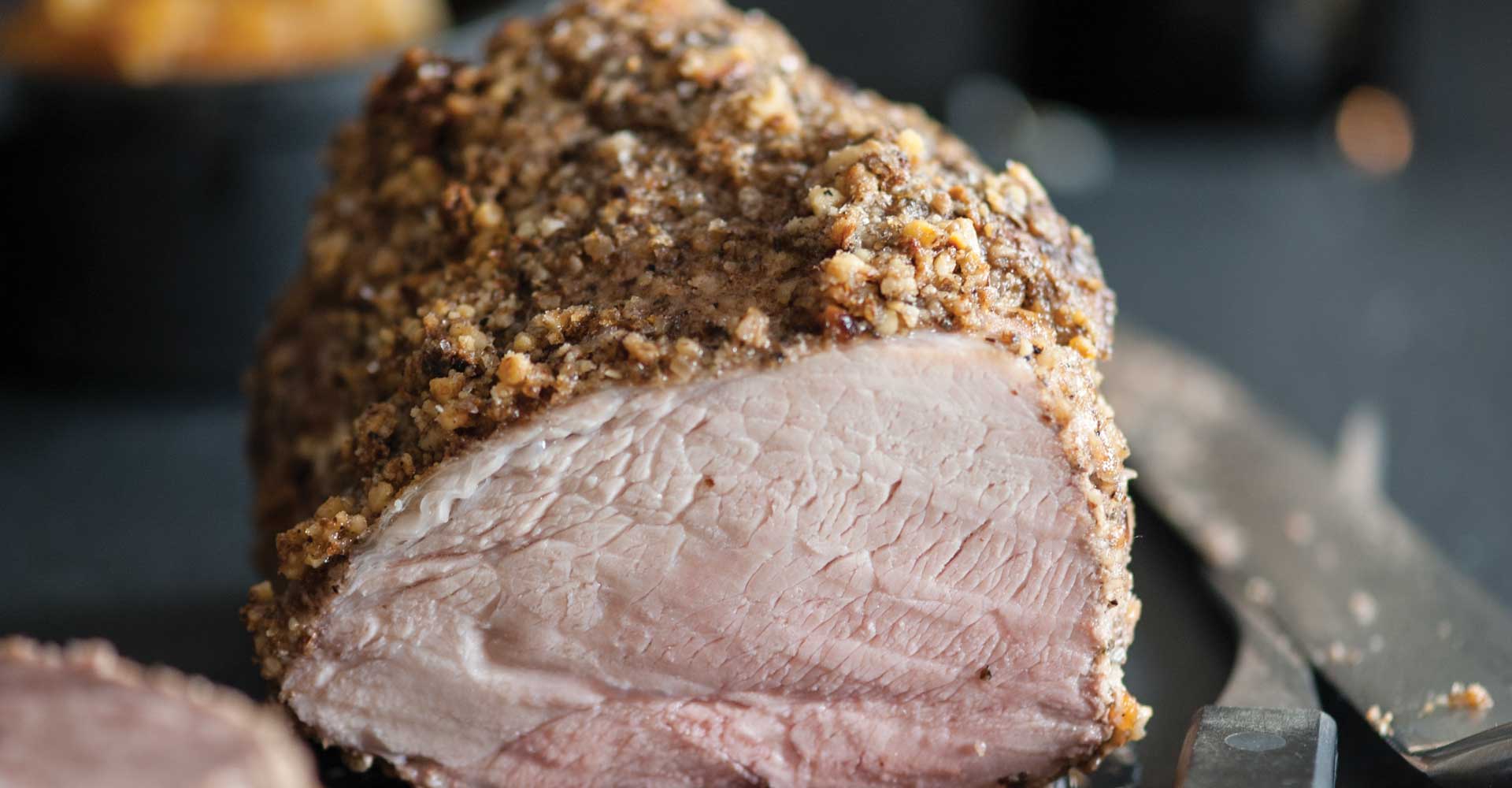
Reach for a bottle of local craft cider and embrace the flavors of autumn with this dish, which pairs well with sides such as butternut squash, sweet potatoes, or roasted turnips.

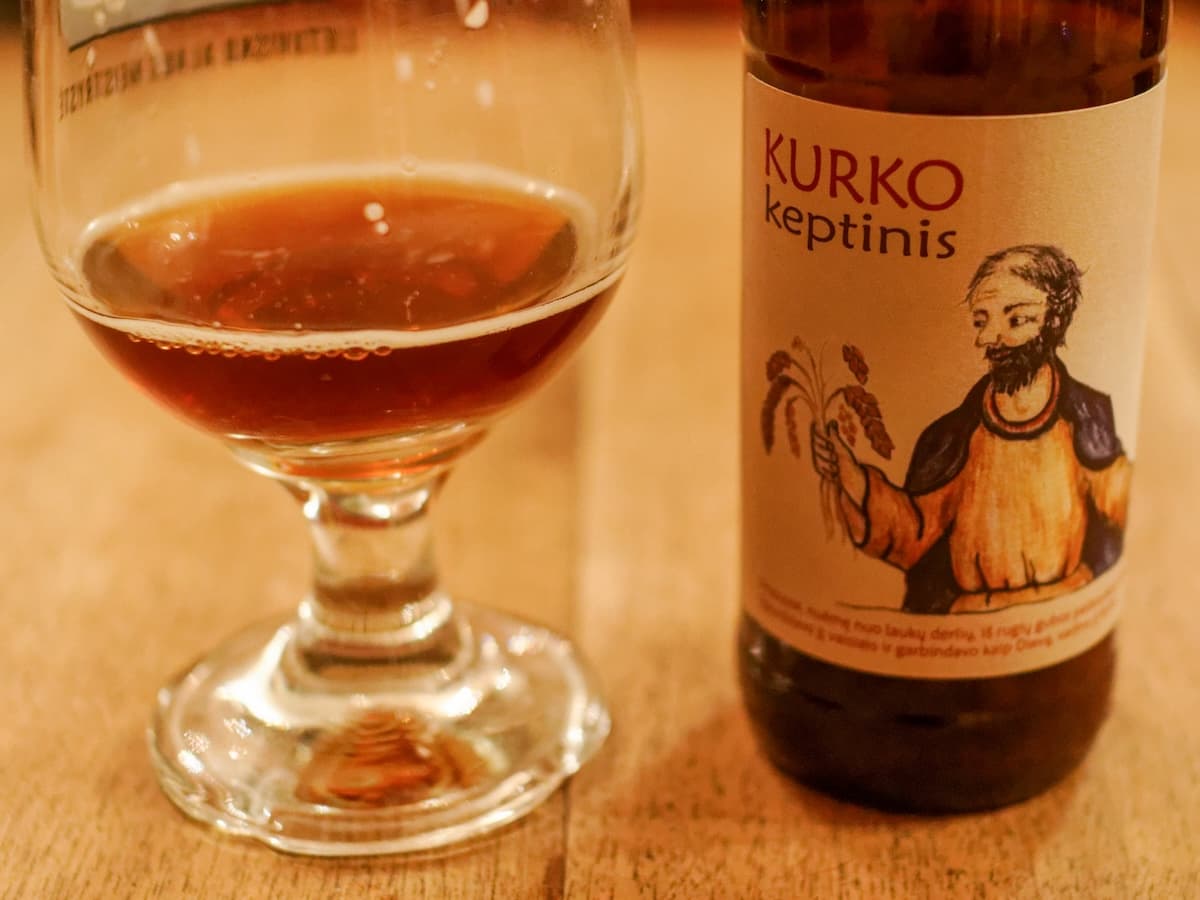
From Dundulis in Panevežys, Lithuania, this recipe is based on their interpretation of traditional keptinis beer brewed from an oven-baked mash.

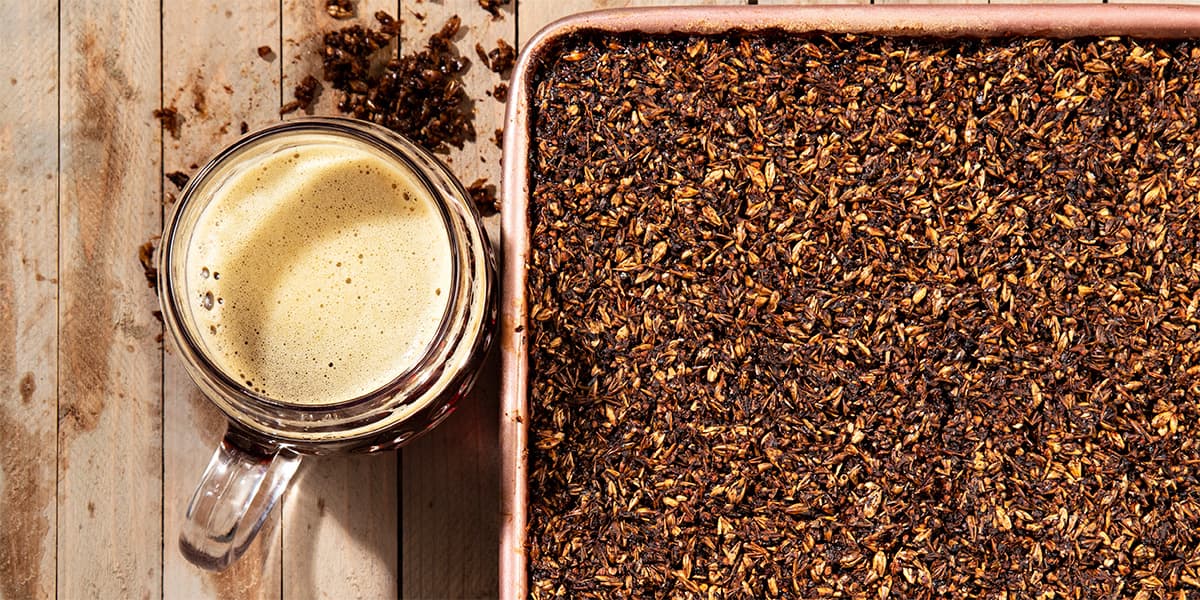
There are many kinds of dark beer around the world, but there’s one that stands out as profoundly different from the others—and it features a deep, caramelized flavor that can only come from a nice, hot oven.

An oft-overlooked branch on the farmhouse-inspired, mixed-culture family tree, bière de mars represents a chance to brew something tart, funky, and refreshing.

While modern brewers continue to push the creative envelope with their evolving takes on farmhouse beers, there is nothing quite like the old-fashioned Wallonian ales that inspired them in the first place.

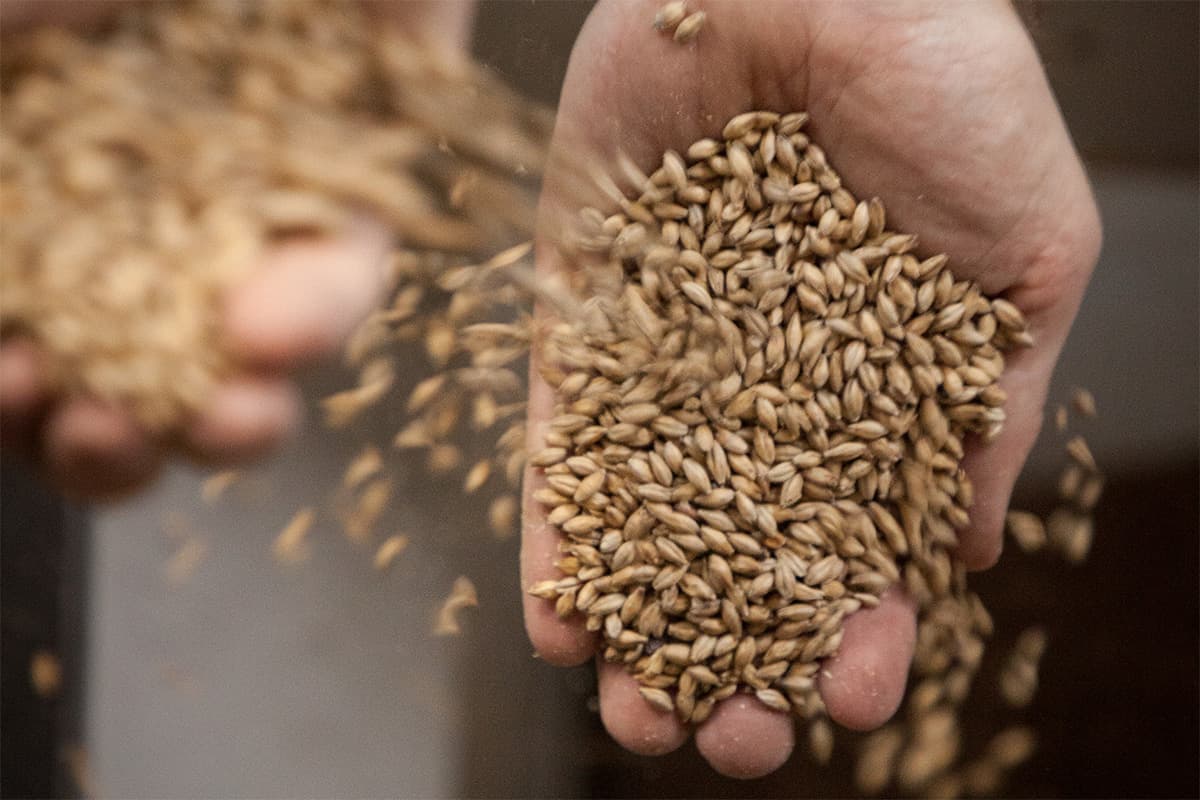
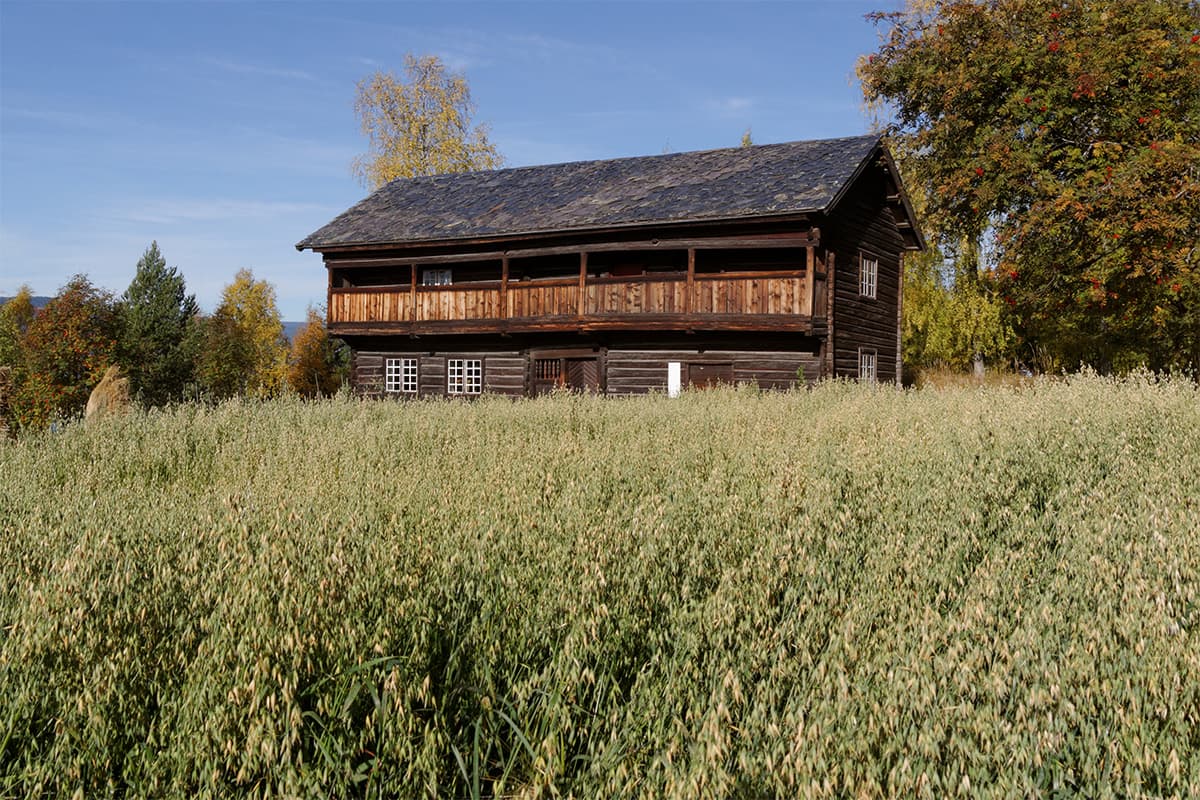
In centuries past, much of European brewing happened on the farm—and the choice of what to brew was as pragmatic as what to grow. With insights that could inform your next farmhouse ale, Lars Marius Garshol shares some truths about what those farmer-brewers planted, malted, and put into their beers.

Based on a description from Norway in the late 18th century, this recipe represents the practicality of local farmers at the time—and the grist is 100 percent oats, which would’ve been malted in a smoky kiln.

One of the most industrialized parts of Germany has a surprising farmhouse brewing tradition, but information about it is scarce. Based on interviews with surviving farmhouse brewers, conducted in the 1950s by the Folklore Commission of Westphalia, here’s our attempt at a recipe. We also include some variations in the notes below.

Farmhouse brewing was once common across much of Europe, though documentation can be scarce. Here’s what we know about a surprising and little-known rural brewing tradition in northwest Germany.

Topher Boehm, cofounder and brewer at Wildflower in Marrickville, Australia, shares this recipe for their low-strength yet satisfying ale—an ideal framework for conveying a sense of place via local malt and a foraged house fermentation culture.

With local malt and a mixed fermentation culture foraged and harvested from native Australian flowers, Wildflower is focused on producing satisfying table beers with a true sense of place. Cofounder and brewer Topher Boehm explains their approach.

Checking in at just 3.2 percent ABV, Bourgeois Daydreams is the delicate, aromatic table beer at Chicago’s saison-focused Is/Was Brewing. Cofounder and brewer Mike Schallau describes it as “a balance of rustic grains, fresh-hop character, yeast esters, and a sprinkle of Brett funk.”

Simple yet dazzling, farmhouse-inspired beers on the lower end of the ABV spectrum present brewers—and drinkers—with an enthralling riddle.

From Fifth Street Brewpub in Dayton, Ohio, this farmhouse ale gets a dose of cacao pulp at packaging, showcasing the fruit’s sweetness and tropical character while amplifying similar notes from the strain of Brettanomyces.

From founder-brewer Jonathan Thibault at La Ferme in Shefford, Quebec—a rural brewery about 60 miles east of Montreal and 35 miles north of Vermont—here’s the recipe for a tart wheat beer that features nearly two kilos of a beloved local produce: haskap berries, aka camerise.

Featuring hot stones in the mash, juniper, bog myrtle, and some smoke, this strong farmhouse ale may resemble what the commoners of eastern Norway brewed to celebrate Yule during the Viking Age.

From the Viking Age to the first Christmases until today, the ancient Yule customs demand the best food and beer you can provide—and it’s not all for the living. So, what did they brew and pour for the spirits and the dead?

Christine Walter, owner and head cidermaker at Bauman’s Cider in Gervais, Oregon, makes both traditional and modern ciders using apples and other fruits sourced as locally as possible. Here, she shares her process for transforming red-fleshed, acid-forward Mountain Rose apples into complex yet balanced heritage ciders.

As with farmhouse ales, not every farmhouse cider is made on the farm. Yet the evocative word tends to accompany certain traits—and there’s plenty that should appeal to drinkers looking for old-fashioned flavors with a sense of place.