
Library
For people who love to drink and make great beer.
Showing 49-72 of 111 library items
 All AccessVideo
Recognition | True-to-Target Training
Familiarity with a product is critical to the TTT method. Besides tasting the beer often, brand-recognition training is a highly effective way to help panelists get more familiar with the sensory aspects of a specific brand.
 All AccessVideo
Lexicon | Description Training and Building Vocabulary
While the hedonic method requires no training—you can’t train tasters on what they like—the descriptive method benefits from some focused training for your panelists. Can you describe grapefruit without using the word “grapefruit”? Lexicon development training, using aroma samples, is a fun and effective exercise to help panelists identify common notes in beer as they build their vocabulary and train their senses.
 All AccessVideo
True-to-Target | Does that Beer Taste Like It’s Supposed to Taste?
The TTM method—true-to-target, or true-to-brand—is a binary test that counts how many testers agree that a beer does or does not fit the target profile. In aggregate and collected over time, these can be powerful data for a brewery to collect.
 All AccessVideo
Description | Why Do You Like It?
A description test can bring a greater level of detail about why people like (or dislike) a beer. One way to collect that data is the CATA method—check all that apply. When many people are ticking the same boxes for what they perceive, it gives you a strong idea of what people are tasting. Descriptive analysis can bring a richer level of detail, although it can be intimidating and may require additional training.
 All AccessVideo
Hedonic | How Much Do You Like It?
The hedonic method is a way to measure personal liking for a product by using a scoring mechanism. Averaging those scores from a large enough sample can give you an idea of how much people like (or dislike) a beer as compared to others.
 All AccessVideo
The Methods | Narrowing Down How You Approach Sensory
Time and efficiency matter in the brewery, so you want effective and powerful methods that can identify problems and be learned relatively quickly. There are dozens of sensory methods, but here are three of the most useful and effective for breweries to know.
 All AccessVideo
The Senses | Breaking Down How We Perceive Beer
We perceive beer through its appearance, aroma, taste, and mouthfeel. Each of those also includes particular sensory elements, such as orthonasal (aroma) and carbonation (mouthfeel). It’s important to know the differences and how to identify them, so that we can more clearly describe what we’re sensing when we evaluate a beer.
 All AccessVideo
Introduction | Sensory Is Human
Knowing the difference between subjective and objective sensory, and being able to integrate them, is key to better understanding how other people are tasting your beer.
 FreeDeep Dive
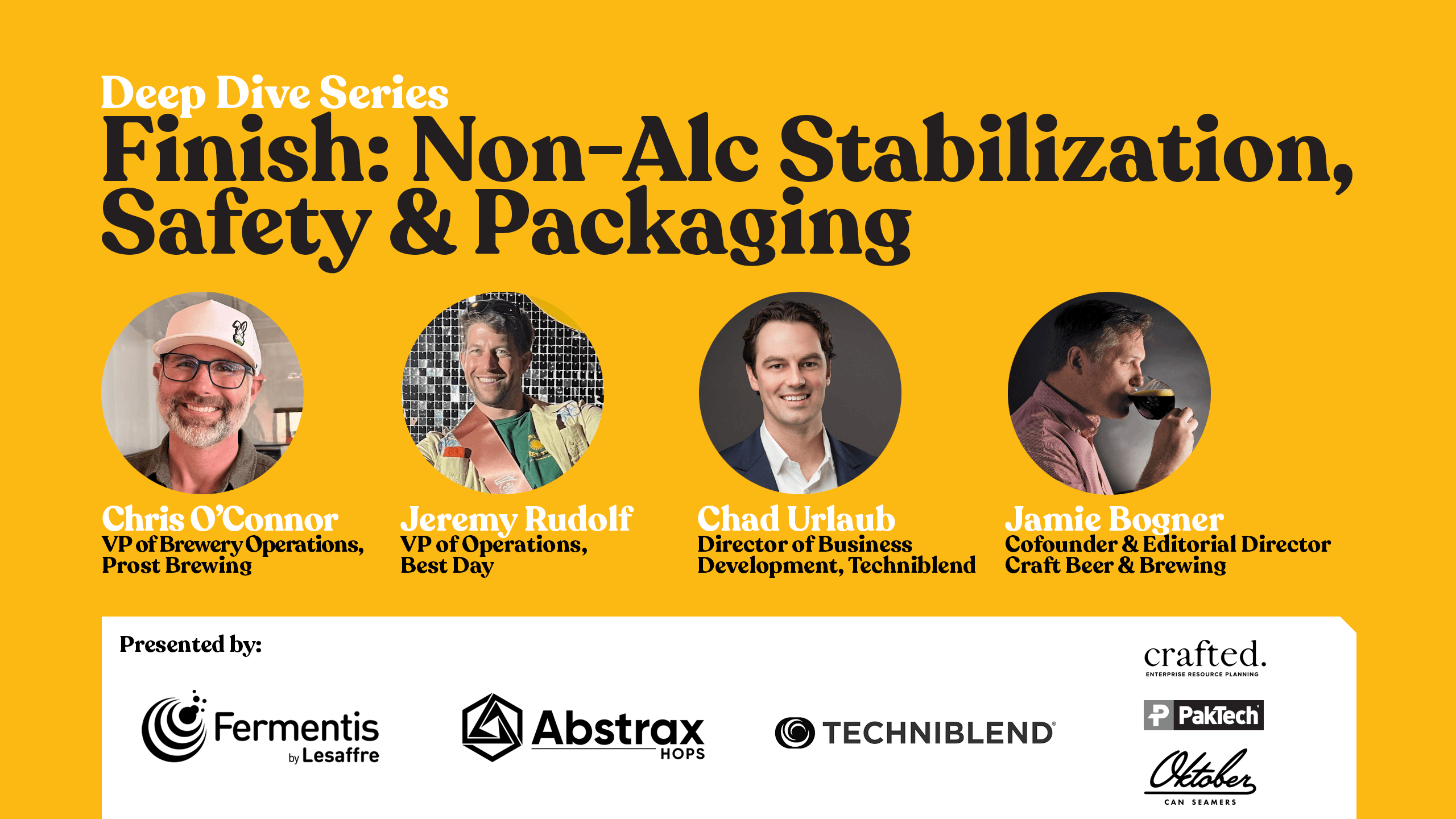
Finish: Non-Alc Stabilization, Safety & Packaging
Food safety and packaging integrity is crucial for non-alc and low-alc beer that doesn't have the benefit of alcohol's preservative properties.
 FreeDeep Dive
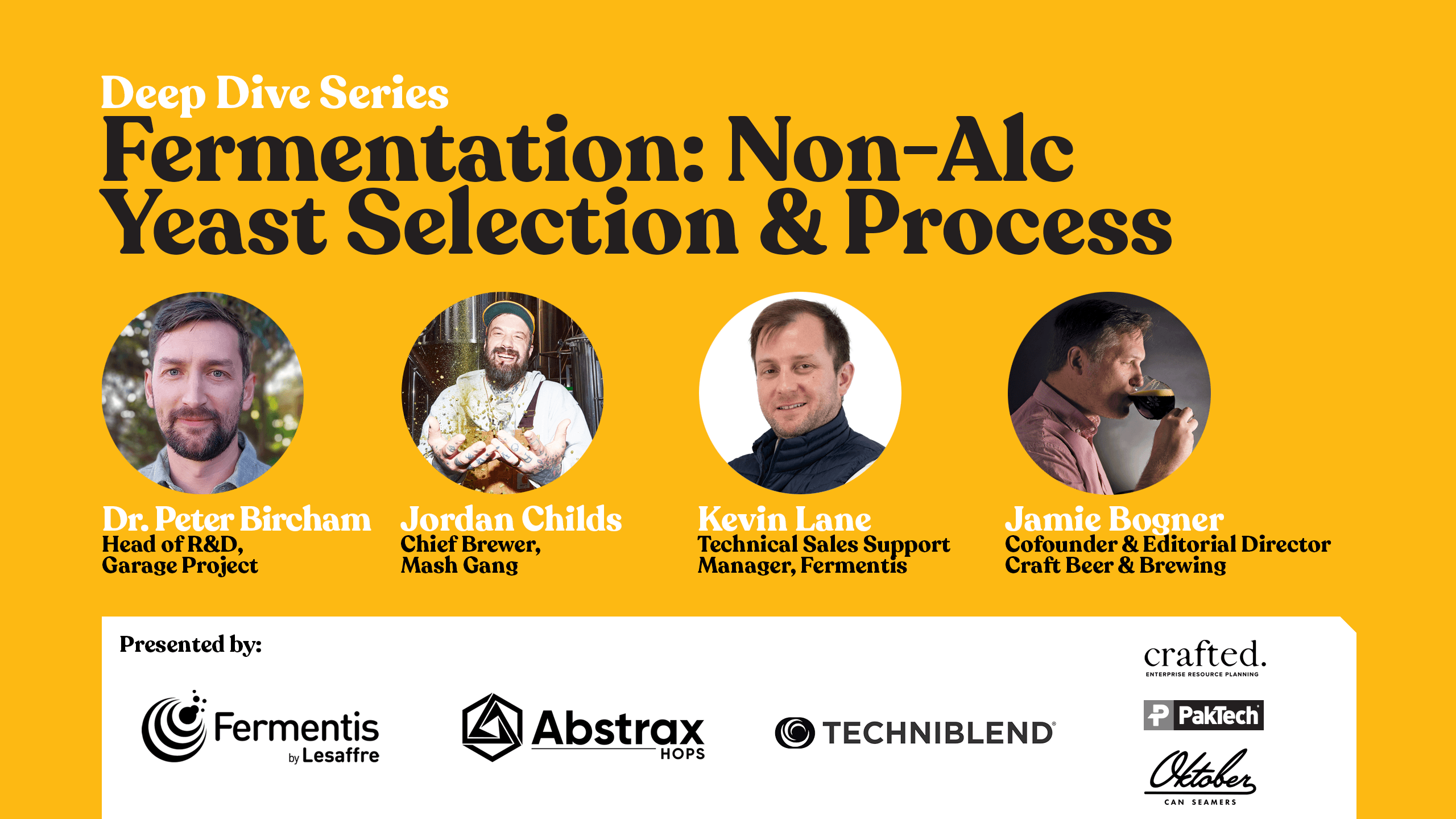
Fermentation: Non-Alc Cold Side Yeast Selection & Process
Successful fermentation is a cornerstone to great non-alc and low-alc beer. Learn how leading pros use a variety of methods and different approaches to yeast selection to achieve desired outcomes in a range of beer styles.
 FreeDeep Dive
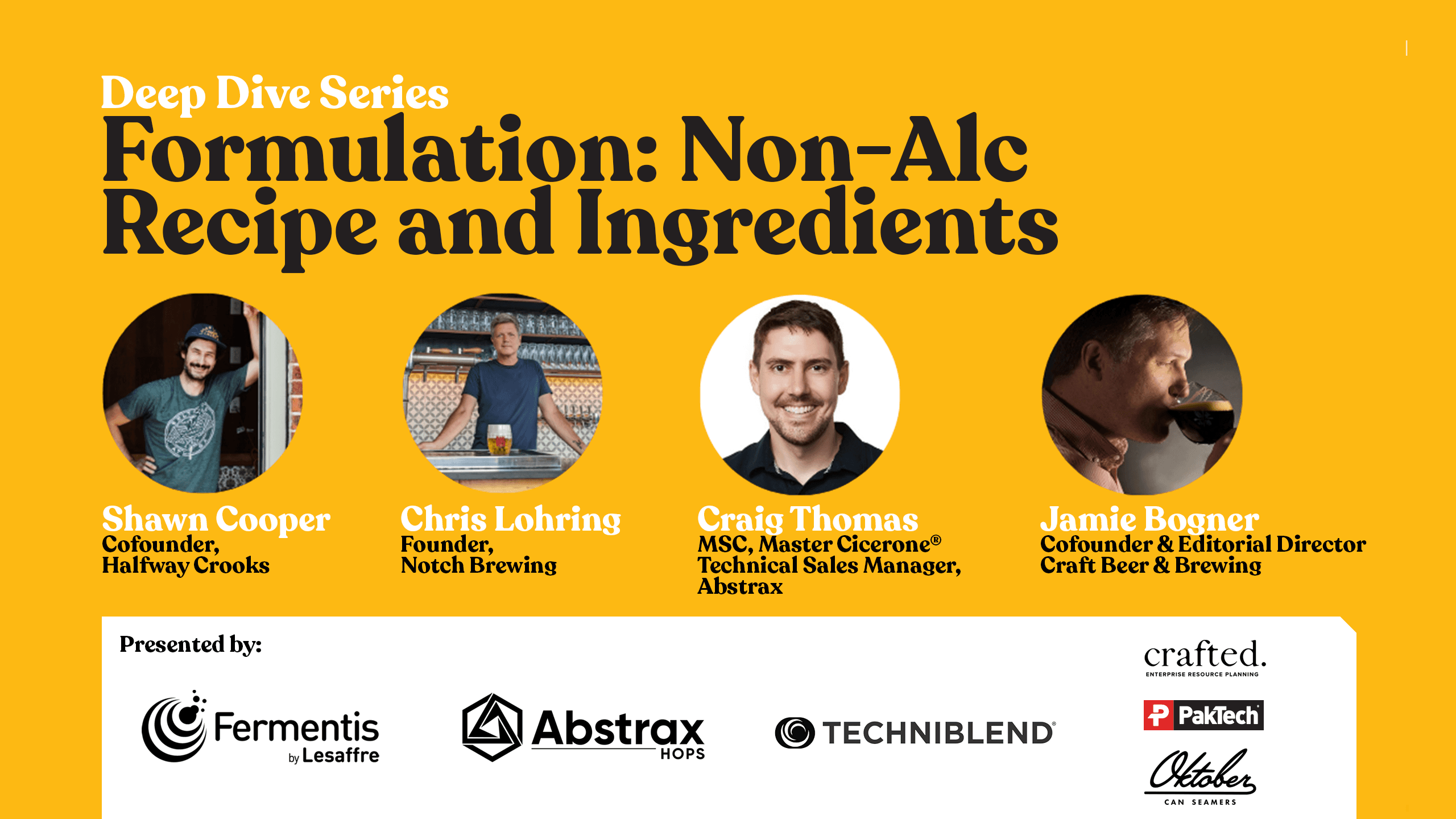
Formulation: Non-Alc Recipe and Ingredients
A thorough look into the ingredients and hot side processes brewers are using to make compelling, flavorful non-alc craft beer.
 FreeDeep Dive
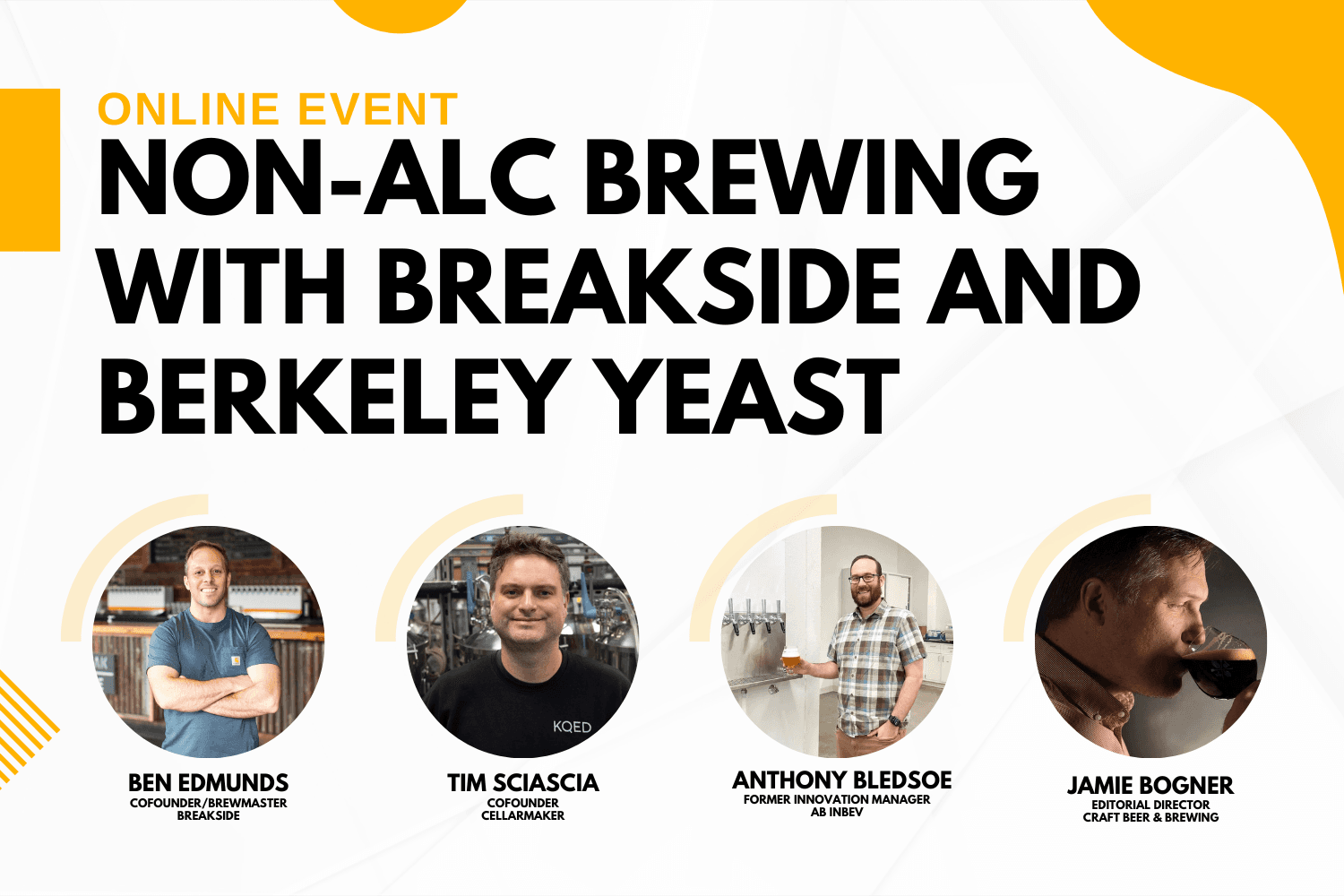
Non-Alc Brewing with Breakside + Berkeley Yeast | Deep Dive
This conversation with some of the best minds in brewing will provide you with a comprehensive overview of everything you need to know to get started crafting great tasting NA beer at any scale with maltose negative yeast.
 SubscriberMagazineBuy from $14.99
Best in Beer 2025
Exploring the year’s best beers, bold traditions, and the frontier of flavor.
 All Access
Conclusion | Last Word
Keep learning, think outside the box, and have fun with it!
 All Access
Innovation | Never Stop Learning
Learn why North Park prioritizes "making better beer, consistently" over strict consistency. Kelsey discusses how he uses collaborations, new ingredients, and customer feedback to drive constant improvement.
 All Access
Quality | Limiting Oxygen
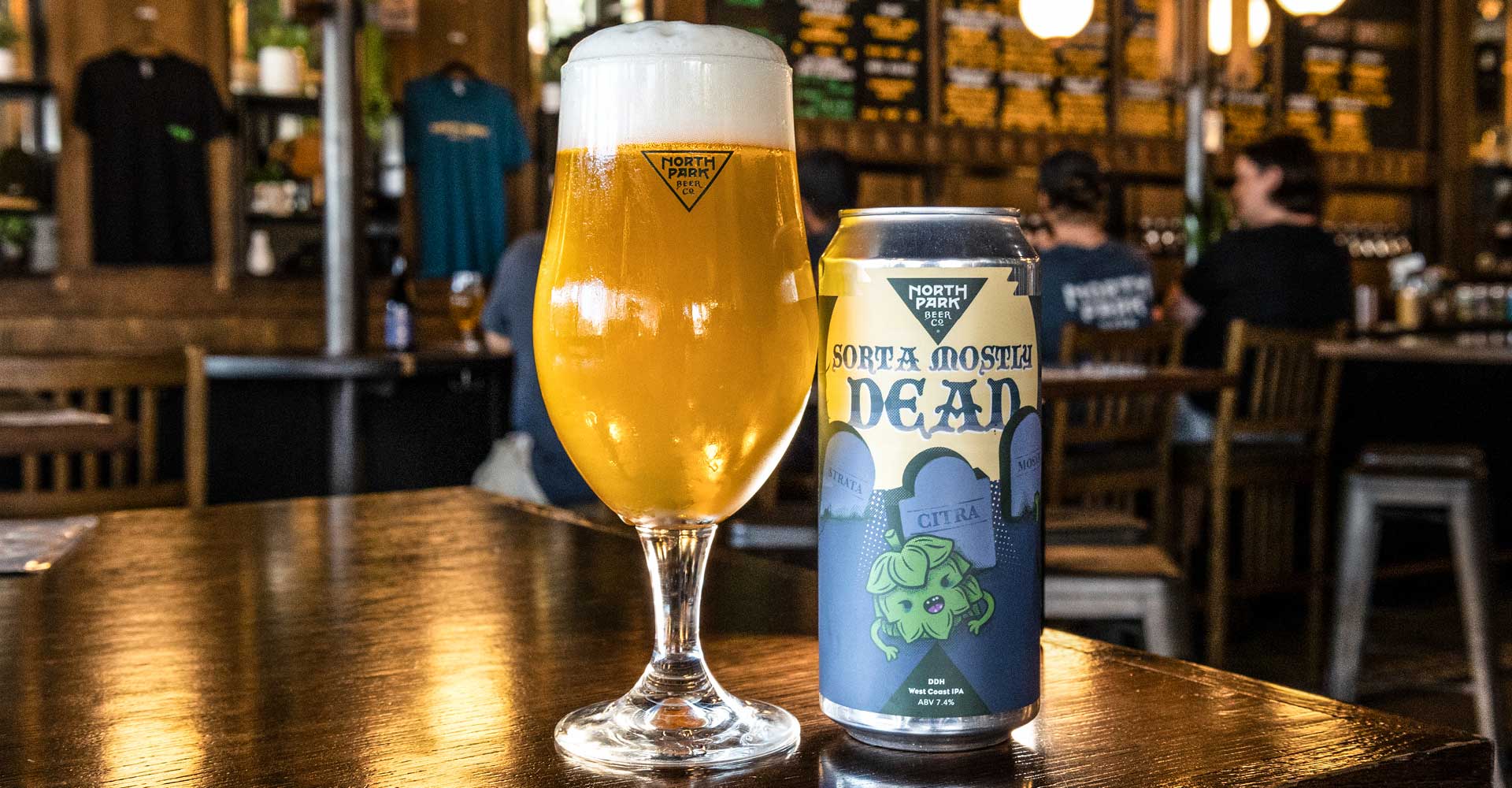
Oxygen is the enemy of hop aroma. Kelsey shares essential strategies for protecting fragile beers during transfer and packaging to ensure your hop character survives the journey to the glass.
 All Access
Hops | Products, Pellets & Process Tips
Kelsey dives into the strategy behind layering flavor. Learn how to use flowable extracts for saturation, manage cohumulone in T-90 pellets, and optimize dry hopping via spunding and recirculation.
 All Access
Yeast | Controlling for Clean, Bright Hop Expression
Kelsey details North Park’s yeast preferences, including how to use enzymes with 34/70 lager yeast to unlock fruitier biotransformation. Learn why he avoids thiolized strains and how to manage temps and yeast drops for cleaner flavor.
 All Access
pH | Making Adjustments, from Mash to Fermentation
Learn to target specific pH levels in the mash and boil for a snappy, hop-forward finish. Plus, Kelsey explains his strategy for limiting starting gravity and feeding sugar later to maintain yeast health.
 All Access
Water | Chemistry that Supports the Hops
Kelsey reveals North Park’s specific chloride-to-sulfate ratios and explains how to modulate water profiles to accentuate different hop characters and bitterness levels.
 All Access
Malt | Building a Base that “Gets out of the Way”
From pale West Coast bases to Hazy wheat blends, Kelsey breaks down grist construction. Learn to manage FAN for healthy fermentation, adjust color without flavor, and mitigate hop creep with dextrose.
 All Access
Introduction | The Origins of Hop-Saturated Recipes
Learn how Kelsey deconstructs his favorite commercial examples and treats recipes as interchangeable modules to dial in specific flavor profiles.
 SubscriberMagazineBuy from $14.99
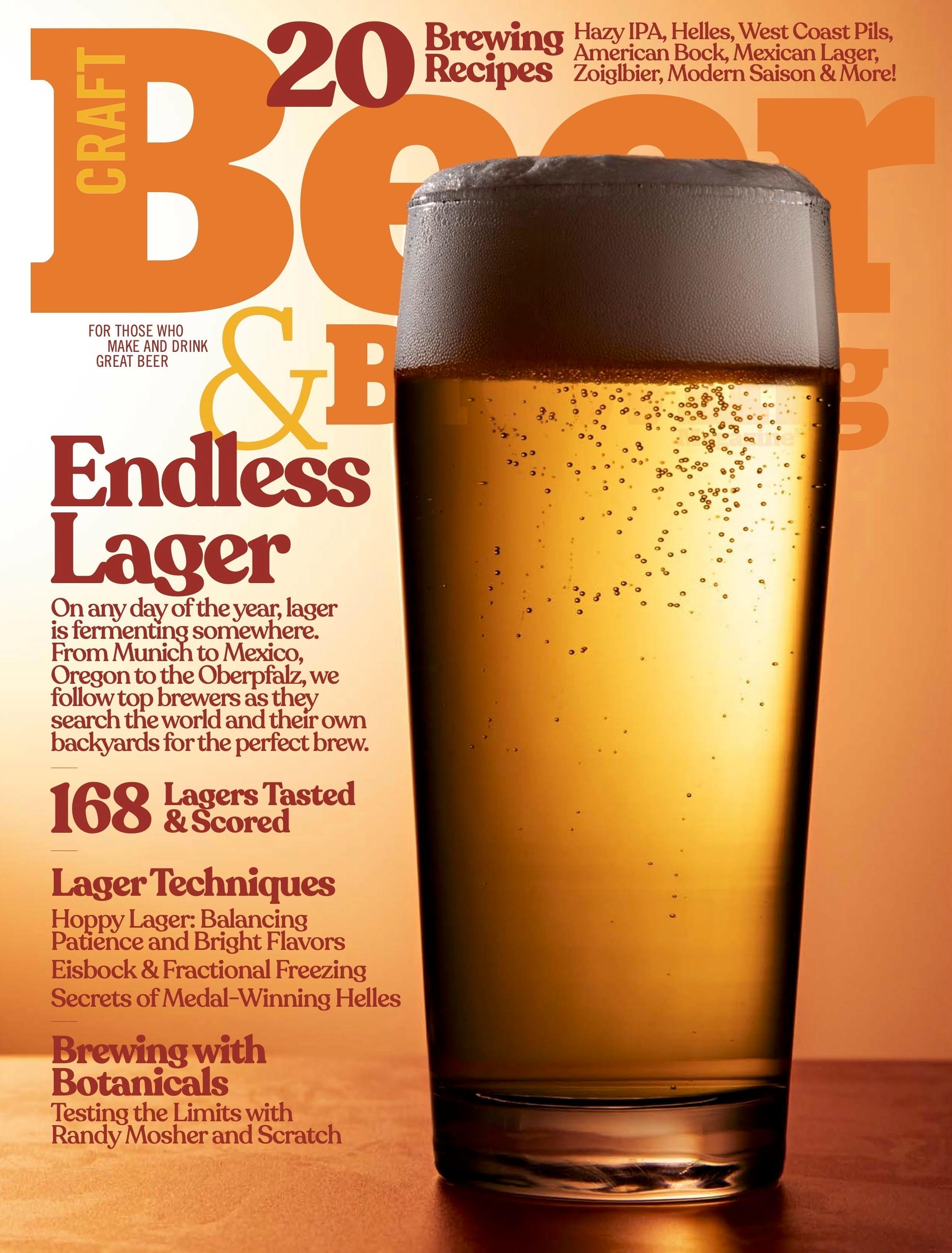
Endless Lager (Fall 2025)
In this issue, we explore hoppy lagers bursting with bright flavors, dark yet quenching bocks, and golden helles perfected by medal-winning pros.
 SubscriberMagazineBuy from $14.99
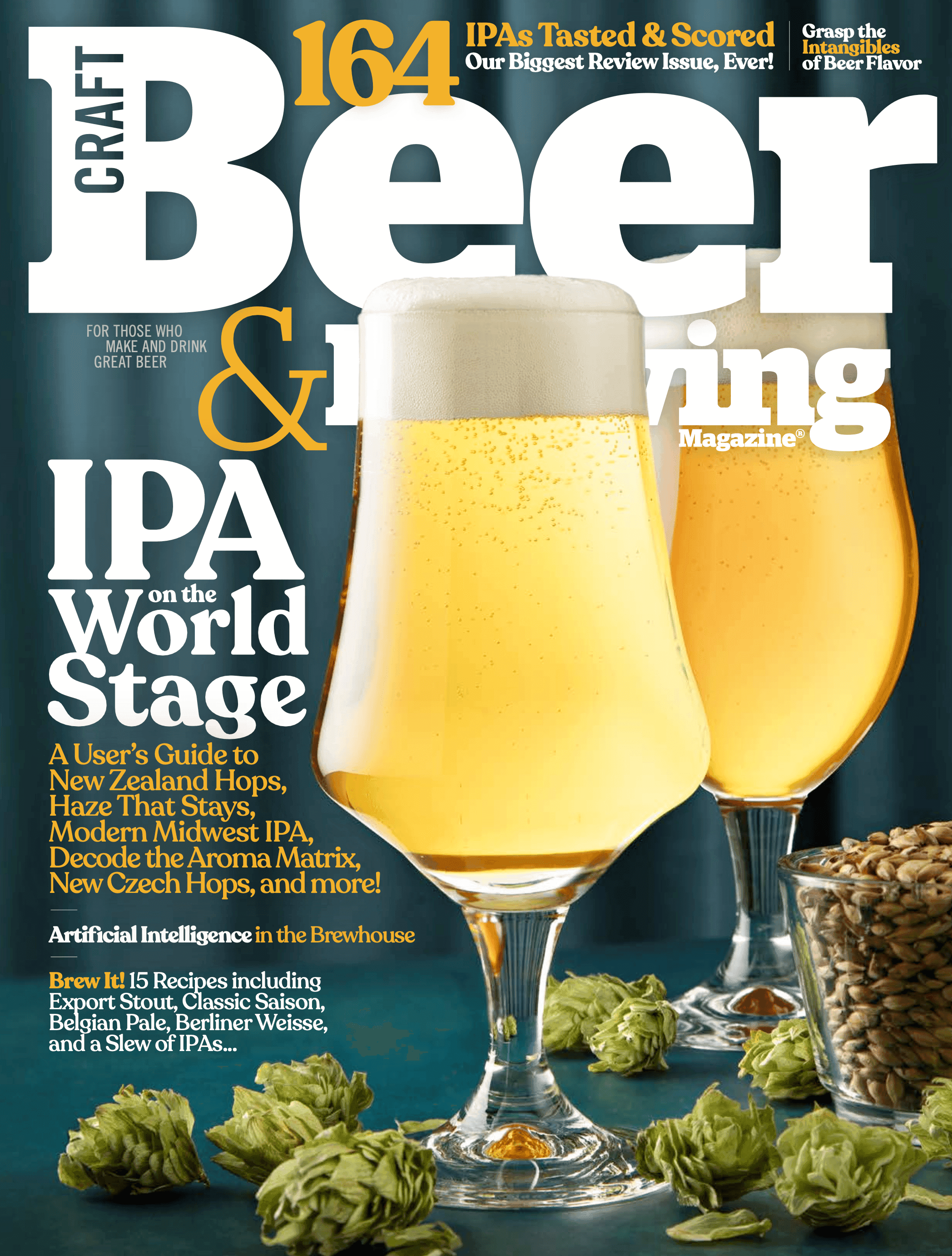
IPA on the World Stage (Summer 2025)
Level up your brewing with 15 tested recipes and deep dives into haze stability, hop aroma, AI-powered brewing, and more. From New Zealand hops to Midwest IPA, this issue is packed with expert techniques and practical advice for brewers of all levels.