Recapturing CO2: It’s a Gas
Brewers are dumping their blow-off buckets and reusing precious carbon dioxide rather than releasing it into the atmosphere. The benefits include cost savings, reducing greenhouse emissions—and, some say, better beer.
Showing 1361-1380 of 4602 articles

Brewers are dumping their blow-off buckets and reusing precious carbon dioxide rather than releasing it into the atmosphere. The benefits include cost savings, reducing greenhouse emissions—and, some say, better beer.

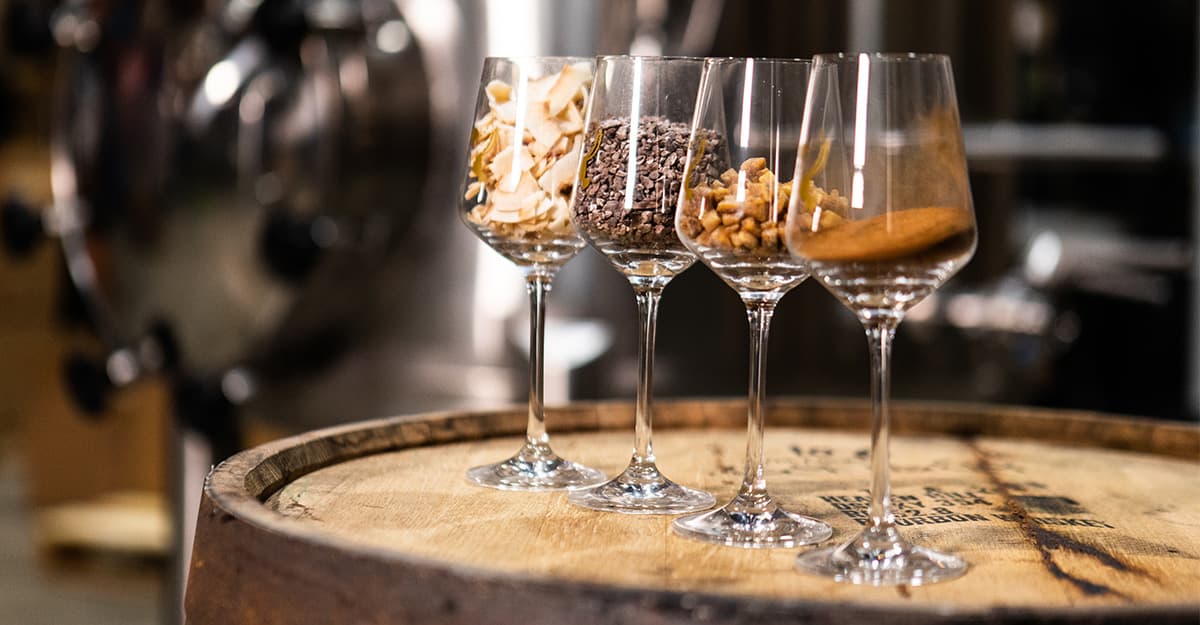
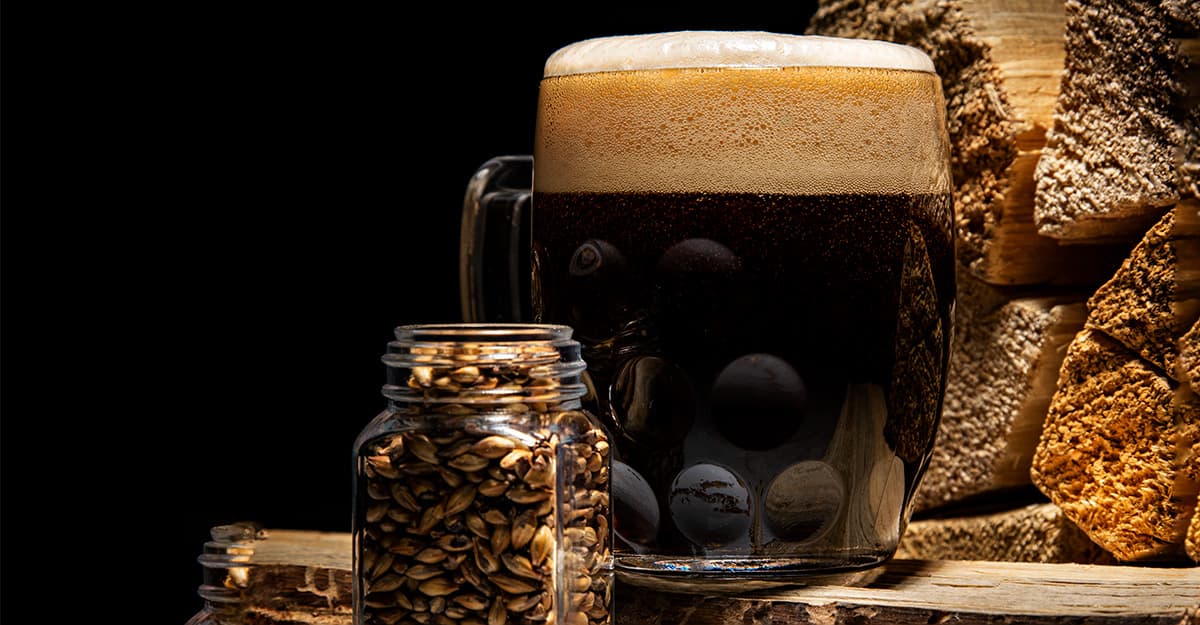
With thanks to Forager’s cofounder and head brewer Austin Jevne, this homebrew-scale recipe combines the Forager approach to barrel-aged stout with the earthy, nutty, toasty flavor contribution of Mexican flying ants.

Through his career, Cohesion’s Eric Larkin has always gravitated to breweries with narrower style focuses. Now, with the Czech-style lager focus of his new endeavor, he’s exploring the creativity possible within the bounds of style expectations.

Known as chicatanas, these crunchy leafcutter ants are a delicacy of regional Mexican cooking—and they have a flavor profile that may be oddly compatible with your darker, richer beers.

This recipe is for a raw ale—no boiling—fermented with a distinctive kveik and later steeped with lots of sour cherries. Eik & Tid cofounder and brewer Amund Polden Arnesen calls it “a beer to capture the experience of eating fresh berries off the vine.”

Altstadt head brewer Craig Rowan shares advice on sanitation, pitching, and fermentation control for a great Munich-style helles—tips that could apply to virtually any type of lager.

“We had the idea that what’s lacking somehow today is this stubbornness, to stick to something—and to create something distinct in that way,” says Tom Jacobs. “For us, we want to do something that lasts.”

The diversity and creativity of the beers that come out of this small country are justifiably famous, yet often it’s the wilder side that draws all the attention. Let’s renew our friendship with the foundational ales that first put Belgium on the beer map.

Live Oak founder Chip McElroy and head brewer Dusan Kwiatkowski discuss the strains they use for their traditional lagers—and how they’re testing different Saaz-type strains for use in their Czech-style pilsner.

In the Chicago suburb of Lake Zurich, Illinois, Beth May and Lane Fearing of Roaring Table have built a small, unassuming brewery that's making waves with an impressive variety of styles.

John Carruthers, the man behind Chicago pop-up Crust Fund Pizza (and communications manager at Revolution Brewing), maps out the path to getting as geeky about pies as you are about beer—and uncorks a few Belgian beers along the way.

Full-bodied—great for stouts, taxing for trailers. Ready to try a lighter brewpub container?

From malt choices to mash out, Altstadt head brewer Craig Rowan explains how they mill and step-mash their medal-winning Lager.

This six-pack from Heater Allen’s Lisa Allen is filled with formative beers that she’s stuck with through the years as well as inspirational lagers connected to specific beer-hall memories that have influenced the way she brews today.

“I could buy conventional grain and save some thousands of bucks per year, but then I don’t have anything to tell,” Jan Kemker says. “I don’t know if we need to call it terroir. It’s liquid storytelling, I think.”

Live Oak founder Chip McElroy and head brewer Dusan Kwiatkowski walk us through the brewing of their Pre-War Pils, including a cereal mash with a substantial portion of corn grits and small percentage of barley malt.

The R&D director of the Chicago-based yeast purveyors combines her brewhouse experience with years of lab work in yeast genetics to help brewers understand how yeast does—and doesn’t—create stable haze.

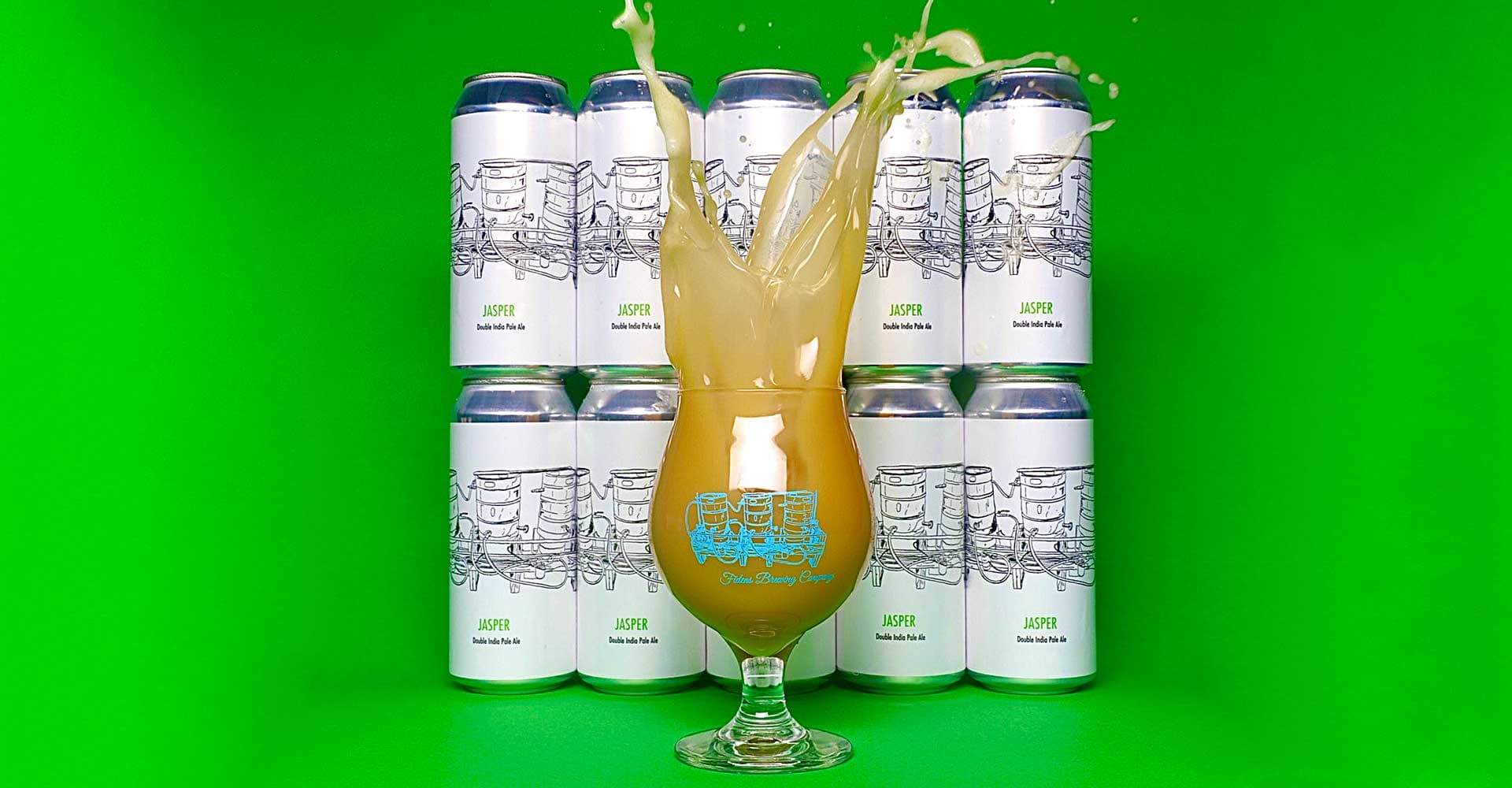
Courtesy of the team at Foam Brewers, this homebrew-scale recipe is for one of their first double IPAs to enter their regular rotation for can releases.

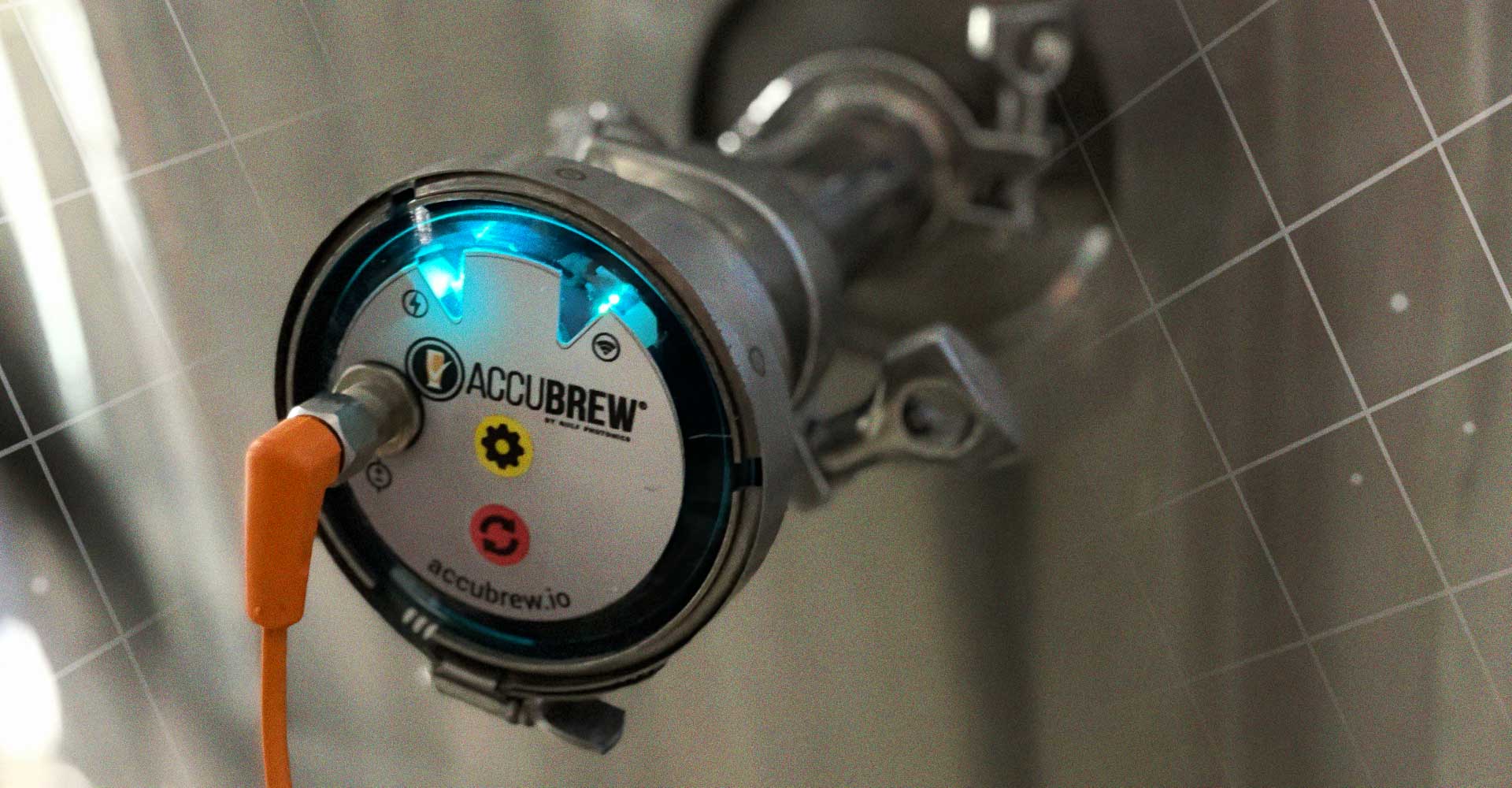
Attention, glorified janitors! Here are tips on how to work smarter (not necessarily harder) to streamline and refine your cleaning, so you can get back to brewing (better) beer, more quickly.

They’re not the stars of the show, but there are important considerations for hops and yeast selection when brewing a Munich-style helles. Altstadt head brewer Craig Rowan shares his recipe advice.