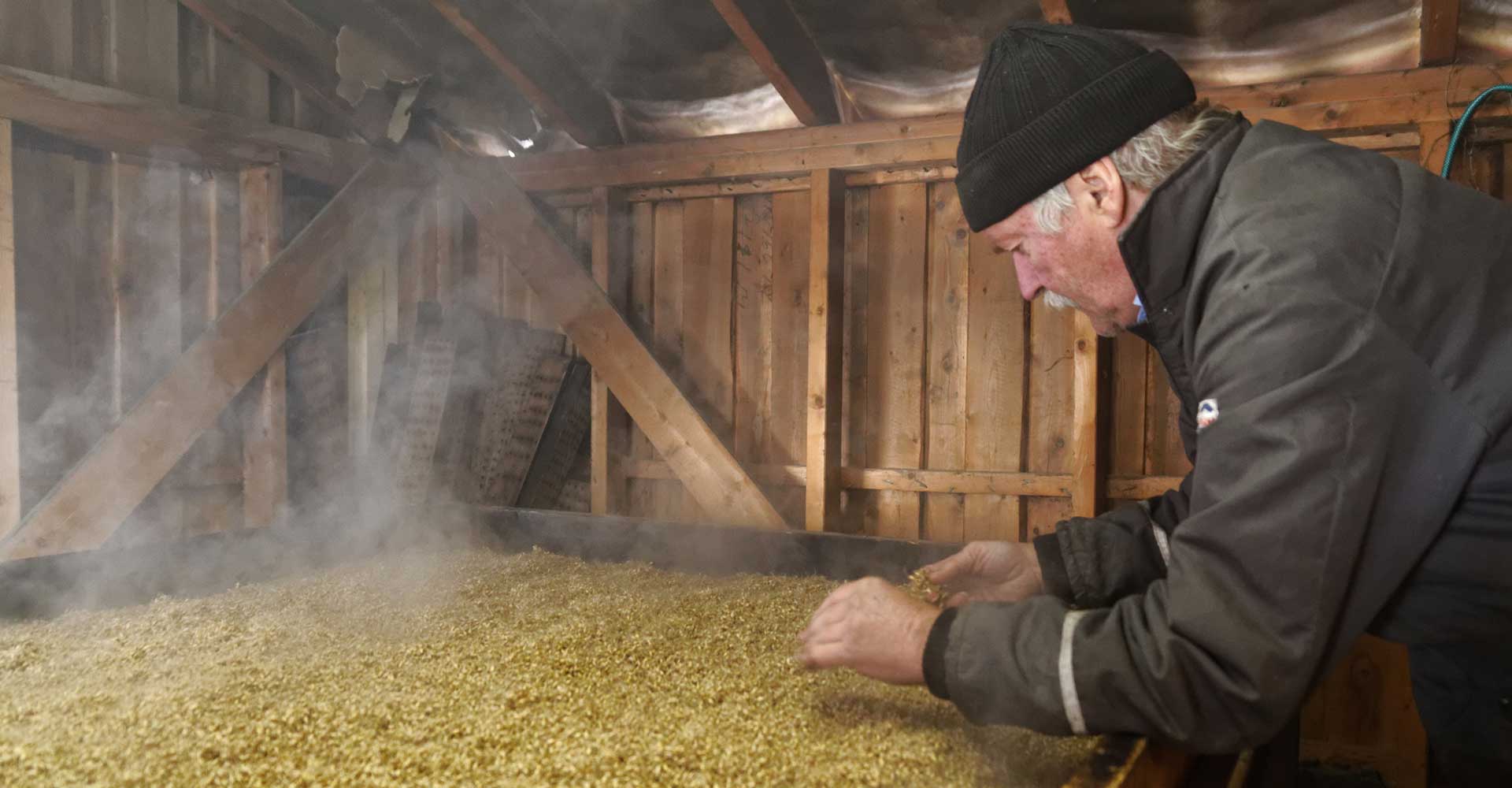
The Cult of the Kiln: Brewing Super-Smoky Stjørdalsøl
Lars Marius Garshol transports us to rural central Norway, where cooperatives of devoted brewers make an intense type of local ale from their own home-smoked malts.

Showing 1341-1360 of 4725 articles
Lars Marius Garshol transports us to rural central Norway, where cooperatives of devoted brewers make an intense type of local ale from their own home-smoked malts.
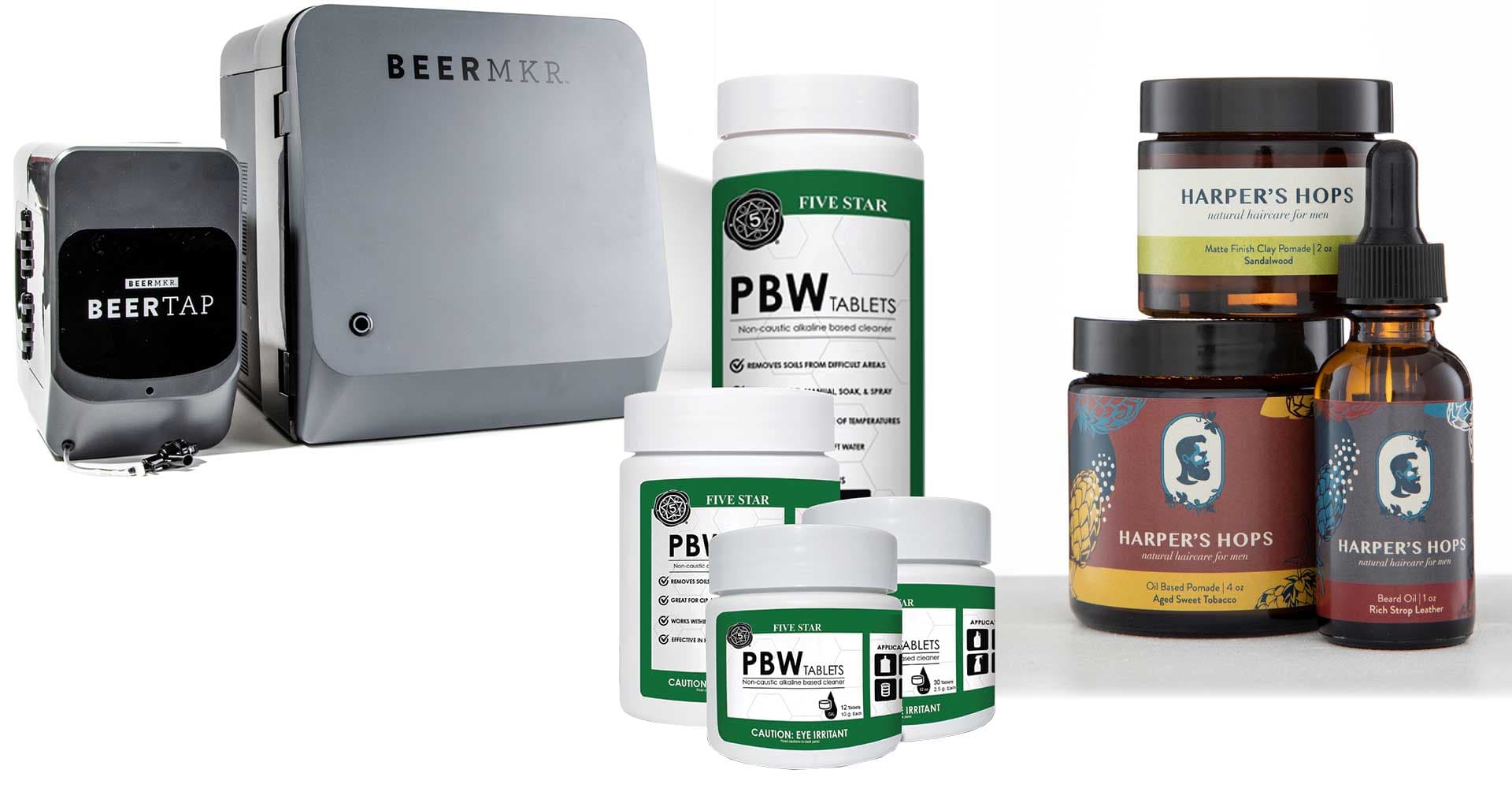
A new brewing appliance, no-measure PBW. and more.

Cryo, Incognito, Salvo, Spectrum, Phantasm, and more are all tools that Garrett Ward uses to punch up hop flavor in their juicy (yet still bitter) IPAs. He discusses how they use these new hop formats in both hazy and clear American IPAs.
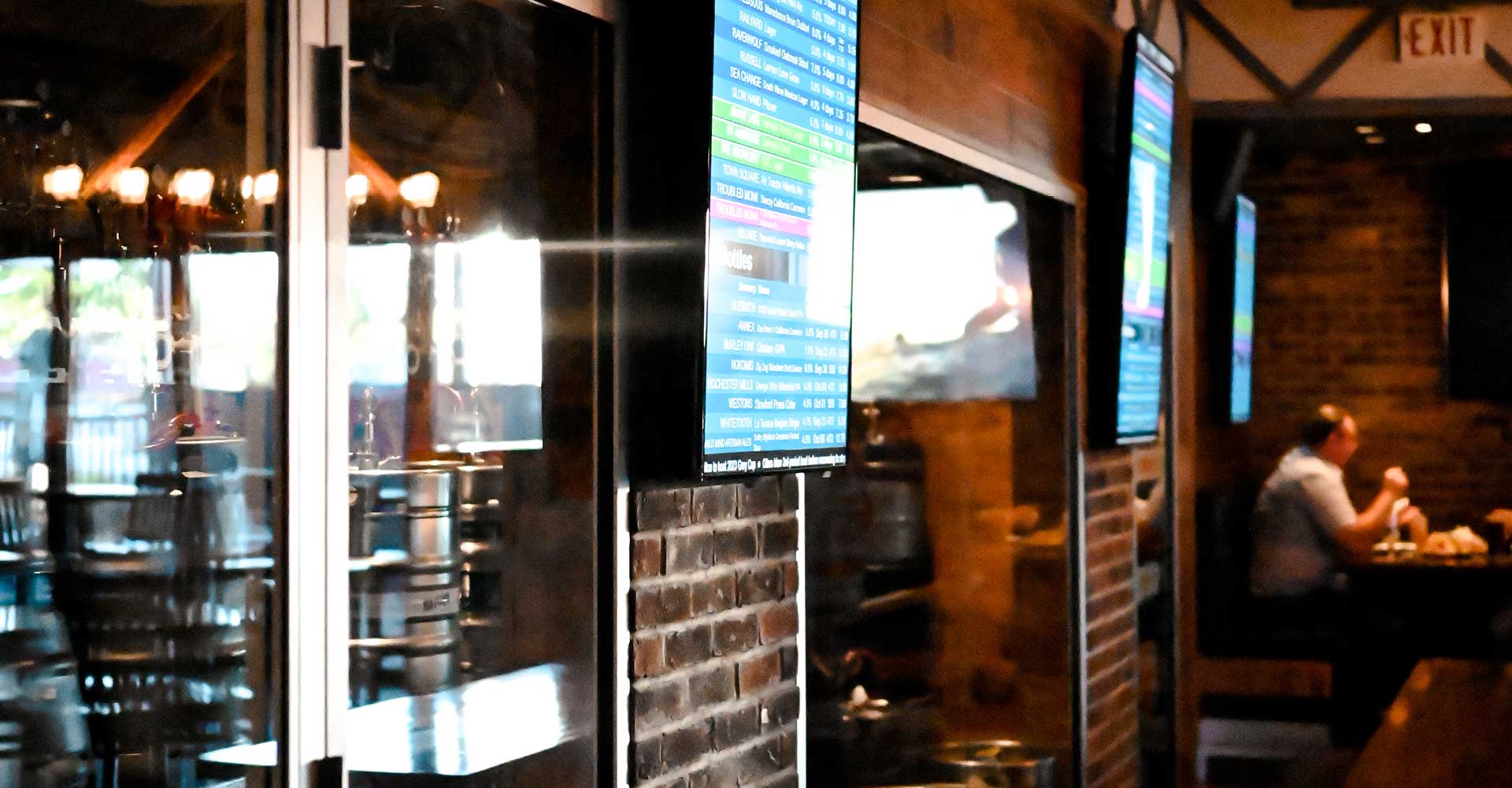
From our Love Handles files on beer bars we love: In the capital of Alberta, a broad and rotating selection of local and North American craft beers are just the thing to go with square-shaped, thin-crust, hot-chicken pizzas.
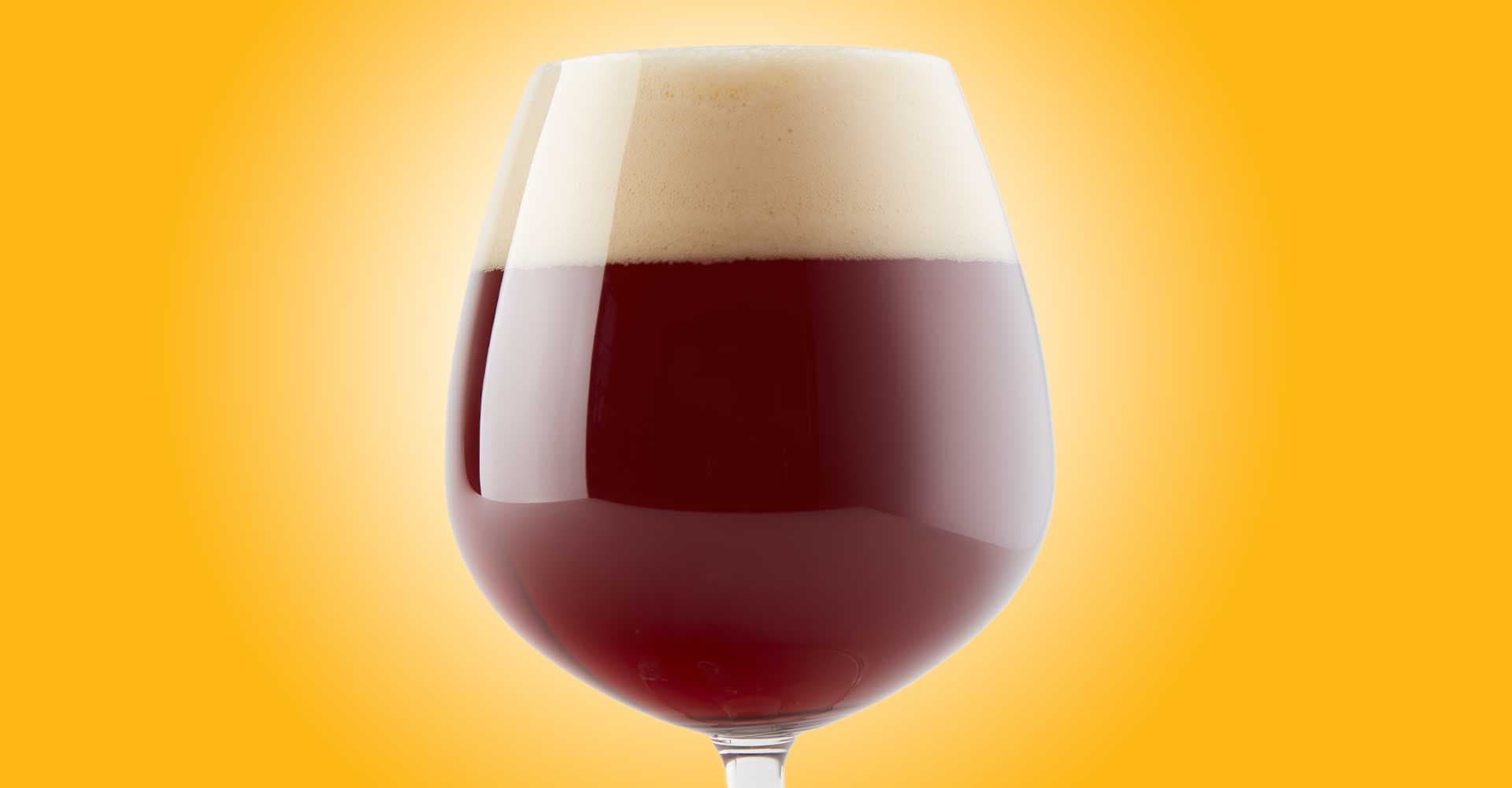
For a winter warmer that can lay down and improve for many months—brew it now and try it at the New Year, and the next one—here’s an American-style barleywine that gets a clean profile from the use of lager yeast.
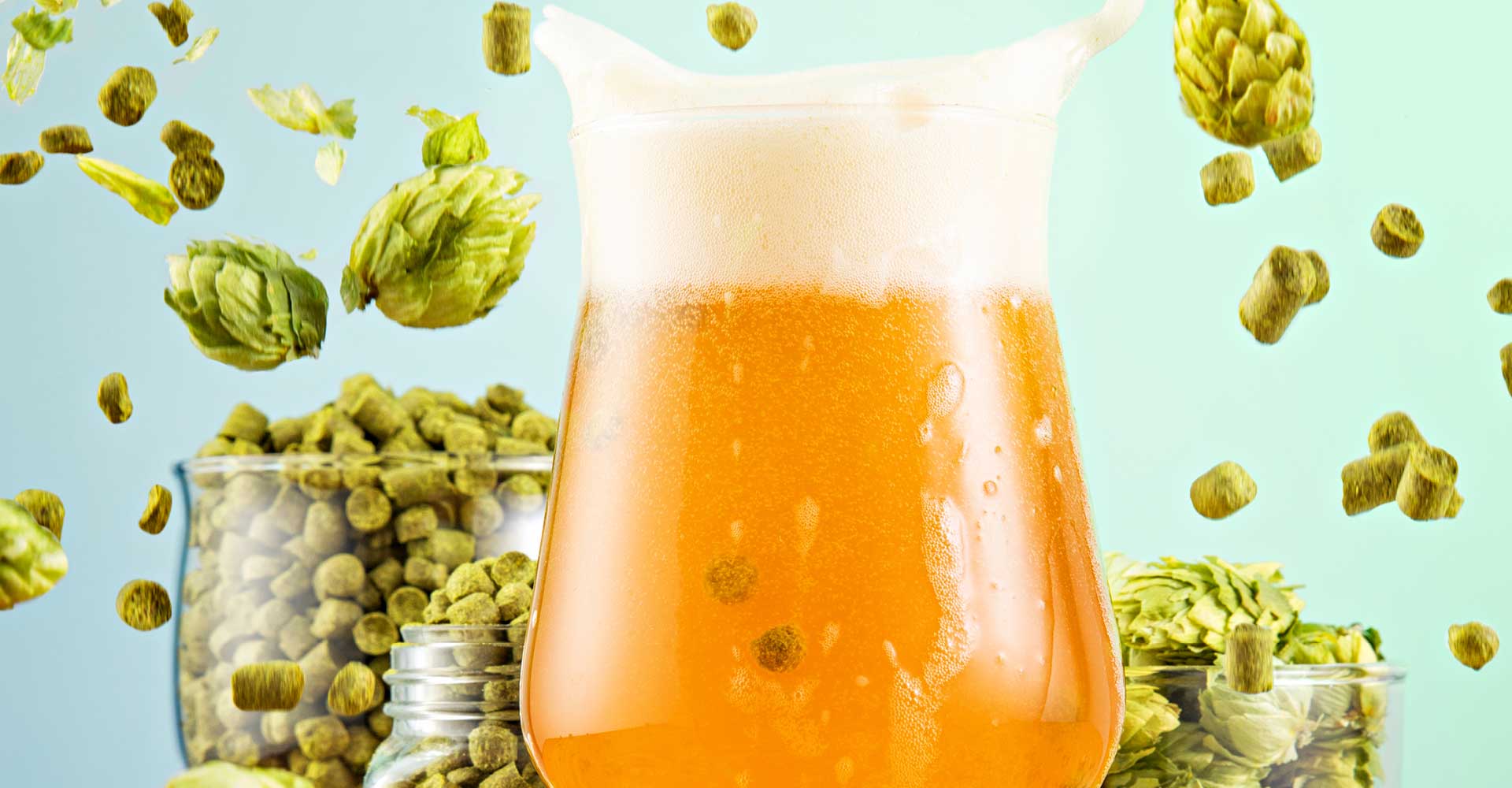
New York City’s Deep Fried specializes in big, juicy, textured double and triple hazy IPAs that pack in hop flavor. Here’s a homebrew-scale recipe for Trestlemania, their collab with 3 Sons of Dania Beach, Florida, featuring multiple wheats, multiple oats, and more than 10 pounds of hops per barrel.
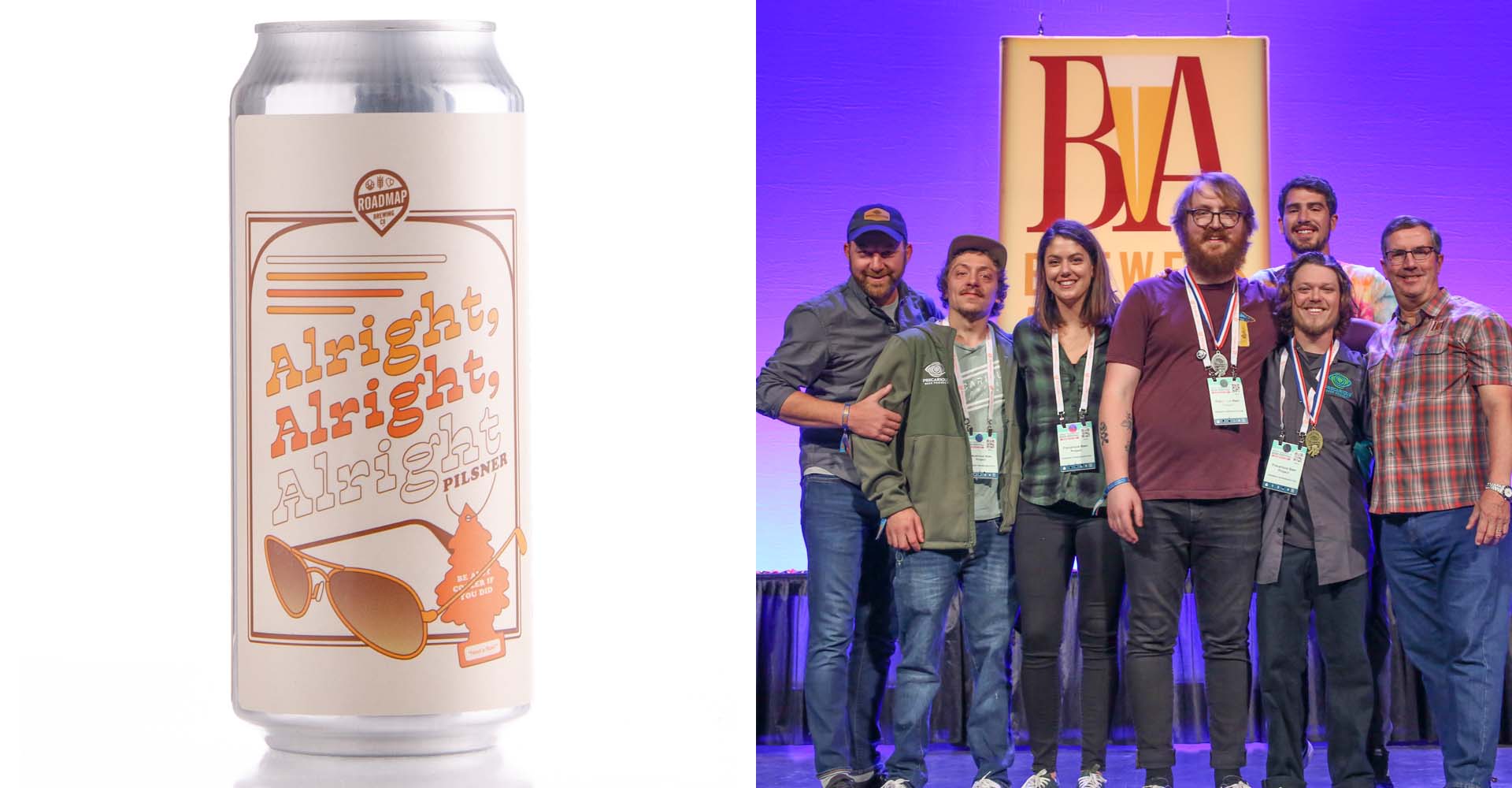
Two pros share insights into their gold medal–winning beers: an international-style pilsner brewed on a single-infusion, two-vessel system, and a cold IPA with a “cool pool,” dry-hopped during active fermentation.
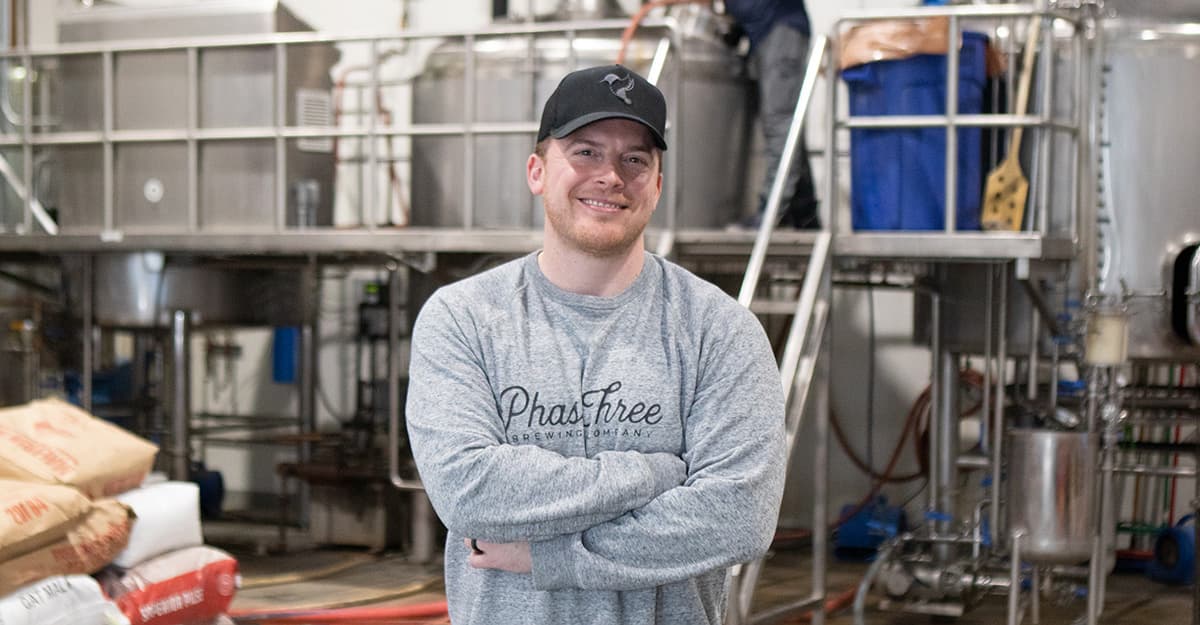
In this clip from his video course, Phase Three cofounder and head brewer Shaun Berns lays out how they use cinnamon in their big stouts and barrel-aged beers—including a very unscientific way to measure it.
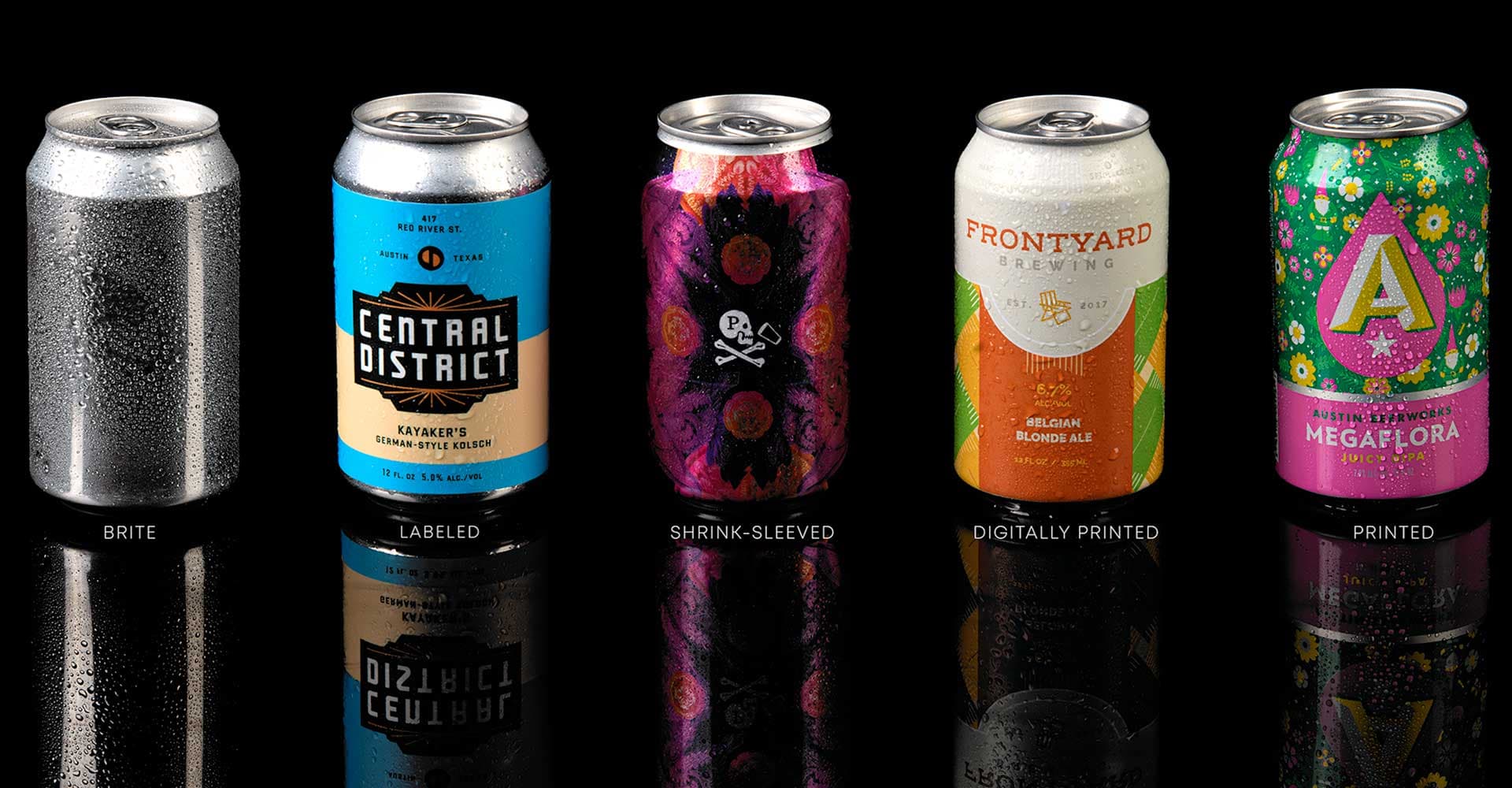
Whether you’re packaging beer or going beyond beer into other beverages, it pays to carefully consider the strength of various can formats and which might be the best fit for your products.
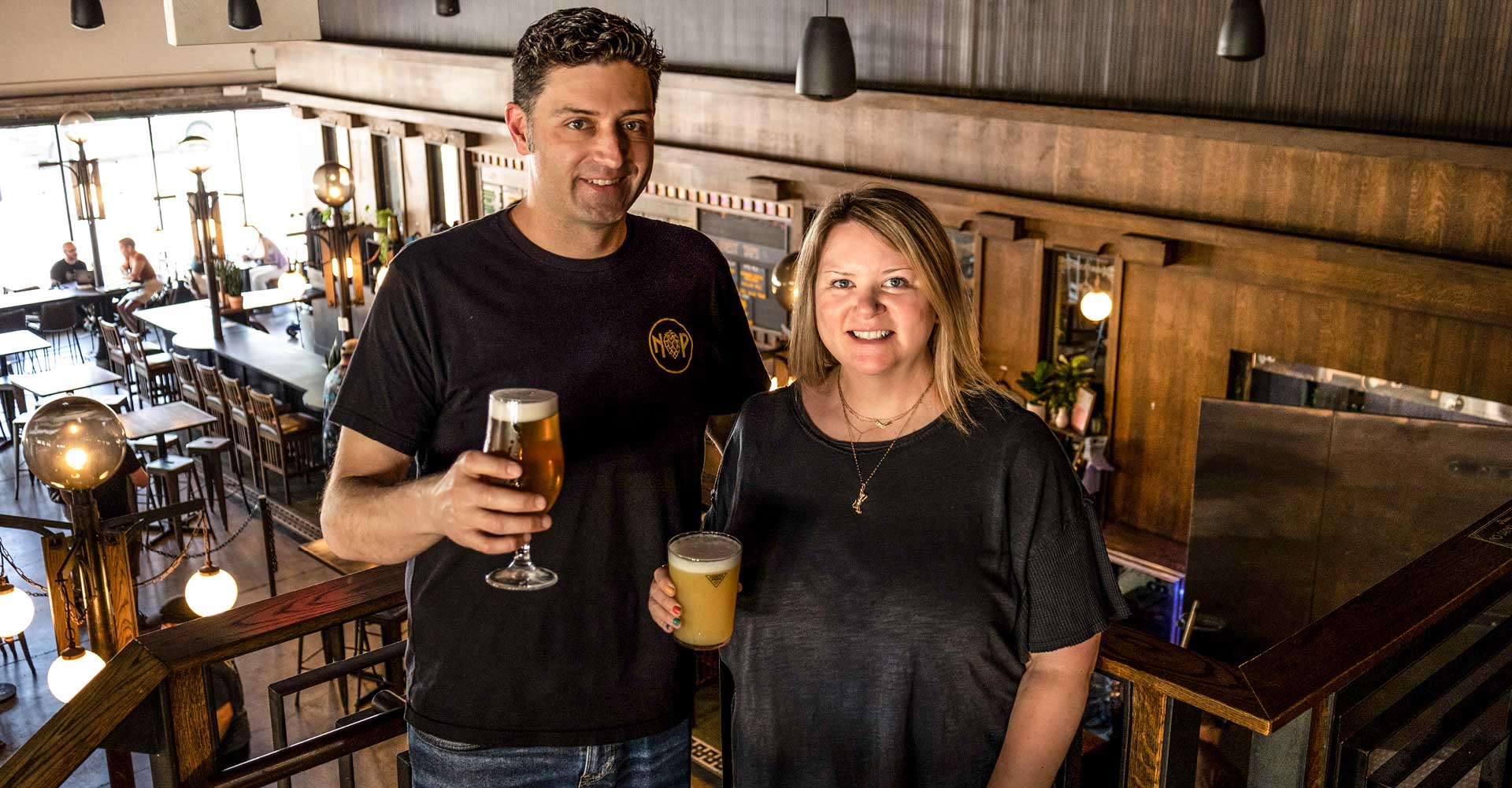
Kelsey McNair turned his West Coast IPA from one of the most-awarded homebrew recipes to a gold medal–winning commercial beer. At the helm of San Diego’s North Park Beer, he’s not done showing off his hoppy tricks.
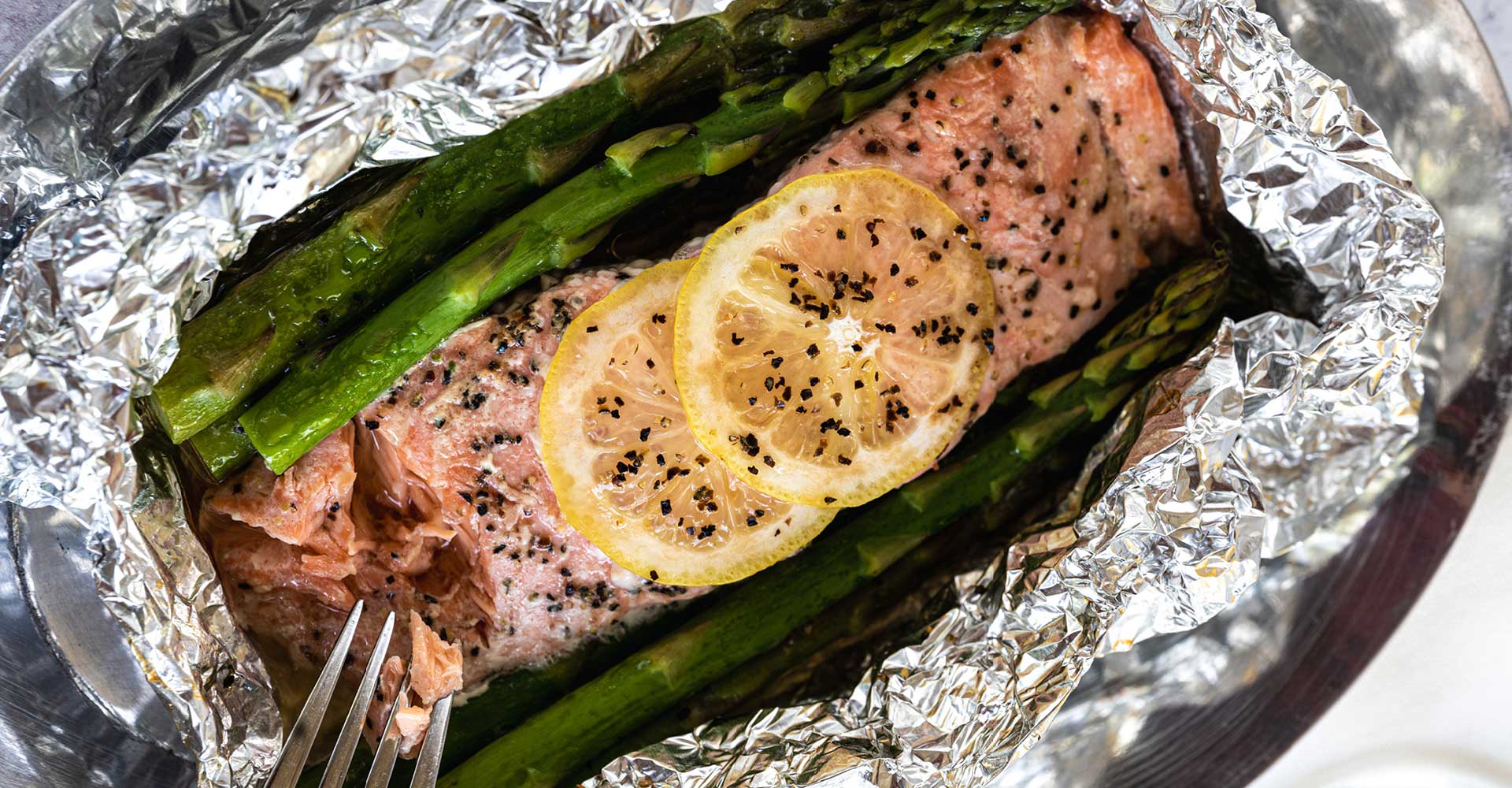
This recipe demonstrates one way that contemporary IPA—dripping with citrus and tropical-fruit notes—can add energy to dishes with their own deep character.
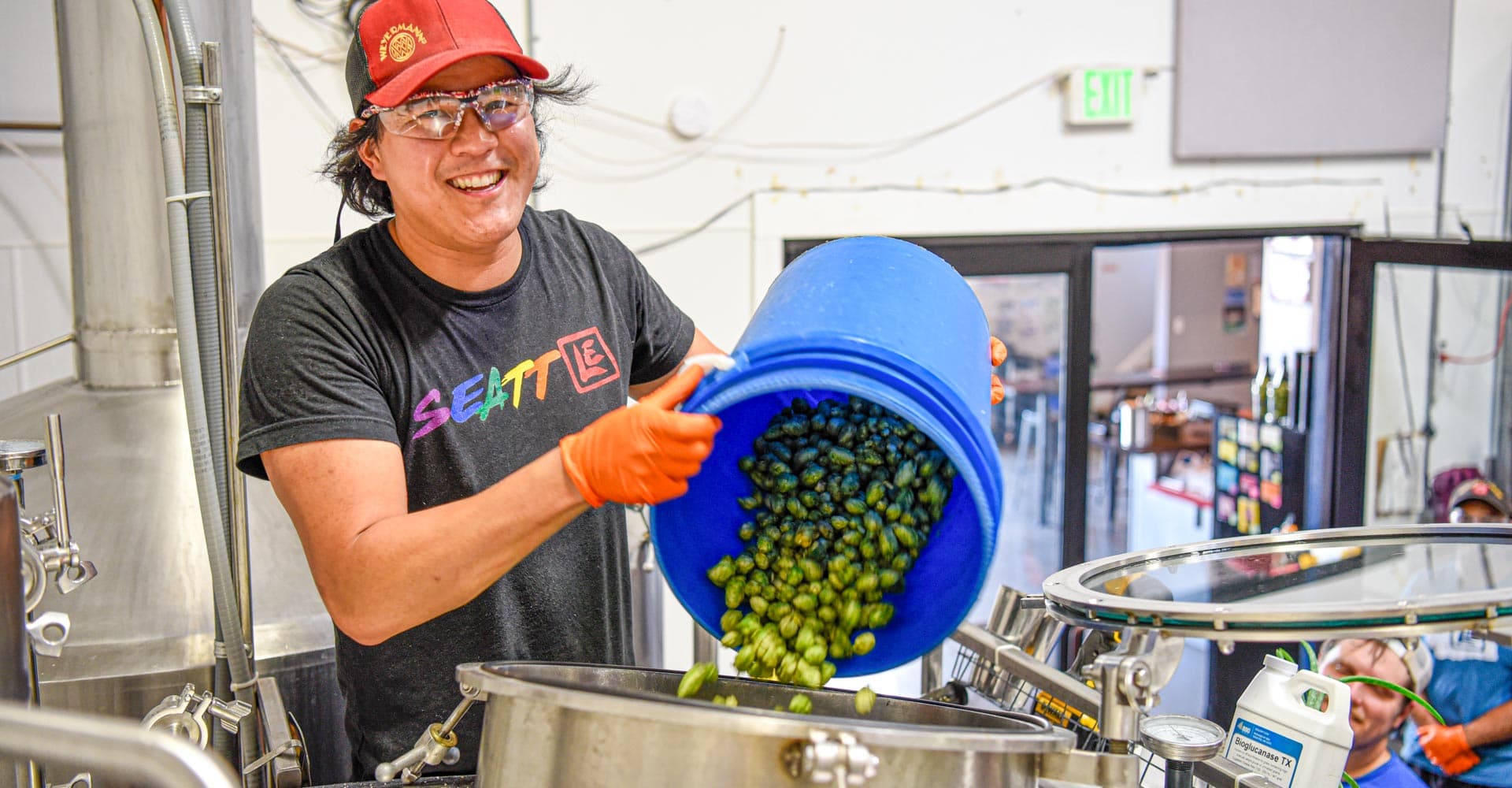
The cofounder of Lucky Envelope in Seattle discusses building confidence with helles and other traditional styles, getting comfortable with his Chinese-American heritage in the beer world, and finding new avenues of expression with traditional Chinese ingredients such as lapsang souchoung tea.
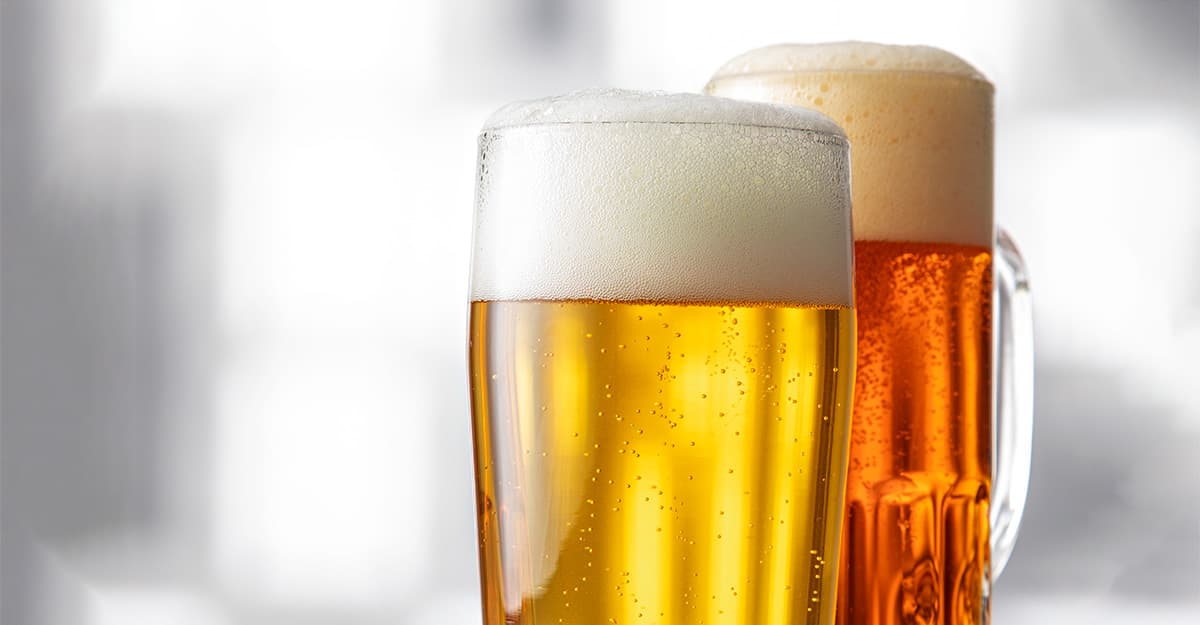
These cool customers have co-evolved with us as brewers and drinkers, traveling and prospering while producing some of the world’s most popular beers. Behind these yeast strains and their important differences, there is a unique genetic story.

To mark a decade in the industry we love, we’re offering discounts and giving away keg washers—all of it designed by brewers, for brewers.
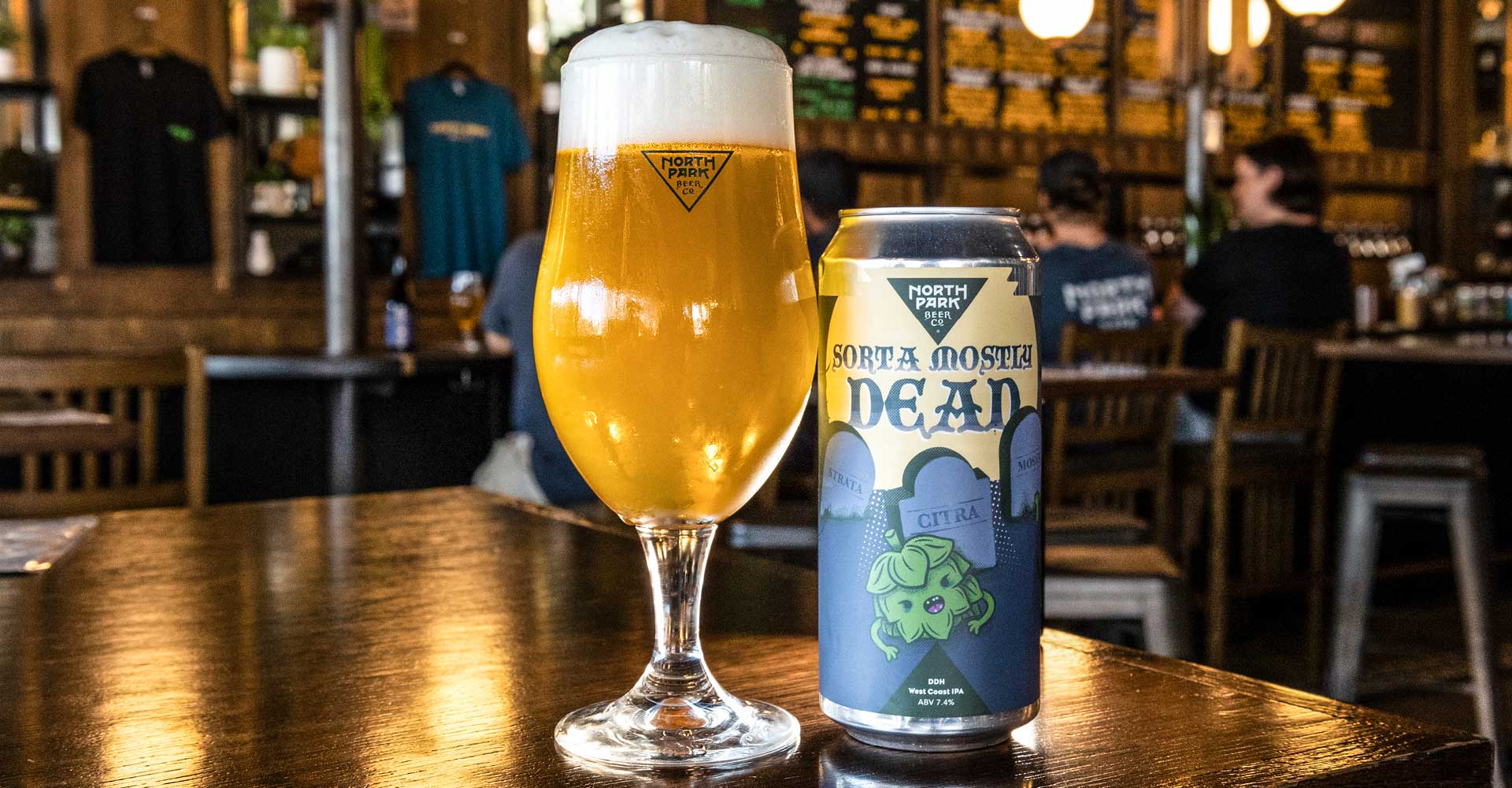
Courtesy of Kelsey McNair of North Park Beer in San Diego, here’s a homebrew-scale recipe for their new-school, double dry-hopped West Coast IPA with Citra, Mosaic, and Strata—a beer that won gold at the formidable LA IPA Fest in 2020.
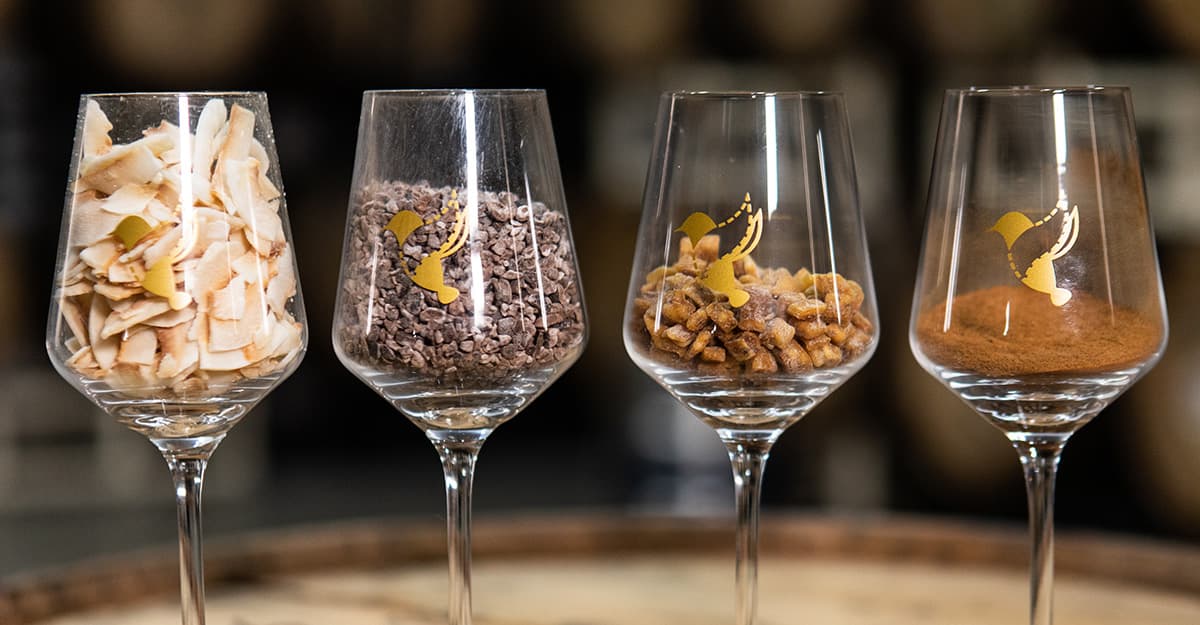
Phase Three Brewing uses a special infusion tank to steep and recirculate beer through coconut, fruit, and various other adjuncts. In this clip from his video course, cofounder and head brewer Shaun Berns explains how it works.
Matt Brynildson of Firestone Walker, one of the most respected brewmasters on the globe, answers your brewing questions about collaborations, hops, lager mashing, product development, and more.
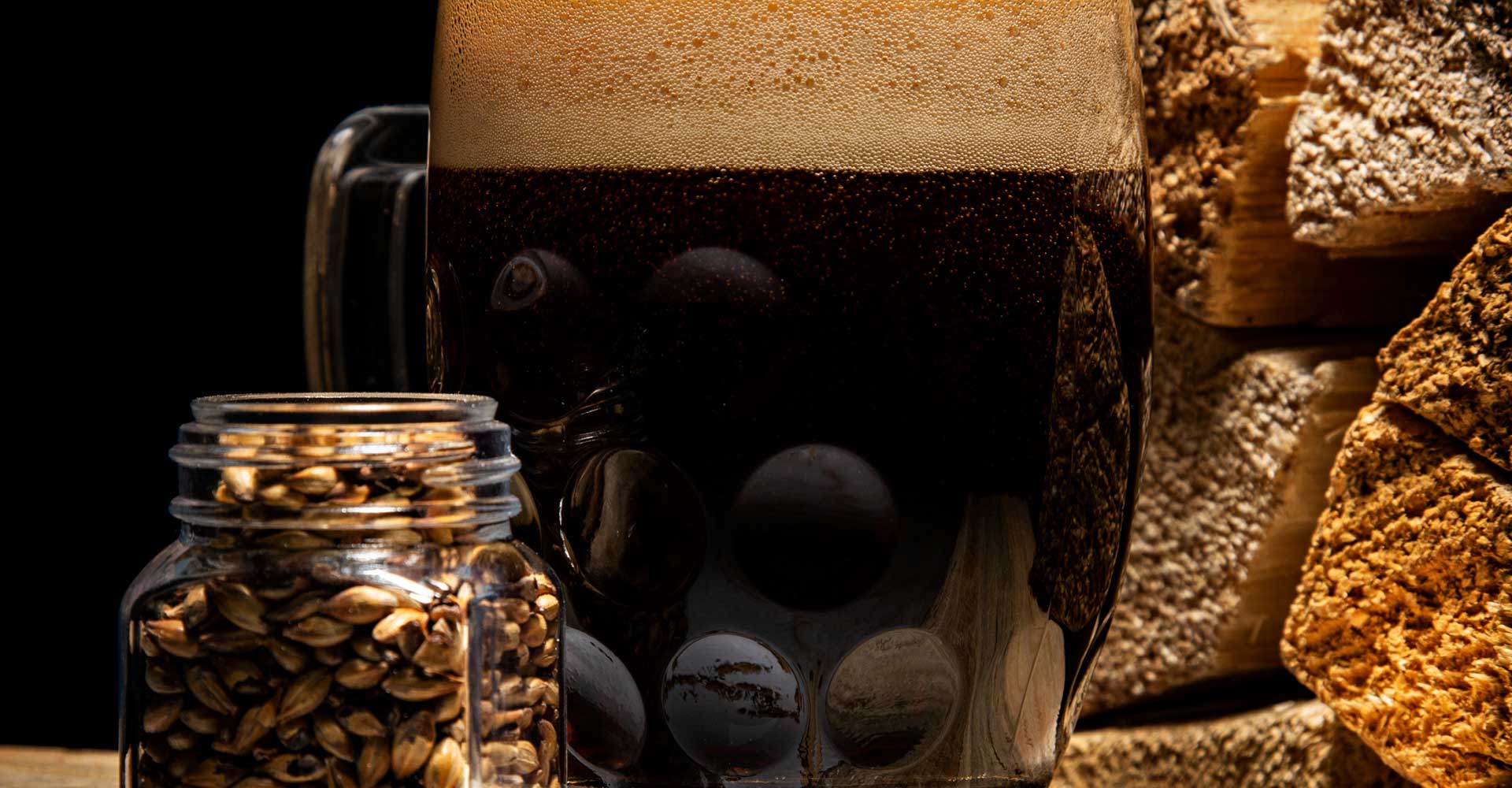
“Fermented cold and clean with our German lager yeast,” say the team at Live Oak Brewing in Austin, “this beer highlights the complexity that smoke adds to traditional dark lagers.”

Here are four recent finds that will help you to make better beer—or to better enjoy it, with snacks.
Here we take a simple grist, often a single hop, and a long fermentation process, and we turn it into a classically grainy, floral lager. You’ll be glad to have this one on tap.