The Lupulock Advantage, Crafted by Kalsec
Lupulock protects hop character to deliver consistent quality throughout a beer’s shelf life, allowing brewers to increase the efficiency, consistency, and sustainability of their hop-forward beers.
Showing 1301-1320 of 4641 articles

Lupulock protects hop character to deliver consistent quality throughout a beer’s shelf life, allowing brewers to increase the efficiency, consistency, and sustainability of their hop-forward beers.

This recipe from Drinkers for Ukraine includes grist percentages but leaves the strength up to the brewer—Jump Ship in Edinburgh, Scotland, even brewed an alcohol-free version, taking “anti-imperial” in another direction. We, on the other hand, went big.

Earthy yet sweet, beets can add color, fermentable sugar, and comfort to your next brew—an anti-imperial stout, perhaps?

Cam Lund, cofounder and brewer at Bluewood Brewing in St. Louis, outlines their multi-threaded approach to brewing, aging, and blending their big barrel-aged stouts—including a few that reach liqueur-like heights of 20 percent ABV or more.

With thanks to brewer Jenny Pfäfflin and the team at Chicago’s Dovetail, here’s a homebrew-scale recipe for the tmavé pivo that they like to call their “Pilsner in a sweater.”

His recent published study on hop terroir backs up what brewers have known anecdotally—that where a hop is grown can have significant impact in flavor and aroma. But just how much impact is possible, and what causes it?

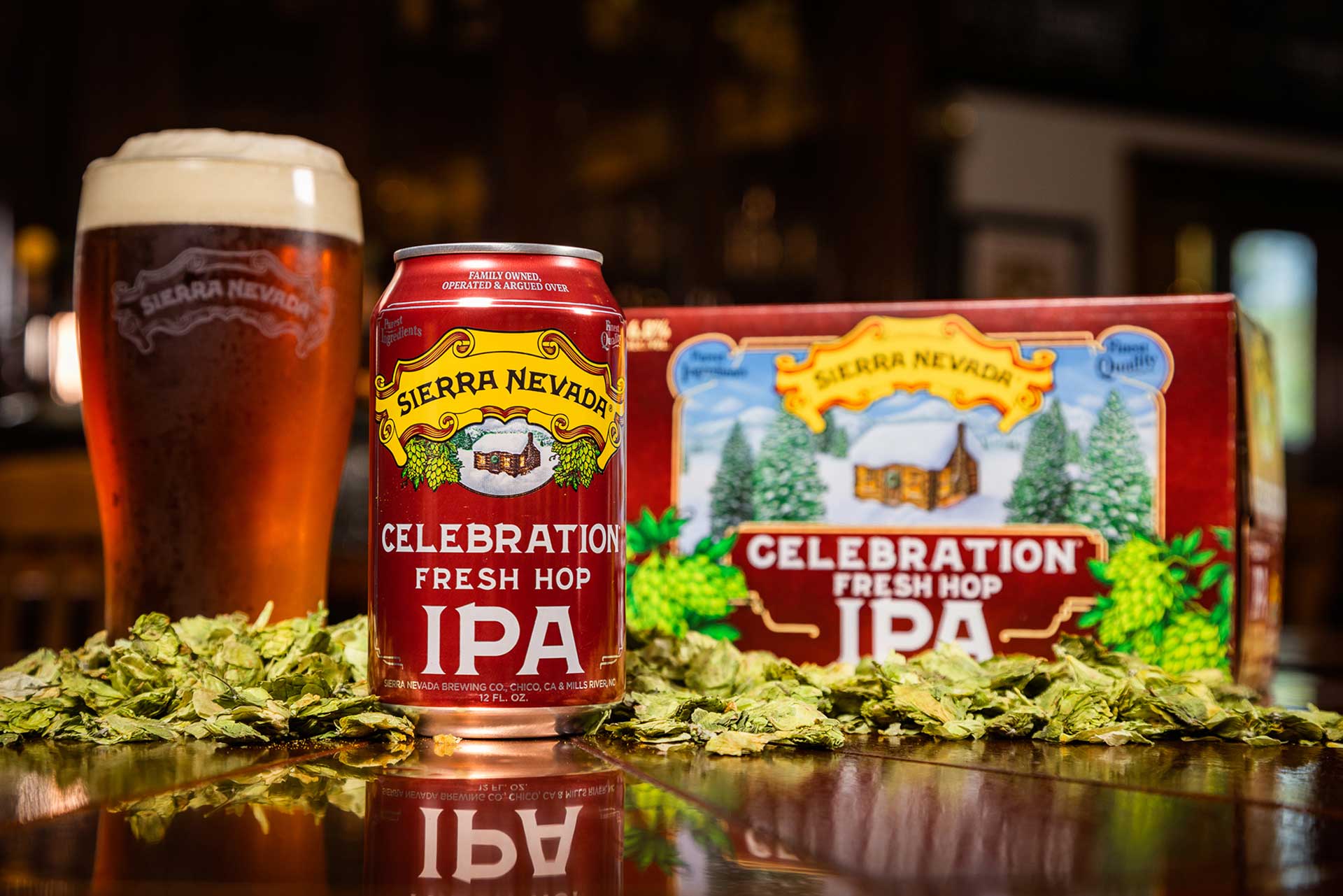
Sierra Nevada’s juicy autumn seasonal—Liquid Hoppiness—will drop before any of your leaves do.

In this clip from their video course, Dovetail cofounder Hagen Dost explains how they keep sulfur dioxide (SO2) under control, and how they use attenuation to determine when to do a diacetyl rest and when to transfer to lagering tanks.

Gather ‘round: Sam Tierney of the Firestone Walker Propagator, Bob Kunz of Highland Park, and Nick Pavlina of Humble Sea discuss the technical and conceptual underpinnings of dry-hopped pilsner, West Coast–style.

These former homebrewers brought their talents from Venezuela to Miami, sharing a family-like conviviality while steadily dialing in their vibrant fruit beers and refreshing lagers.

Mt. Nelson, says Cellarmaker cofounder and head brewer Tim Sciascia, is “one of our most popular pale ales and a perfect representation of the hazy West Coast style. We love showcasing Nelson Sauvin in this aromatic, off-dry, and crushable 5.7 percent ABV package.”

Anchor’s storied past and pivotal role in American beer inform every brewing decision the company makes today, and while some things change, the brewing leadership at Anchor is committed to steam beer in theory and in practice.

From Kölsch to cold IPA, American brewers, scientists, and aficionados are viewing the old ale-lager dichotomy as increasingly misleading—and what matters, in the end, is what we taste in the glass.

“What’s important is that the beer is not overly sweet,” says Štěpán Kříž at Pivovar Hostomice in Czechia. “That’s the most important thing that we’re trying to do. The fullness of the dark malts has to be balanced with hops.”

Beautiful in the mug, rich on the palate, yet—when properly brewed—so easy to drink in quantity, Czech dark lager is a niche even in its home country. Writing from Prague, Evan Rail talks to the pros to understand the elements and methods that go into a great one.

¡Viva la cerveza checa! A splash of Czech-style dark lager adds malty Maillard depth to the mashed black beans in this flavorful tostada preparation.

John Harris has seen it all in his 36-year brewing career—huge process improvements, giant shifts in ingredient quality and range, and a parade of trends that continues today—but the through line in his long career is figuring out how to connect consumers to flavorful beer.

From remote Setesdal, Norway, this recipe comes from a special series of beers dedicated to honoring different kveik cultures and the farms and traditions from whence they come.

From remote Setesdal, Norway, Torkjel Austad launched his Bygland Bryggeri so that more drinkers could experience those hard-to-find traditional farmhouse ales. Here, he explains how it happened—and shares practical tips for brewing your own.

Why bother with decoction? In this clip, Hagen Dost of Dovetail in Chicago explains the mash process for their Franconian-inspired Lager—as well as how to adjust a decoction regime to get the Maillard reactions and intensity of malt flavor you want in your own lagers.