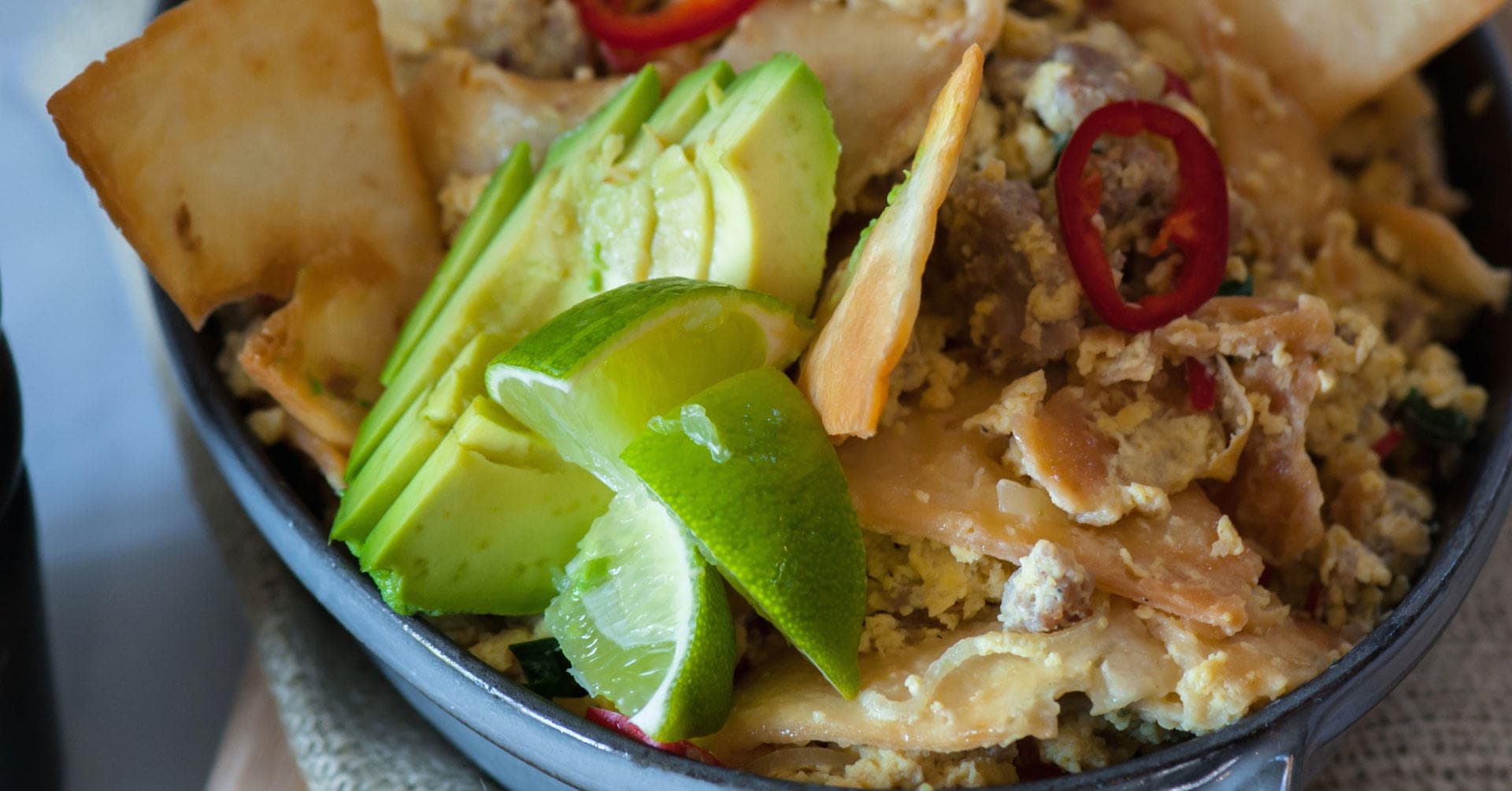
Texas Beer Migas Recipe
This delightfully flavorful scrambled egg dish is made fabulous with the addition of amber ale.

Showing 4181-4200 of 4723 articles
This delightfully flavorful scrambled egg dish is made fabulous with the addition of amber ale.
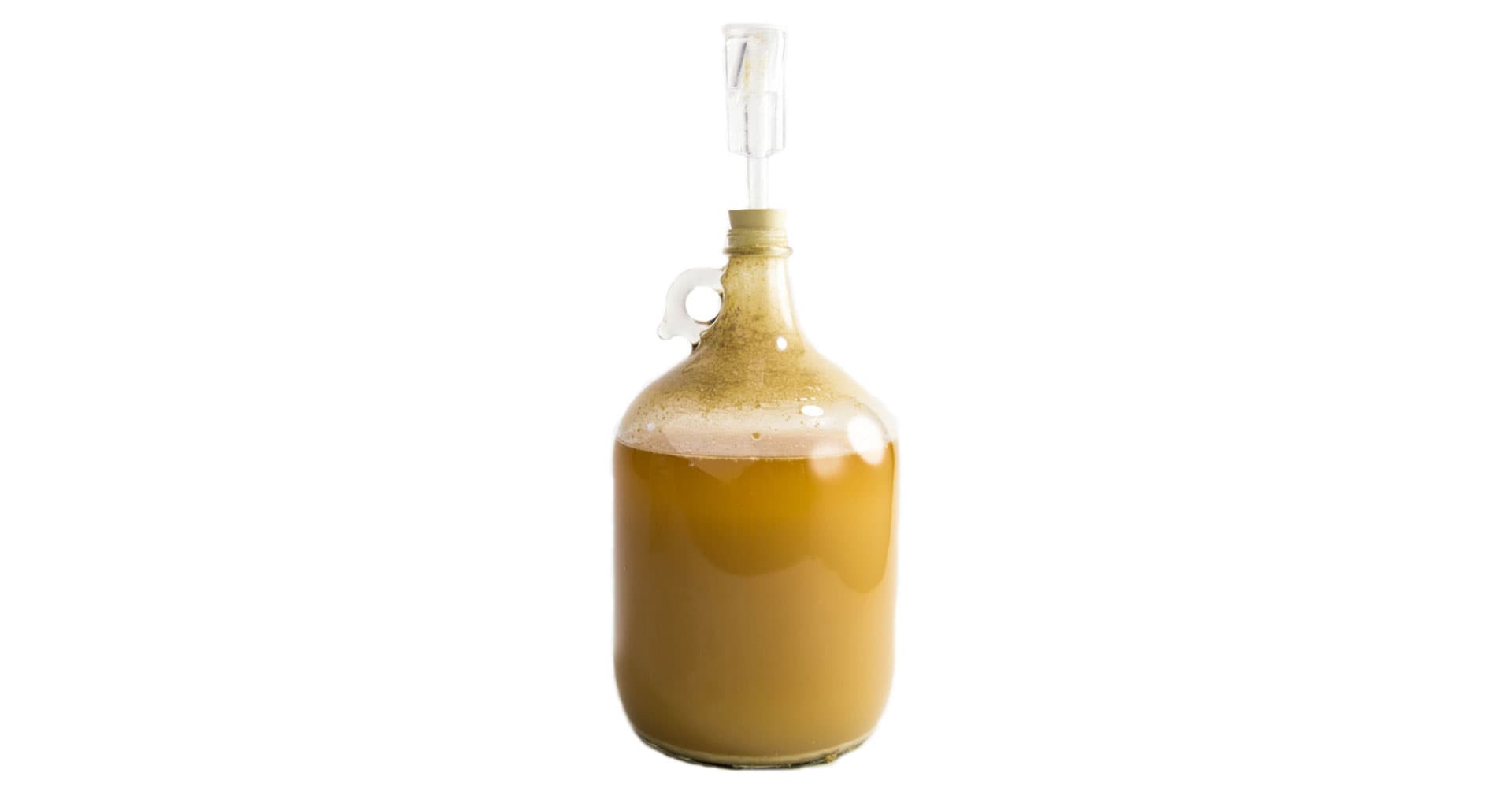
If there’s a would-be homebrewer on your shopping list this holiday season, you may be considering a homebrew starter kit. Here’s some help sorting through the options.
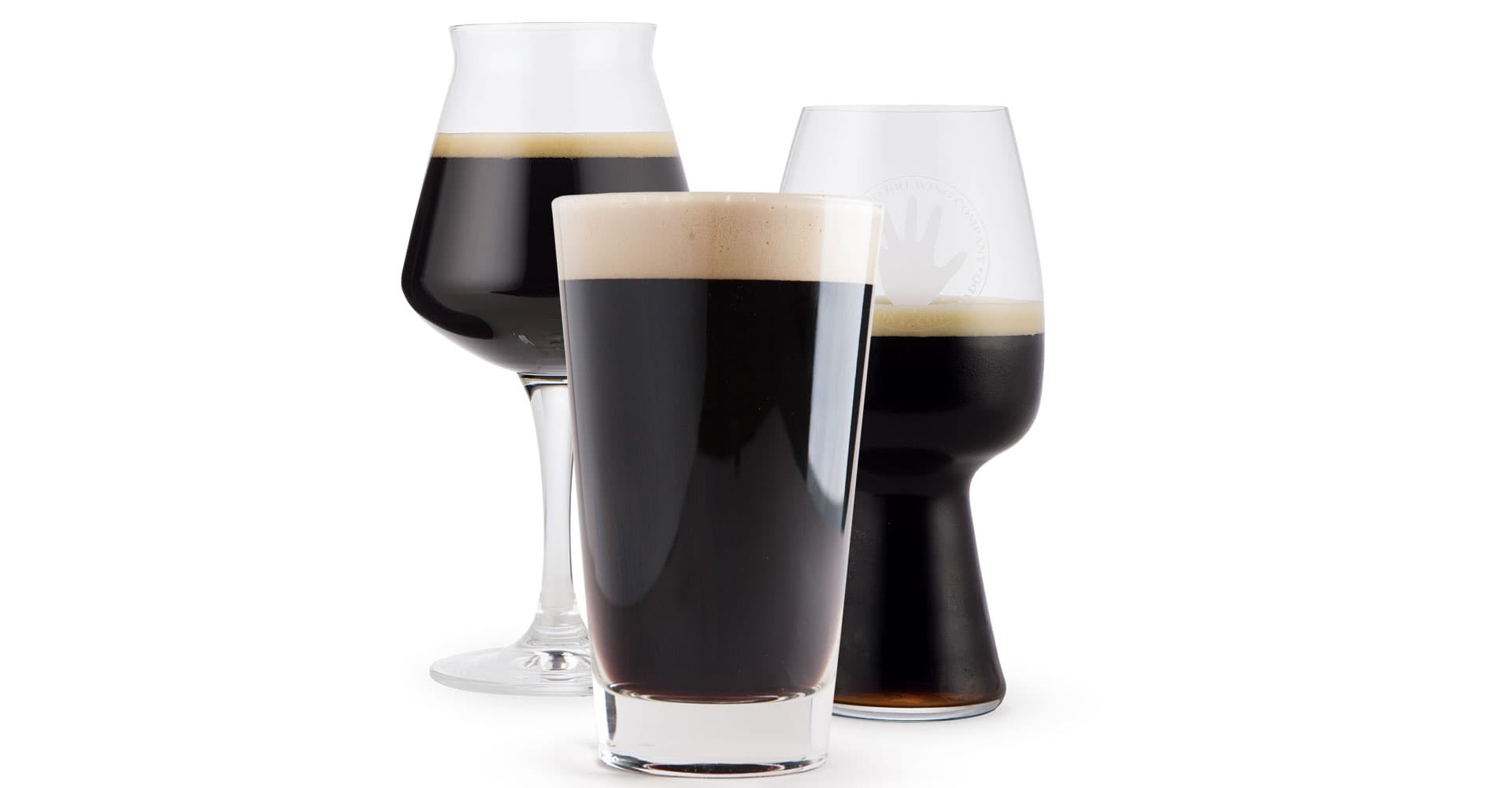
Geek out at holiday gatherings this year with one of these warming winter stouts.
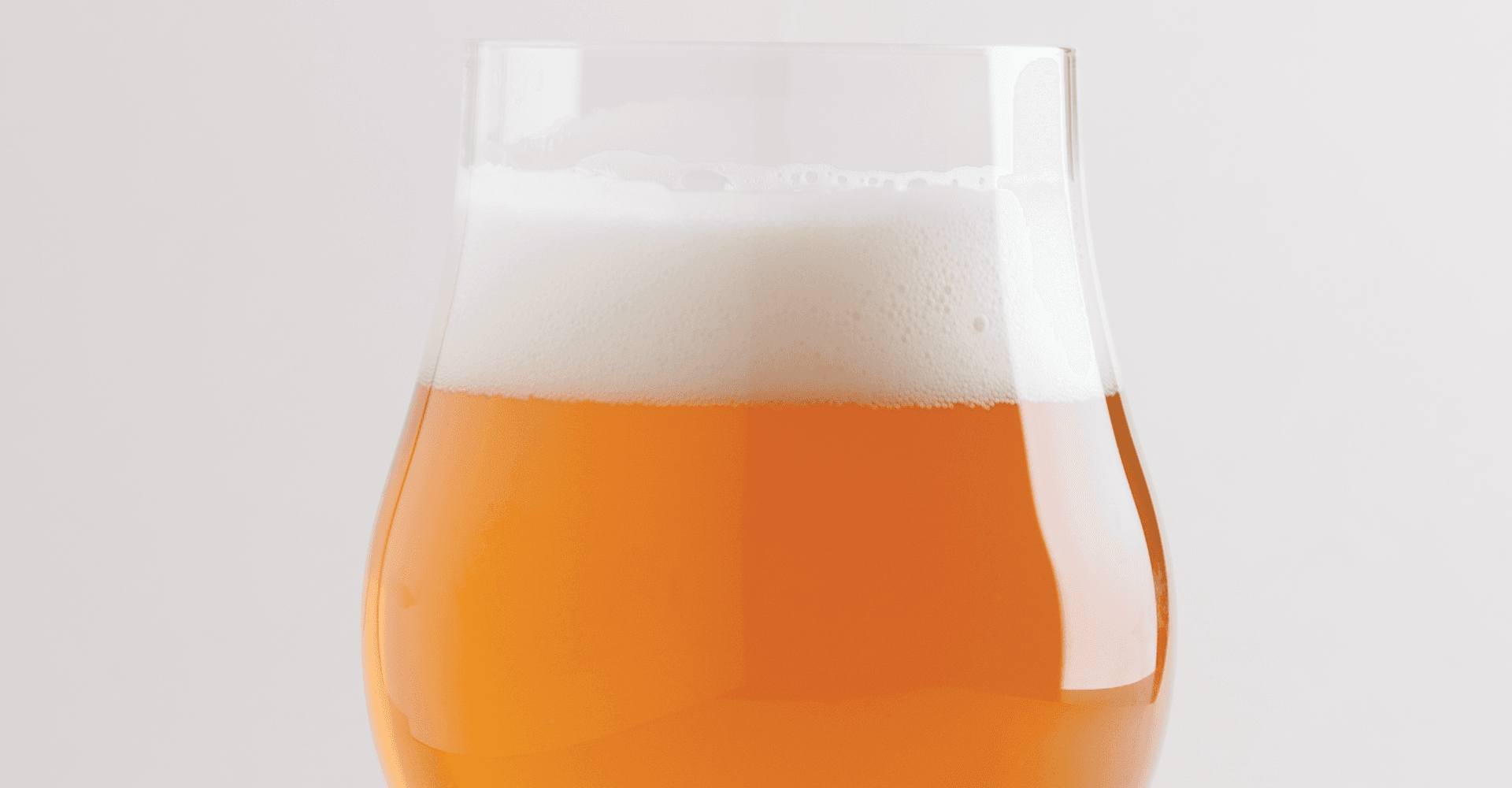
Perennial Artisan Ales’s take on this golden pale ale is a light, clean, and decidedly herbal homage to the hops.
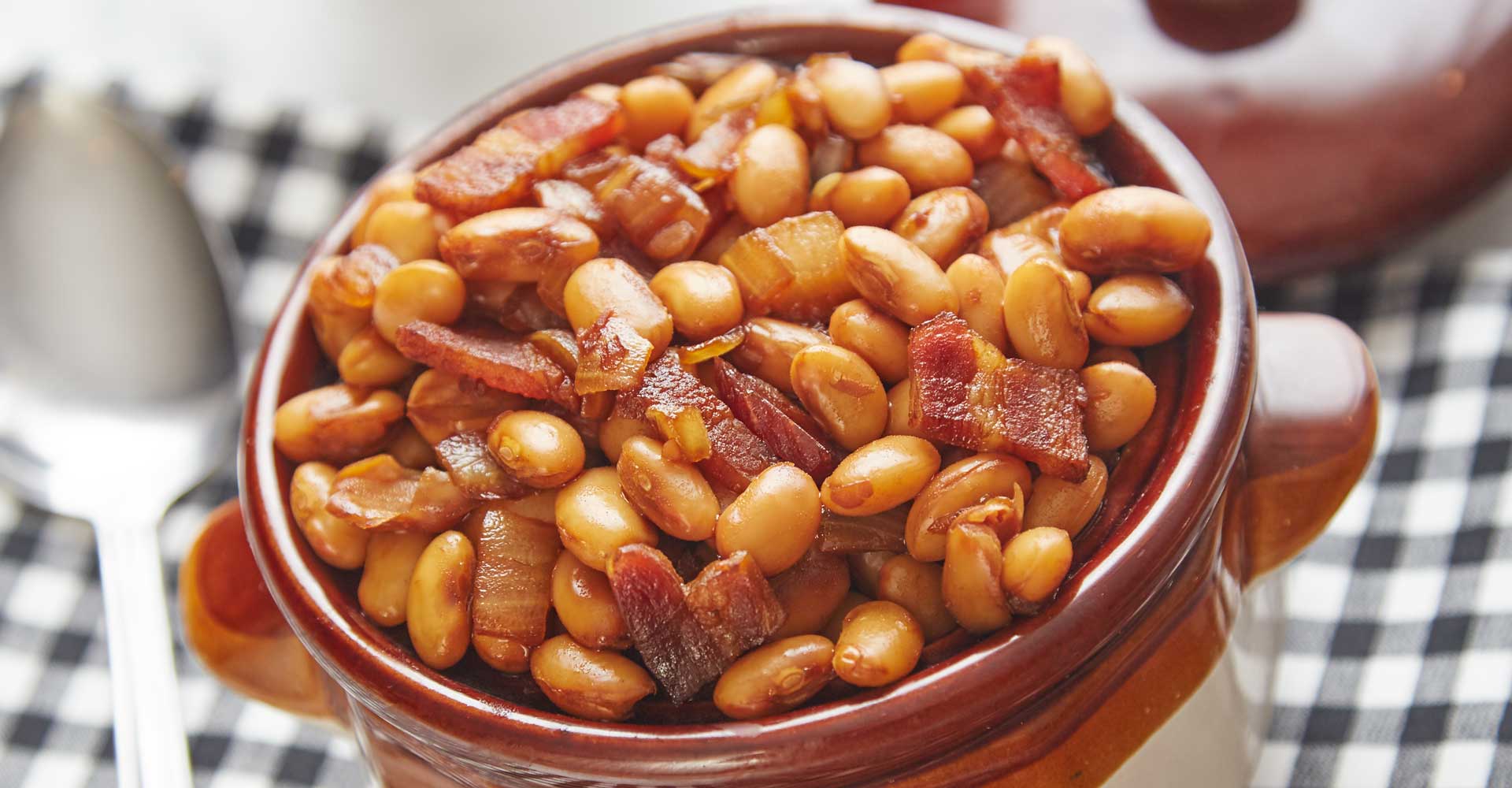
Flavored with stout, maple syrup, and molasses, this hearty side dish is simple to prepare, but you need to take the time to do it right.
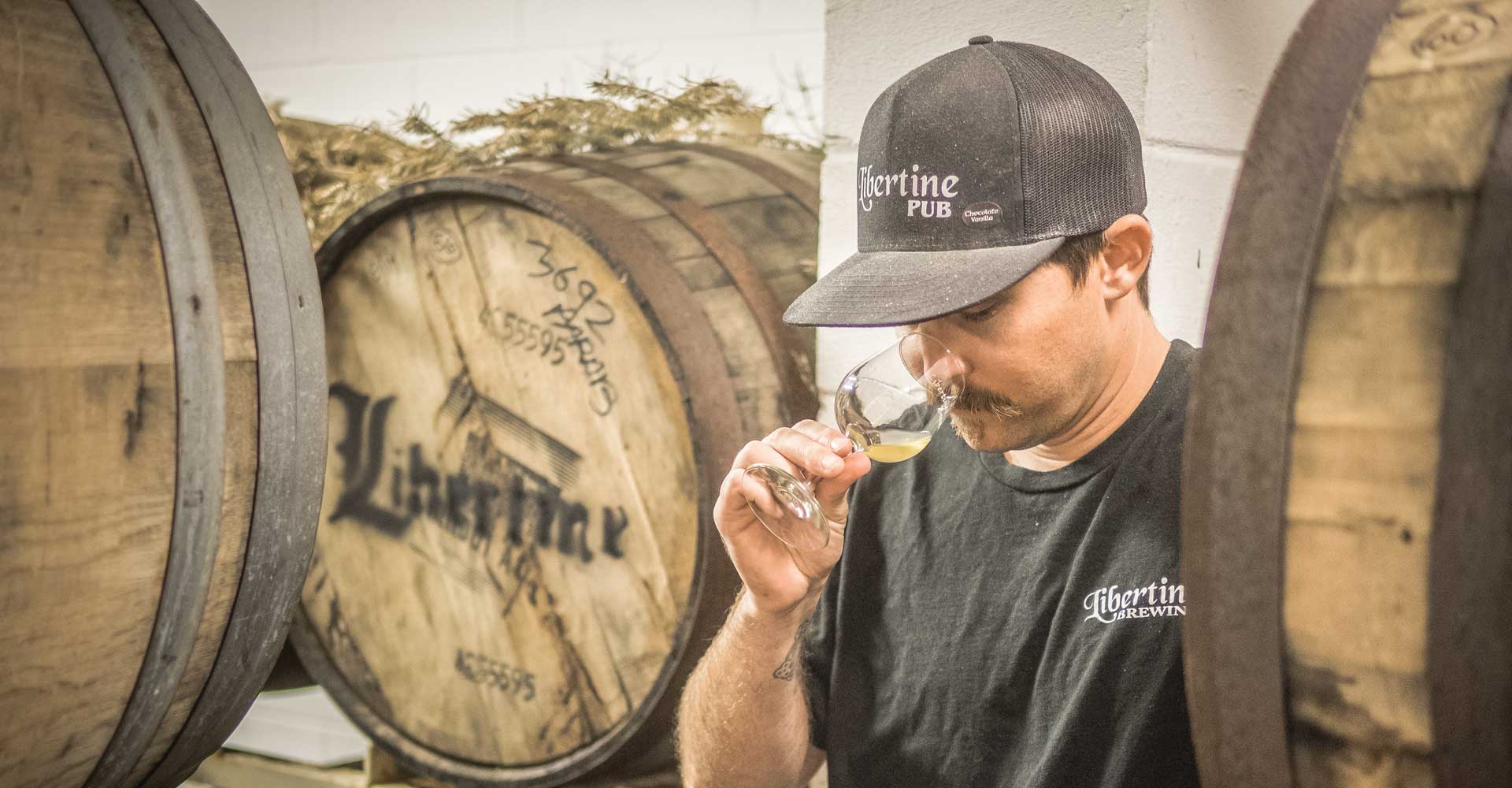
By letting the natural environment do its thing with his beers, Tyler Clark at The Libertine Pub has found a way to inexorably connect his wild ales with their source.
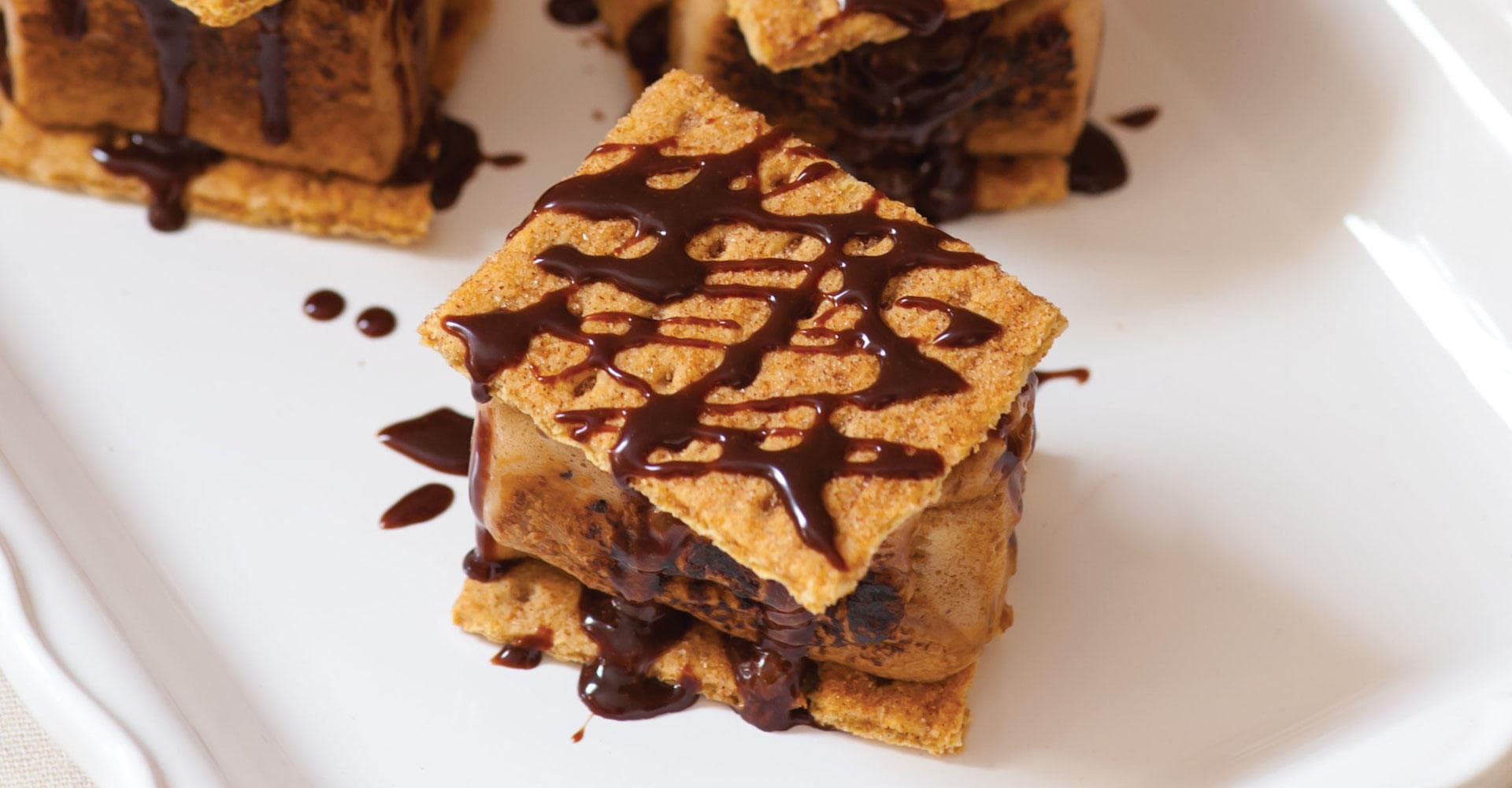
Upgrade this campfire favorite with your favorite porter.
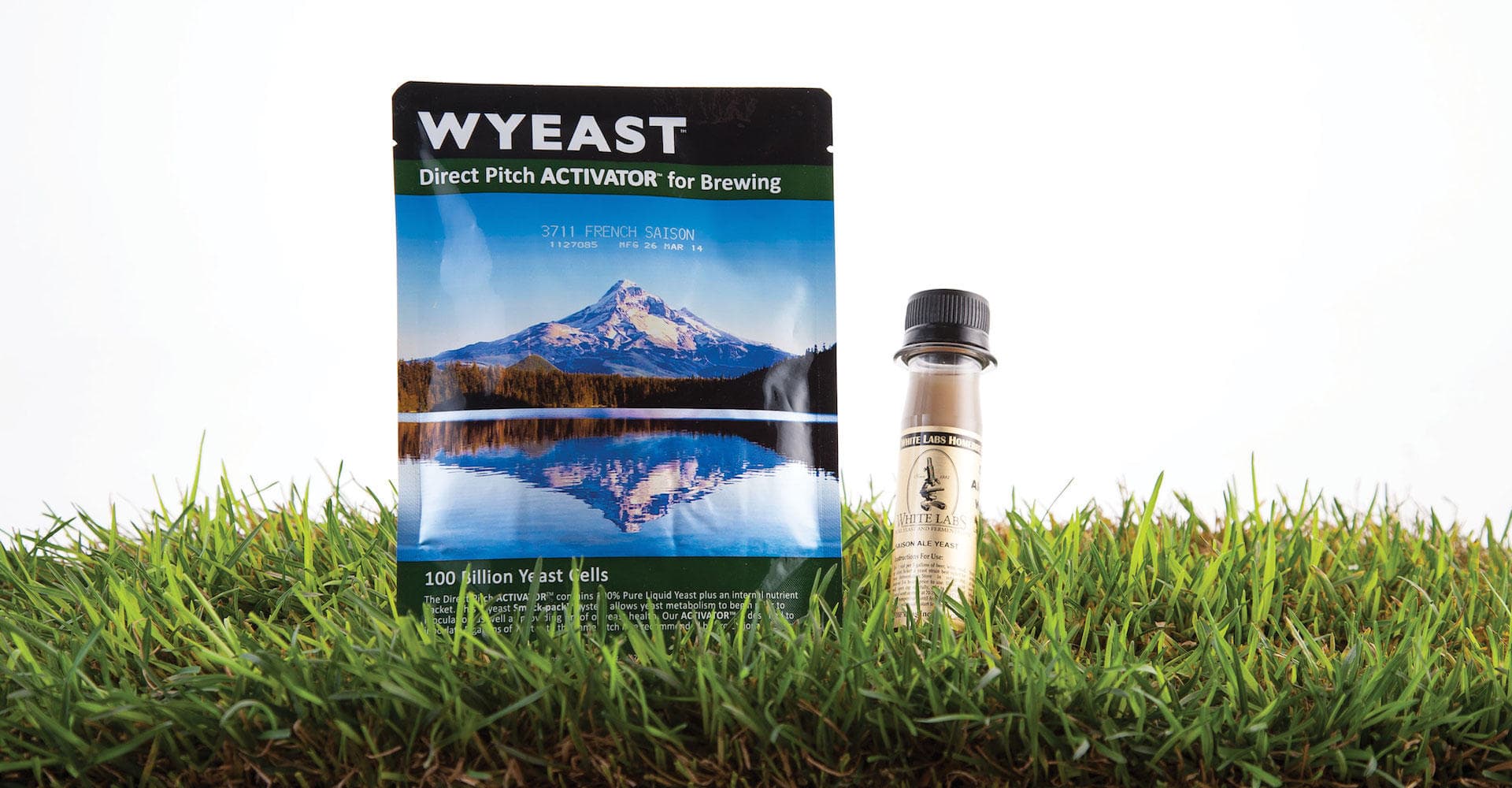
Ignore yeast at your beer’s peril because if you don’t know yeast, you don’t know beer.

These gift ideas are sure to impress the beeriest and the geekiest of beer lovers.
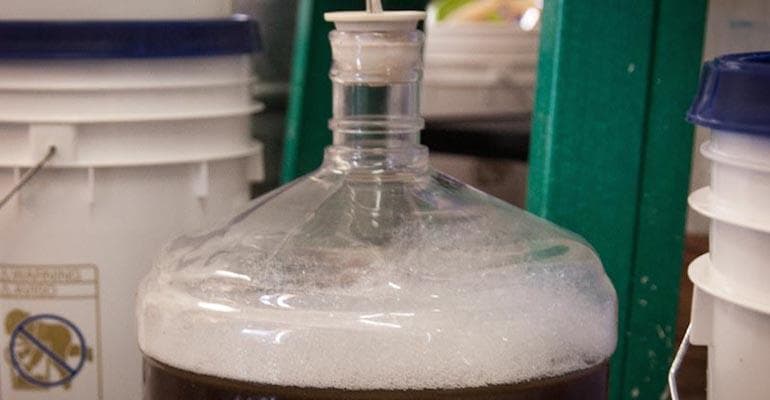
Many homebrewers form very strong opinions regarding the secondary fermentor.

With 300 days of sunshine per year, one of the largest concentrations of craft breweries in the United States, and the granddaddy of craft-beer festivals, Denver, Colorado, has a long history as a beer travel destination.
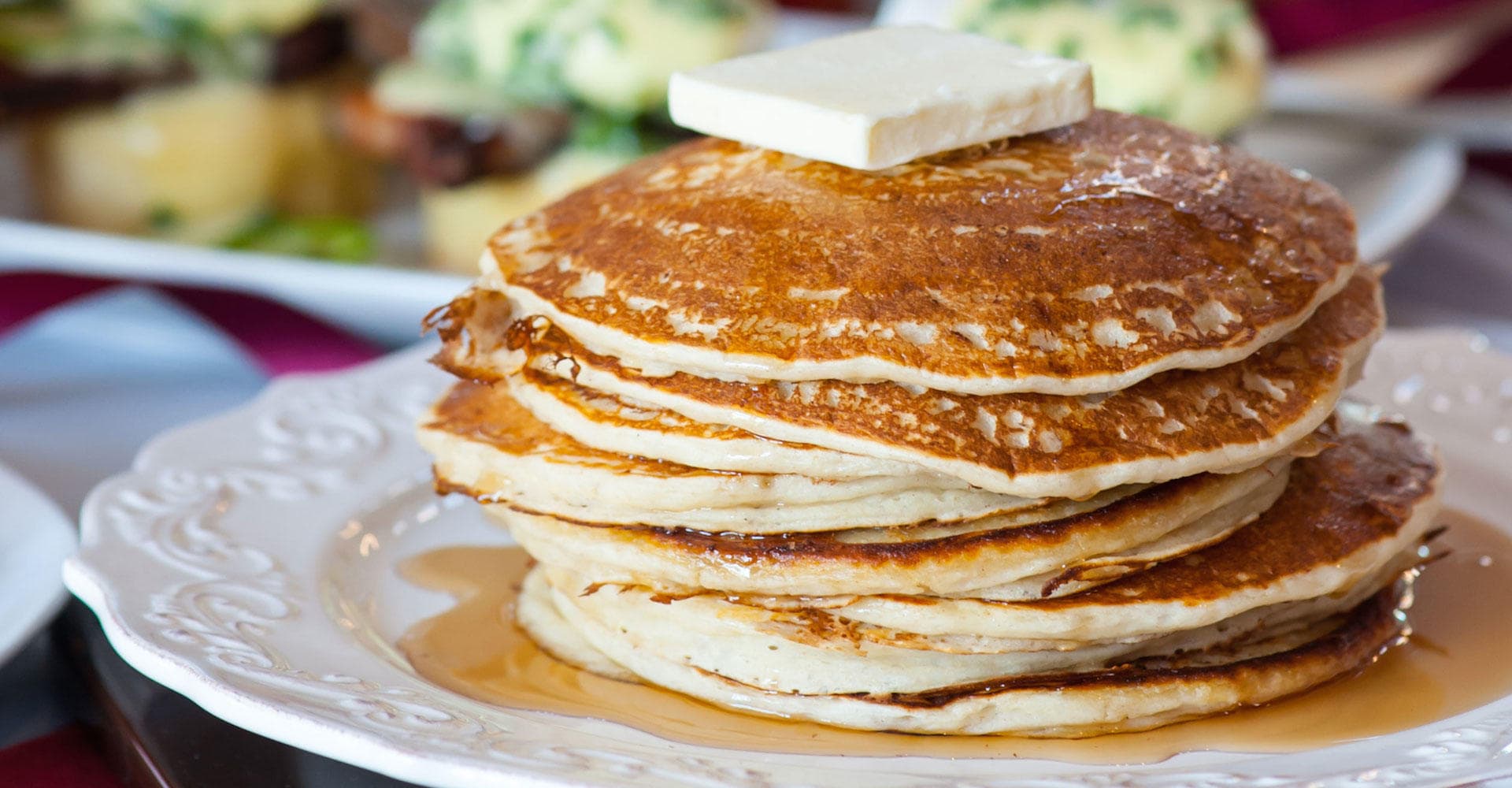
Beer makes these pancakes fluffier and hops add a nice bitter counterpoint to the syrup and sugar you’ll pile on them.
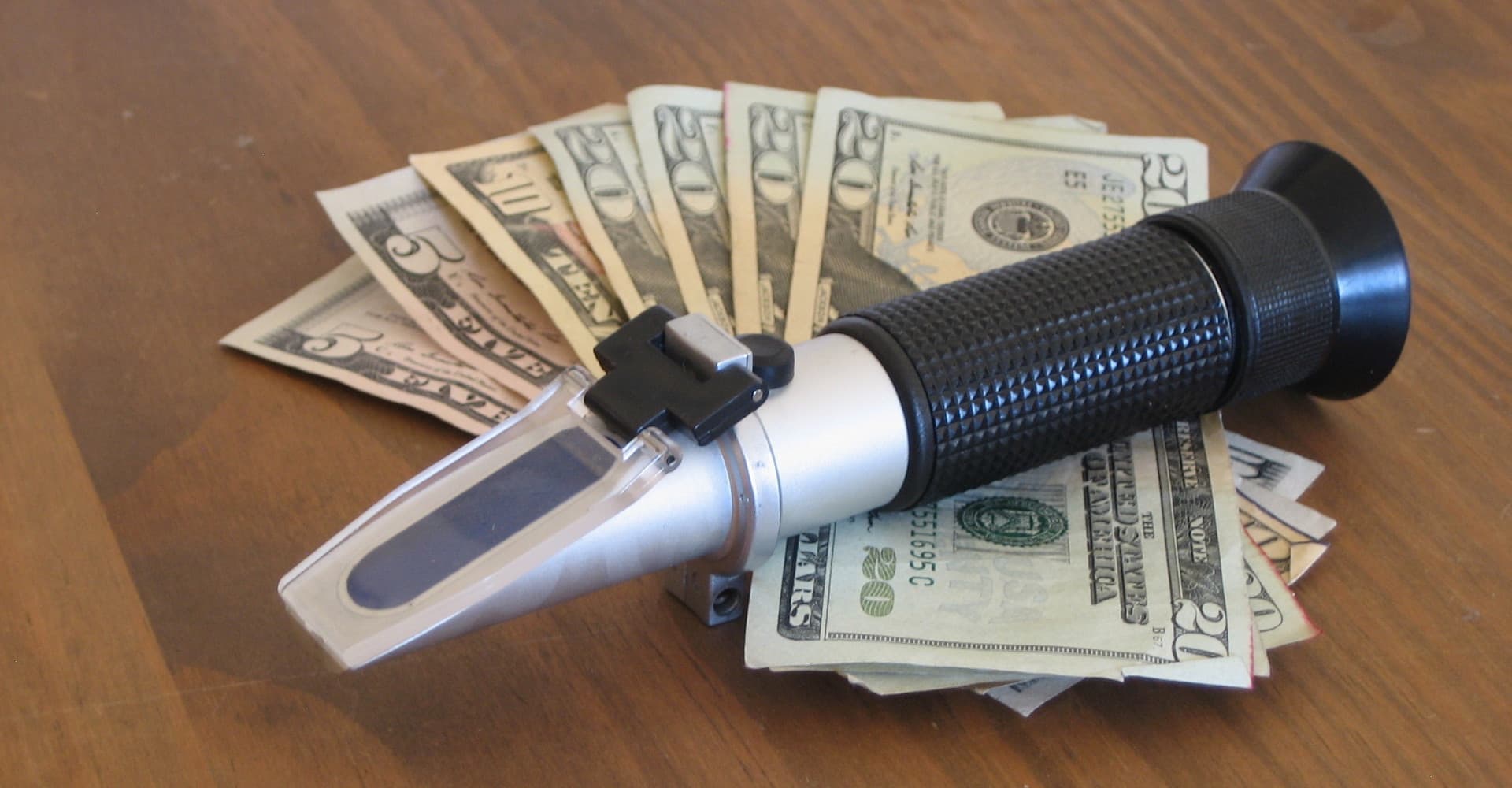
Here are five ideas that are sure to please the homebrewers on your holiday list.
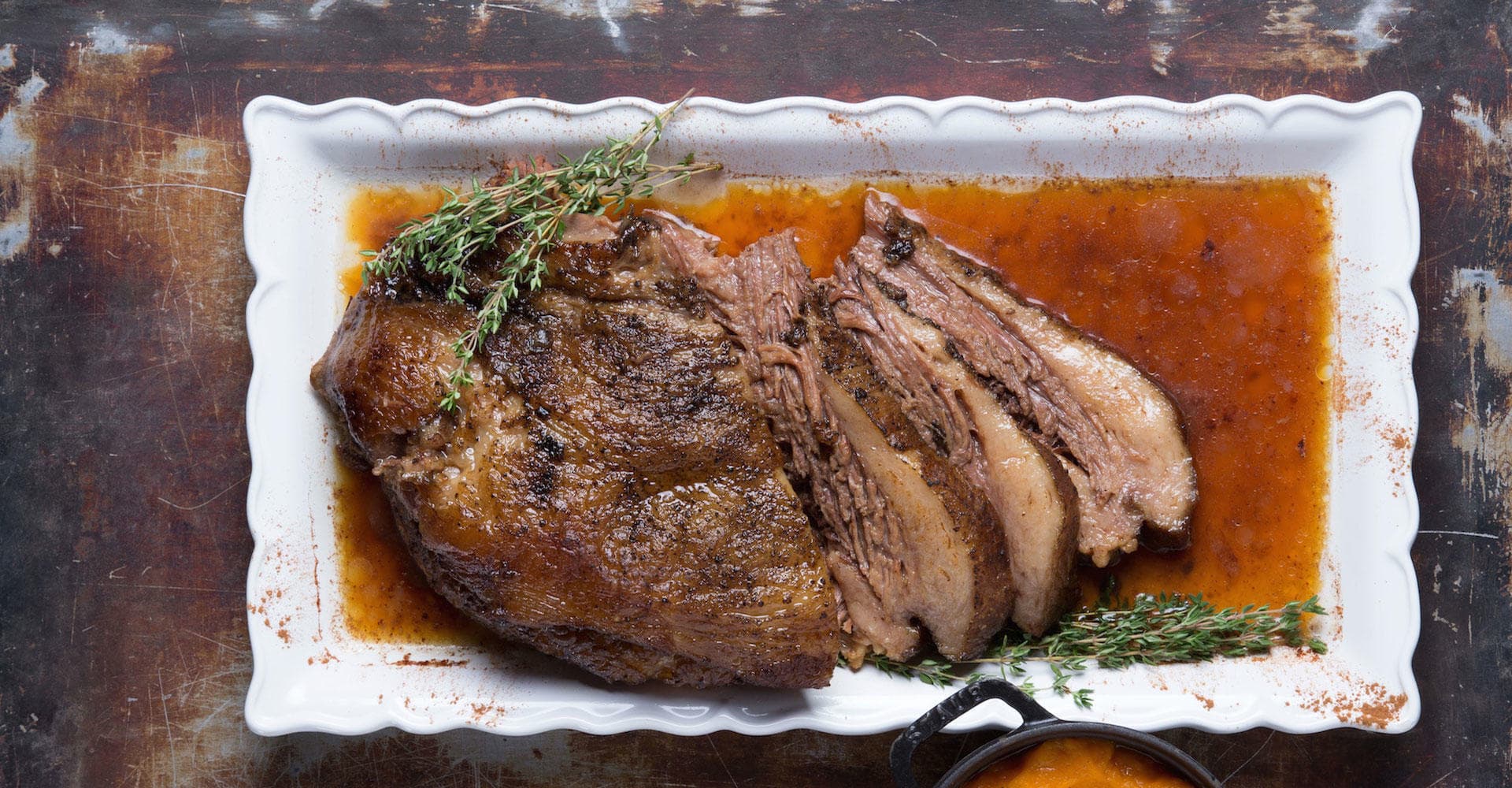
Grab a craft beer and settle in for some slow cooking.
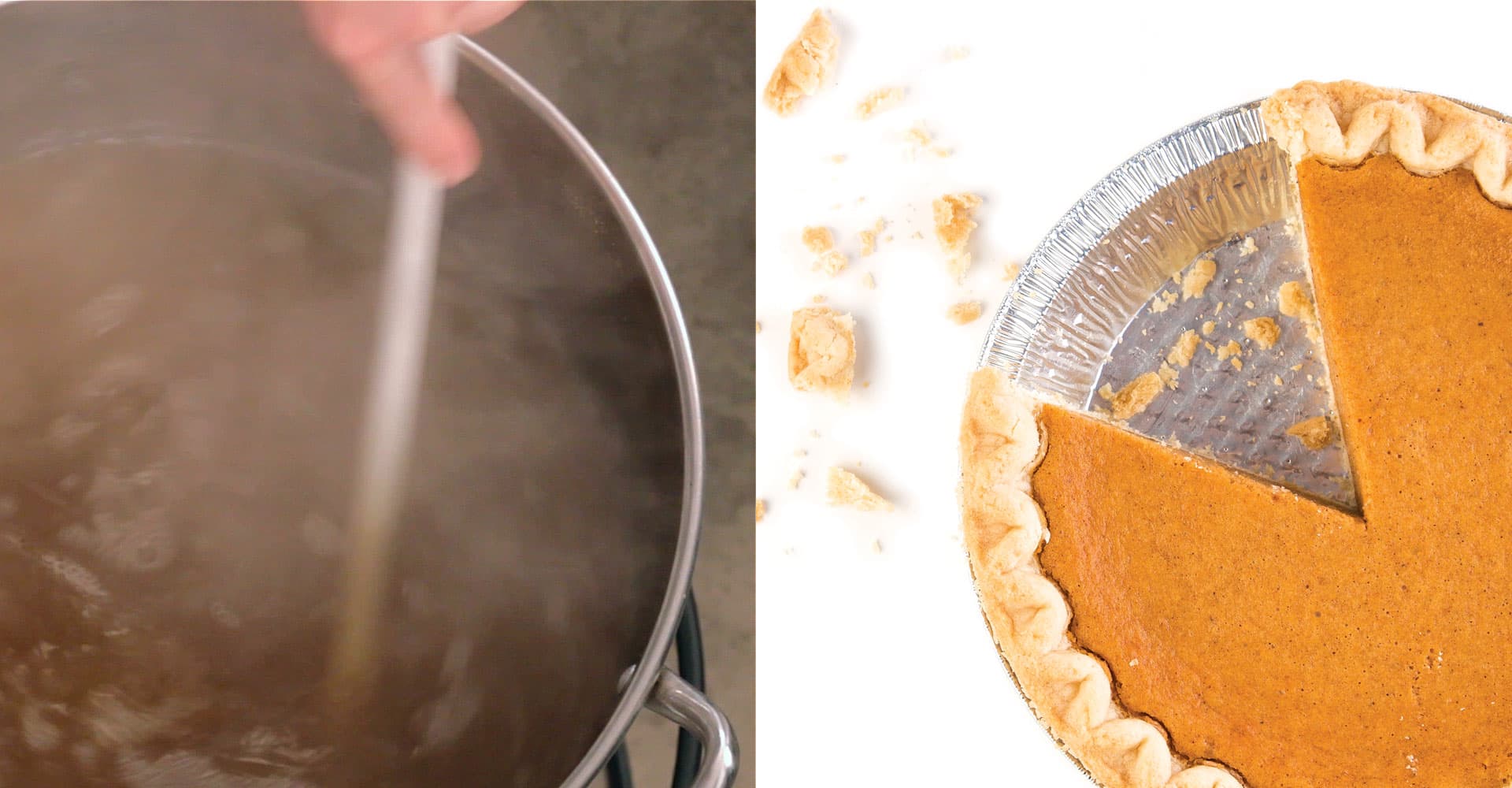
If you have more leftovers than any reasonable person would attempt to eat, here are a few ideas for brewing with some of them.
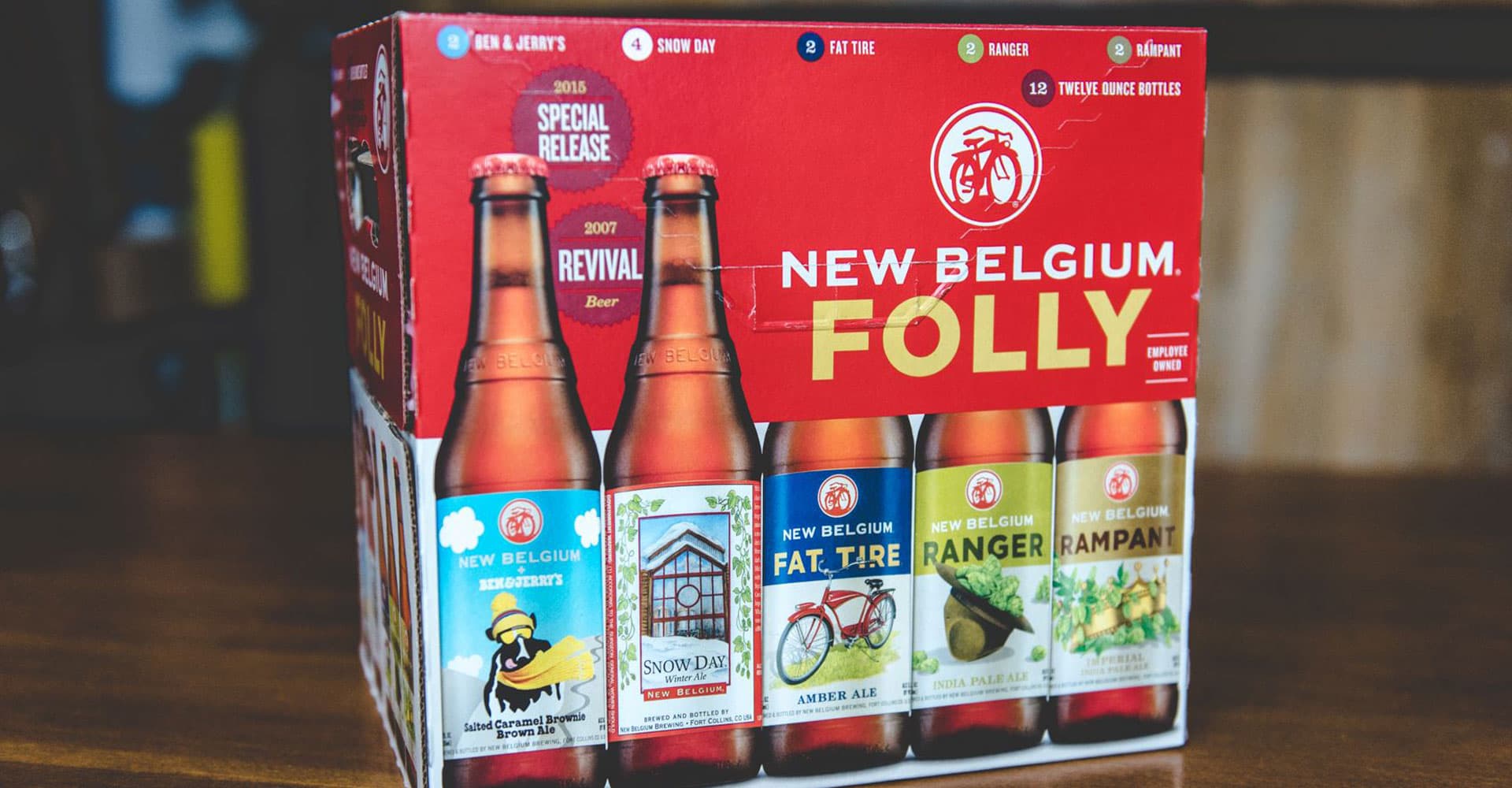
These festive variety packs are perfect for holiday parties or simply stocking the fridge this season.
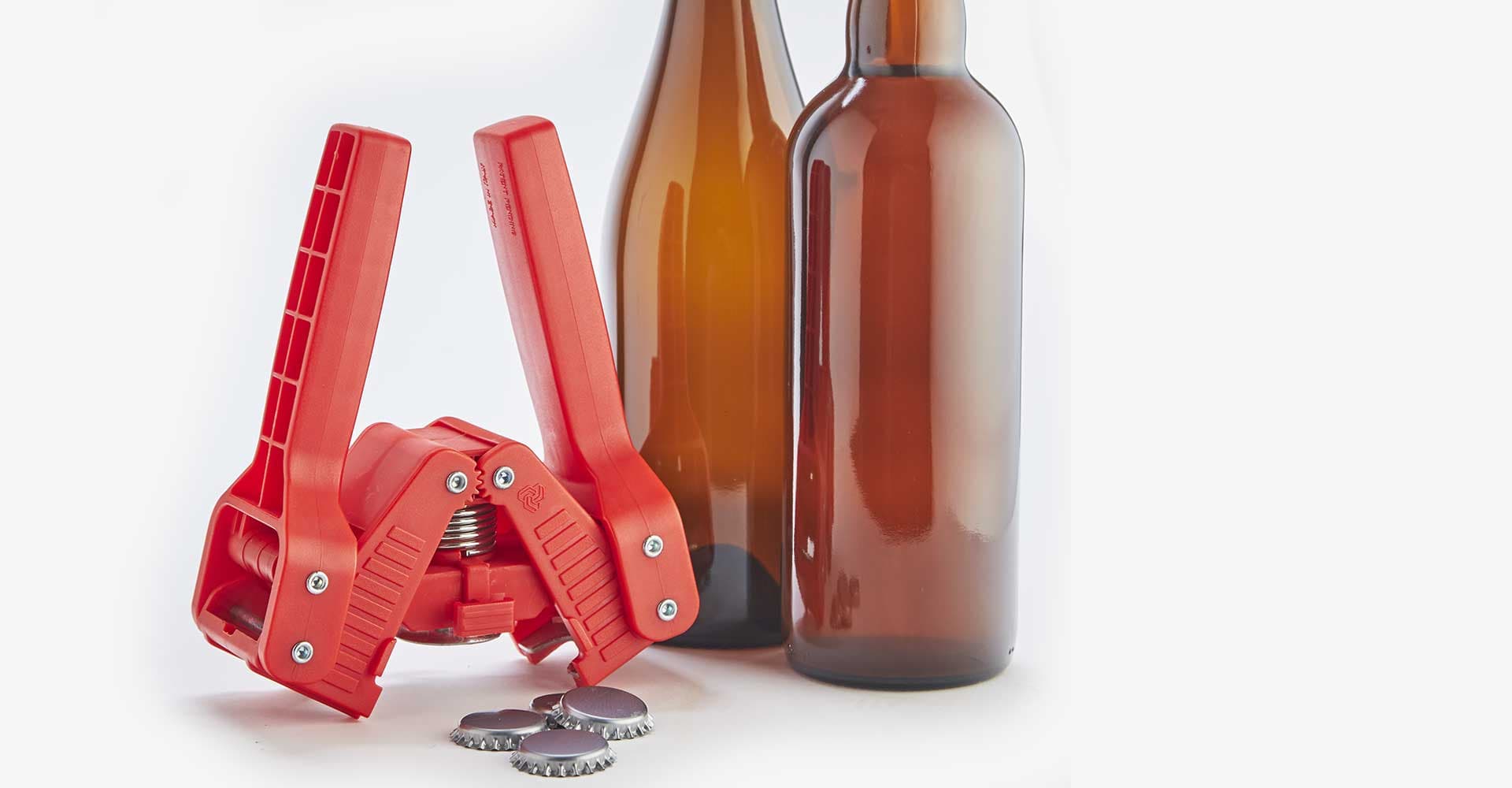
Here are 3 ways to improve the quality and presentation of your bottled beer.
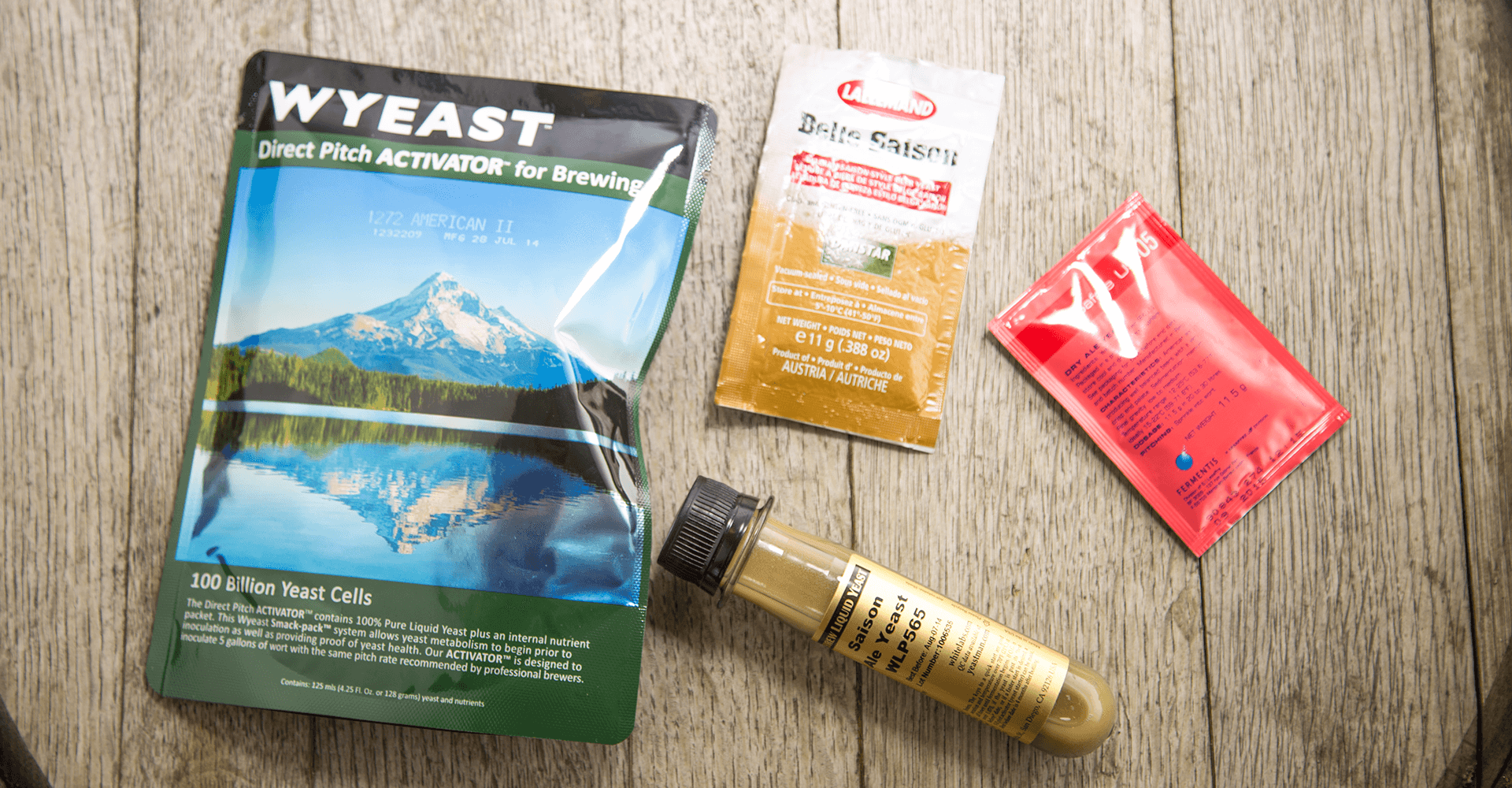
Here are 5 things to consider when you’re deciding on a yeast.
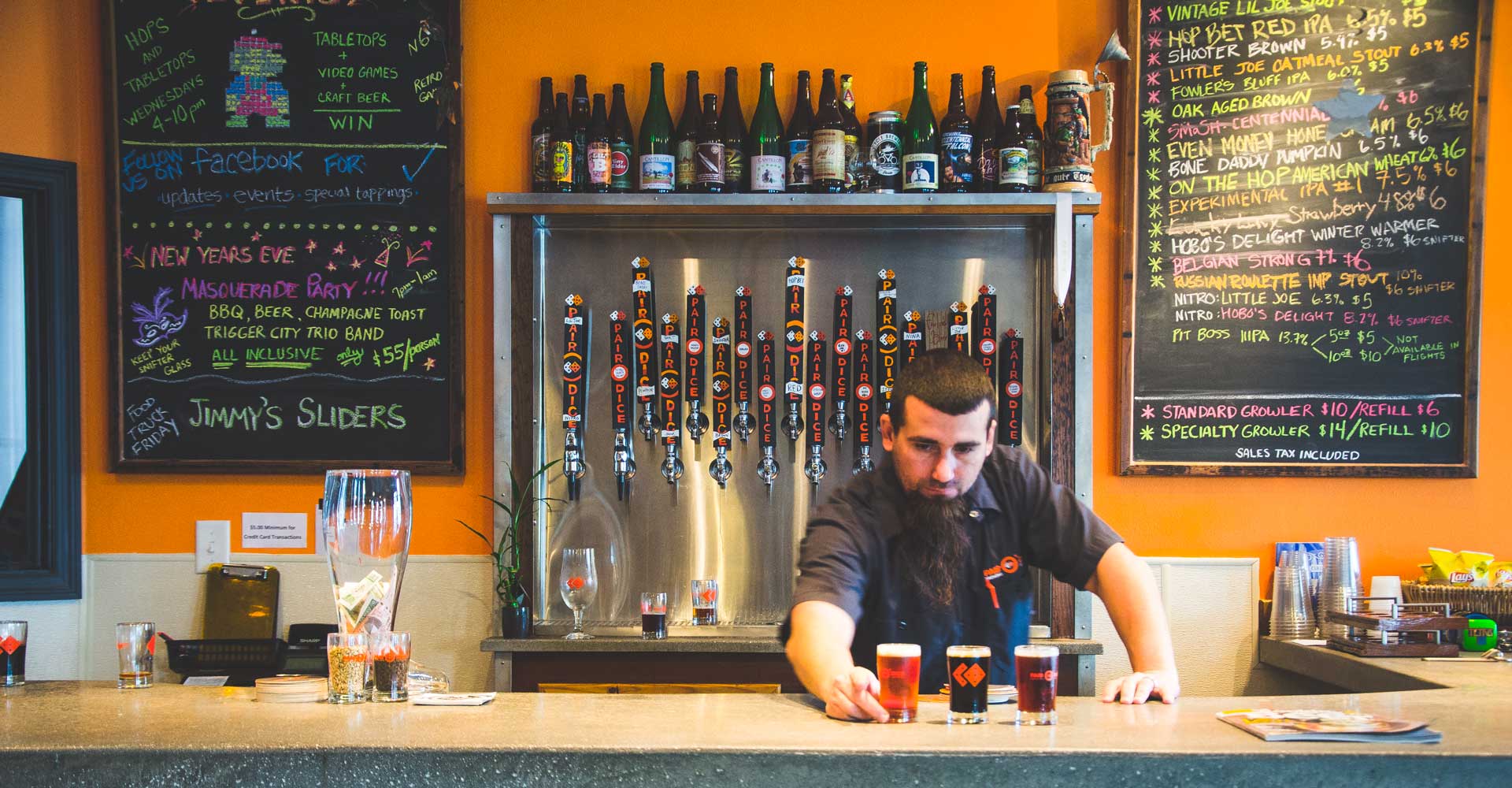
Florida was long a craft-beer backwater, but over the past few years, that reputation has completely shifted, on the strength of an intensely creative brewing scene on Florida’s west coast.
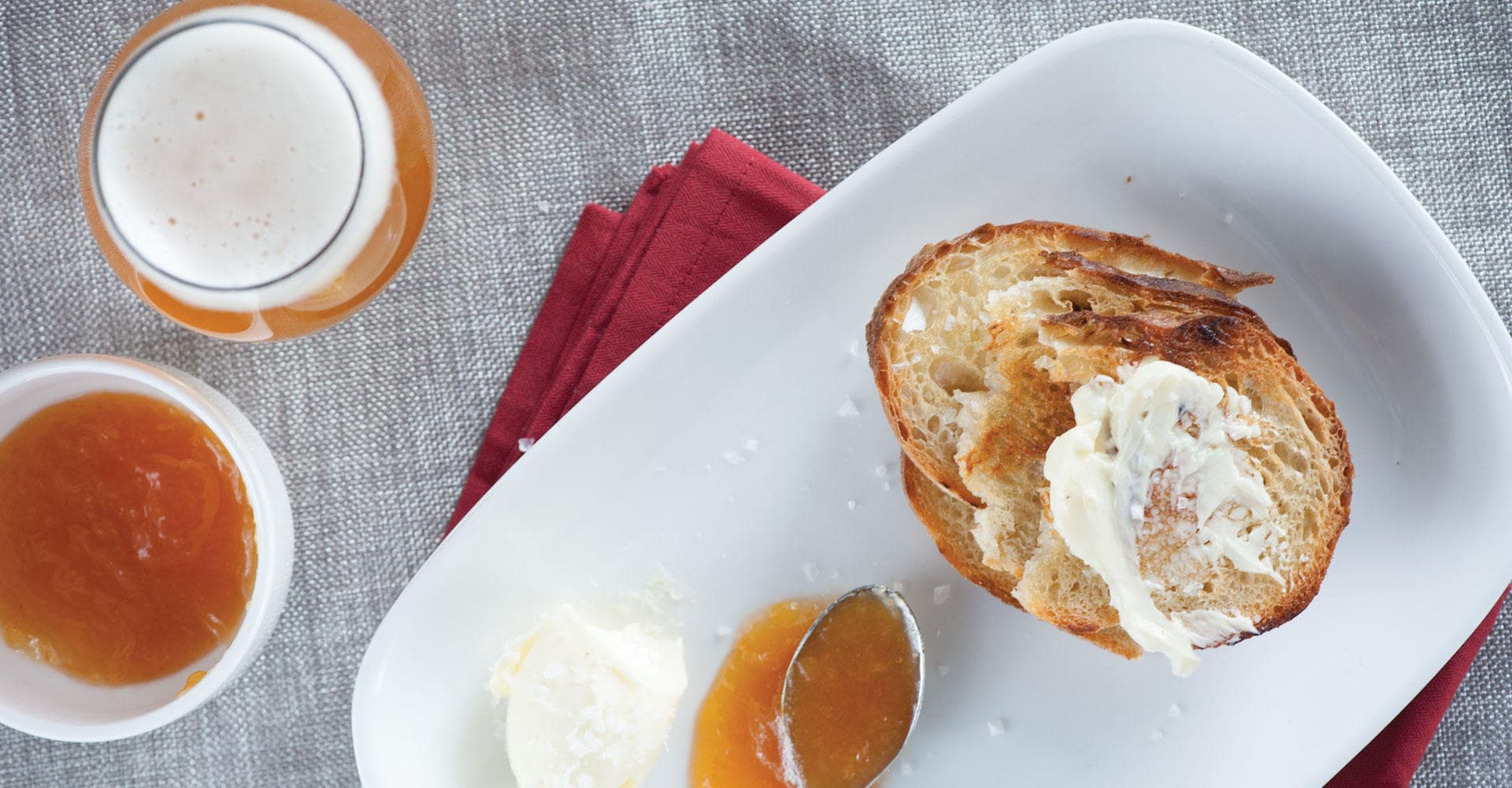
The literal translation of ciabatta is “slipper bread,” reflecting the unique shape of this airy, slightly sour rustic Italian bread that has a hearty crust.