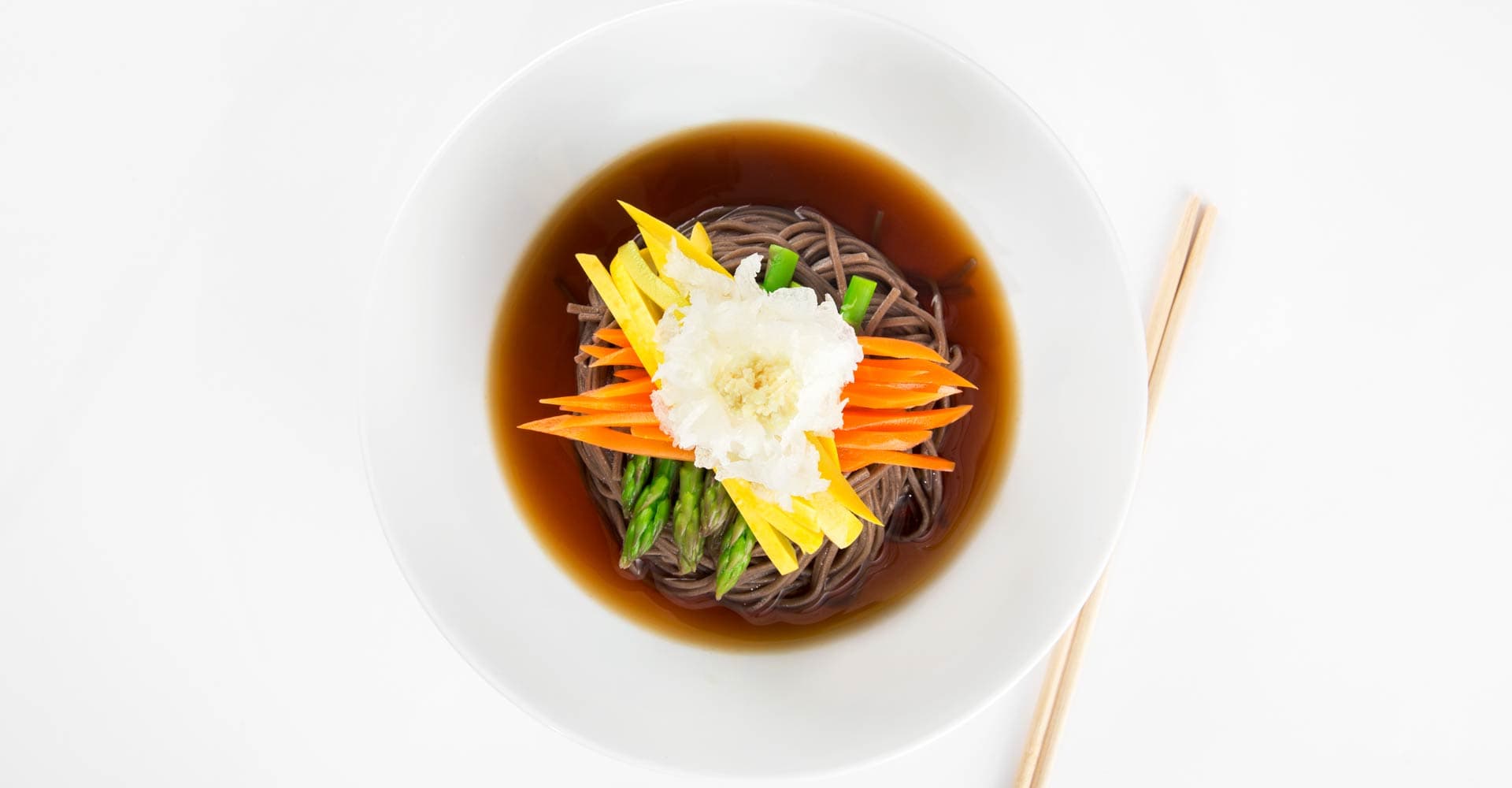
Maru Soba with Spring Vegetables and Beer-dashi Recipe
In this light and satisfying dish, beer complements the graininess of the soba noodles well, and the light and fresh flavors mingled with soy contrast with a cold, refreshing wheat beer.

Showing 3461-3480 of 4725 articles
In this light and satisfying dish, beer complements the graininess of the soba noodles well, and the light and fresh flavors mingled with soy contrast with a cold, refreshing wheat beer.
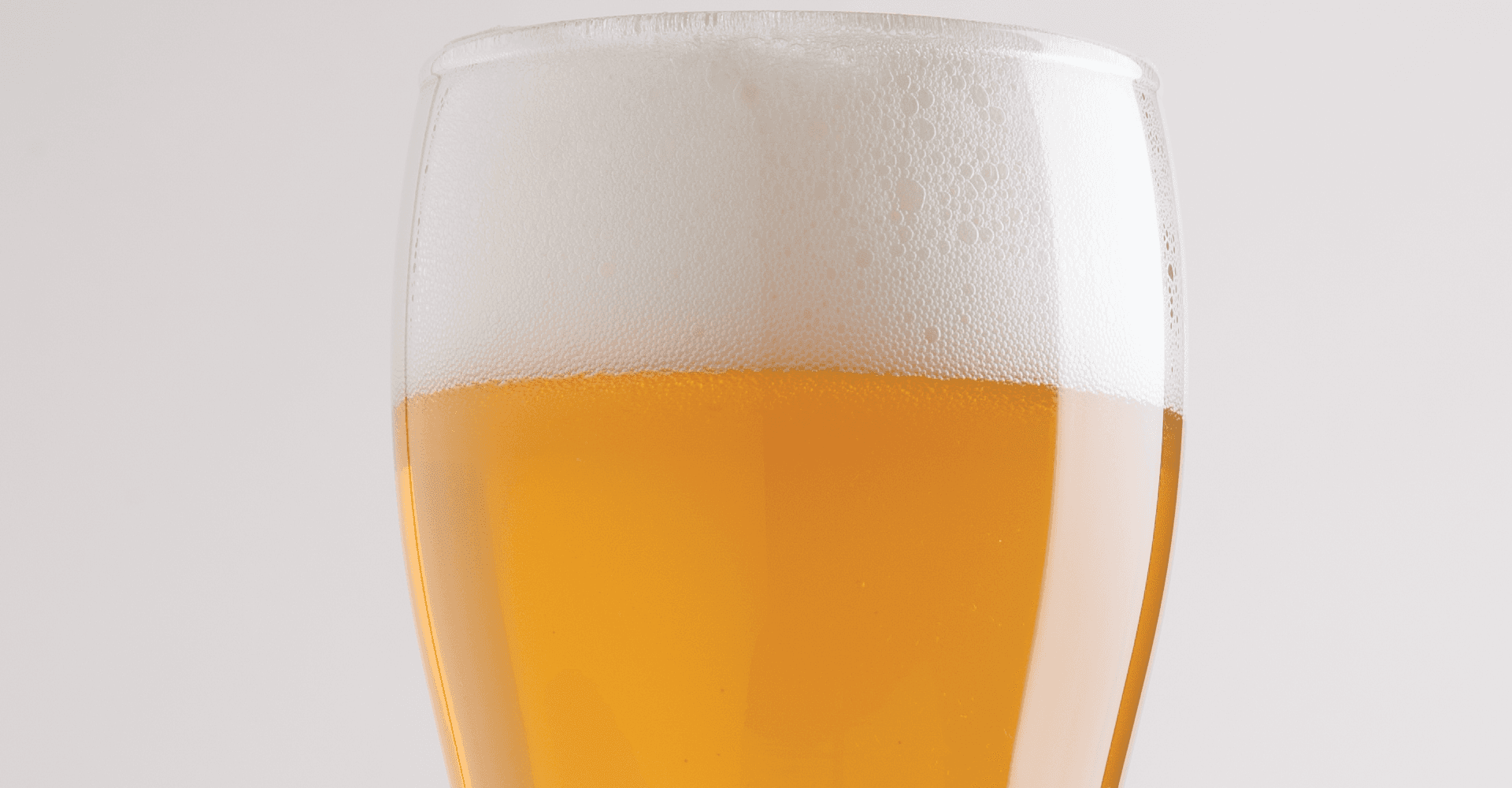
WeldWerk’s award-winning Hefeweizen is risqué—it flirts with the line between traditional German-style weissbier and experimental American-style wheat beer.

In our 2017 Gear Guide issue (April/May), our editors tested and reviewed a variety of breathalyzers. Here are the results.
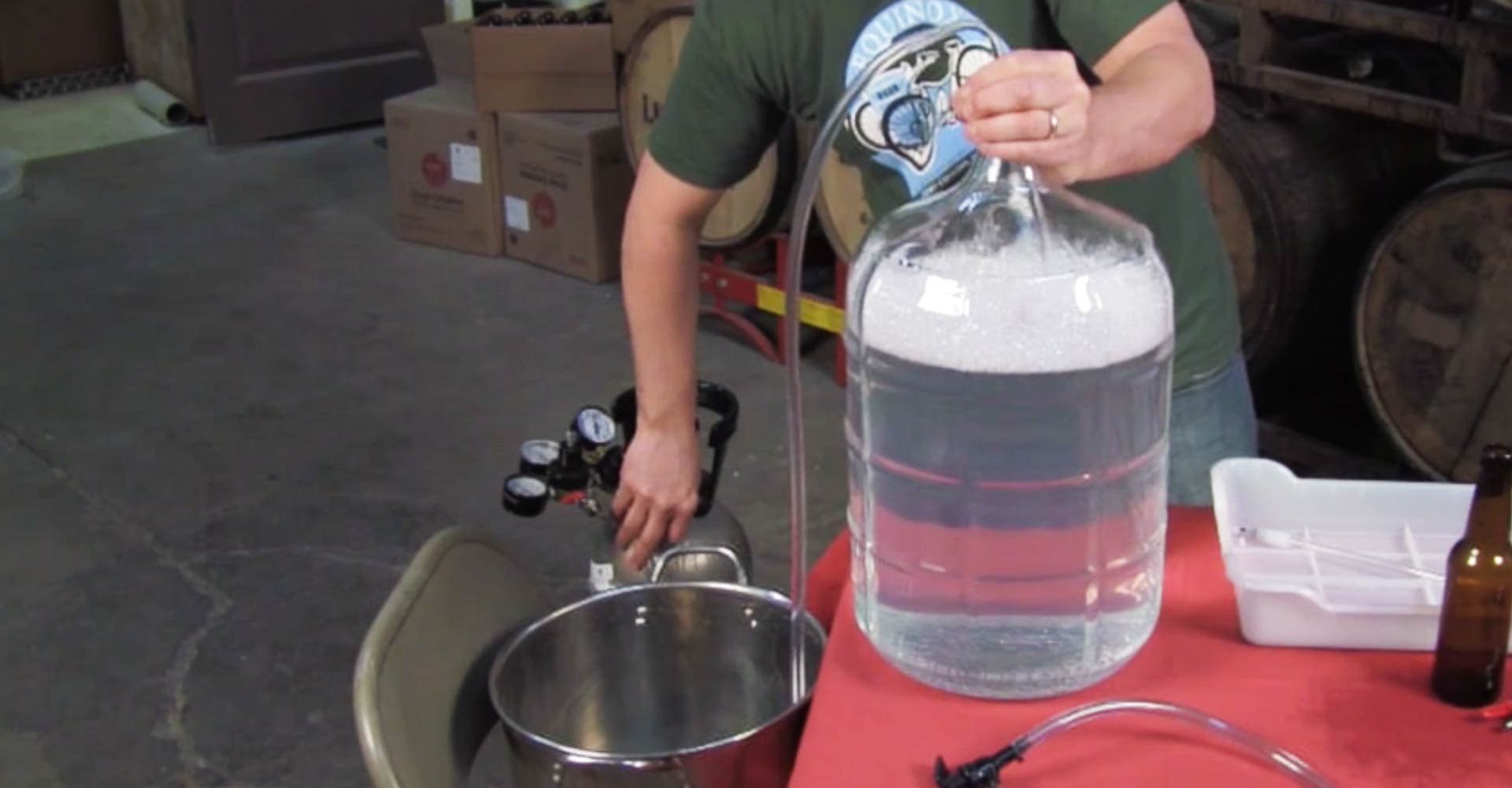
Jester Goldman offers tips and techniques for avoiding oxygen exposure when you transfer from one vessel to another.
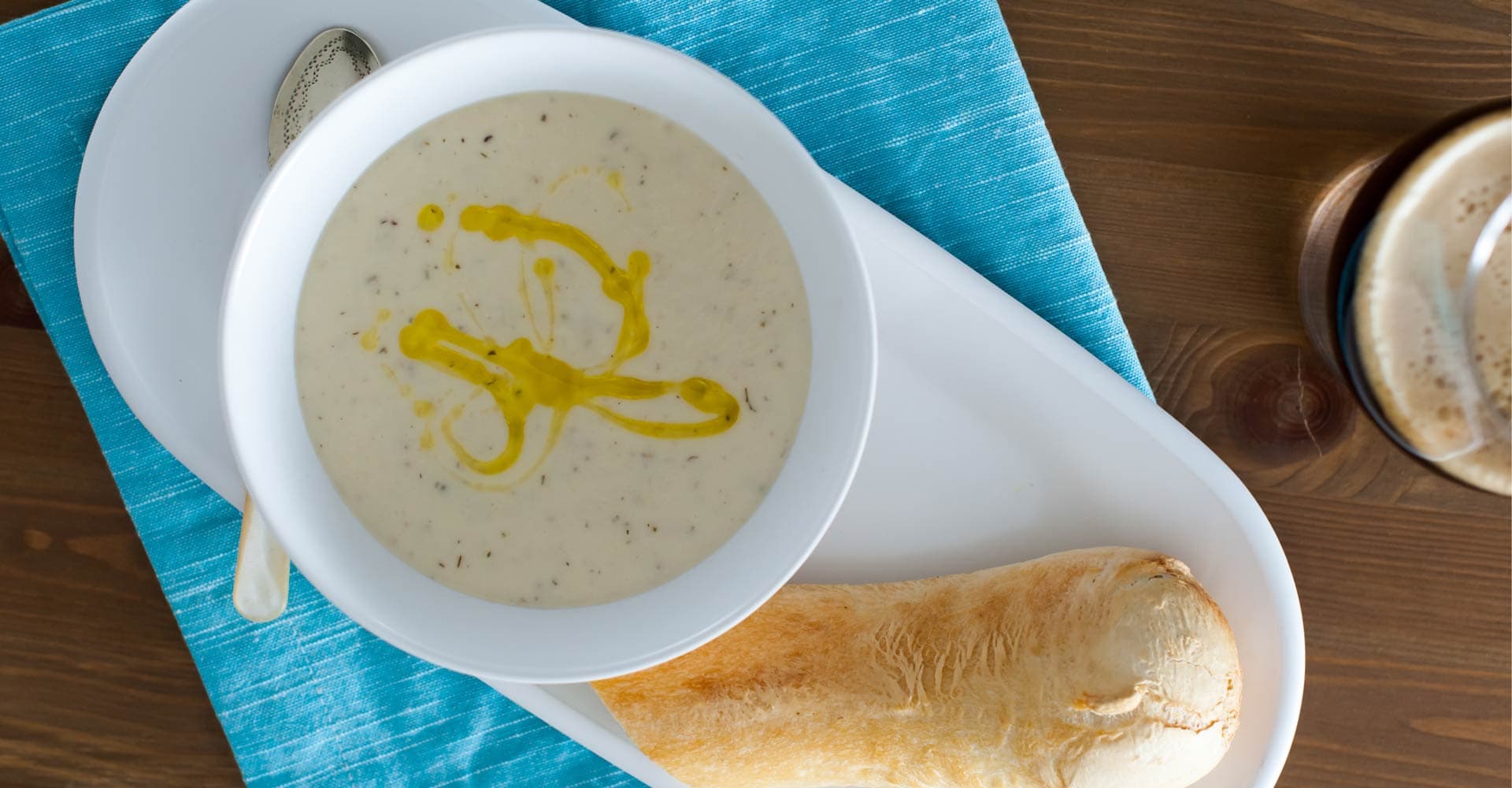
Here is a simple soup, using very few ingredients and an English barleywine.
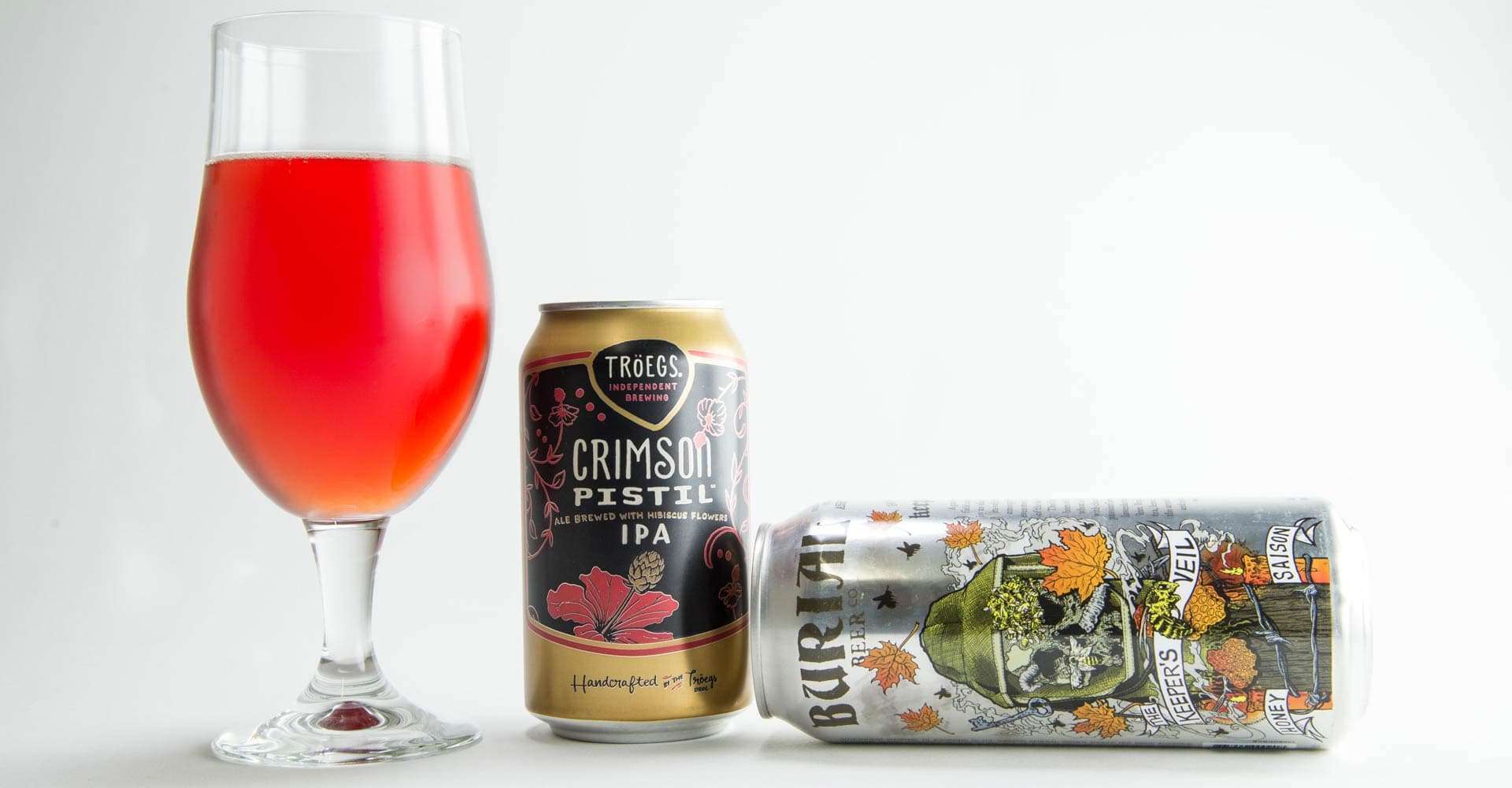
Looking for something special for Mom for Mother’s Day? Check out these beers brewed with flowers.
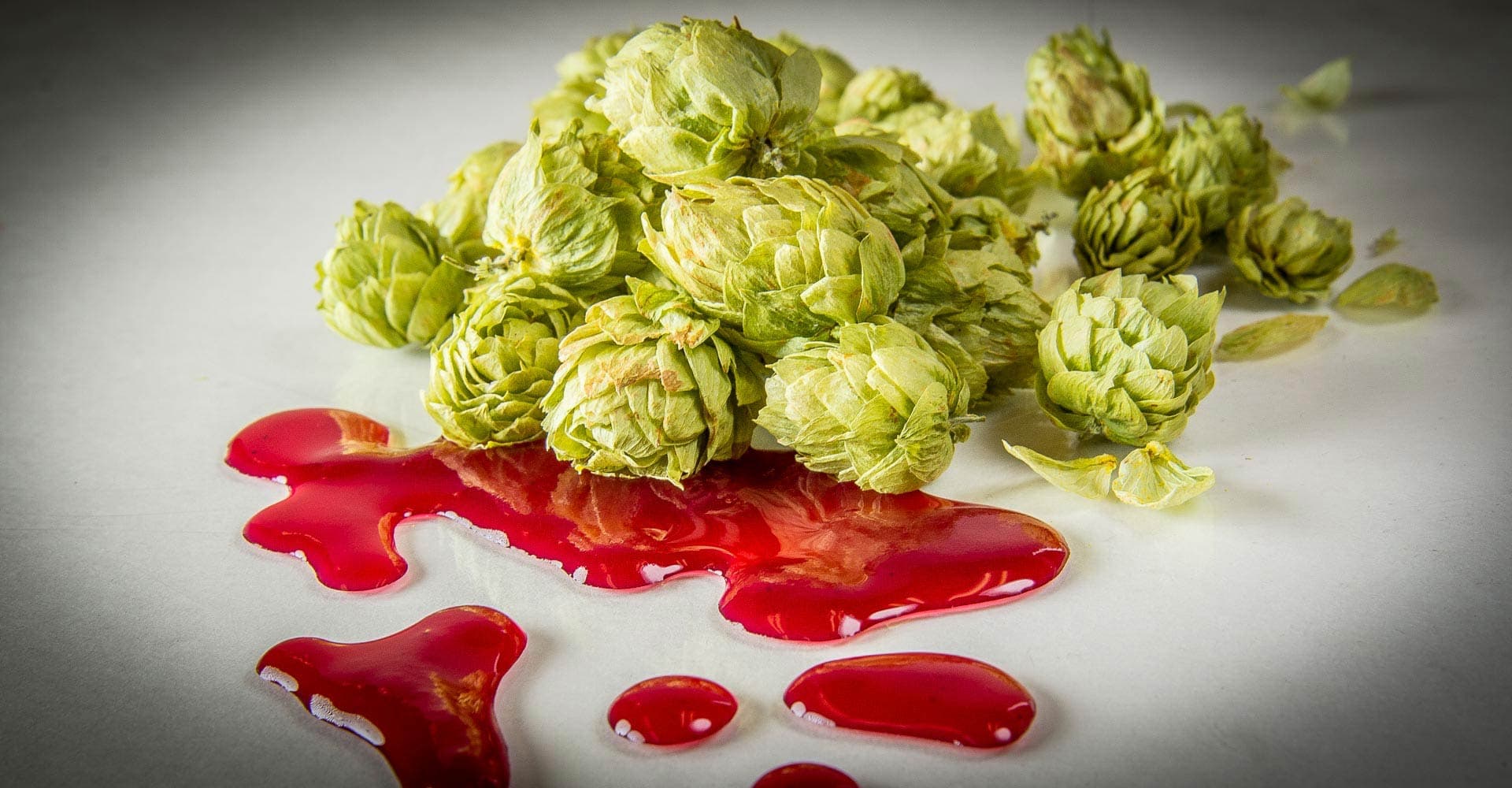
The AB InBev-SAB Miller merger leaves hundreds of small, independent brewers without access to important hops as AB InBev earmarks the entire production for its own brewers.

Steven McConnell offers tips on the timing of your dry-hop additions.
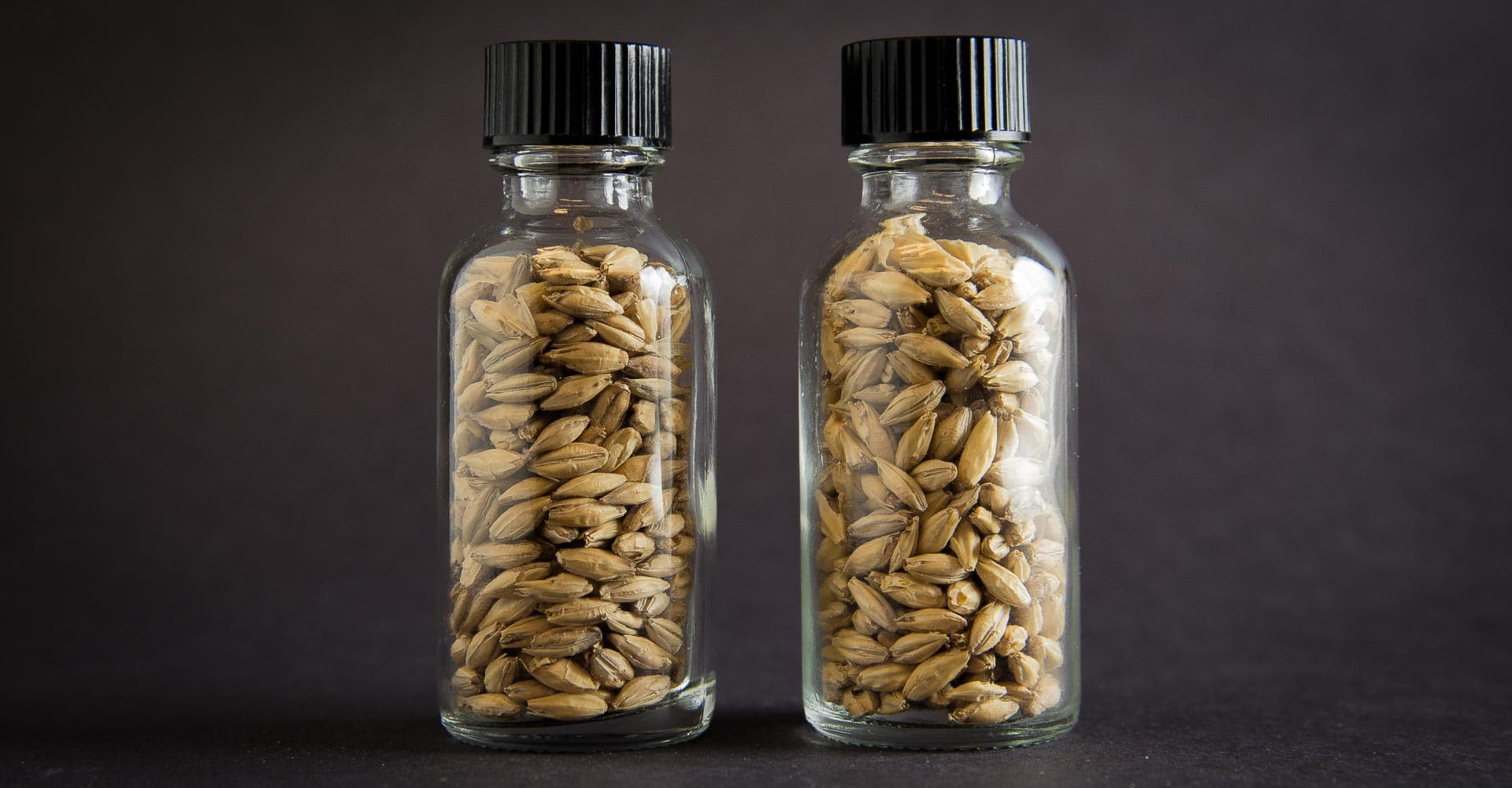
“2-Row Pale,” the recipe says. Easy enough, but there’s a bin of something called “2-Row” sitting next to a bin called “Pale Malt.” What gives? And which makes the best beer?
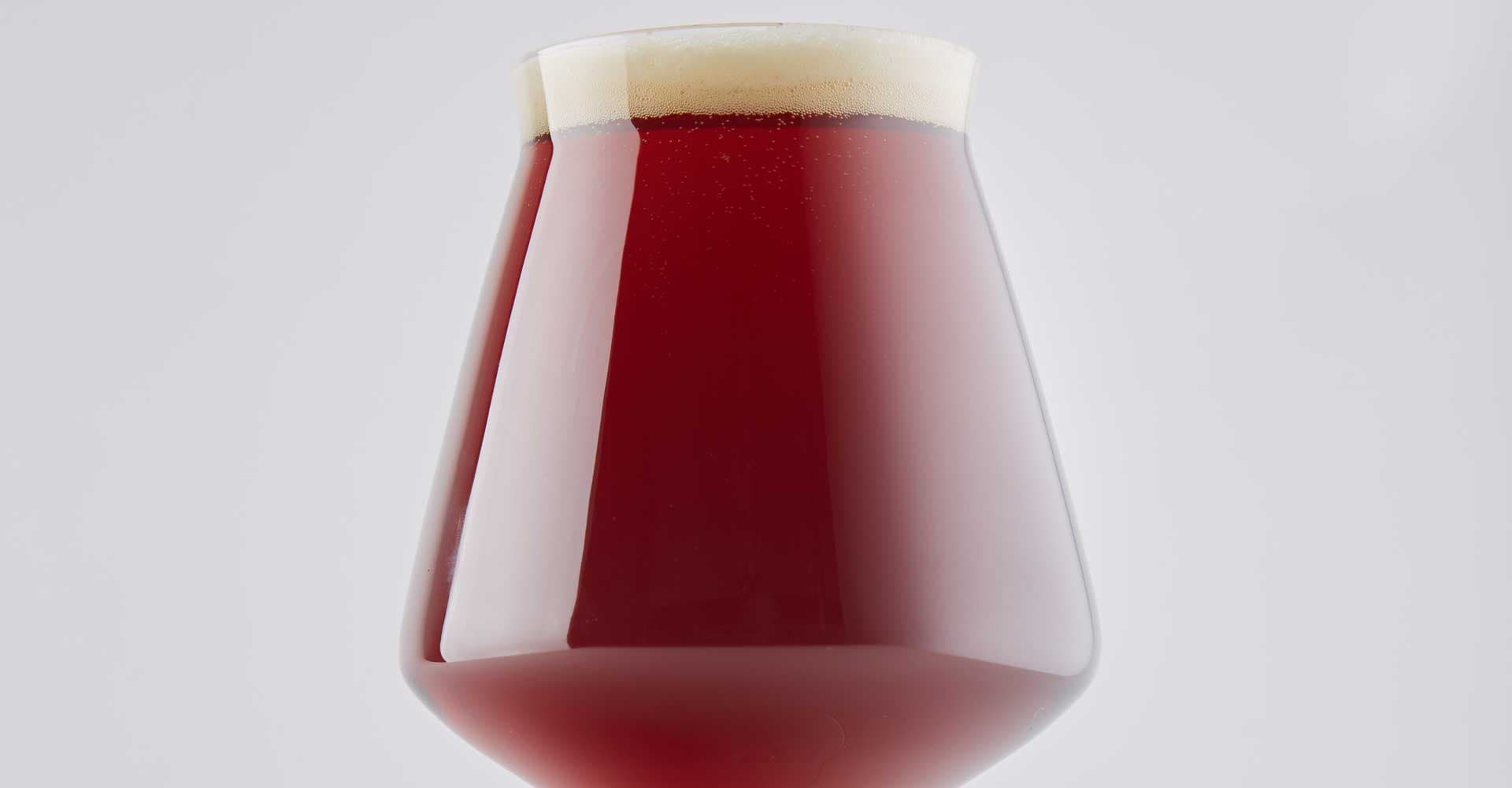
Avery’s winter strong ale has a gorgeous mahogany hue, a hint of hazelnuts, and a finish reminiscent of mocha and toffee.
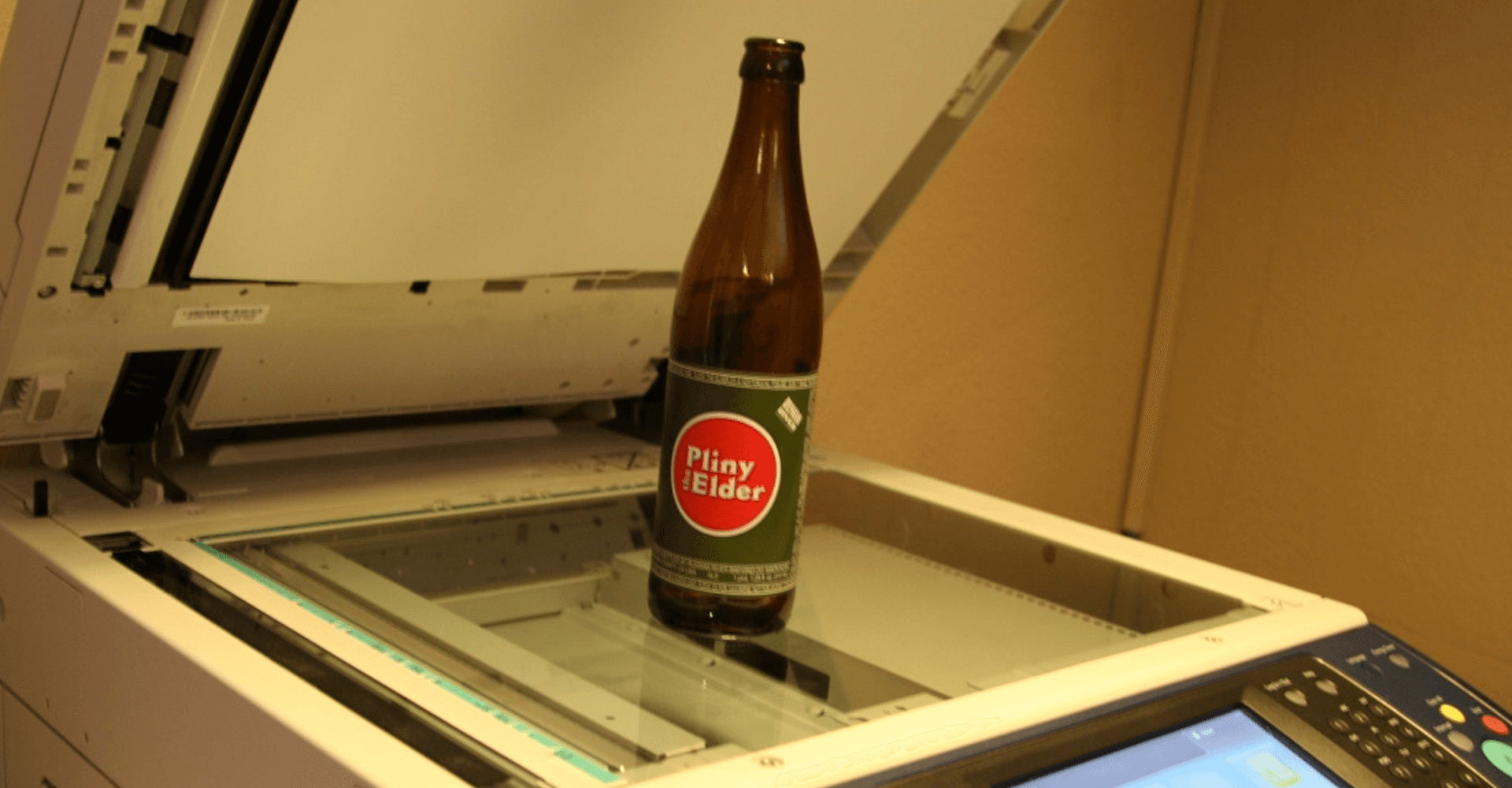
Attempting to copy a commercial beer is an excellent way to fine-tune your skills as a brewer.
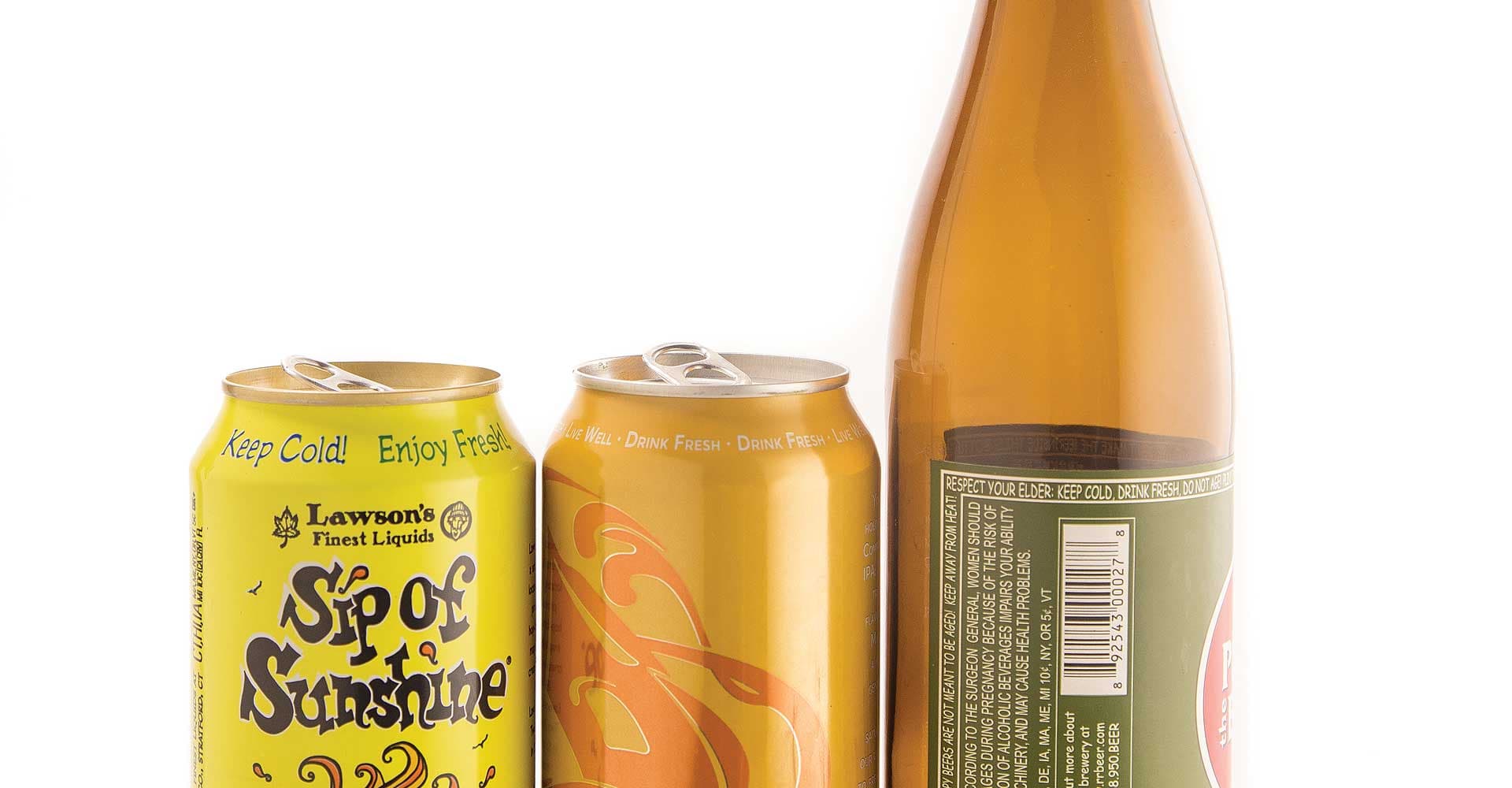
When determining whether to age or not to age a beer, watch out for these four cellar no-nos.
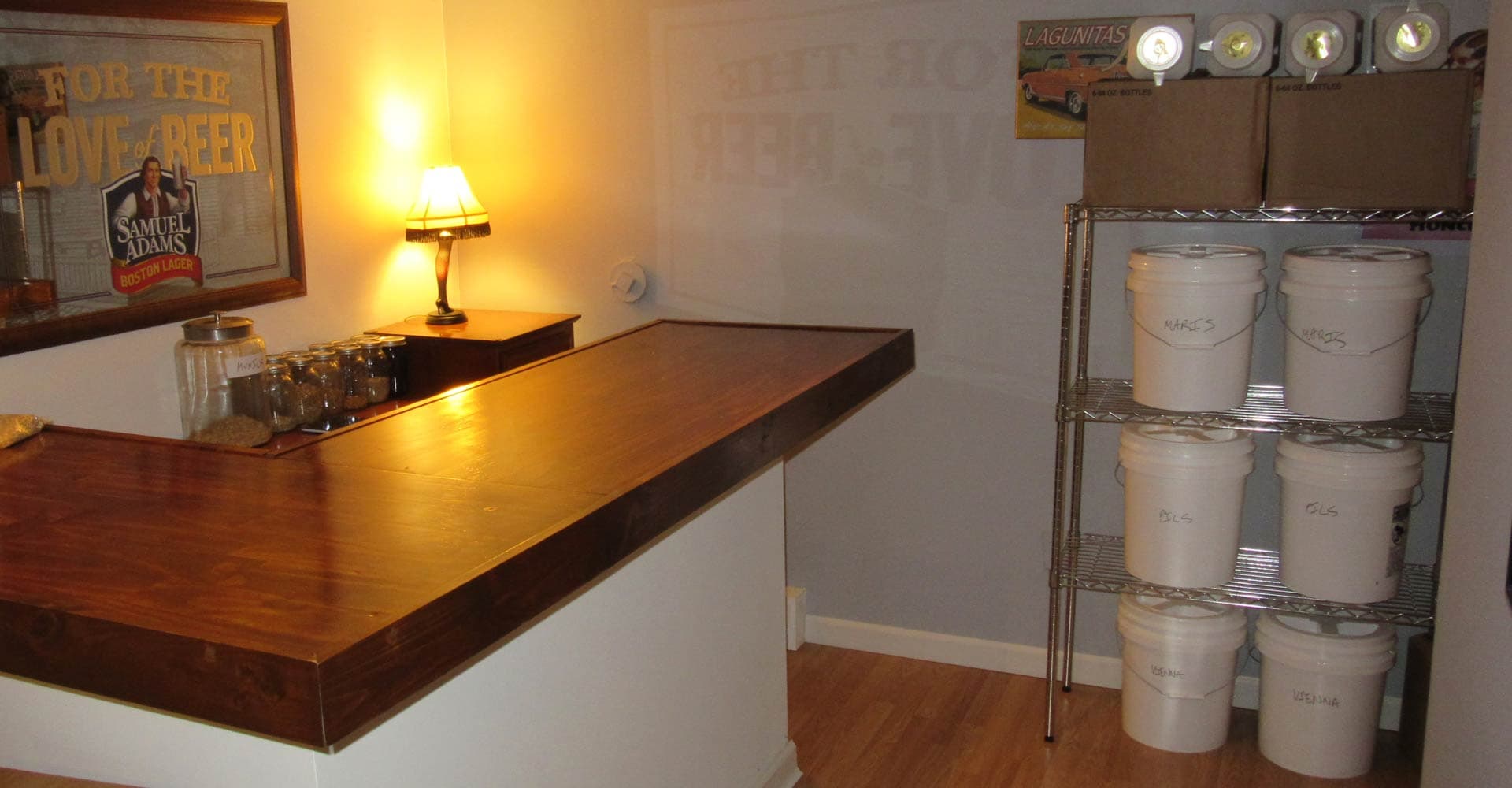
In the second of his two-part series, Josh Weikert focuses on both what to store your ingredients in and where to put the things in which you put the things.
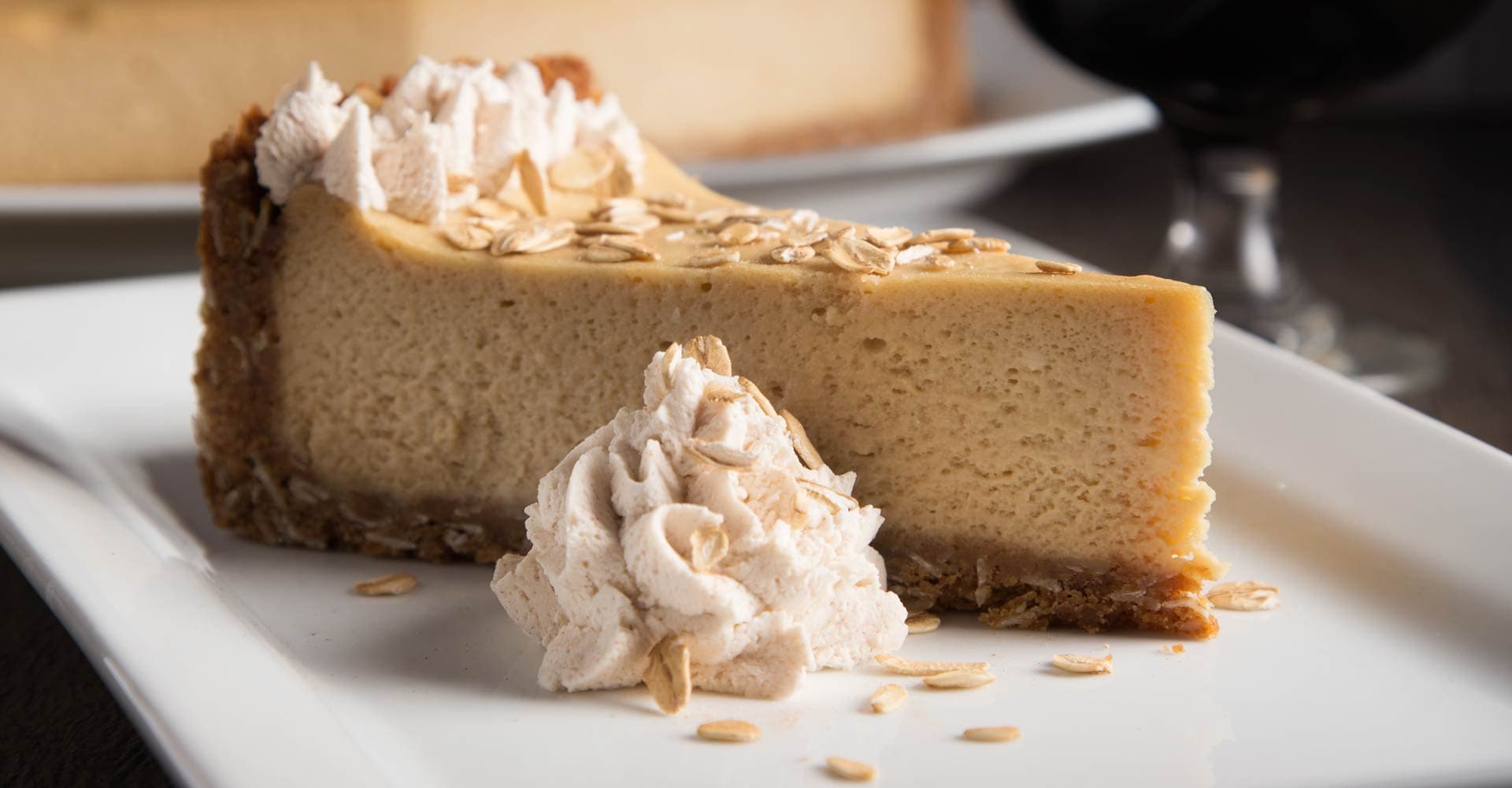
Grab your favorite oatmeal stout and head for the kitchen to try this recipe for a rich and creamy cheesecake.

Whether you’re a homebrewer or a pro brewer, the reward of learning from peers and engaging in the social act of brewing together is one thing that makes craft beer unique and special. Let’s not lose it.
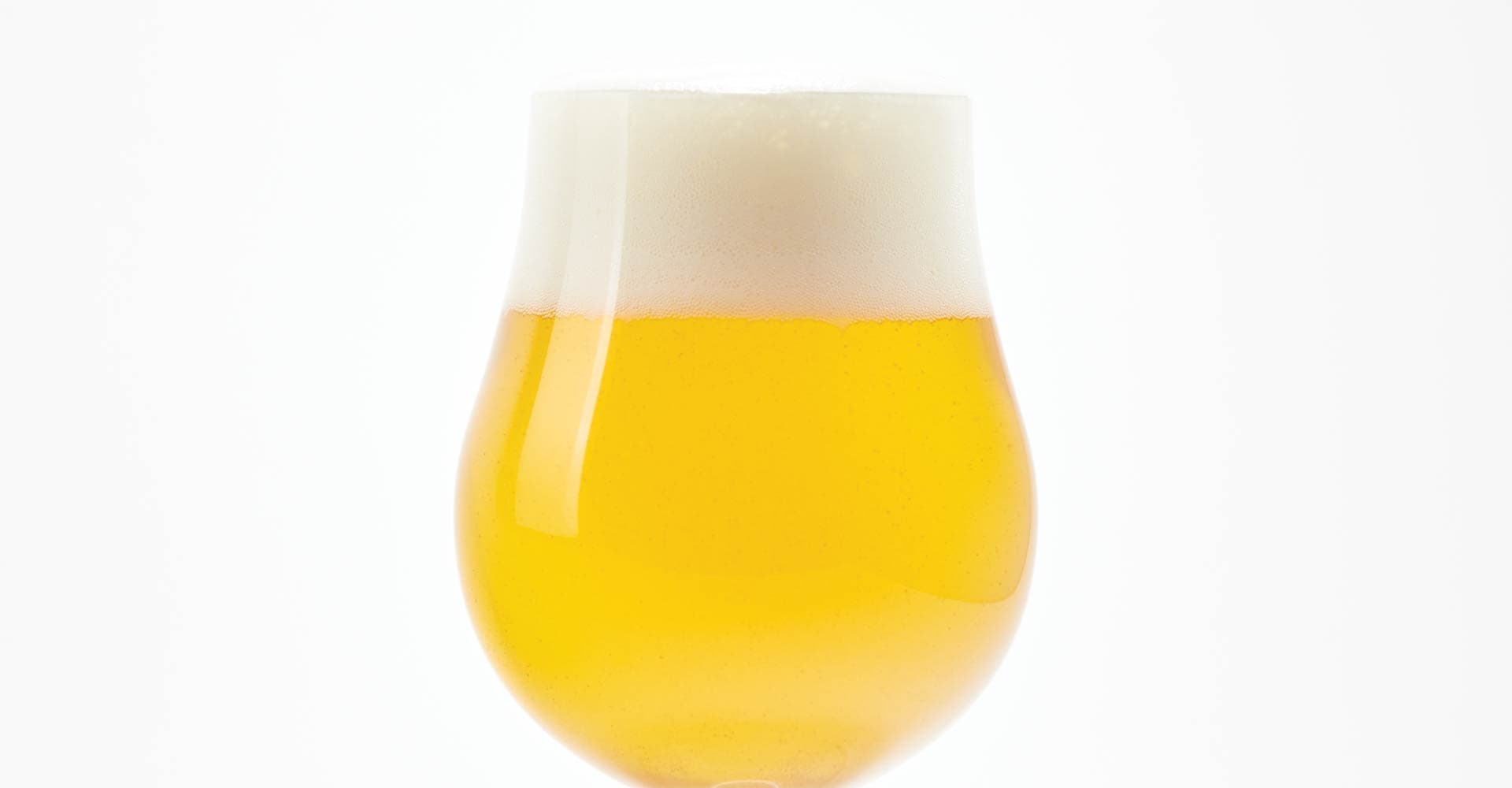
Chris Betts of Transient Artisan Ales provided this recipe for their versatile saison.
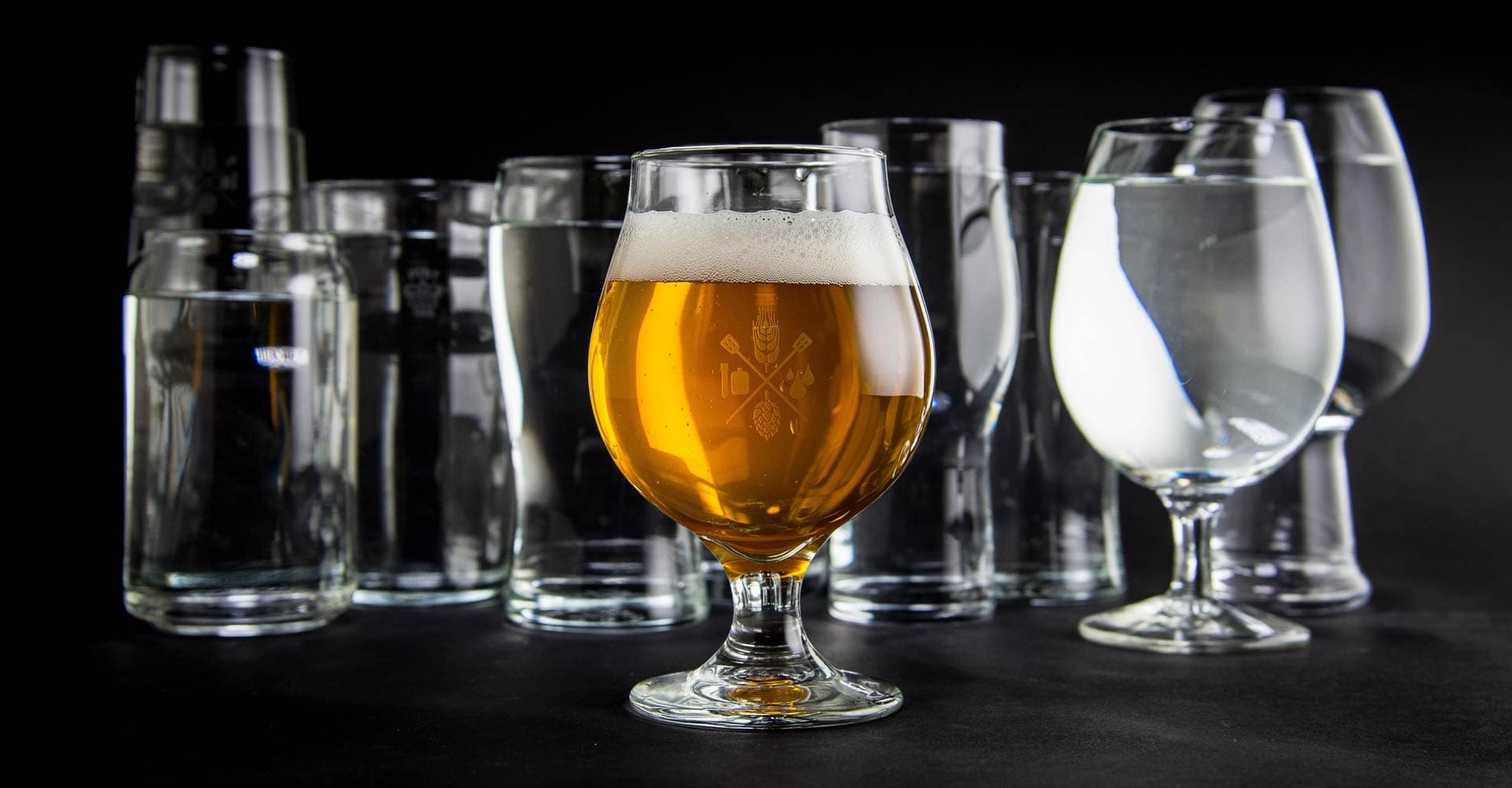
It can easily take 10 or more pints of water to yield a single pint of beer. Jester Goldman explores where it all goes and what you can do to conserve some of it.
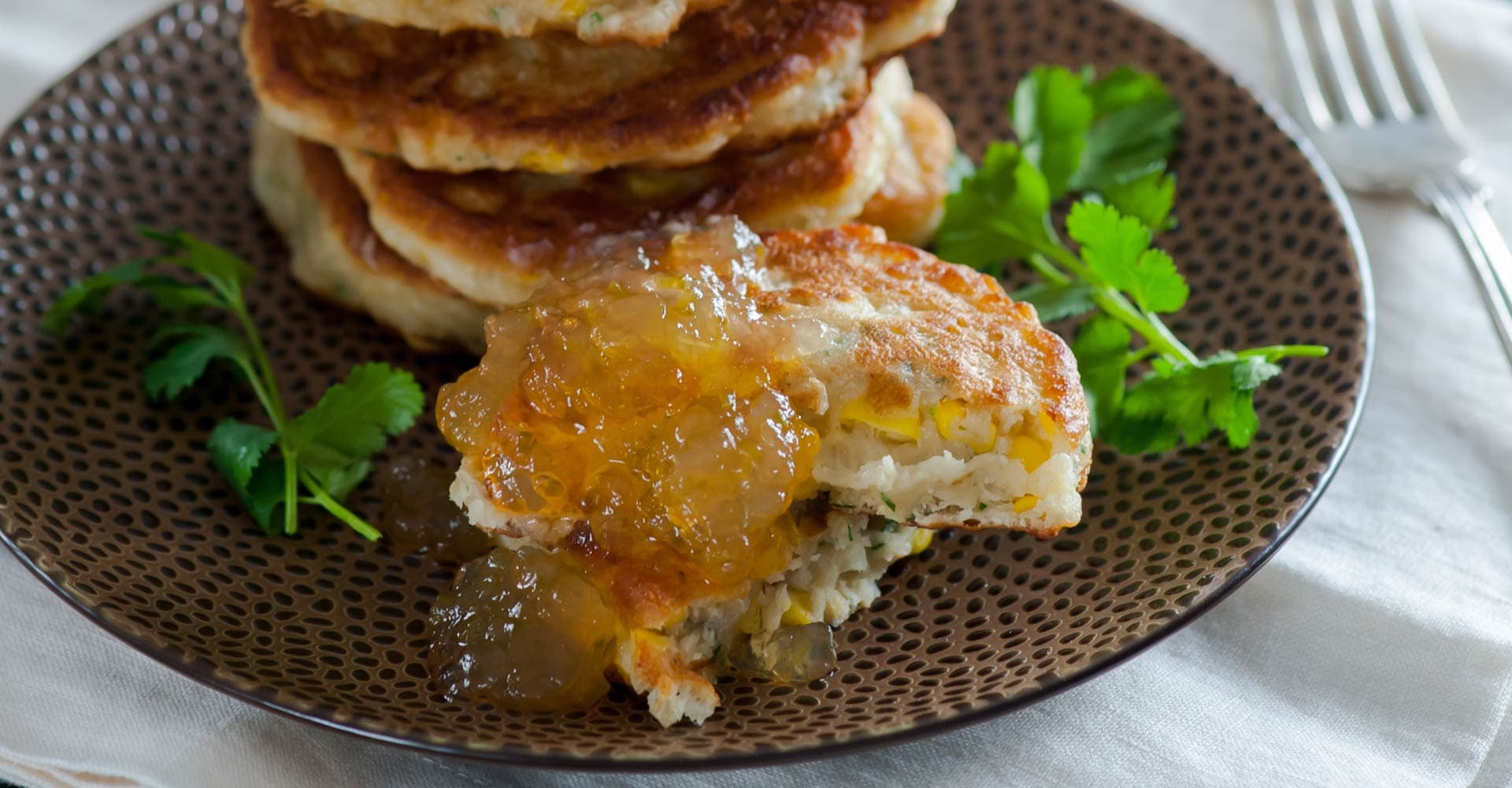
A dry Dortmunder in both the fritters and the jelly helps balance the sweetness of the corn and jelly.
Check out these Mexican-style lagers brewed north of the Rio Grande.
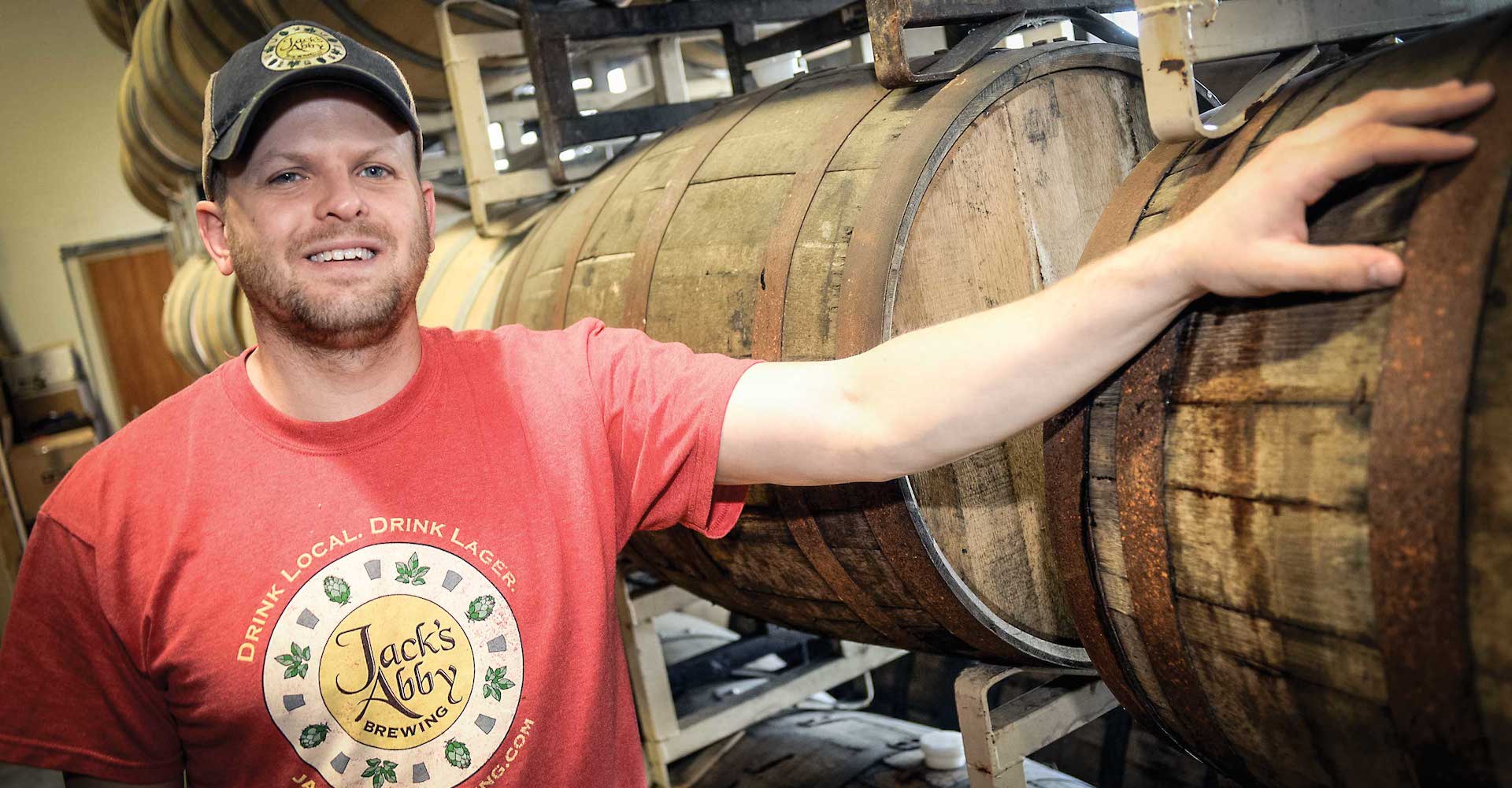
Jack Hendler of Jack’s Abby Brewing offers a few tips for brewing Baltic porters.