Tip of the Week: Picking the Right Malt for Your Hazy Pale Ales
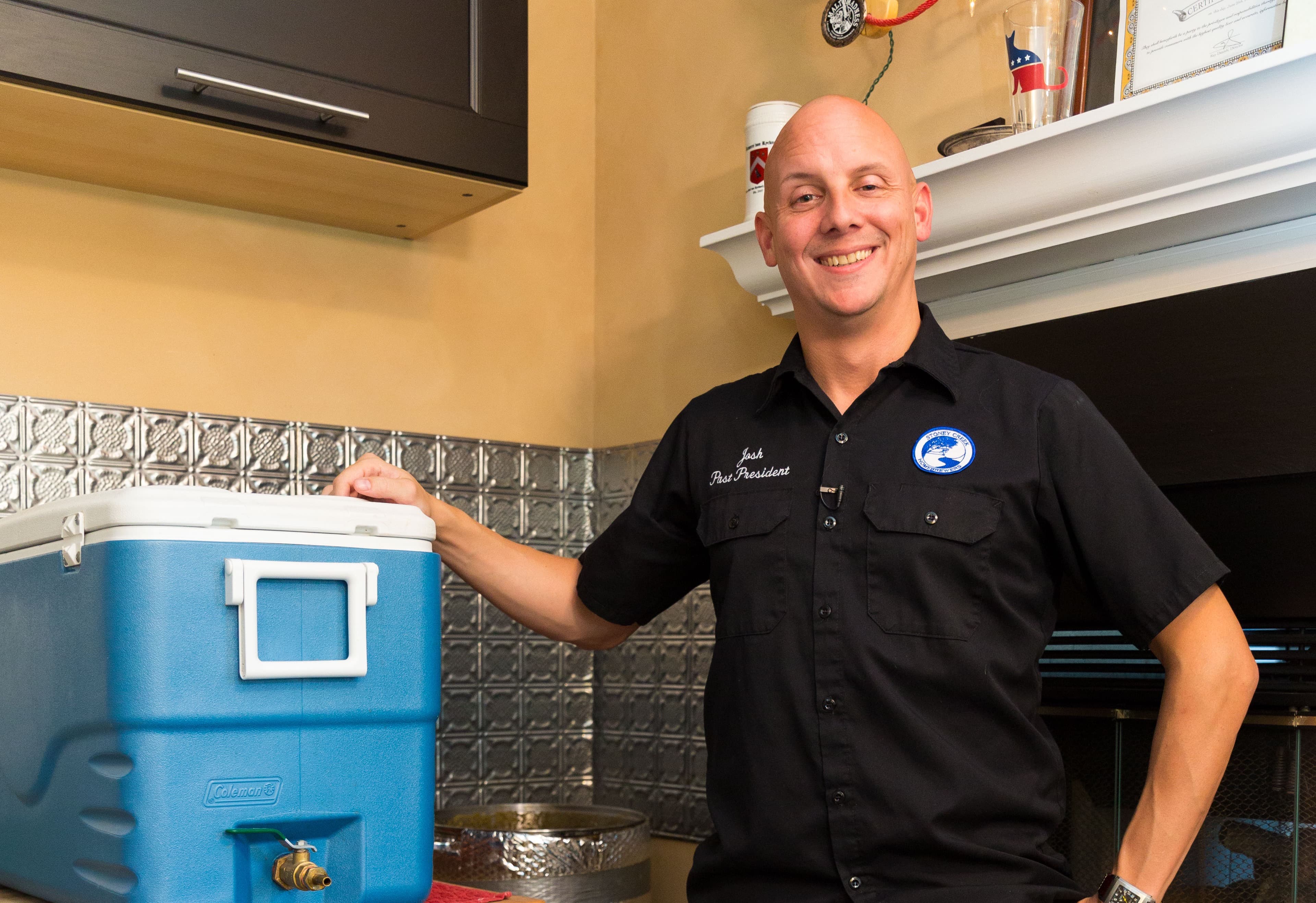
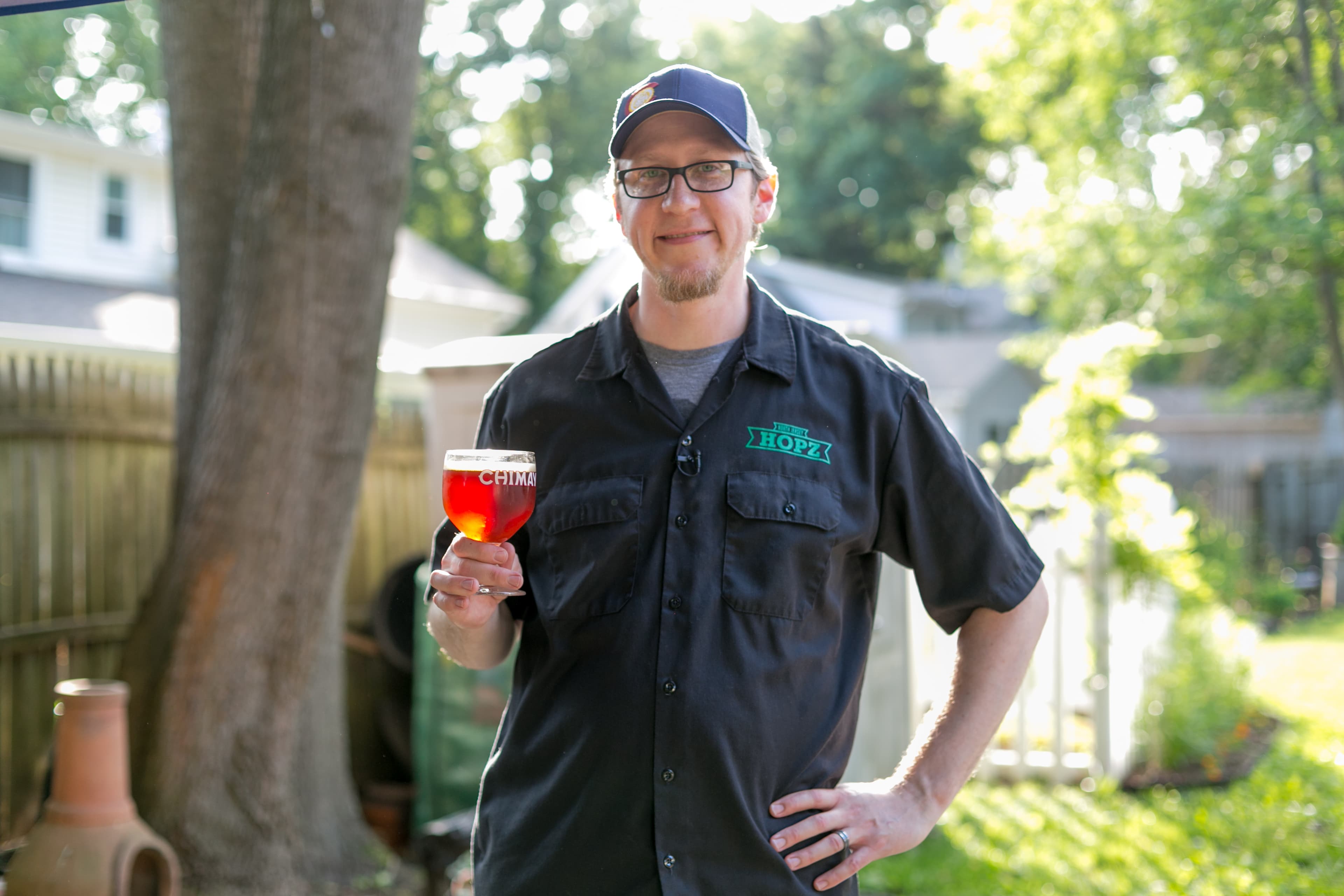
WeldWerks Brewing Cofounder/Brewmaster Neil Fisher talks about the right kinds of malt for making a Hazy Pale Ale.
Showing 2901-2920 of 4608 articles

WeldWerks Brewing Cofounder/Brewmaster Neil Fisher talks about the right kinds of malt for making a Hazy Pale Ale.

Here are the three beer bars that we explored in the “Love Handles” department in Issue 24 of Craft Beer & Brewing Magazine®.

Paul Odell explains how to use a cornelius keg to serve homebrewed cask ale.

Brewing world-class beer in paradise has always been the mission of Missoula, Montana’s Kettlehouse Brewing. Now, it finally has the space to allow its brewers to stretch their legs.

Doppelsticke, as its name implies, is a "doubled" version of the Sticke, making it something akin to a German Barleywine.

Our guests on this episode are Adriana and Henry Nguyen of Monkish Brewing in Torrance, California. Here, they discuss the patience and technique behind their IPA process (disproving any argument that hazy IPAs are rushed), and much more.

With the national conversation happening on the legalization of marijuana there are beer makers laying the ground work for the day when the two products can be fully fused together.

Homebrew expert Brad Smith, author of the Beersmith homebrewing software and the voice behind the Beersmith podcast, answers a question on steeping dark grains.

Smoked malts can be touchy to work with. For one thing, not every batch of smoked malt is identical, even when comprised of the same grain and smoked with the same wood. Dive into this specialty grain with our homebrewing columnist to learn more.

For his 6-pack, Tyson Arp of Nebraska Brewing Company (Papillion, Nebraska) thought back to his days of homebrewing and beer discovery and picked beers that inspired him at an early stage in his career.

Guest Trevor Rogers, cofounder of spontaneous sour beer maker De Garde Brewing in Tillamook, Oregon, joins Jamie Bogner in a conversation about the evolution of their beer making processes as one of America’s few all-spontaneous brewers.

This recipe will serve you well as a faithful Red IPA that avoids the pitfalls of the style while amplifying its virtues.

Three Four Beer Co. Co-owner and Head Brewer (and former Odell and Horse & Dragon brewer) Linsey Cornish offers five tips for brewing great stouts and porters.

Homebrew expert Brad Smith, author of the Beersmith homebrewing software and the voice behind the Beersmith podcast, addresses the question of first wort hopping and its purpose.

Here are some tips on preparing your palate and your environment for a successful beer tasting.

Some of the most flavorful and misunderstood beers come from Scotland. Wee Heavy and Shilling Ales once dominated pubs and tap lists, but have lost favor for more hop-forward styles. However, these beers, and their history, are worth a closer look.

Spruce tips add an immediately recognizable aroma and flavor to beer, yet some have a hard time accurately defining the specifics. When they are collected, handled, and brewed with properly, this historic ingredient will liven up just about any beer.

The Scottish 80, also called an “export” by the BJCP guidelines, is a strong ale by Scottish standards. The export name means that this is an ale with a higher alcohol content (3.9 to 4.9 percent) that was intended to survive trans-Atlantic voyages.

While an essential ingredient in beer, malt is overlooked in favor of hops or yeast. However, the ingredient that gives color, ABV, and a strong dose of character is important. We asked a few of our favorite brewers to share their malt-forward beer picks.

There are rewards in brewing for the popular palate. Seeing how quickly your keg empties at a summer barbecue can be every bit as satisfying as nailing that lambic that impresses the three or four other sour beer heads you know.