Recipe: Fast as Helles
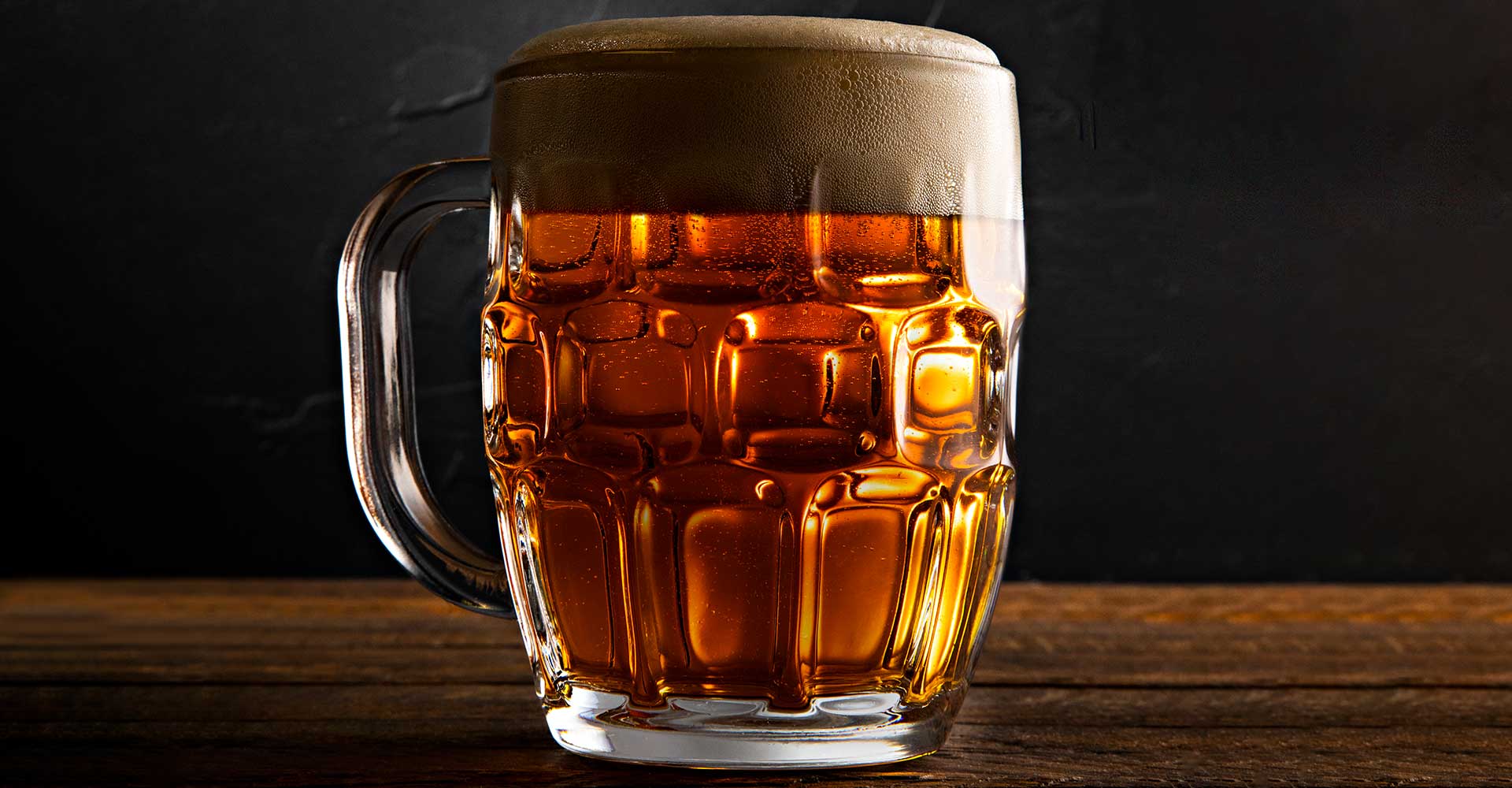
You, too, can brew a quaffable, enjoyable, malt-forward lager beer—in relatively short order.
Showing 2061-2080 of 4643 articles

You, too, can brew a quaffable, enjoyable, malt-forward lager beer—in relatively short order.

Fifth-generation farmer, first-generation brewer Matt Riggs dives into the farming of their low-oil corn, wheat, and six-row barley, while sharing insights on brewing with these ingredients to make beers inspired by years in Germany.

It may be brewing science, but it ain’t rocket science. You can brew a great lager faster than you think—but not too fast. Drew Beechum demystifies how it works.

Looking for new gear? The Plaato Keg Management System, Yeti Roadie 24, and Brew Essence Sensory Training Kits were among our Editors' Picks in Issue 39.

From Superstition Meadery in Prescott, Arizona, this homebrew-scale mead recipe gets a tropical boost from Samba hops in the fermentor.

In this interview by the Brewers of Pennsylvania guild, Arryved President Nancy Trigg lays out what you can and should expect from your brewery's point of sale.

The author of the new Brewers Publications book "How to Make Hard Seltzer" joins the podcast to talk about the best ways for brewers to dive into the sparkling world of this skyrocketing beverage.

If you're adding coconut to your imperial stout, how much should you add? According to Phil Wymore, Perennial's cofounder and brewmaster, the answer is probably, "More."

In about a decade, mead has gone from off-the-radar for beer lovers to an attention-grabbing trend driven by bold flavors and rave reviews. So, what’s all the fuss about?

Riggs Beer Company in Urbana, Illinois, brews this old-school American pale lager using a traditional double-mash process. The grain bill consists of six-row base malt and whole-kernel corn.

From the Love Handles department of our April-May 2020 issue, here are three of our favorite beery destinations, from Florida to Washington state via Middle Franconia.

Lagers are enjoying a moment with American brewers, as savvy drinkers discover their subtlety and nuance. But which ones do brewers themselves gravitate toward? We asked five for their faves.

Phil Wymore, cofounder and brewmaster of Perennial Artisan Ales, shares the approach, ingredients, and methods behind the brewery's influential big stouts and other strong ales.

Matt Riggs is brewmaster and cofounder of Riggs Beer Company in Urbana, Illinois, where they grow their own six-row barley and have it malted locally. Here he talks about the strengths of that under-loved malt.

In 2009, Maine Beer Company cofounders Dan and David Kleban brewed Peeper—over and over—on a one-barrel system until they were happy with the results. It’s a superb example of a modern, brightly aromatic American pale ale.

Newly adopted tricks borrowed from Old World beer culture are helping to elevate service and presentation, reimagining what draft beer looks like.

On a hazelnut farm 45 minutes from Portland, Oregon, Wolves and People is taking its beer closer to the land, with yeast cultured on the farm, an estate barley program, farm-grown ingredients, and more.

It all started with Tipopils... Matt Brynildson, brewmaster of Firestone Walker, talks about the beer that sparked his Pivo—as well as a growing number of Italian-inspired pilsners—and the core elements of this burgeoning sub-style.

From outside the box to the top of the beer ratings, Arizona’s Superstition Meadery has gained a devoted following for its characterful, off-the-wall concoctions.

From old school to new and from breweries across the country, here are a few of our favorite American pale ales.