Special Brewing Ingredient: Basil
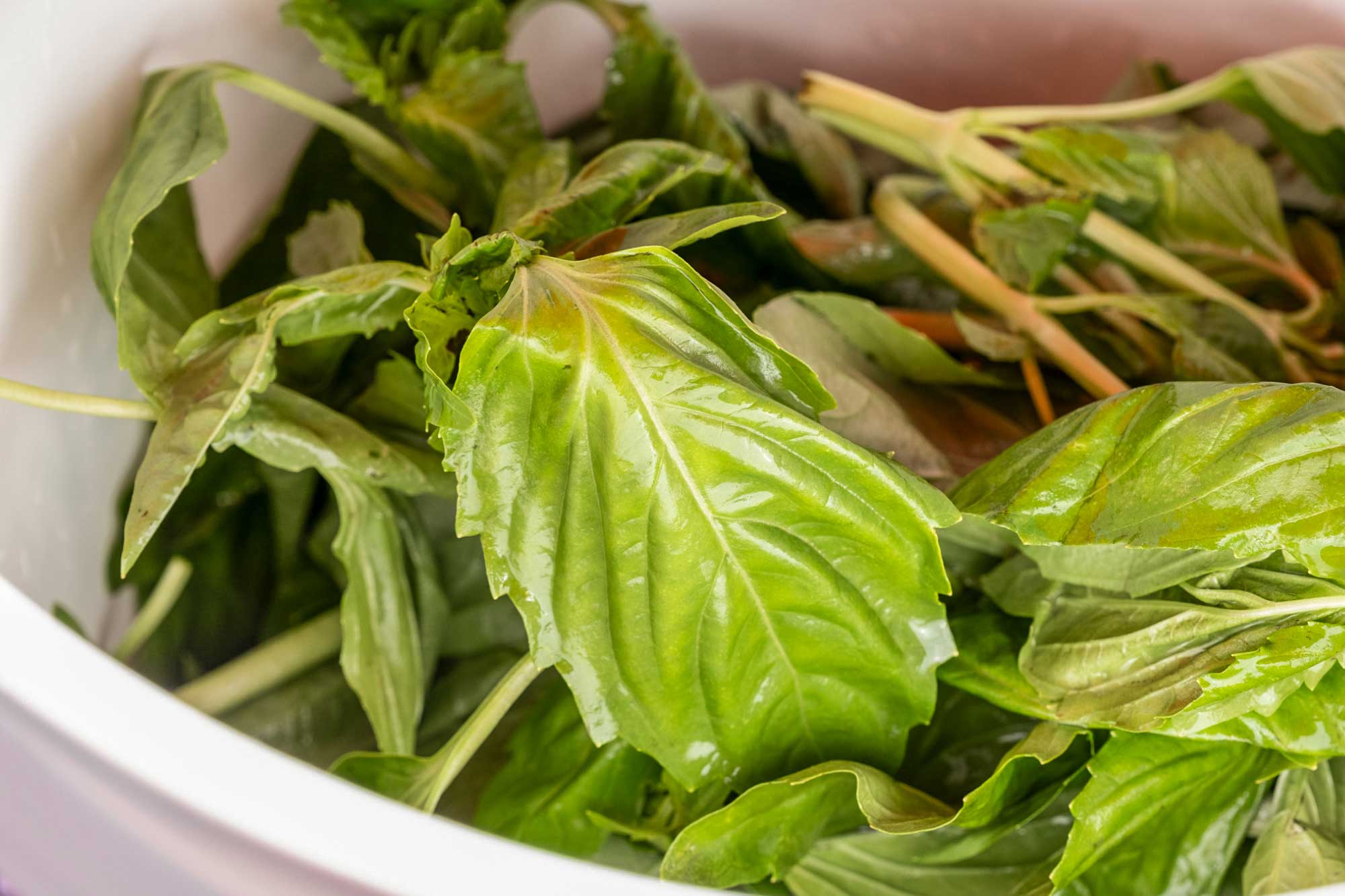
Beer and pizza are fast friends, as everyone knows. But how well do “pizza leaves” work in beer? Let’s find out.
13 articles in this category

Beer and pizza are fast friends, as everyone knows. But how well do “pizza leaves” work in beer? Let’s find out.

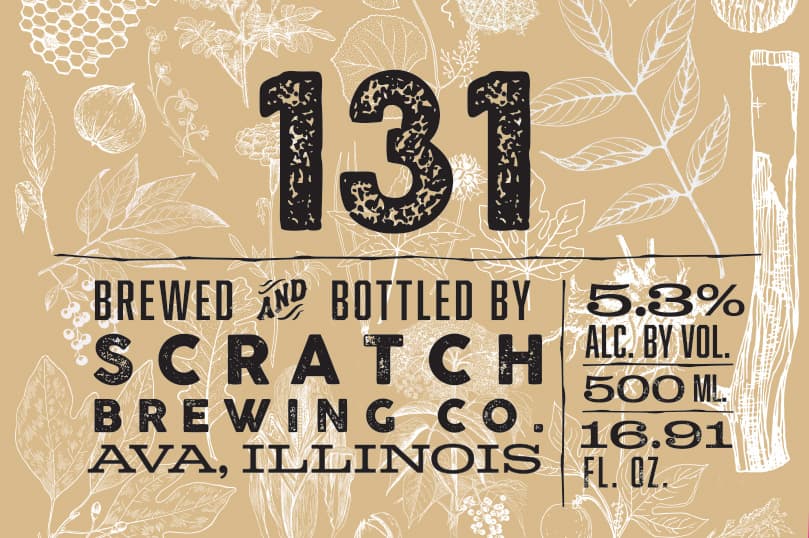
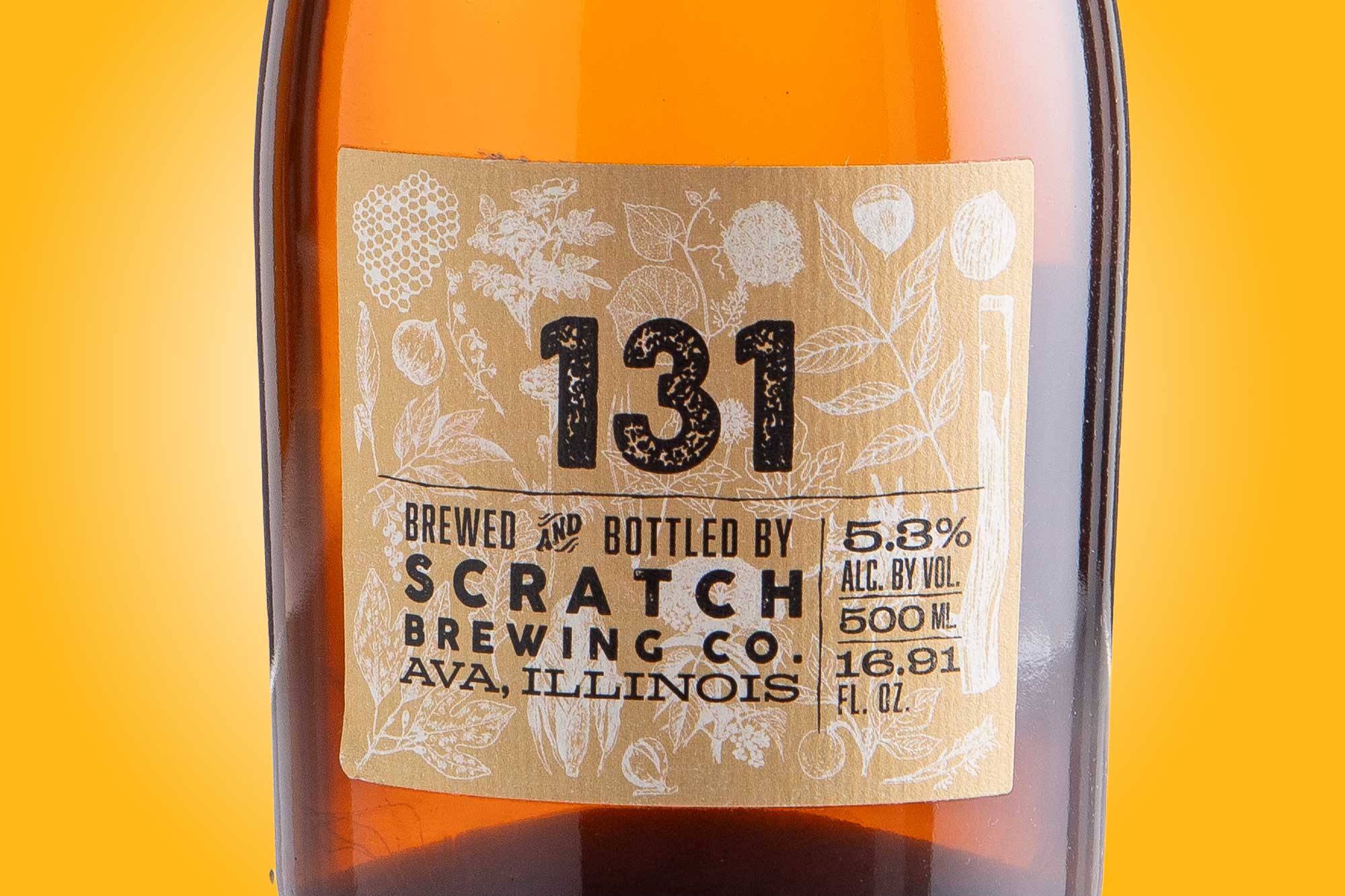
From Scratch in Ava, Illinois, this saison recipe features 131 ingredients, all told—their use informed by deep expertise in what to forage, what to grow, and how the different components can safely be used to contribute worthwhile flavors to beer.

Scratch in Ava, Illinois, has won a national reputation for its combination of foraging and flavor finesse. Here’s how the brewery’s duo ended up putting 131 different botanical ingredients into one (very tasty) beer.

This rich amber ale, featuring layers of roasted orange spice mingling with hops, is a vamp on the English winter warmers that are stronger, darker, and toastier than pale ales or bitters.

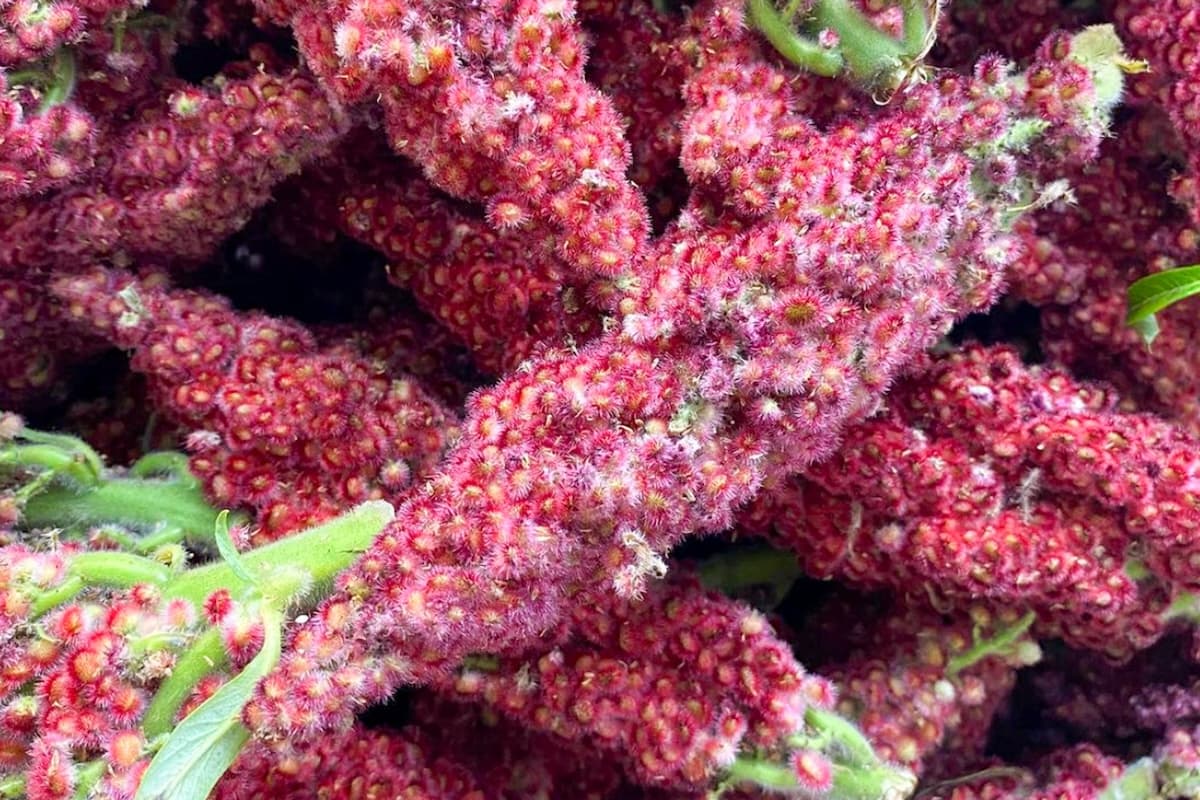
Featuring dried shrimp, salted crabs, fish sauce, fresh lime juice, tamarind paste, tomatoes, peanuts, and bird’s eye chiles, this one’s not for vegetarians... or anyone with a peanut allergy... or a shellfish allergy... or anyone who doesn’t like “spicy.” But that’s Thai food for you.

From owner and head brewer Rich Nuñez at Radicle Effect Brewerks in Rock Island, Illinois, here’s a homebrew-scale recipe for the local cult favorite they release only twice per year—four kegs, and it’s done.

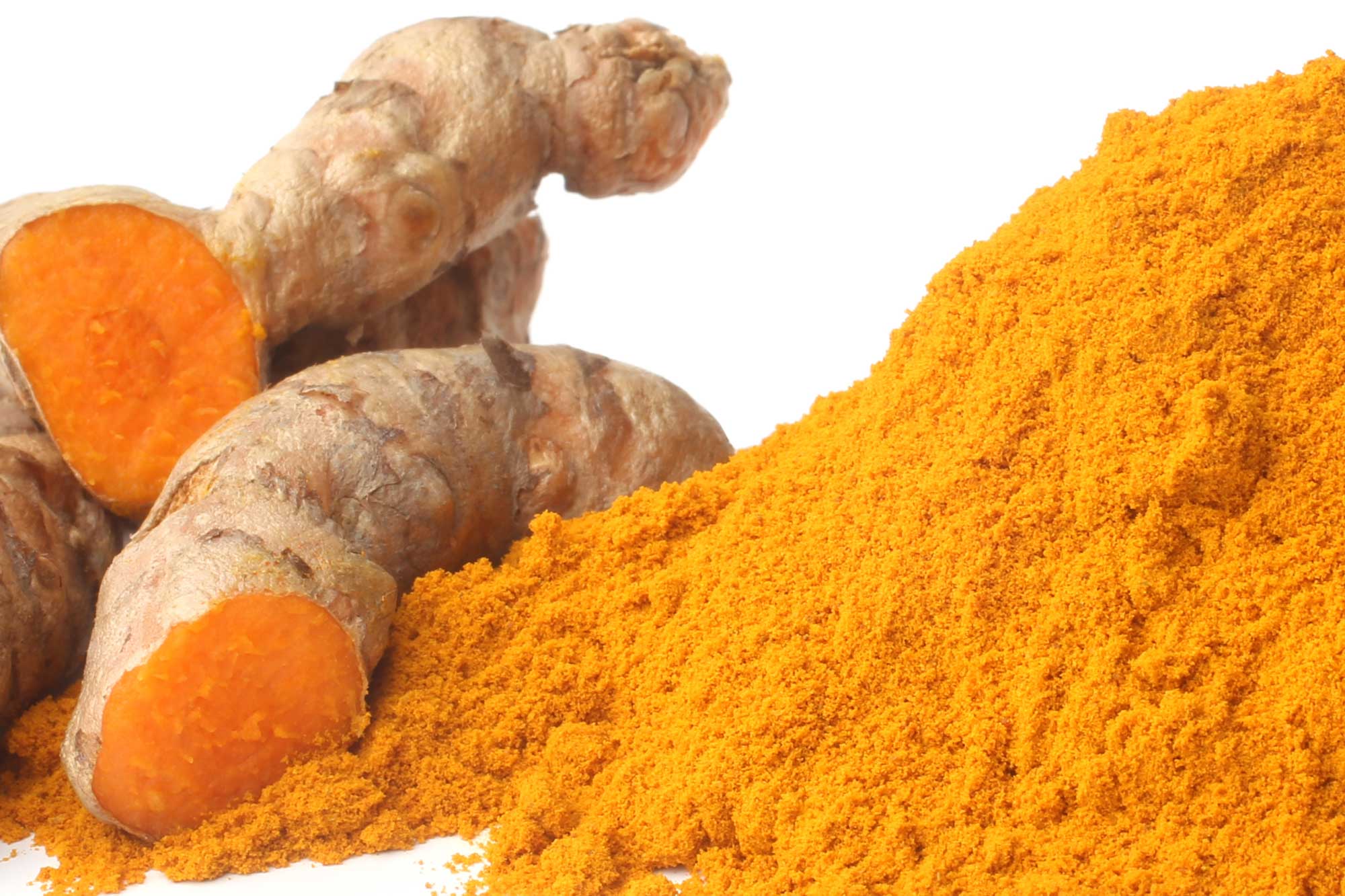
This plant from the ginger family can add subtle spice to your beer—or turn it so gold that it could have been brewed at Springfield Nuclear Power Plant.

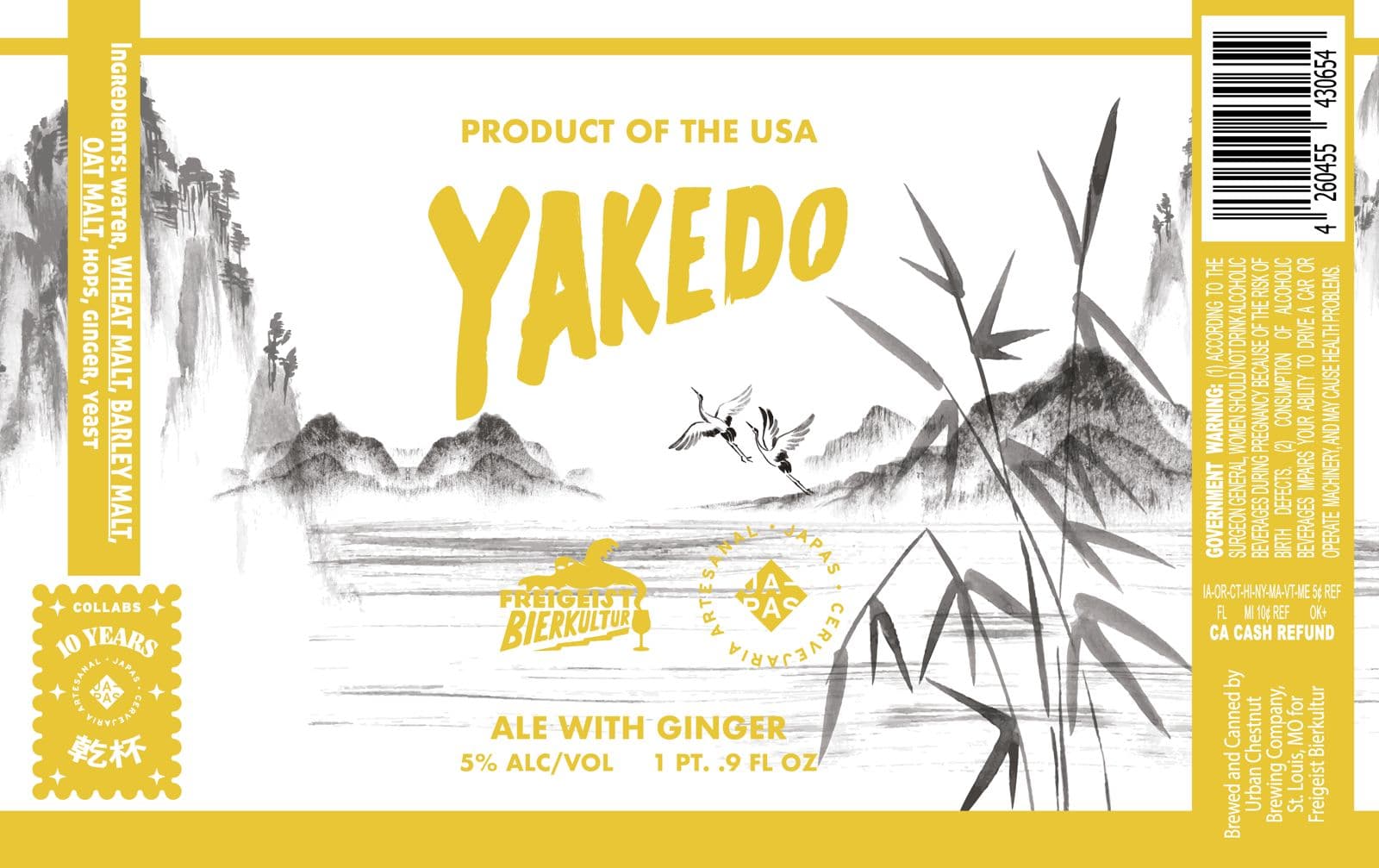
The recipe for this globe-spanning collab—a ginger-laced hefeweizen with influences from Brazil, Germany, Japan, and the United States—comes from Freigeist’s Sebastian Sauer and his friends at Japas Cervejaria in São Paulo.

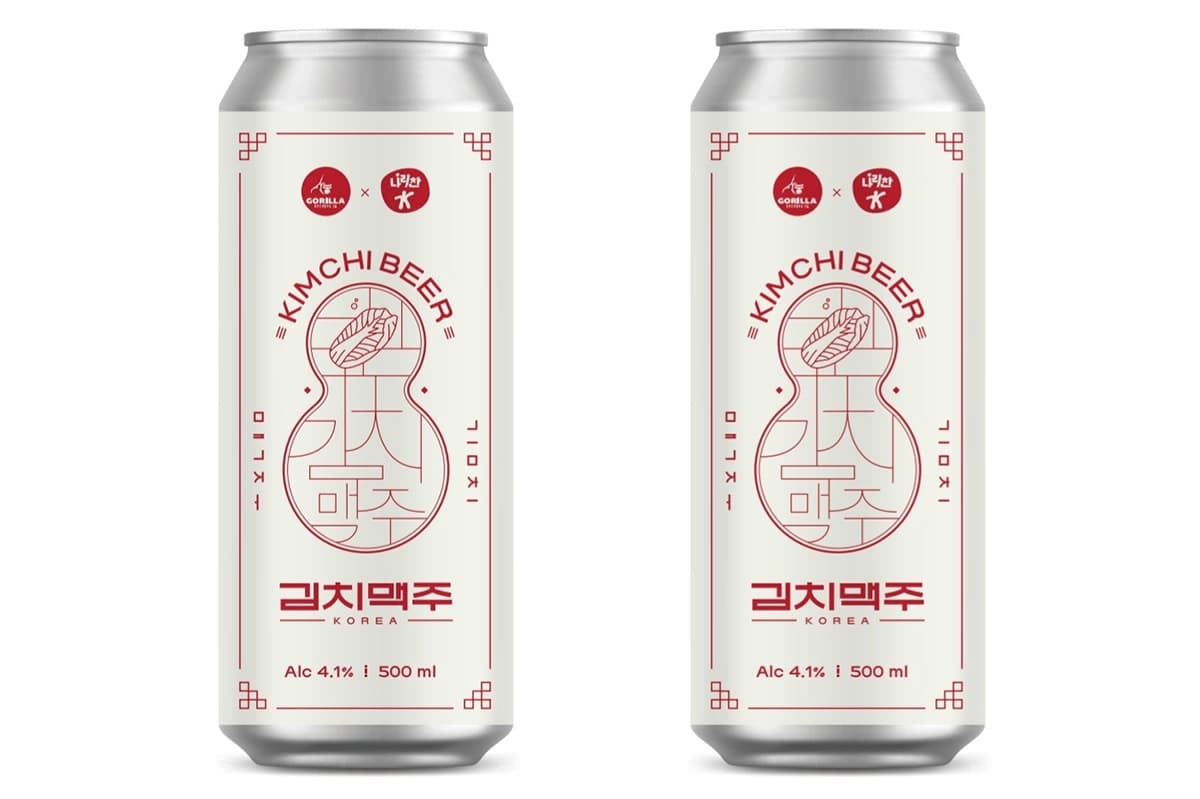
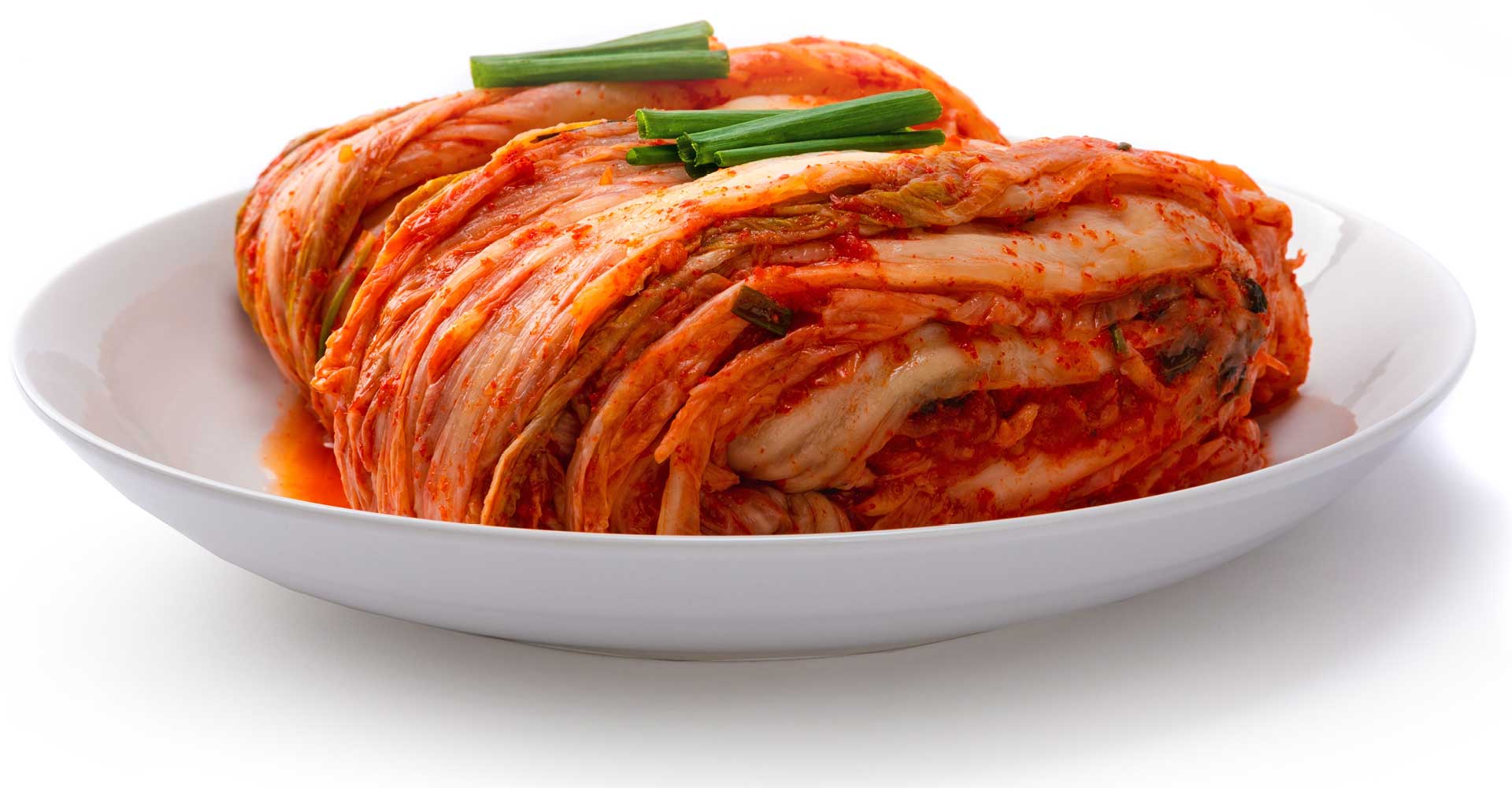
Gorilla Brewing in Busan, South Korea, shares this recipe for a tart and spicy celebration of a cherished local staple.

It can be a polarizing dish for those who didn’t grow up with it, but there are some affinities between certain styles of beer and this fermented Korean favorite. Can you brew with it? Of course you can.

The beers of Wunderkammer get their own rustic character via locally foraged ingredients, mixed cultures that include Brett, and a stripped-down, old-fashioned process featuring direct-fired kettles and fermentation without strict temperature control.

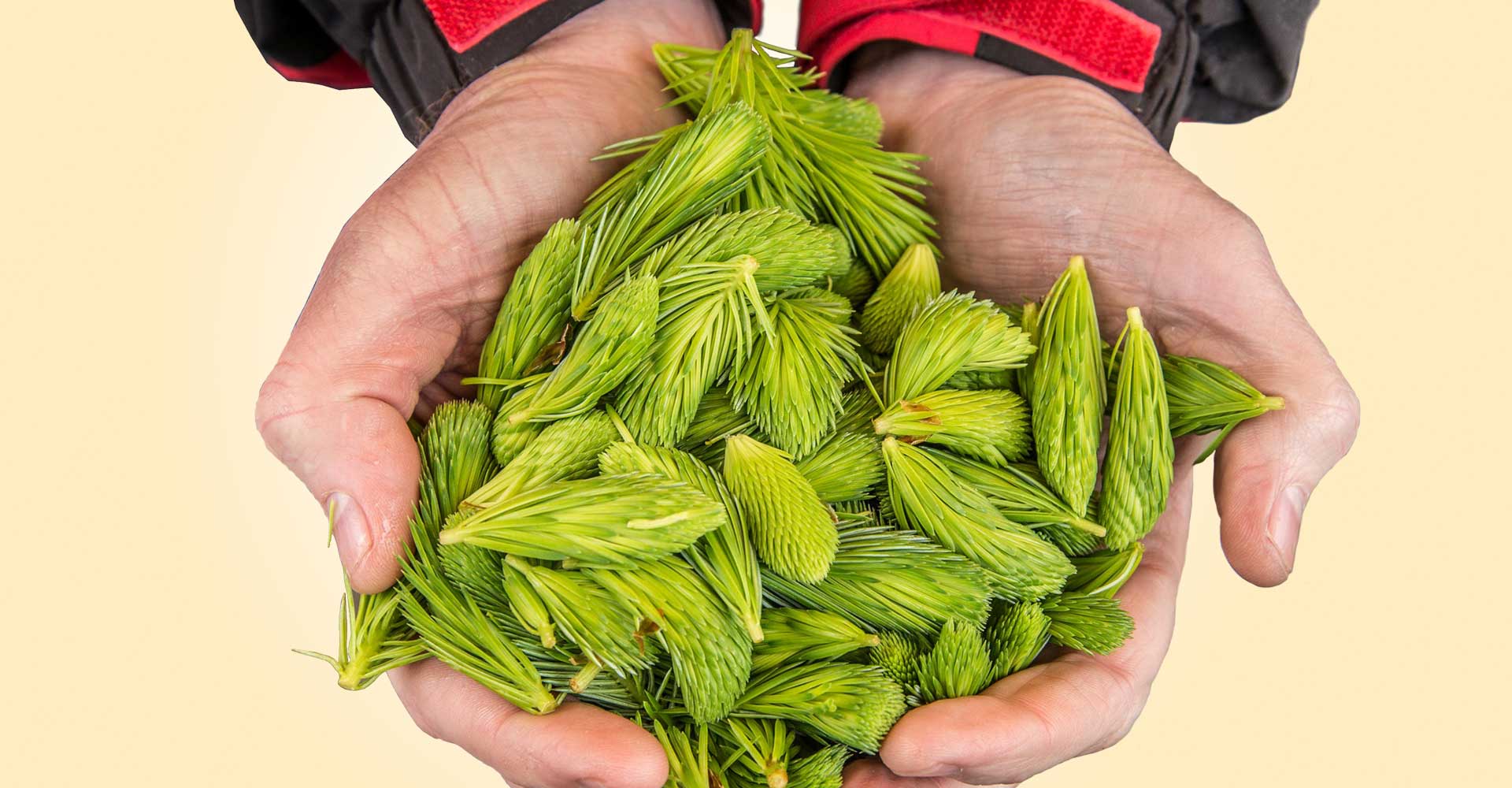
From de Garde Brewing in Tillamook, Oregon, head brewer Trevor Rogers shares this recipe for a spontaneously fermented beer flavored with foraged spruce tips—though the process is easily adapted for mixed-culture pitches or clean, single-strain fermentations.

This Belgian Dark Strong recipe is Scratch Brewing’s favorite tomato beer. The dried cherry tomatoes retain their perceived sweetness and become raisiny and prune-like. They blend perfectly with a Belgian yeast strain.