Make Your Best American Black Ale
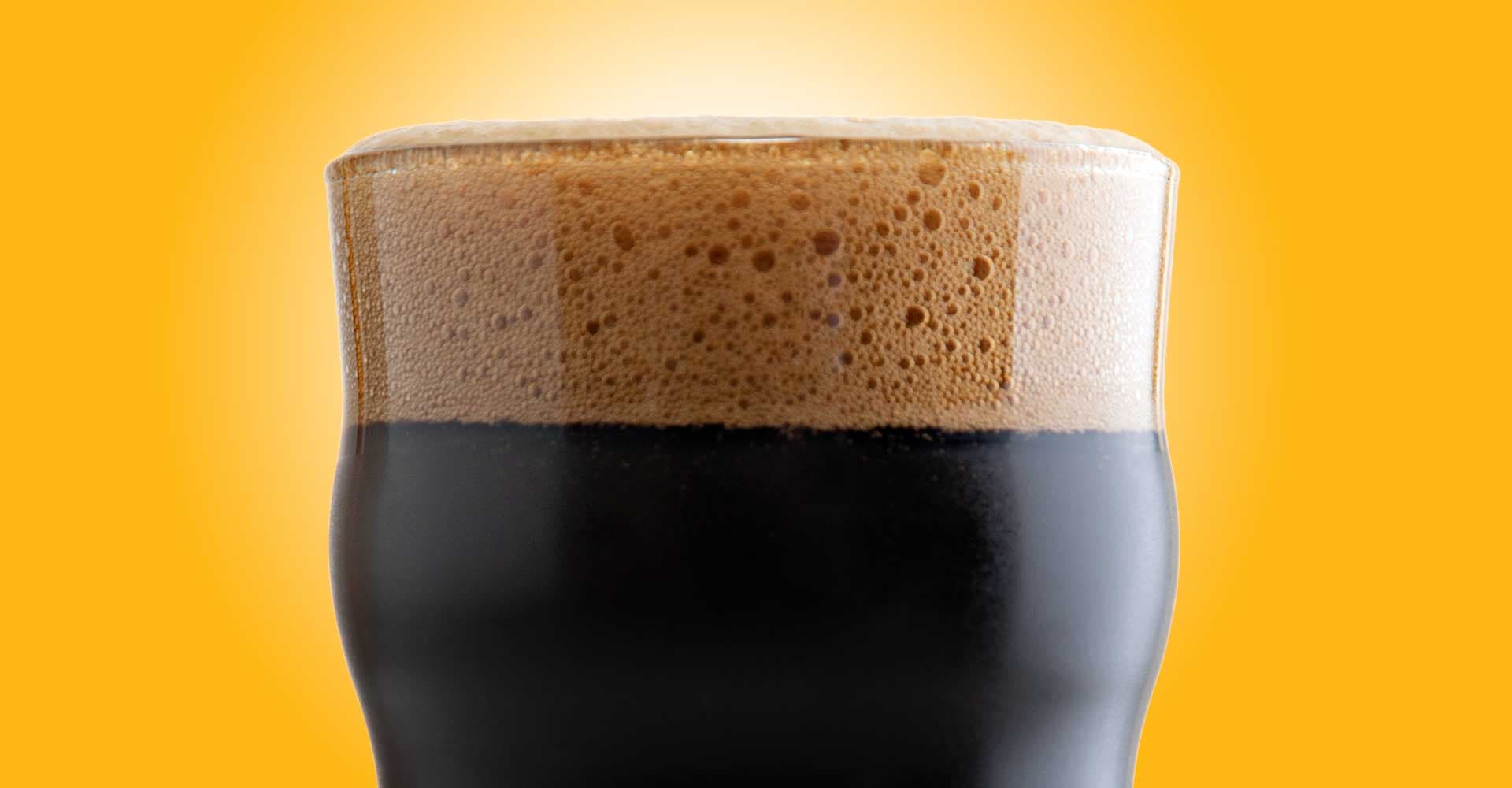
Call it black IPA, Cascadian dark, or anything else—whatever you call it, this American black ale goes all-in on flavor with dark malts and robust hopping.
136 articles in this category

Call it black IPA, Cascadian dark, or anything else—whatever you call it, this American black ale goes all-in on flavor with dark malts and robust hopping.

This beer style works just fine on its own as a fall or winter party tap—but it also makes a great base for winter-themed fruited or spiced beers.

Altbier is the perfect style, and you can’t improve upon it... but sometimes you need to push the envelope.

This hop-forward yet malt-backed niche IPA style has gone from rare to nearly extinct over the years—all the more reason to take a stab at its unusual balance while brewing something that the others aren’t.

A great helles is simple in composition—but simple can be surprisingly hard to get right, especially when there’s nowhere for mistakes to hide. It's a worthy challenge, and the payoff is a beer that pretty much everyone is happy to drink.

It’s a throwback, now, but we remain loyal, and we know they’re still out there. And brewing a great IPL is more about executing the “L” than anything else.

Hard to find and historically interesting? Easy to drink and straightforward to brew? Sounds like the perfect style to tackle at home—or a nice one to grab some interest in the taproom, with its quick turnaround and quantity appeal.

When most people hear “bock,” they think malt—and there’s no question that maibock is a malt-forward style. However, you can lean into hops and other flavor elements to add interest, and—done well—the result is much more than a “strong helles.”

This bigger cousin of the dry stout gets a bump of strength and a deeper coffee-chocolate flavor profile, making it a great option for a seasonal treat.

Beer color can defy expectations while offering intrigue—such as this creative riff on the saison tradition.

Whether you’ve got hop fatigue or are hunting some crowd-pleasing flavors—for autumn weather, holiday fare, or any time of year—this dark wheat beer in the German style need not be challenging to brew.

A great one to enjoy by the autumn bonfire, this is a style that any smoked-beer enthusiast should know how to make—and it can be nearly as easy to brew as it is to drink.

For brewers who want to get into tart, mixed-culture beers but don’t yet have a lot of confidence or experience, this is a great place to start. But it's also a style where advanced brewers can have a lot of fun dialing it in to their personal tastes.

Ready to brew a great American lawnmower beer?

There are so many versions, varieties, and approaches here that it would be arrogant to claim this will be your best American IPA—but it’s a very, very good one that’s held up well to the test of time.

The style parameters here are actually pretty simple: high bitterness, intense hop aroma and flavor, and just enough malt character to provide some background.

Dry and lively with earthy-herbal hop flavors, saison should be refreshing, with any spicy character better driven by yeast and hops than by actual spices.

Crisp, dry, herbal-bitter, and clean, this is a lager you’ll want to have on tap all year long—but especially as the weather starts to warm.

Kentucky common is a smooth, drinkable, light-amber hybrid that’s closer to Kölsch, cream ale, and California common than it is to Jack Daniels.

This rye riff on the classic American IPA is plenty hop-forward but with a more substantial grist than most. Rye’s an excellent ingredient that pairs beautifully with bright, clean hop flavors.