Recipe: Unsung Clawburst West Coast Pilsner
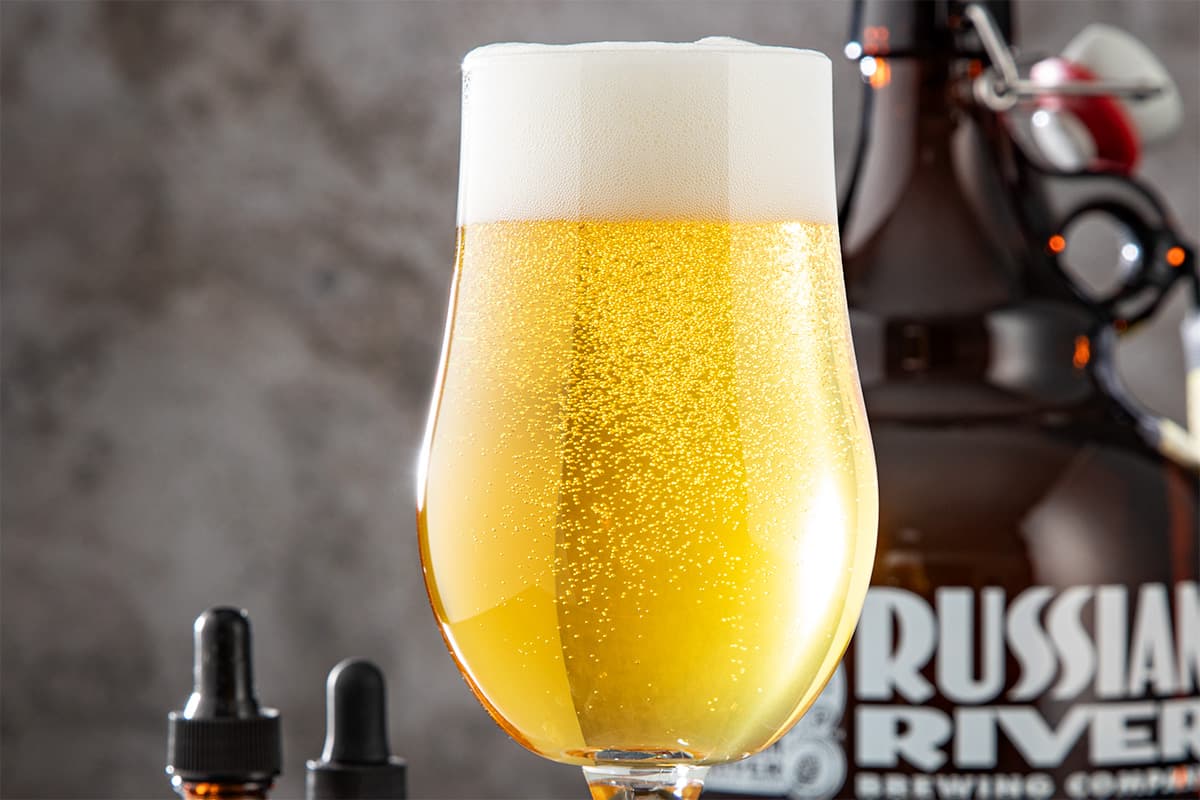
SUBSCRIBERFrom Unsung Brewing in Anaheim, California, this West Coast pilsner—with tropical character driven by Mosaic and Nelson hops—won silver in the Hoppy Lager category at the 2025 World Beer Cup.
278 articles in this category

From Unsung Brewing in Anaheim, California, this West Coast pilsner—with tropical character driven by Mosaic and Nelson hops—won silver in the Hoppy Lager category at the 2025 World Beer Cup.

Lisa Allen, co-owner and brewer at Heater Allen and Gold Dot Beer in McMinnville, Oregon, shares this recipe for a pils designed to show off a nontraditional German aroma-hop variety.

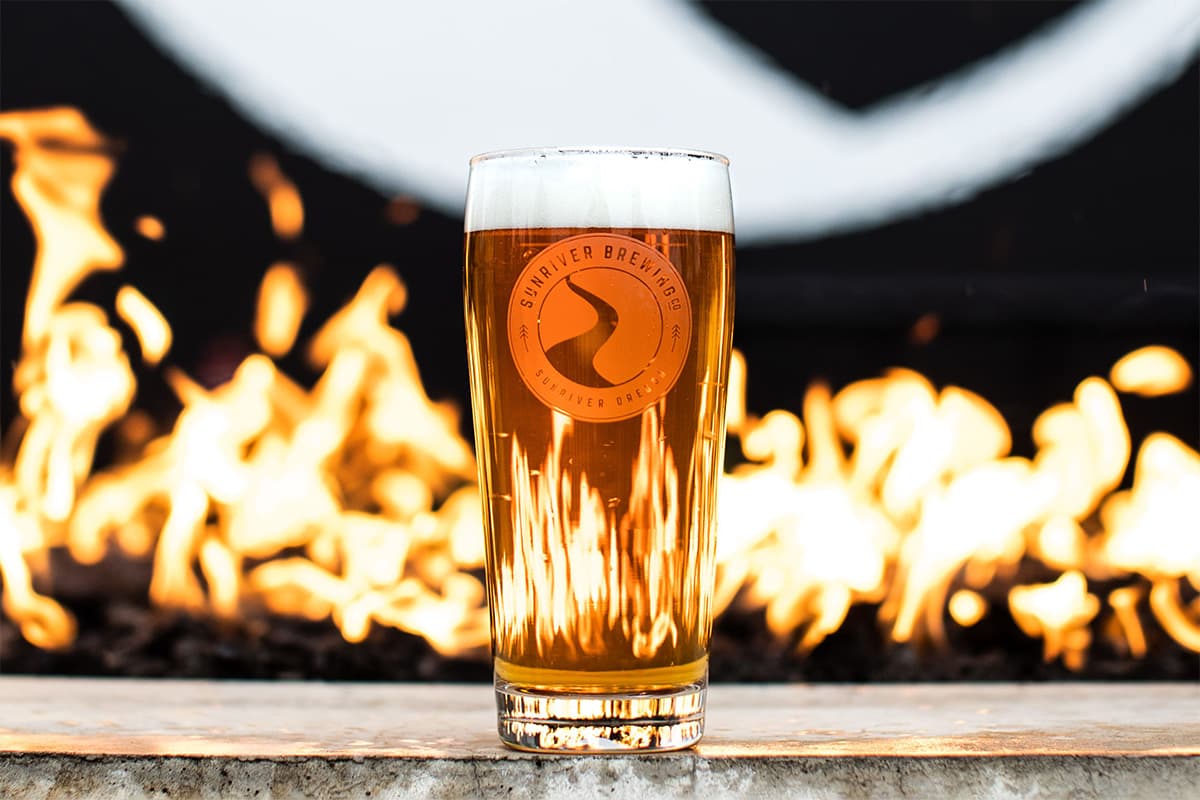
With a burst of Lórien hops in the whirlpool and more in the dry hop, the team at Sunriver Brewing in Sunriver, Oregon, describes this hop-forward pilsner as “distinctly crisp, with elegant hoppy notes of wildflowers, lemongrass, and black tea.”

As today’s brewers explore the subtleties of hop-forward lagers, they’re finding ways to balance proper fermentation time with the brightest possible hop expression.

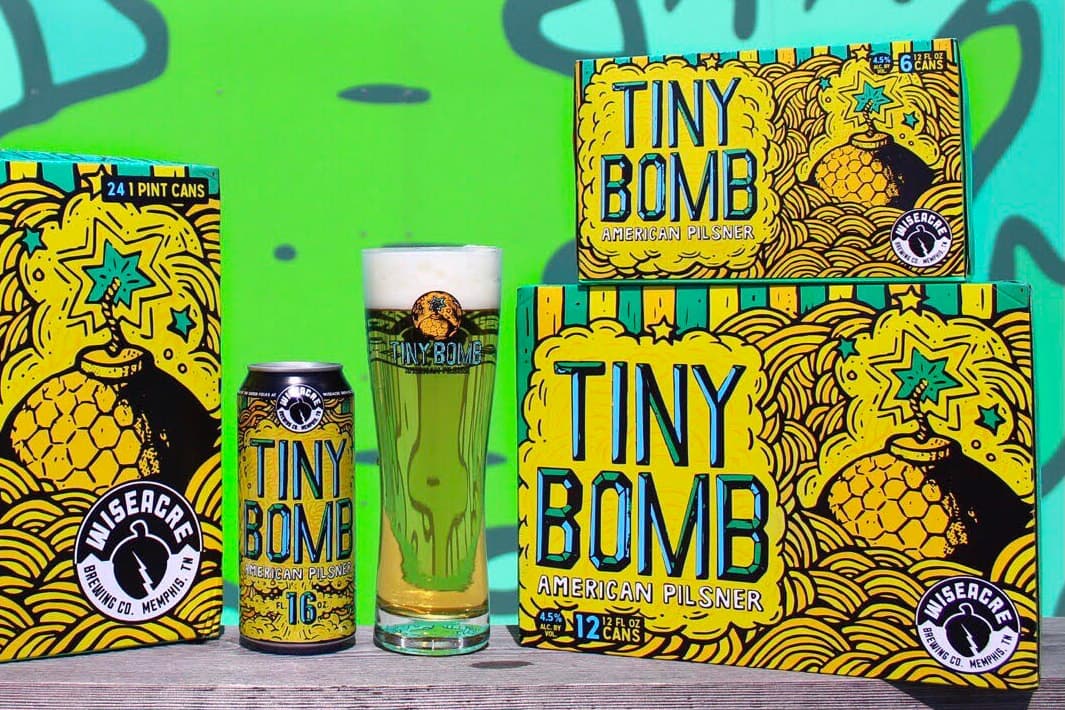
The flagship beer from Wiseacre in Memphis, Tennessee, Tiny Bomb is a svelte, session-strength American lager with the full flavor of a German pilsner.

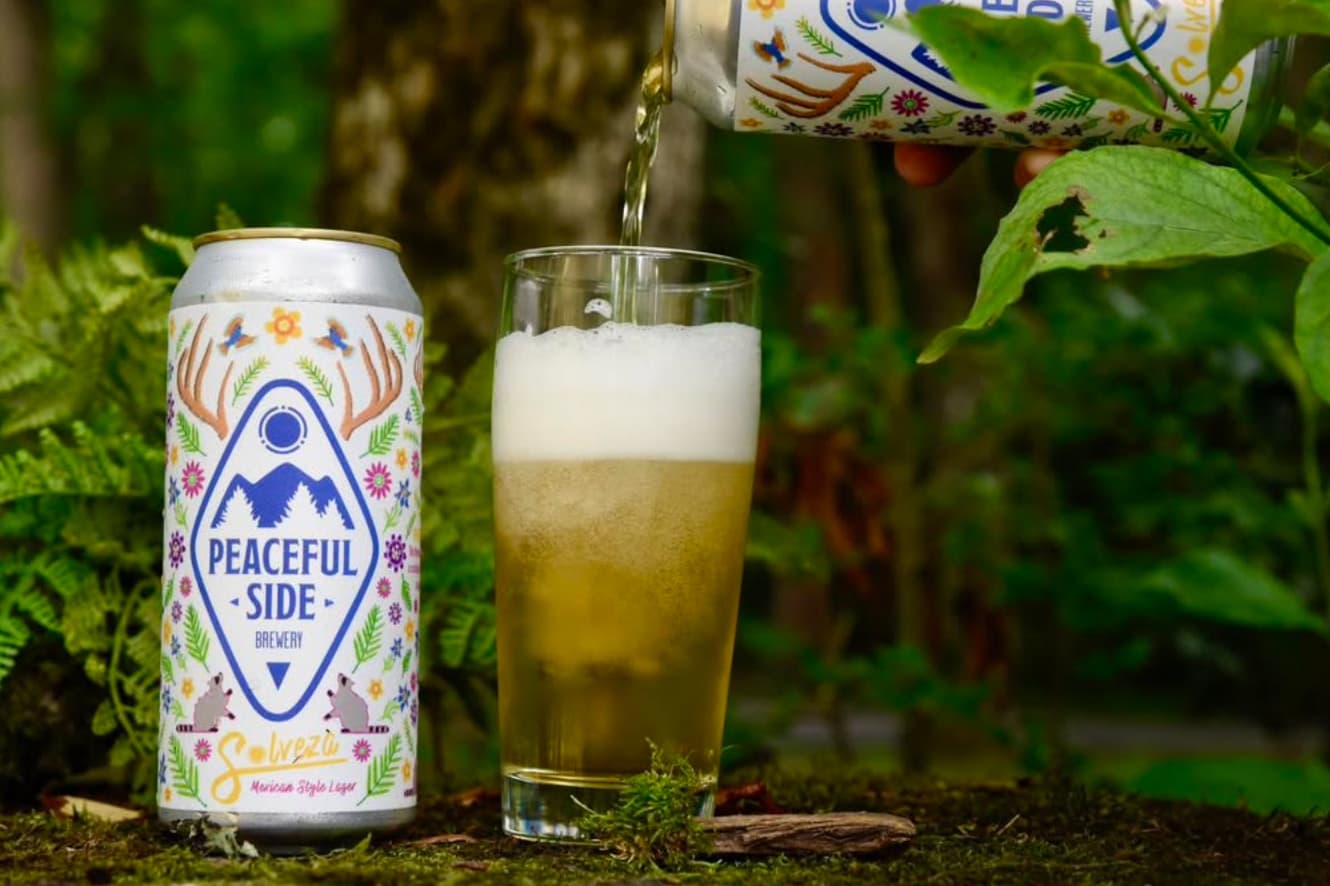
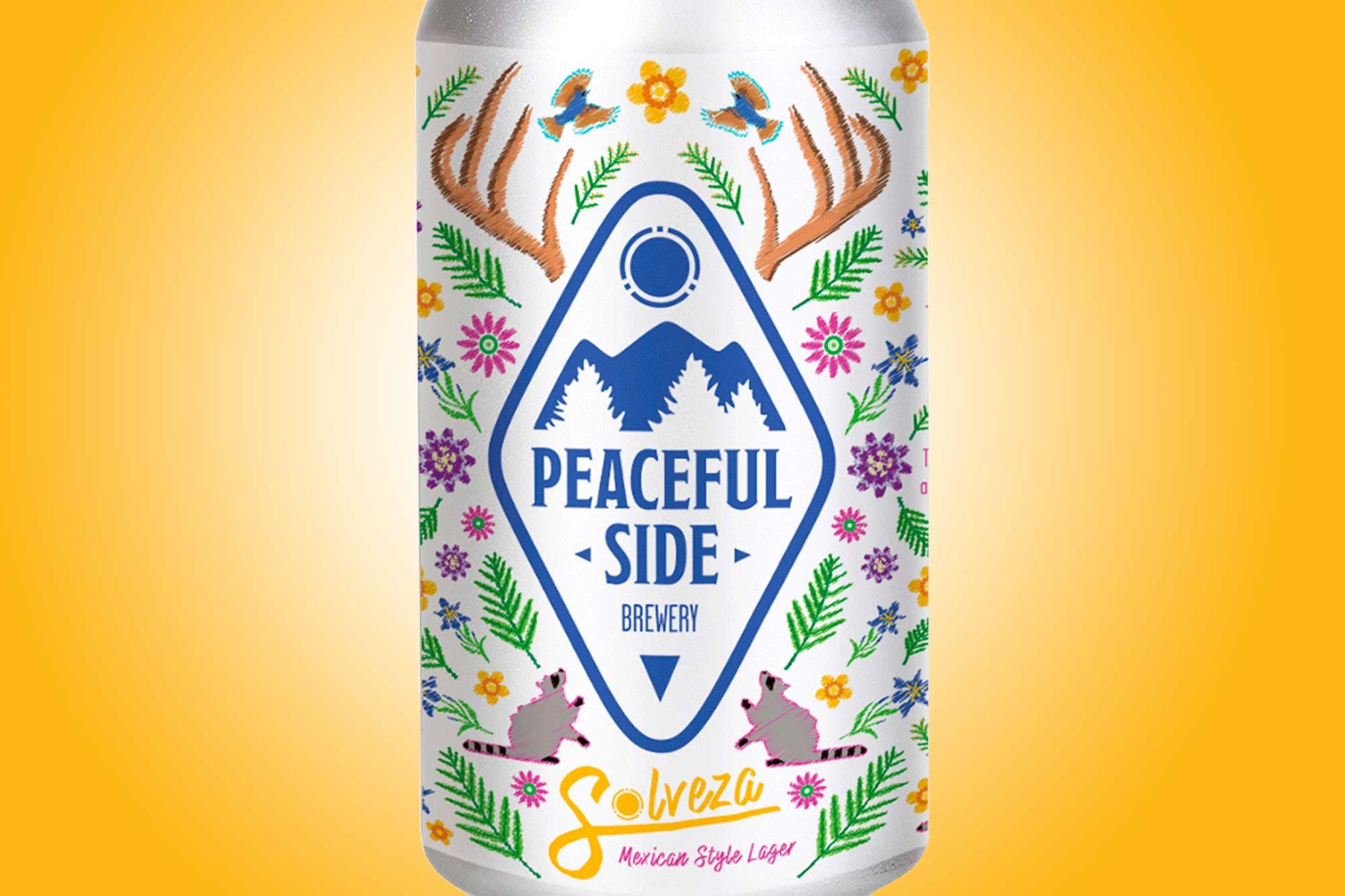
“Brewed as an ode to the sun,” this light, crisp, subtly sweet Mexican-inspired lager from Peaceful Side in Maryville, Tennessee, won the gold medal for International Light Lager at the 2025 World Beer Cup.

Seth Carter, head brewer at Peaceful Side in Maryville, Tennessee, cites the key factors that helped their Solveza lager win gold at the 2025 World Beer Cup—and it begins with a team-wide approach to quality.

Based on details shared by the former lead brewer at Peoples Brewing in Oshkosh, Wisconsin, this mid-20th century American bock gets its color from a darker caramel Munich malt—not from the syrups that were common in dark adjunct lagers from that time.

On his two-vessel brewhouse in Duluth, Georgia, Good Word owner-brewer Todd DiMatteo hand-lugs buckets full of mash to make his decoction happen for their house helles—a process that he says is worth the effort.

It doesn’t take a bespoke lager brewery to bring the subtle complexities of decoction to craft lager—but it does take some ingenuity.

Twentieth-century U.S. lager breweries would often use colorants—such as a malt-based product called Porterine—to give their pale beers a darker or even porter-like appearance. Here’s how to make your own.

Justin Slotnick, production manager at Schilling Beer in Littleton, New Hampshire, shares this recipe for their dark bock inspired by the industrial American tradition—but updated to use today’s old-fashioned craft malts.

American brewers have been producing an industrial riff on bock for more than 150 years—light in strength but dark in color, usually made with corn as well as dark syrups. How might craft brewers reinterpret this tradition, based on the ingredients they have today?

Want to brew an eisbock? The first times you try fractional freezing on a bock or other beer, you simply can’t know exactly what you’re going to get—but there are ways to maximize your chances of success.

From shared breweries to shared tables, the zoigl tradition of northeast Bavaria is unlike anything else in modern brewing or hospitality.

This beer style works just fine on its own as a fall or winter party tap—but it also makes a great base for winter-themed fruited or spiced beers.

Fermentation has been around for billions of years, but only recently did a new type emerge—lager fermentation, conducted by an organism that didn’t exist for much of Earth’s history. Here is its story... starting from the very, very beginning.

This international-style dark lager works well on its own as an easy-drinking crowd-pleaser—but it also works well as a relatively base for fruit or other flavor additions.

Ashleigh Carter, cofounder of Denver’s Bierstadt Lagerhaus, focuses solely on lager in her own brewing, and she’s drawn to those with similarly singular approaches. Her chosen six-pack honors intentional commitment to a style, to a single beer, to presentation, and to experience.

Technically, this cold-fermented showcase of expressive Czech aroma hops—brewed by the folks at Sacred Profane in Biddeford, Maine—is a lager. But it drinks like an IPA, so that’s what they call it.