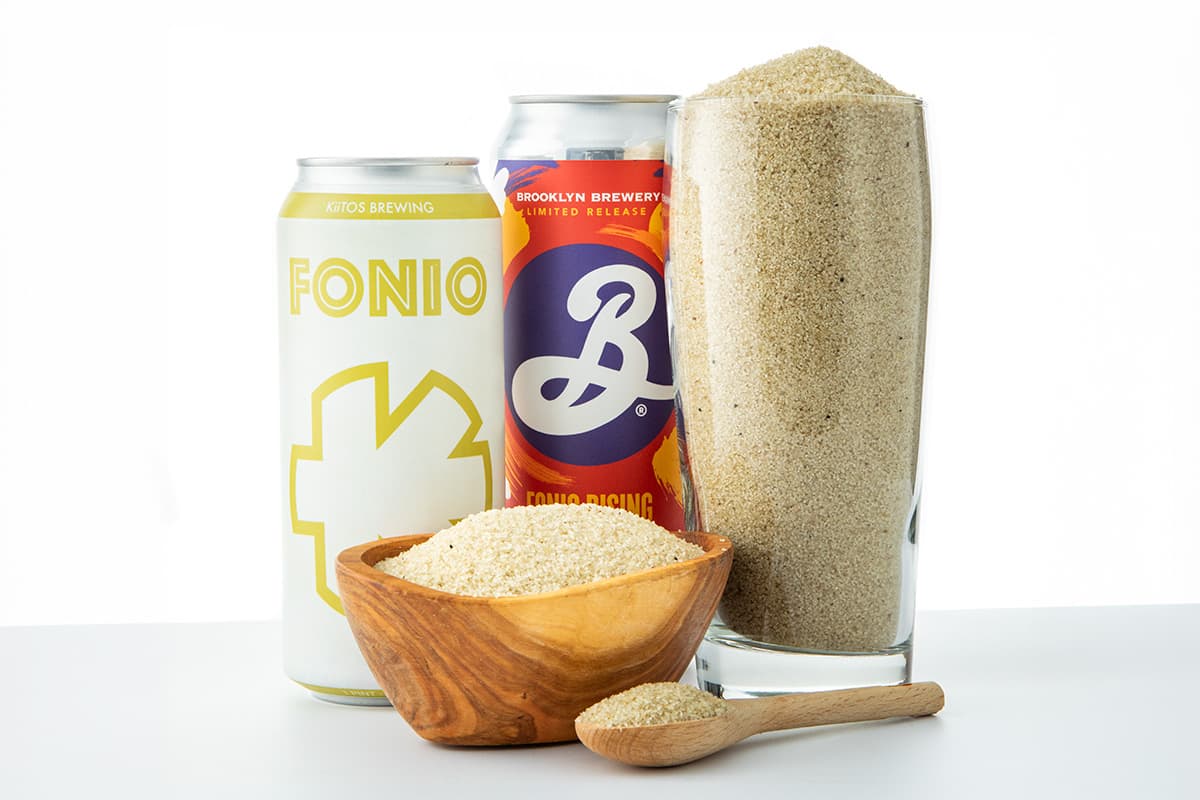
Garrett Oliver’s Fonio FAQs
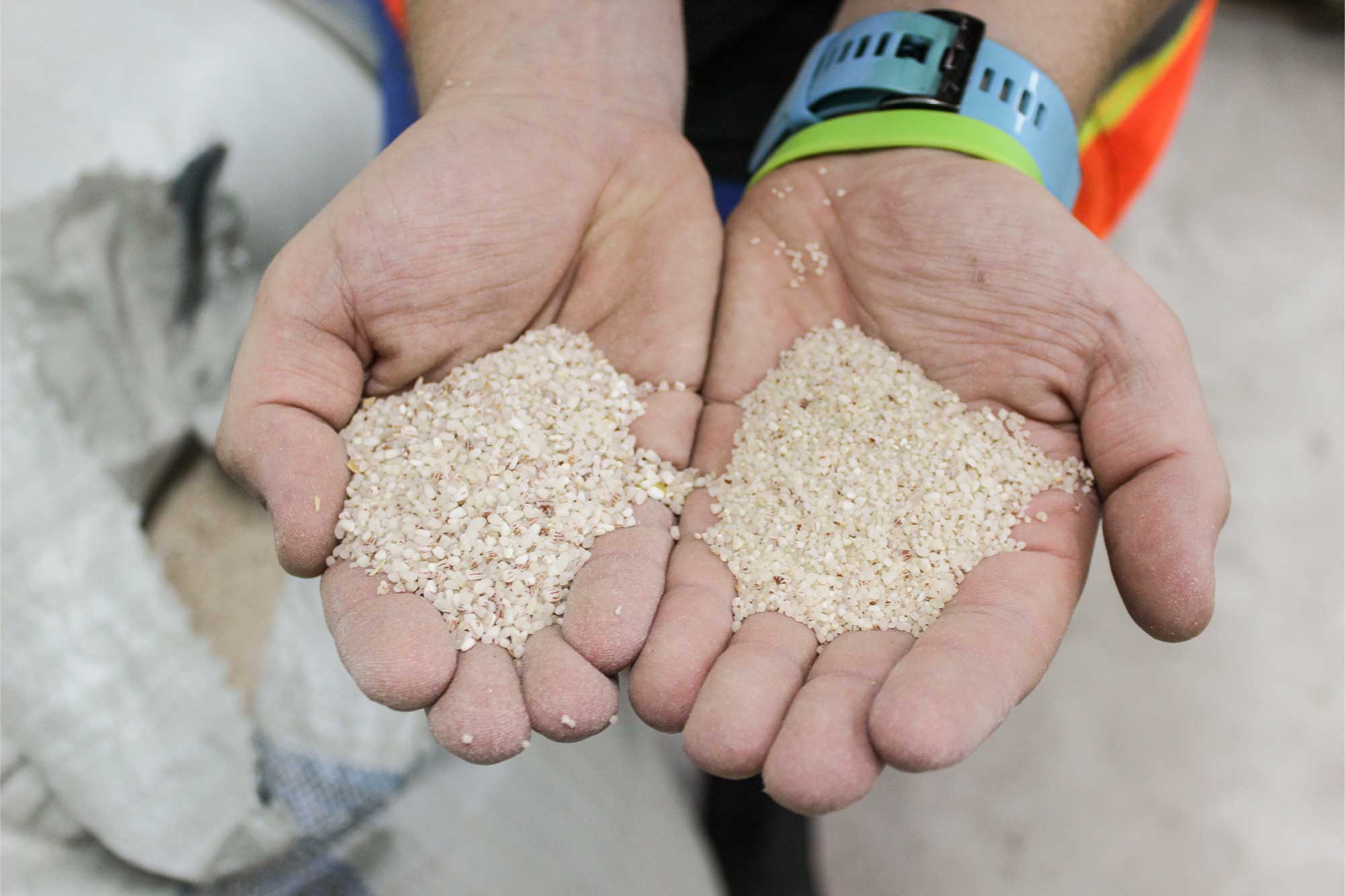
For fellow fonio-curious brewers anywhere in the world, Brooklyn brewmaster Garrett Oliver shares these tips based on what he’s so far learned about the ancient African grain.
17 articles in this category

For fellow fonio-curious brewers anywhere in the world, Brooklyn brewmaster Garrett Oliver shares these tips based on what he’s so far learned about the ancient African grain.

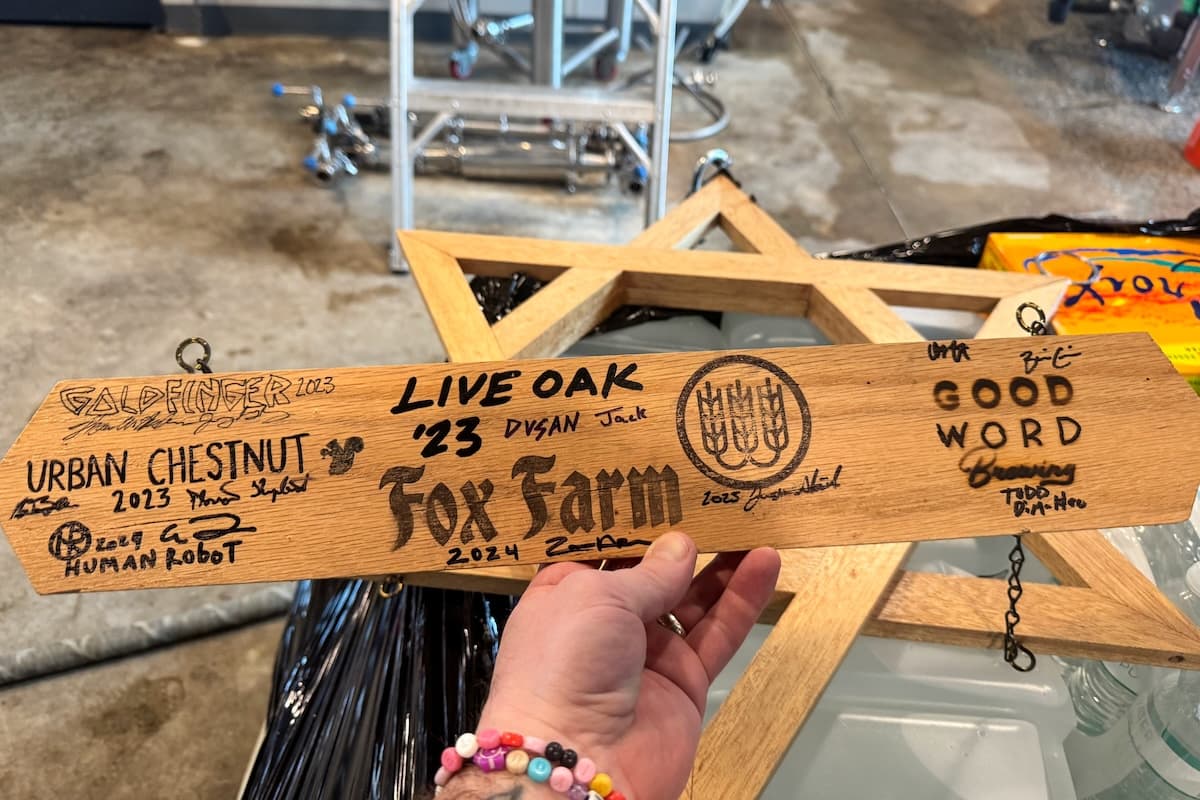
One lager brewery at a time, a homemade zoigl star is making its way around the United States. At each brewery, the star signals participation in an evolving collaboration inspired partly by the Oberpfalz tradition. Tom Beckmann, cofounder and brewer at Goldfinger in Chicago, explains.

It’s not always a simple process, but independent brewers in Ghana are favoring locally grown starches such as rice and cassava over imported malt, forging an identity for Ghanaian craft—oh, and they’re winning international medals for the beer.

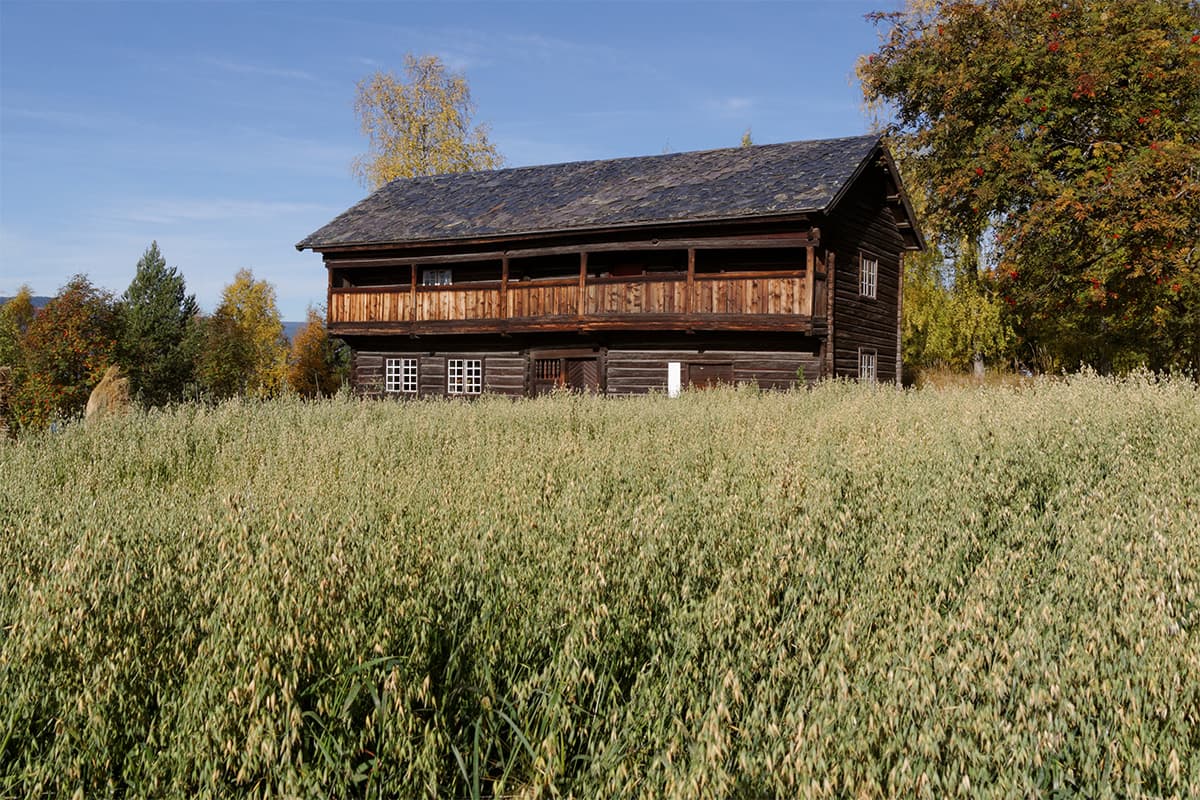
In centuries past, much of European brewing happened on the farm—and the choice of what to brew was as pragmatic as what to grow. With insights that could inform your next farmhouse ale, Lars Marius Garshol shares some truths about what those farmer-brewers planted, malted, and put into their beers.

Based on a description from Norway in the late 18th century, this recipe represents the practicality of local farmers at the time—and the grist is 100 percent oats, which would’ve been malted in a smoky kiln.

Corn has long held an important place in brewing across the Americas, from chicha in the Andes to Mexican and American adjunct lagers. Today, craft maltsters and brewers are seeking more flavorful heirloom varieties to see how far they can push those flavors.

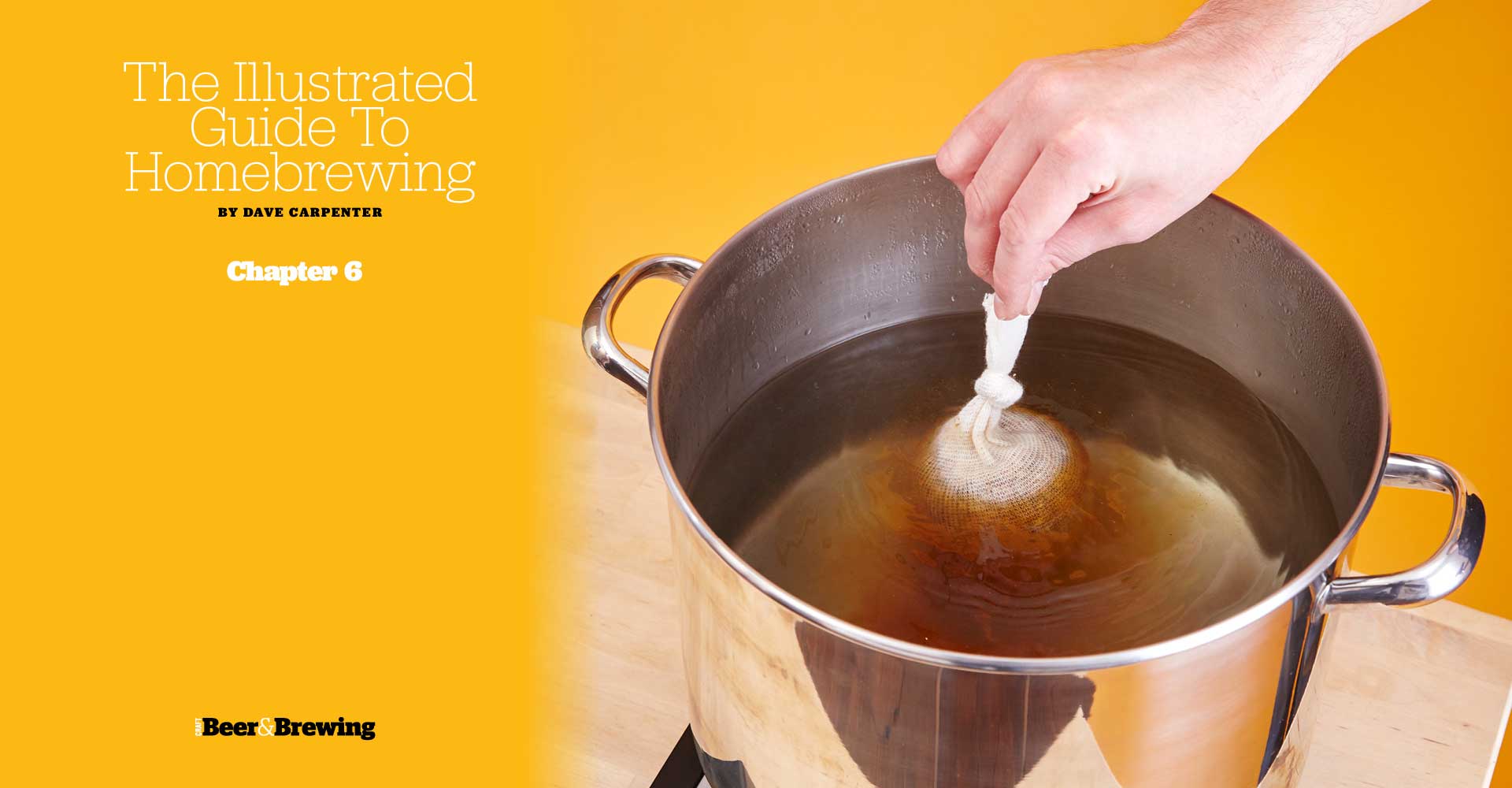
In this excerpt from our Illustrated Guide to Homebrewing, we discuss brewing with extracts and steeping with specialty grains—and why there is much to be said for embracing them at home.

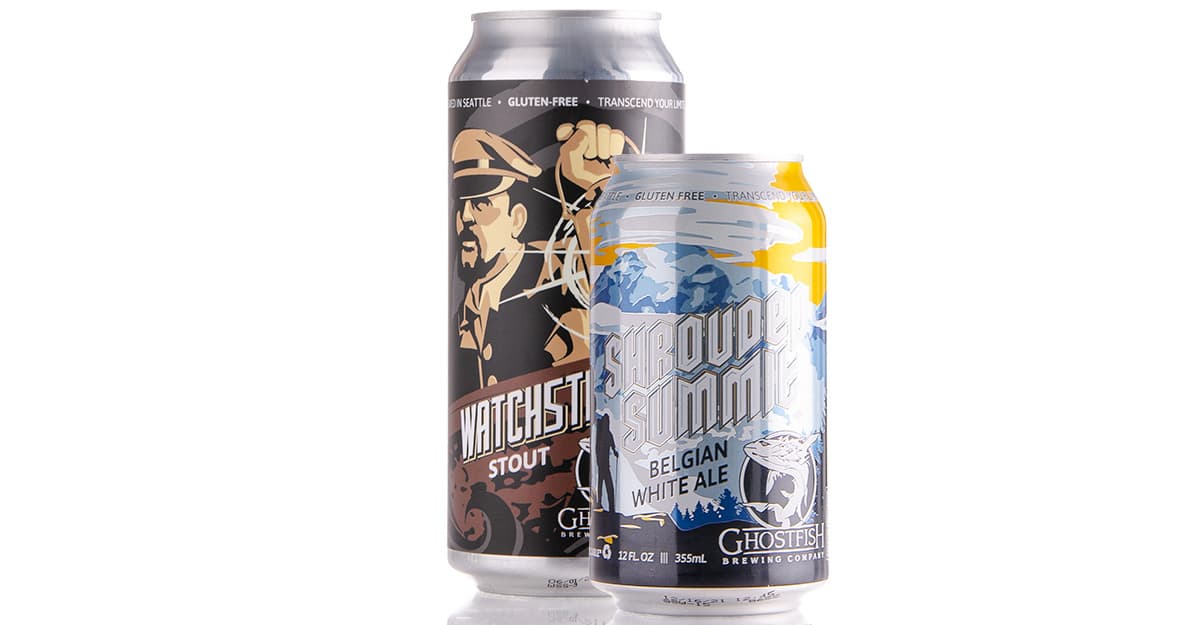
The production team at one of the world’s most accomplished gluten-free breweries lays out the alternative routes they take to making great-tasting beer—without barley, wheat, or oats.

Human civilization has evolved alongside wheat, whose properties create a wide swath of beer’s diversity of flavor and texture—from quenching weissbier to soft, hazy IPA. Randy Mosher digs into its history and chemistry.

Why ask rye? Is it actually all that tricky to use? And what does rye really taste like, anyway? Let’s simplify this complex, evocative, old-fashioned ingredient—and make some great beer with it.

Don’t let that extra loaf go to waste—try throwing it into your mash tun. Here, Sam Fleet of Brussels Beer Project breaks down the unexpected benefits of brewing with bread.

On the edges of Portland, Oregon, and the country’s most demanding beer scene, Grains of Wrath is turning heads and earning respect with bright West Coast IPAs and award-winning lagers.

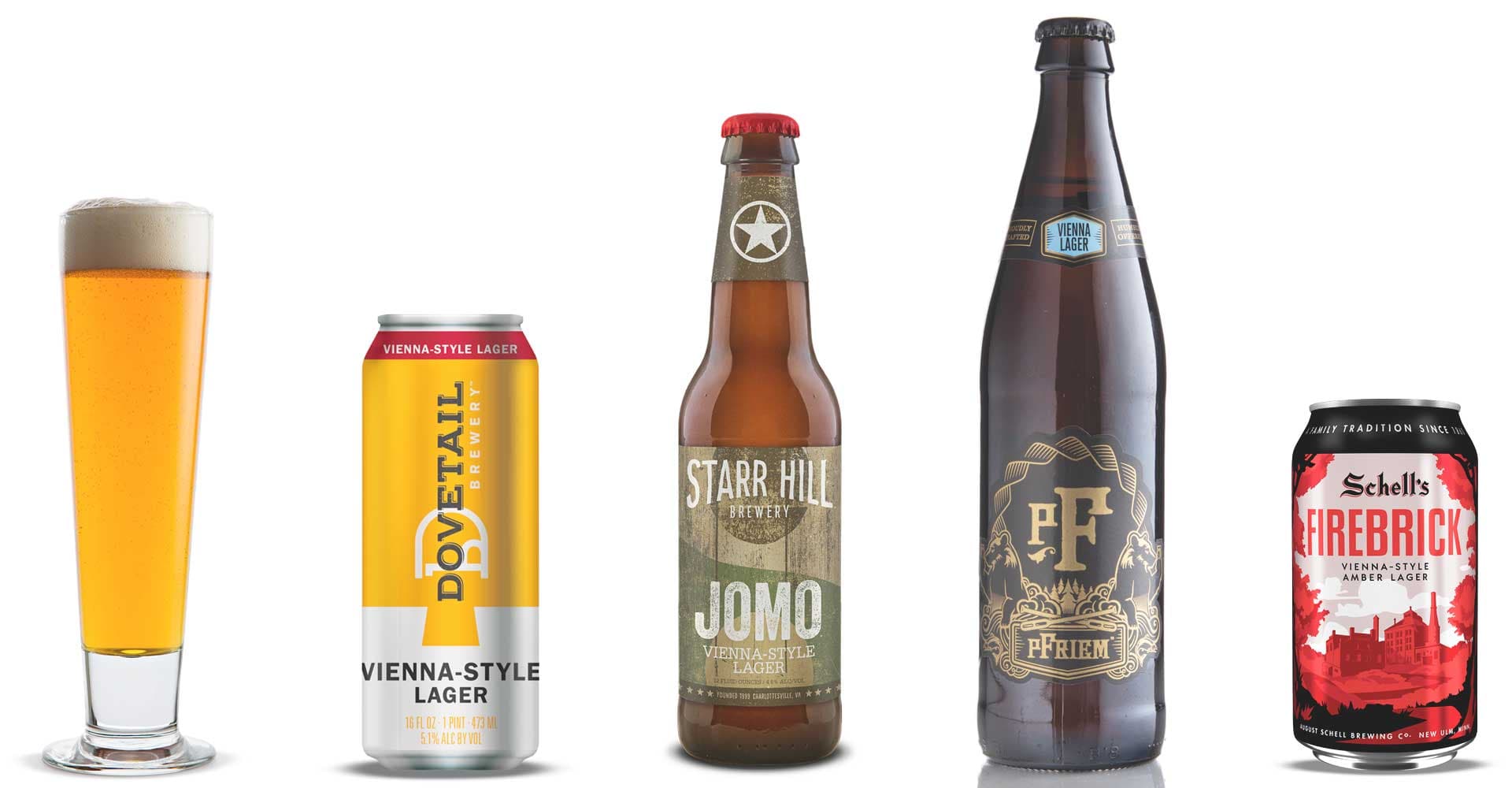
A great Vienna lager exhibits malt and hop character balanced by restraint and supreme drinkability. If lager is the ultimate “brewer’s beer,” is Vienna the ultimate brewer’s lager? Here are five that we love.

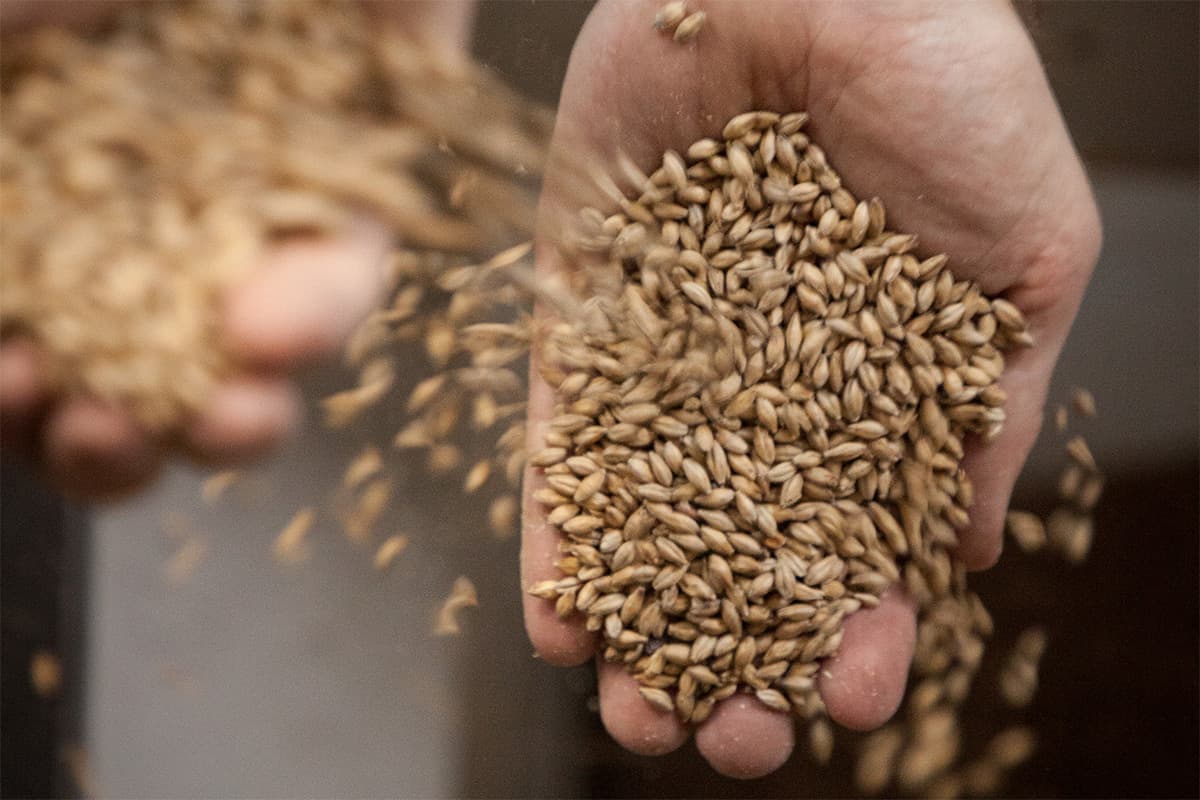
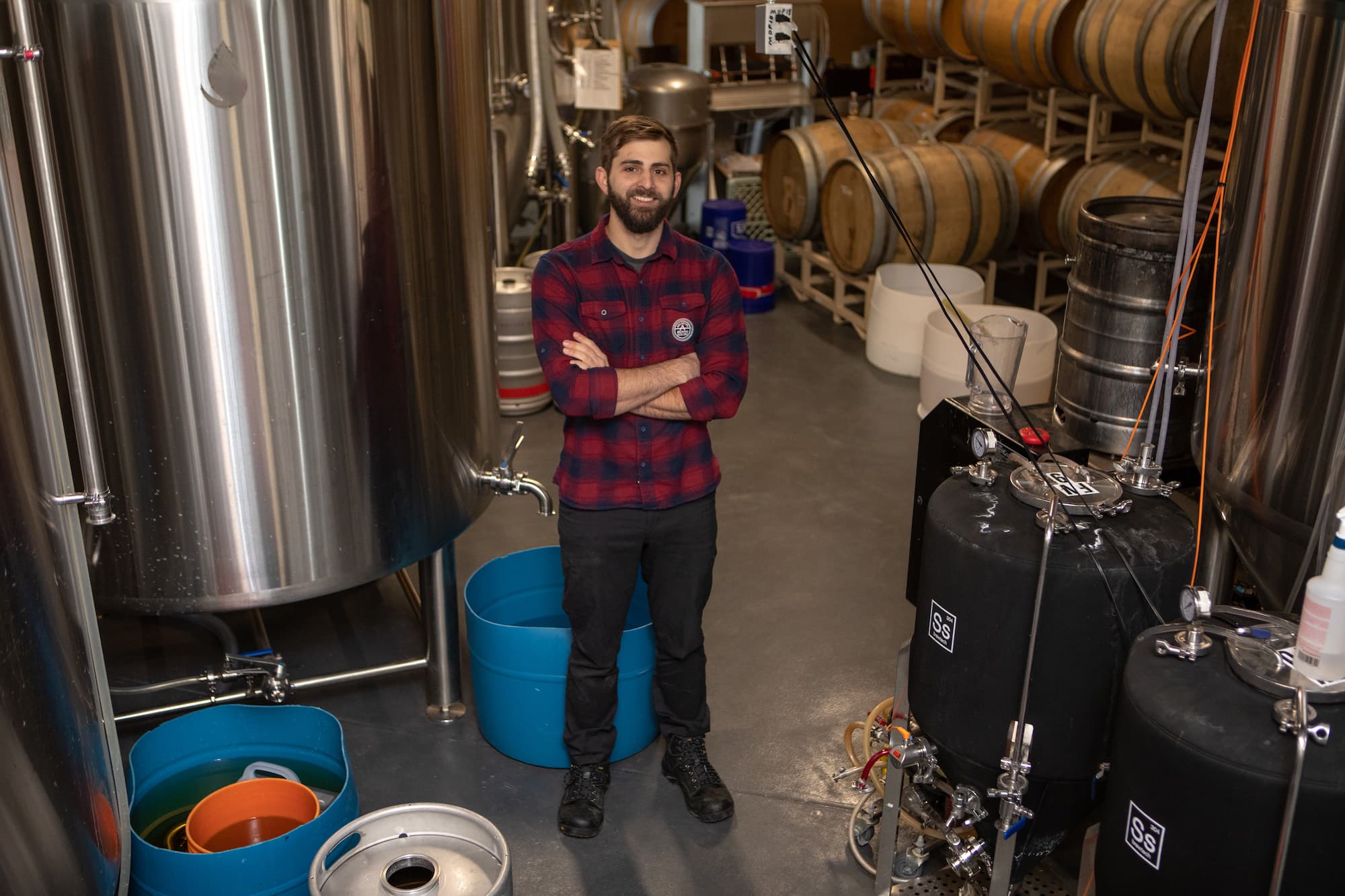
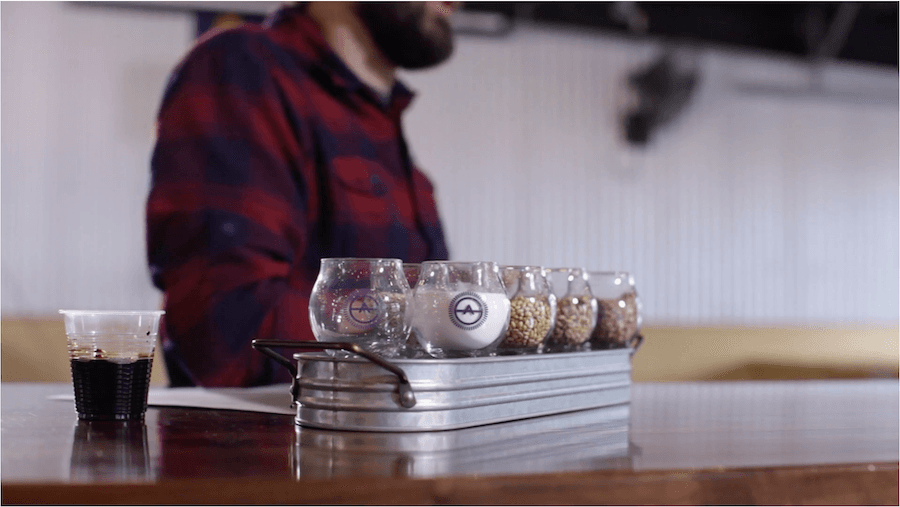
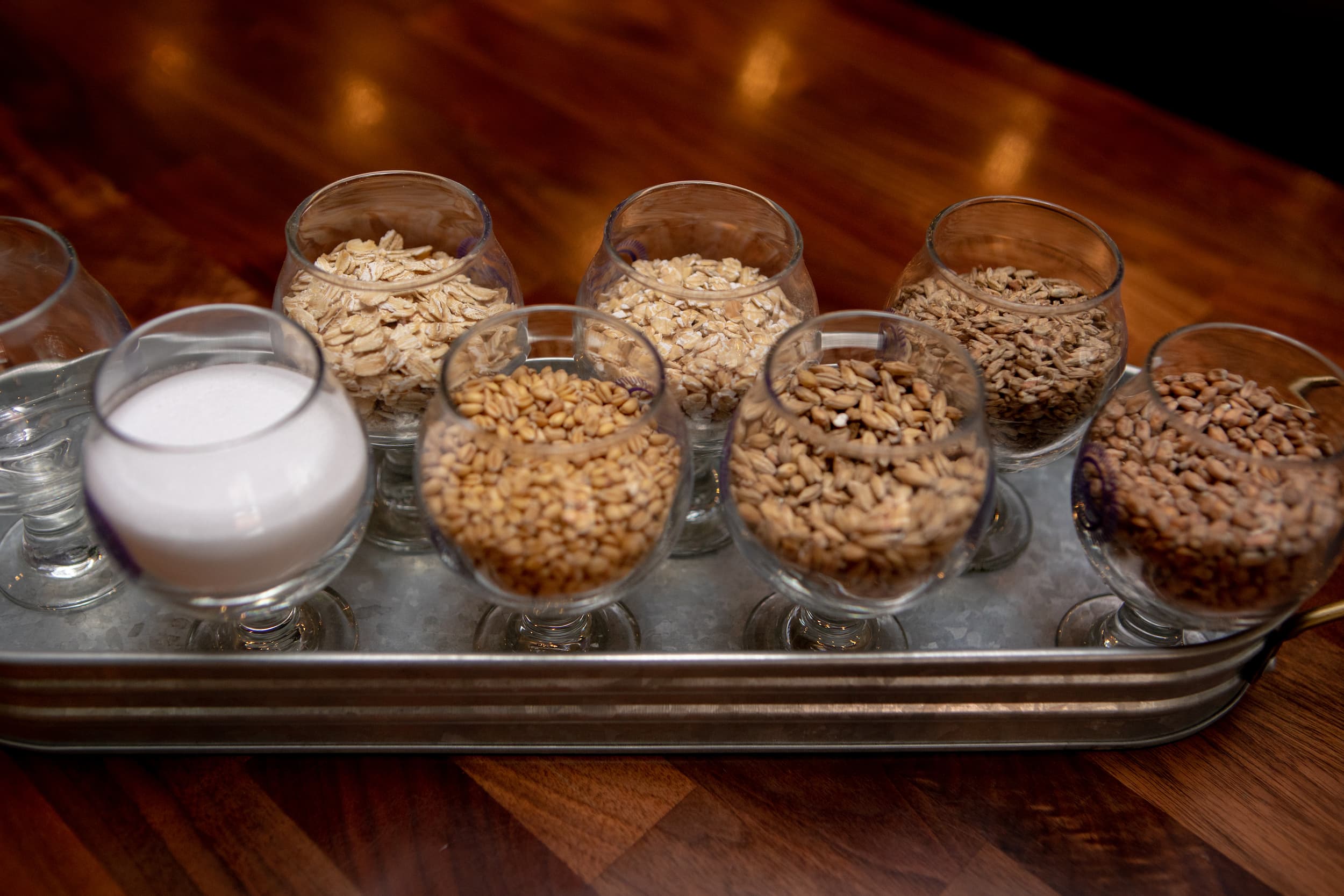
Unmalted grains such as barley and wheat can add flavor and foam stability, among other benefits. Steven Anan of Archetype Brewing takes us beyond malt to look at brewing with alternative grains and other fermentables.

Dextrose or Belgian candi syrup? Steven Anan of Archetype Brewing takes us beyond barley to look at brewing with alternative grains and other fermentables.

Steven Anan of Archetype Brewing takes us beyond barley to look at brewing with alternative grains—beginning with a few words on wheat.

Want to change up your wheat-beer game? Here's John Mallett, director of brewing operations at Bell’s in Kalamazoo, Michigan, on forging a deeper relationship with this versatile ingredient—and how it can improve your next recipe.