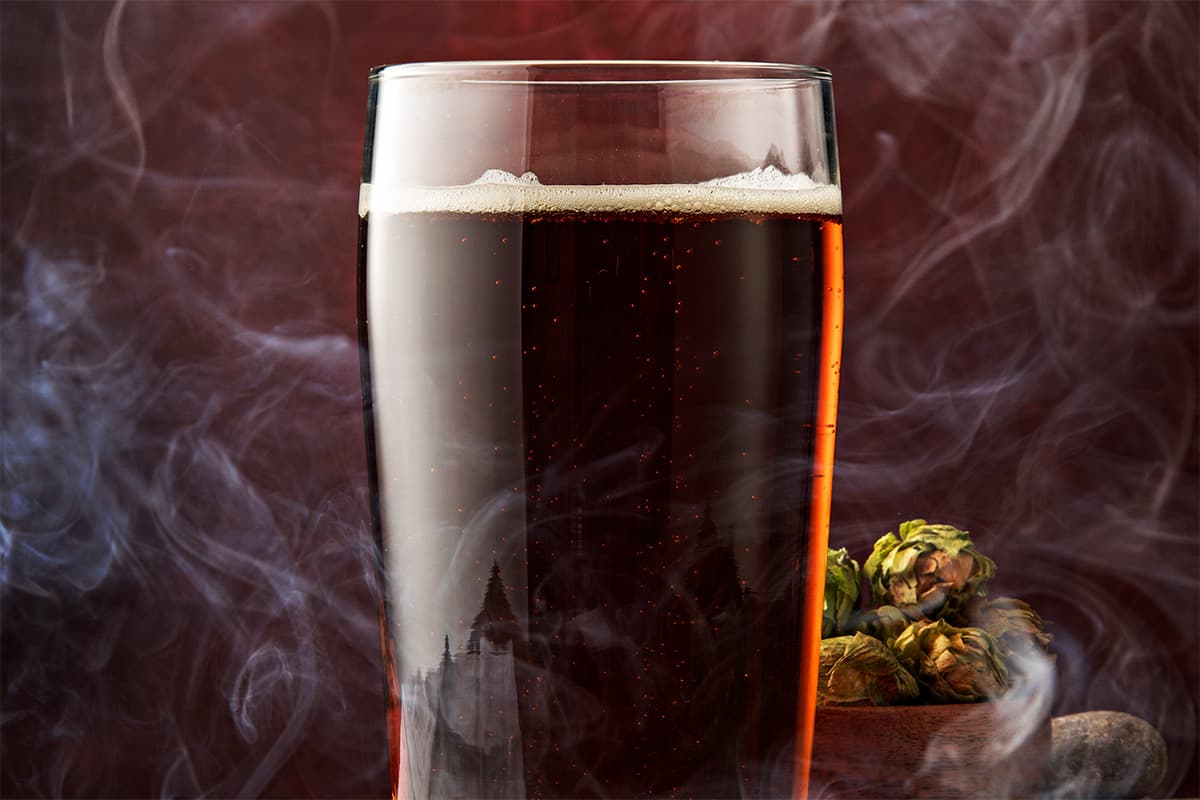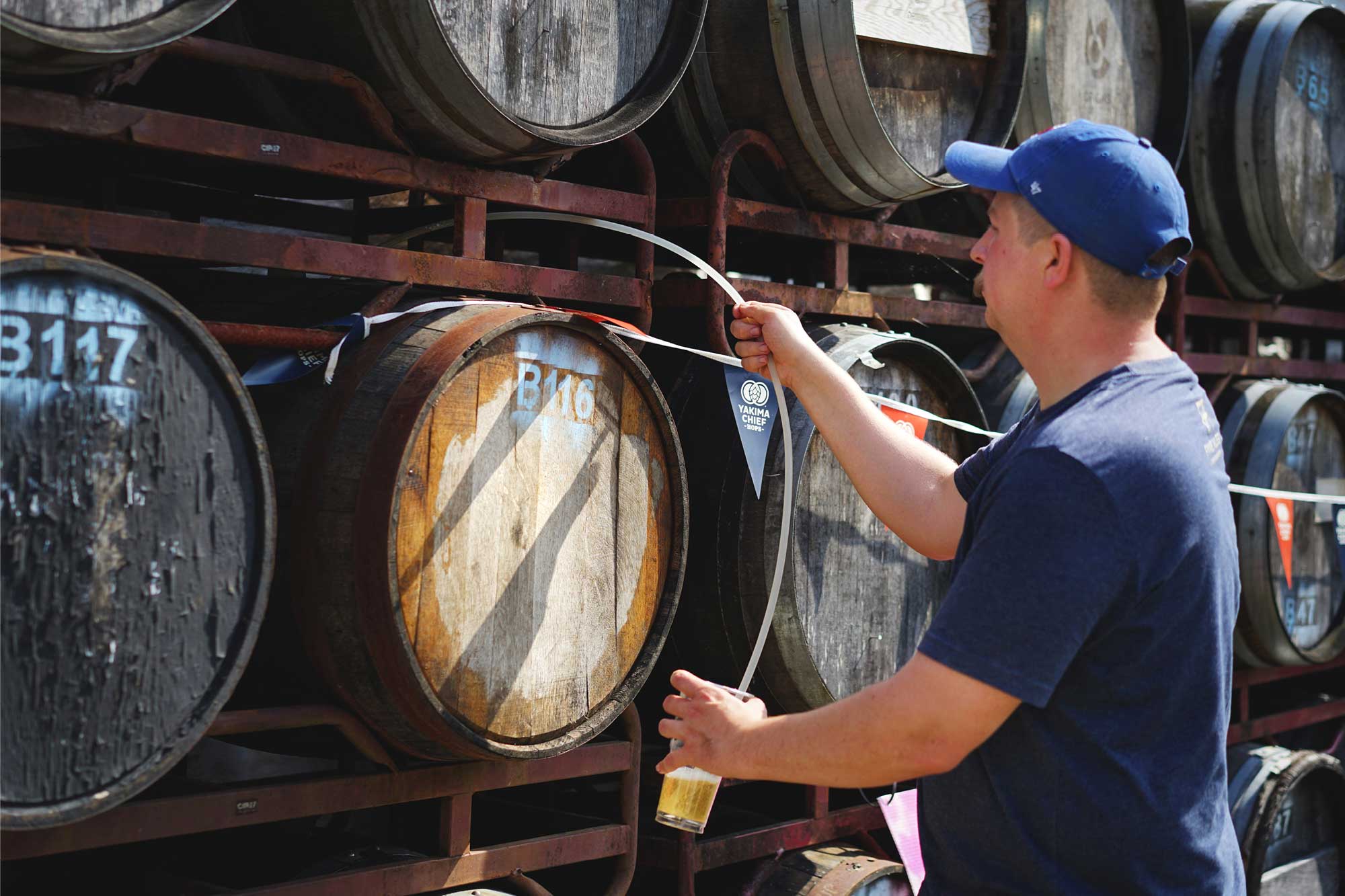
Latvia’s Little-Known Latgalian Ale Is the Smoke Bomb of the Baltics
This obscure farmhouse brewing tradition out of eastern Latvia is still alive today, and it’s one that fans of smoked beer may want to add to their bucket lists.
59 articles in this category

This obscure farmhouse brewing tradition out of eastern Latvia is still alive today, and it’s one that fans of smoked beer may want to add to their bucket lists.

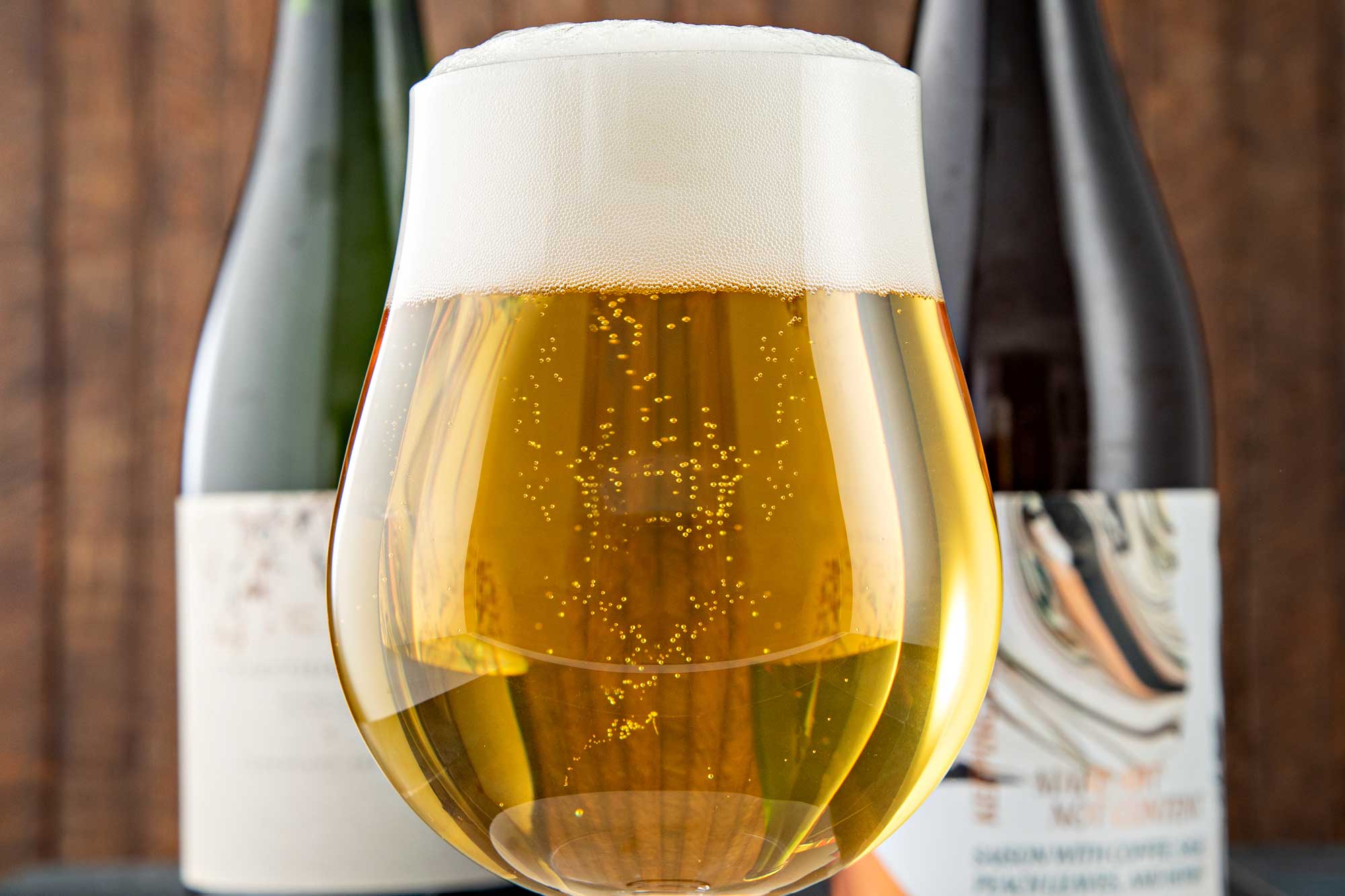
From Dan Wye, head of the Origins project at Fyne Ales in Cairndow, Scotland, here’s a recipe from one of his mixed-culture wine chimeras—containing no grapes, but with flavors inspired by sauvignon blanc wine from France’s Loire Valley.

Want to try your hand at brewing an uncarbonated ale with enough acidity to refresh and complexity to intrigue? Here’s a recipe from Austin’s Jester King for a lambic-inspired beer that’s ready to drink in just a few months.

As a way to illustrate the methods that go into one of the world’s oldest surviving brewing traditions—including wind-dried malt, foraged hops, and a boiled mash—here’s a recipe for aludi, the farmhouse ale from Georgia’s highlands.

In the mountains of eastern Georgia, a rare type of farmhouse beer represents a centuries-old tradition that survives.

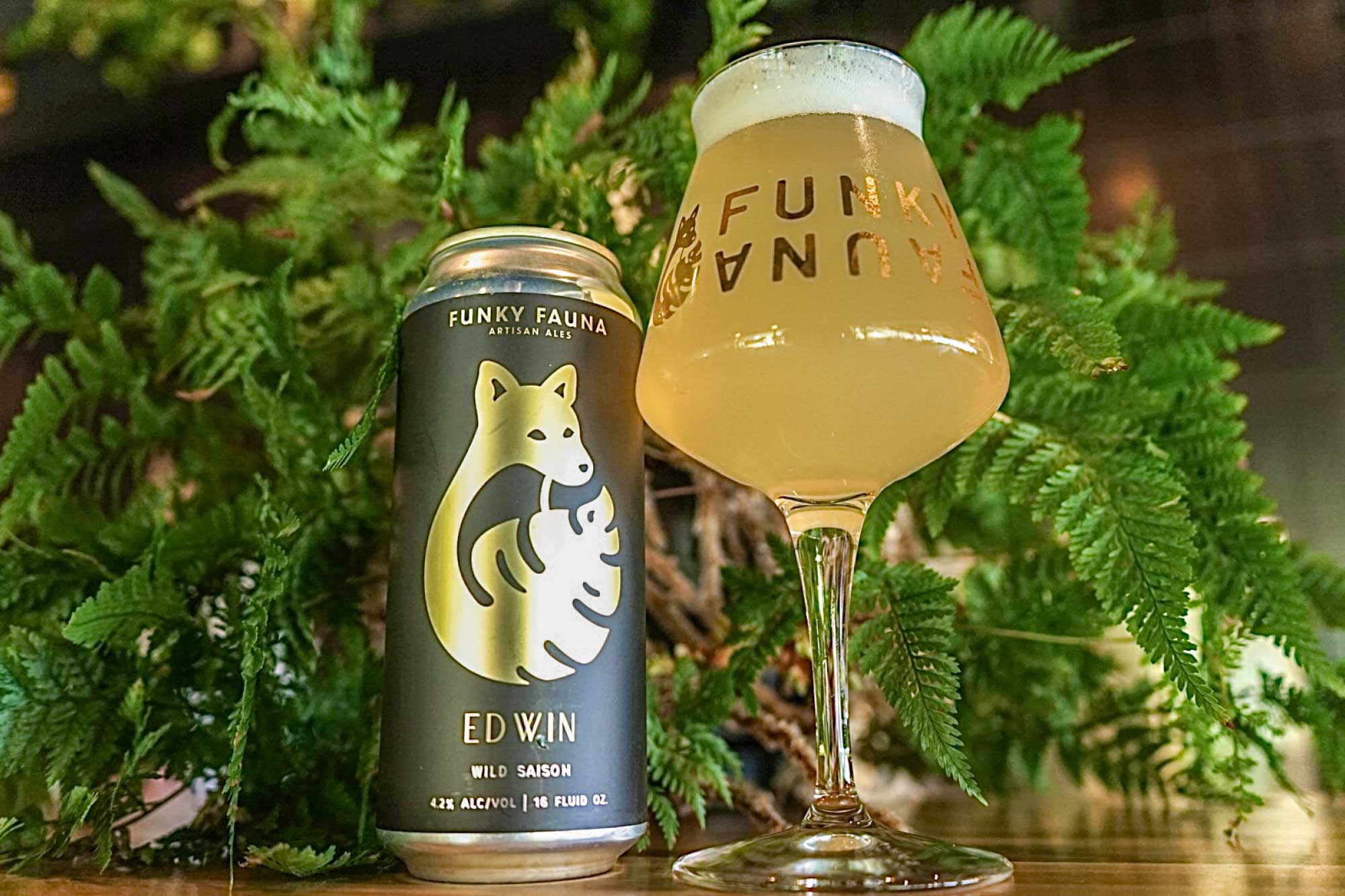
Funky Fauna Artisan Ales in Bend, Oregon, ferments their light, quenching house saison with their own locally captured mixed culture.

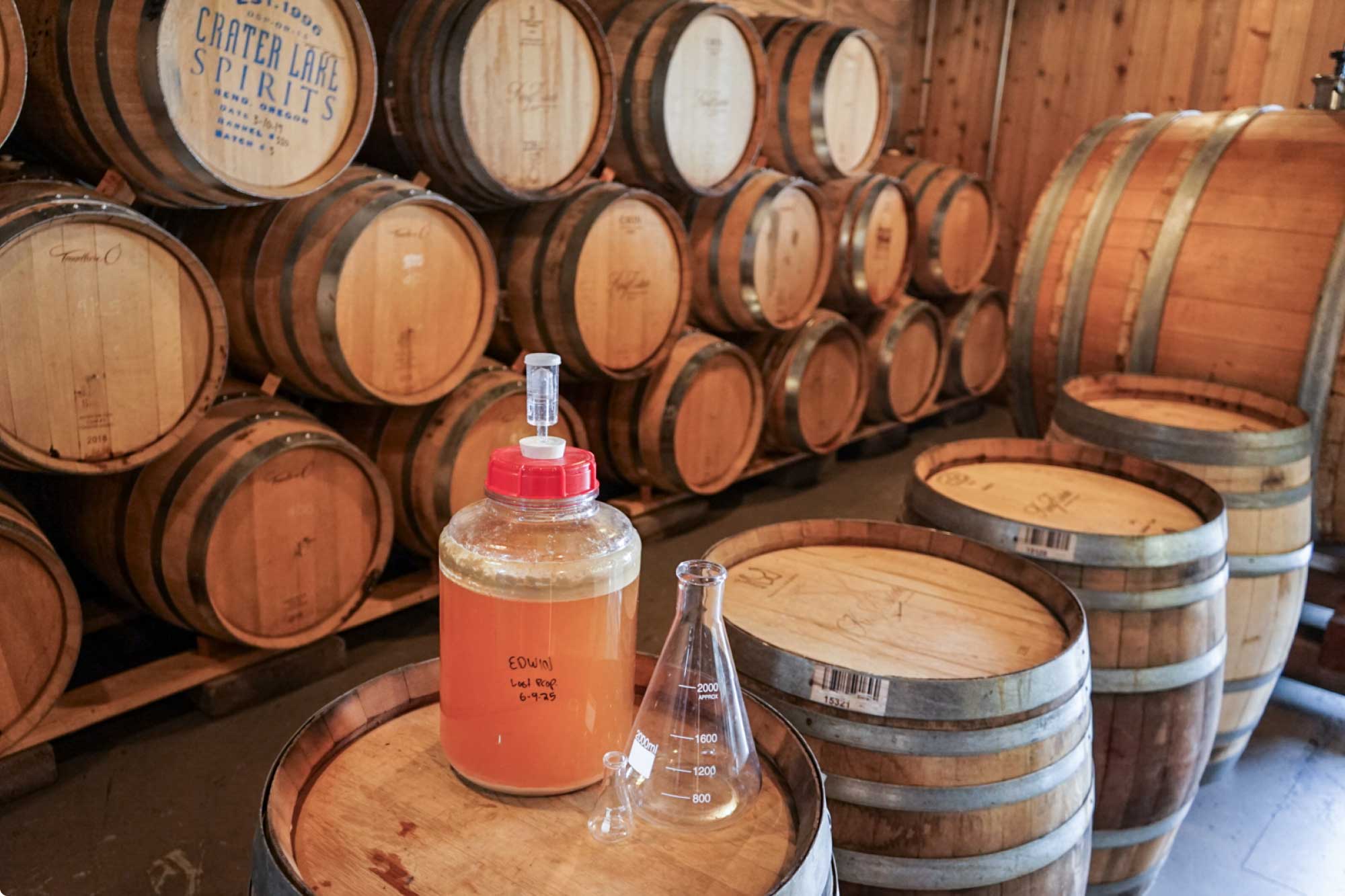
Inspired by Wallonian farmhouse brewing but rooted in Oregon terroir, Funky Fauna in Bend makes its Wild Saison beers from local ingredients, fermenting them in oak barrels with their wild-caught house culture. Here, cofounder and brewer Michael Frith shares tips on leaning local, developing your own mixed culture, package-conditioning, and more.

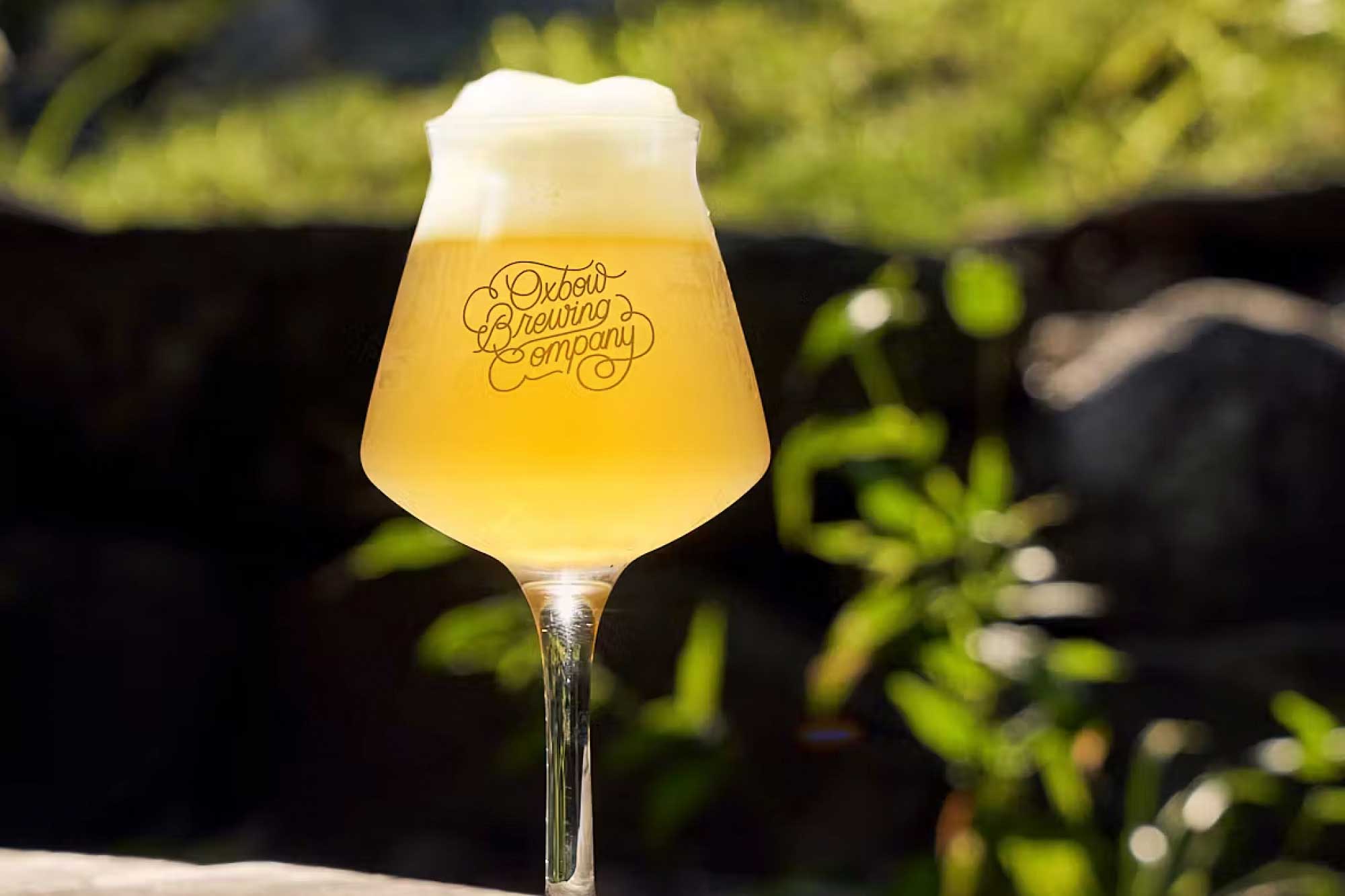
There are many interpretations of modern saison. This one, from Oxbow in Newcastle, Maine, features local grains and multiple strains of yeast and bacteria—gently tart and funky, and highly drinkable.

Inspired by Wallonian farmhouse brewing yet distinct from classic saison, today’s modern, funky, mixed-culture creations—whatever you call them—enjoy a refined niche.

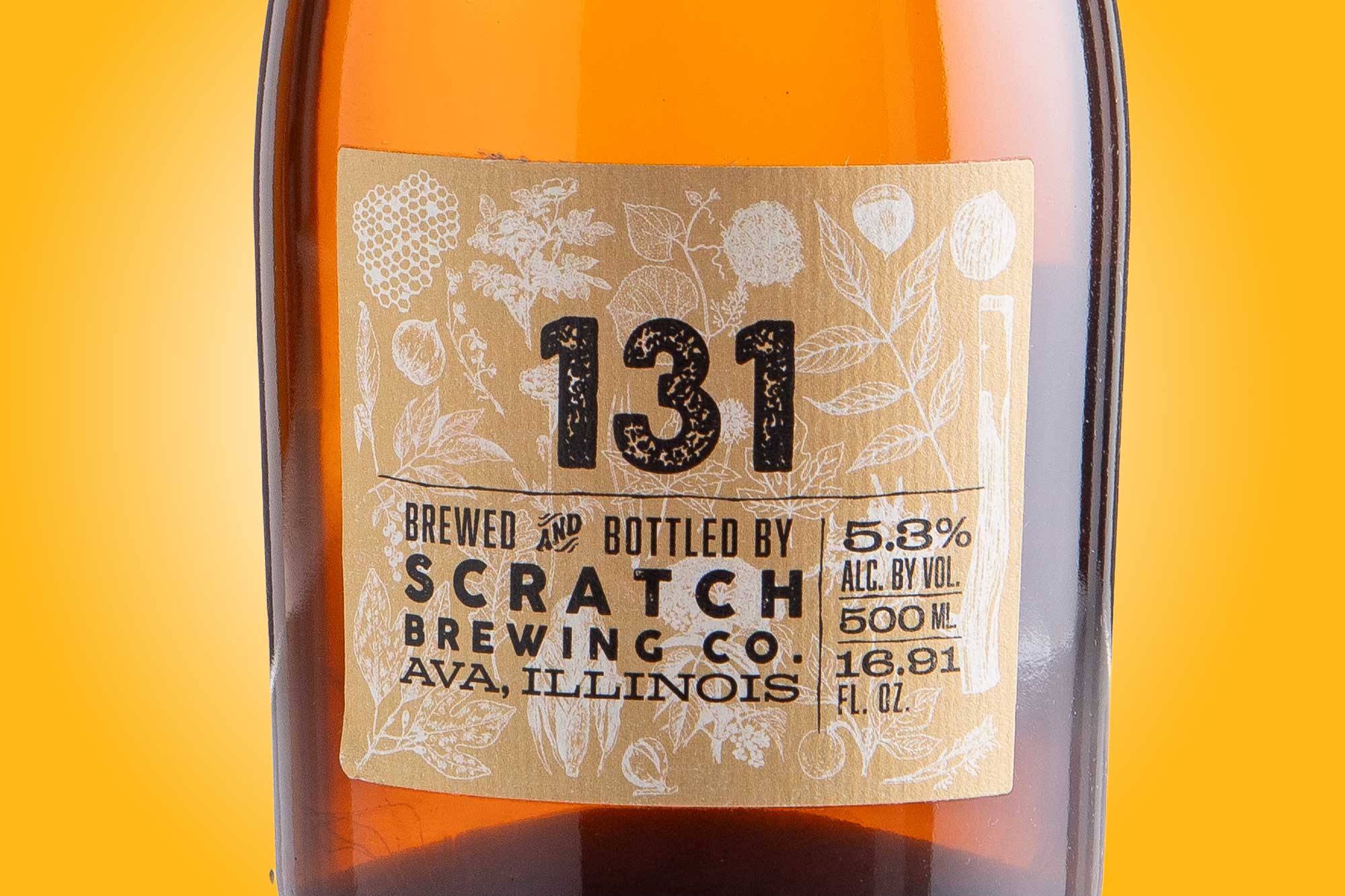
Scratch in Ava, Illinois, has won a national reputation for its combination of foraging and flavor finesse. Here’s how the brewery’s duo ended up putting 131 different botanical ingredients into one (very tasty) beer.

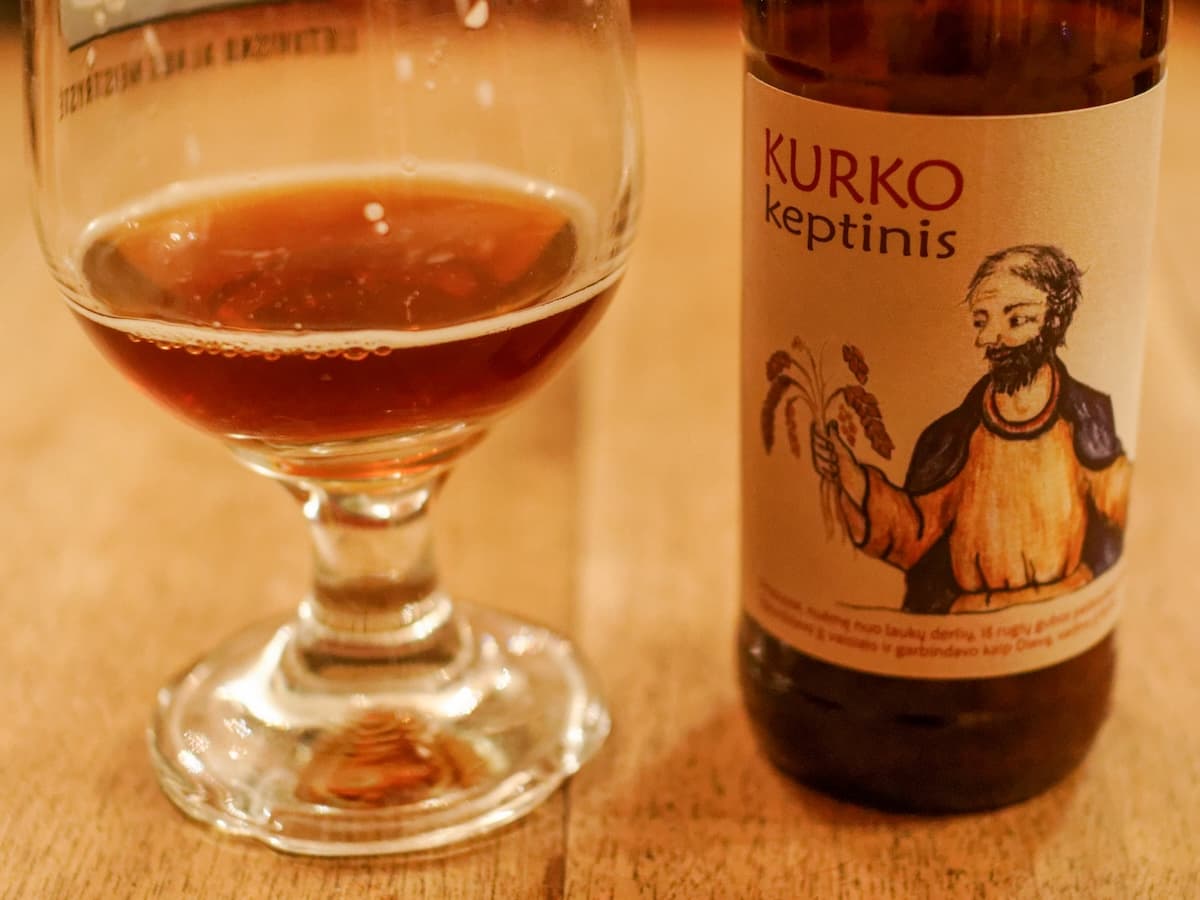
From Dundulis in Panevežys, Lithuania, this recipe is based on their interpretation of traditional keptinis beer brewed from an oven-baked mash.

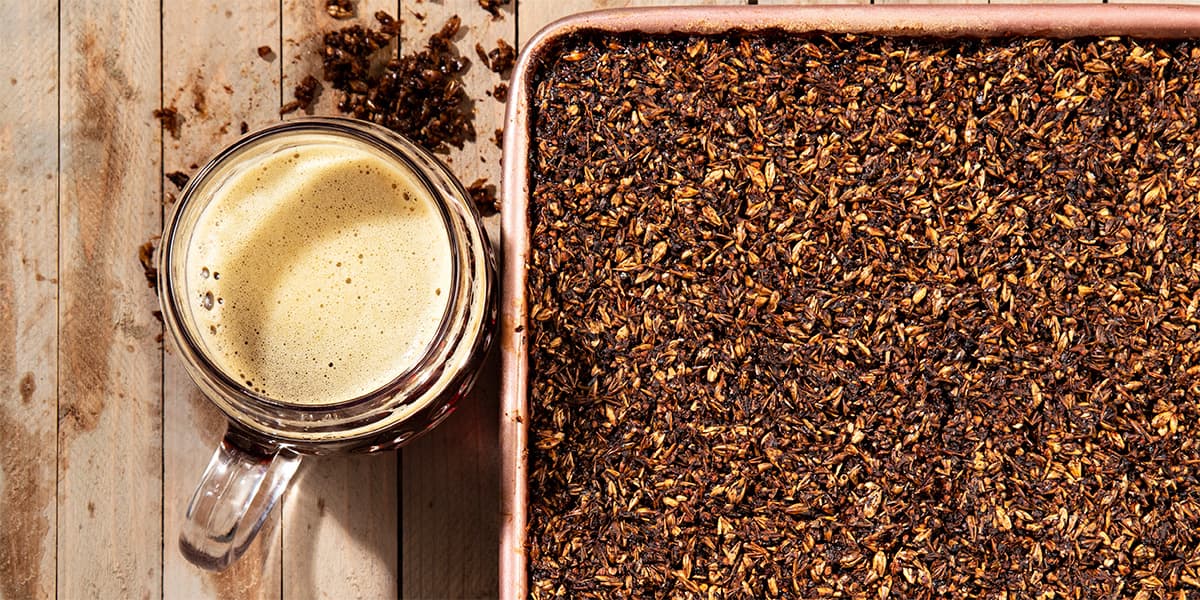
There are many kinds of dark beer around the world, but there’s one that stands out as profoundly different from the others—and it features a deep, caramelized flavor that can only come from a nice, hot oven.

An oft-overlooked branch on the farmhouse-inspired, mixed-culture family tree, bière de mars represents a chance to brew something tart, funky, and refreshing.

While modern brewers continue to push the creative envelope with their evolving takes on farmhouse beers, there is nothing quite like the old-fashioned Wallonian ales that inspired them in the first place.

In centuries past, much of European brewing happened on the farm—and the choice of what to brew was as pragmatic as what to grow. With insights that could inform your next farmhouse ale, Lars Marius Garshol shares some truths about what those farmer-brewers planted, malted, and put into their beers.

Based on a description from Norway in the late 18th century, this recipe represents the practicality of local farmers at the time—and the grist is 100 percent oats, which would’ve been malted in a smoky kiln.

One of the most industrialized parts of Germany has a surprising farmhouse brewing tradition, but information about it is scarce. Based on interviews with surviving farmhouse brewers, conducted in the 1950s by the Folklore Commission of Westphalia, here’s our attempt at a recipe. We also include some variations in the notes below.

Farmhouse brewing was once common across much of Europe, though documentation can be scarce. Here’s what we know about a surprising and little-known rural brewing tradition in northwest Germany.

Topher Boehm, cofounder and brewer at Wildflower in Marrickville, Australia, shares this recipe for their low-strength yet satisfying ale—an ideal framework for conveying a sense of place via local malt and a foraged house fermentation culture.

With local malt and a mixed fermentation culture foraged and harvested from native Australian flowers, Wildflower is focused on producing satisfying table beers with a true sense of place. Cofounder and brewer Topher Boehm explains their approach.