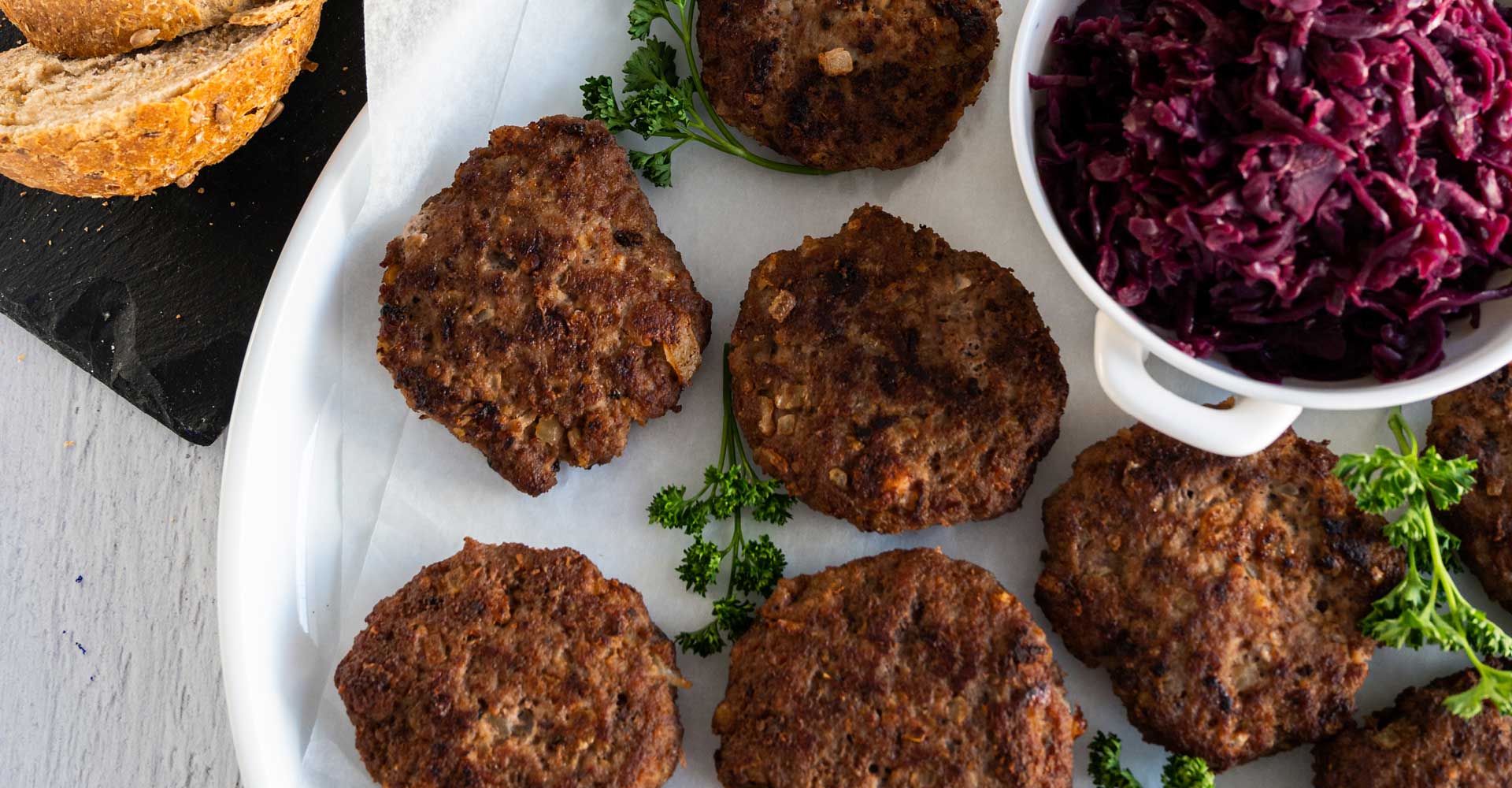
Cooking With Lager: Get Freaky with Frikadellen
This take on pan-fried meatballs gets a splash of pilsner—and tastes great with it, too.

Showing 1421-1440 of 4725 articles
This take on pan-fried meatballs gets a splash of pilsner—and tastes great with it, too.
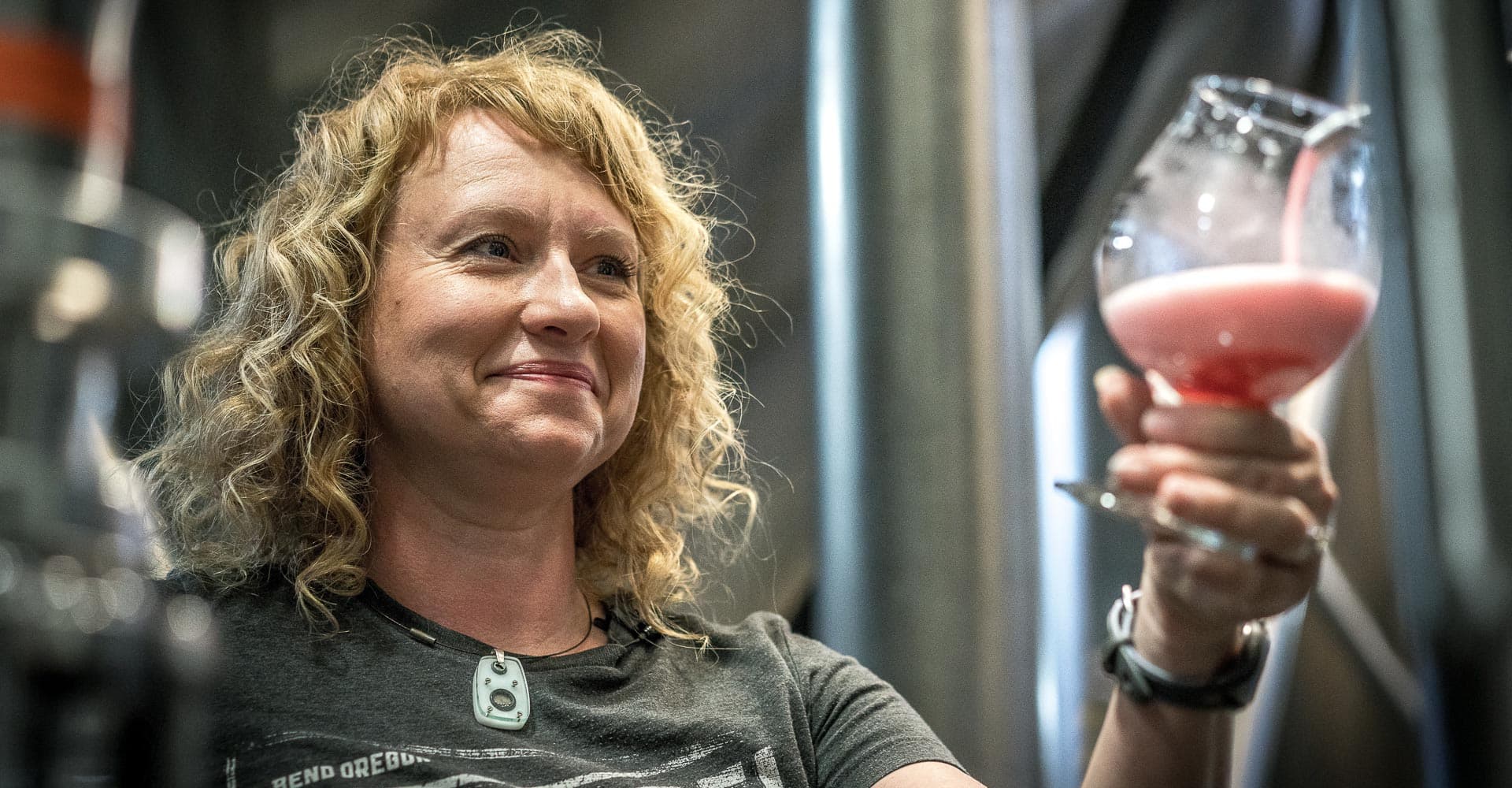
Some write off quick-soured fruit beers for their simplicity, but they don’t have to be basic. Building complex flavors that reflect the entire fruit is Cornett’s goal, and nothing is off-limits in that pursuit.
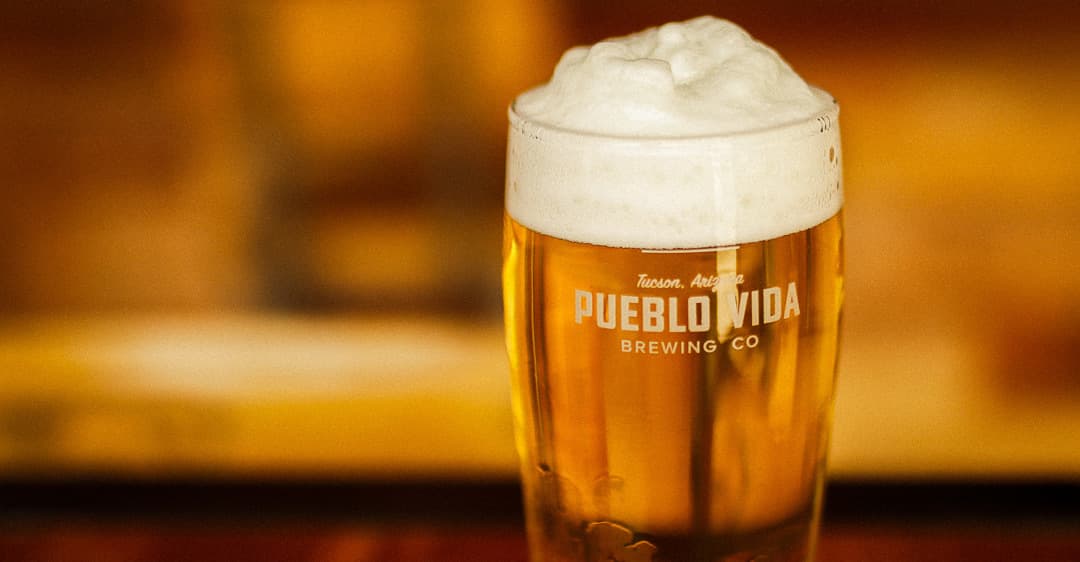
“This beer was our ode to new meets old,” says Landon Swanson, head brewer of Pueblo Vida in Tucson, Arizona. “It’s a classic light lager with a punch of Lórien hops in the fermentor.”
All the flavorful benefits of wild Brettanomyces, but with more control and reliability.
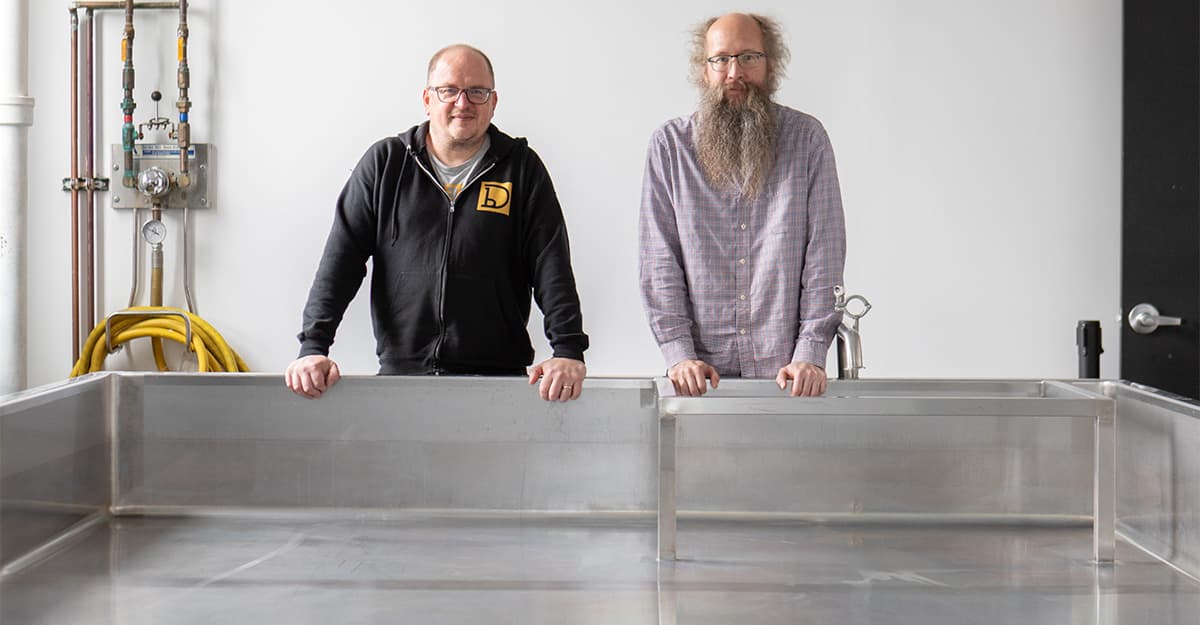
From design to decoction to coolship to cellar, Dovetail owners and master brewers Hagen Dost and Bill Wesselink dig into the details of how they produce their acclaimed lager, Kölsch, and weissbier.
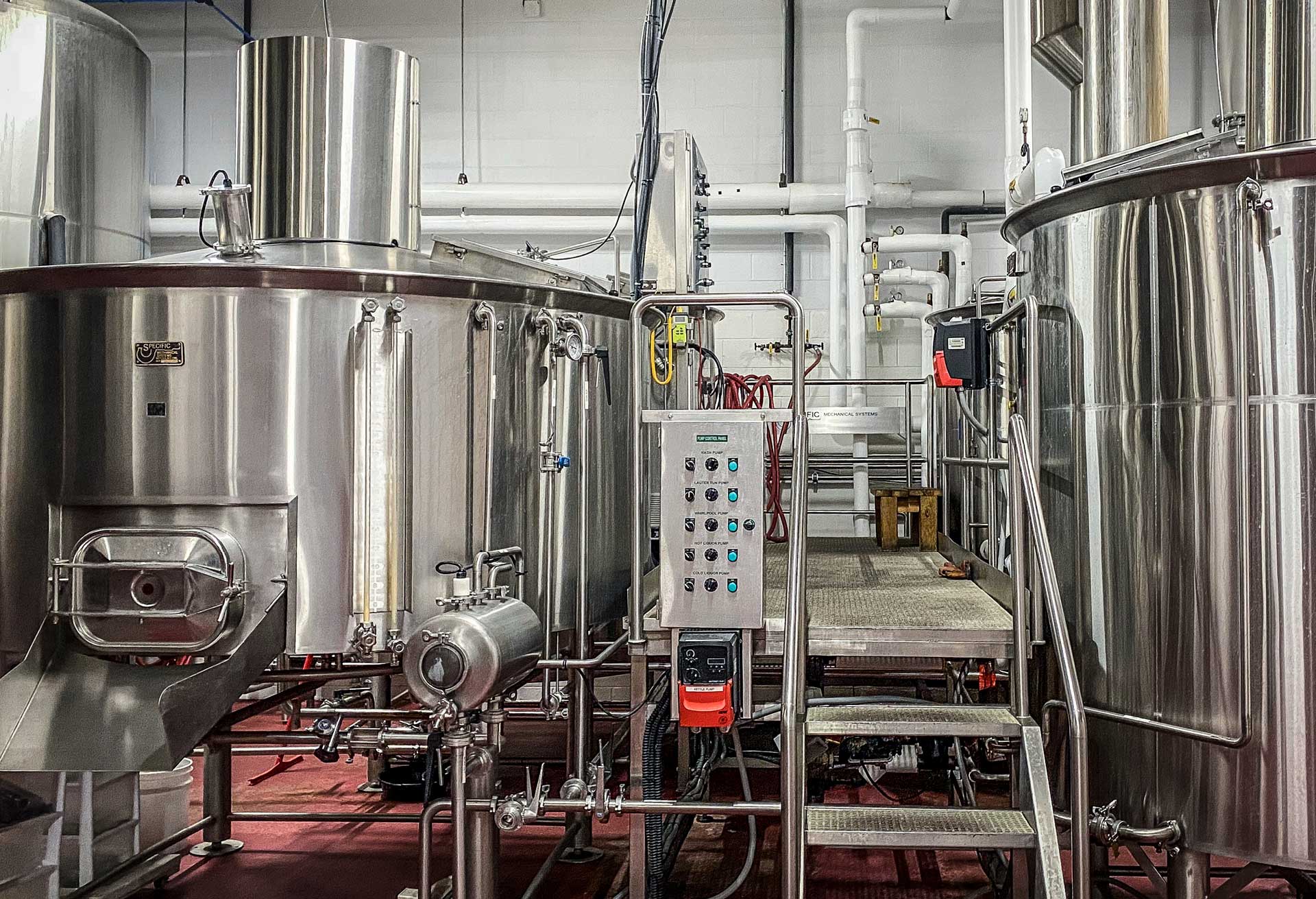
Great lager depends upon exacting attention to details—and not only when it comes to fermentation, and conditioning. Here, we climb the decks of brewhouses specifically designed with lager in mind to better appreciate what makes them different.
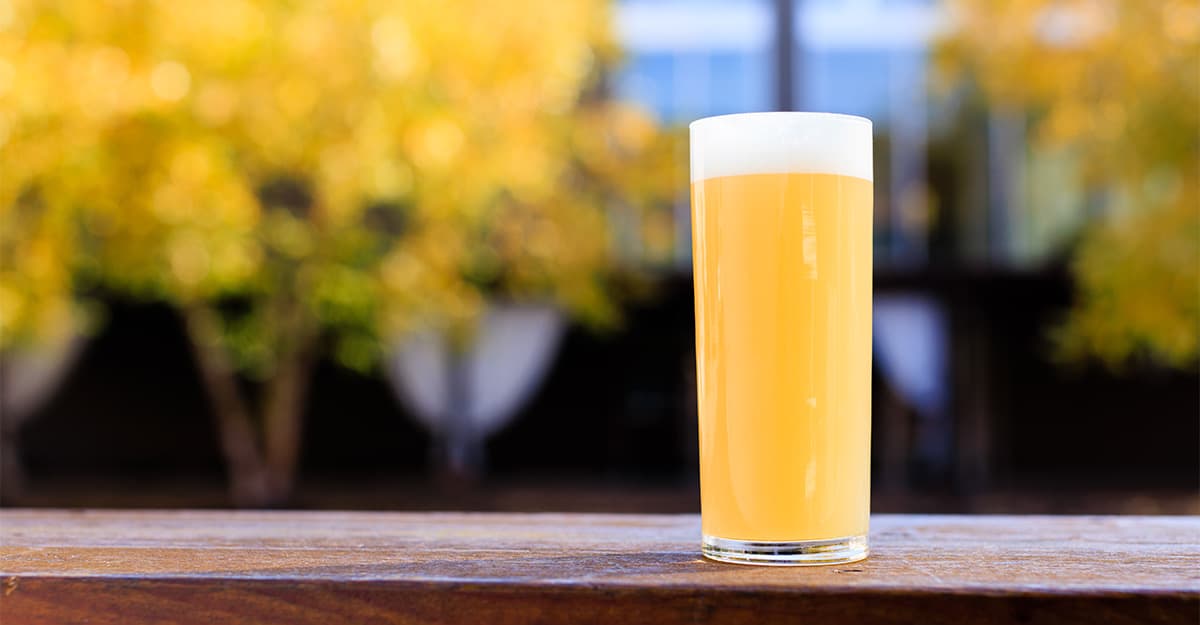
Here’s a recipe for the hazy double IPA that started as one of Brian Rooney’s homebrews and went on to win silver at the 2021 Great American Beer Festival (and become a Kansas City favorite).
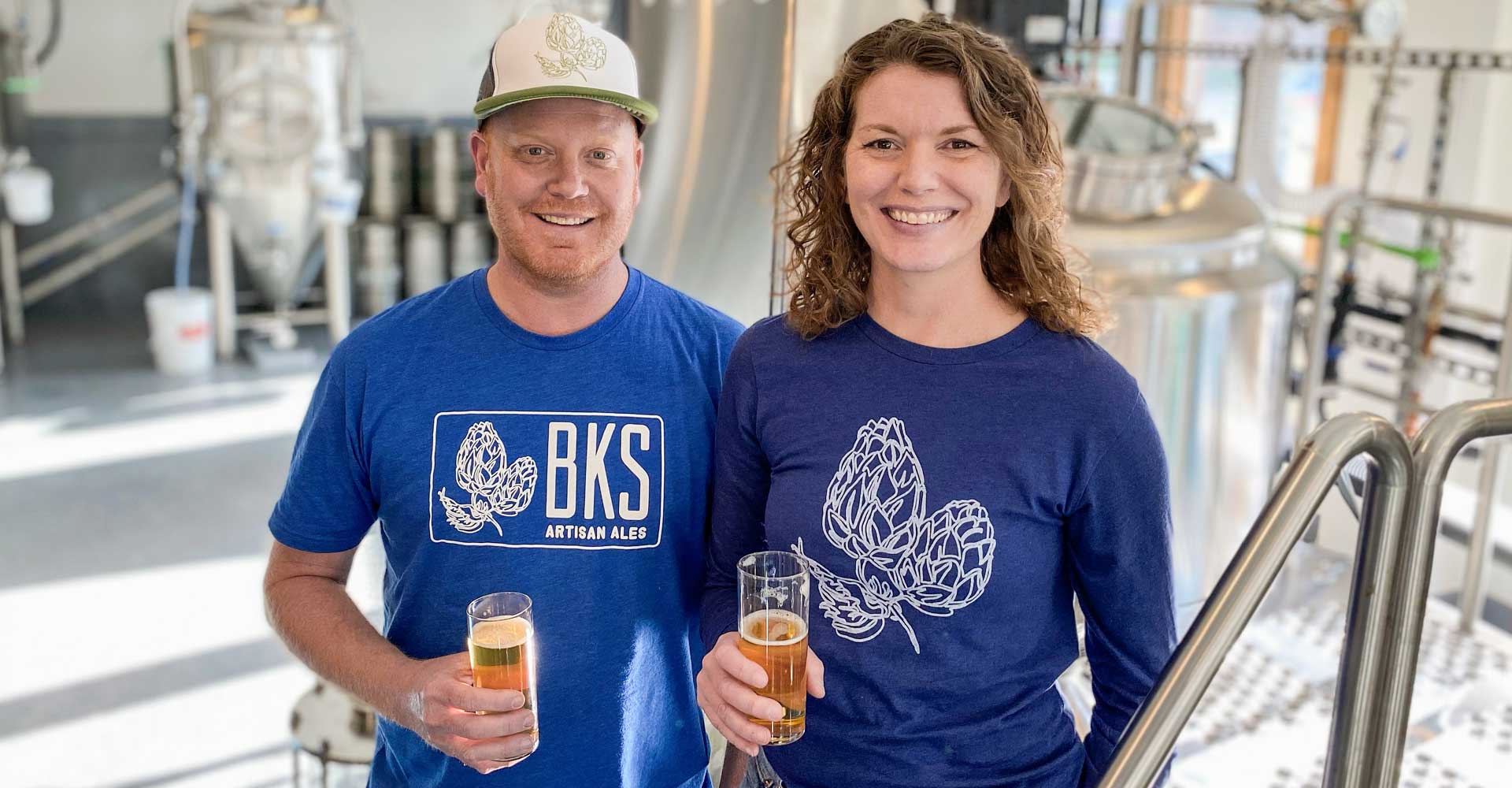
BKS has won national acclaim for its supple IPAs and gained ardent local fans for its classic ale styles and—now—for its lagers. Undazzled, the Rooneys say they are determined to grow slowly, keep a laser focus on quality, and continue to make beer in their own careful way.
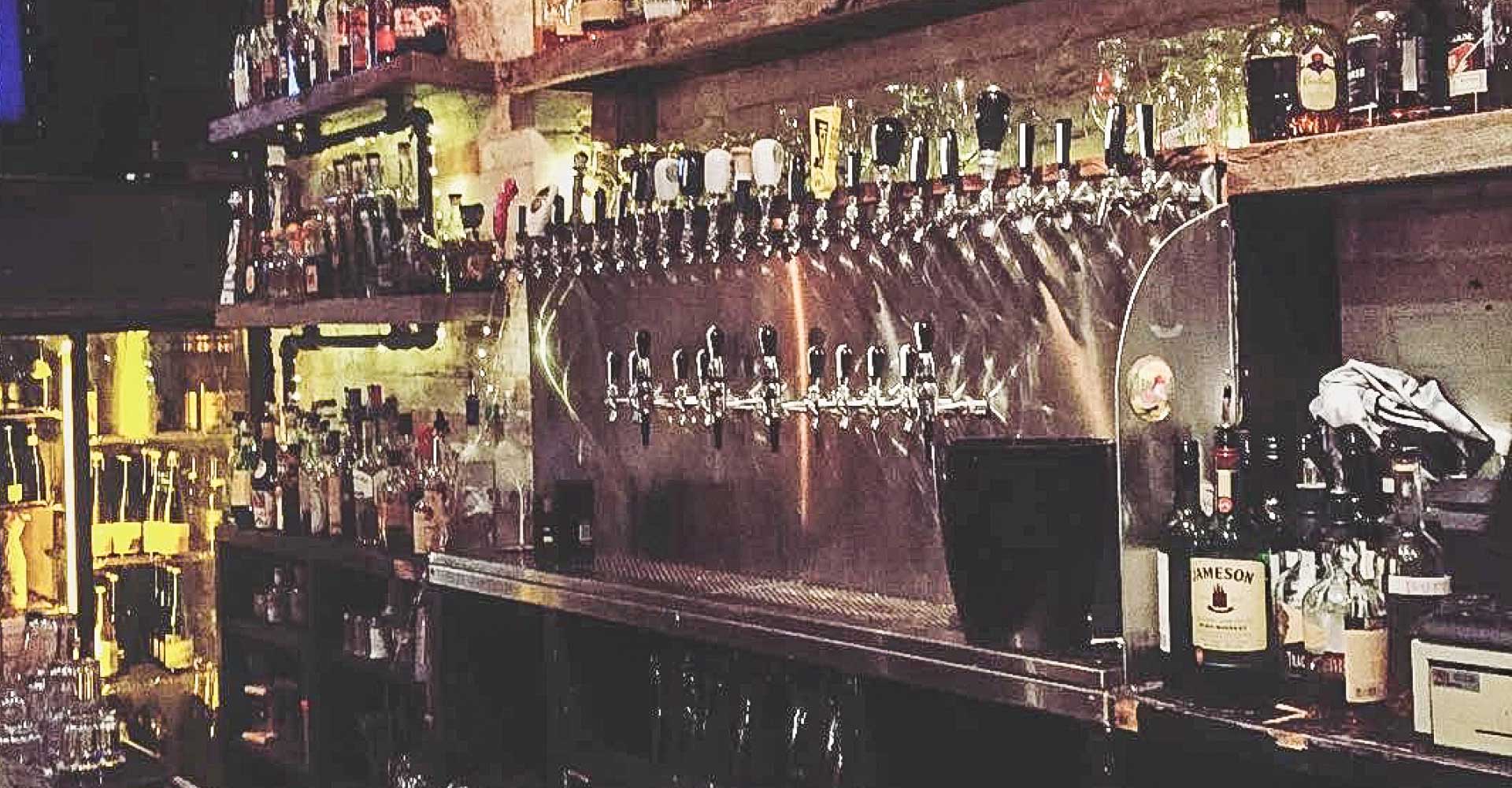
From our Love Handles files on beer bars we love: At Bar Hop, find one of Ontario’s top beer selections in an inviting atmosphere.

Smooj lit up the craft beverage world in 2020, its thick fruit-puree approach a stark counterpoint to more minimalist seltzer offerings. In this episode, head brewer Nick Panchamé gets into the methods behind the fruit-heavy madness, and into new experiments with hop-forward beers.
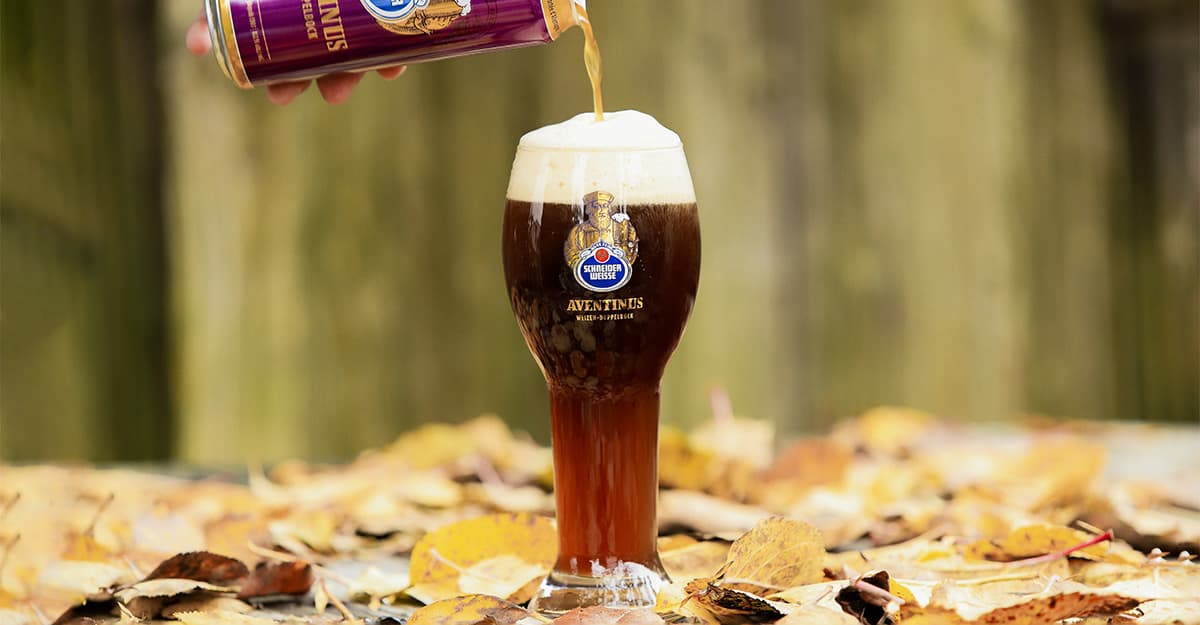
Based on detailed advice from Josef Lechner, brewmaster and technical director at G. Schneider & Sohn in Kelheim, Bavaria, here is a homebrew-scale recipe based on the legendary Schneider Aventinus.
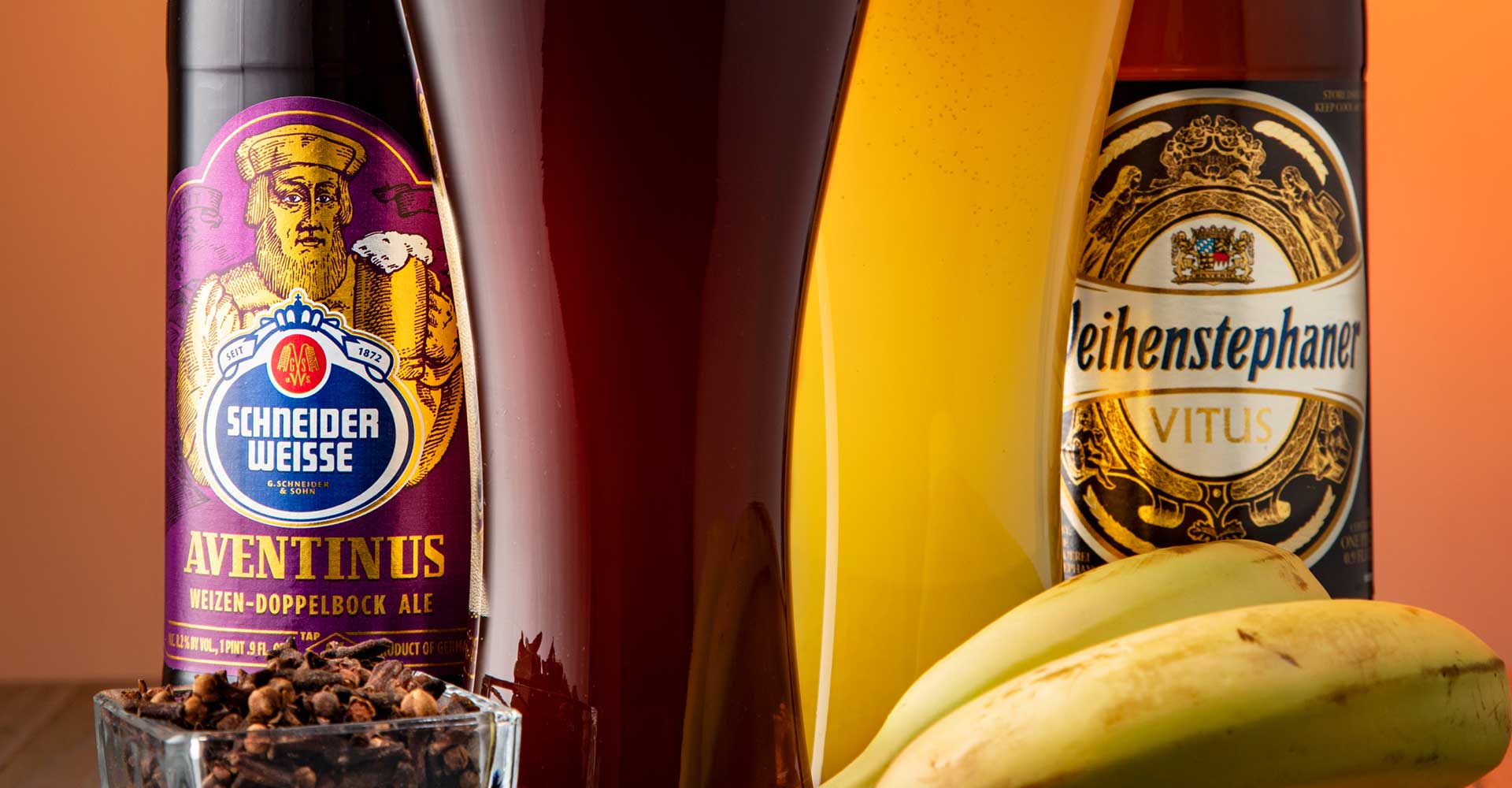
Weizenbock is so dangerously easy to drink, but the brewing process behind a great weizenbock is surprisingly complicated. It may be worth the trouble, since its potential for easygoing mass appeal remains largely untapped.

Recorded in front of a live audience at Great Notion in Portland, Oregon, this panel discussion on trendy beer styles ranges from innovation philosophy to testing and feedback process with perspective from these three leading brewers.
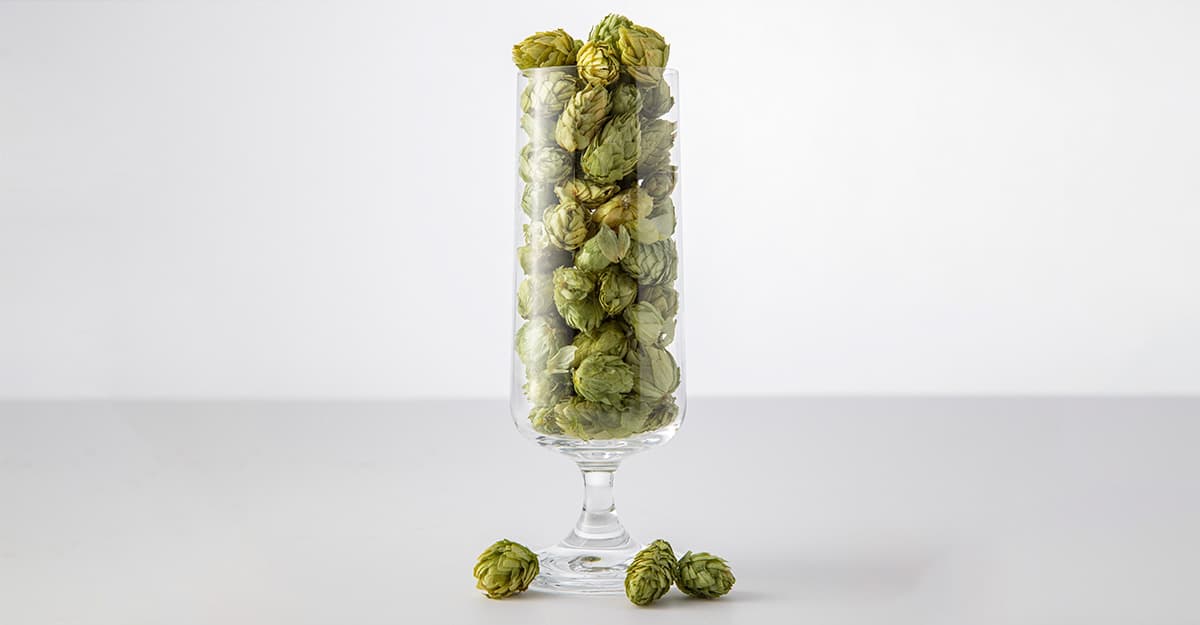
From Odell Brewing in Fort Collins, Colorado, here’s a recipe for their modern take on pilsner featuring two newly developed hop varieties.
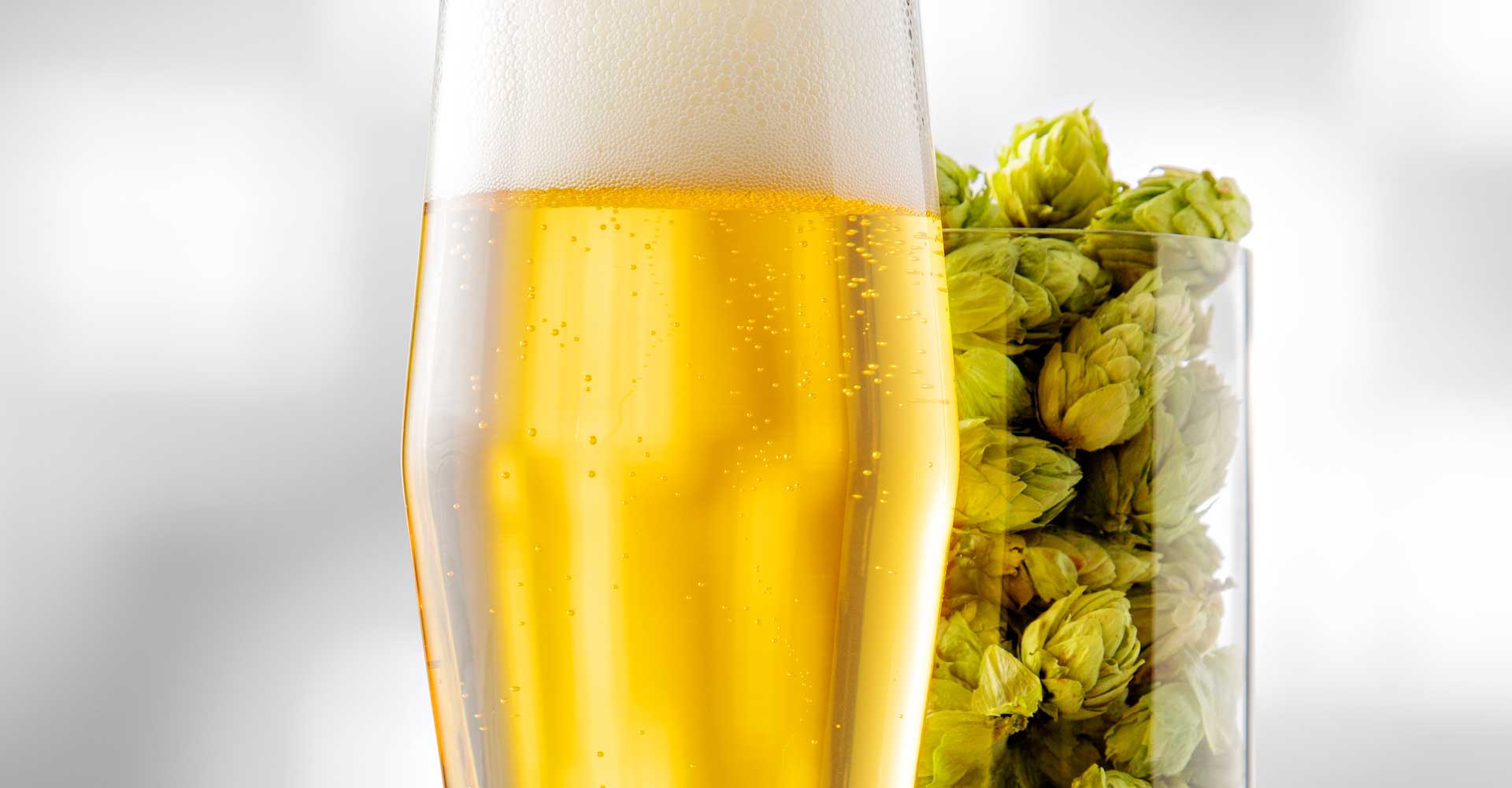
Brewers today are used to choosing punchy hops for their IPAs. However, great lagers require a different approach and a different kind of bitterness—yet, they need not copy the classics. Here’s how some new varieties are pointing the way toward lagers that still taste like lagers, “but with a twist.”
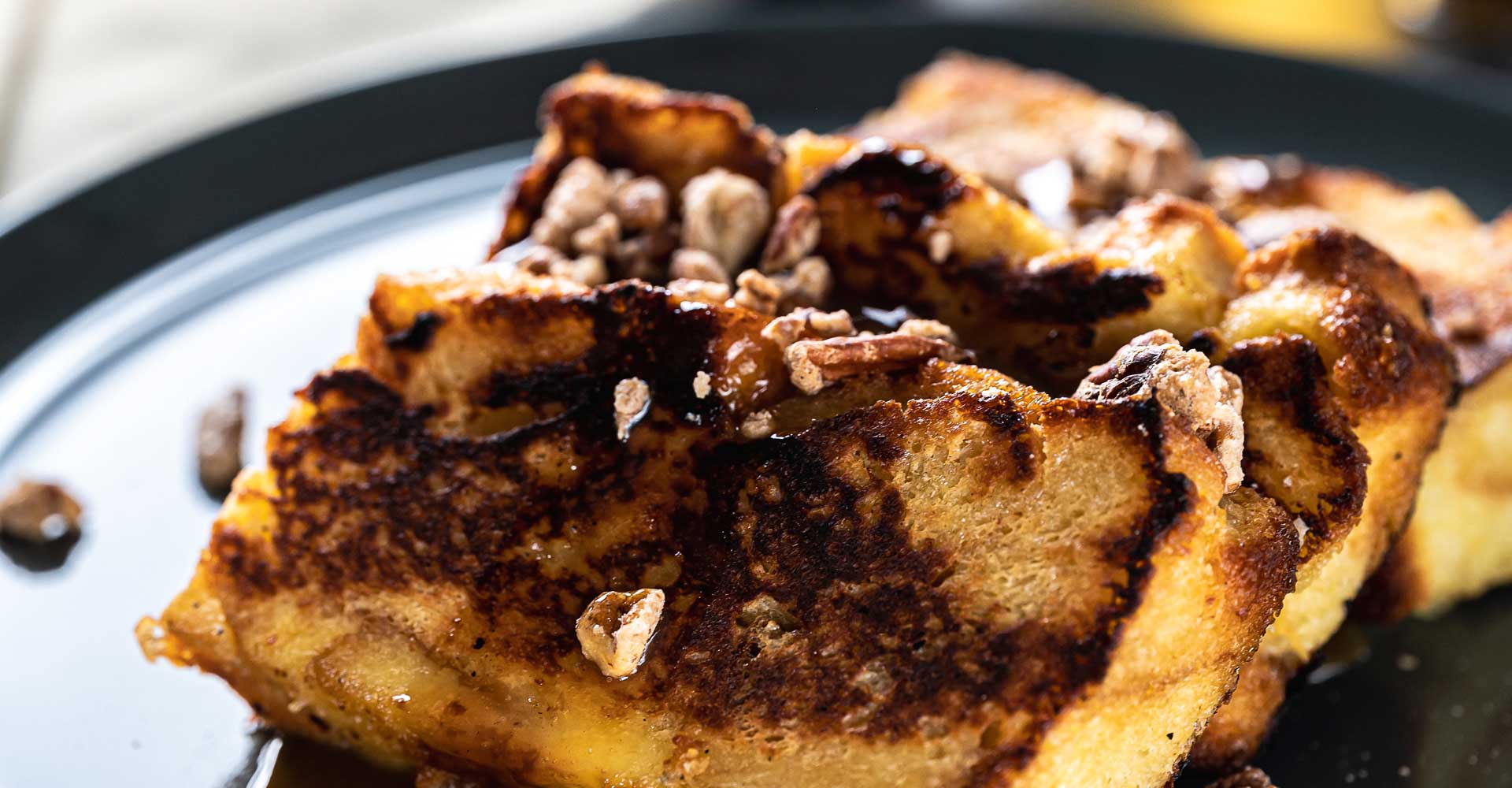
Let the others have their mimosas. Barleywine’s panoply of Maillard flavors find lengthening echoes in this indulgent variation on French toast.
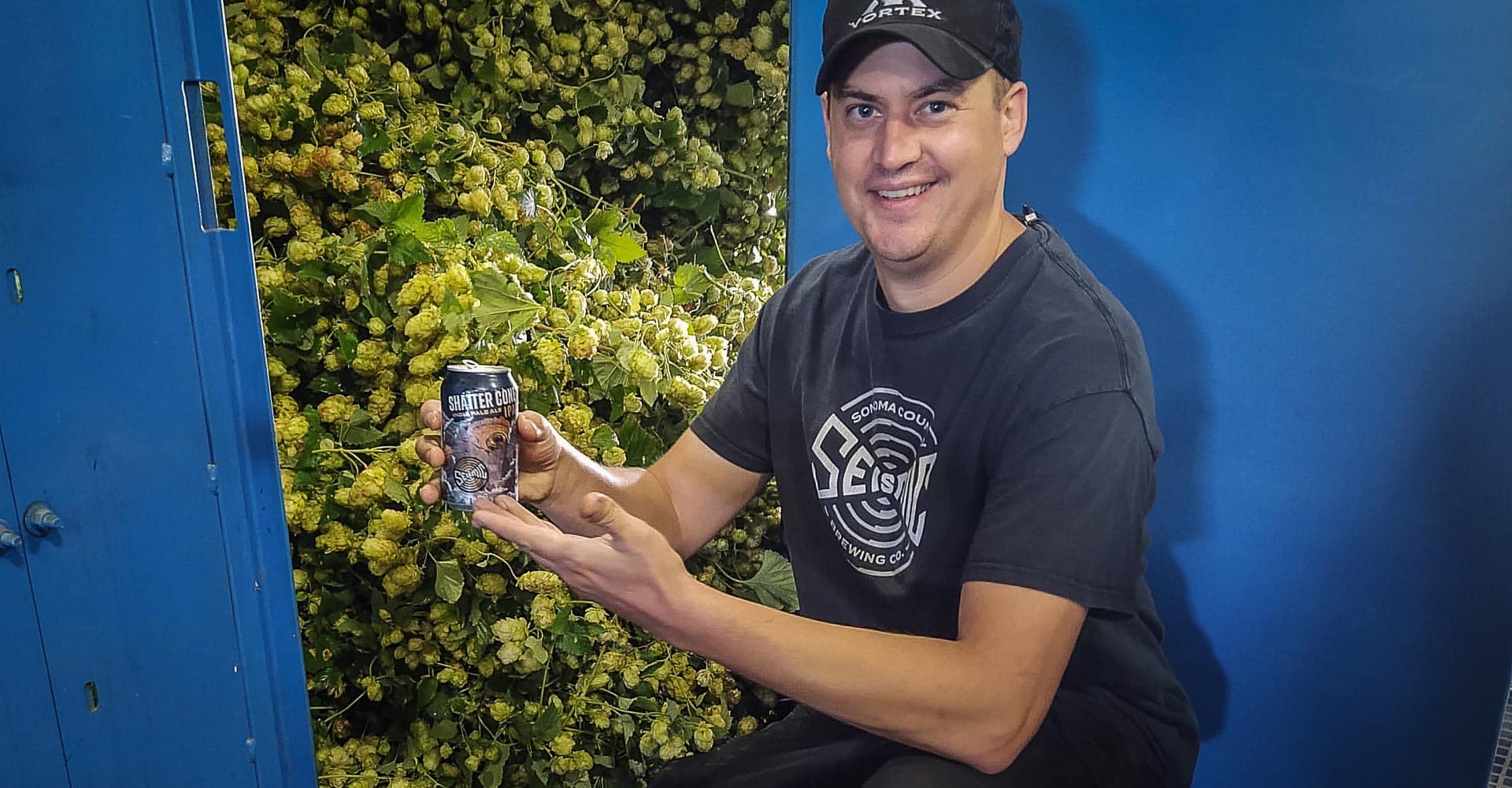
Andy Hooper built a reputation for tight focus on process, and his efforts have paid off with dominating performances in the light lager category at major competitions. In this episode, he discusses the processes behind the brewing, including his use of organic, California-grown craft malt.
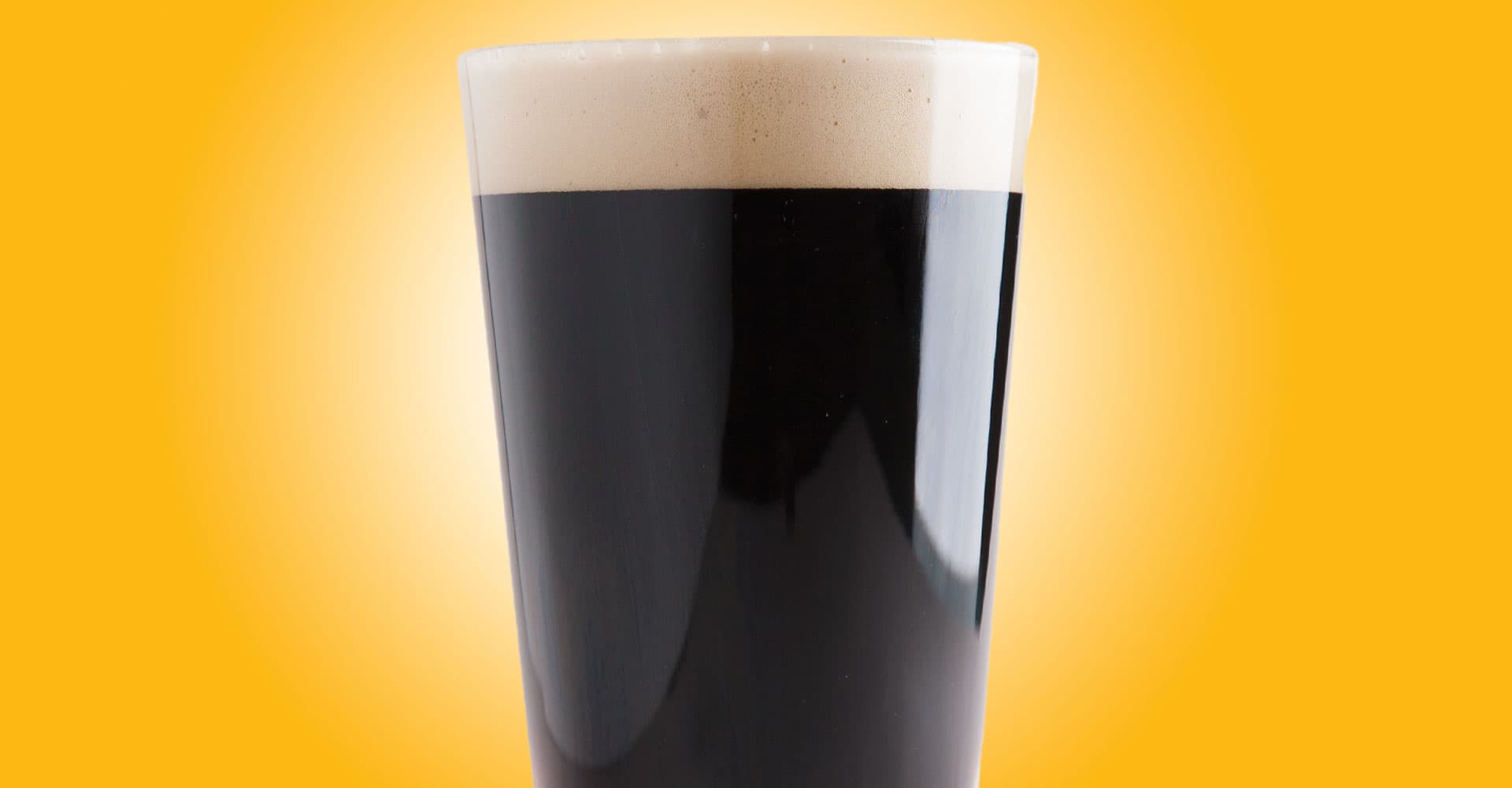
This is an outstanding all-purpose beer that pairs well with a variety of foods, is low in alcohol, and can be turned around relatively quickly. If you have a few taps in your home, you might consider dedicating one to the dry stout—it won’t let you down. Sláinte!
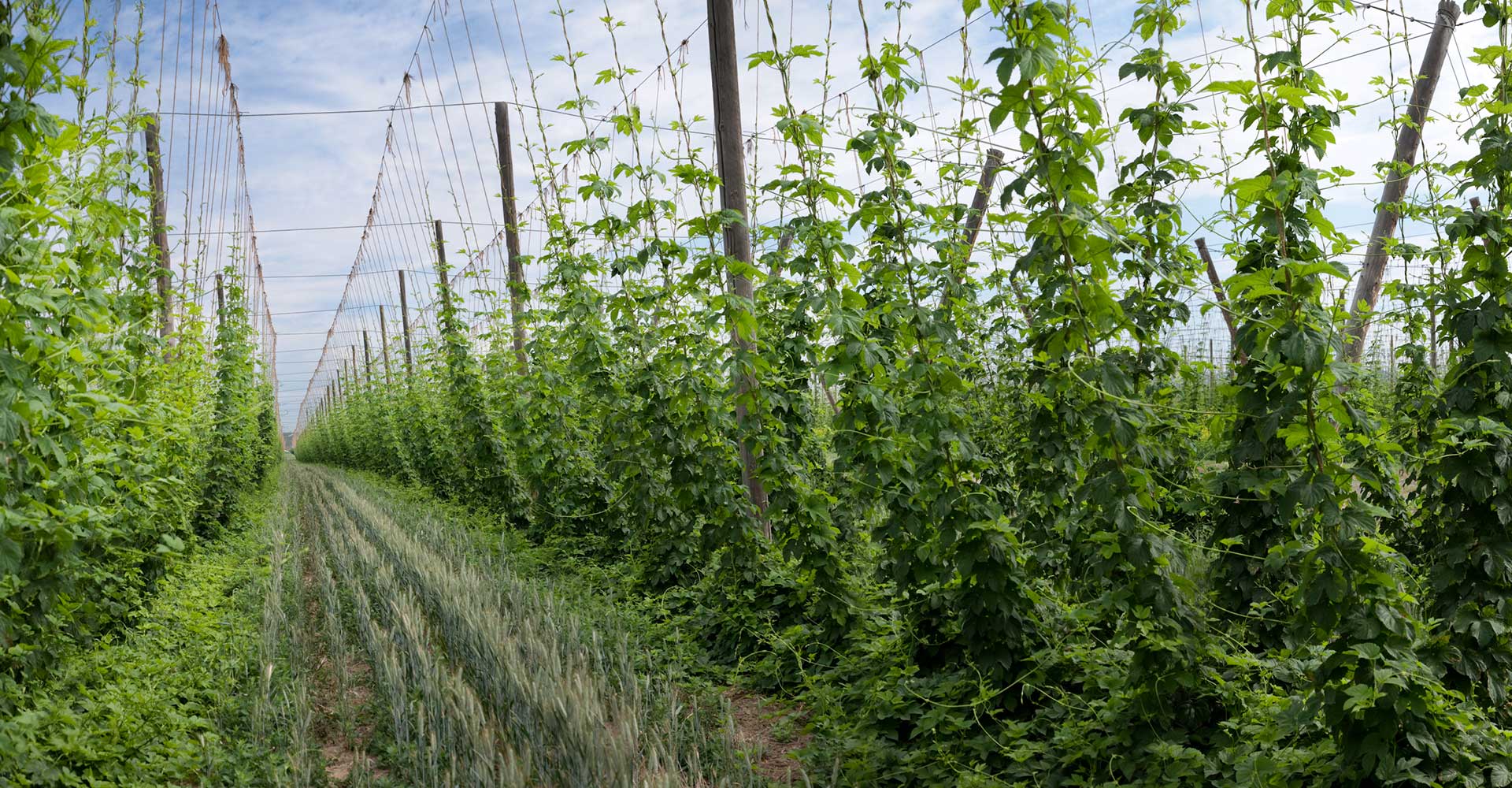
Did you know that the carbon footprint of growing hops can vary widely from variety to variety? This means that brewers can select certain varieties for reduced environmental impact. View our presentation to learn more.
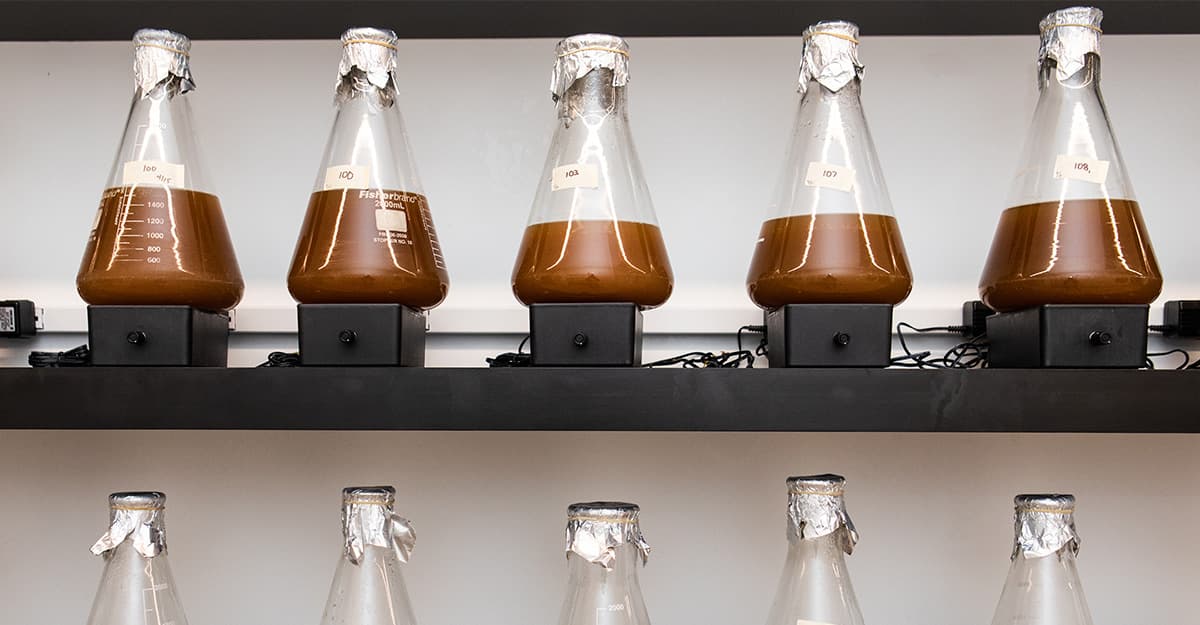
The sensory experience of beers rich in thiols suggests that much more could be done with them, even with simpler recipes and basic ingredients. Laura Burns, R&D director of Omega Yeast, explains the potential.