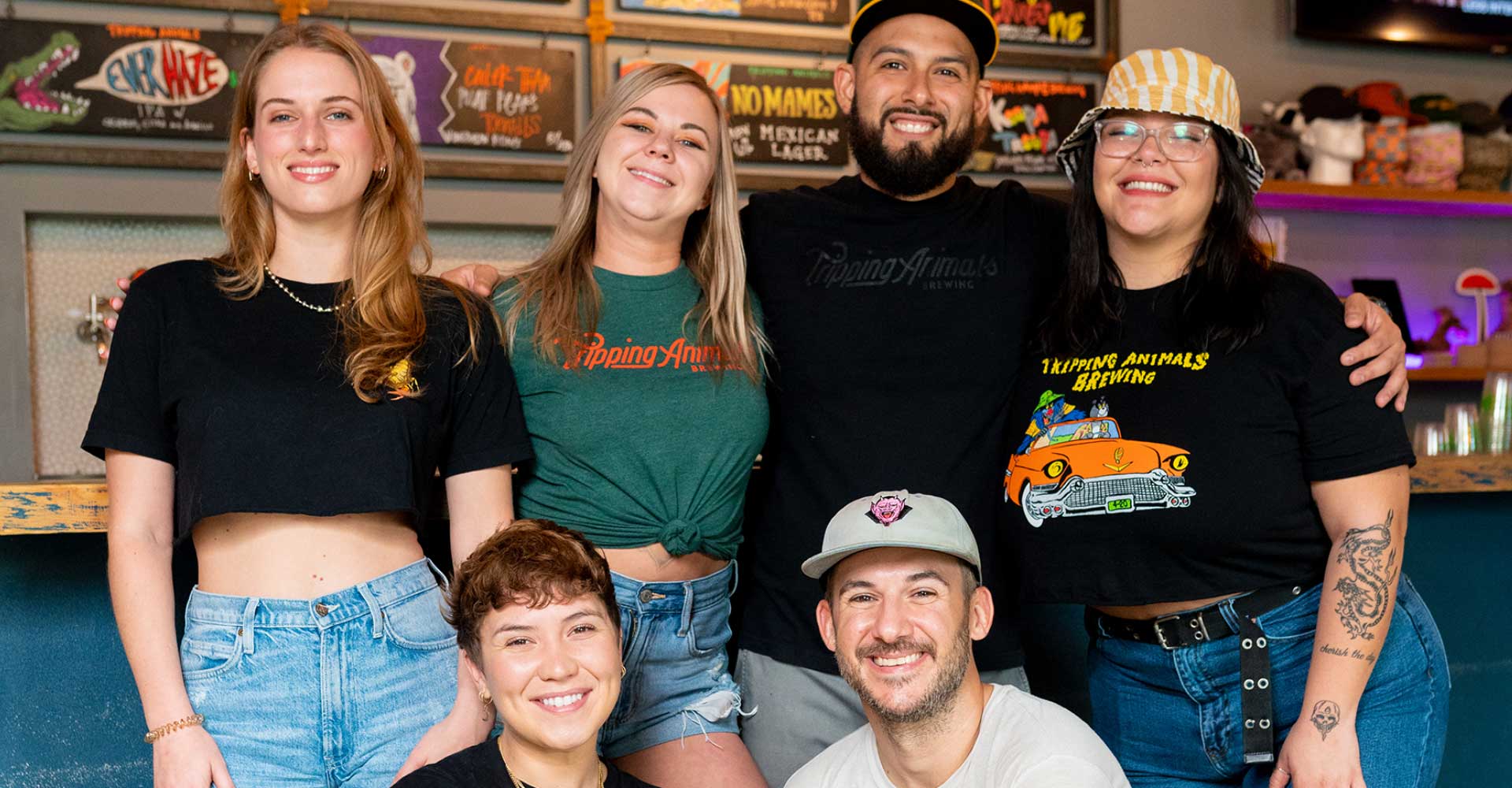
Breakout Brewer: Tripping Animals
These former homebrewers brought their talents from Venezuela to Miami, sharing a family-like conviviality while steadily dialing in their vibrant fruit beers and refreshing lagers.

Showing 1401-1420 of 4725 articles
These former homebrewers brought their talents from Venezuela to Miami, sharing a family-like conviviality while steadily dialing in their vibrant fruit beers and refreshing lagers.
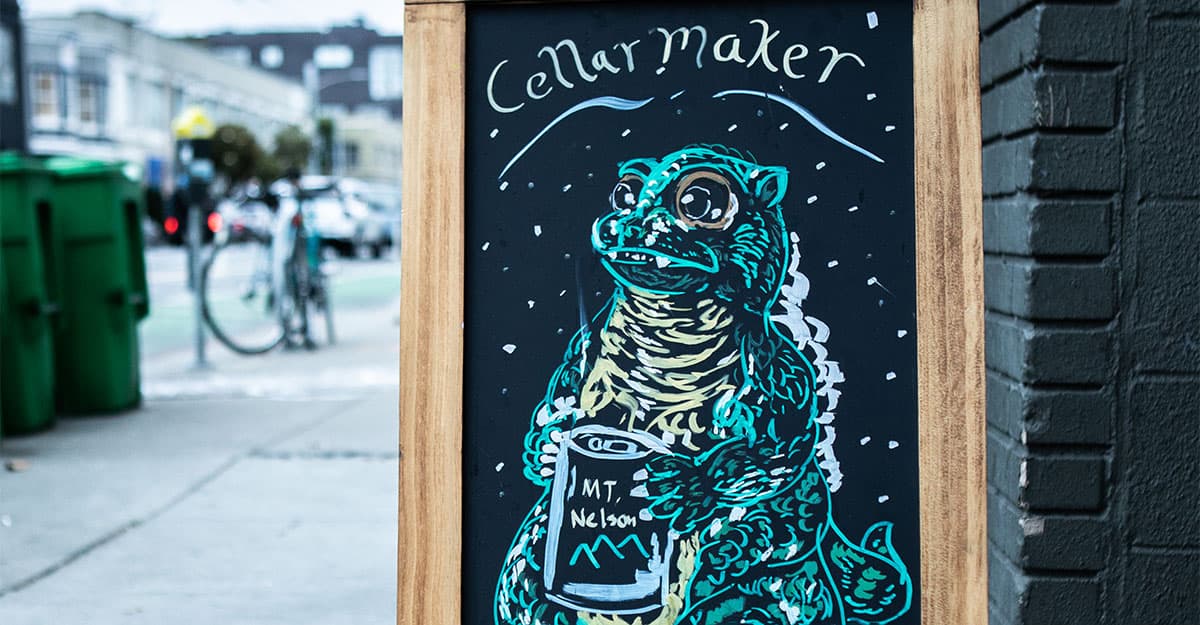
Mt. Nelson, says Cellarmaker cofounder and head brewer Tim Sciascia, is “one of our most popular pale ales and a perfect representation of the hazy West Coast style. We love showcasing Nelson Sauvin in this aromatic, off-dry, and crushable 5.7 percent ABV package.”
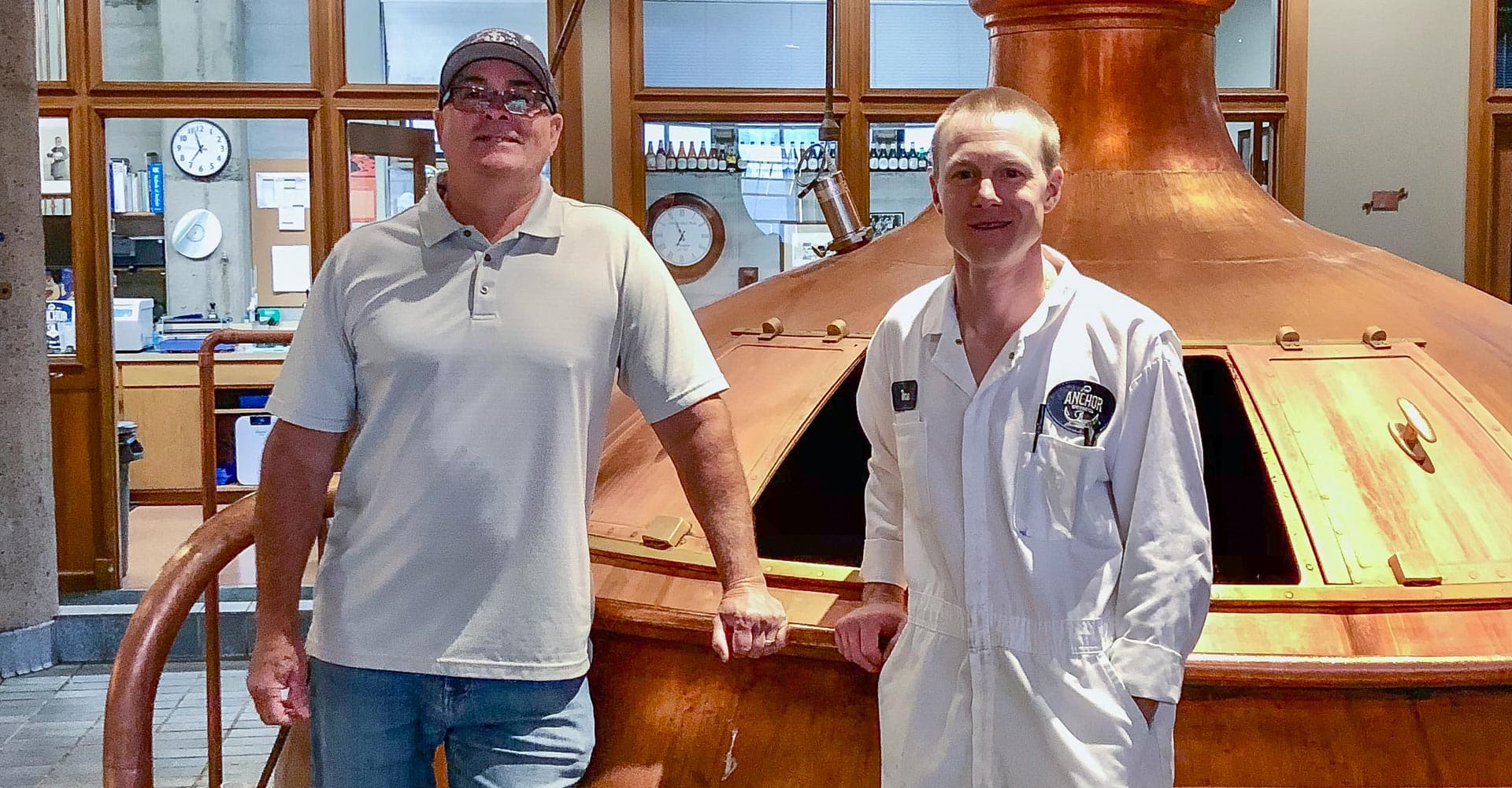
Anchor’s storied past and pivotal role in American beer inform every brewing decision the company makes today, and while some things change, the brewing leadership at Anchor is committed to steam beer in theory and in practice.
From Kölsch to cold IPA, American brewers, scientists, and aficionados are viewing the old ale-lager dichotomy as increasingly misleading—and what matters, in the end, is what we taste in the glass.
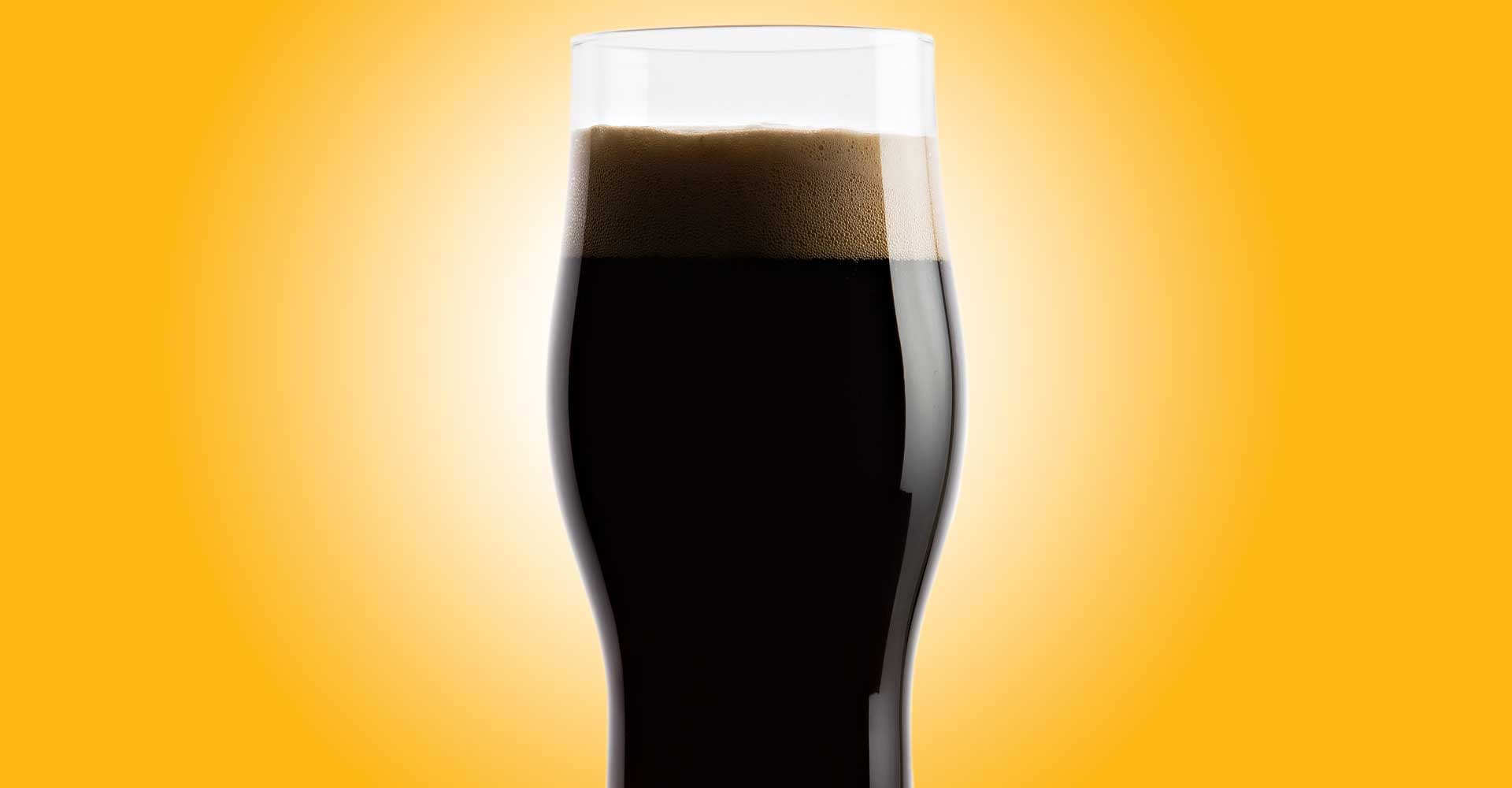
“What’s important is that the beer is not overly sweet,” says Štěpán Kříž at Pivovar Hostomice in Czechia. “That’s the most important thing that we’re trying to do. The fullness of the dark malts has to be balanced with hops.”
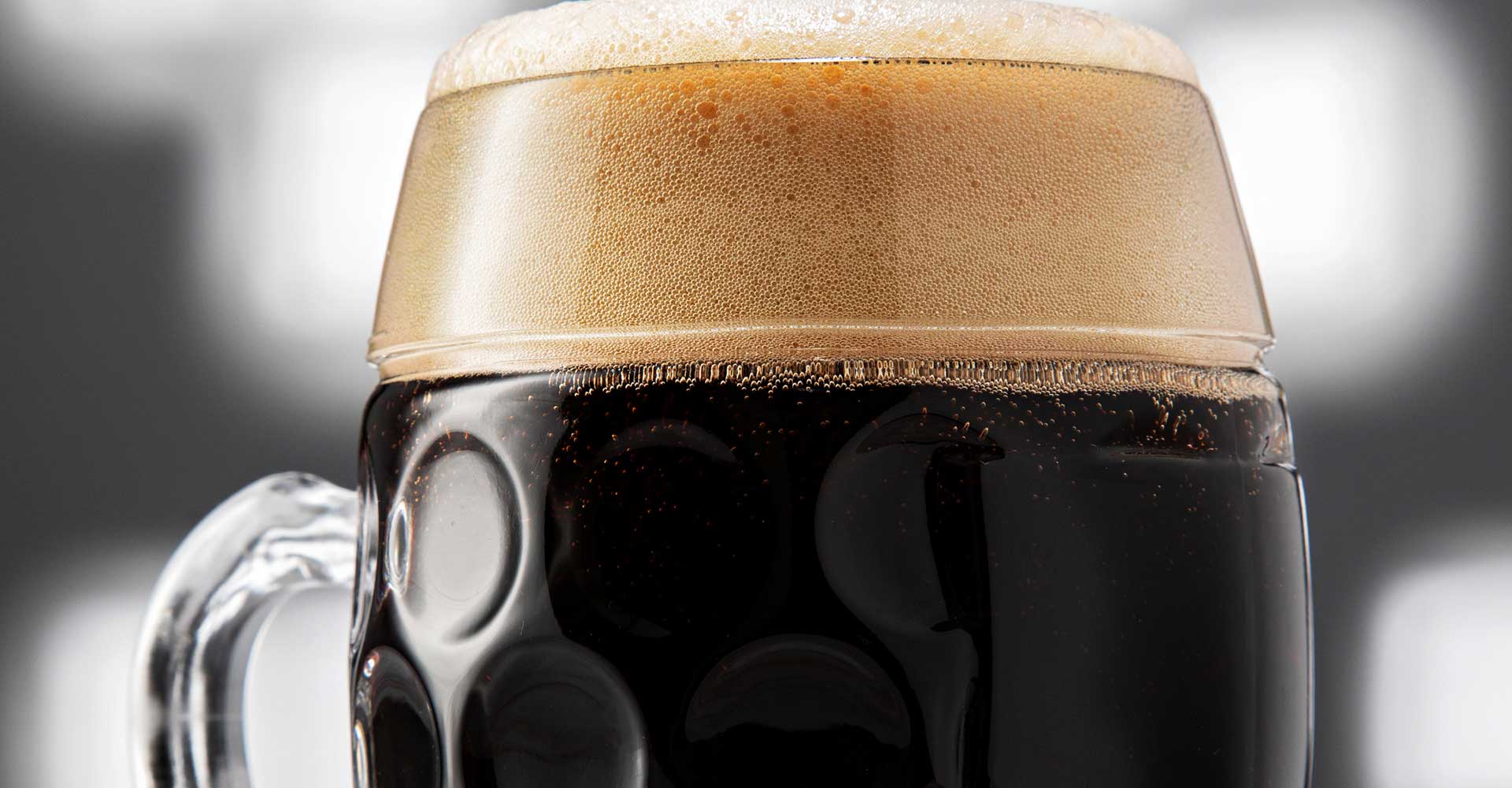
Beautiful in the mug, rich on the palate, yet—when properly brewed—so easy to drink in quantity, Czech dark lager is a niche even in its home country. Writing from Prague, Evan Rail talks to the pros to understand the elements and methods that go into a great one.
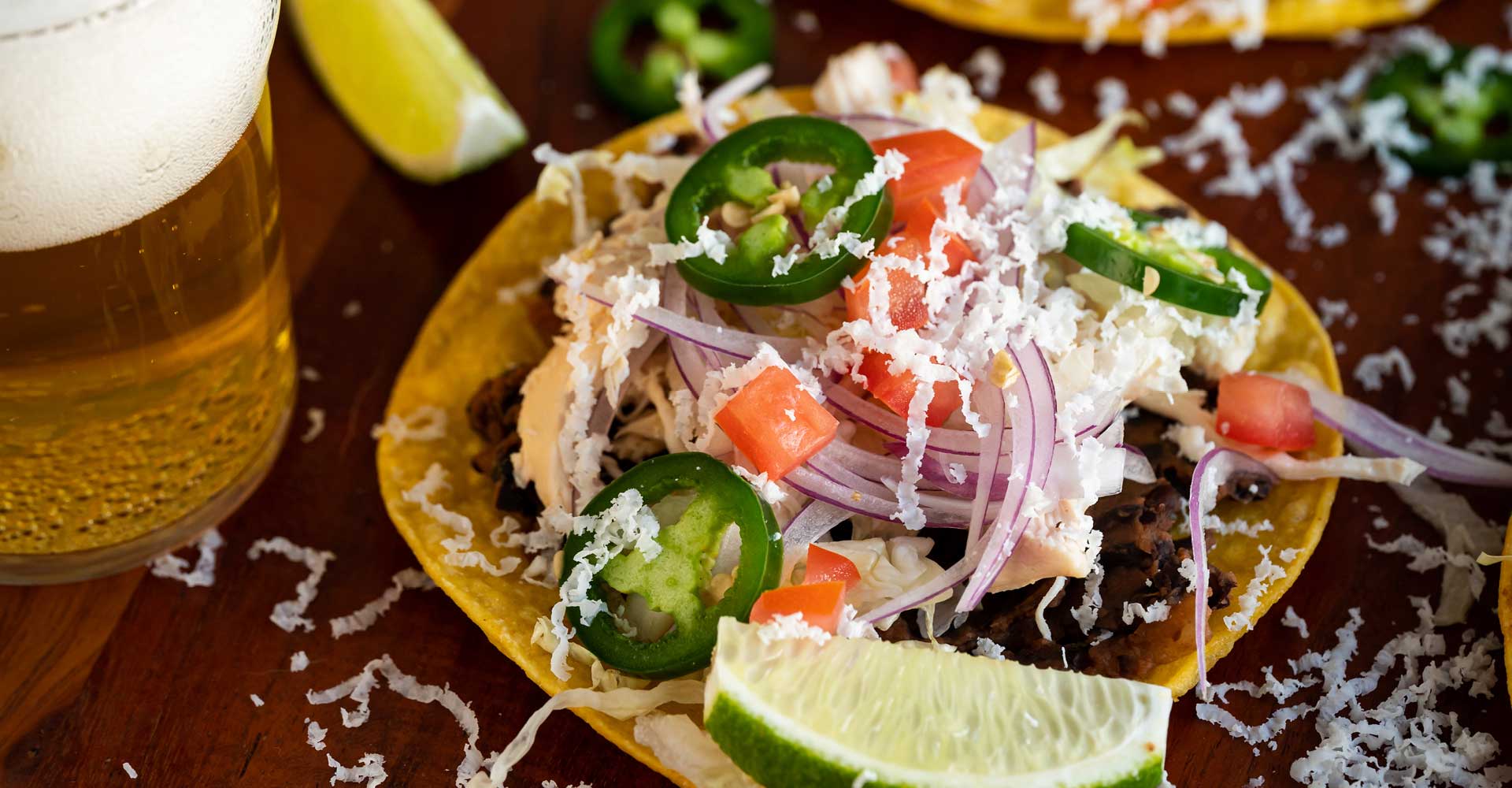
¡Viva la cerveza checa! A splash of Czech-style dark lager adds malty Maillard depth to the mashed black beans in this flavorful tostada preparation.
John Harris has seen it all in his 36-year brewing career—huge process improvements, giant shifts in ingredient quality and range, and a parade of trends that continues today—but the through line in his long career is figuring out how to connect consumers to flavorful beer.
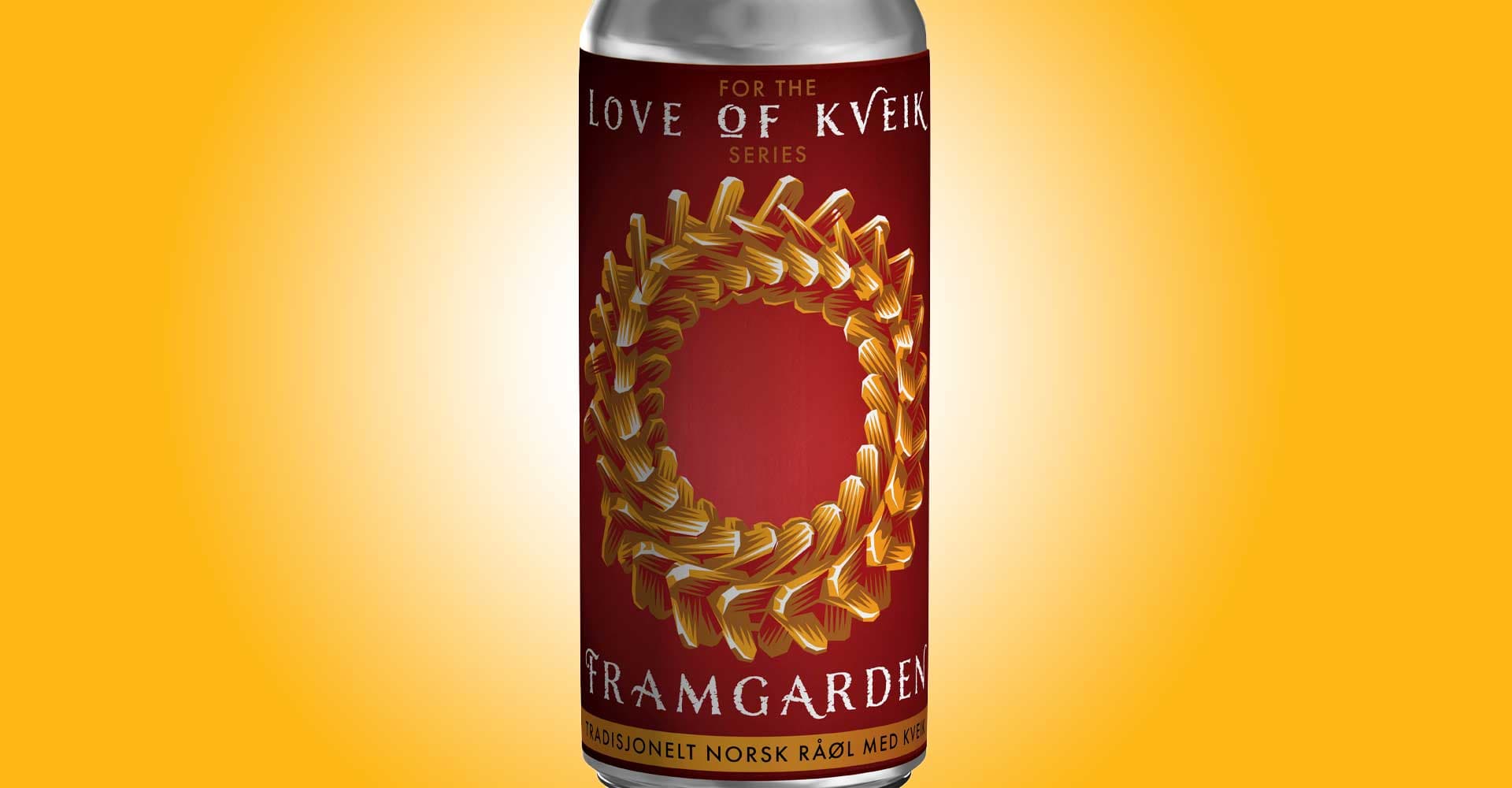
From remote Setesdal, Norway, this recipe comes from a special series of beers dedicated to honoring different kveik cultures and the farms and traditions from whence they come.
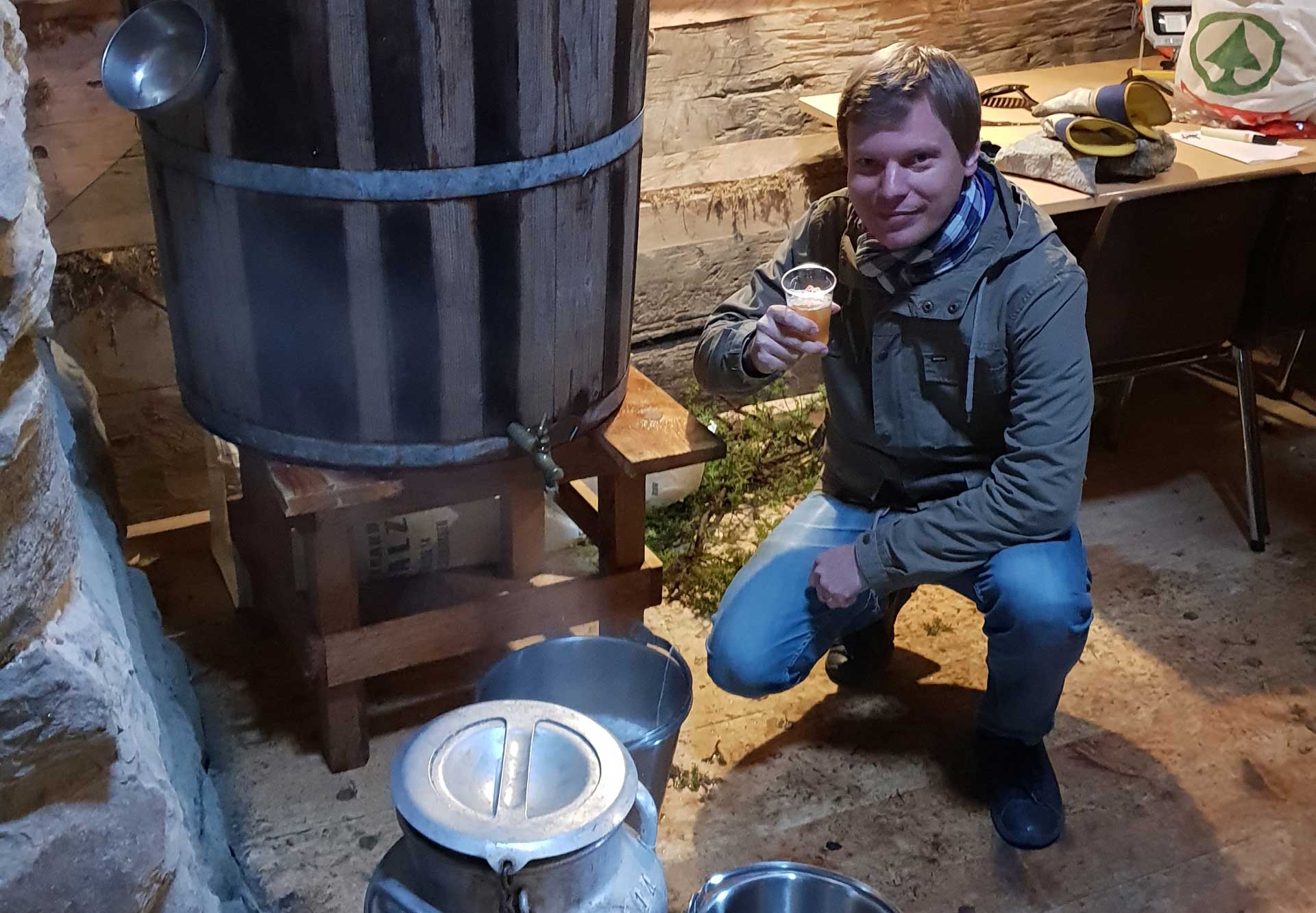
From remote Setesdal, Norway, Torkjel Austad launched his Bygland Bryggeri so that more drinkers could experience those hard-to-find traditional farmhouse ales. Here, he explains how it happened—and shares practical tips for brewing your own.
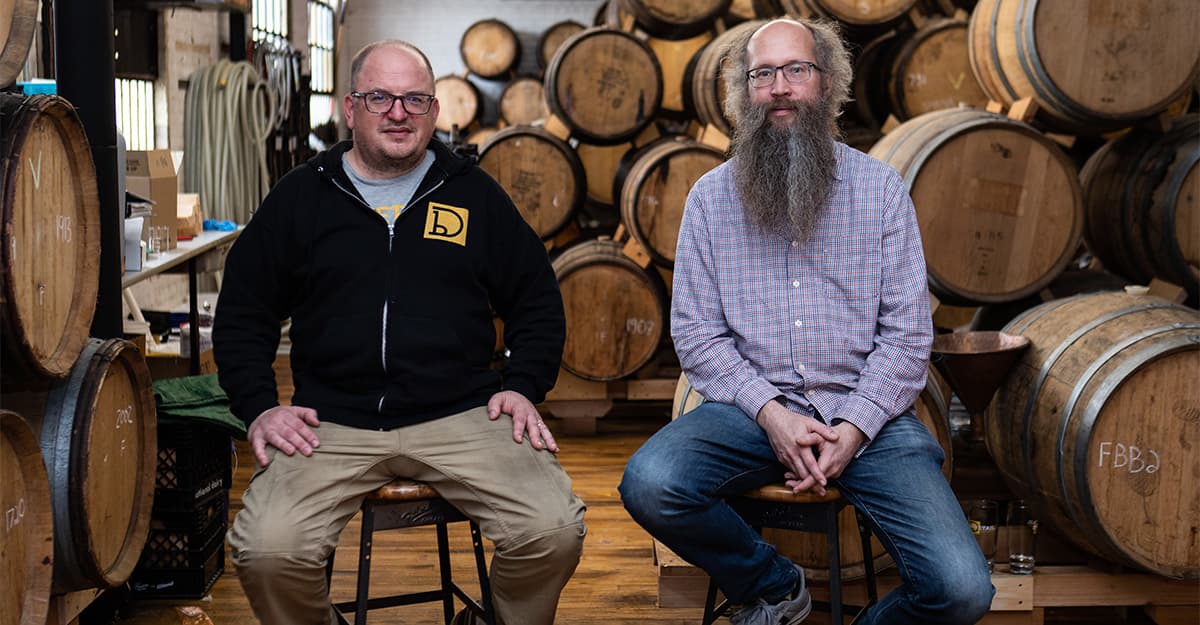
Why bother with decoction? In this clip, Hagen Dost of Dovetail in Chicago explains the mash process for their Franconian-inspired Lager—as well as how to adjust a decoction regime to get the Maillard reactions and intensity of malt flavor you want in your own lagers.

In this new bonus format for the podcast, Weldwerks founder Neil Fisher takes your direct questions on brewing everything from thick stouts to IPA and hefeweizen.
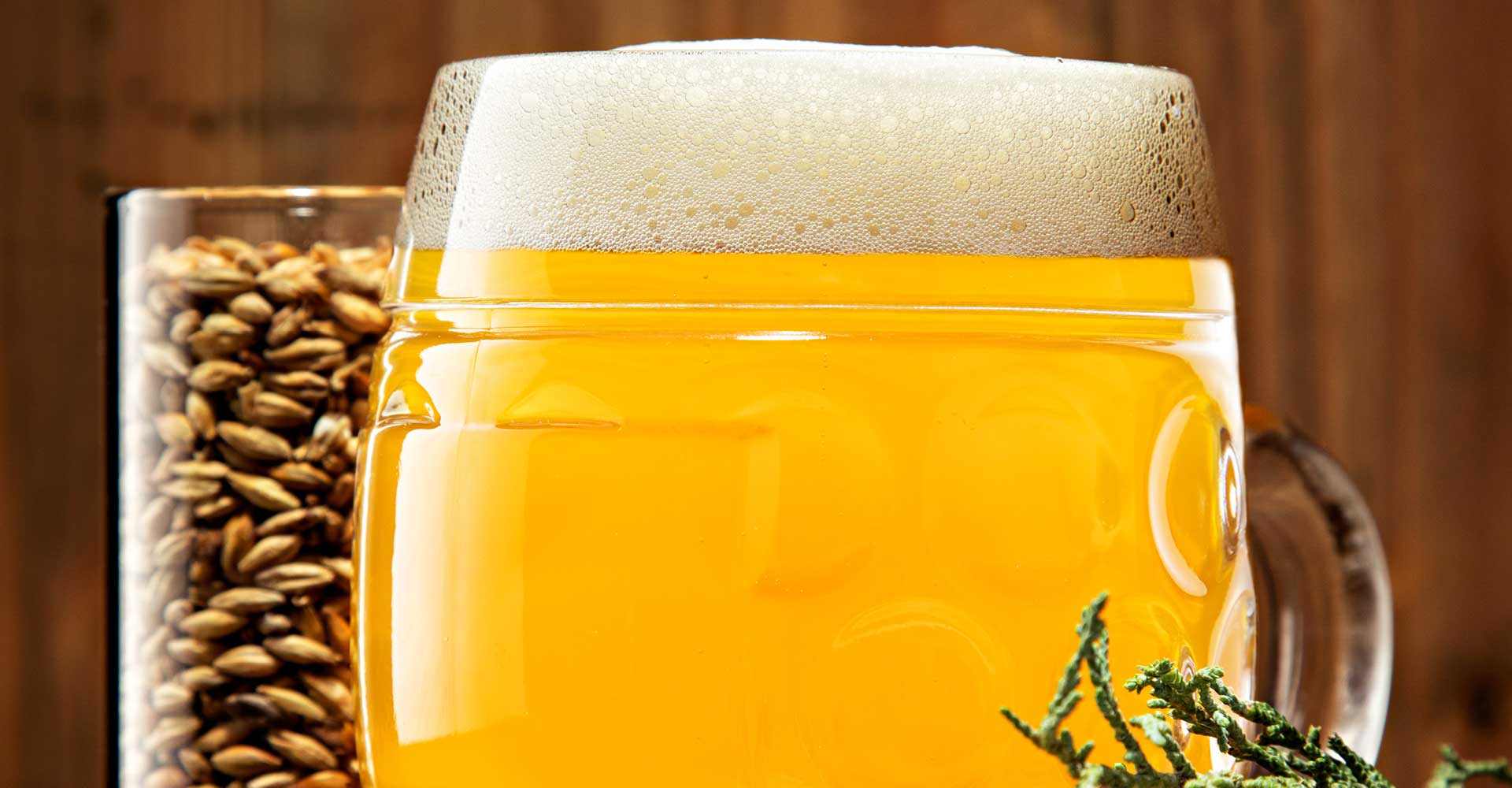
From the stark, isolated valleys of western Norway, this traditional farmhouse beer brings together juniper and kveik while skipping the boil. (The yeast scream is purely optional.)
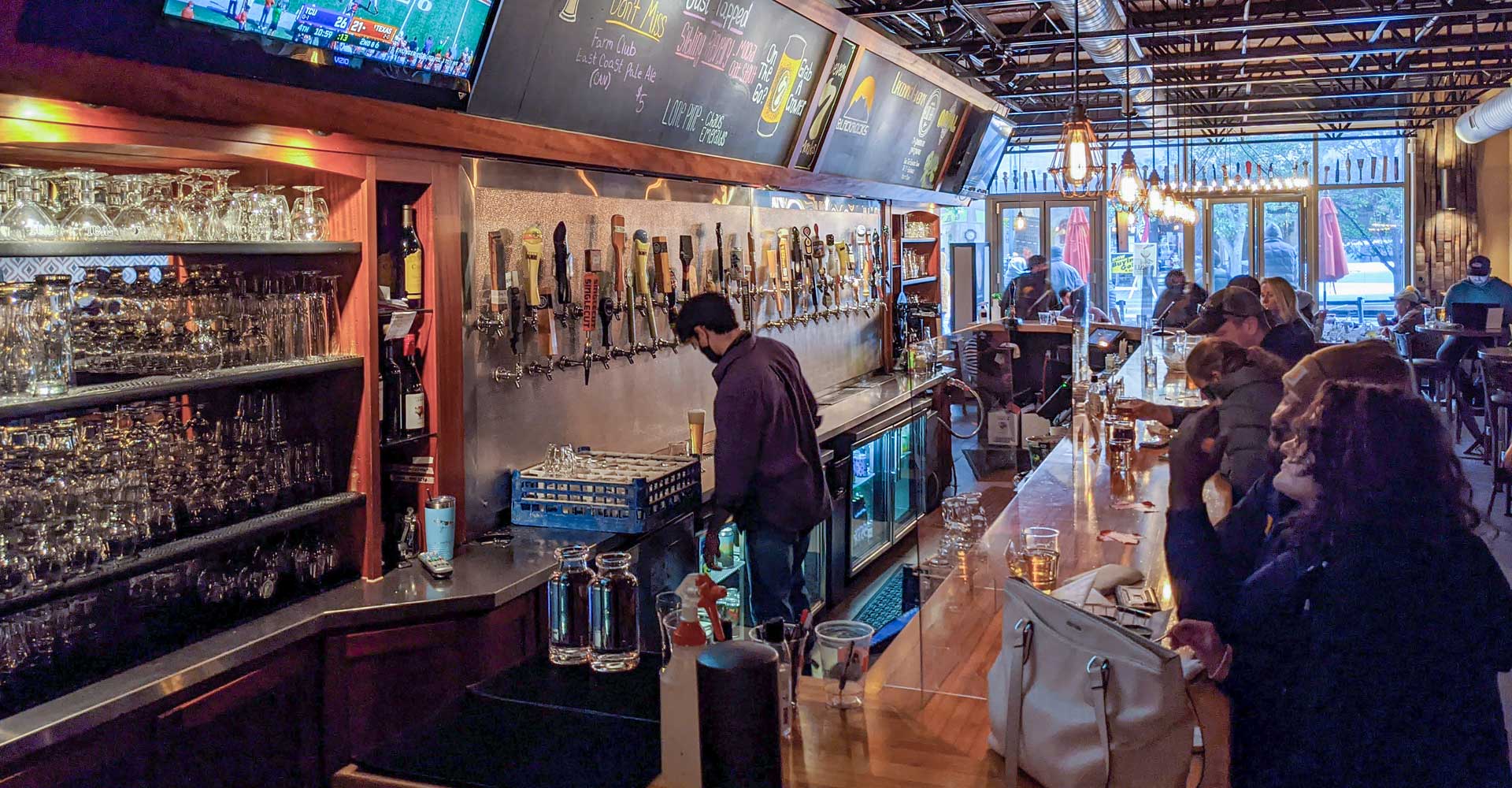
From our Love Handles files on beer bars we love: Northern Michigan has no shortage of great breweries, but there’s really just one top-notch beer bar at the tip of the Mitt—and 7 Monks in Traverse City is it.
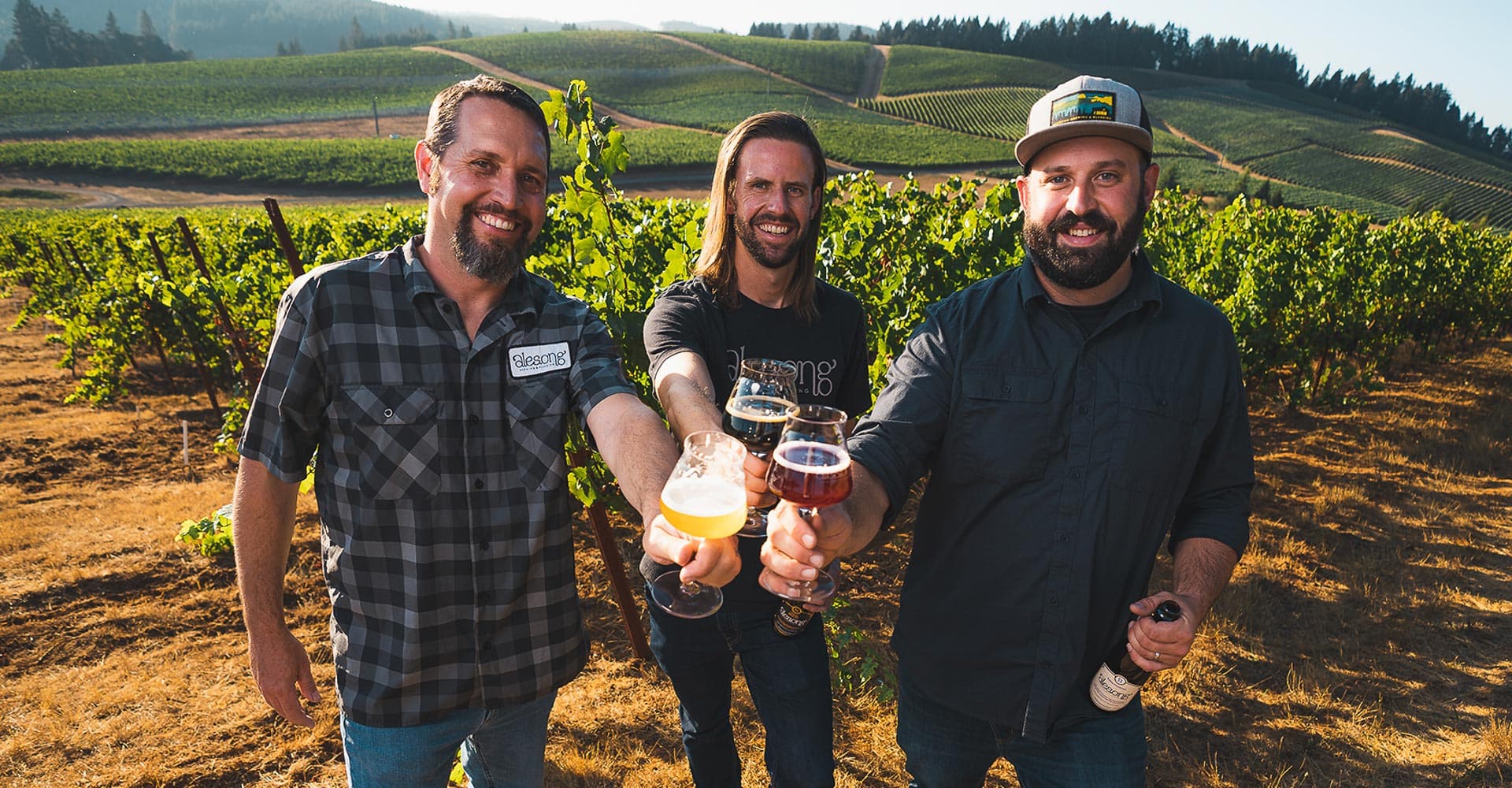
Matt Van Wyk cut his teeth on barrel-aged beers in Chicago in the ’00s, but with Alesong—in the bucolic winery-filled hill country of the southern Willamette Valley—he and cofounder Brian Coombs have built a brewery focused solely on barrel-aged beer.
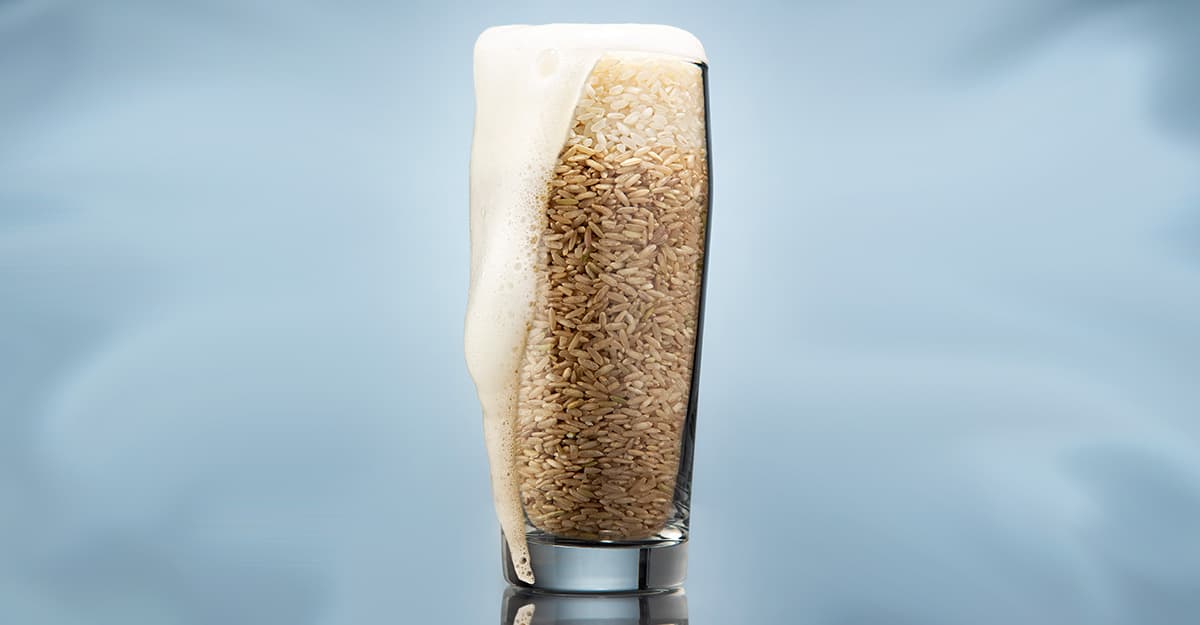
Here’s an elegant homebrew recipe for a super-lean and dry rice lager, ideal for warm summer nights or enjoying with virtually any meal.

From esteemed brewing professional Ross Koenigs comes Brewing with Hemp: The Essential Guide, the latest release from Brewers Publications, now available at your favorite book retailers.
Hagen Dost and Bill Wesselink, owner-brewers at Dovetail in Chicago, go into detail on how they adjust their local water and rebuild it for brewing, with divergent approaches to lager and hefeweizen.
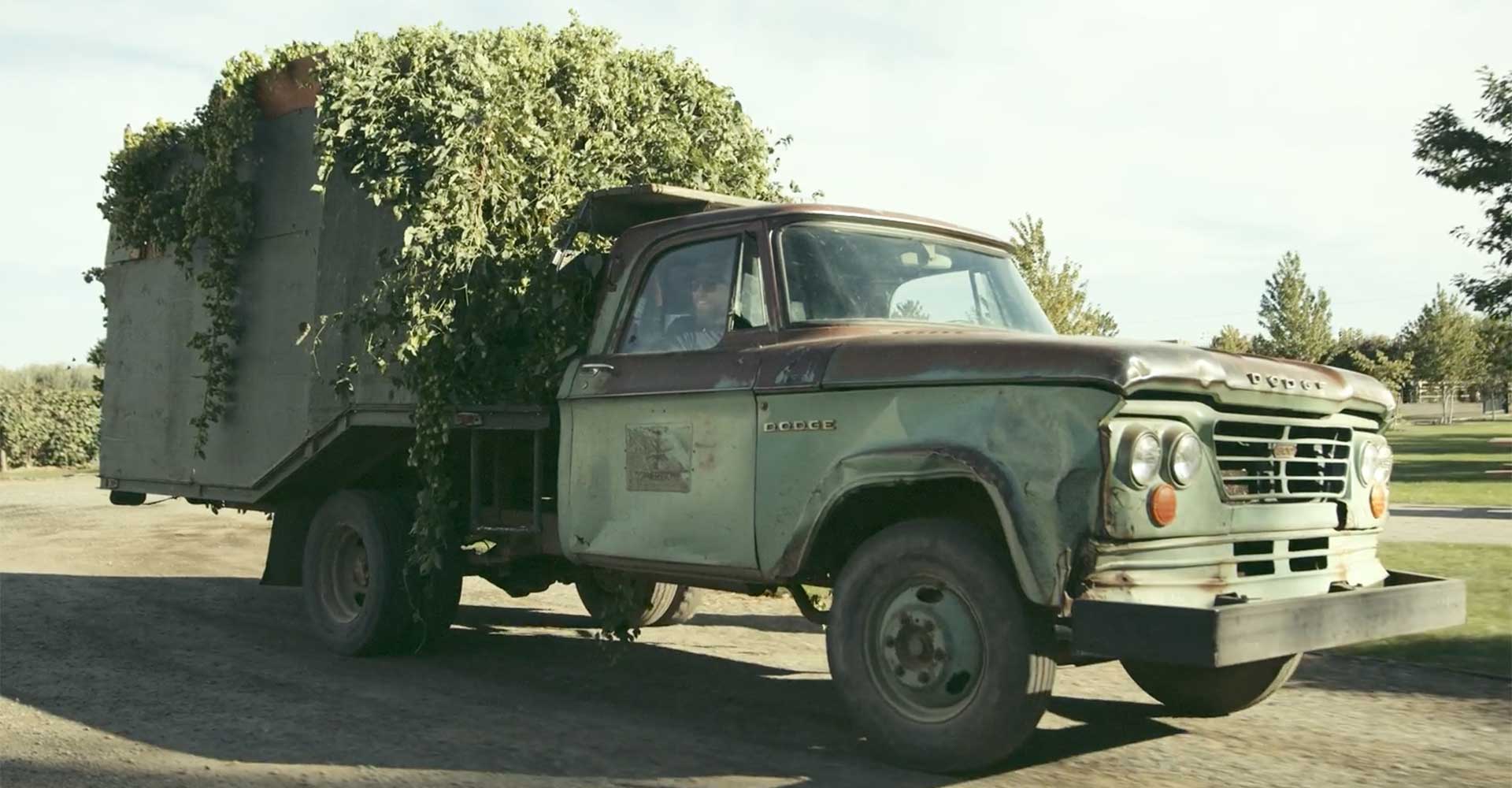
In this short film, take a journey with Brewmaster Matt Brynildson as he connects with the people, innovations, and heritage behind the Yakima Valley hop harvest.
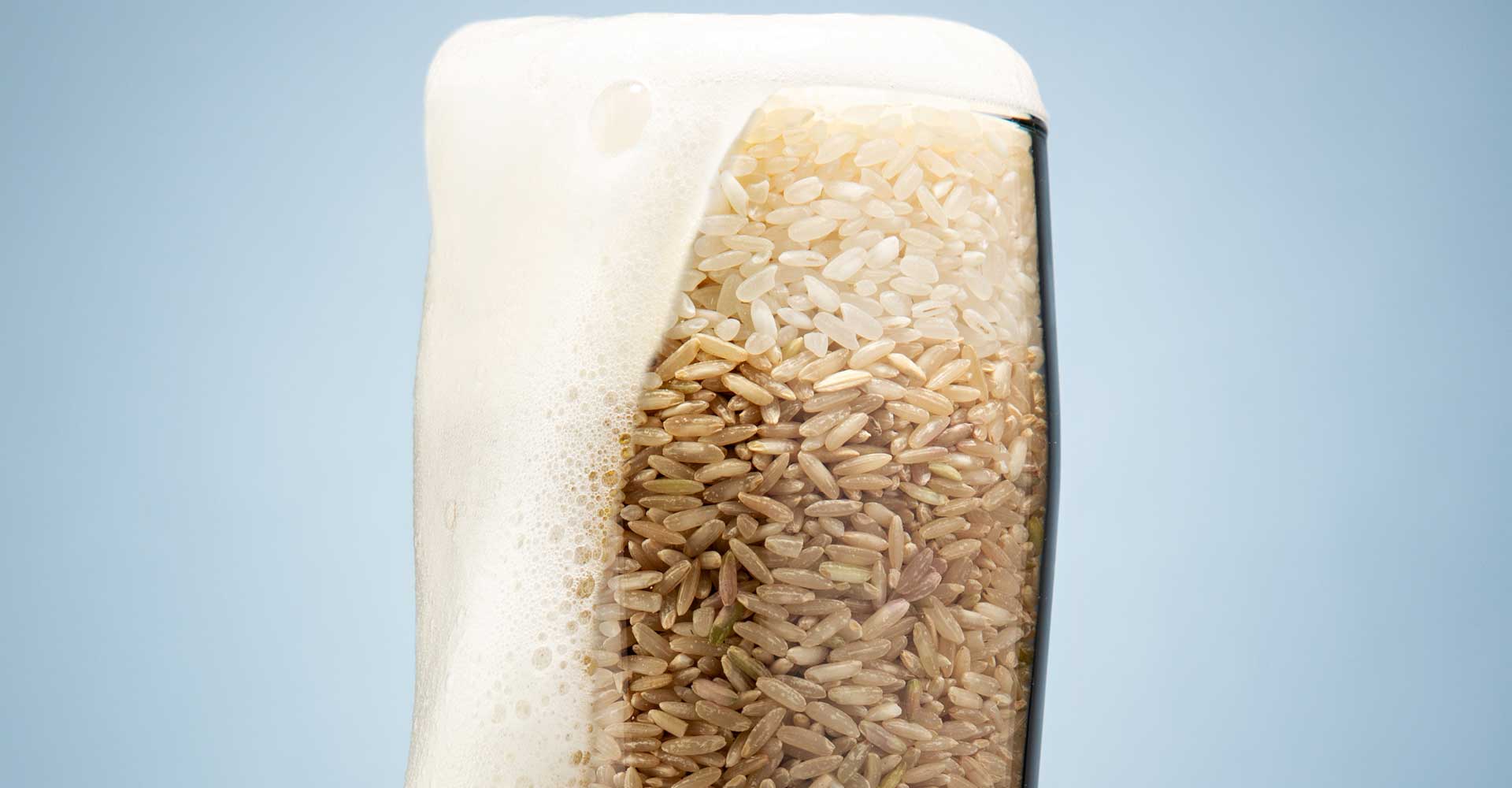
You don’t need an industrial Japanese brewery—nor even an all-grain homebrew system—to make a clean, light-bodied, refreshing rice lager ideal for sushi and summertime.