
Wake Up Fresh with ZBiotics
Can you enjoy a beer or two at night and wake up fresh in the morning? Yes, you can. Here, San Francisco–based ZBiotics explains the science behind their solution.

Showing 1441-1460 of 4781 articles
Can you enjoy a beer or two at night and wake up fresh in the morning? Yes, you can. Here, San Francisco–based ZBiotics explains the science behind their solution.
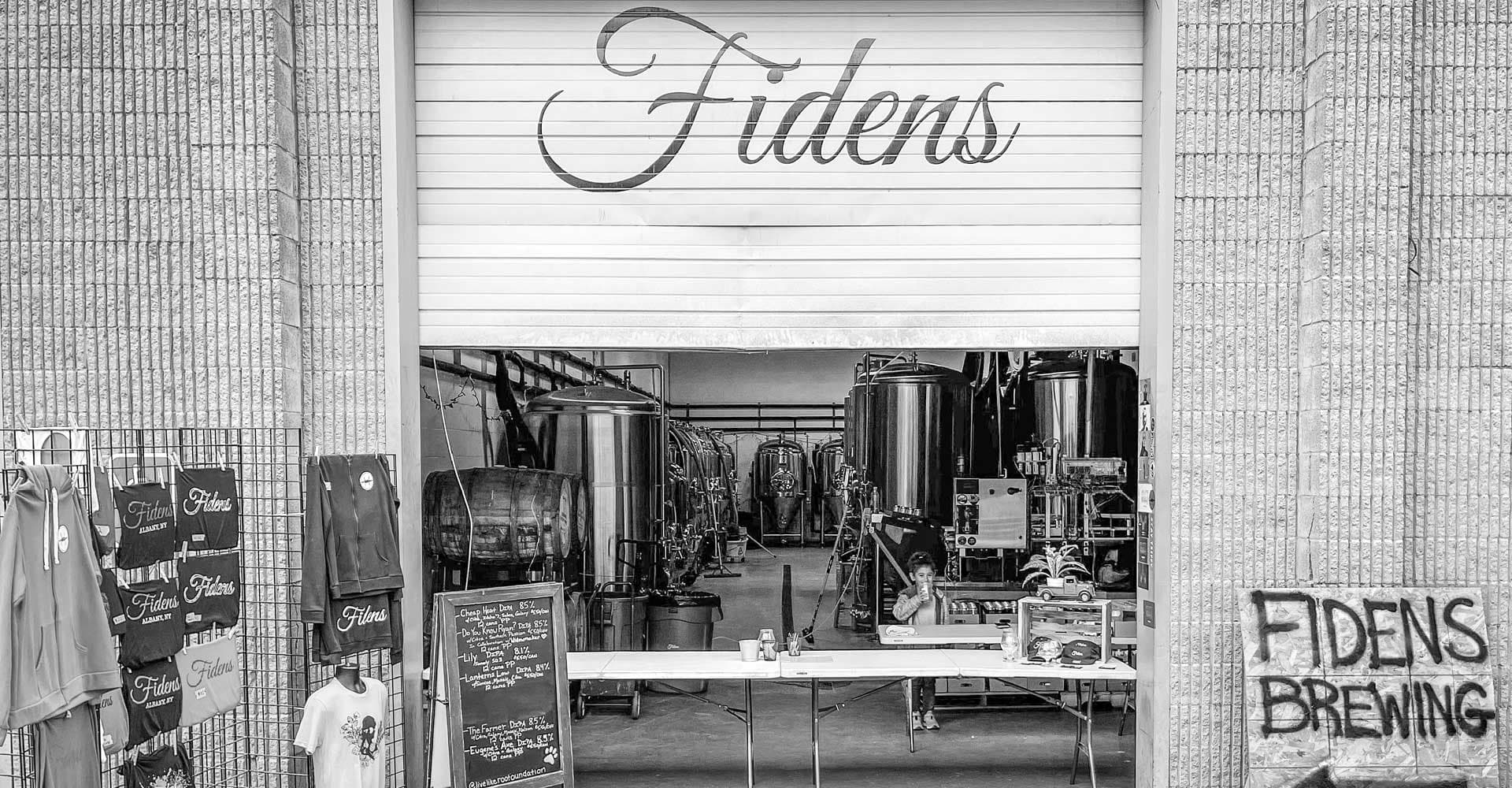
In upstate New York, Steve Parker and his team at Fidens Brewing are making the kinds of juicy IPAs that got them excited about beer and inspired Parker’s intense study of brewing. Now, people come from afar to buy Fidens beers—and the learning continues.
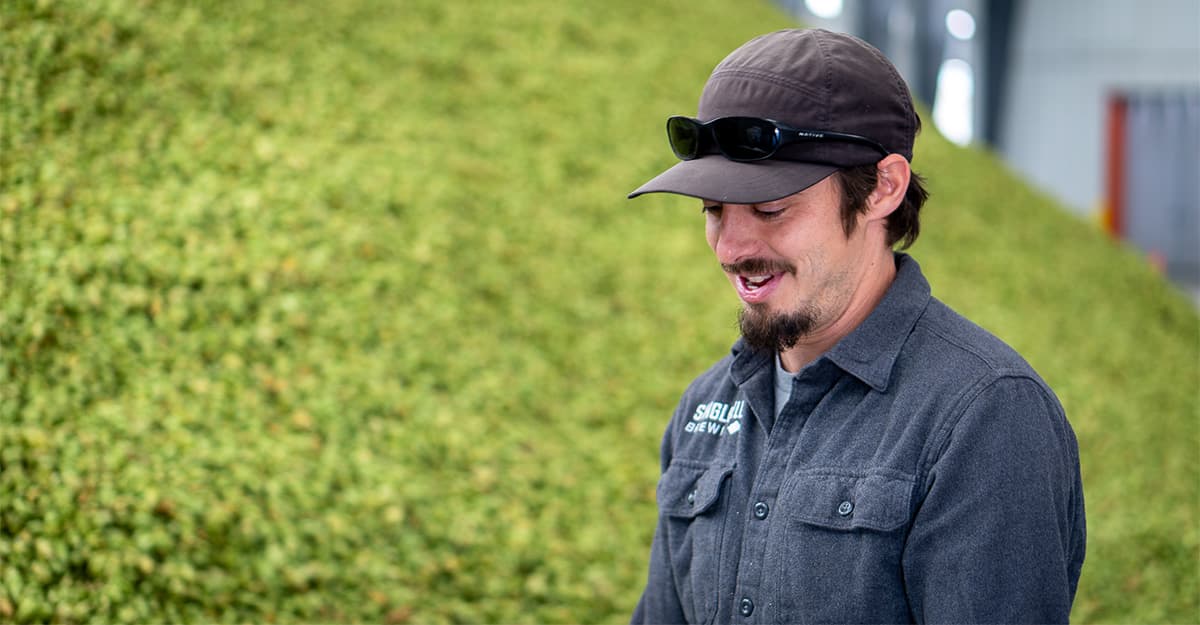
Ready to rodeo? With its immediate proximity to the bulk of American hop-growing—and the ability to drive to nearby farms at harvest time and see what’s freshly picked—Zach Turner and his team at Single Hill Brewing are perfecting fresh-hopped beers.
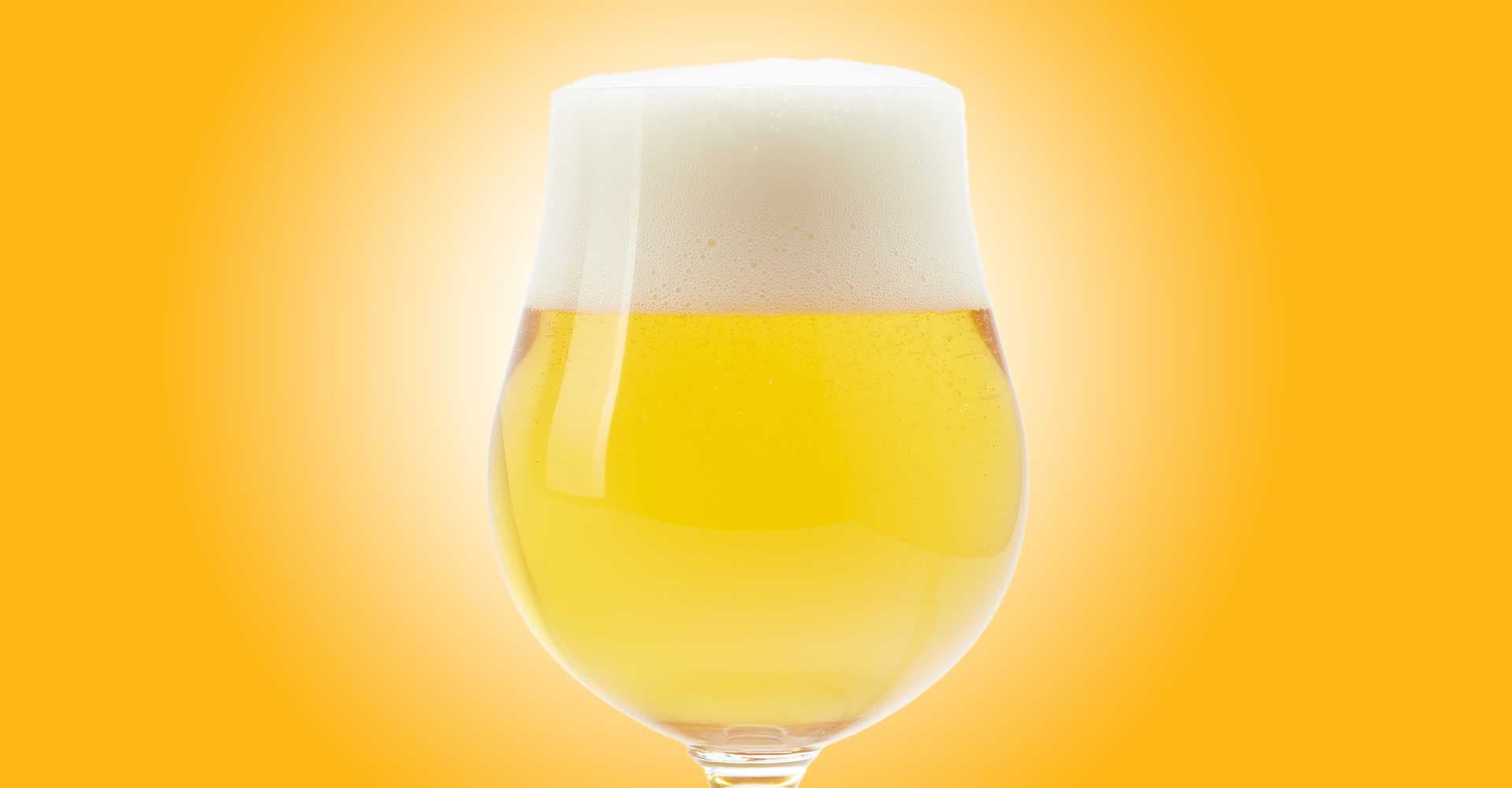
No need for spices when hops and yeast can do the trick, and an attenuation-monster yeast strain helps to complete the profile for this big but dry saison.

The founder of the respected Alaskan brewery shares the creative and technical processes behind the groundbreaking barrel-aged barleywine, A Deal With the Devil.
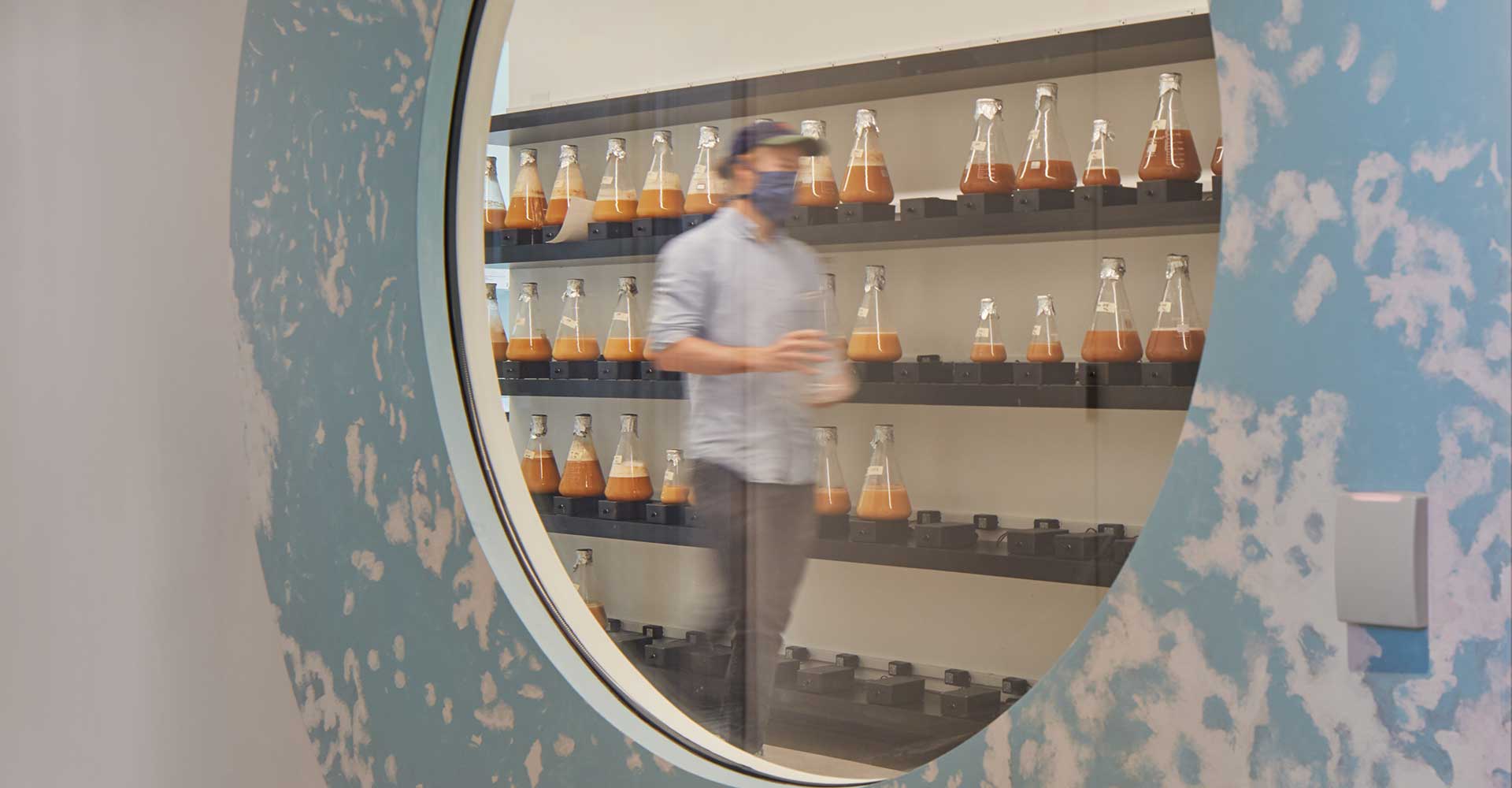
Brewing beer just got a lot more interesting. Consider this fresh, Thiolized approach to recipe design from Omega Yeast.
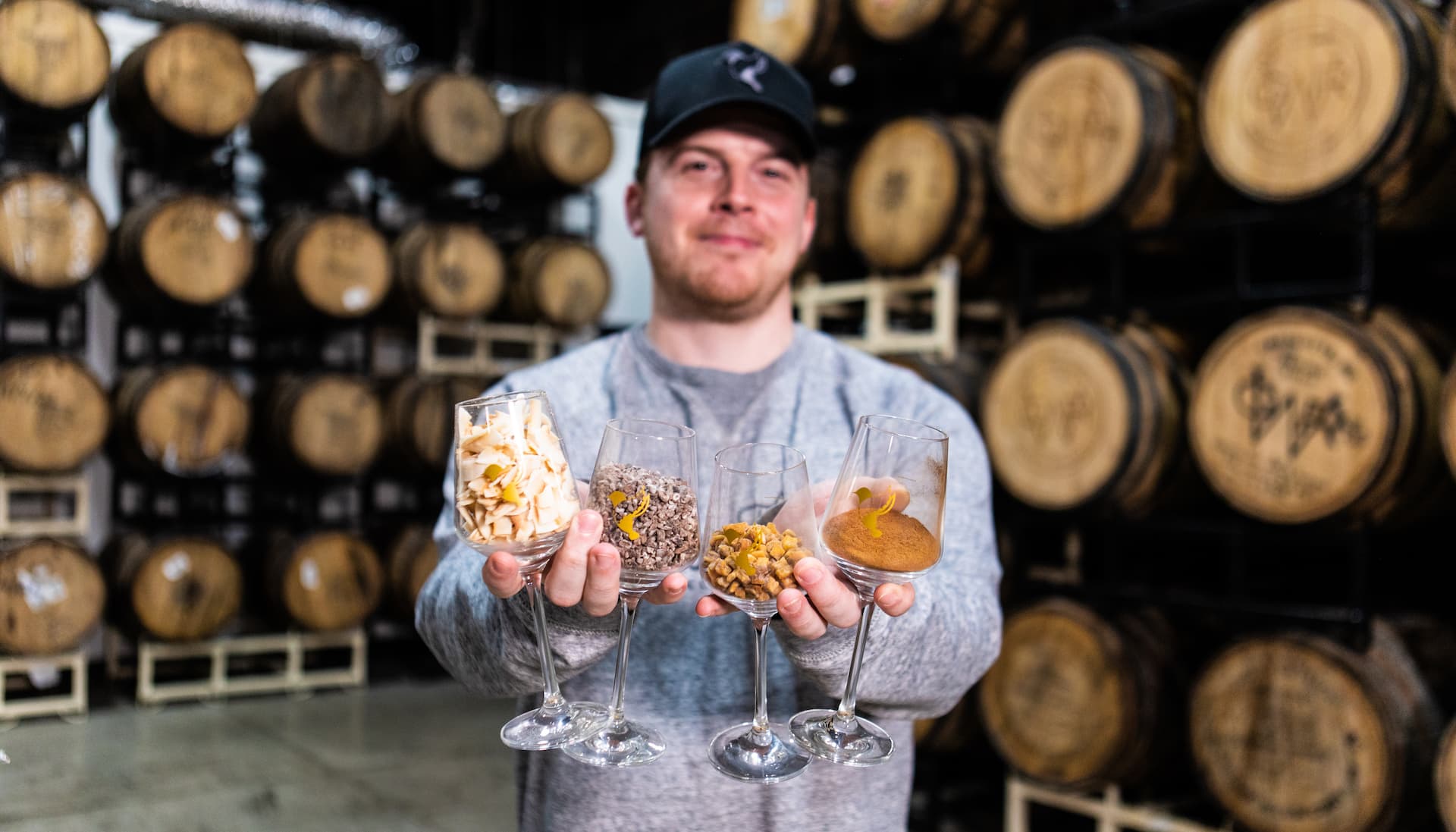
From various fruits to coconut and cacao nibs, Phase Three in Lake Zurich, Illinois, takes a pragmatic approach to using a wide range of flavor adjuncts. Here, cofounder and head brewer Shaun Berns goes into deep detail on their philosophy and process, ingredient by ingredient.
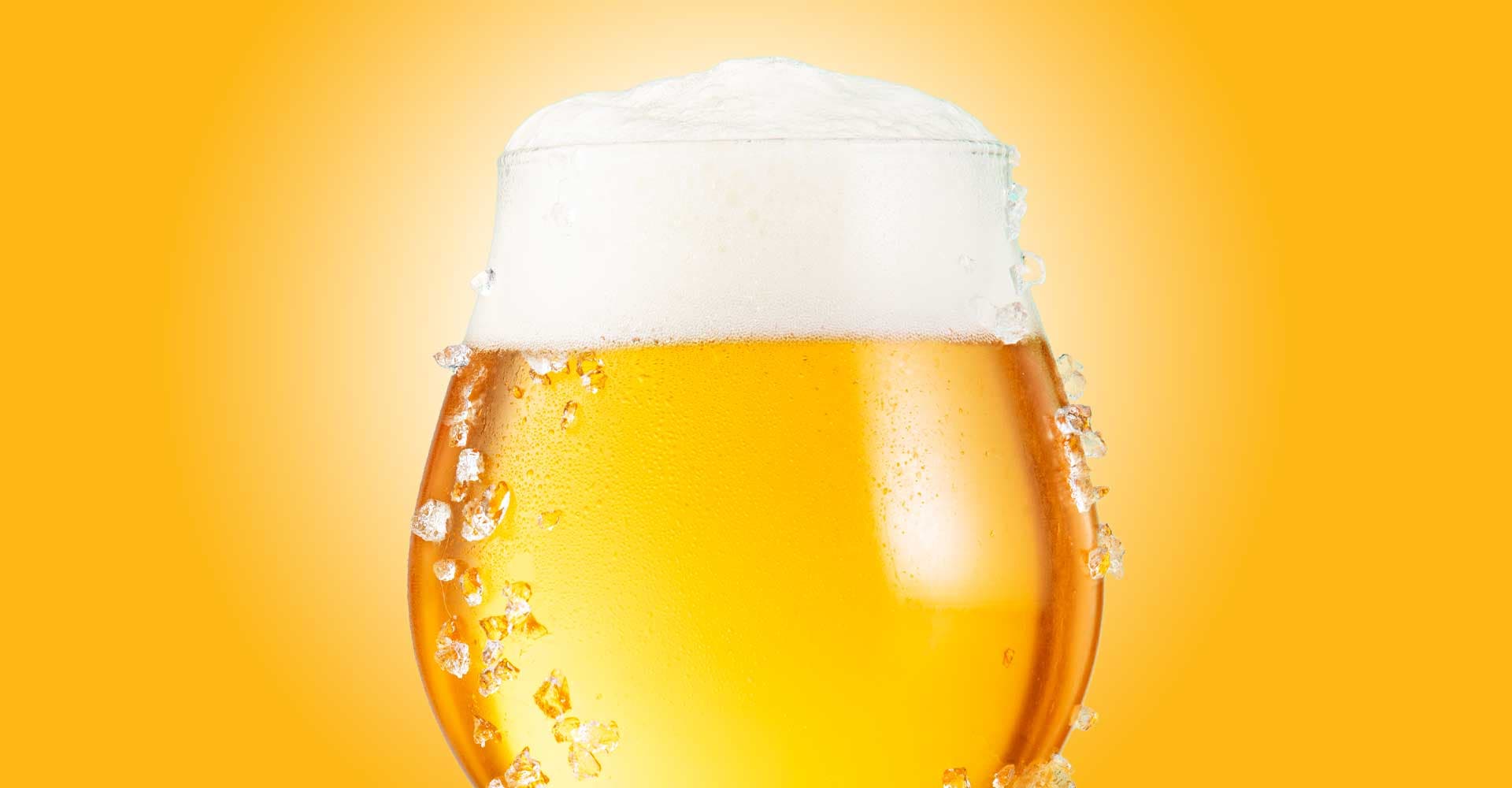
Courtesy of Shaun O’Sullivan and the team at 21st Amendment Brewery in San Francisco, here’s a recipe for their take on cold IPA.
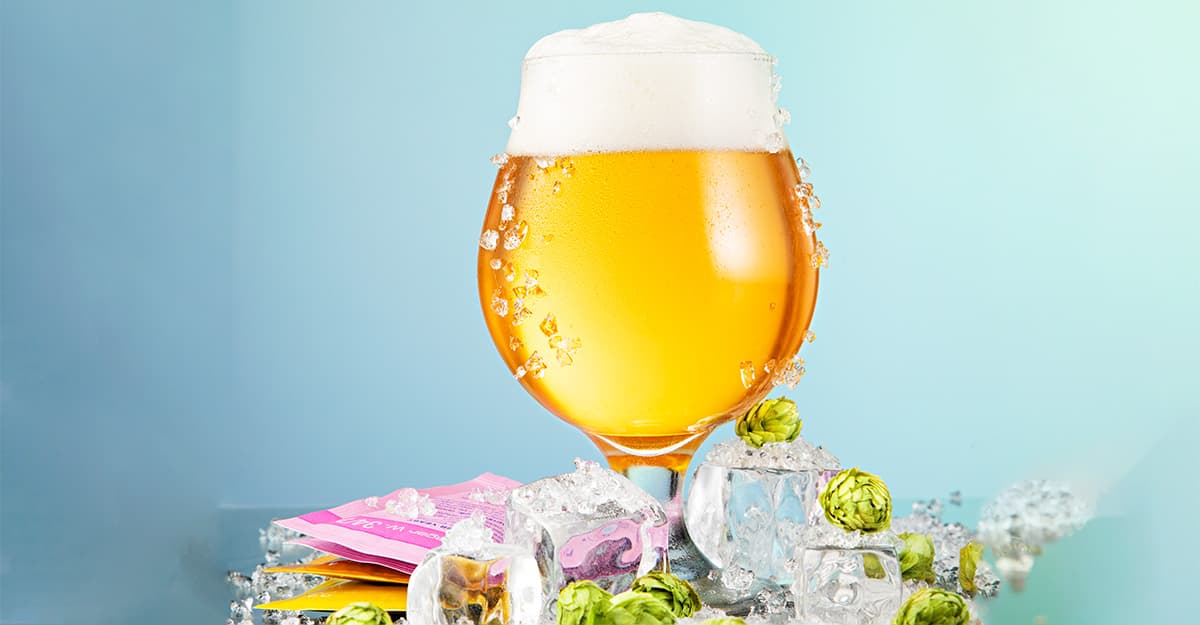
Let the pedants complain, but cold IPA is both fun to drink and fully coherent as a style. Josh Weikert walks us through the elements and methods behind the lean, bright IPA that’s “wester than West Coast.”
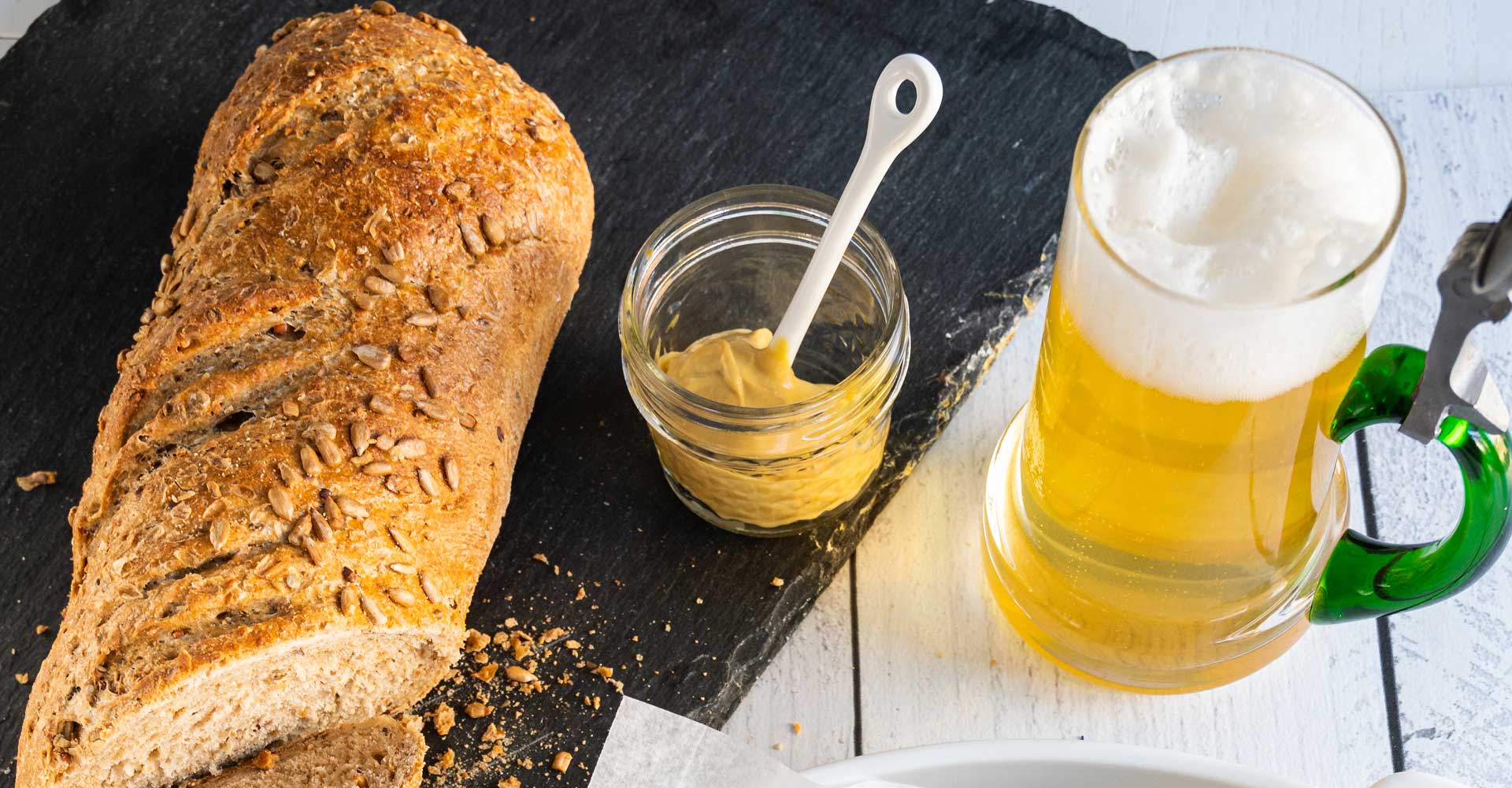
It’s like they belong together: one of the most food-friendly styles on the planet—Vienna lager—and the food whose ancient origins are comingled with beer’s own at the very roots of civilization.
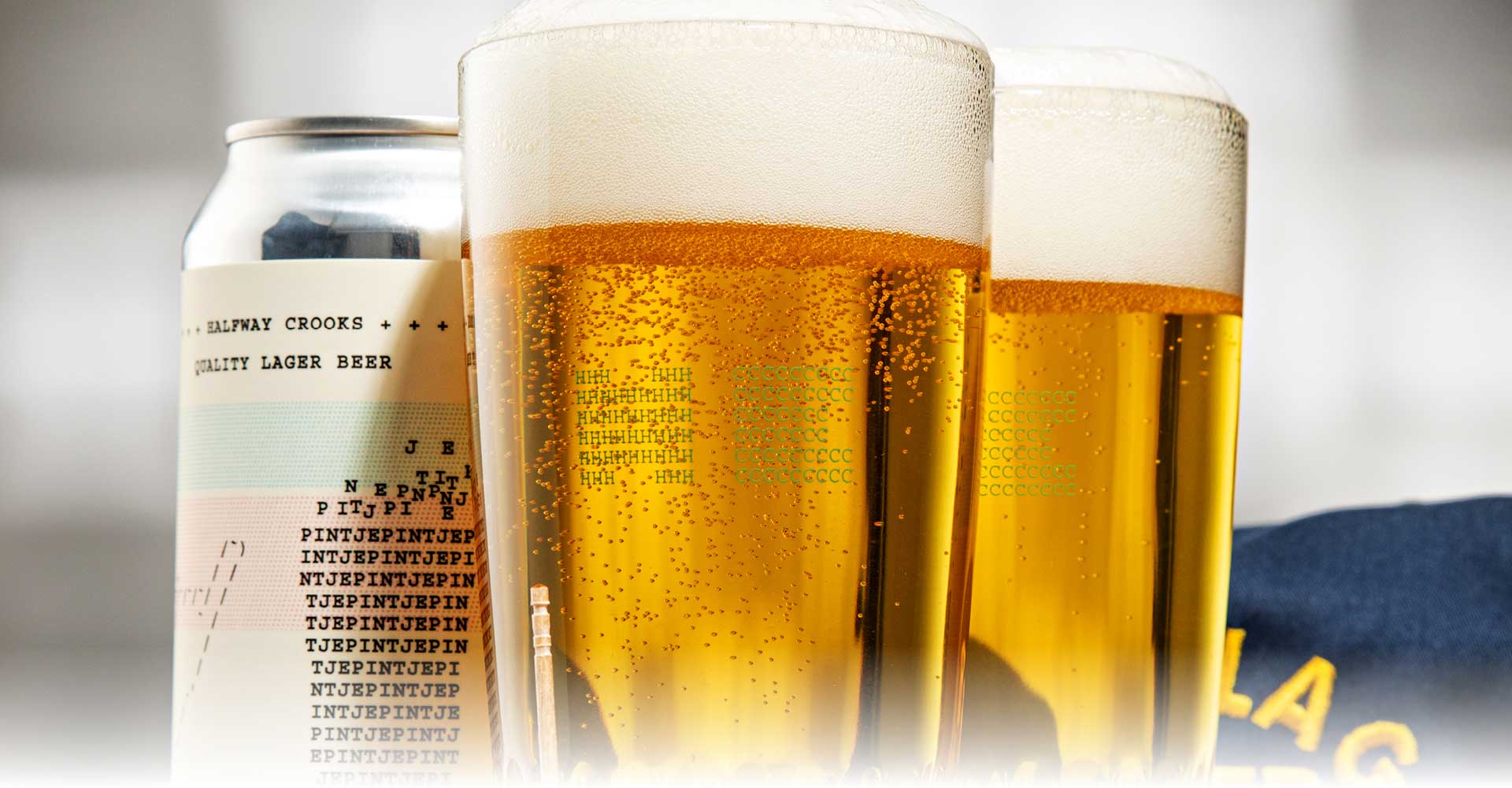
“Pintje is an homage to the type of pilsners brewed in Belgium,” says Joran Van Ginderachter, the Belgian-born cofounder of Halfway Crooks Beer in Atlanta.
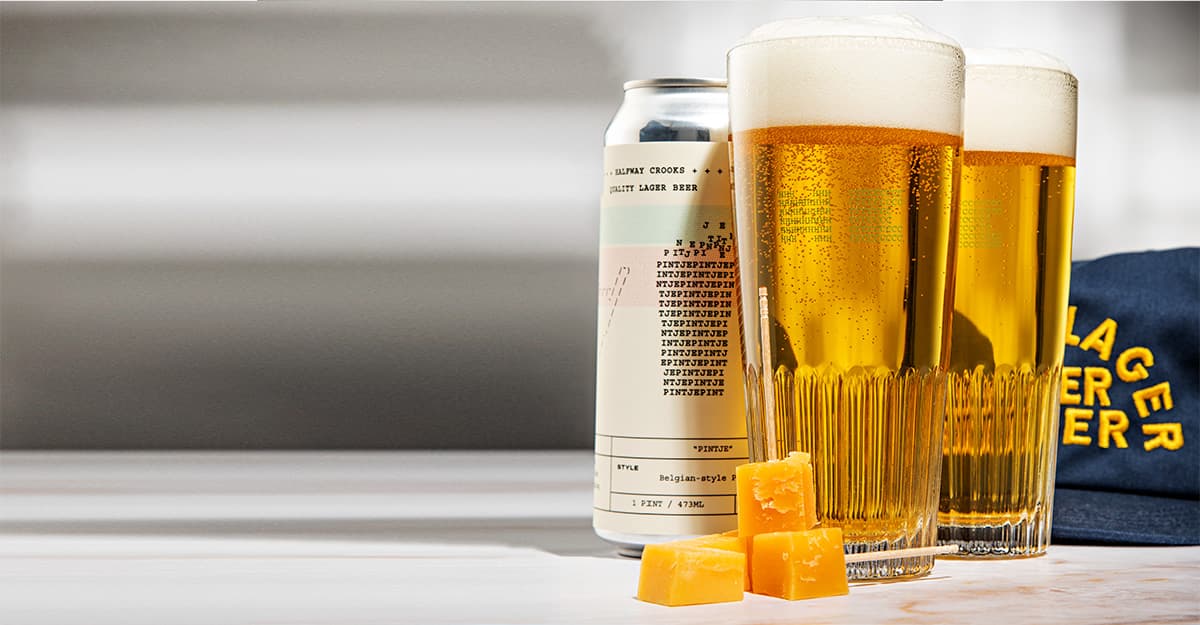
Overshadowed by the global fame of Belgian ale and lambic, pils is nevertheless the country’s most popular kind of beer—light, inexpensive, and available at every corner café. It’s also uniquely Belgian, with many independent breweries making distinctive versions worth seeking.
Lupulock protects hop character to deliver consistent quality throughout a beer’s shelf life, allowing brewers to increase the efficiency, consistency, and sustainability of their hop-forward beers.
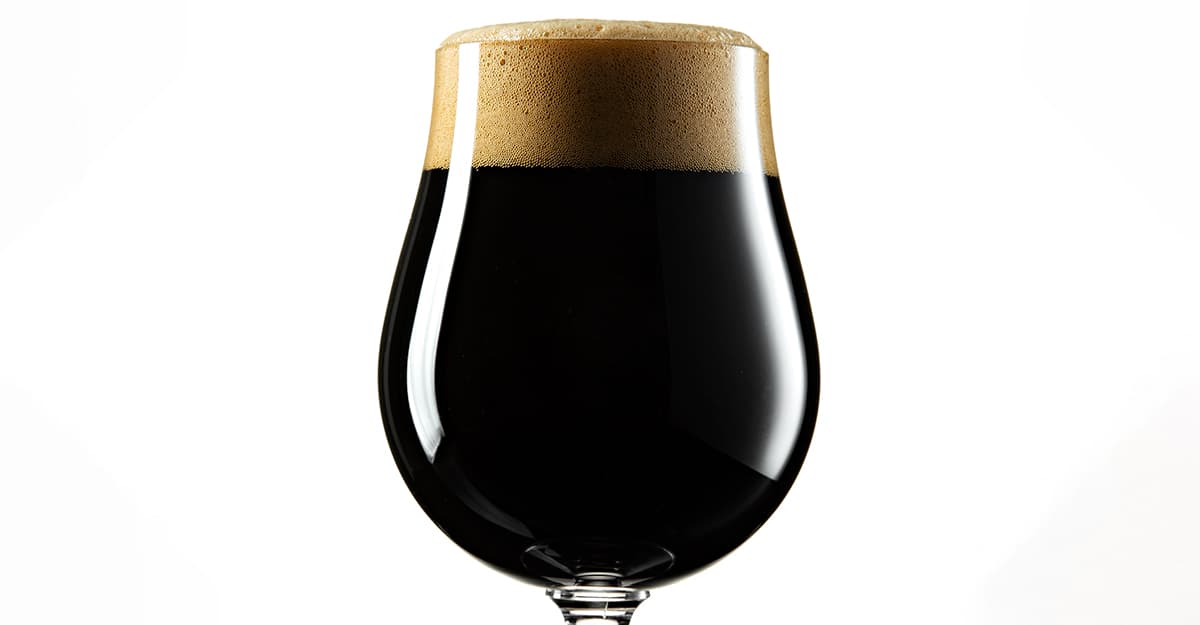
This recipe from Drinkers for Ukraine includes grist percentages but leaves the strength up to the brewer—Jump Ship in Edinburgh, Scotland, even brewed an alcohol-free version, taking “anti-imperial” in another direction. We, on the other hand, went big.
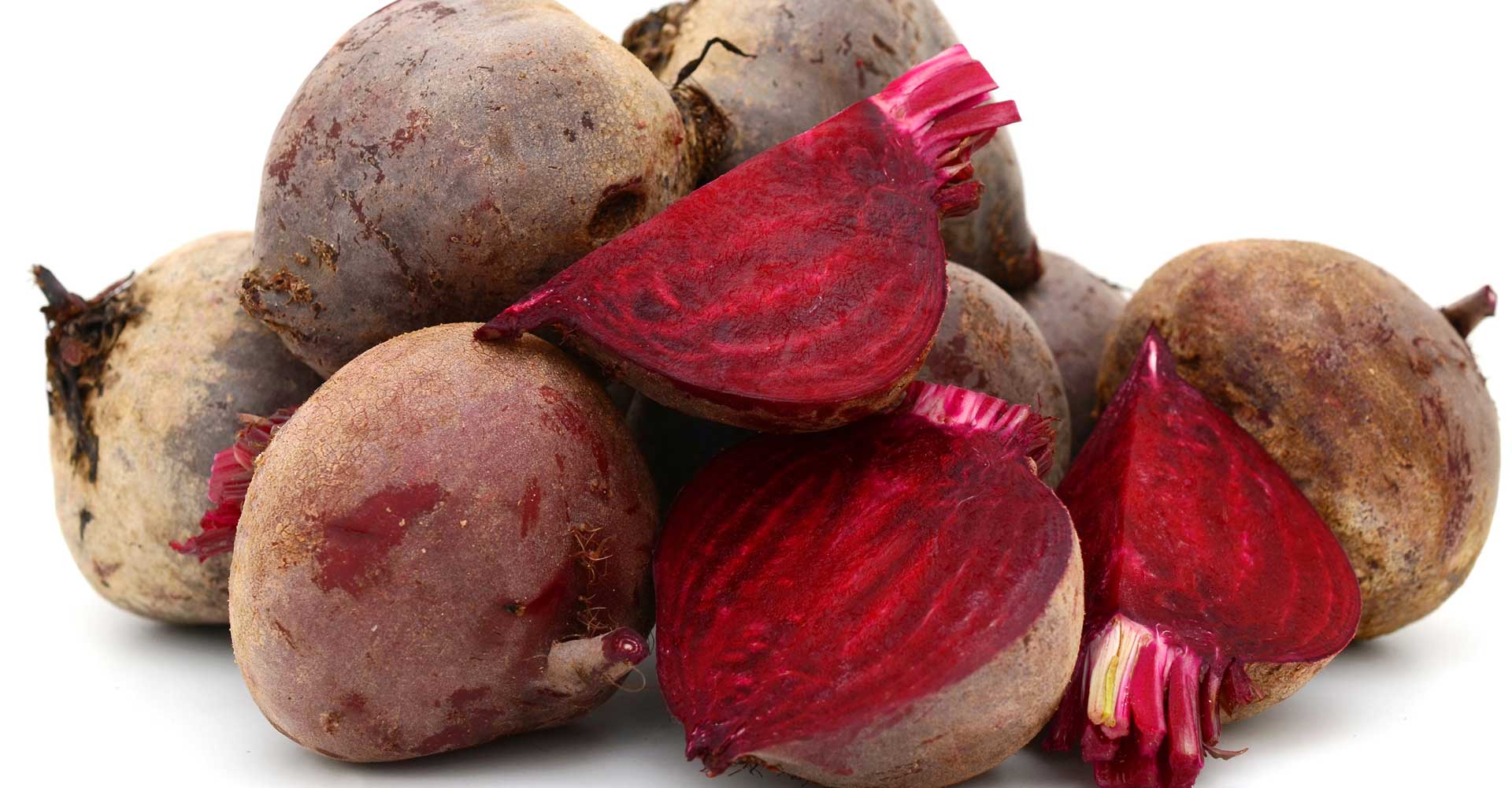
Earthy yet sweet, beets can add color, fermentable sugar, and comfort to your next brew—an anti-imperial stout, perhaps?
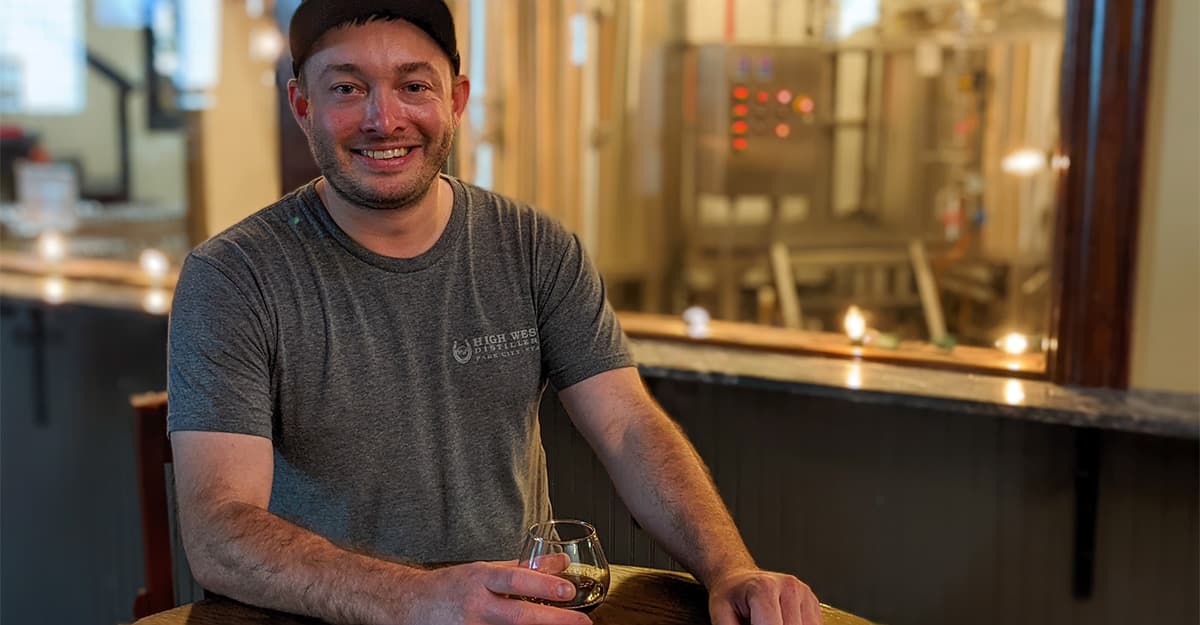
Cam Lund, cofounder and brewer at Bluewood Brewing in St. Louis, outlines their multi-threaded approach to brewing, aging, and blending their big barrel-aged stouts—including a few that reach liqueur-like heights of 20 percent ABV or more.
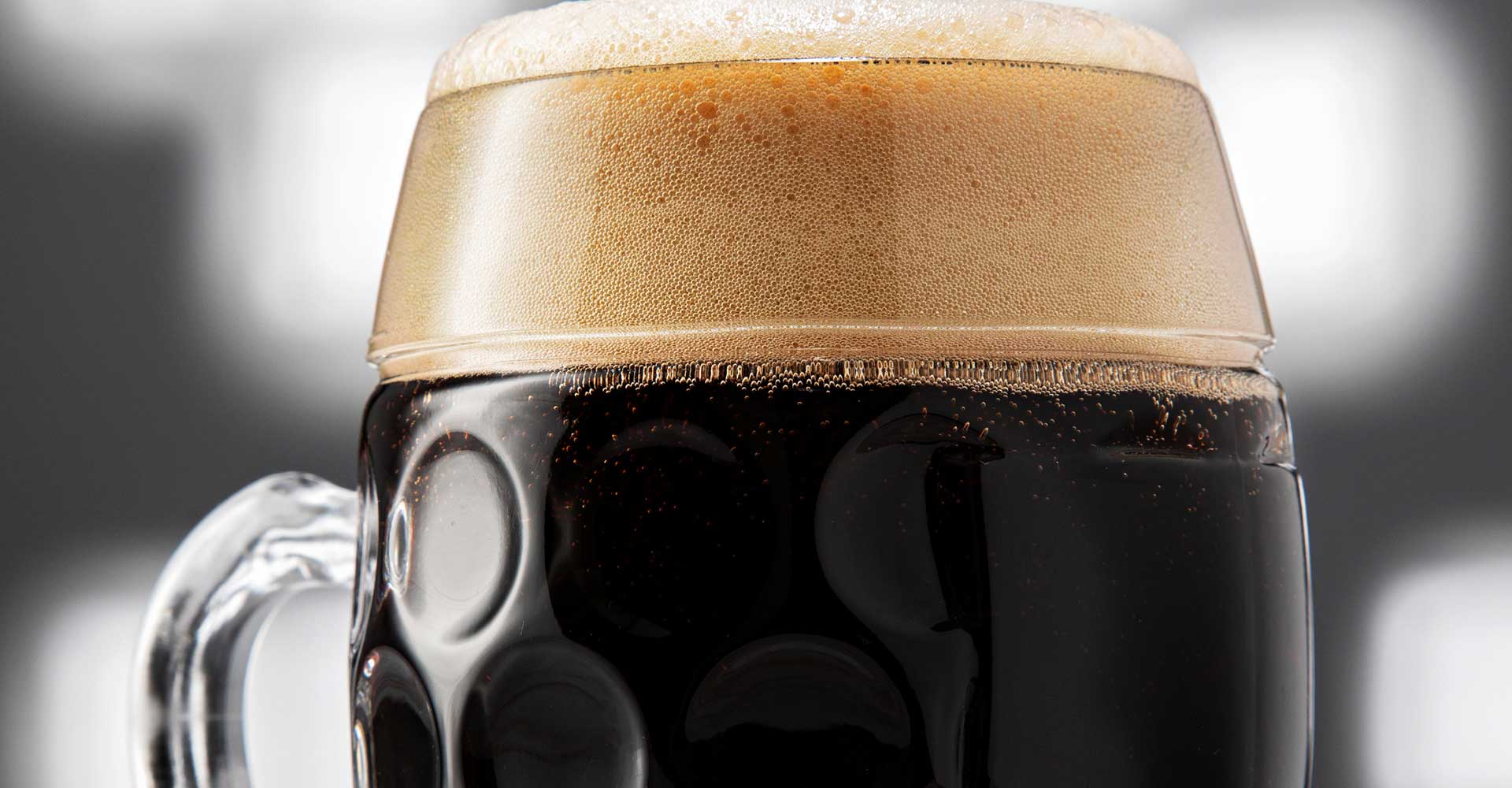
With thanks to brewer Jenny Pfäfflin and the team at Chicago’s Dovetail, here’s a homebrew-scale recipe for the tmavé pivo that they like to call their “Pilsner in a sweater.”
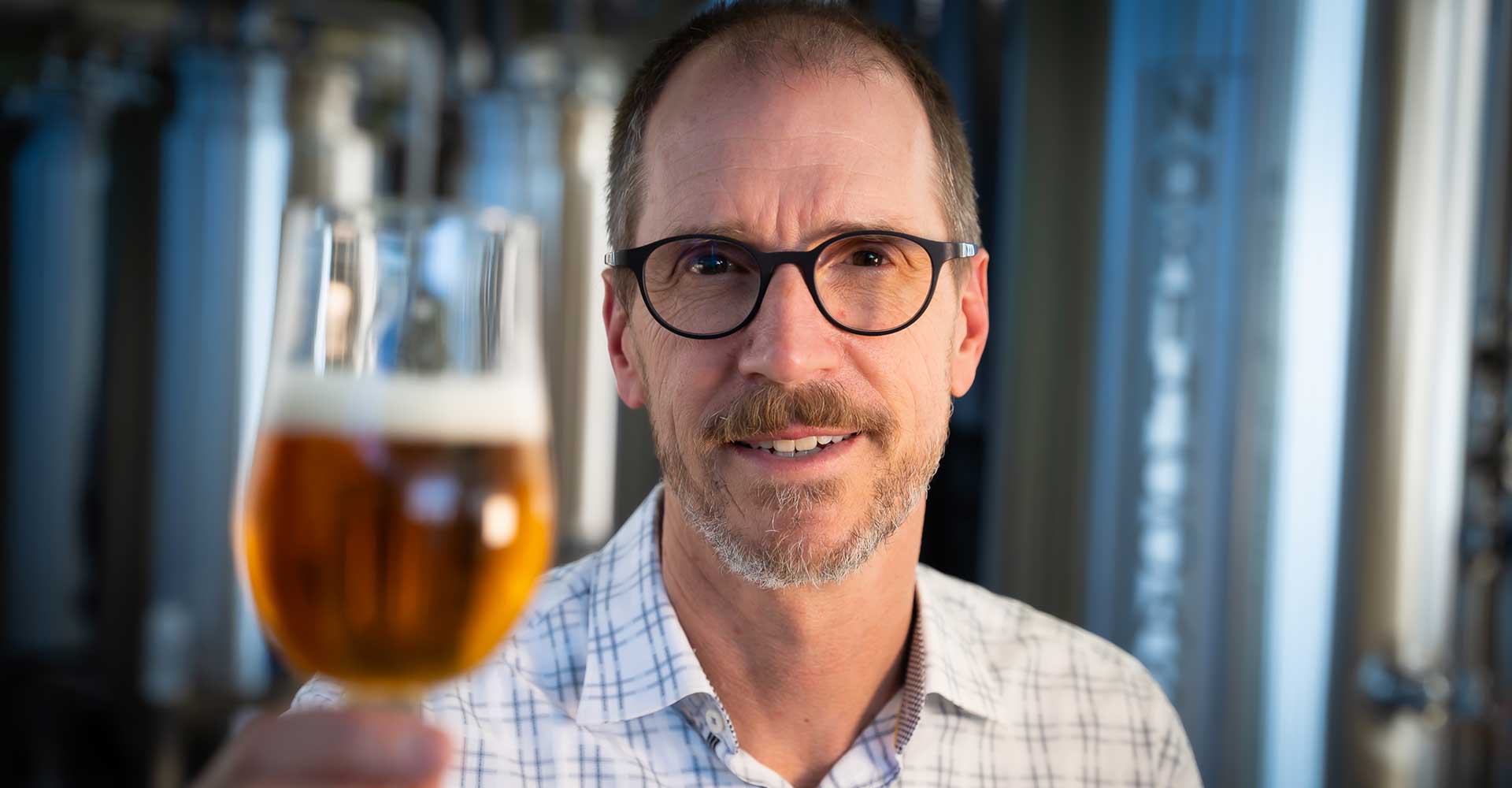
His recent published study on hop terroir backs up what brewers have known anecdotally—that where a hop is grown can have significant impact in flavor and aroma. But just how much impact is possible, and what causes it?
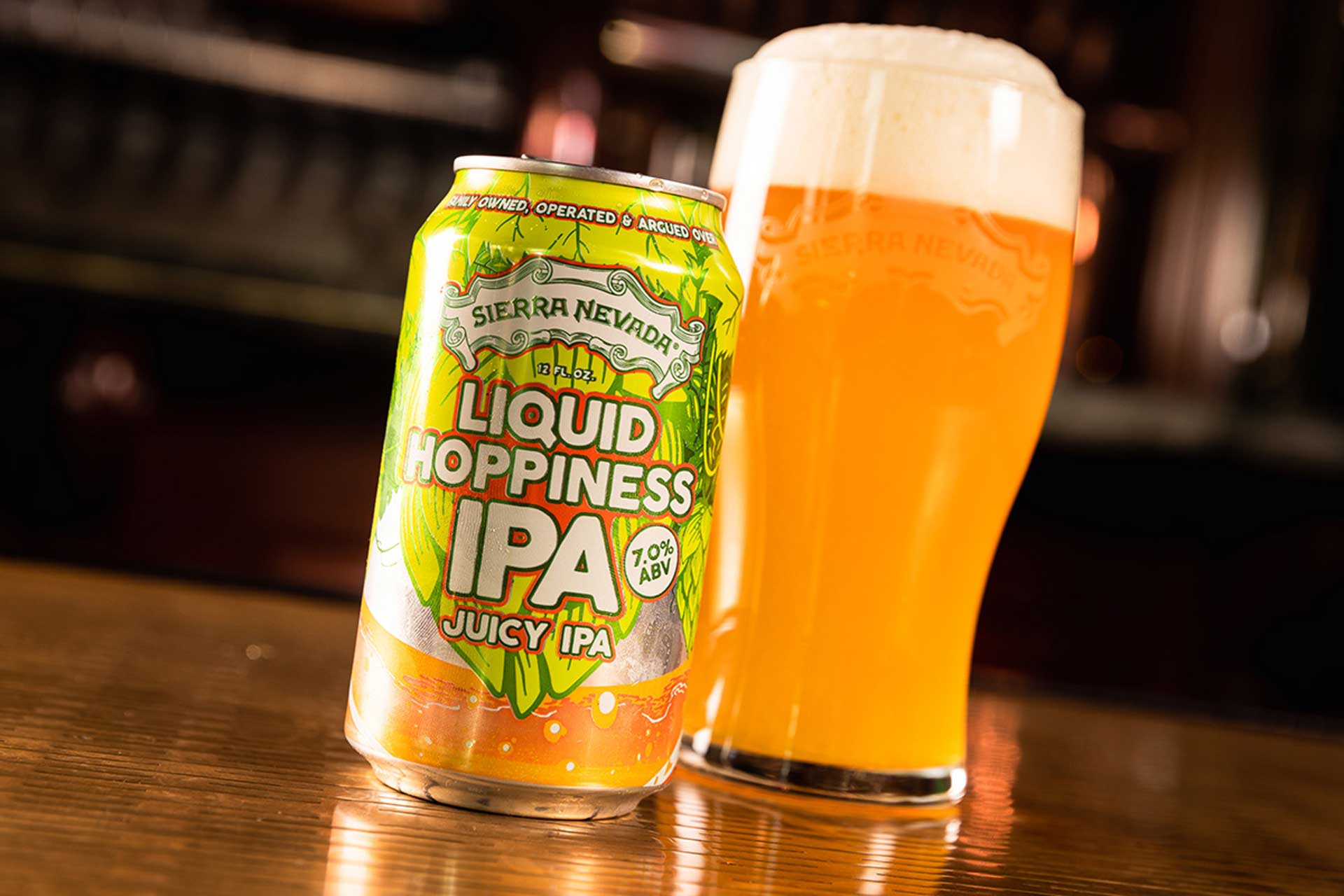
Sierra Nevada’s juicy autumn seasonal—Liquid Hoppiness—will drop before any of your leaves do.
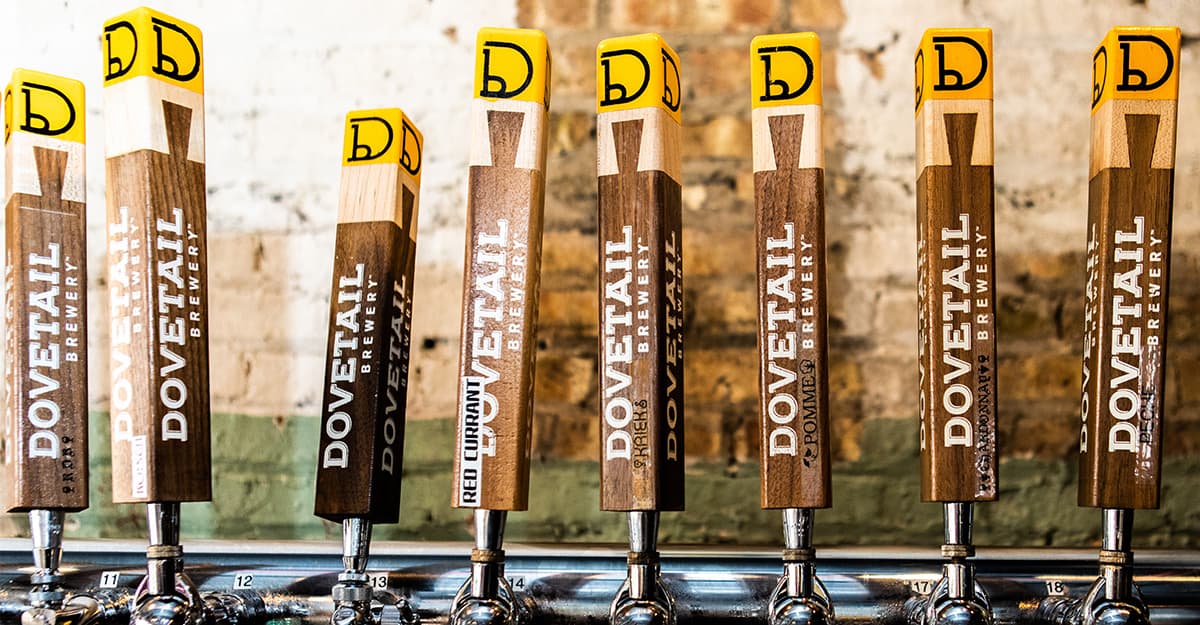
In this clip from their video course, Dovetail cofounder Hagen Dost explains how they keep sulfur dioxide (SO2) under control, and how they use attenuation to determine when to do a diacetyl rest and when to transfer to lagering tanks.