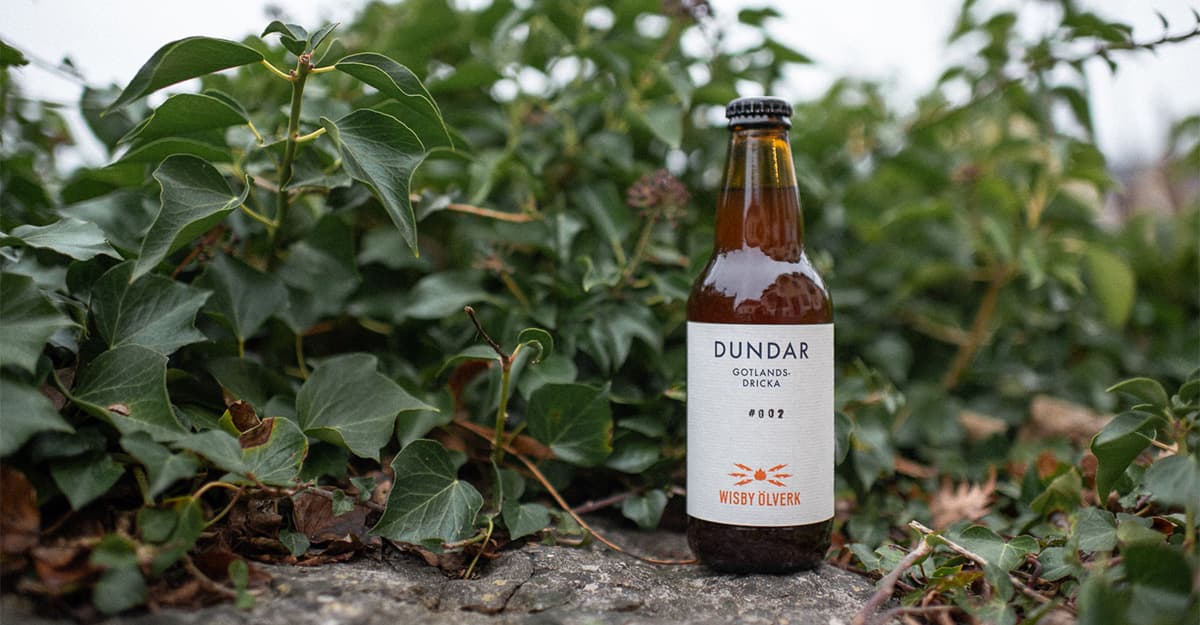
Recipe: Wisby Ölverk Dundar Gotlandsdricka
SUBSCRIBERFrom Wisby Ölverk in Visby, Gotland, Sweden, here’s a small brewery’s take on the island’s traditional farmhouse ale.

Showing 1221-1240 of 4723 articles
From Wisby Ölverk in Visby, Gotland, Sweden, here’s a small brewery’s take on the island’s traditional farmhouse ale.
Scott Janish, cofounder of Sapwood Cellars and author of The New IPA, explains how mash-hopping—especially before fermenting with yeasts that are engineered to unlock bound thiols—can add a significant aroma boost to your IPAs.
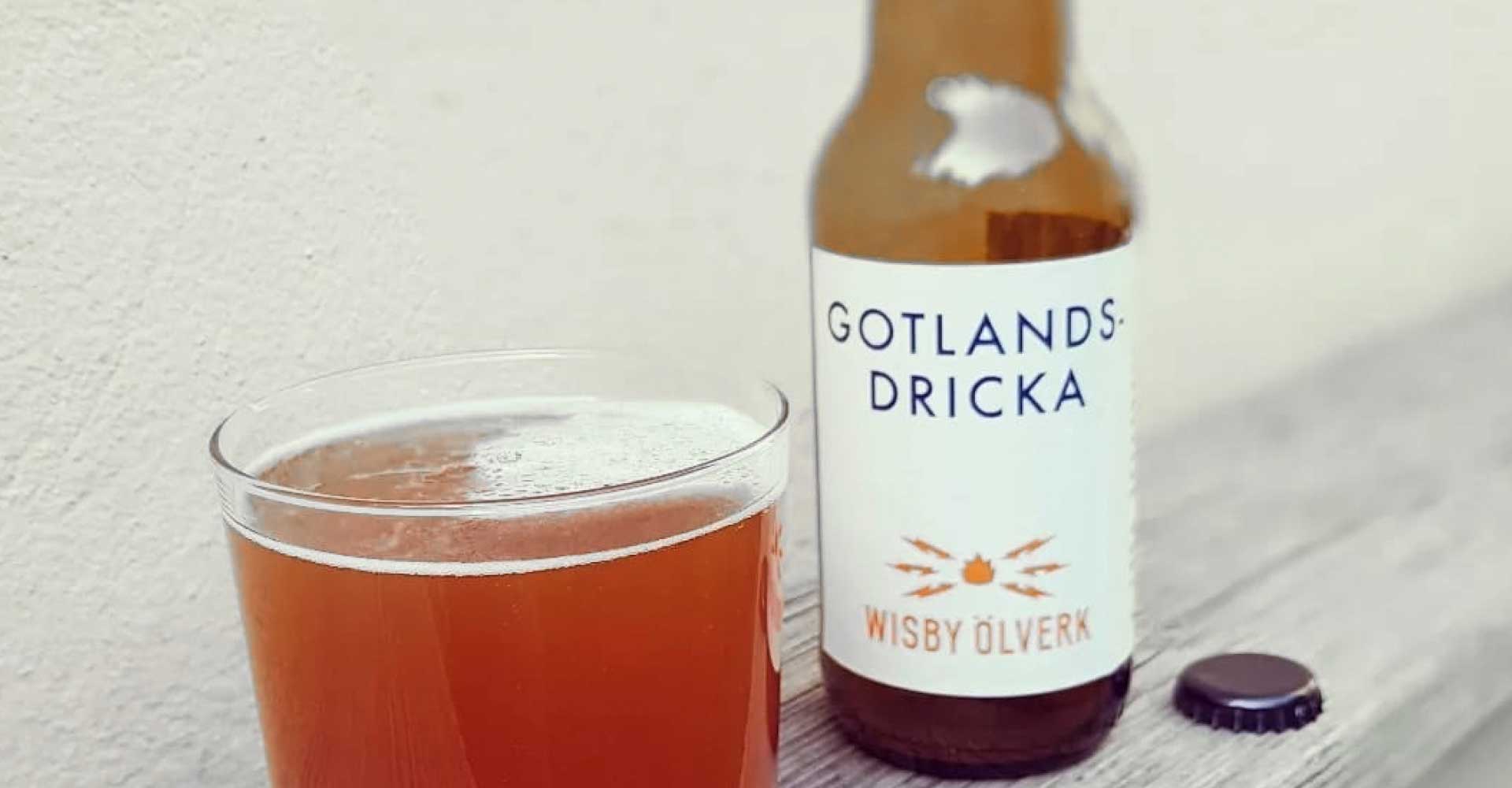
The owners and brewers of a small craft brewery in Visby, on the Swedish island home of gotlandsdricke, share their view on brewing their local farmhouse style—and why they do it the way they do.
Real gotlandsdricke is little-known for the same reason it has survived: It’s from an isolated and pastoral island in the Baltic. Lars Marius Garshol sheds some light on this smoky, juniper-infused, hard-to-get farmhouse ale.
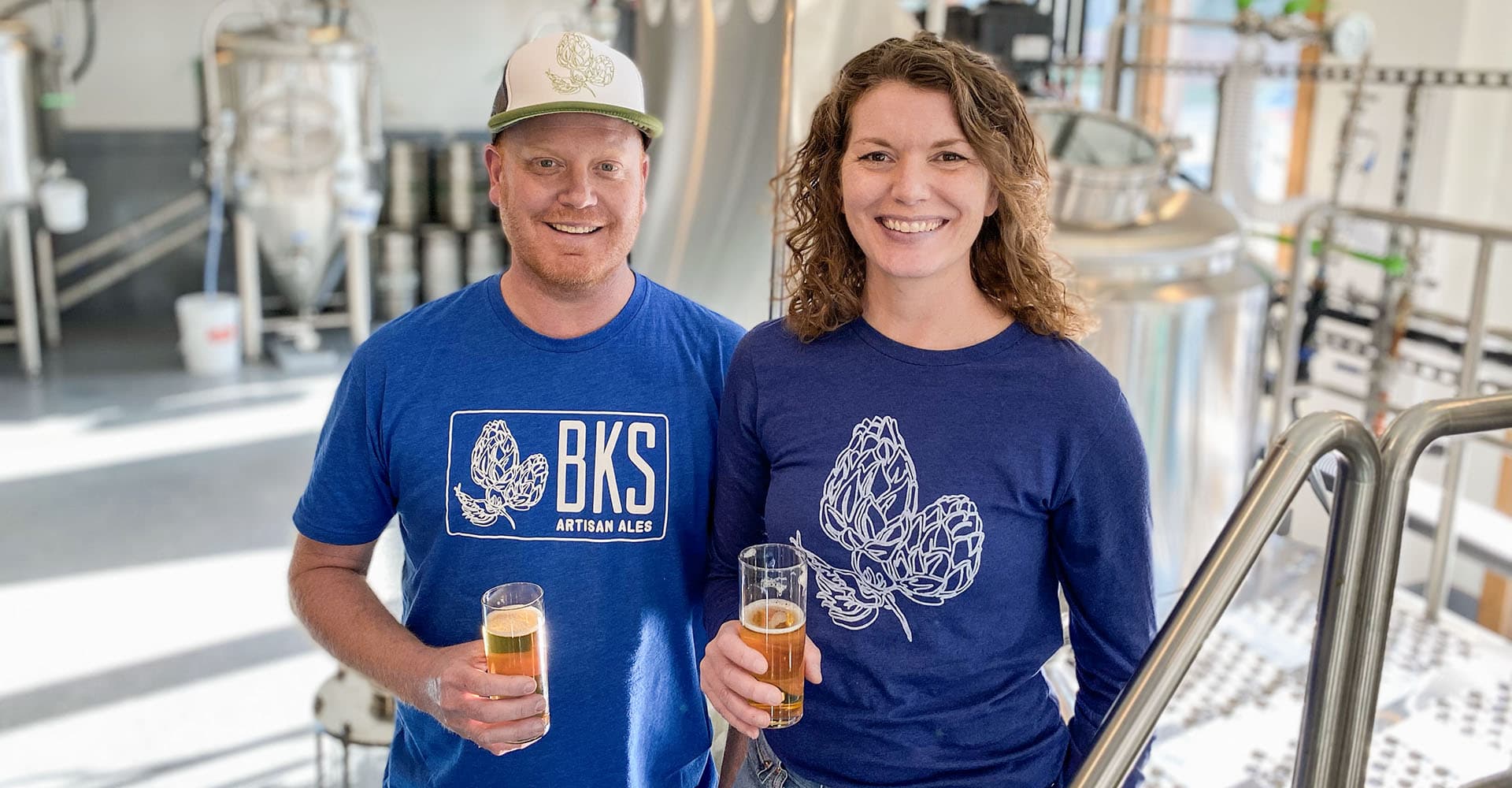
Mary and Brian Rooney of Kansas City's BKS Artisan Ales discuss their approach to experimentation and iteration with soft and fluffy (but well-attenuated) hazy IPA.

From our Illustrated Guide to Homebrewing, here’s a rundown of the basic equipment you’ll want to have on hand.
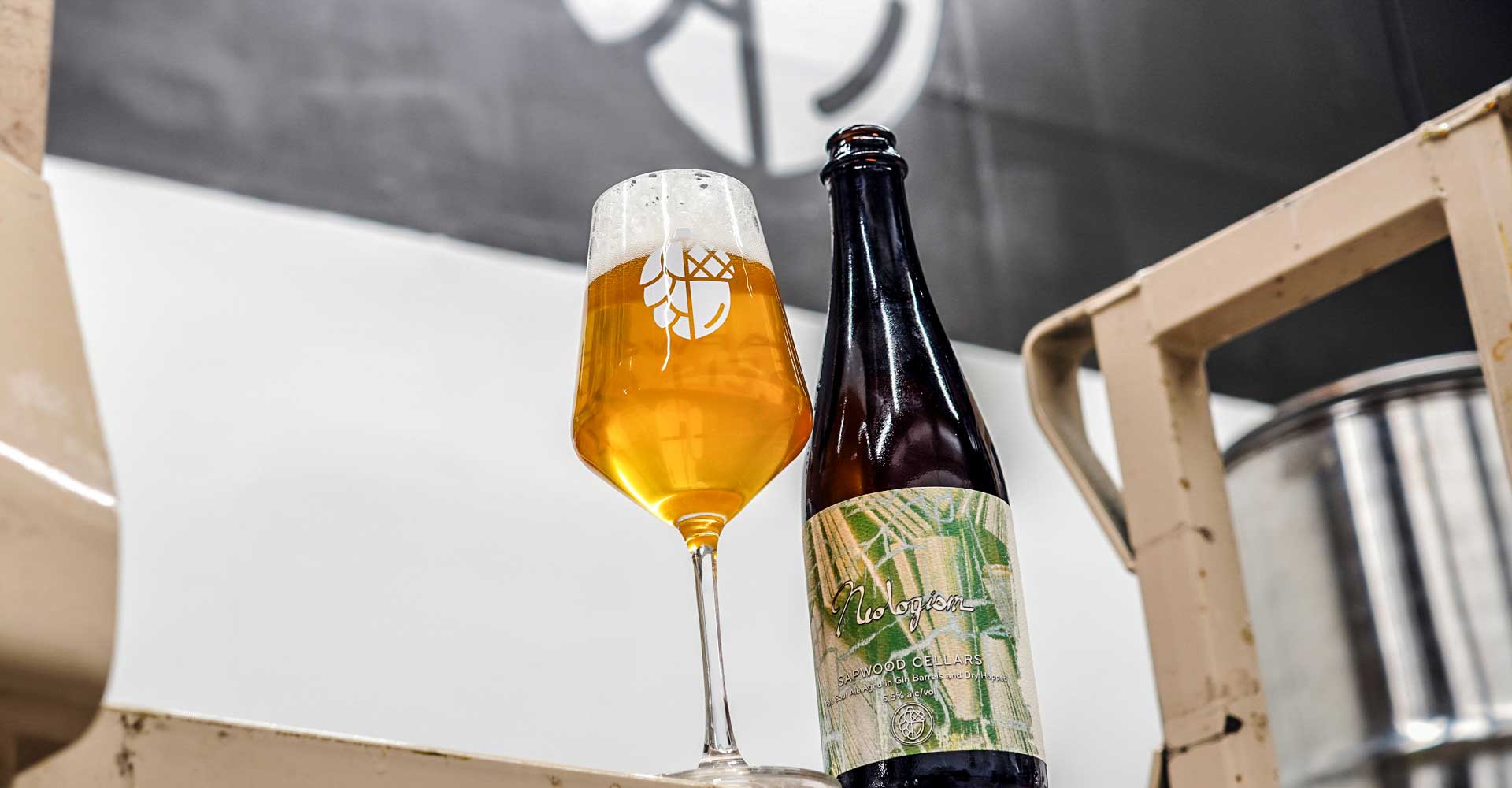
This highly complex yet super-drinkable, dry-hopped, mixed-culture, gin barrel–aged golden ale combines the expertise of the two authors and cofounders at Sapwood Cellars—and it went on to become one of our Best 20 Beers in 2022.
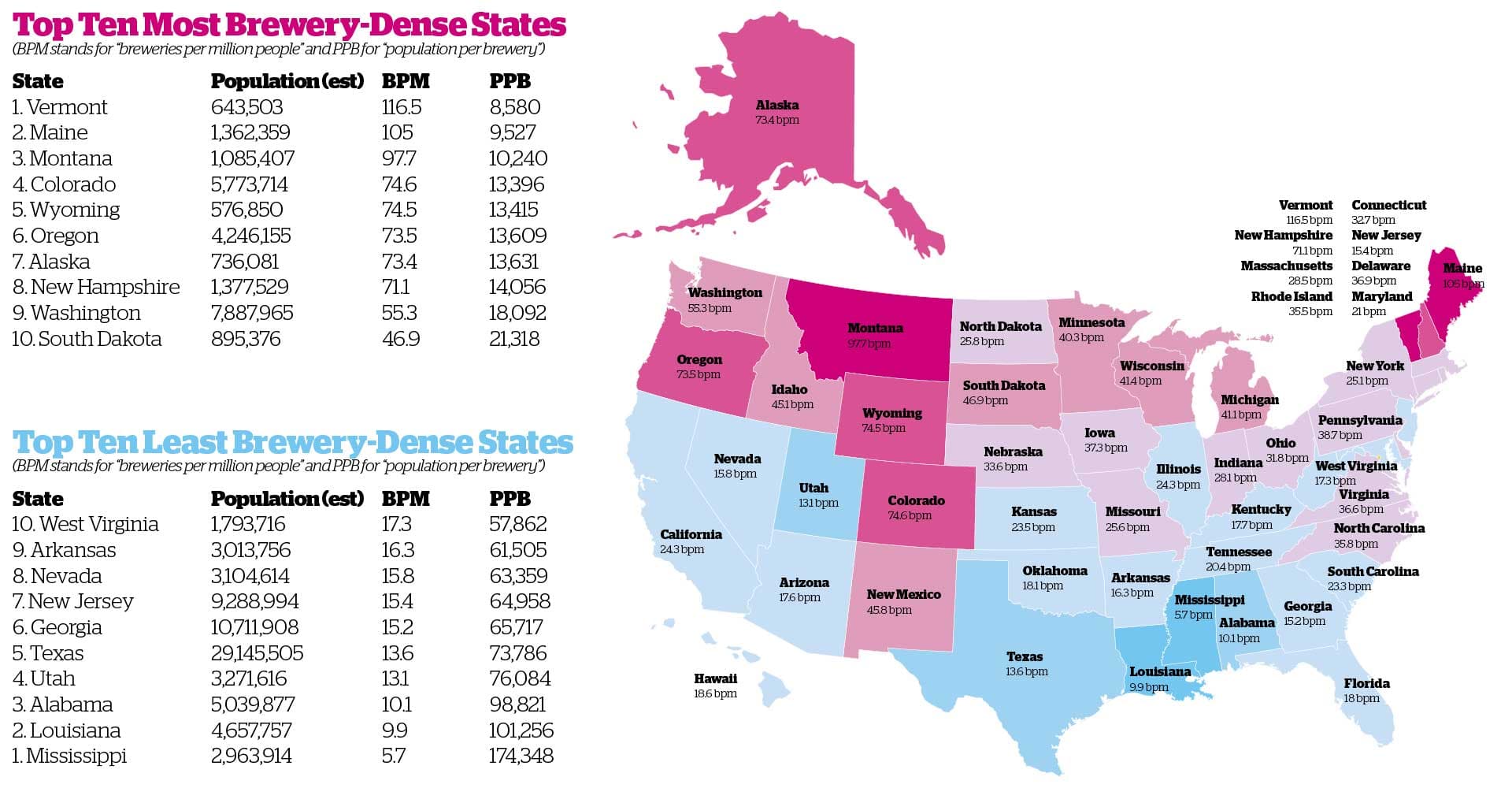
Here, we plot state populations against the number of breweries in each state, to get insight into which have the most and fewest breweries per capita.
Why use Biofine on a hazy IPA? Scott Janish, cofounder of Sapwood Cellars, explains the benefit of using a clarifier on the cold side to help drop out unwanted compounds and get hop-forward beer that tastes better, sooner.
Historically, this beer was delivered and consumed when it was young, so feel free to do the same. It should drink well right out of the gate, given its simple flavor profile and cool, clean fermentation.
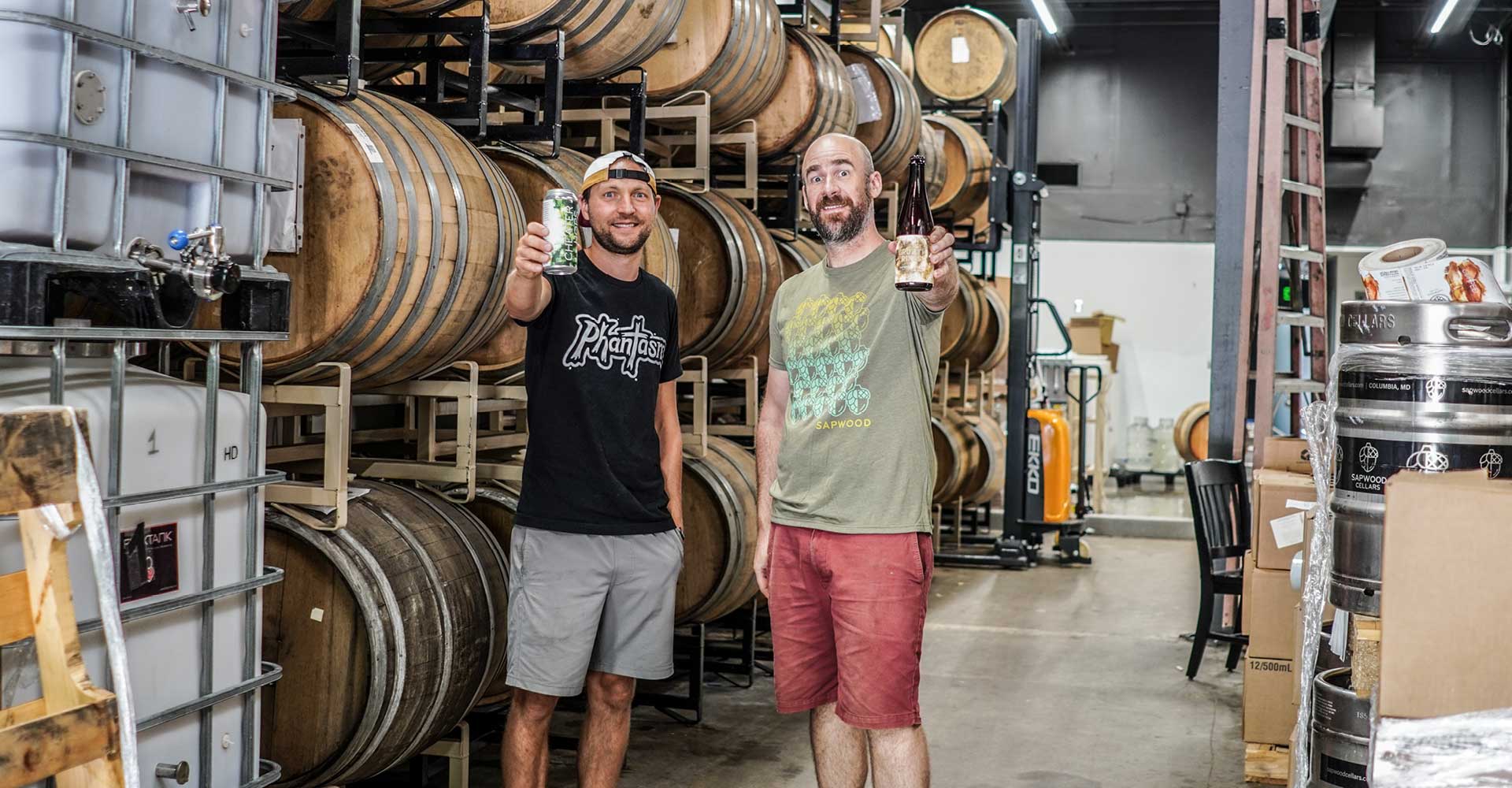
For brewers who read and sponge all the info they can find, it may be hard to believe: The authors of two of the most influential brewing books of the past decade run a brewery together. In suburban Baltimore, Scott Janish and Michael Tonsmeire are experimenting at Sapwood Cellars.
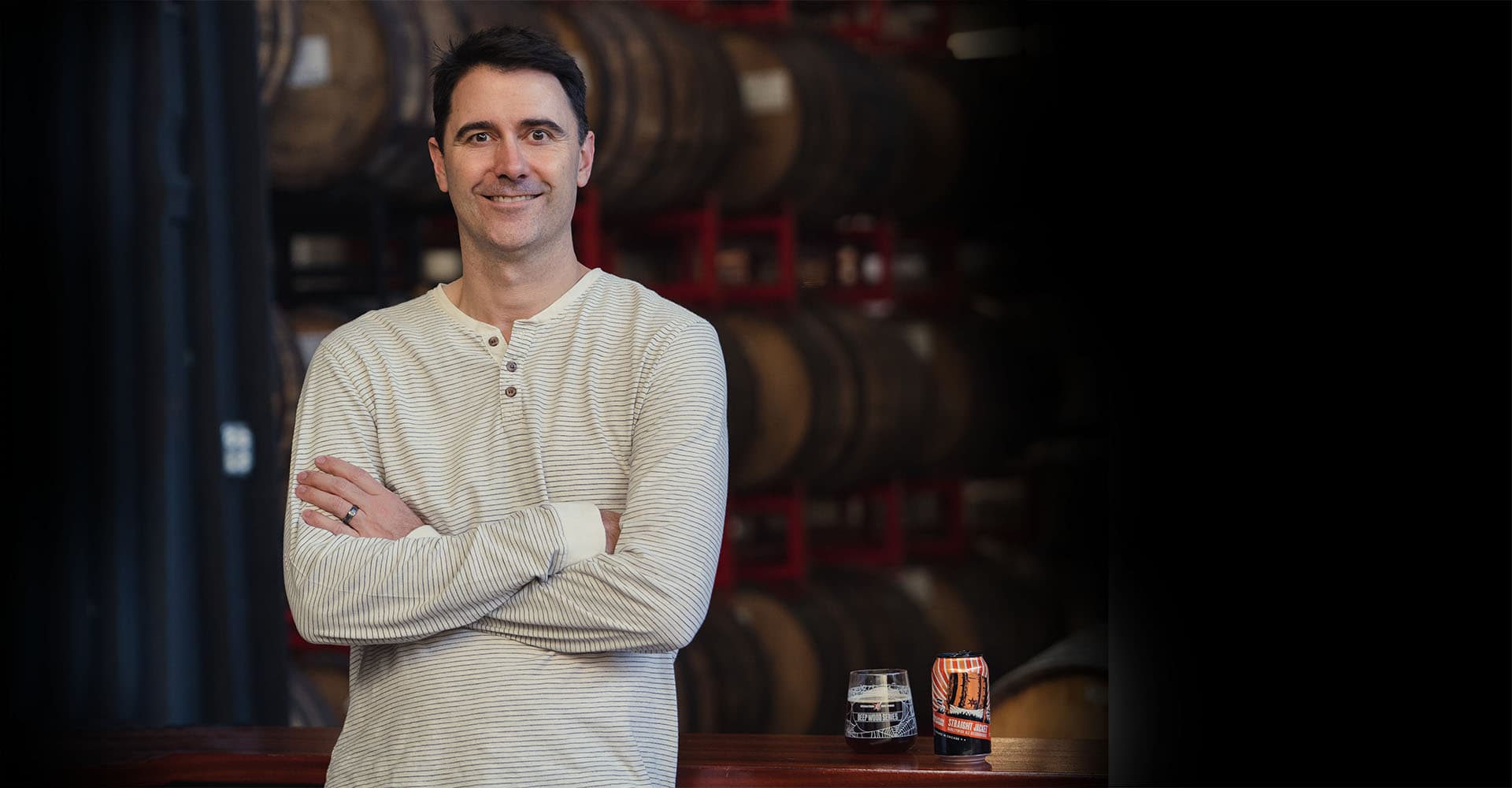
The former CFO and current CMO of Chicago’s Revolution Brewing offers a glimpse into what’s in store for craft beer in 2023 and beyond.
Another one for brewing on the road: Here is a portable dark mild recipe that makes use of a sous vide bath, a French press, a mini-keg, and a spunding valve, and is ready to drink in a week.
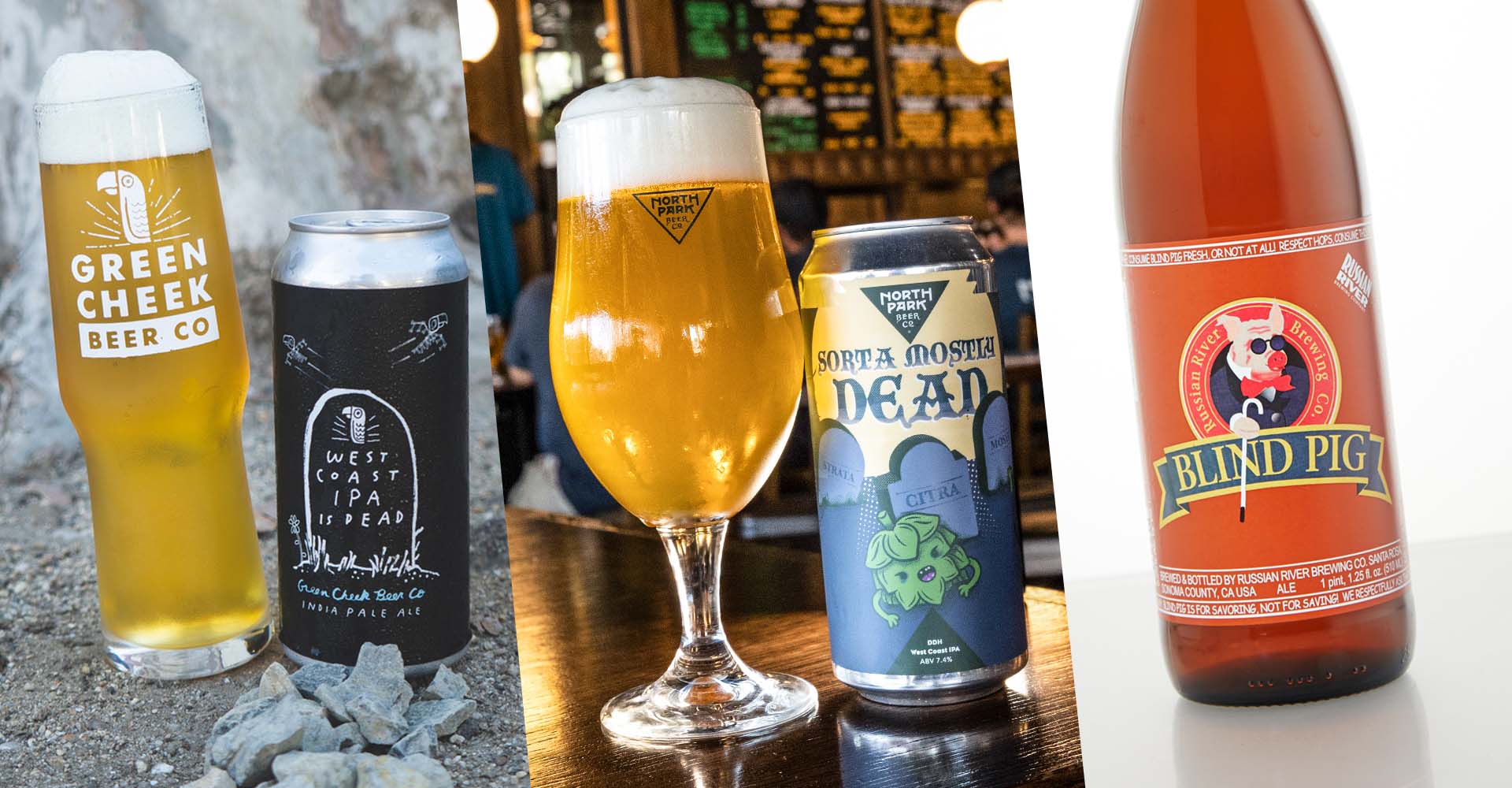
This panel discussion with Kelsey McNair of North Park, Evan Price of Green Cheek, and Vinnie Cilurzo of Russian River explores the details of brewing compelling West Coast IPA today.

There are many shades of black, and there are many stripes of porter and stout. If Guinness Draught remains widely popular yet barrel-aged beasts are what excite the geeks today, what do the brewers themselves prefer? Here are five pro picks.
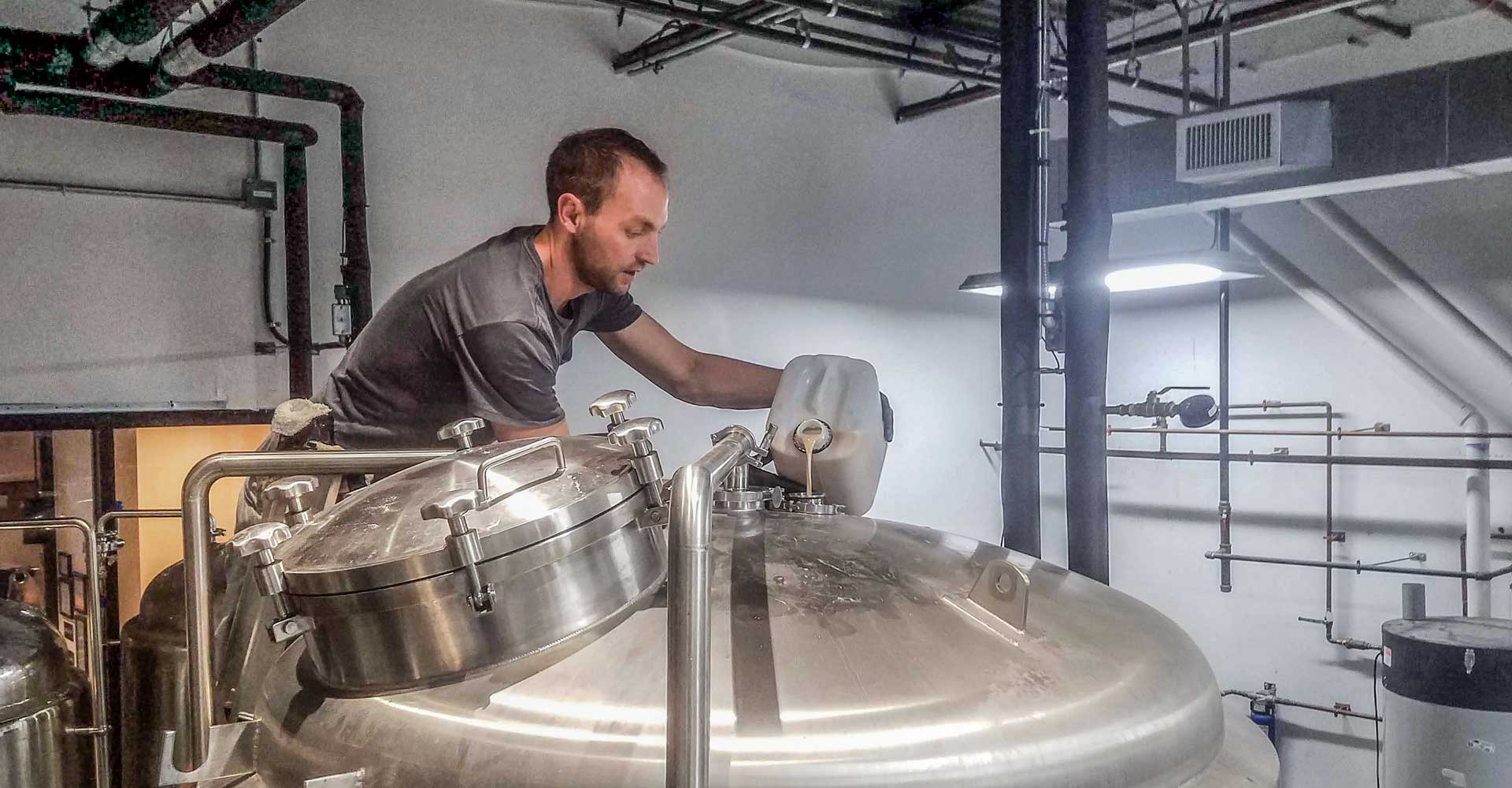
Trying to get that perfect amount of haze in your hazy IPA? Scott Janish, cofounder of Sapwood Cellars and author of The New IPA, outlines a variety of ways to promote haze stability in your beer, from specific hop and yeast varieties to grists and gravities.
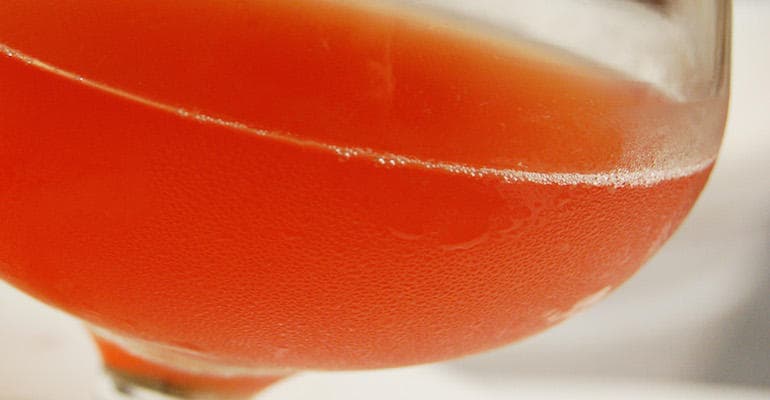
Quick, tart, and highly portable, here’s a recipe for a hibiscus gose whose kit and ingredients will easily fit into your suitcase.
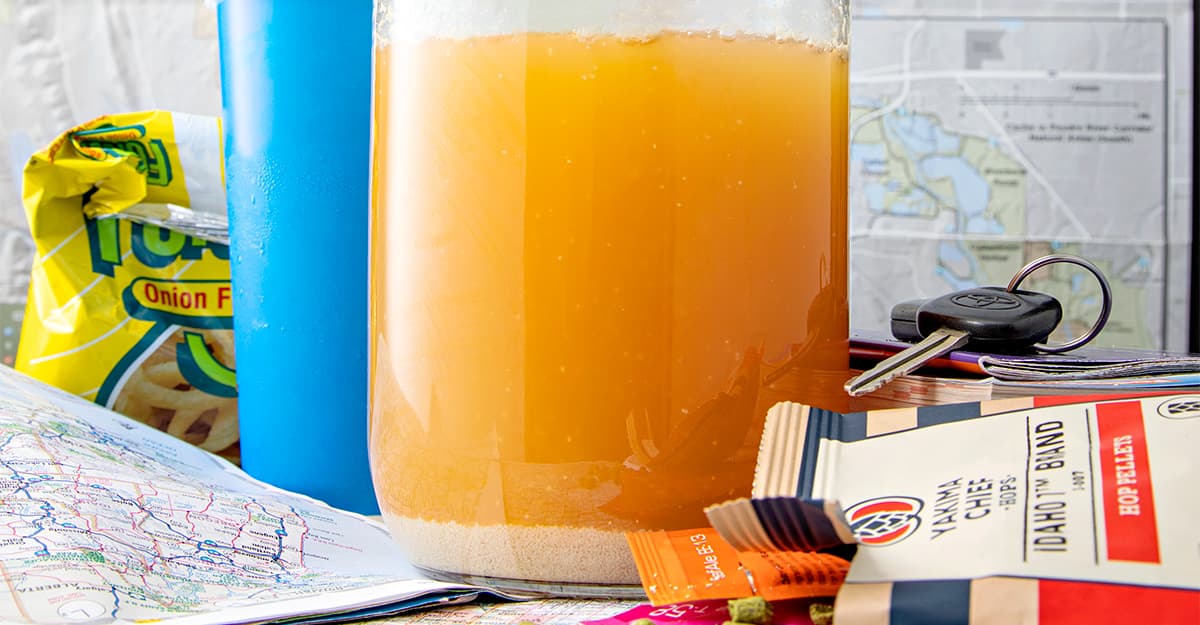
A method for quick, portable brewing that we can try when visiting the relatives or chilling at a resort? Sign us up! Don’t forget to pack your ingredients, a few small pieces of basic gear, and a toothbrush.
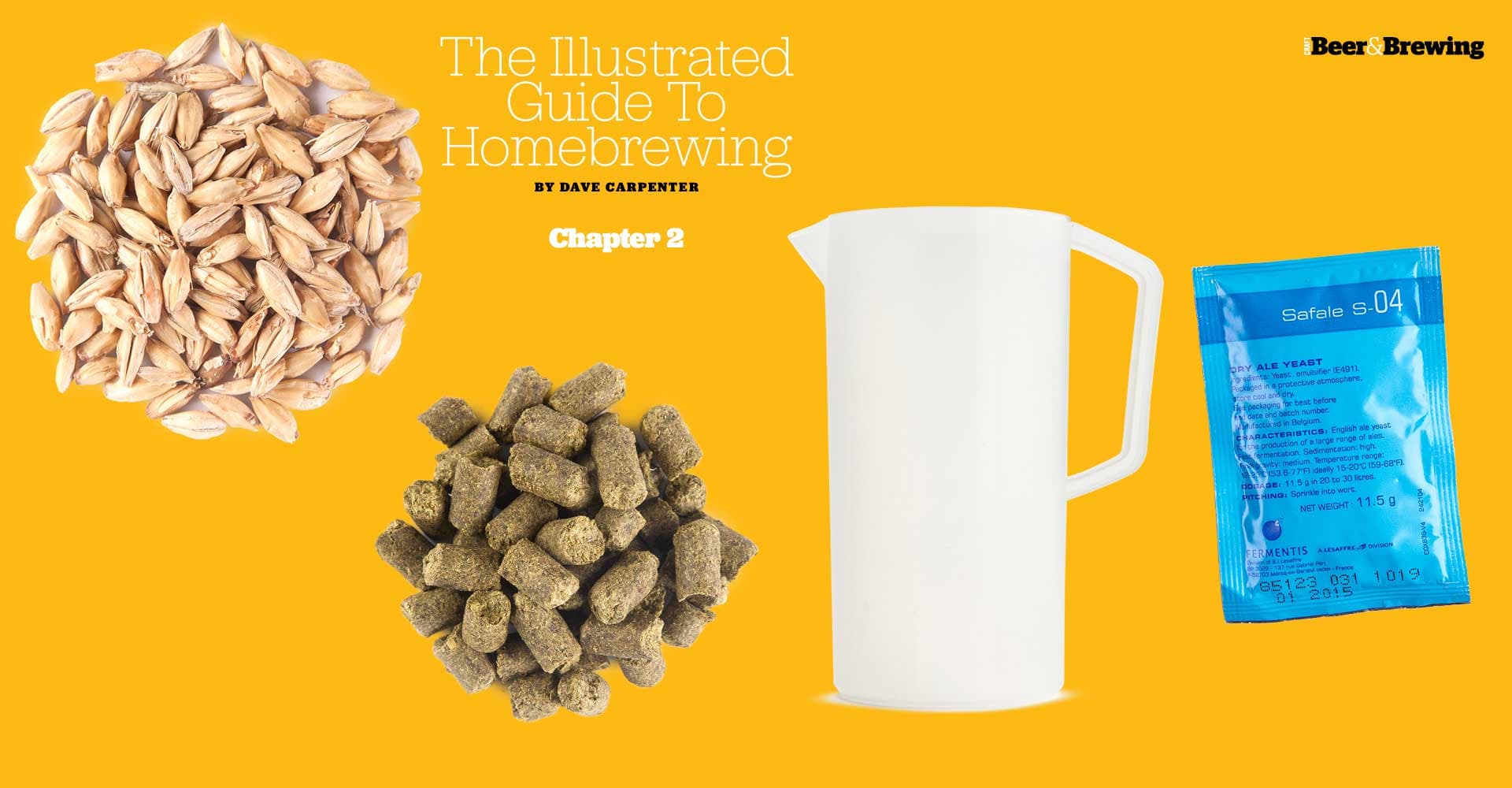
Know your raw materials, and you’ll forever have the upper hand when you brew.
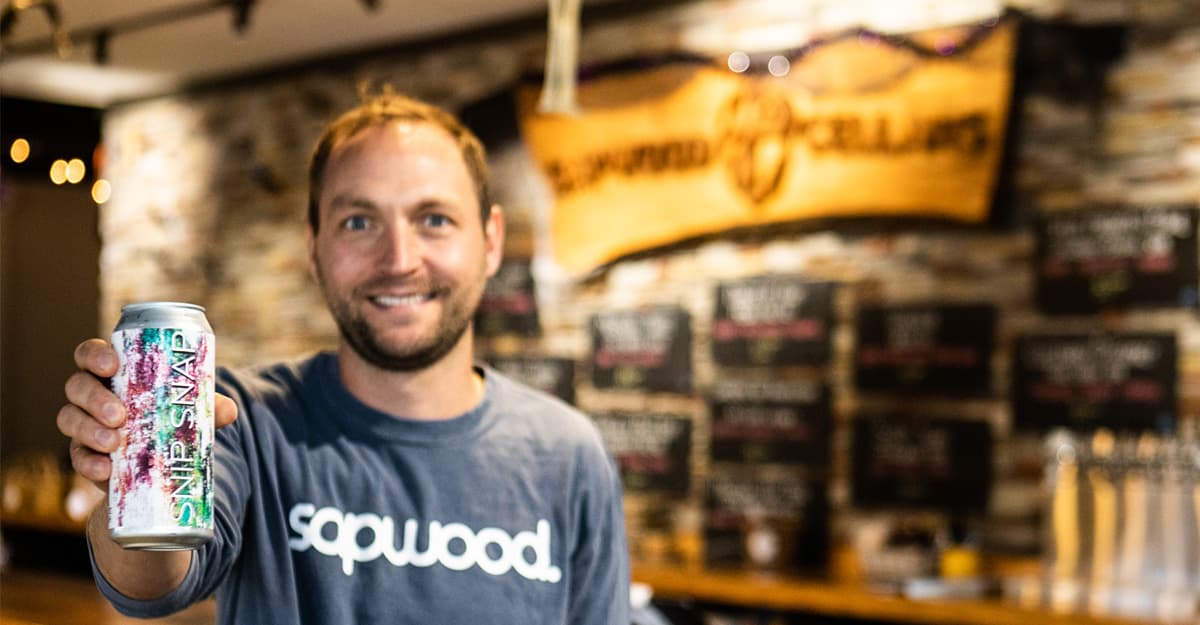
Scott Janish, cofounder of Sapwood Cellars and author of The New IPA, discusses the impact of pH values on hop character in IPAs and other dry-hopped beers—and how to test and adjust it to where you think it tastes best.