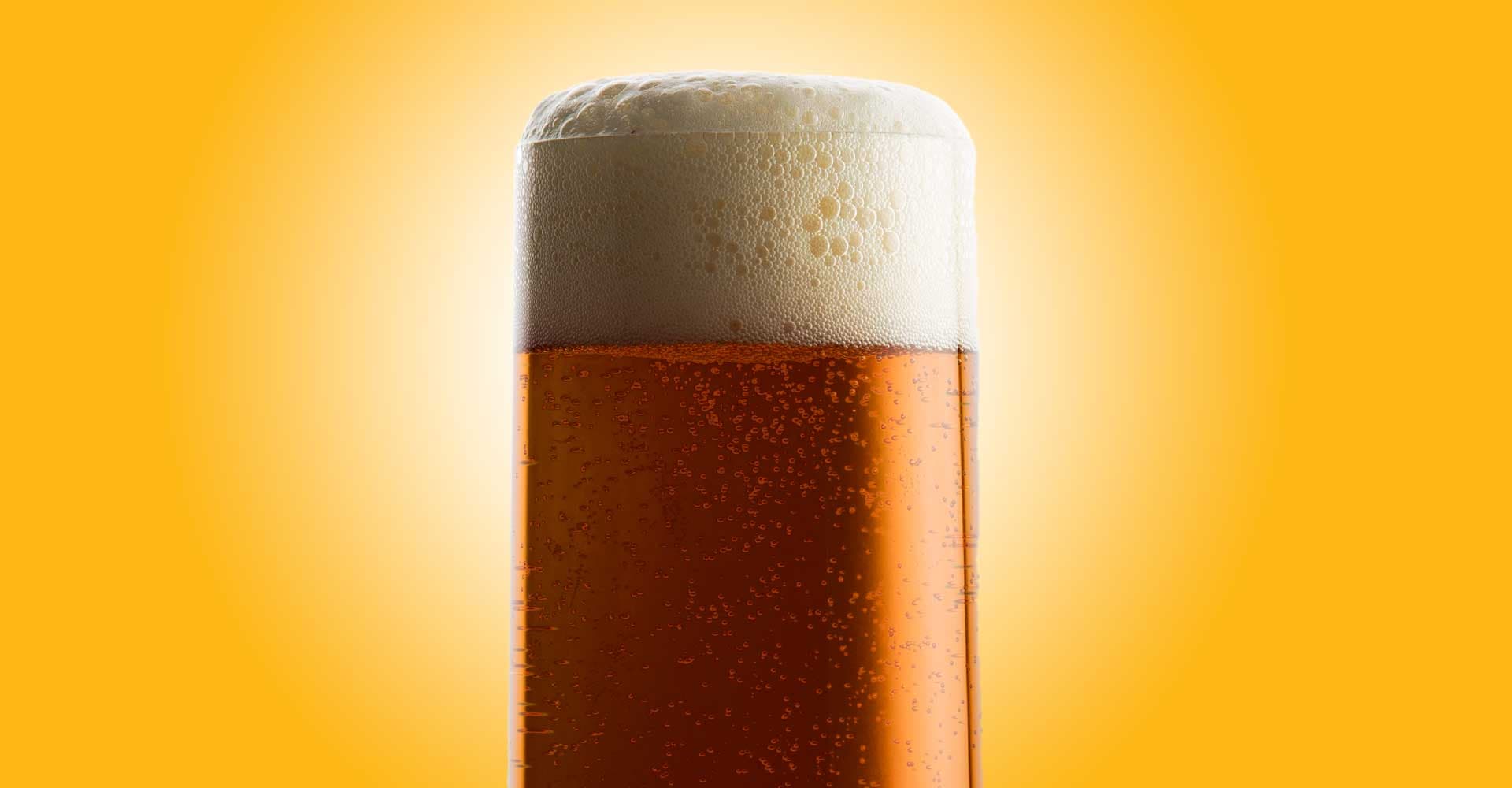
Recipe: Senator Doppelbock
This recipe from Josh Weikert’s Make Your Best series leans into Munich malt for a rich yet smooth foundation, for a doppelbock that drinks much more easily than its strength.

Showing 1201-1220 of 4724 articles
This recipe from Josh Weikert’s Make Your Best series leans into Munich malt for a rich yet smooth foundation, for a doppelbock that drinks much more easily than its strength.
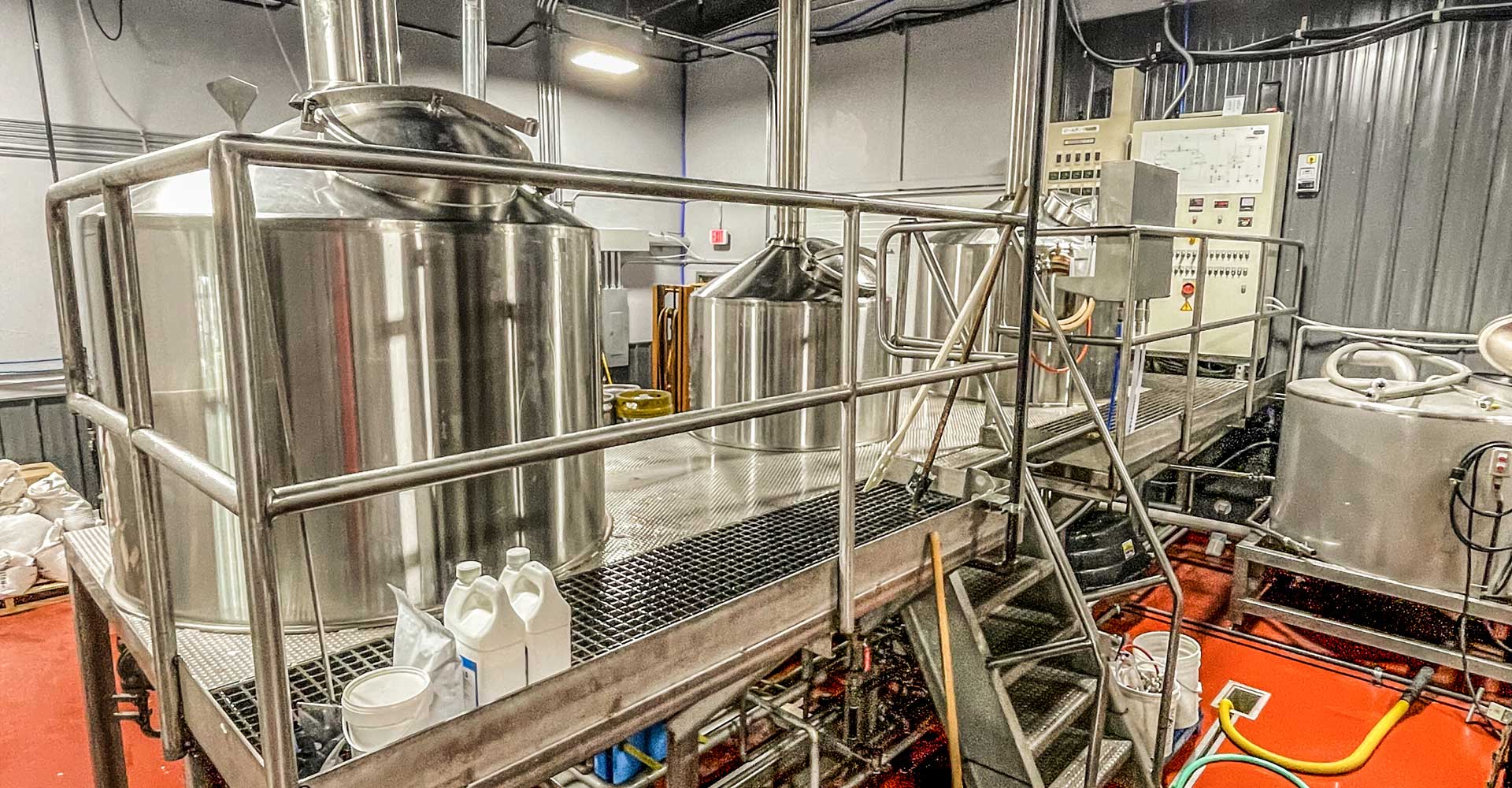
Some brewhouses are forever, even if they don’t stay put—and more than a few have traveled their way around the country and even around the world. At each location, that unique set of equipment and the brewers who use it must form a connection that inevitably affects what we drink.
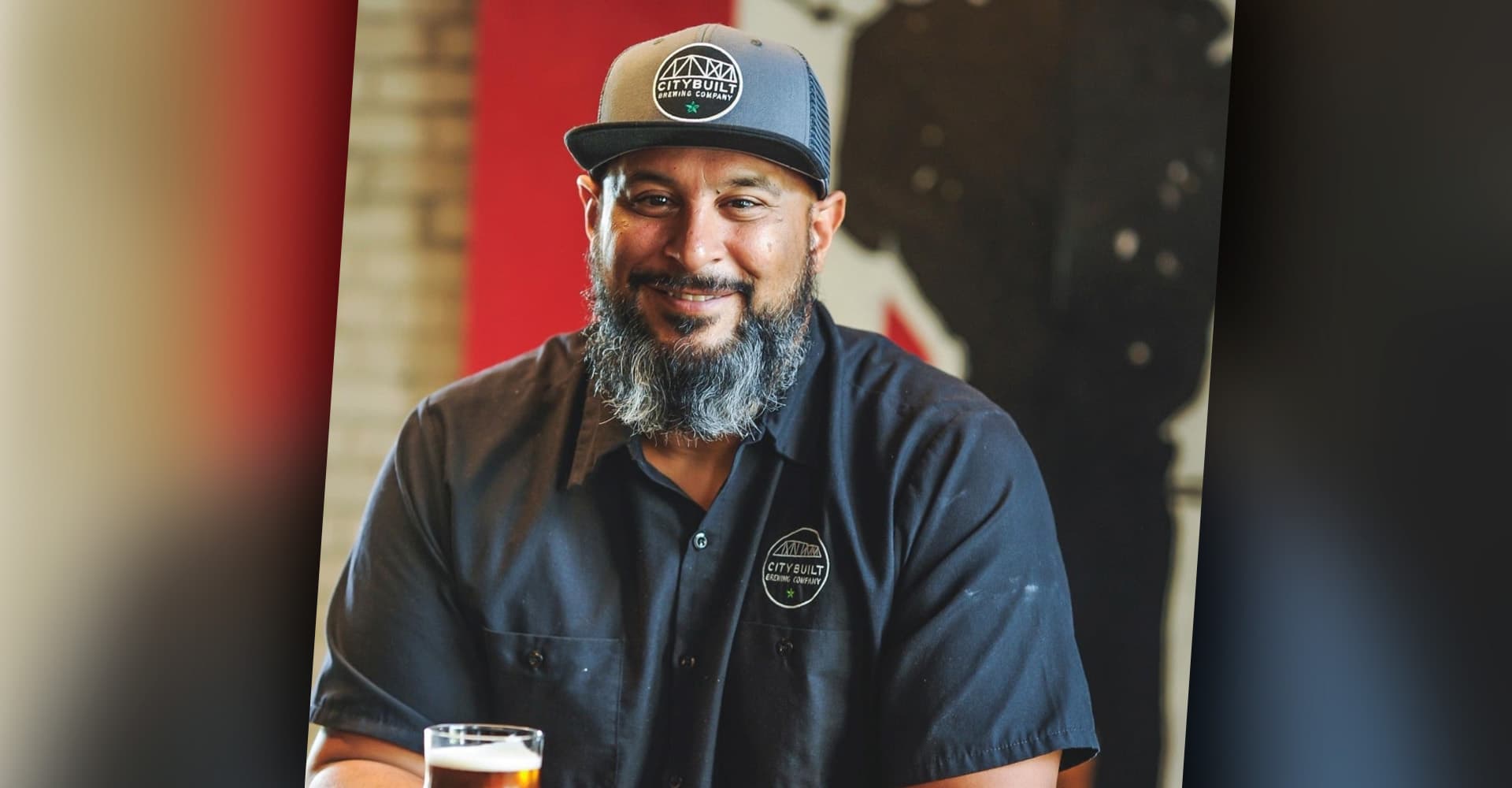
COVID gave this Grand Rapids brewery a chance to reset and become whatever its community needed it to become—and Collazo and his team are listening while continuing to chart a fresh path.
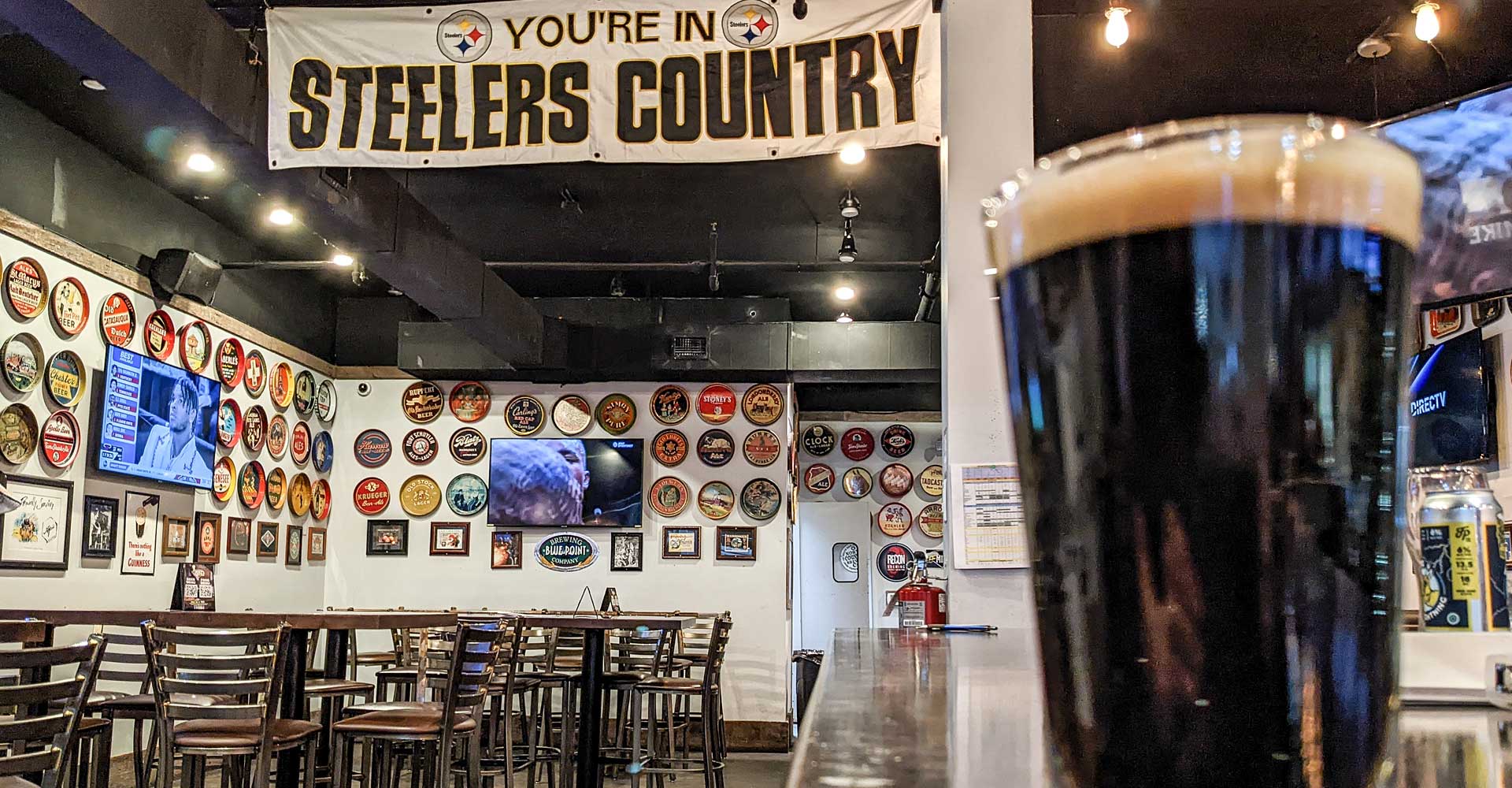
From our Love Handles files on beer bars we love: A huge assortment of Pittsburgh beers are on offer alongside sizzling steaks at Mike’s Beer Bar, right next to the Pirates ballpark.
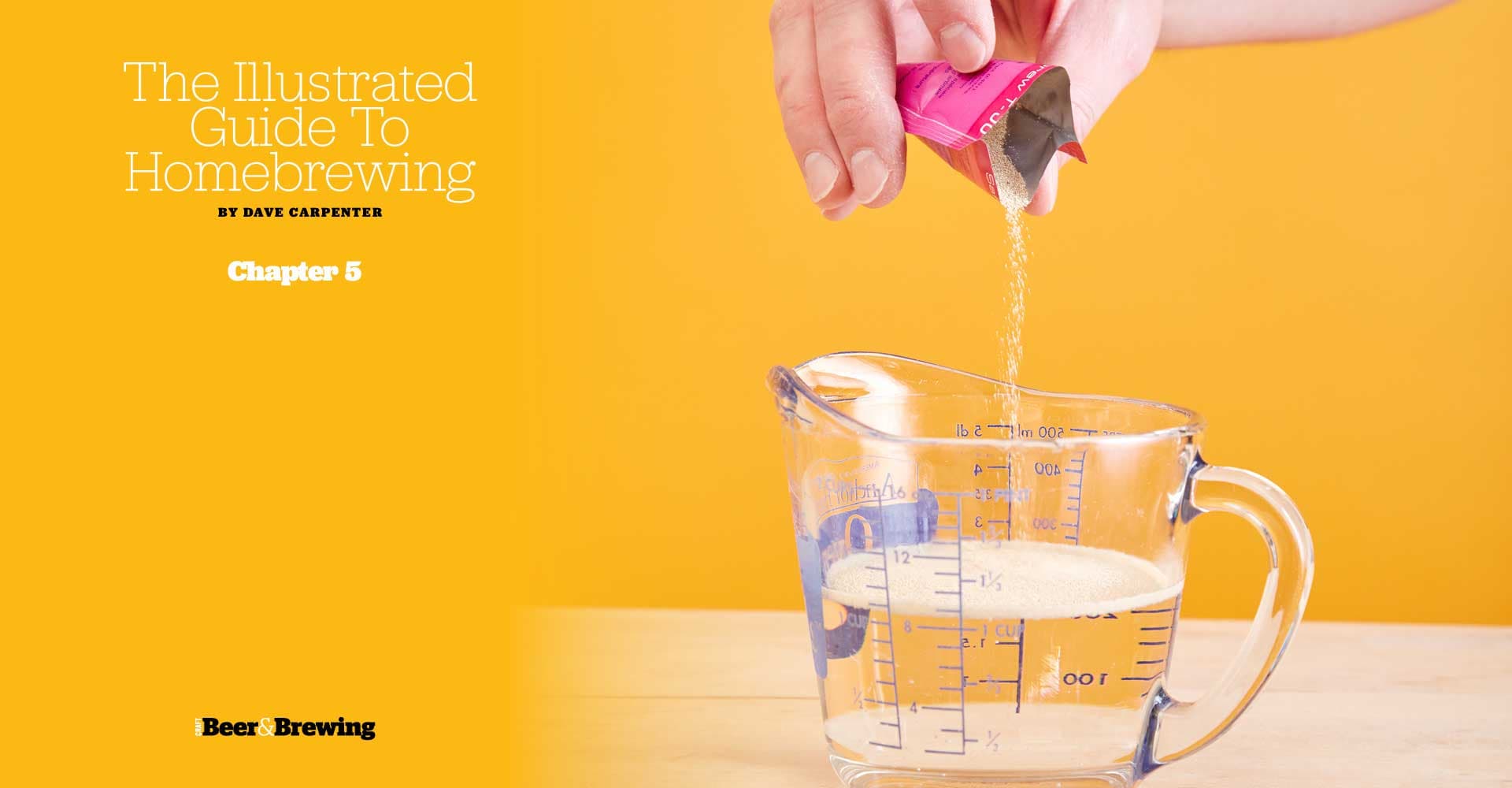
The quality of your beer hinges on the yeast and handling it properly—but it need not be difficult. From our Illustrated Guide to Homebrewing, here’s what you need to know about types of yeast and how to manage them so that your fermentation goes to plan.
As Mike Saboe was embracing craft beer and homebrewing in the early ’00s, he sought far and wide for inspiration. Looking back now, as brewmaster at Toppling Goliath, he recounts six beers that had an outsized influence on his approach to everything from hop-forward beers to burly barrel-aged stouts.
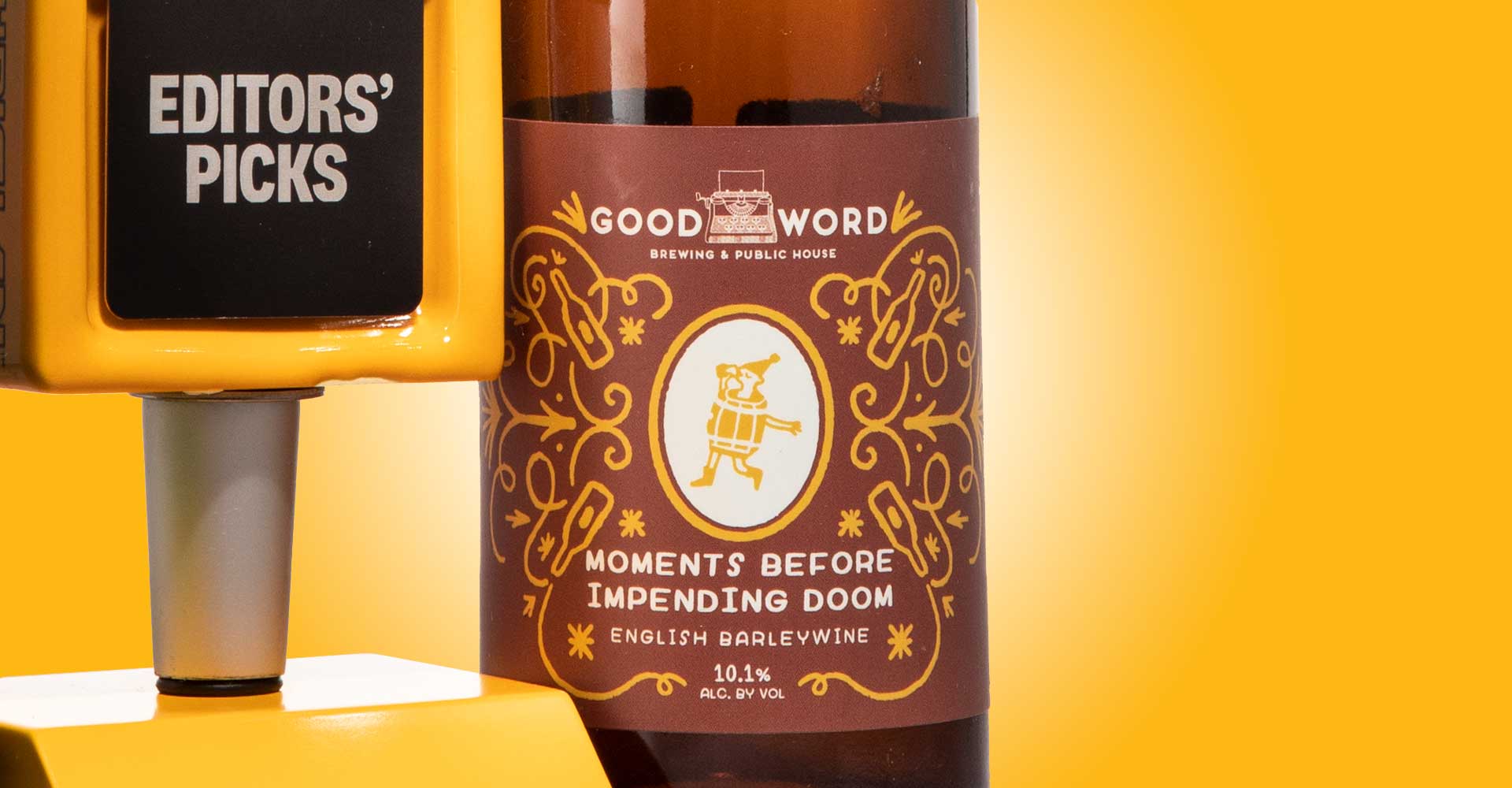
With thanks to Todd DiMatteo and his team at Good Word Brewing in Duluth, Georgia, here’s a homebrew-scale recipe for the rum barrel–aged barleywine that became one of our Best 20 Beers in 2022.
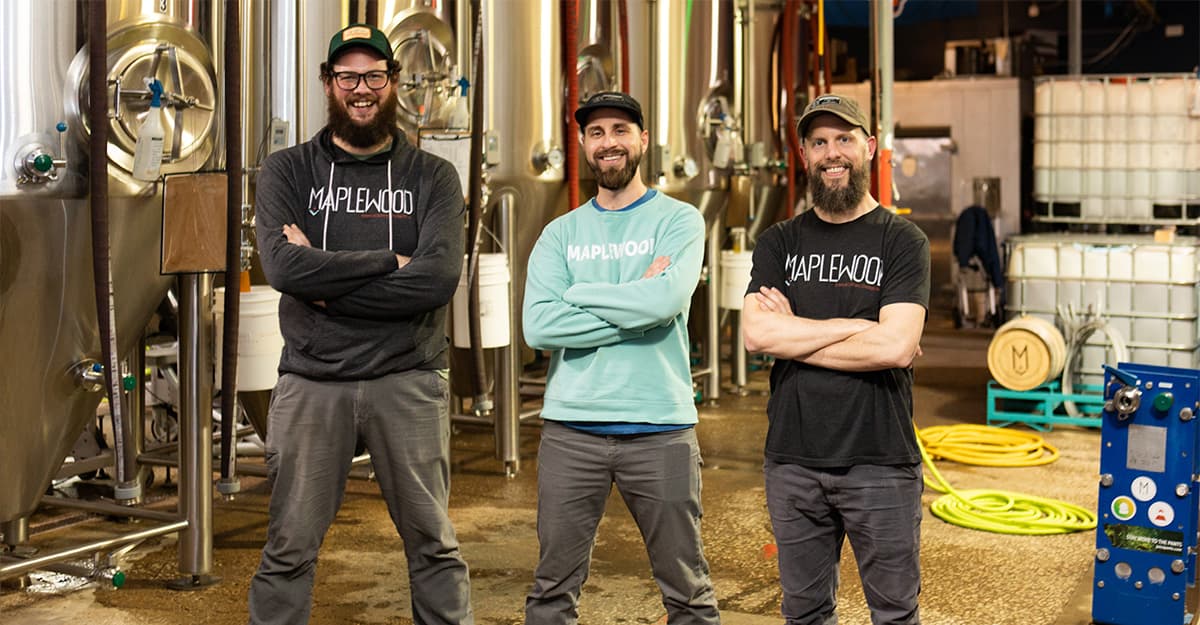
Maplewood founder Adam Cieslak and head brewer Roger Cuzelis discuss grain selection for balanced stouts, ensuring plenty of flavor without going to heavy on the roast.
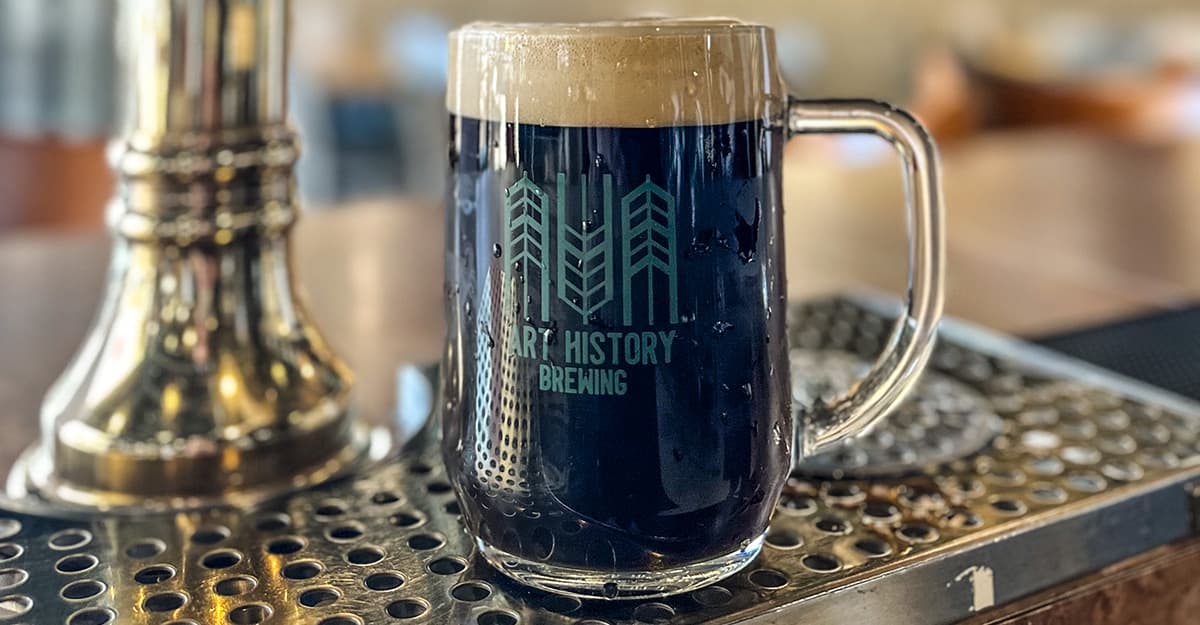
With thanks to Greg Browne, head brewer at Art History in suburban Chicago, here is a recipe for their Czech-style dark lager, inspired by the beer at the famous U Fleků brewpub in Prague.
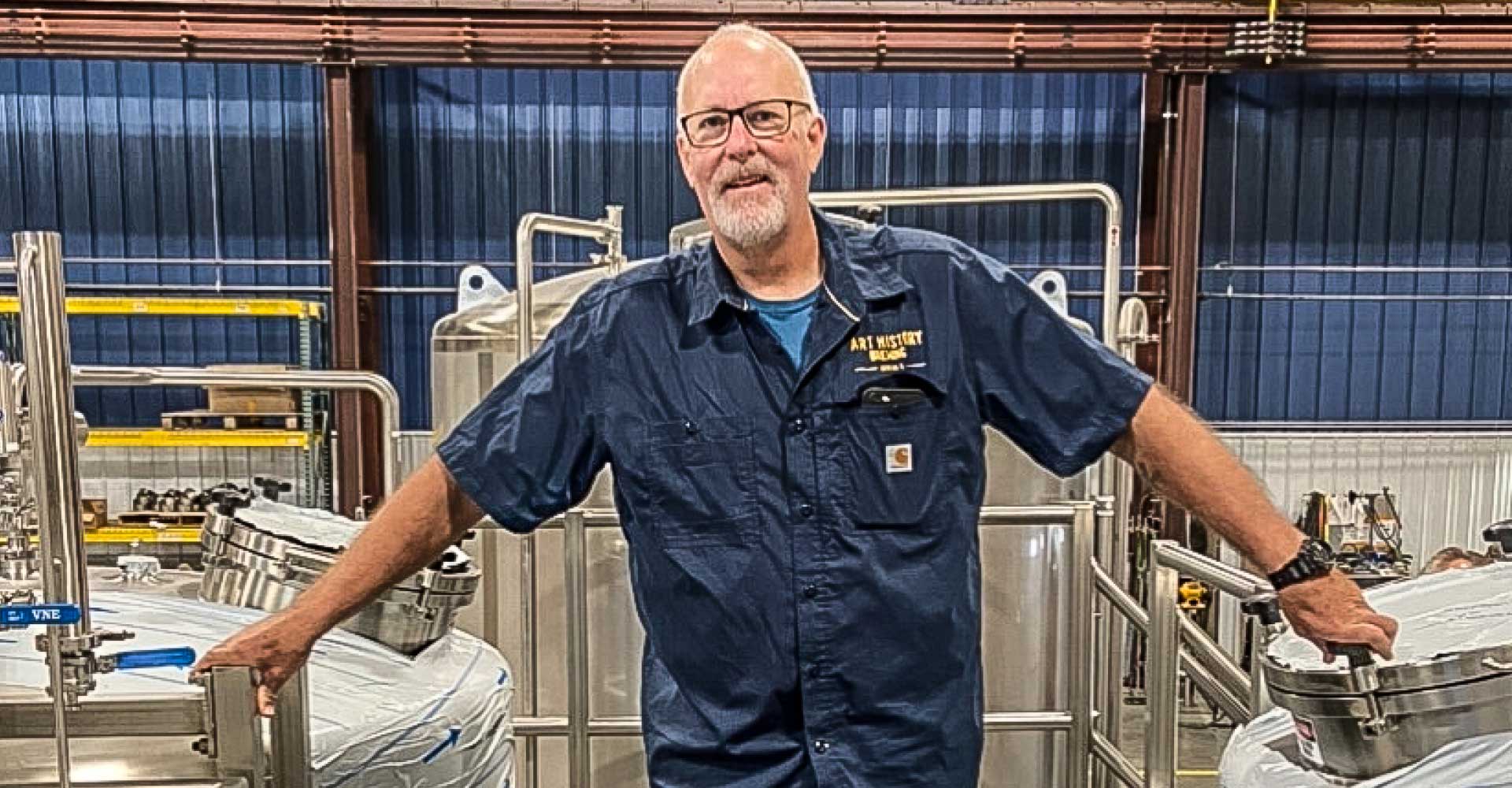
Committed to brewing the best European-style lagers possible, Art History Brewing in Geneva, Illinois, is expanding into a brewhouse outfitted with a wish list of bells and whistles.
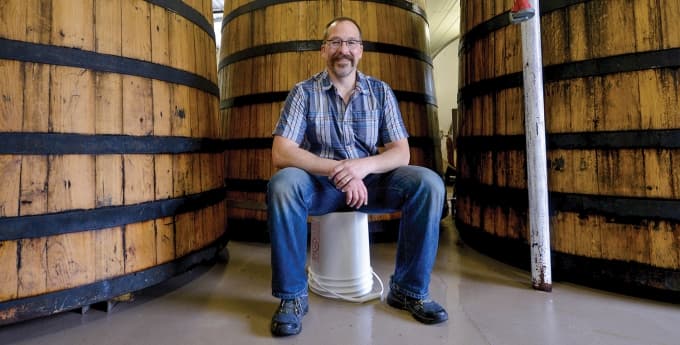
After chasing larger volumes through distribution for the past 12 years, the pandemic led to reckoning and reconnection for these two breweries in Grand Rapids, Michigan. Now, they’re sizing down to let customers and brewers, rather than distributors, drive the creative narrative.
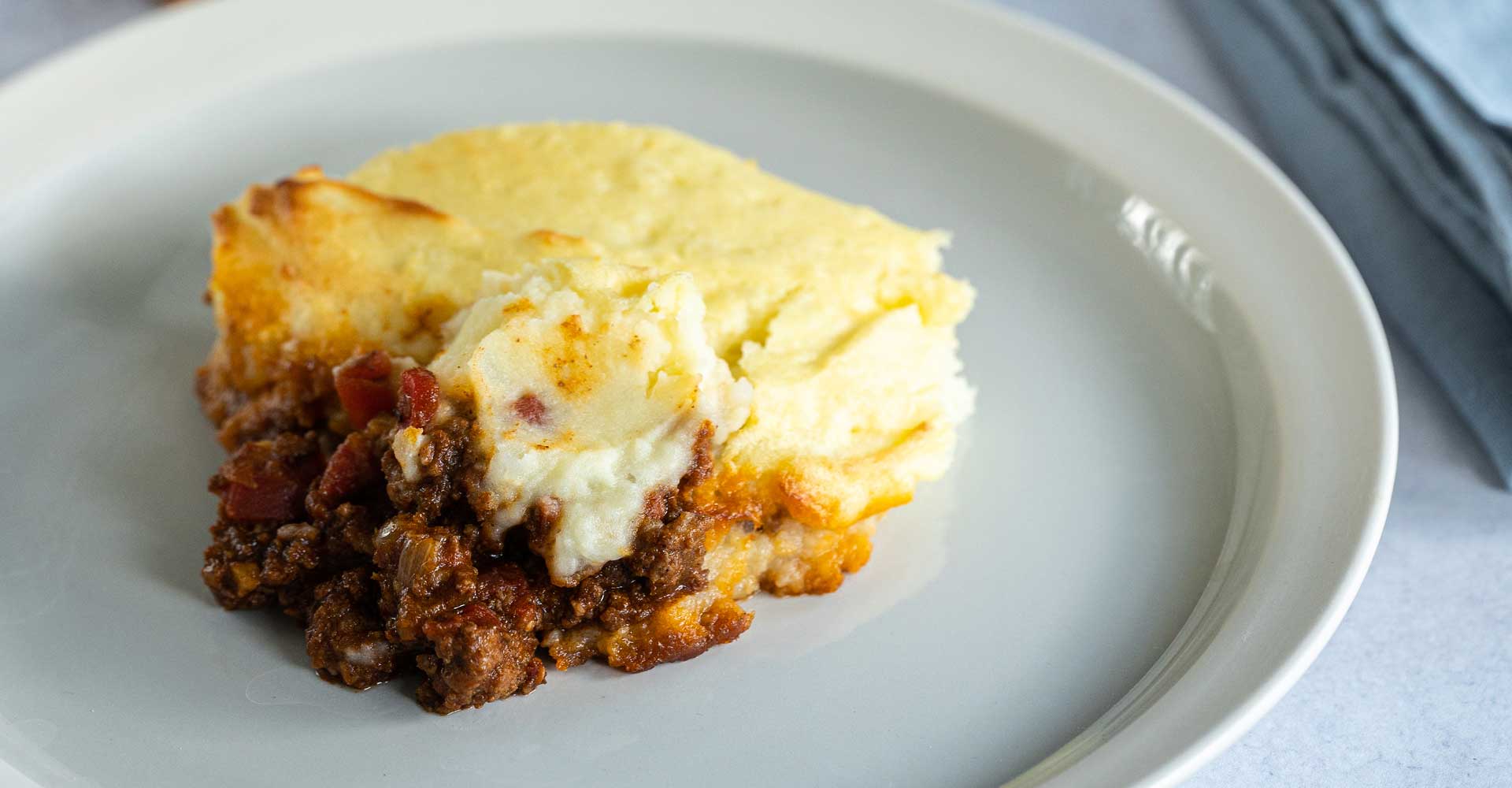
A dry Irish-style stout is ideal for pairing with shepherd’s pie—and a splash or two also finds its way into this moderately spicy version with ground bison, a dish sure to keep you warm while waiting for spring.
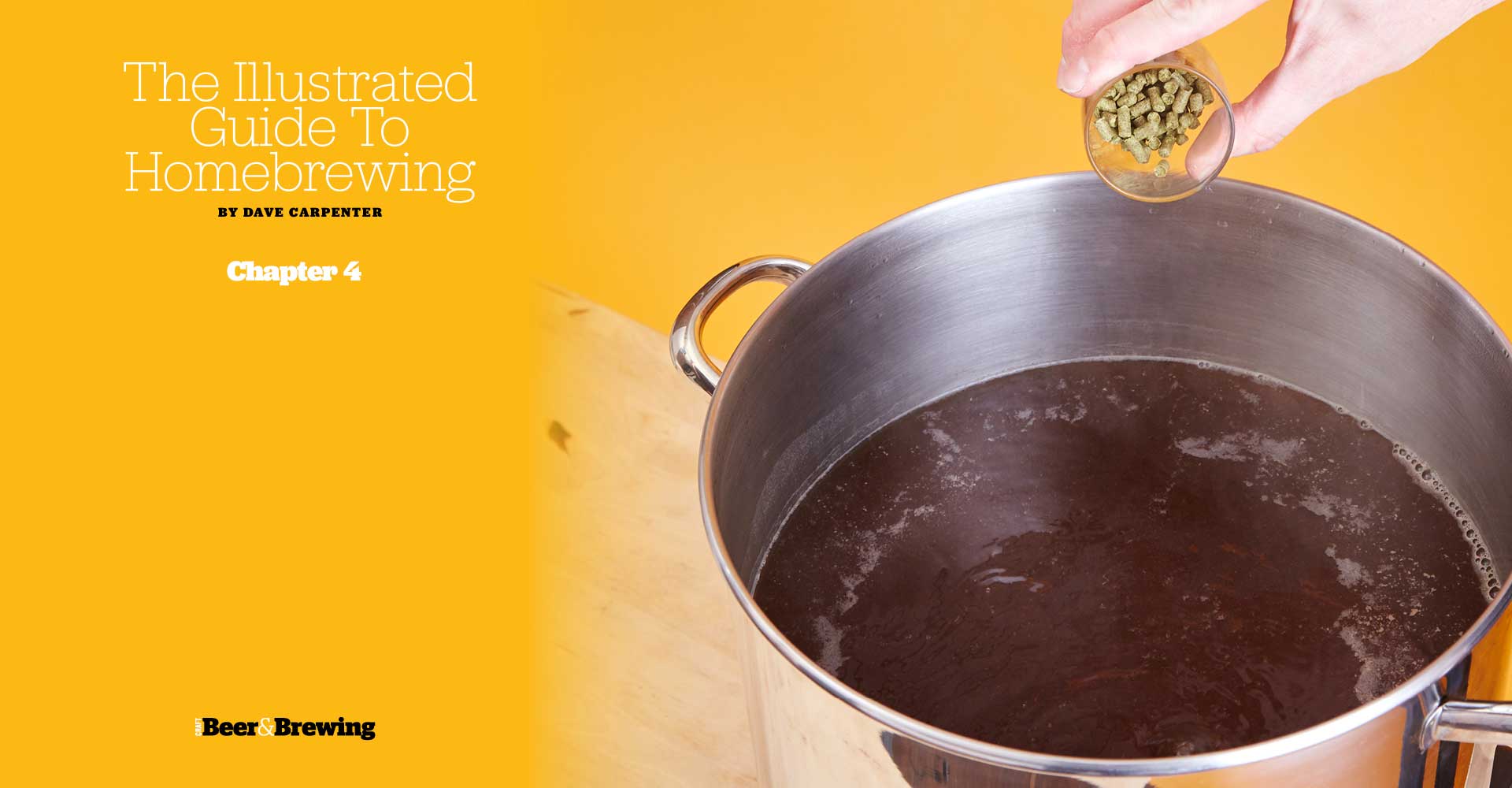
Sanitation is the first essential step in making great beer—and it’s not difficult to do it right. From our Illustrated Guide to Homebrewing, here are the basics and some useful tips.
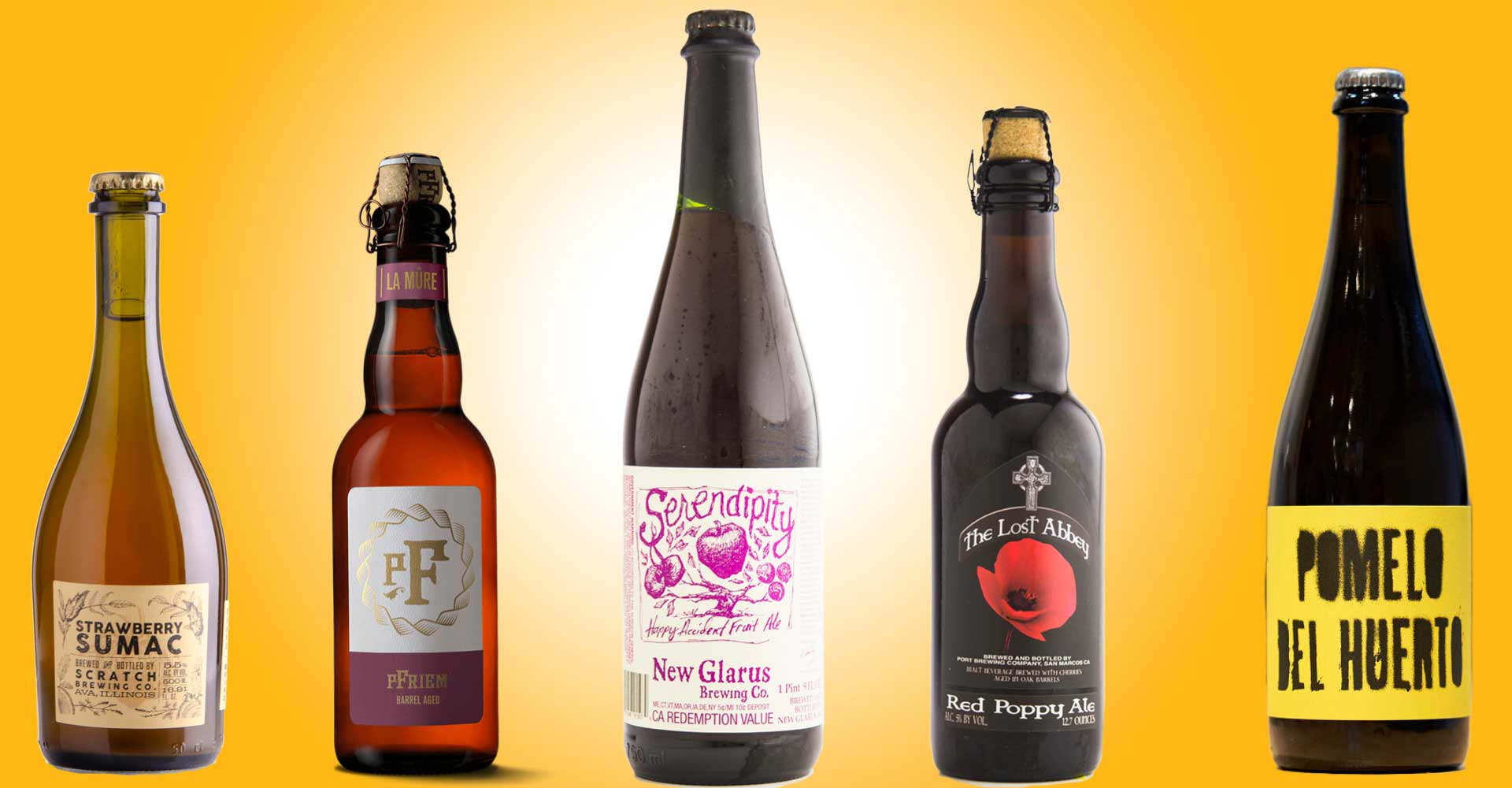
If “fruit beer” was once a niche style, it has since evolved into something much more significant, absorbing other traditions along the way to become a vibrant celebration of some of the most popular flavors on Earth. Here are five picks from the pros.
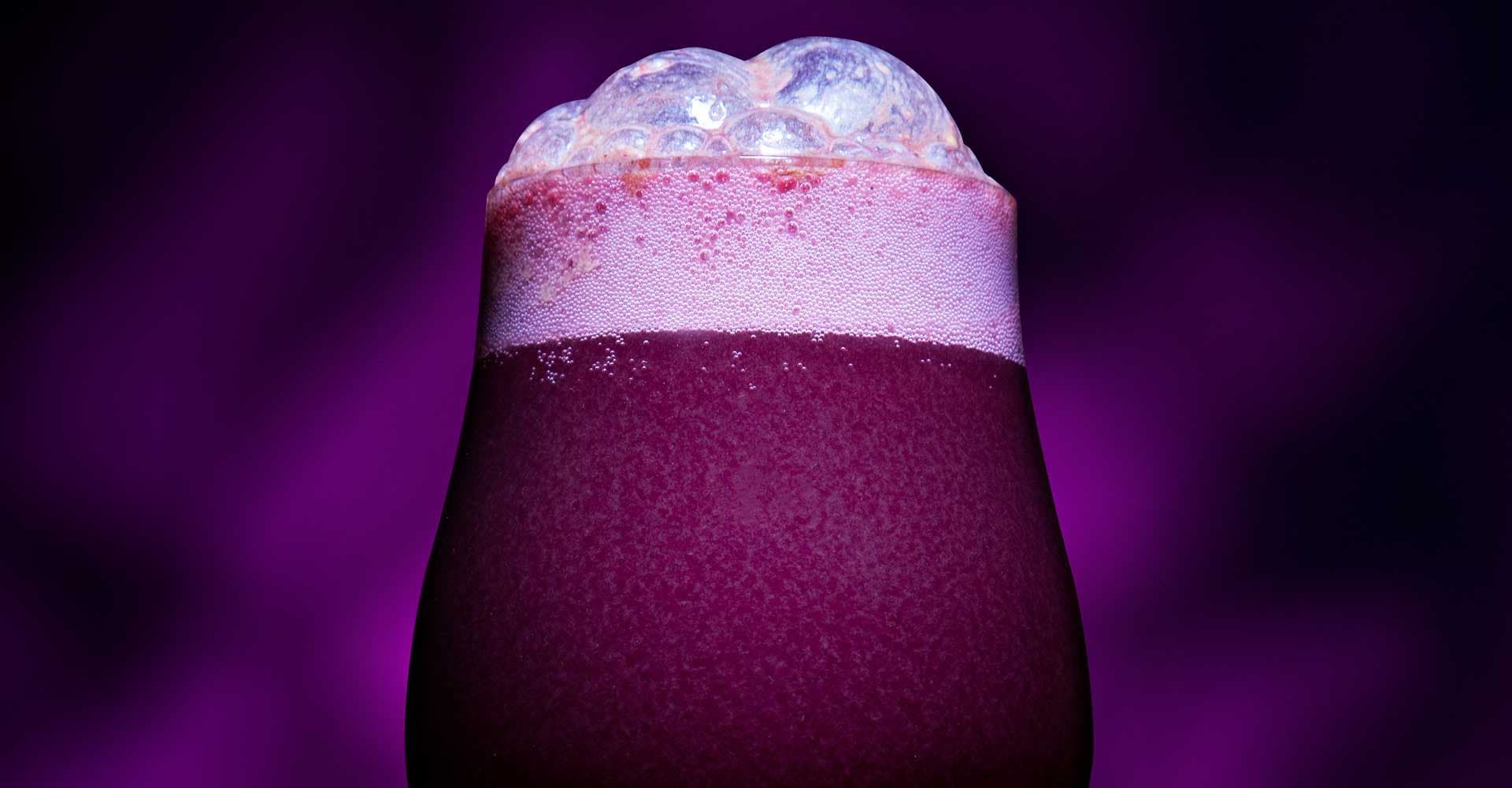
You can simply add a bunch of fruit to a beer and see how it goes. Or, you can take a step back, carefully consider the flavors involved and how they intermingle, and—from creativity to reality—plan and execute a more superlative fruit beer.
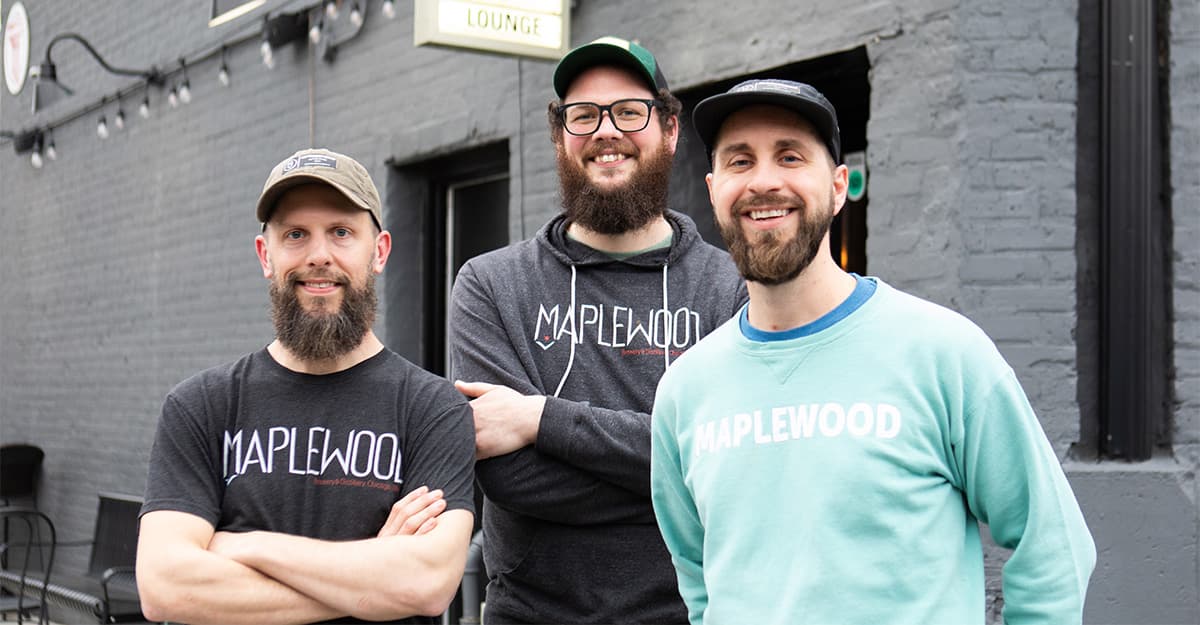
Maplewood founder Adam Cieslak and brewers Roger Cuzelis and Adam Smith get under the hood of stouts ranging from session-strength to big and barrel-aged, discussing the mechanics of layering in flavor while keeping them balanced and drinkable.
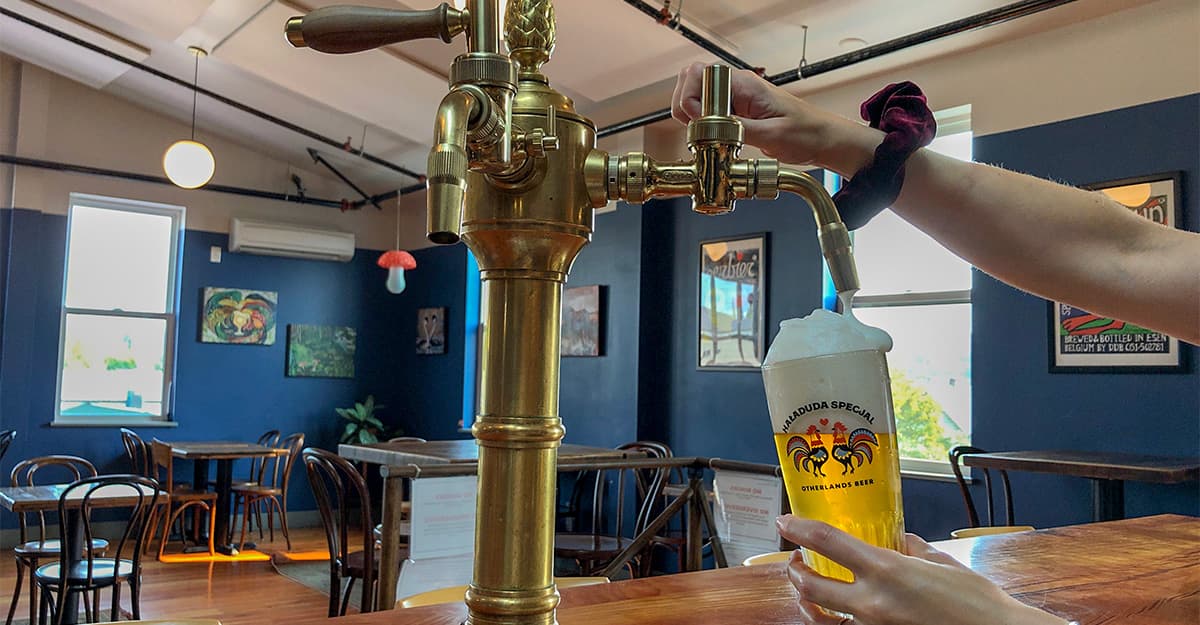
With thanks to Ben Howe and Karolina Lobrow, cofounders of Otherlands Beer in Bellingham, Washington, here’s a recipe for their take on a Polish pilsner—one of our Best 20 Beers in 2022.
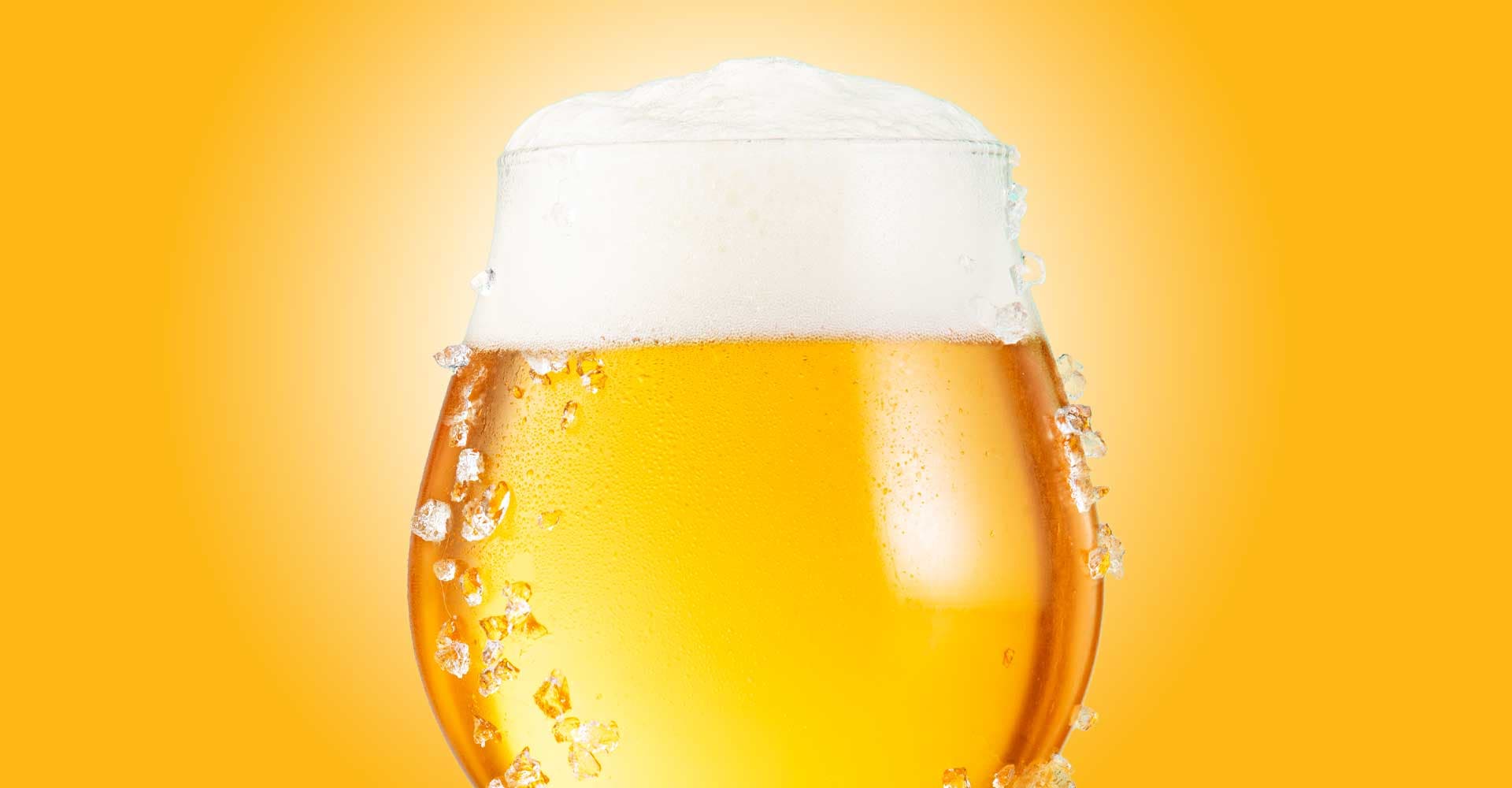
The popularity of cold IPA has blown the cover off a quiet yet long-running practice in commercial brewing: using lager yeast to make beer sold as ale. Sam Tierney, brewing manager at the Firestone Walker Propagator brewery in Los Angeles, offers some perspective.
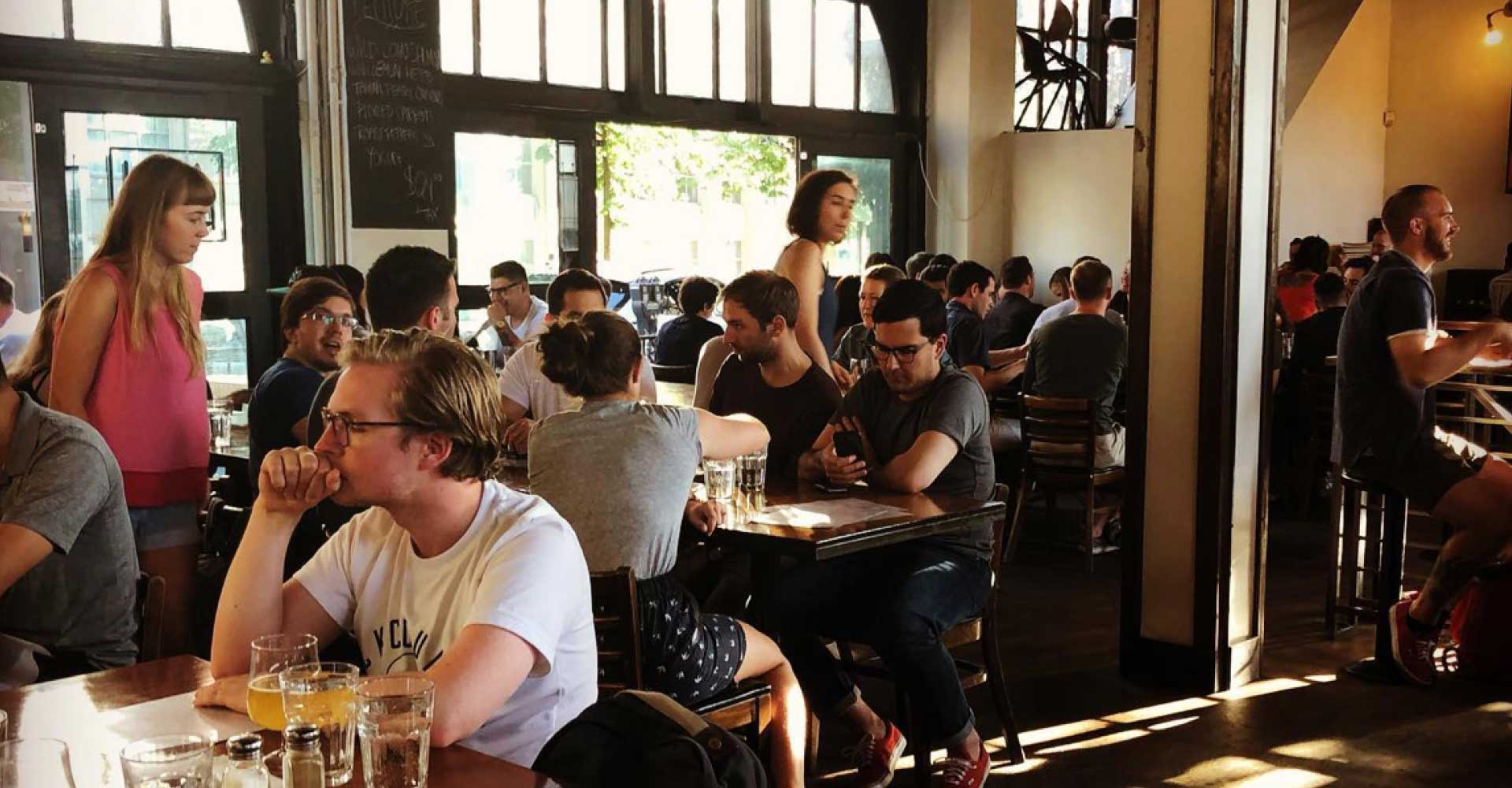
From our Love Handles files on beer bars we love: This long-running nerve center of British Columbian craft remains a house of hospitality dedicated to lesser-known breweries.
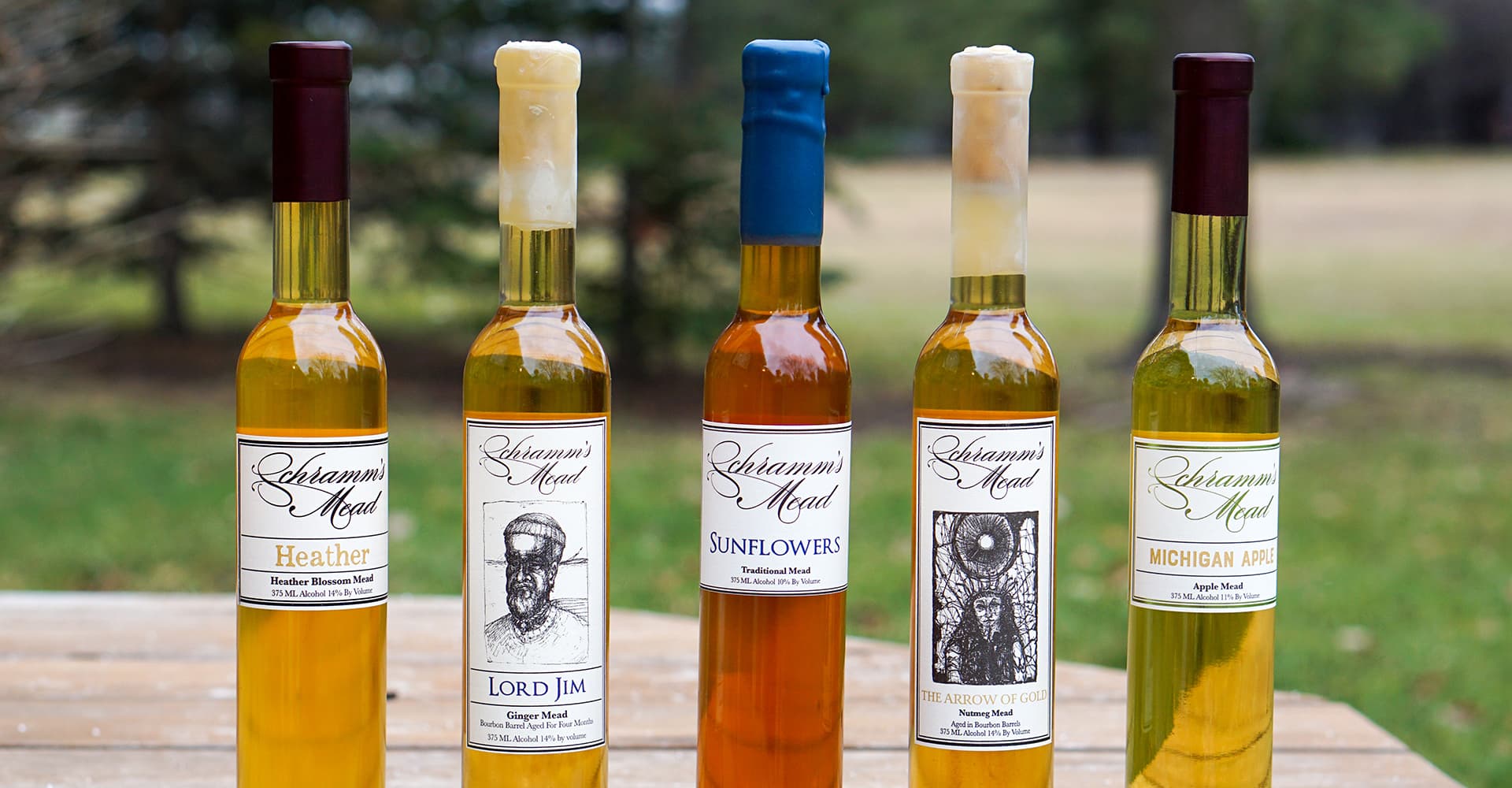
By adopting a dogmatic and precise approach to quality—from evaluating honey quality through bottling without stabilizers or preservatives—Schramm’s Mead is setting standards and exploring what’s possible at the forefront of honey and fruit fermentations.