Recipe: Cloudburst A Memory of a Memory
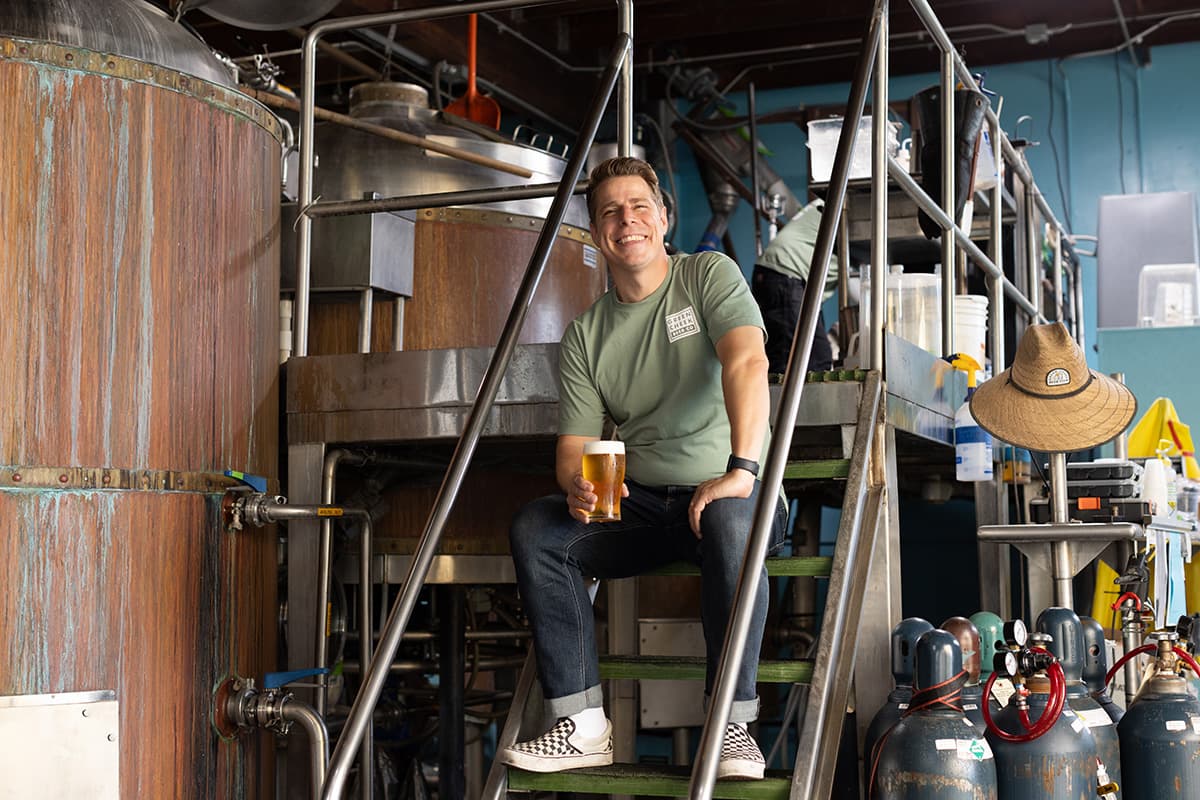
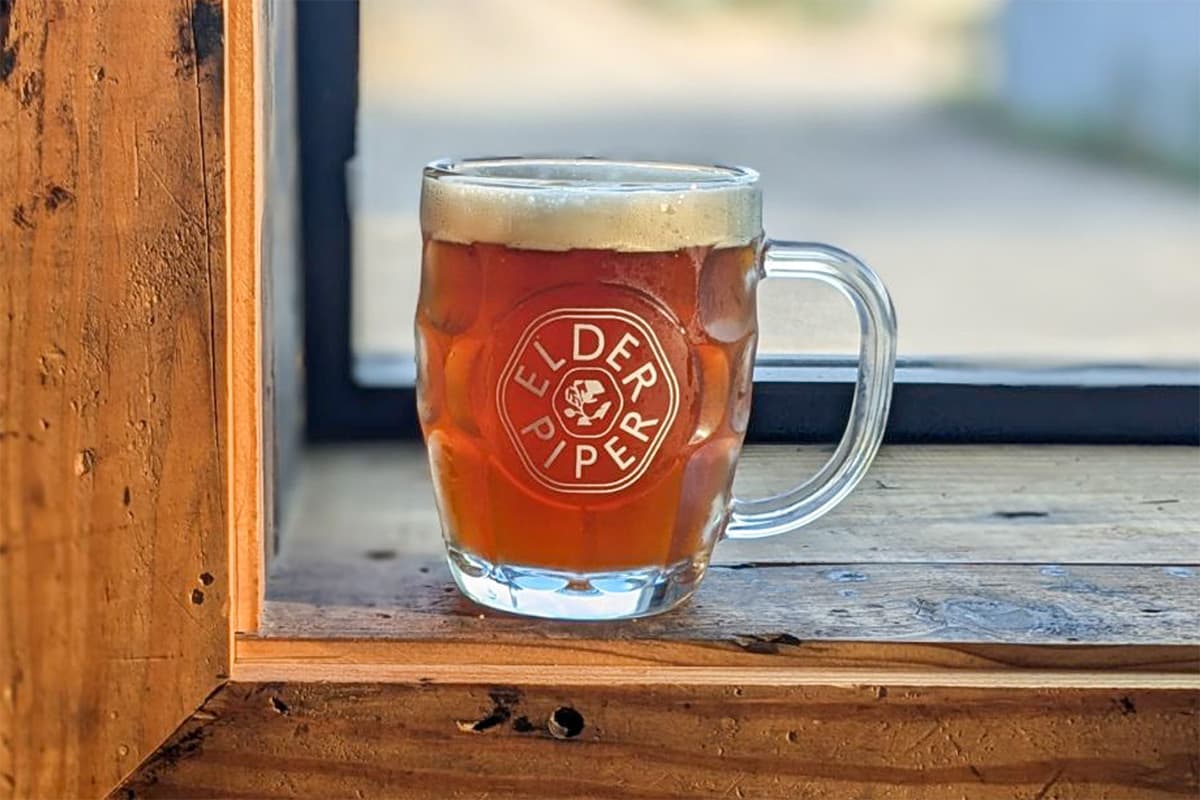
SUBSCRIBERFrom Cloudburst founder-brewer Steve Luke, here’s a recipe for a modern interpretation of an old-school, unfiltered Pacific Northwest IPA, leaning into Chinook, Centennial, Cascade, and Simcoe.
Showing 541-560 of 4599 articles

From Cloudburst founder-brewer Steve Luke, here’s a recipe for a modern interpretation of an old-school, unfiltered Pacific Northwest IPA, leaning into Chinook, Centennial, Cascade, and Simcoe.

While Chinook and other classic C-hops may not be as exciting to brewers today as Citra, Mosaic, and Galaxy, some of the best IPA brewers in the country continue to treasure the “classics”—and they keep finding new uses for them, too.

Ready to brew a great American lawnmower beer?

Over the past few decades, Victor Novak has earned his reputation as an award-winning brewer at breweries such as Dock Street, Taps, and Golden Road. Now, as innovation director at California’s Figueroa Mountain, he’s leaning into his love of classic lager styles as well as progressive fruit beers.

A little bit of history, a touch of science, and an introduction to brewing solutions that will change the way you brew forever.

With more than 1,000 cideries in North America—most quite small—it can be hard to know where to start. Here are five tips from the pros.

Temescal, Prison City, 1840 Brewing, and others share their stories about making clean sours with Berkeley Yeast’s Galactic strain.

As with farmhouse ales, not every farmhouse cider is made on the farm. Yet the evocative word tends to accompany certain traits—and there’s plenty that should appeal to drinkers looking for old-fashioned flavors with a sense of place.

The secret to making consistently award-winning cider is, of course, great fruit married to thoughtful design and flawless execution, and for this multigenerational family of apple growers from Colorado’s Western slope, anything less than the best wouldn’t do justice to their beloved fruit.

From cofounder and brewmaster Matt Cole and his team at Fat Head’s in Ohio, here’s a recipe for the Bavarian-style weissbier that’s won three gold medals in the past four years.

Take a revolutionary leap forward in brewing technology with hop-derived, variety-specific extracts that reflect the truest expression of hops.

Steve Parker, cofounder and head brewer of Fidens in Albany, New York, lays out their approach to blending hops for hazy IPA, as well as what they look for when selecting varieties such as Citra, Simcoe, and Strata.

Fat Head’s Brewery in Middleburg Heights, Ohio, has won more than its share of medals over the years. One of its most decorated beers is Goggle Fogger, the Bavarian-inspired hefeweizen that’s won three major gold medals in the past four years. Here’s how its pieces fit together.

Perhaps the oldest way of preparing grain for brewing, drying malt in the open air was traditional for lambics, white beers, and various rustic ales scattered around Europe, Africa, and beyond. Today, brewers and maltsters interested in history, terroir, and old-fashioned methods are taking their malt back out into the sun.

From Philadelphia’s lager-centric Human Robot, here’s a recipe for a Czech-style amber lager that came to life almost by accident—and one that uses a method they call “enhanced decoction.”

The past few years have been challenging for brewers who depend on European hops, with concerns that the frequency of bad harvests could be accelerating. So, we asked two brewers who know a thing or two about getting the most from Noble hops to share how they maintain quality, from working with growers to developing novel workflows.

Meet Salvo™, a variety-specific, yield-maximizing aroma extract with no added bitterness, priced between $50 and $200 per kilo.

Steve Parker, cofounder and head brewer of Fidens in Albany, New York, reveals their preferred yeast strain and what it contributes to their IPAs—including the right balance of hop and yeast expression, a slight acidity, and a stable haze.

Go for the gold with these gold medal–winning recipes from the American Hombrewers Association.

It’s Czech, it’s amber, and it’s a lager—but where did it come from? Nobody seems to know the origin story of polotmavý, or even whether it has one. Yet it’s here today, and the traditional Czech brewing process defines it every bit as much as that rich garnet color.