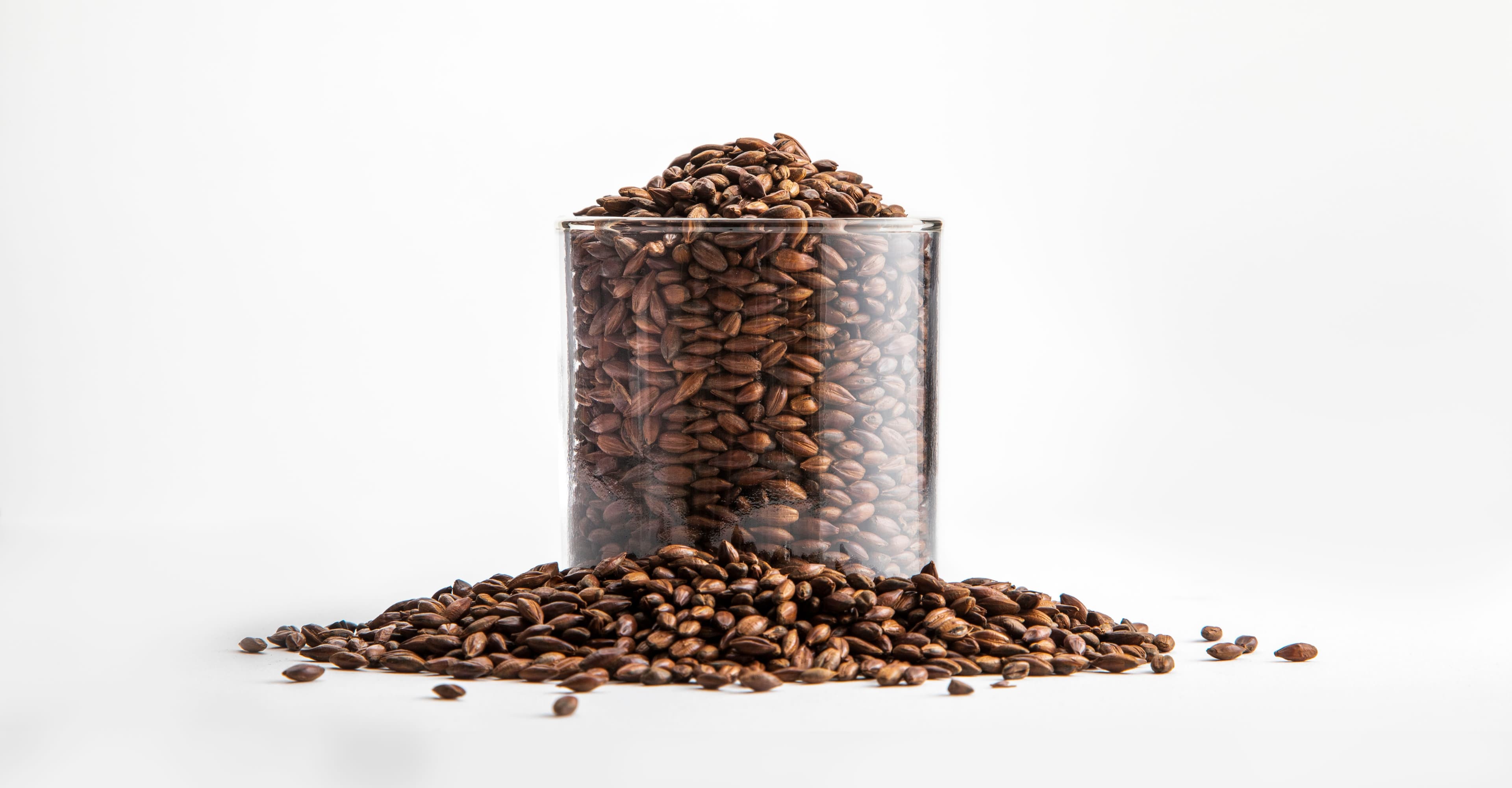
The Heart of Darkness: Exploring Dark Malts
In this Learning Lab column, Jester Goldman gives his full attention to dark malt. Settle in as he helps you understand how these grains differ and what they can bring to your beer.

Showing 2721-2740 of 4727 articles
In this Learning Lab column, Jester Goldman gives his full attention to dark malt. Settle in as he helps you understand how these grains differ and what they can bring to your beer.
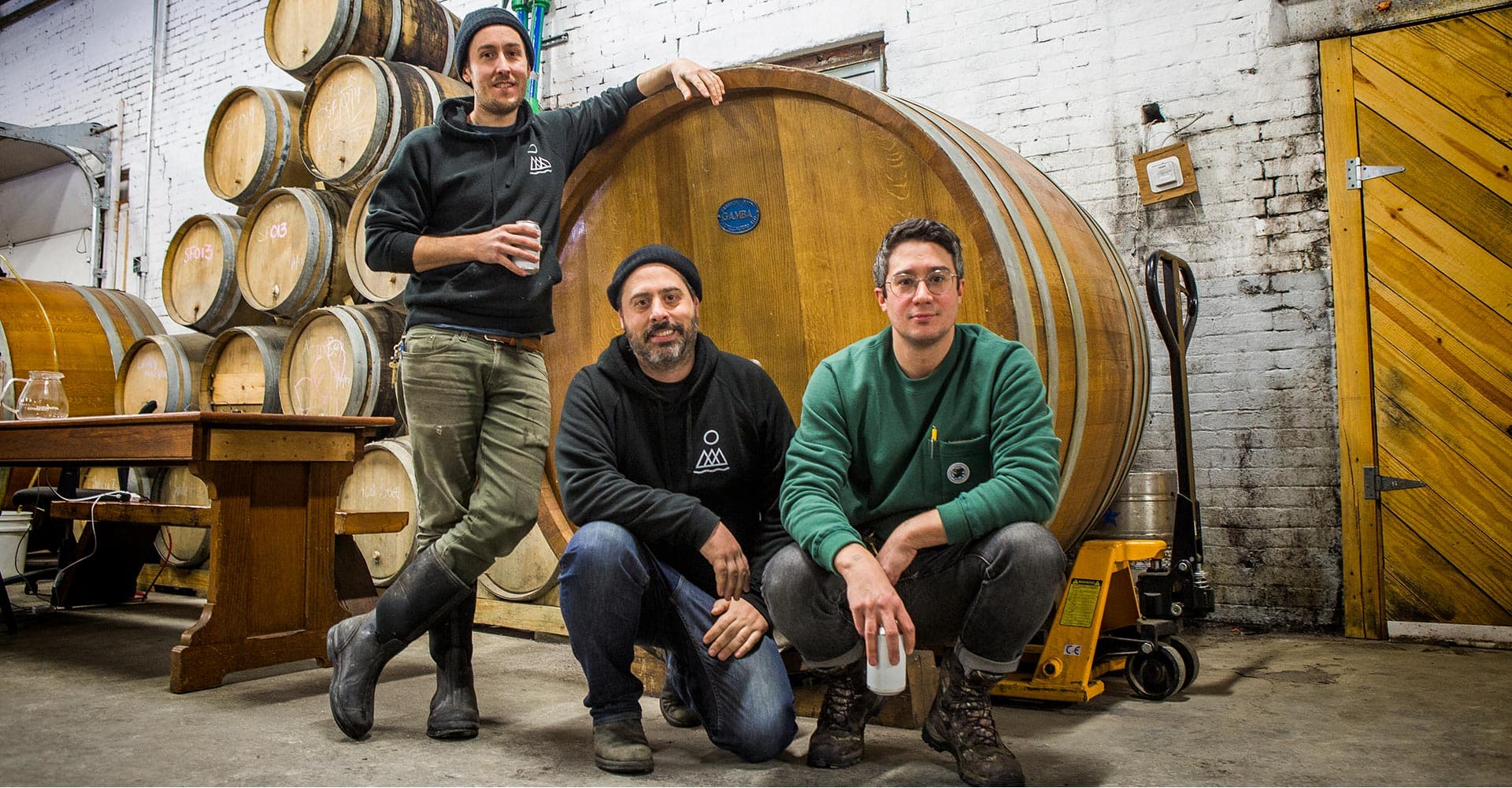
Thinking about most of their beers as a triangle, Jason Synan and Mike Renganeschi want to focus on acidity, hops, and botanicals. However, each characteristic doesn’t play the traditional role in their beers that one might expect.

Depending on your local water source you might need to make adjustments to its chemistry before homebrewing. Here's some insight on how to get your water where you want it.
Josh Weikert dispels myths of brewing dogma because “the way it’s always been done” doesn’t always work for you.
There are a few things to consider with your water when making session versions of recipes that are usually heavier in strength.

The National Audubon Society is working with brewers in the Delaware River Watershed to keep waterways clean so that customers can continue to drink great beer and birds don’t lose their habitat.
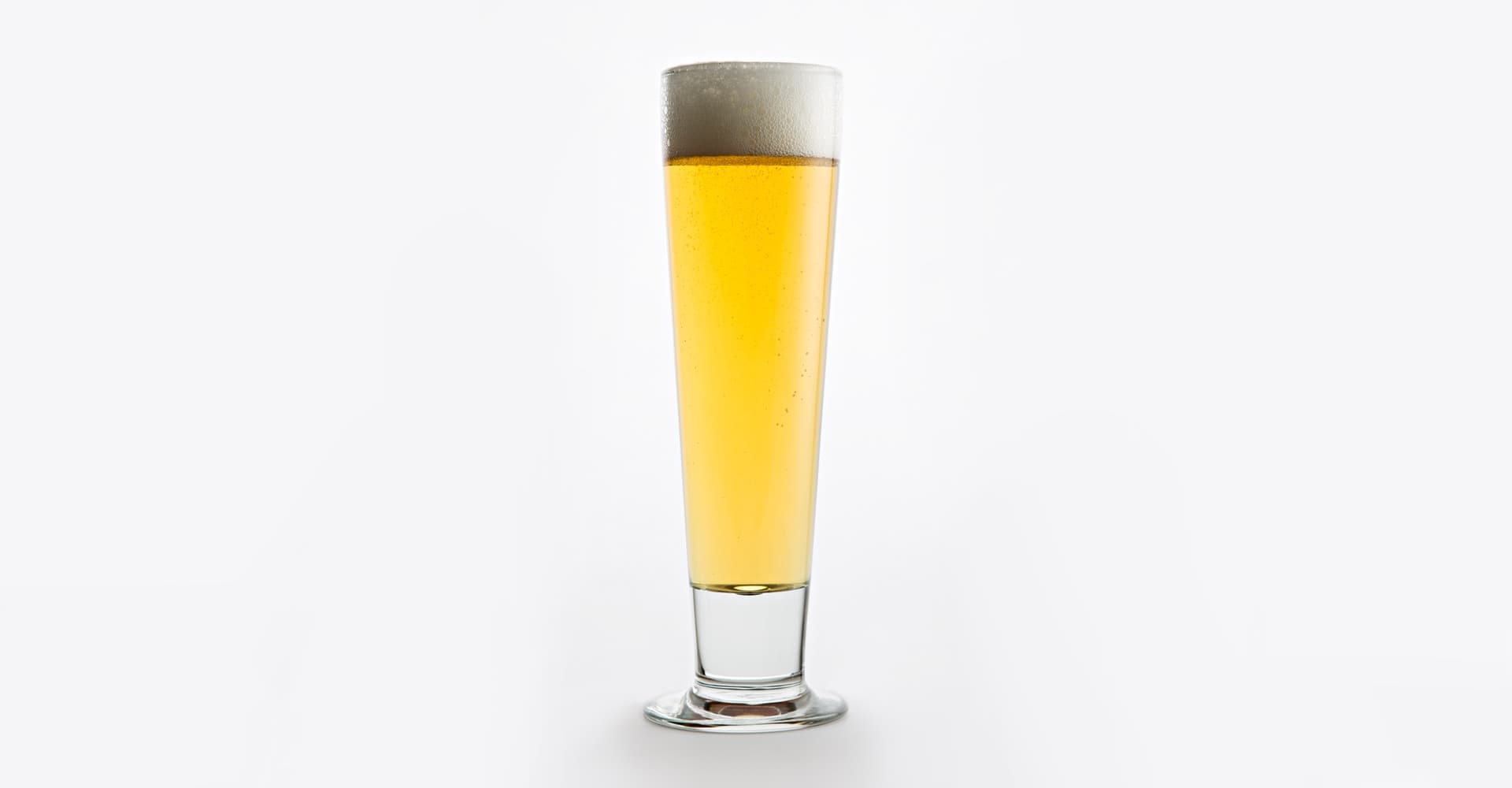
This might seem like just another hoppy session beer, but the regionally authentic ingredients do tend to come through even in the face of atypical hops.
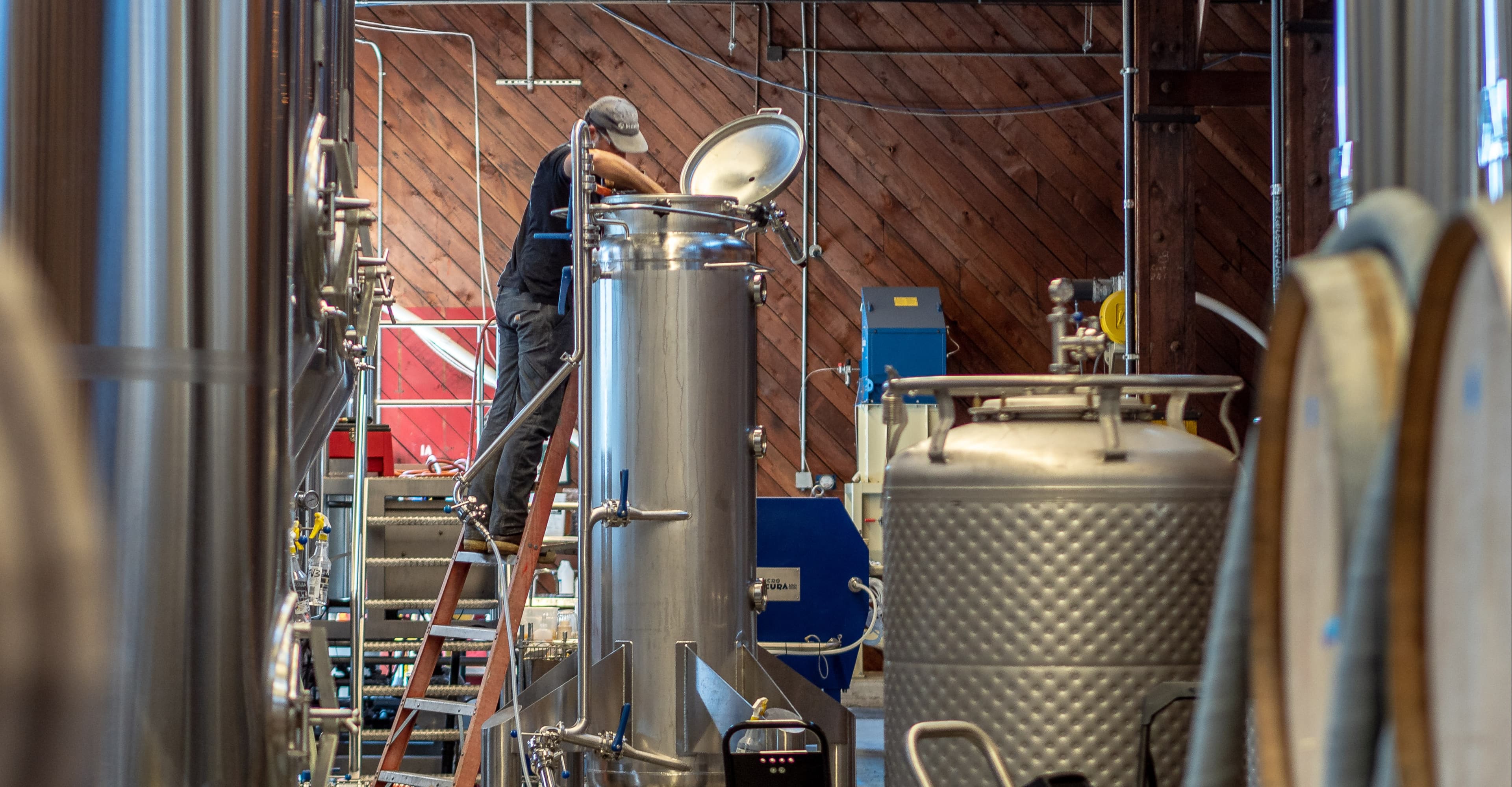
The aim of the HopGun is to get more hop character into a beer in less time and with adding fewer hops. It provides better efficiency and quality, reduced dissolved oxygen (DO) levels in the finished beer, and a safer working environment for the brewers.

As the 2019 Utopias edition gets closer to our glasses, Jennifer Glanville, the director of brewing operations for Boston Beer sits down to talk about what goes into making a beer so boozy it might as well be a spirit.
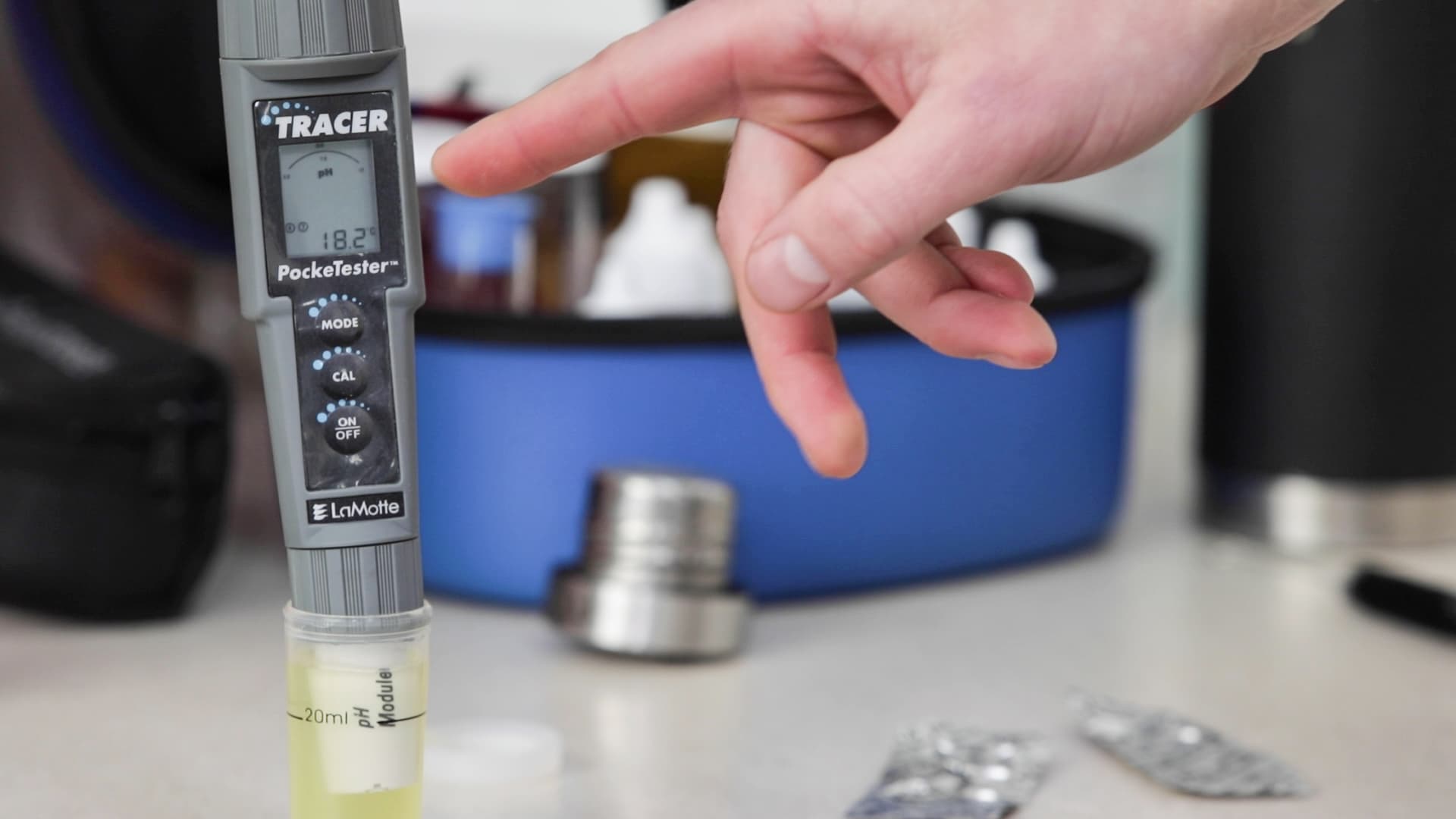
There are a number of steps or methods that you can use when homebrewing and have the need to adjust your pH. In this video tip learn about the process from Stu Blake of Second Act Beer.
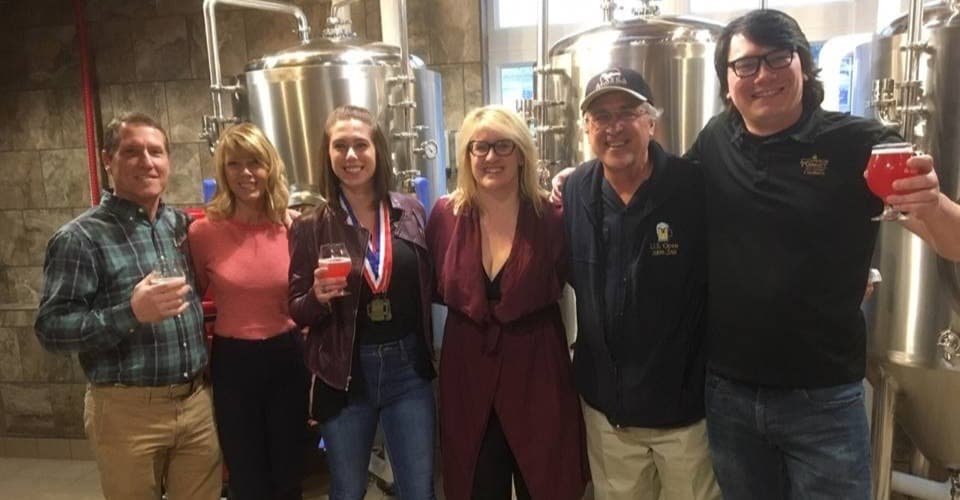
Students of brewing have a chance to enter their beers in a national competition just for college and university brewing programs.
In this Craft Beer & Brewing video tip brewer Kyle Carbaugh discusses specific strains and ways to manage acid production in your mixed fermentation beers.
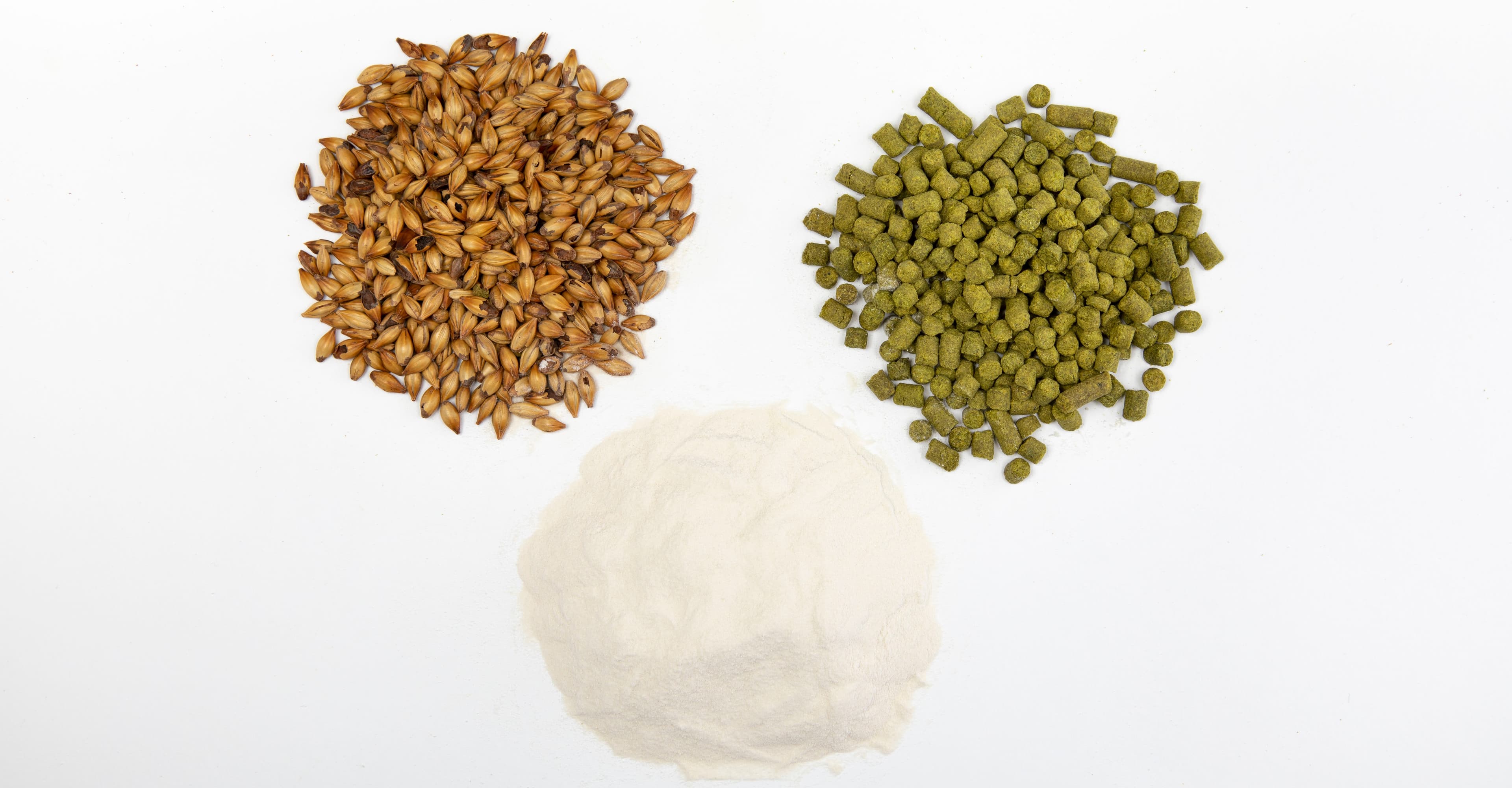
While the focus for most homebrewers is brewing all-grain recipes, Josh Weikert argues that it’s not always necessary. You can benefit from having a bit less control (but no loss of quality) and a significant chunk of time back in your brew day.
From Fal Allen, this recipe is a combination of the traditional (the air-dried malt and the spices) and the new (the brewhouse souring).
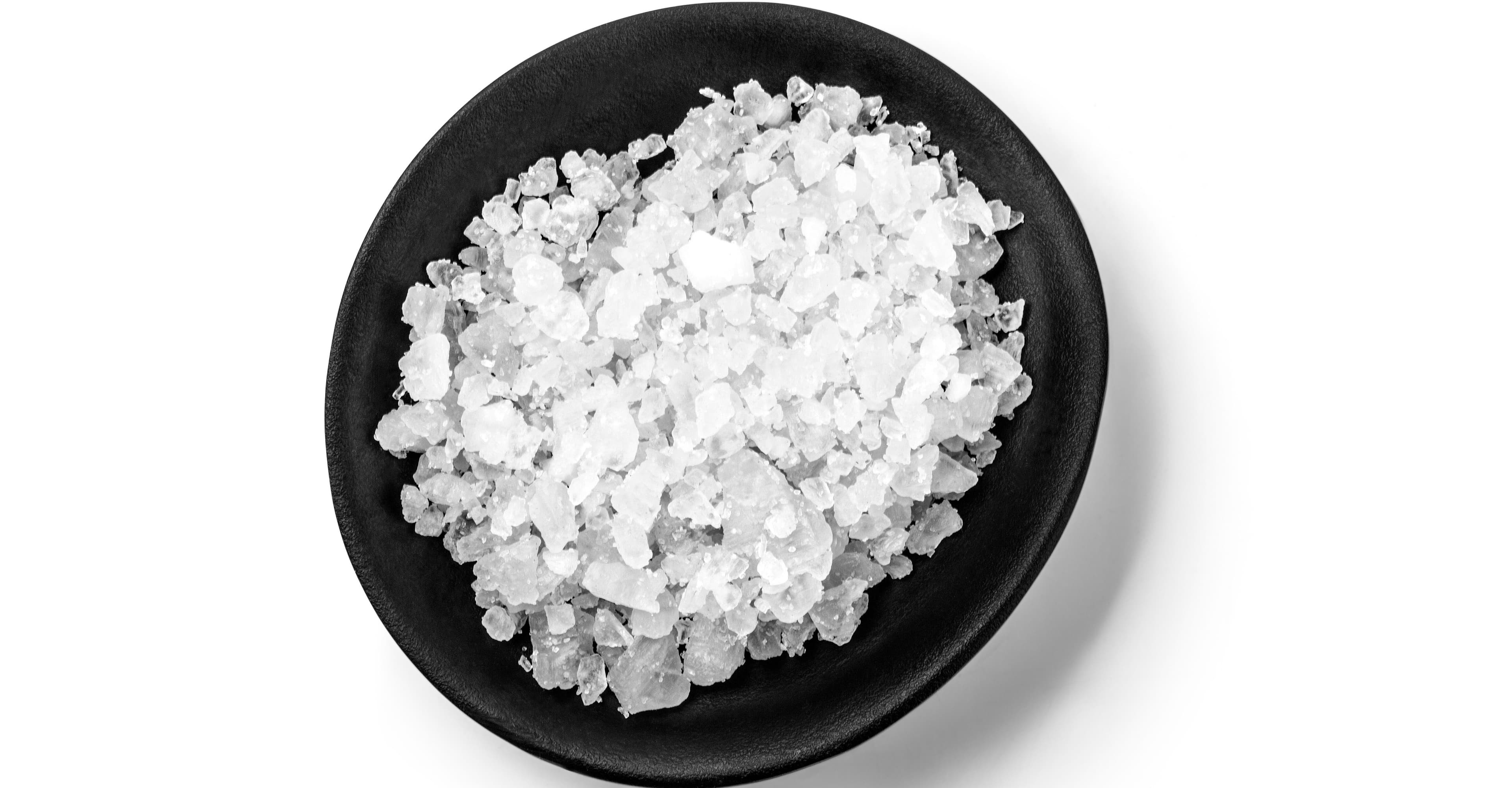
The key to a proper gose, says Fal Allen, the longtime brewmaster at Anderson Valley Brewing Company, is to go easy on the salt and don’t put too much stock in the fancy stuff.
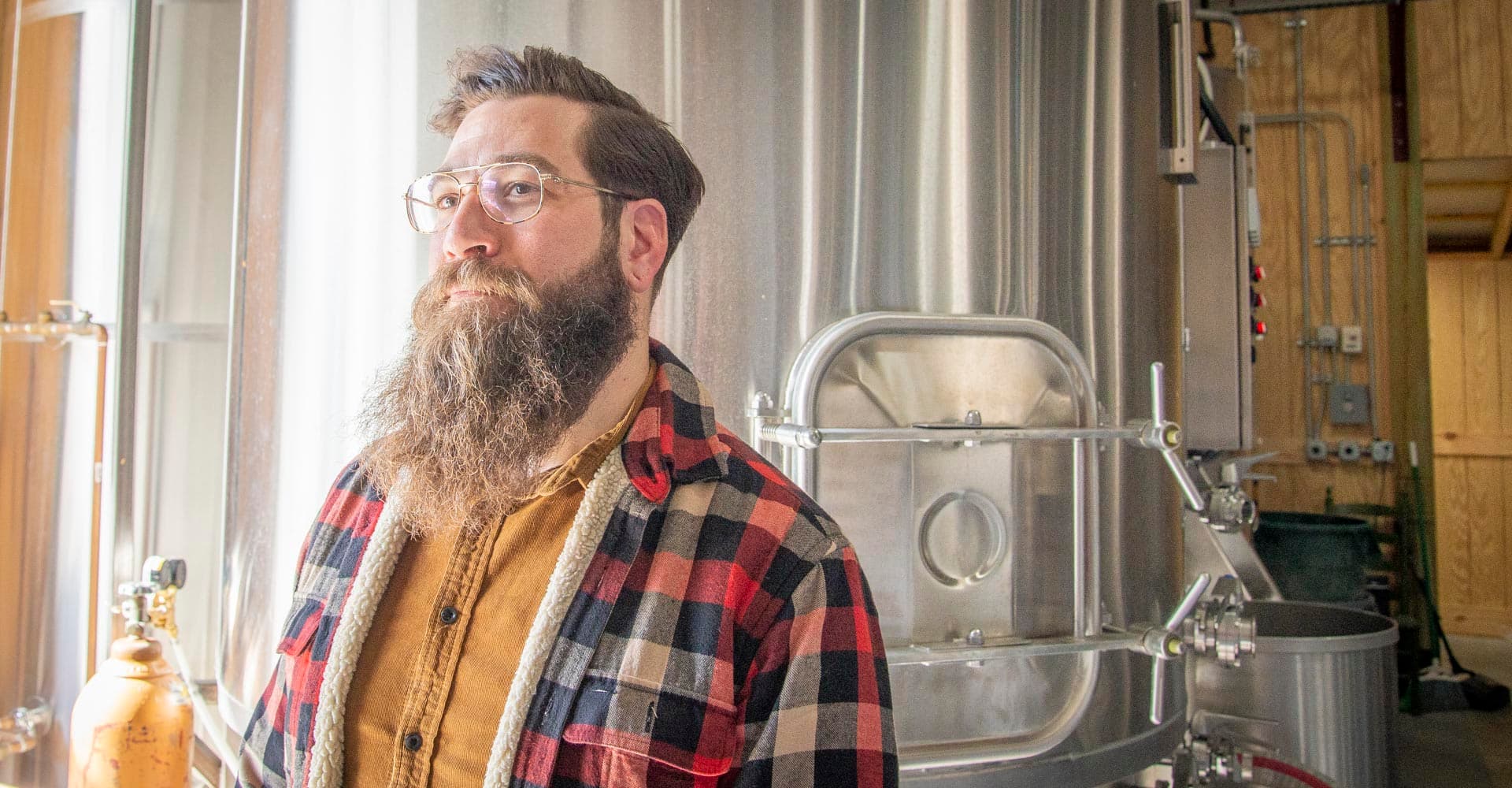
Todd Boera is known for creative yet grounded mixed culture botanical beers, and their new production brewery out on a farm 30 minutes from Morganton, NC puts an even finer point on the connection between the brewery and the agriculture that supports it.
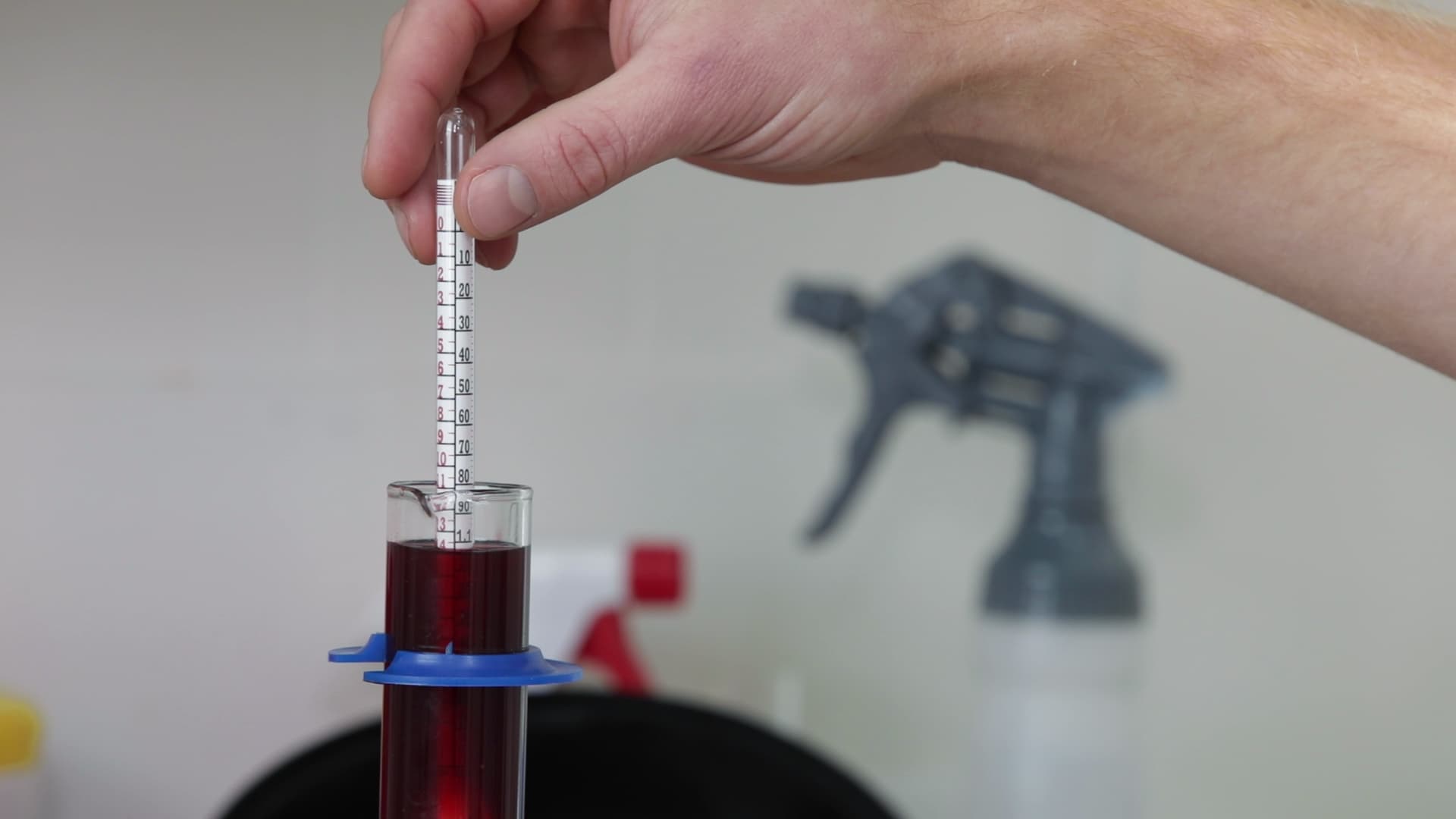
Stu Blake, the founder of 2nd Act beer is here with this video tip that goes over the basics of this necessary piece of brewing equipment.
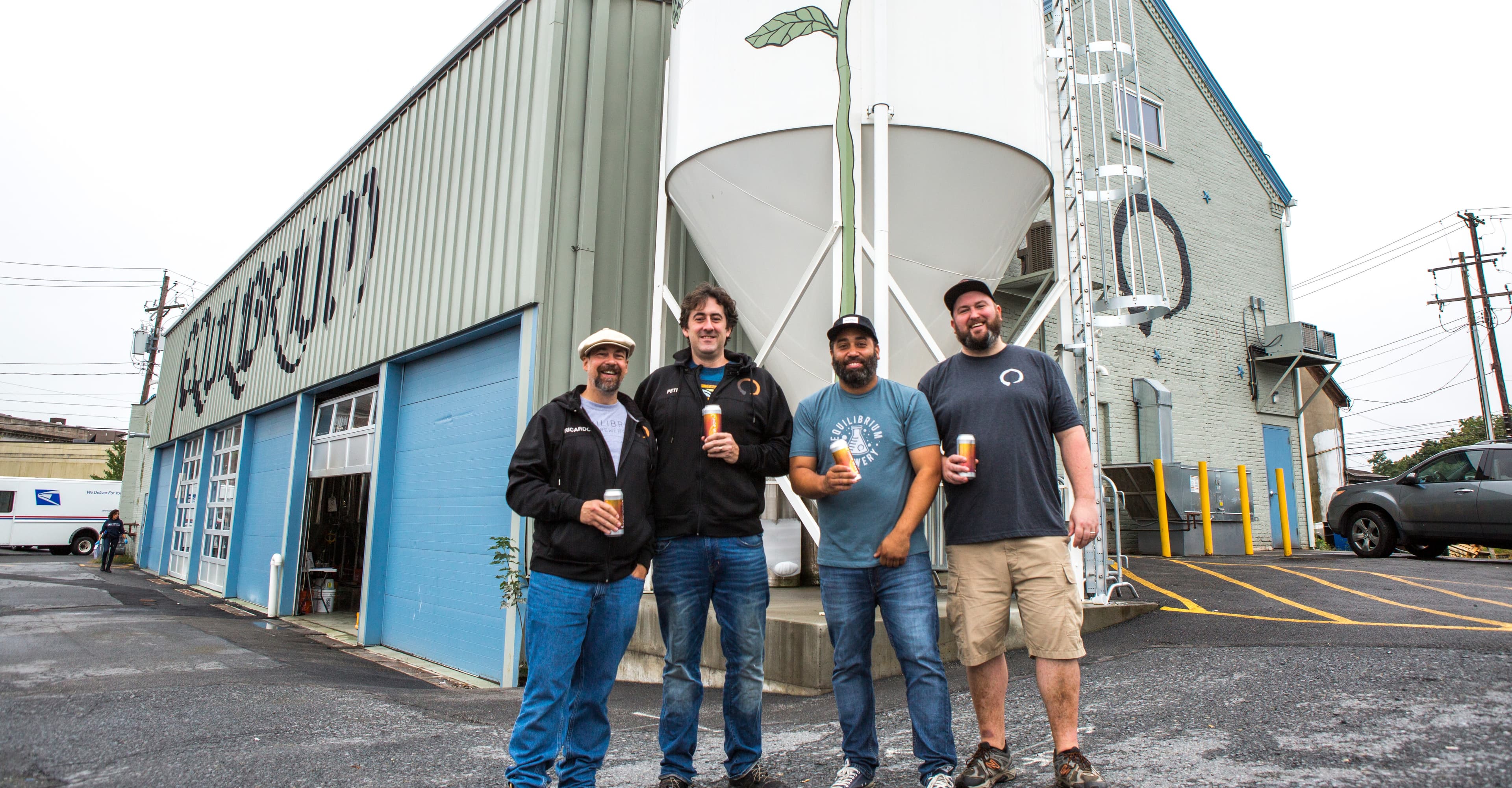
In the city of Middletown, New York, the line forms early outside of Equilibrium Brewery on weekends for fans jonesing for a hops fix. This is what happens when professionally trained scientists get involved in brewing.
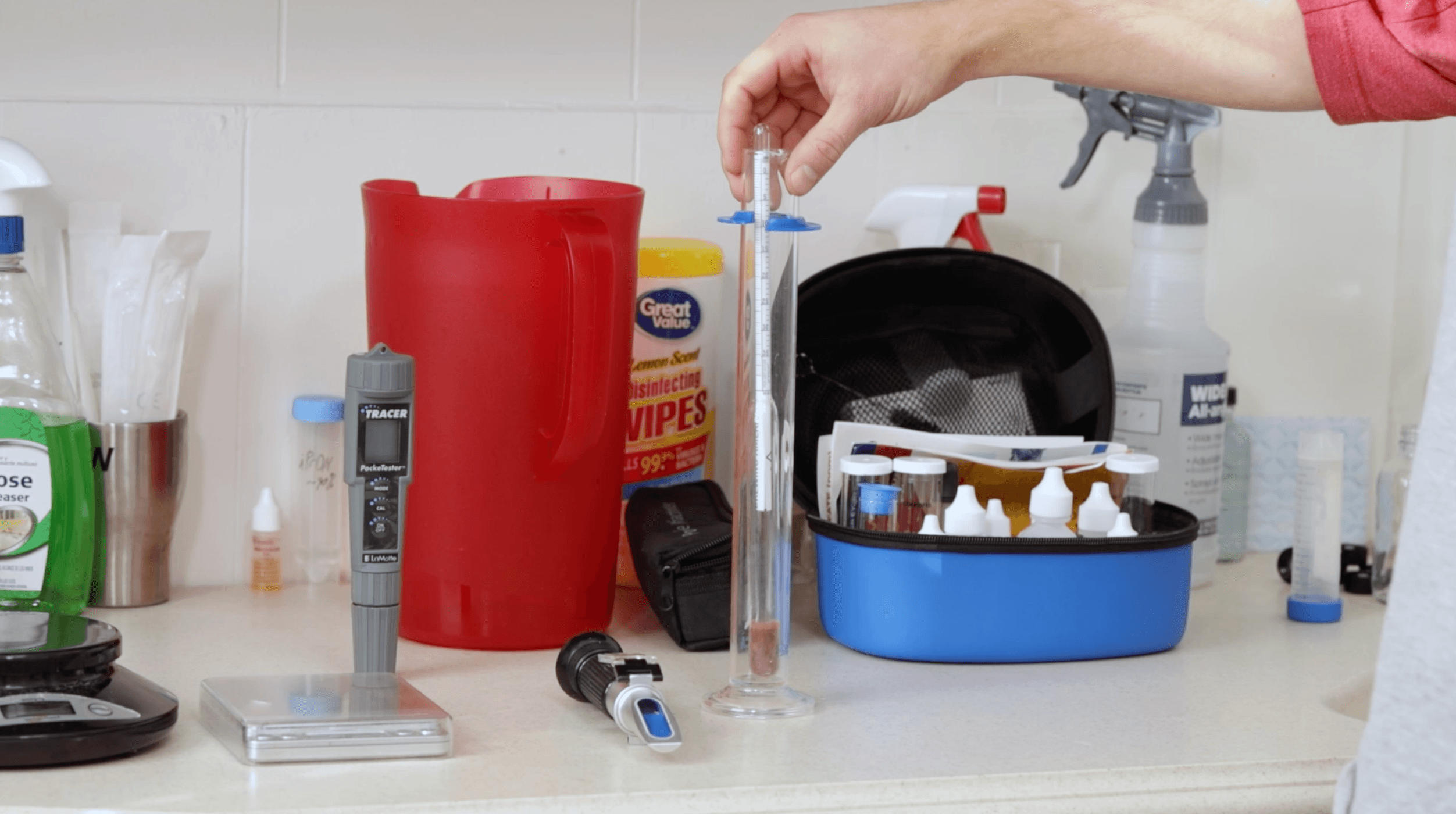
In this 110-minute video, 2nd Act Beer Founder Stu Blake covers homebrew instrumentation, readings, interpretation, and actions you can take following the readings, helping you make better, more consistent beer.
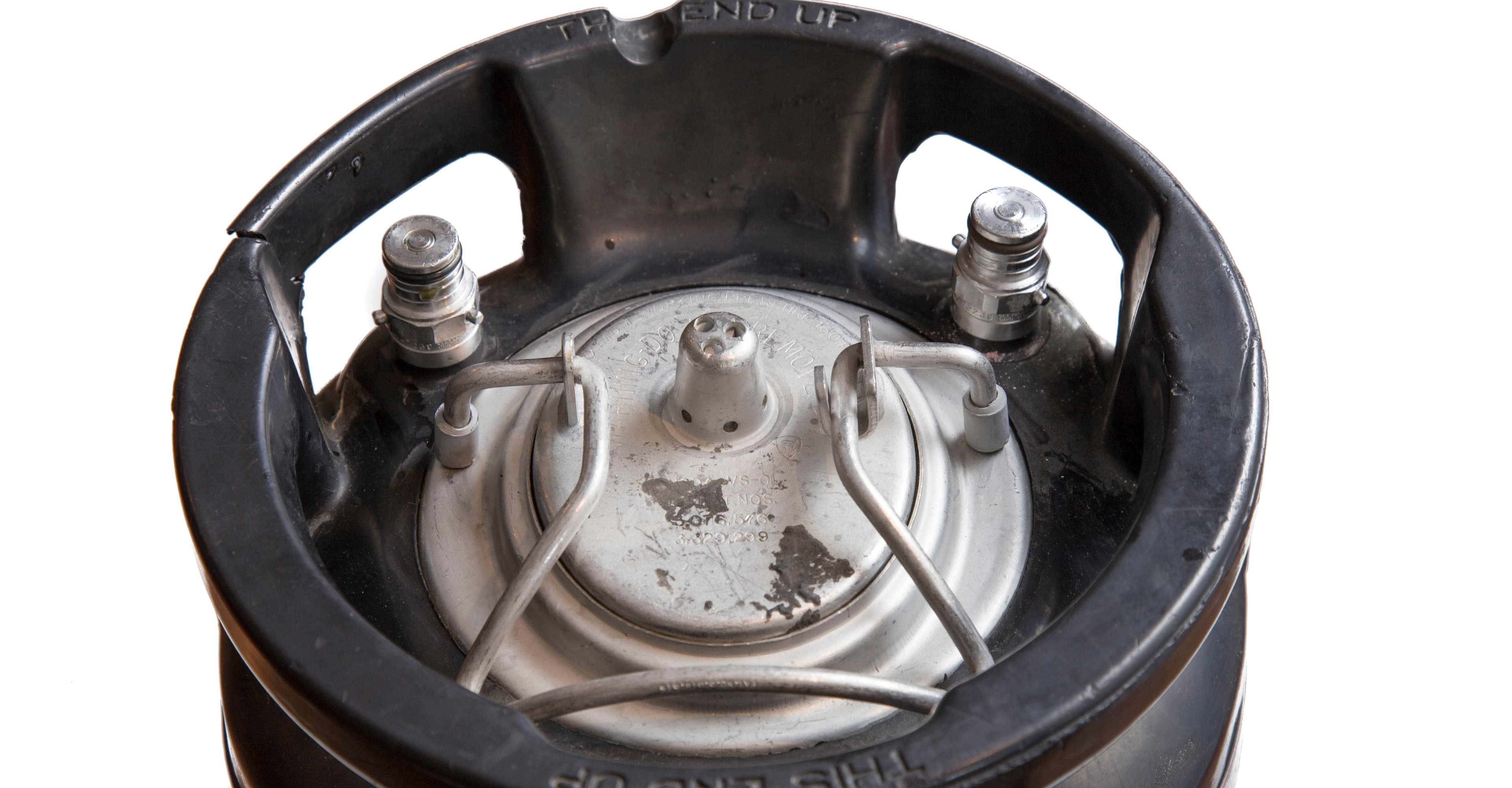
Homebrew expert Brad Smith, author of the Beersmith homebrewing software and the voice behind the Beersmith podcast, is here to help you identify leaks in your CO2 equipment.