Best in Beer Readers’ Choice: Your Favorite Beer Styles in 2025
Hazy IPA edges out pilsner by a single vote for the No. 2 spot this year. Where do your other favorite styles to brew and drink fall on the list?

Showing 241-260 of 4723 articles
Hazy IPA edges out pilsner by a single vote for the No. 2 spot this year. Where do your other favorite styles to brew and drink fall on the list?
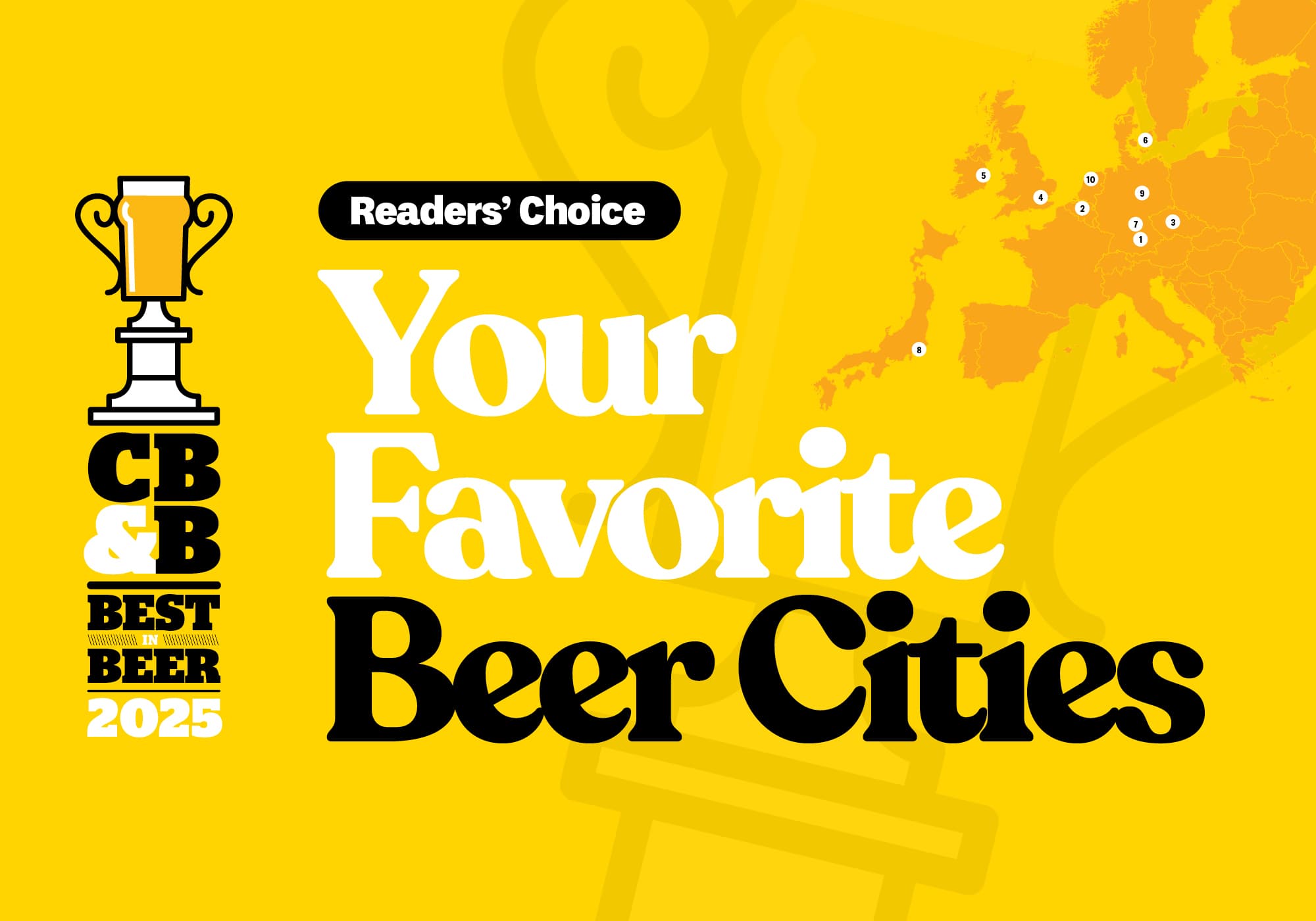
Our readers voted on the best cities in the United States and around the world for drinking beer—here are the results.
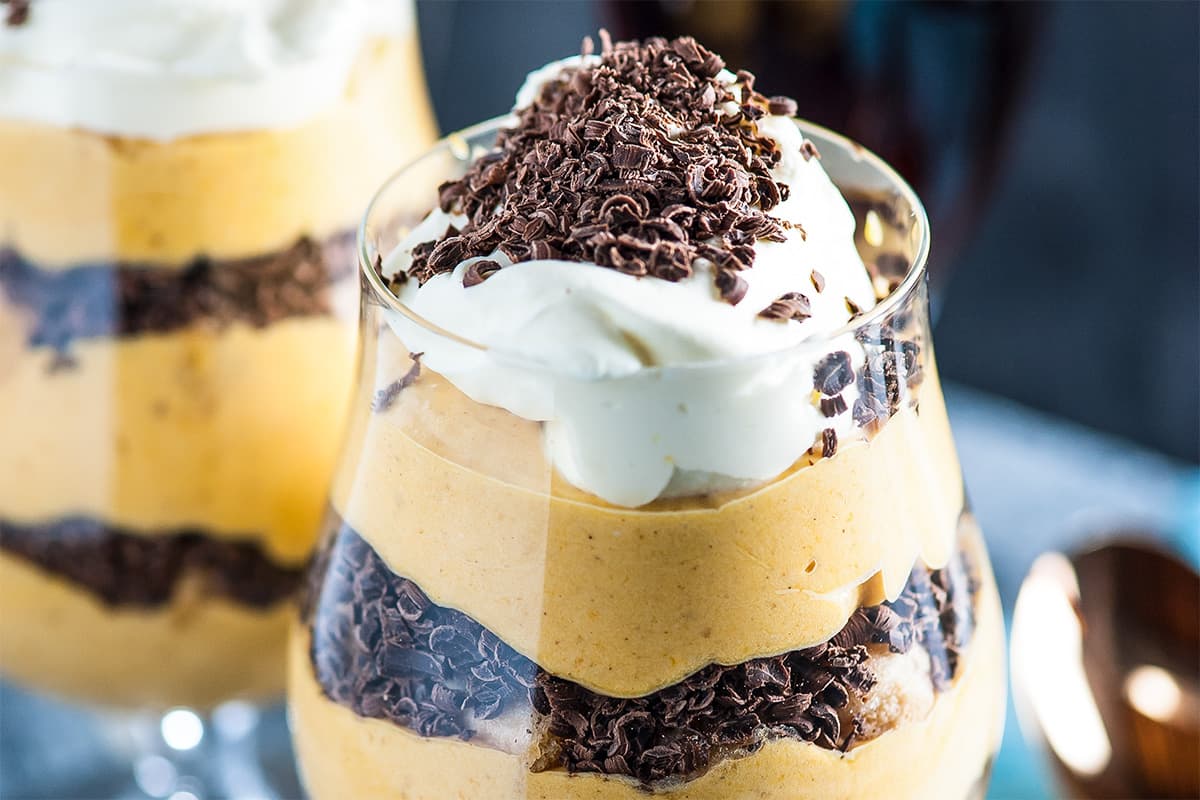
For a riff that goes beyond pumpkin pie, this tiramisu made with a splash of Belgian strong dark ale is ready to take center stage at your holiday gathering.

Andrew Foss of Human Robot, Matt Manthe of Dillon Dam, and Moh Saade of Fermentis discuss pathways to characterful lagers, both classic and modern, through workhorse 34/70 yeast and other strains.
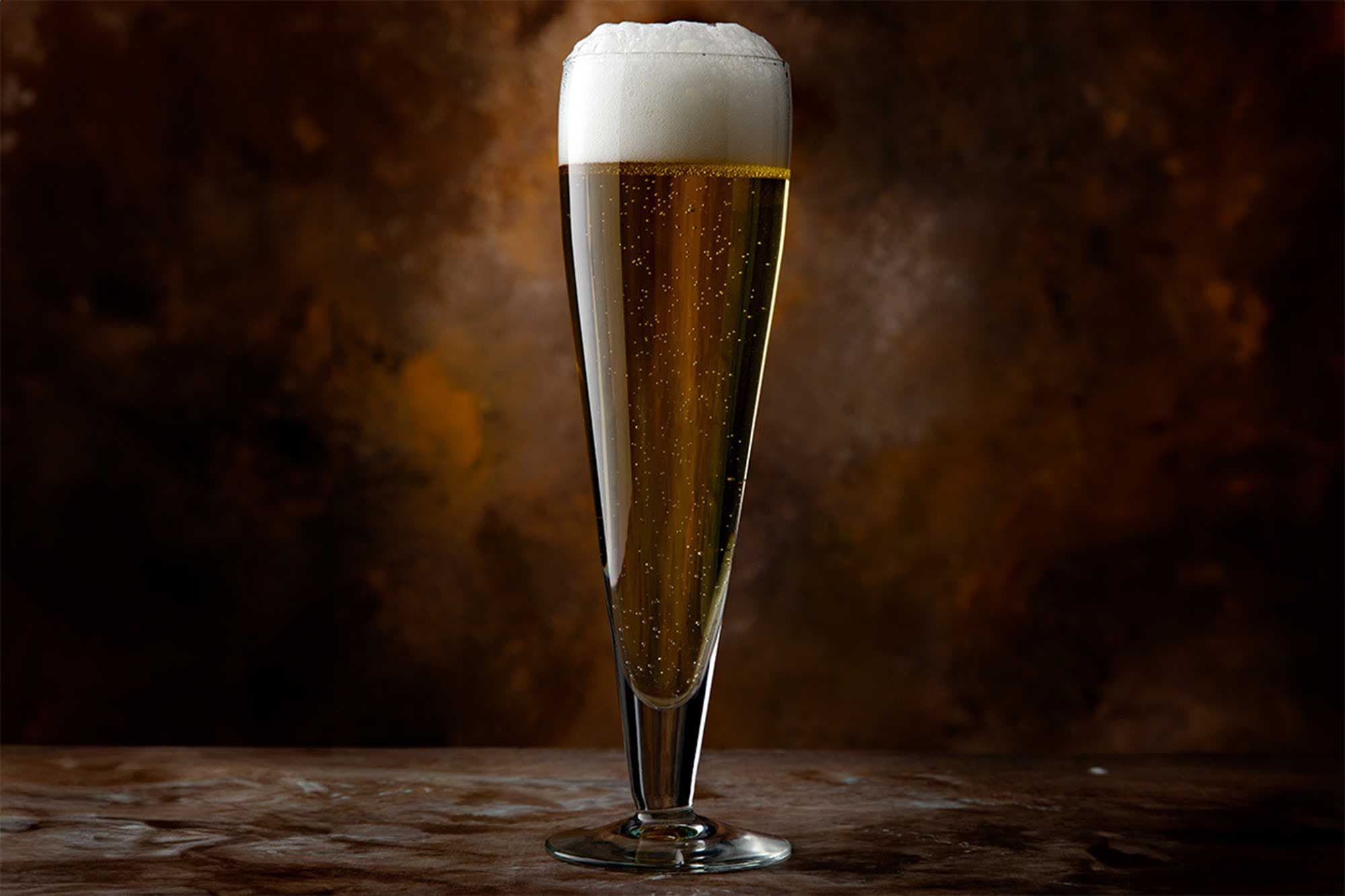
Natalie Rose Baldwin, brewmaster of Wayfinder Beer in Portland, Oregon, shares this recipe for a French-inspired pilsner that features a kiss of spelt and plenty of floral, spicy Alsatian Strisselspalt hops to drive the flavor.

In our annual Best in Beer 2025 critics’ roundtable episode, our editorial team goes beyond the unabashed popularity contest and thorough blind-judging process to share their own personal favorites of the year, connecting the dots to suss out the contours of craft beer’s today and possible tomorrows.

Our contributing editor and the NAGBW Writer of the Year shares some favorite tipples and a few thoughts to mark another four seasons on the books.
The prolific author and hop chronicler shares his top beers and moments from 2025.
Our executive editor shares his favorite beers and beery moments from the past year.

Join Craft Beer & Brewing and the experts at John I. Haas, along with Ryan Bruchey from TailGate Brewery and Jeremy Moynier from Sapporo-Stone Brewing, for a panel discussion on the evolving science of hops where sensory meets data, and innovation meets reliability.
You voted, we tallied. Here are your favorite breweries, broken down into four categories by volume brewed.
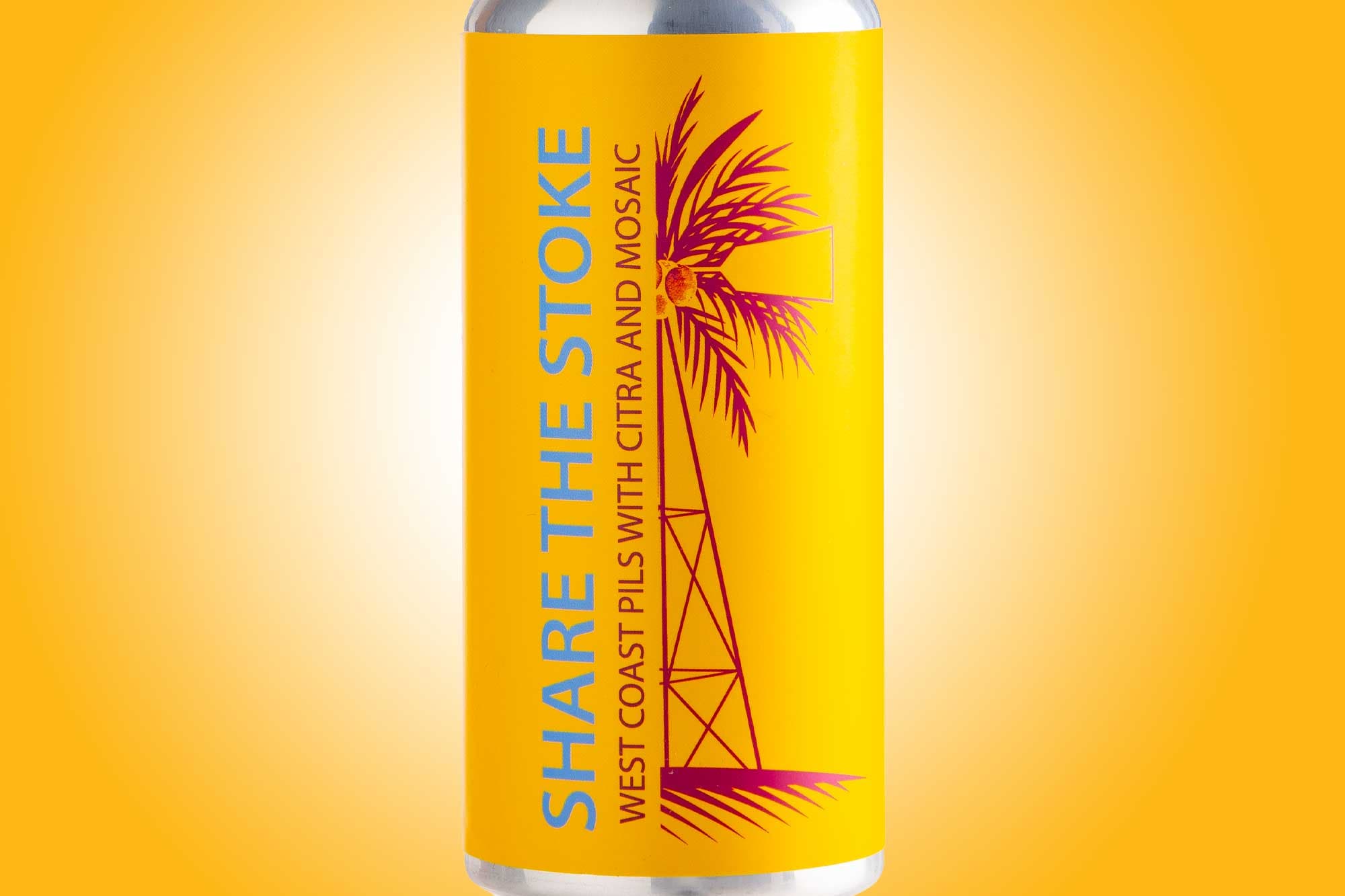
From Corn Coast Brewing in Lincoln, Nebraska, here’s a recipe for the West Coast–style pils that we named one of our Best 20 Beers in 2025.
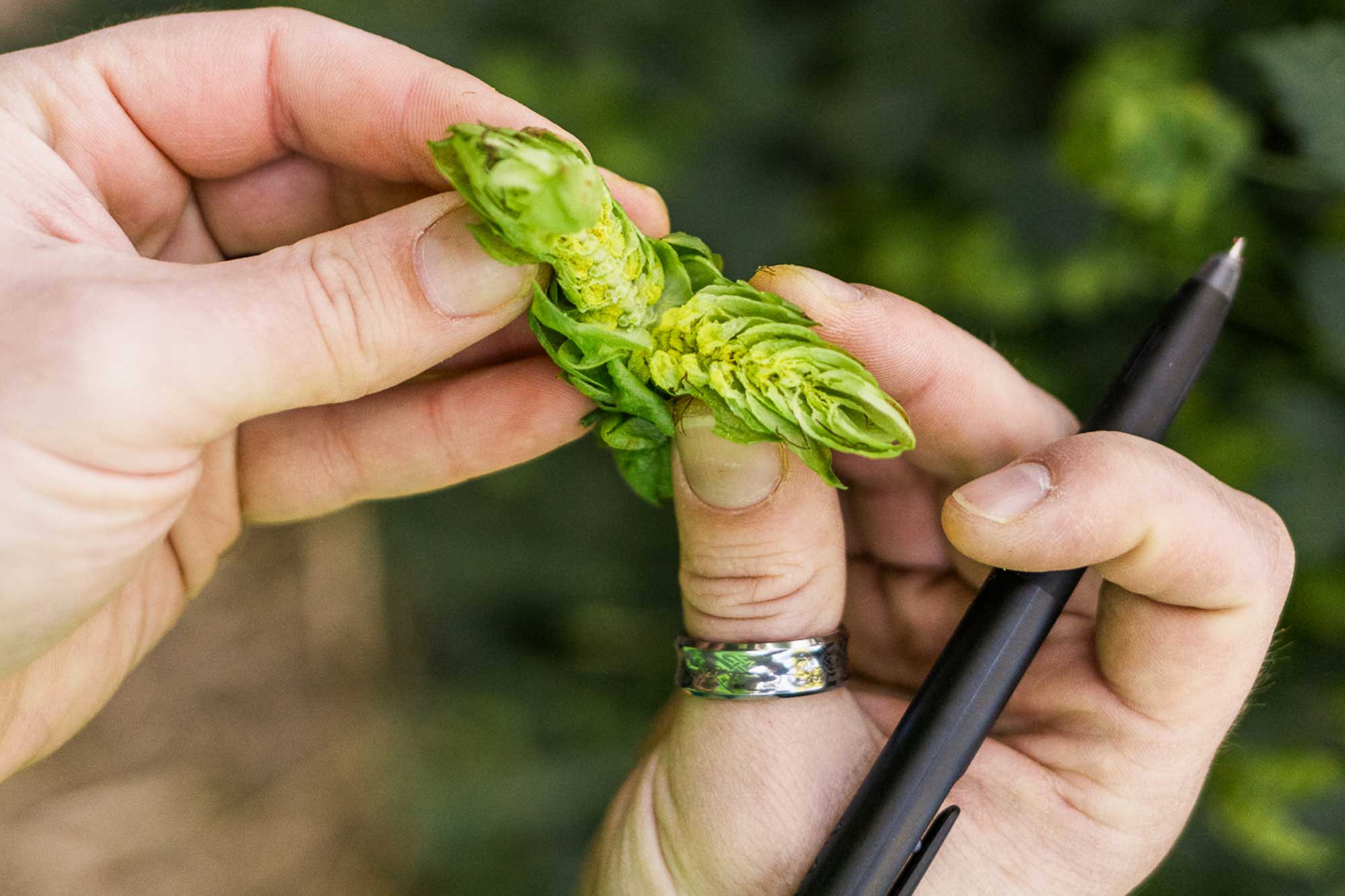
In this first part of a three-part series, experts from John I. Haas weigh in on the evolving nature of hop quality, best practices in hop selection, the challenges of year-over-year and lot-to-lot variability, and the new tools and methods available to brewers to ensure consistency from field to glass.
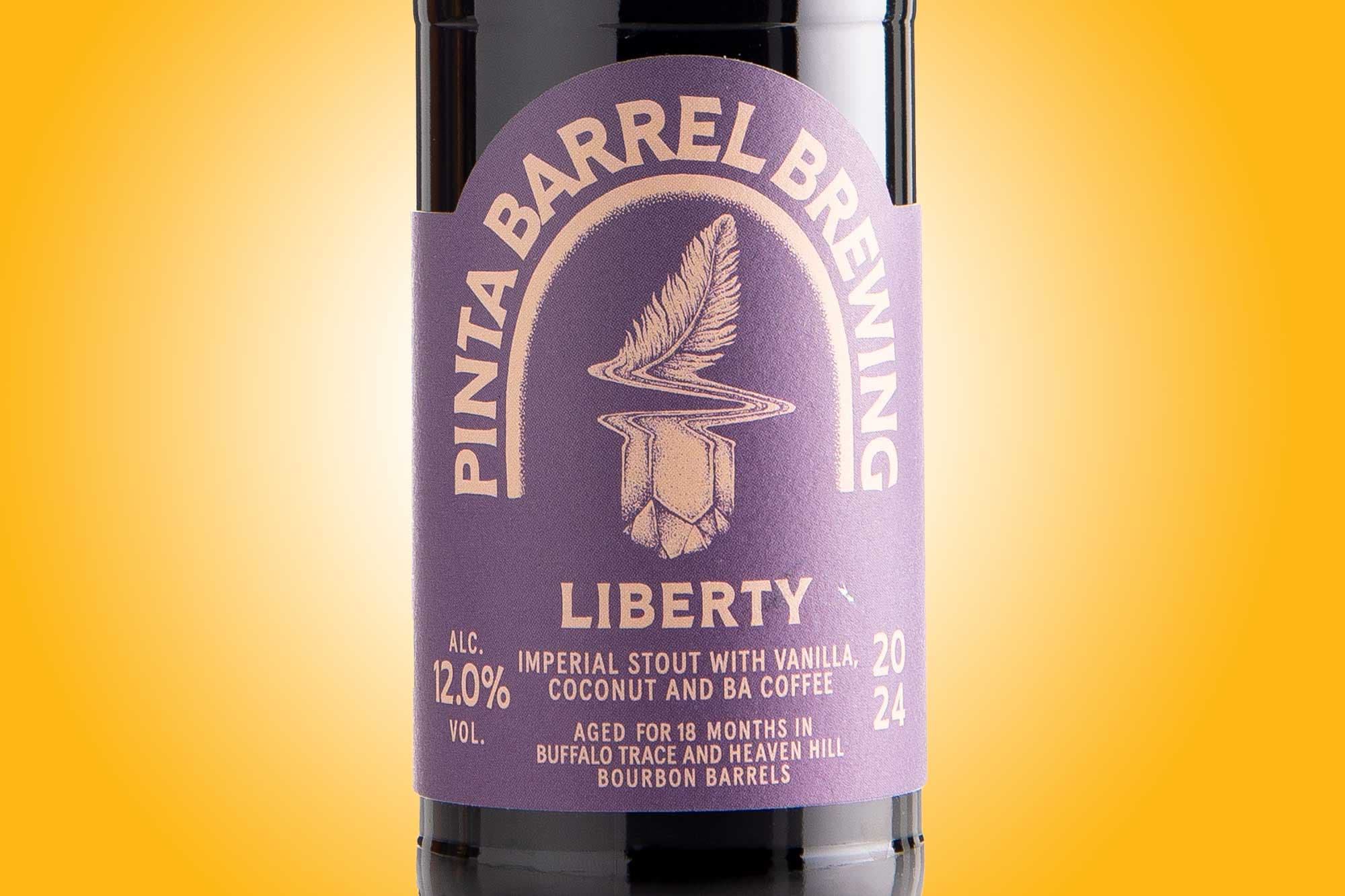
From Pinta Barrel Brewing in Wieprz, Poland, here’s a recipe for their barrel-aged imperial stout with vanilla, coconut, and barrel-aged coffee—a richly layered treat that beat out many others to become one of our Best 20 Beers in 2025.
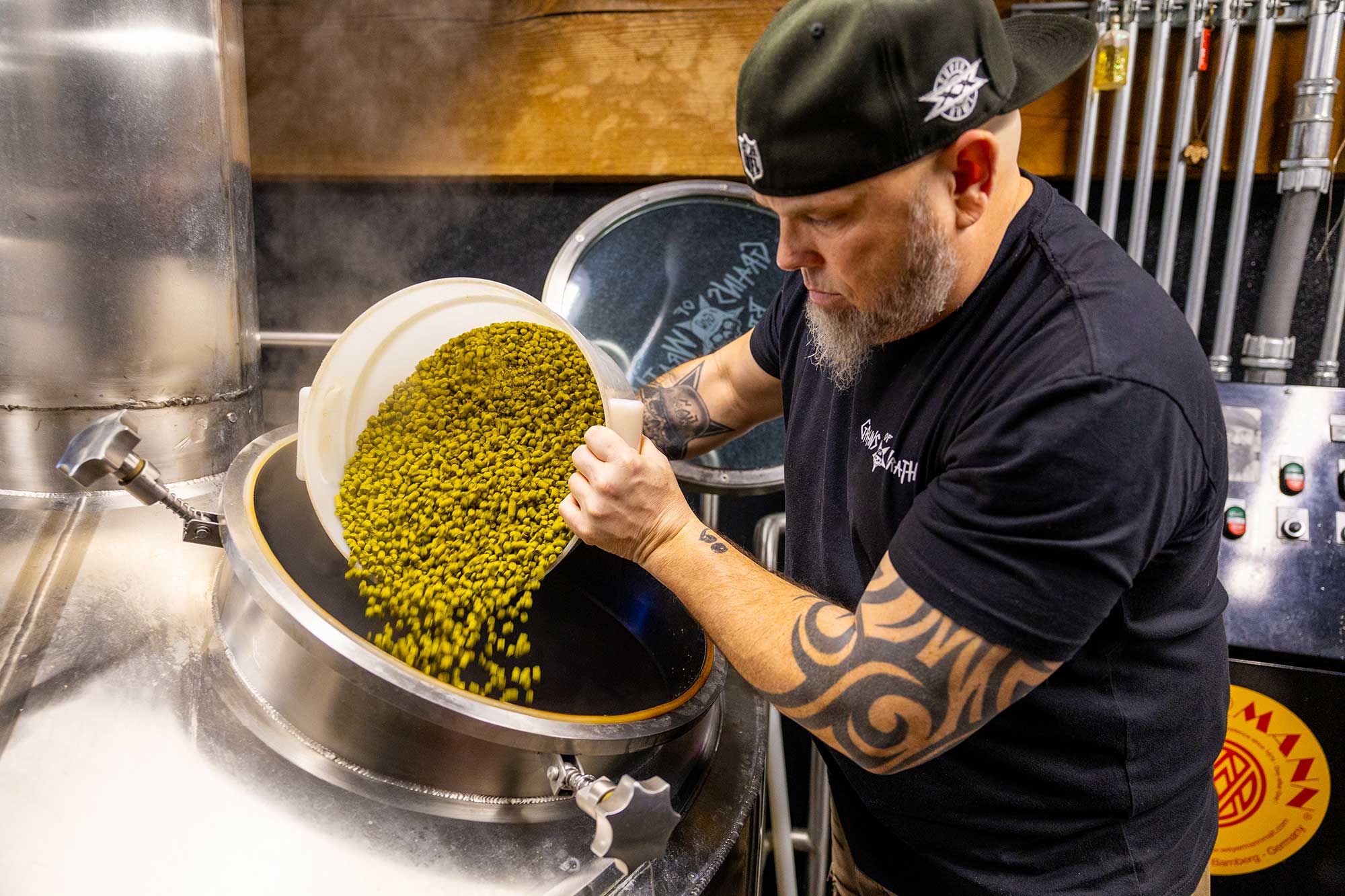
Discover how John I. Haas is transforming sensory science from instinct to engineered precision—creating shared language, repeatable flavor outcomes, and brewer-driven trust through Sensory Plus™, Next Gen Selection, and the Lupo Series™ of engineered hop pellets.
Which beers do you love the most? We polled thousands of our magazine and newsletter subscribers on their favorites, and here are the results.
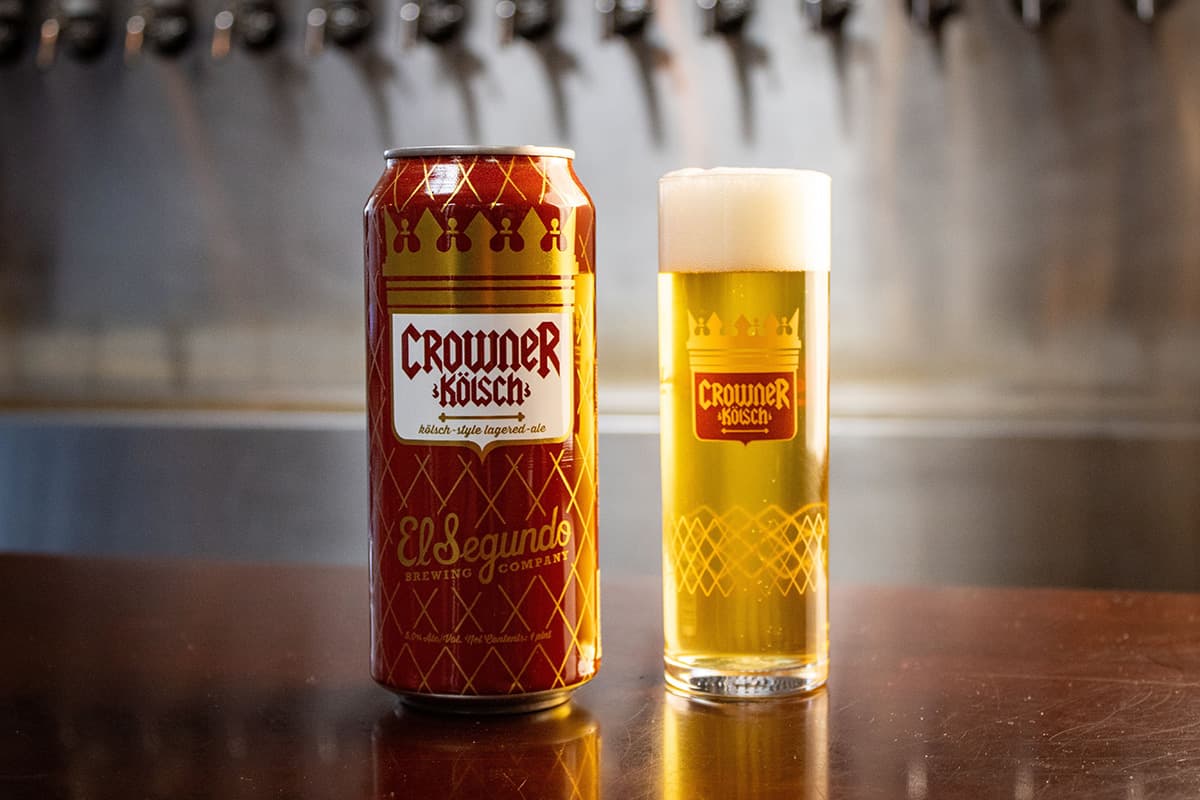
From El Segundo Brewing in Los Angeles, here’s a recipe for the impeccable Kölsch that the editorial team at Craft Beer & Brewing named one of their Best 20 Beers in 2025.
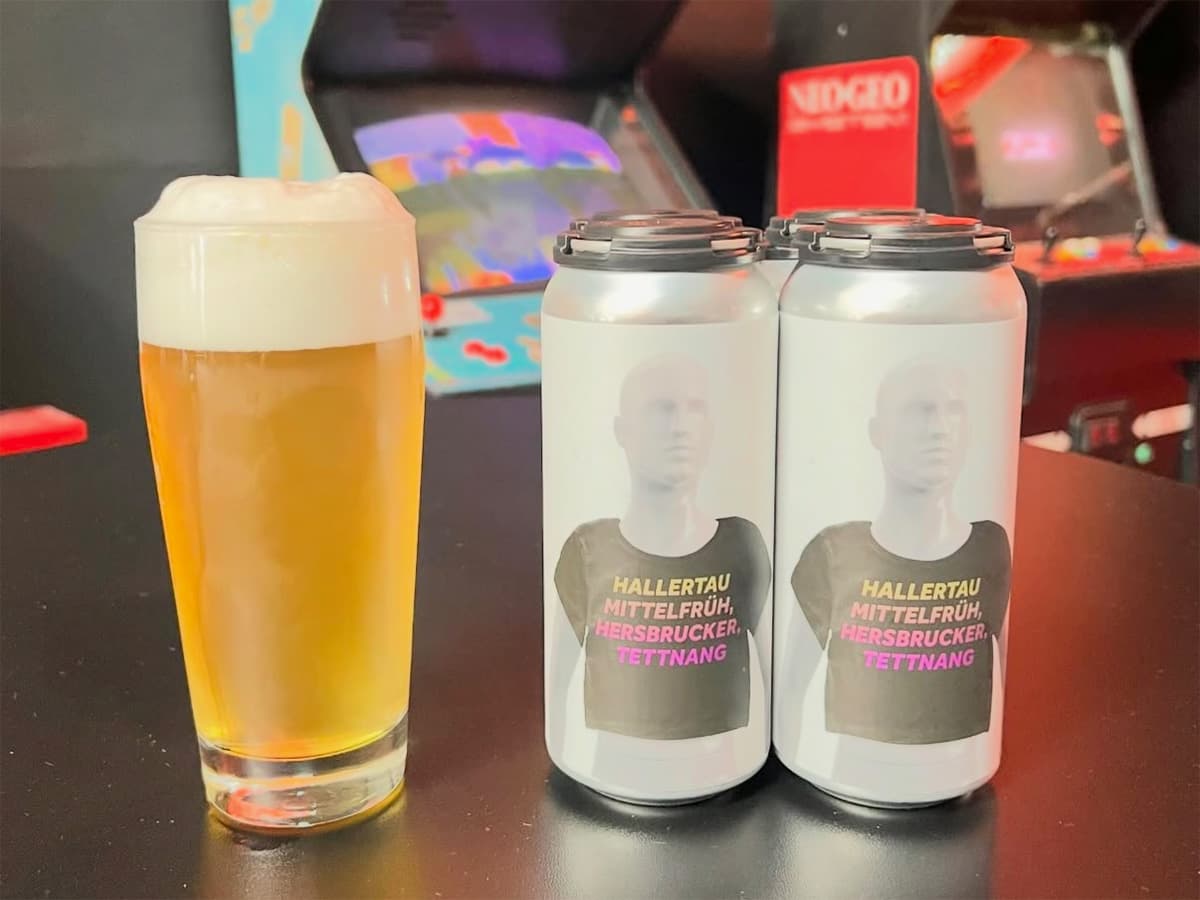
From Seattle’s Fast Fashion, here’s a recipe for the German-style pilsner that we named one of our Best 20 Beers in 2025.
Uncork the magnums, this is the winners’ circle. Through a gauntlet of judging panels and on to the editors’ table for a last round of blind tasting and spirited discussion, these are the beers that lit up our palates and our brains—or that simply had us yearning for another, and another.
In this once-a-year episode, Jamie Bogner and Joe Stange share Craft Beer & Brewing’s Best 20 Beers in 2025, as selected by our judges and editorial team—plus, the results of our Readers’ Choice survey for best breweries, beer cities, bars, and more.