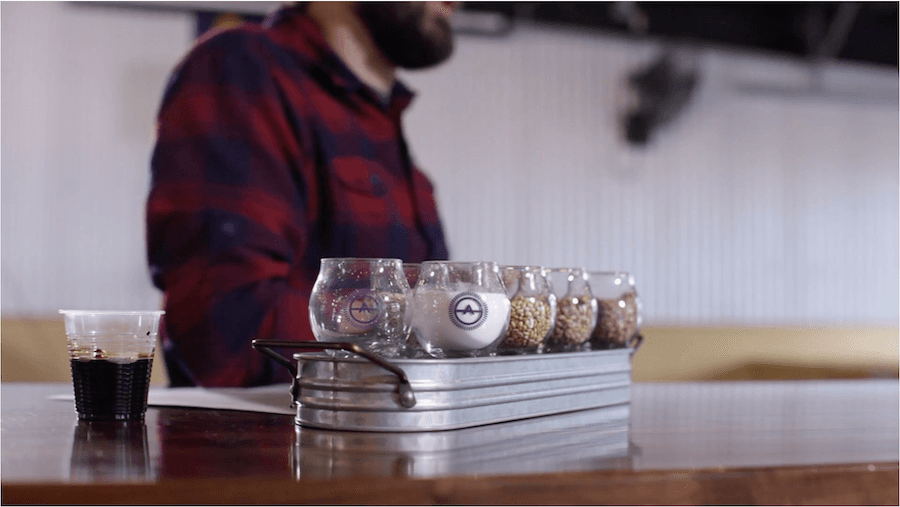
Video Tip: Brewing with Sugars
Dextrose or Belgian candi syrup? Steven Anan of Archetype Brewing takes us beyond barley to look at brewing with alternative grains and other fermentables.

Showing 2461-2480 of 4726 articles
Dextrose or Belgian candi syrup? Steven Anan of Archetype Brewing takes us beyond barley to look at brewing with alternative grains and other fermentables.
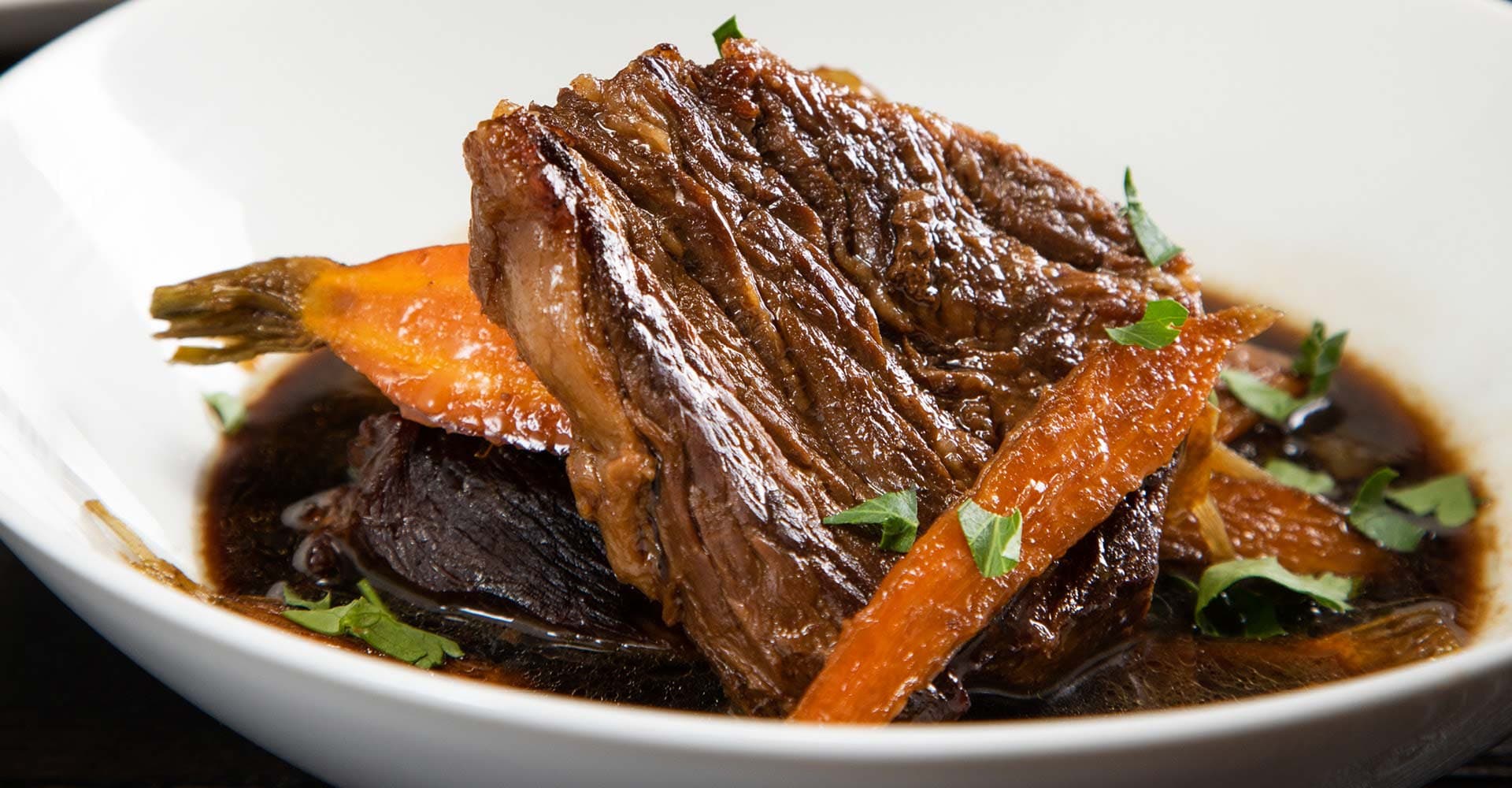
From making the most of the harvest to a long-simmering pot on the stove, Justin Wright and Justin Kruger, a.k.a. “Two Fat Justins,” have created recipes to make your autumn a little more vibrant.
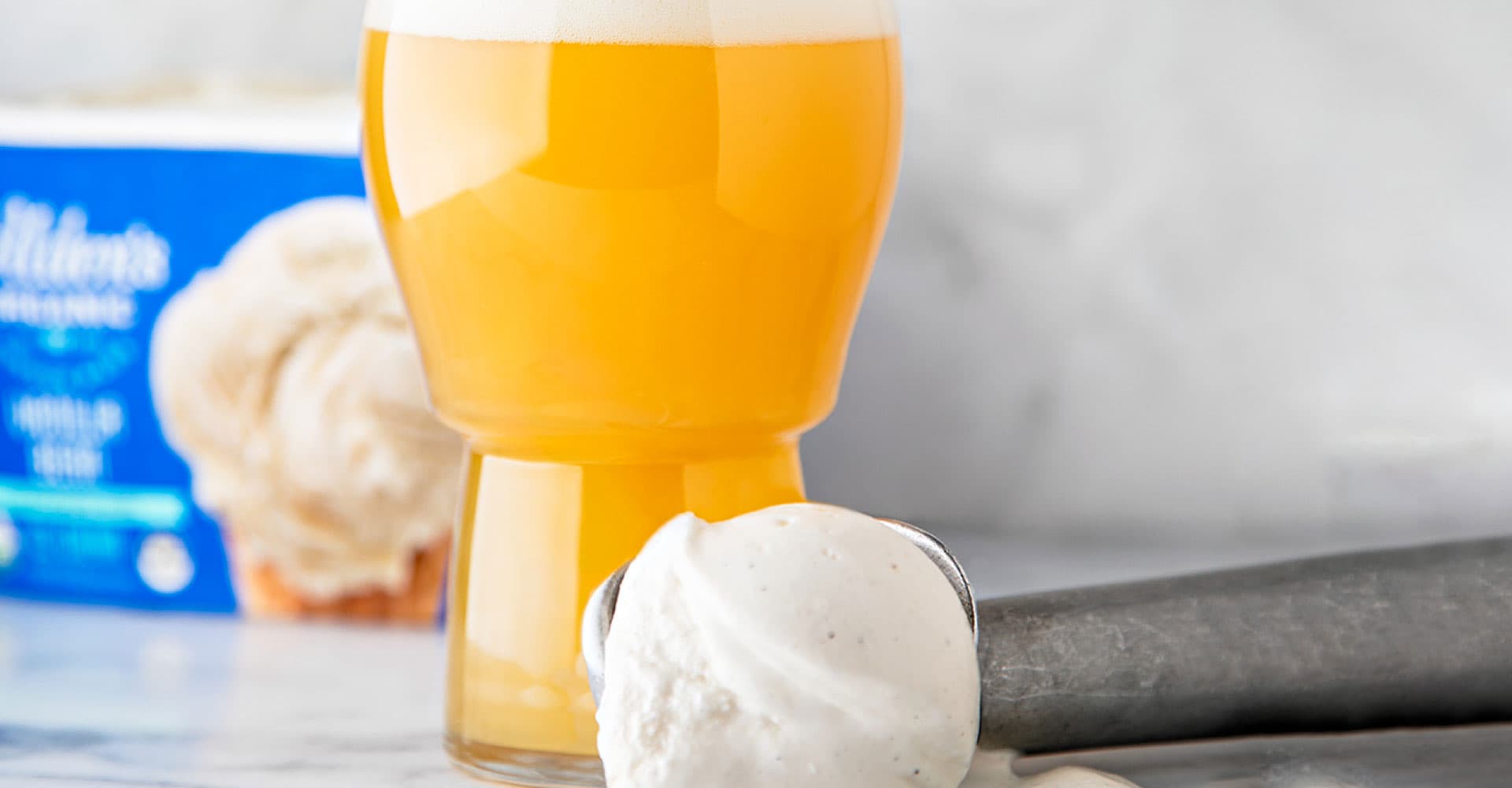
Missing summer already? This creamy, sweet milkshake IPA might bring it back.
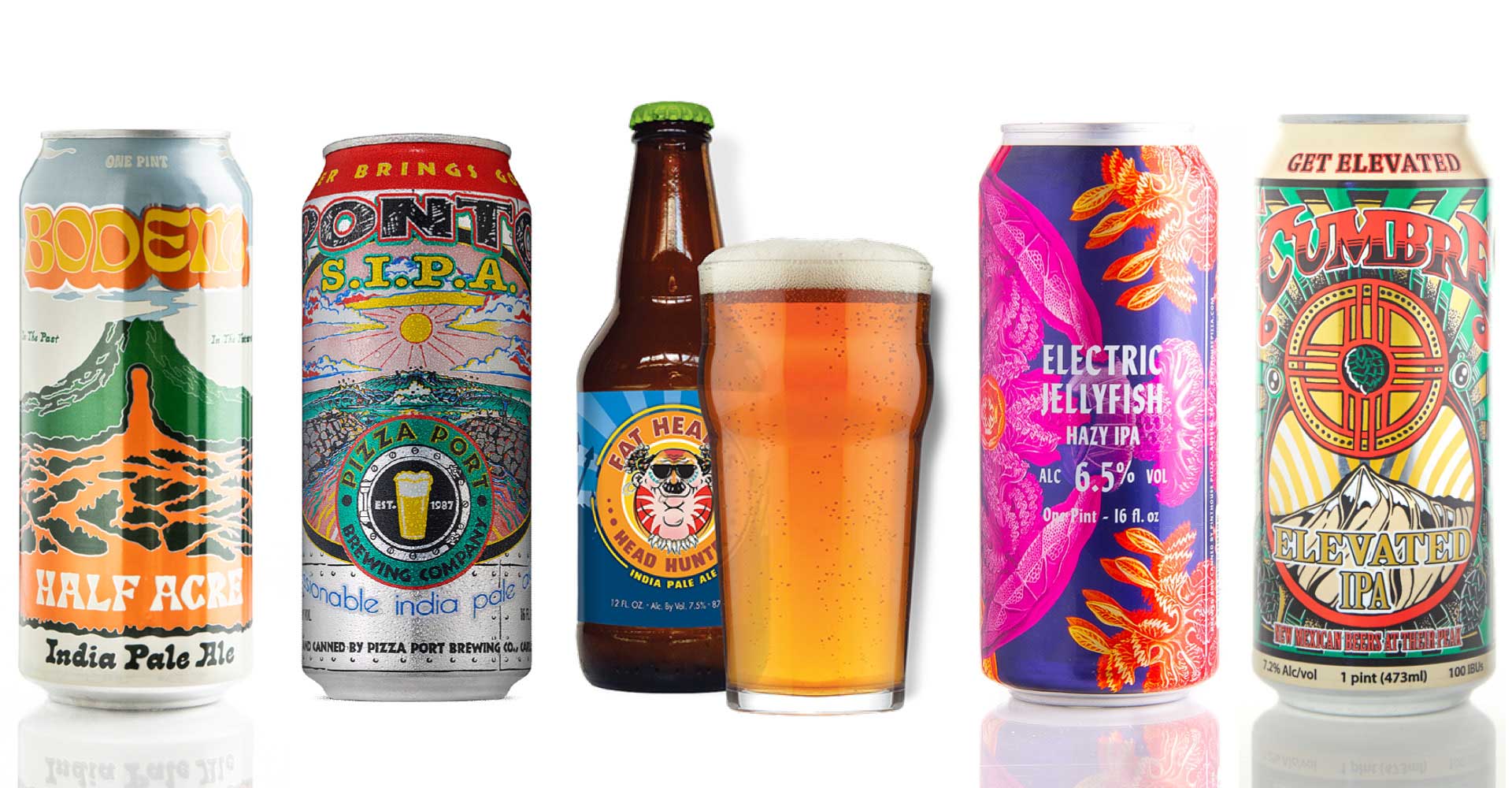
Craft beer's best-selling category offers a deluge of choices. What's worthy of your glass? We asked the brewers of GABF gold-medal–winning beers to share their top picks.
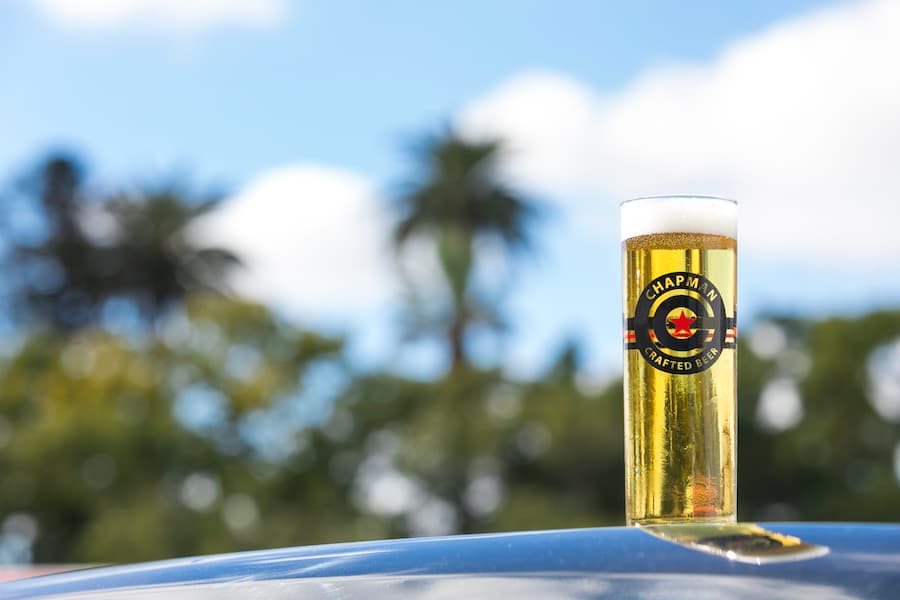
Here’s a lighter-side pils that is crisp, dry, and quenching.
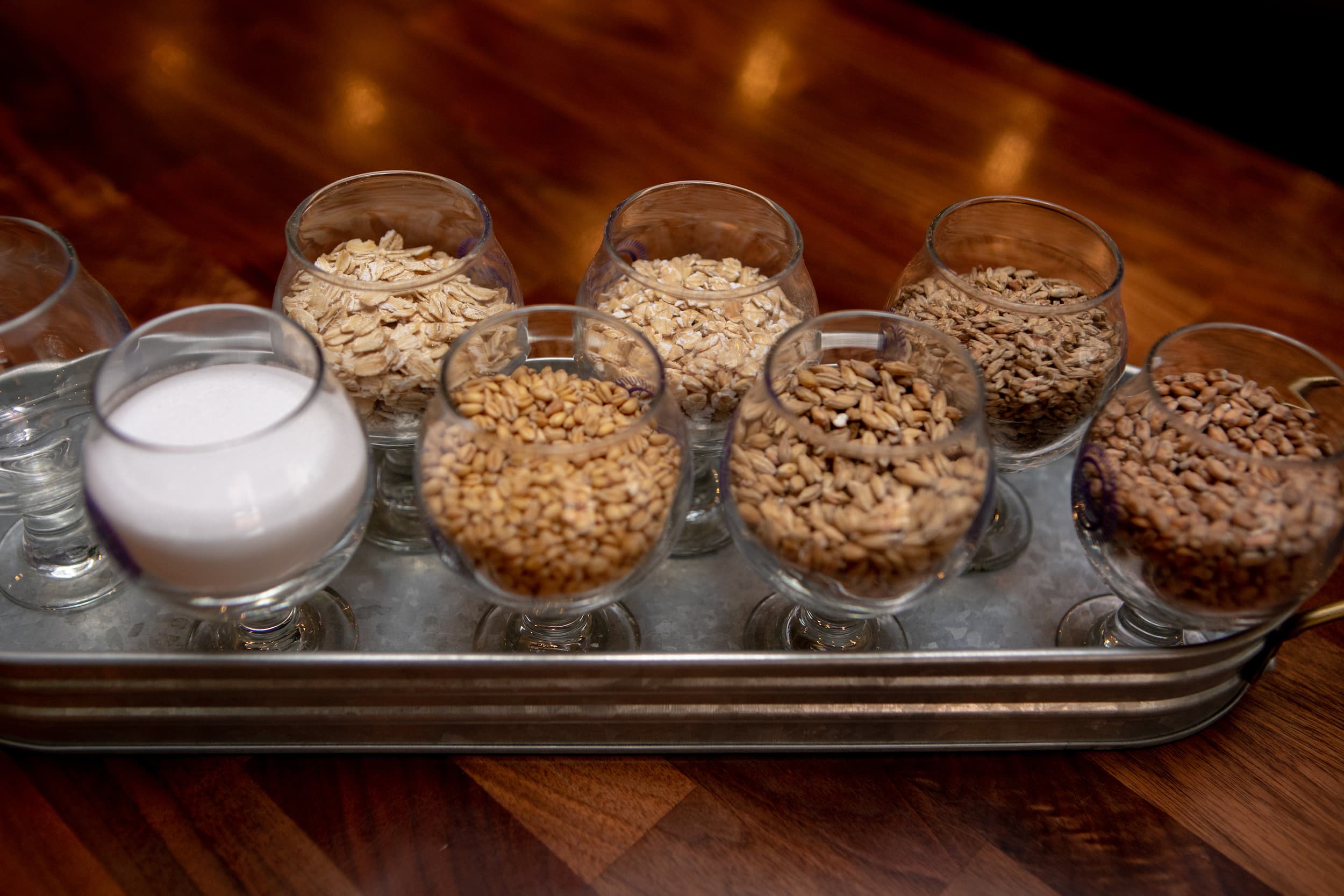
Steven Anan of Archetype Brewing takes us beyond barley to look at brewing with alternative grains—beginning with a few words on wheat.
Orange County's Green Cheek is known for their bright, lush, crisp IPAs. Two medals (silver and gold) at the 2019 GABF in hotly-contested IPA categories show how his approach is working.
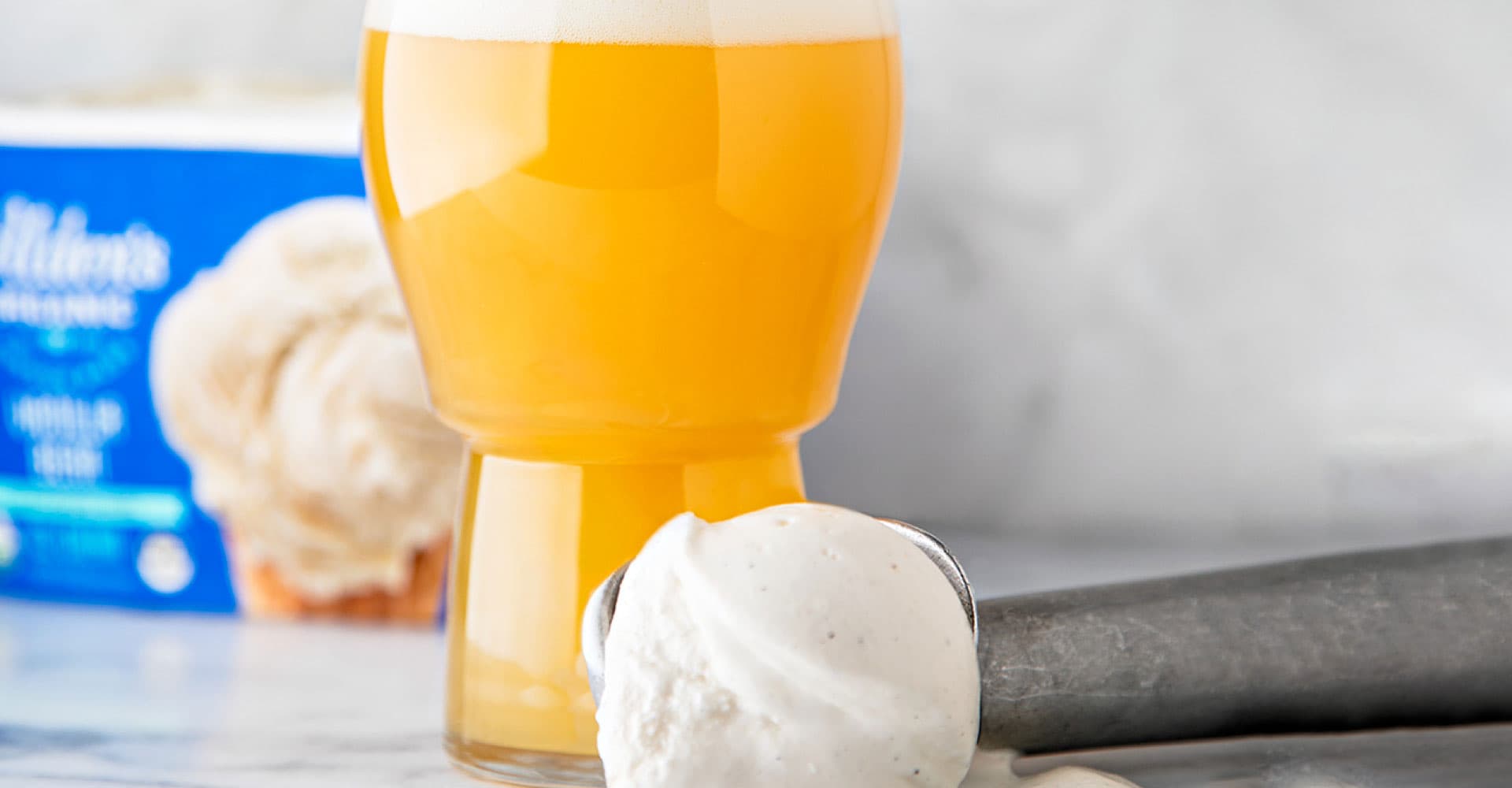
Peter Kiley, Brewmaster of Monday Night Brewing in Atlanta, has a lot of opinions when it comes to milkshake IPAs. Since the style is so loosely defined, he enjoys the freedom to get creative.
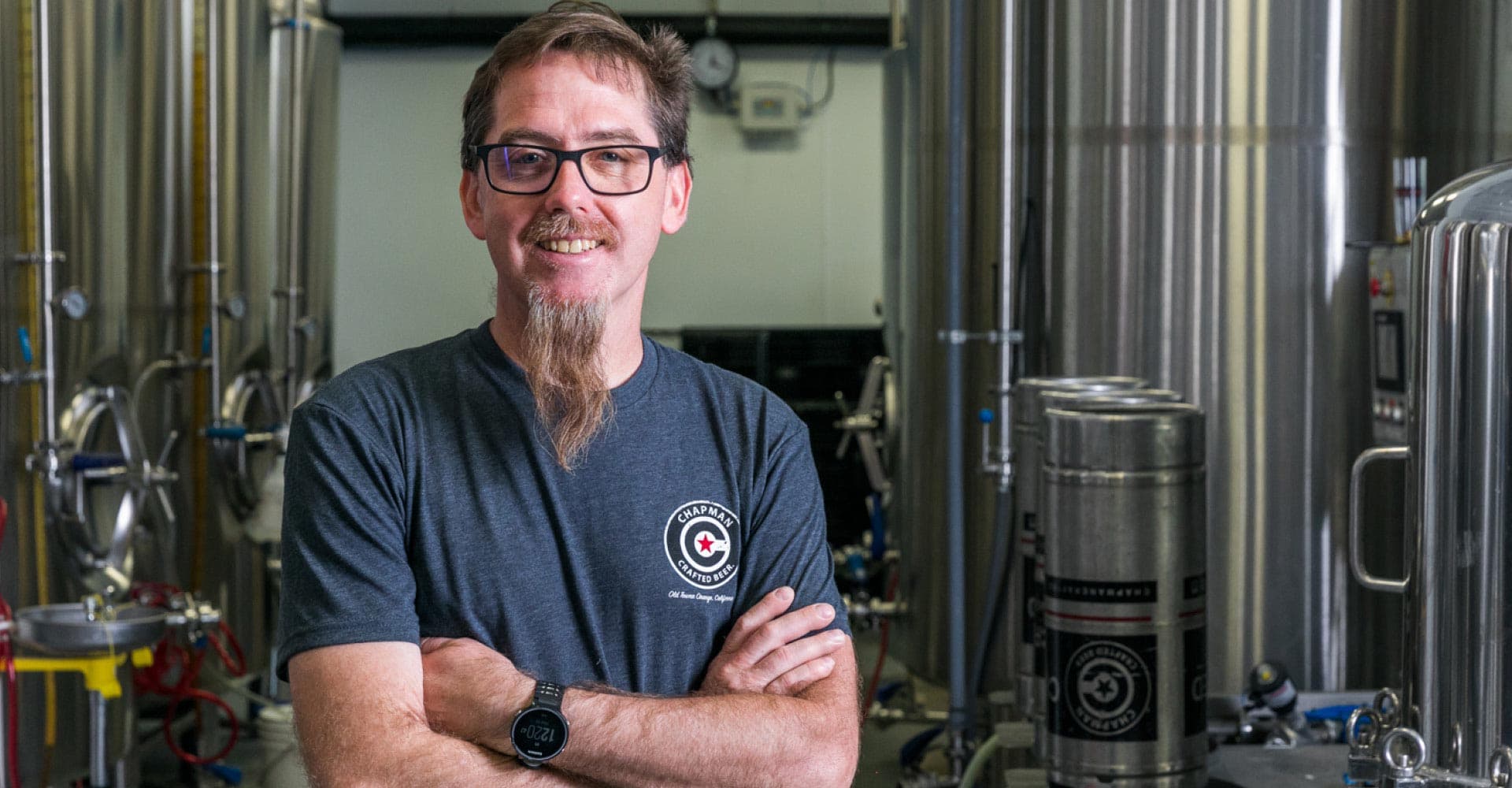
Opening a new brewery in Orange County, California—an area rich in respected brewers and savvy drinkers—takes guts and talent. Fortunately, the team behind Chapman has both in abundance.
A look at the expanding struggle to make craft beer more inclusive.
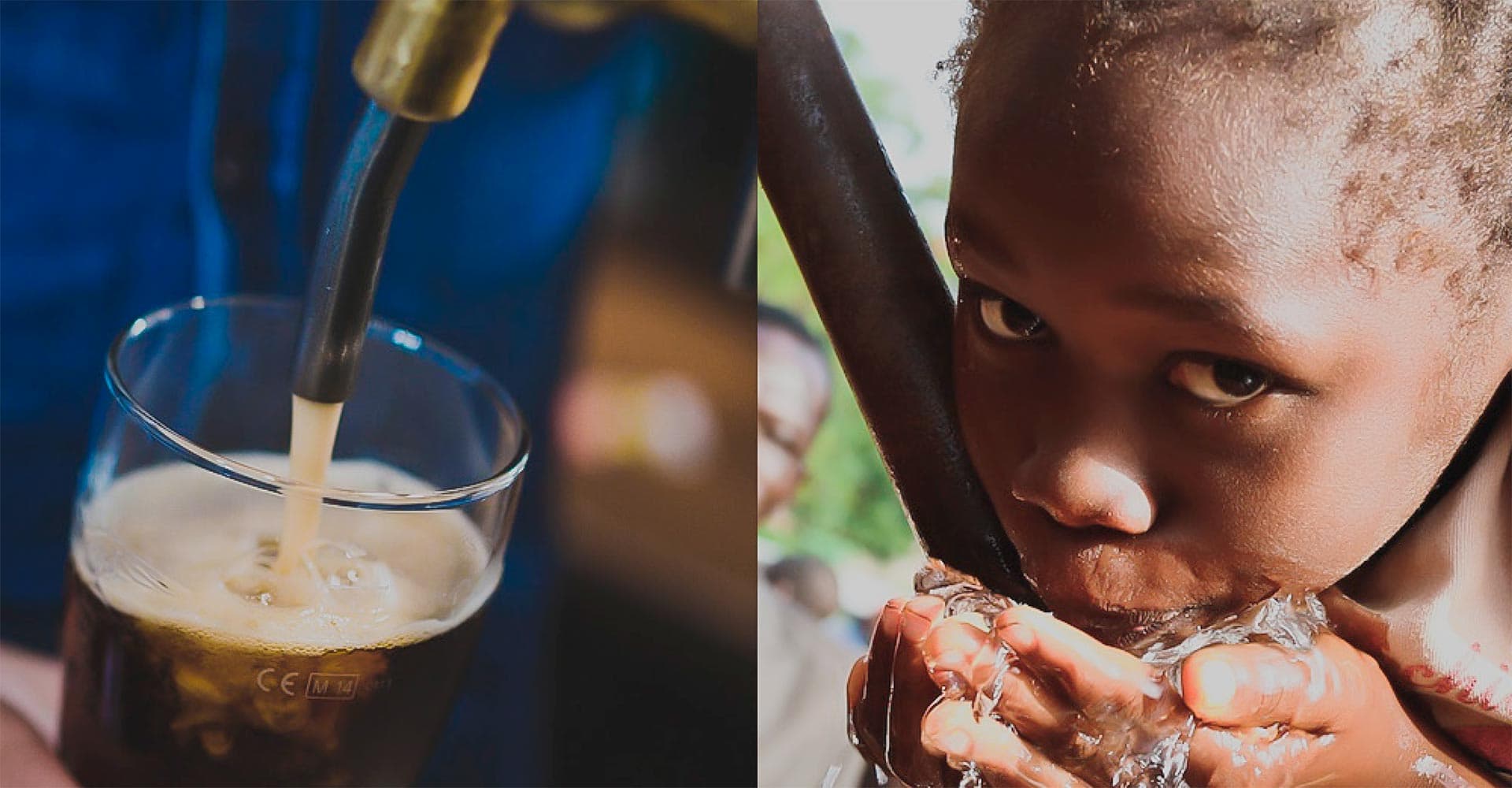
Nonprofit group Drink Local, Think Global has enlisted more than 100 breweries so far in an October effort to assist communities hit by an extreme water crisis.
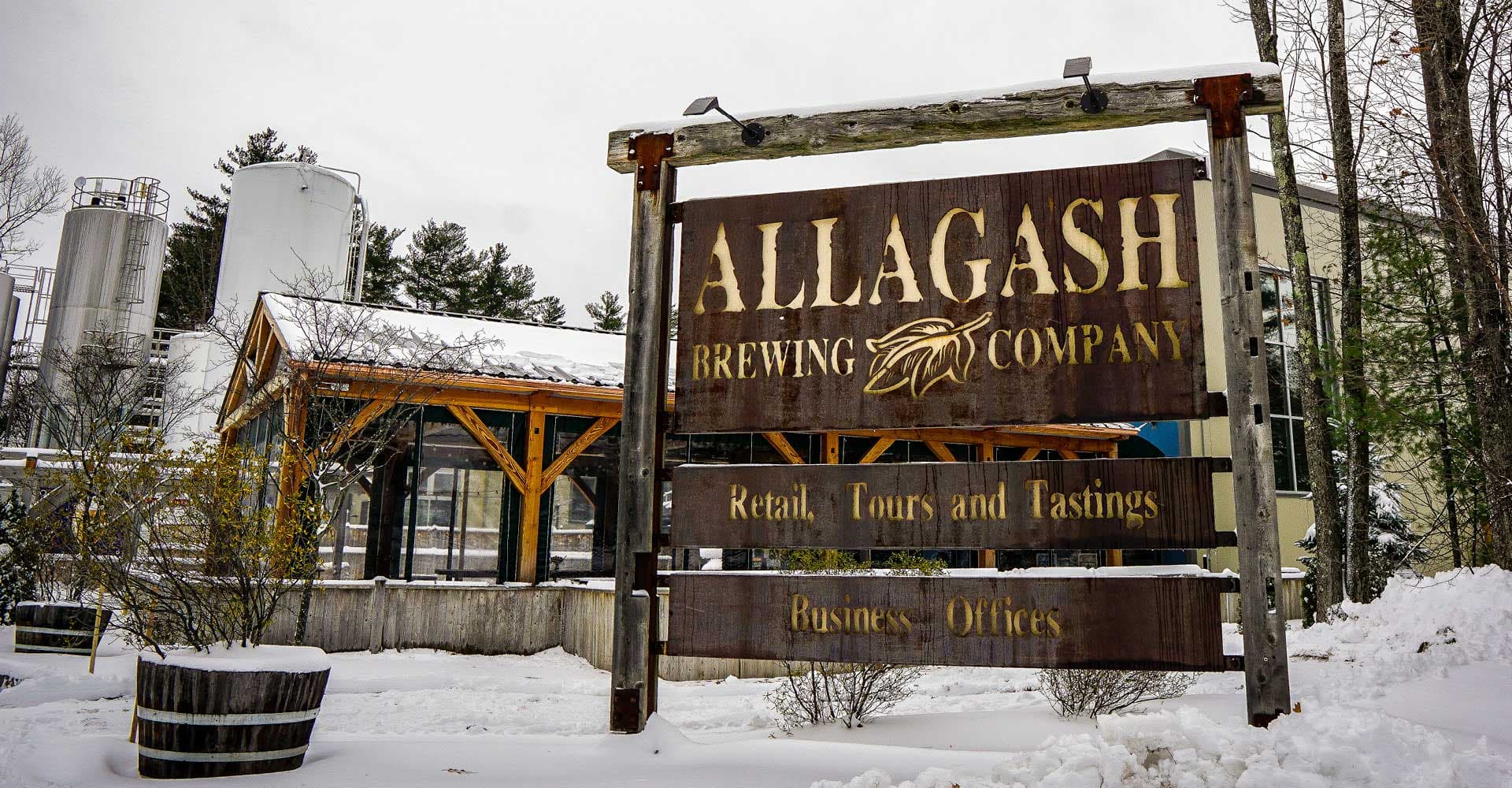
That city in Oregon isn't the only Portland worthy of a beercation. The one in Maine is flourishing, mixing American classics with scrappy, inventive upstarts, more hazies, and a multitude of styles.
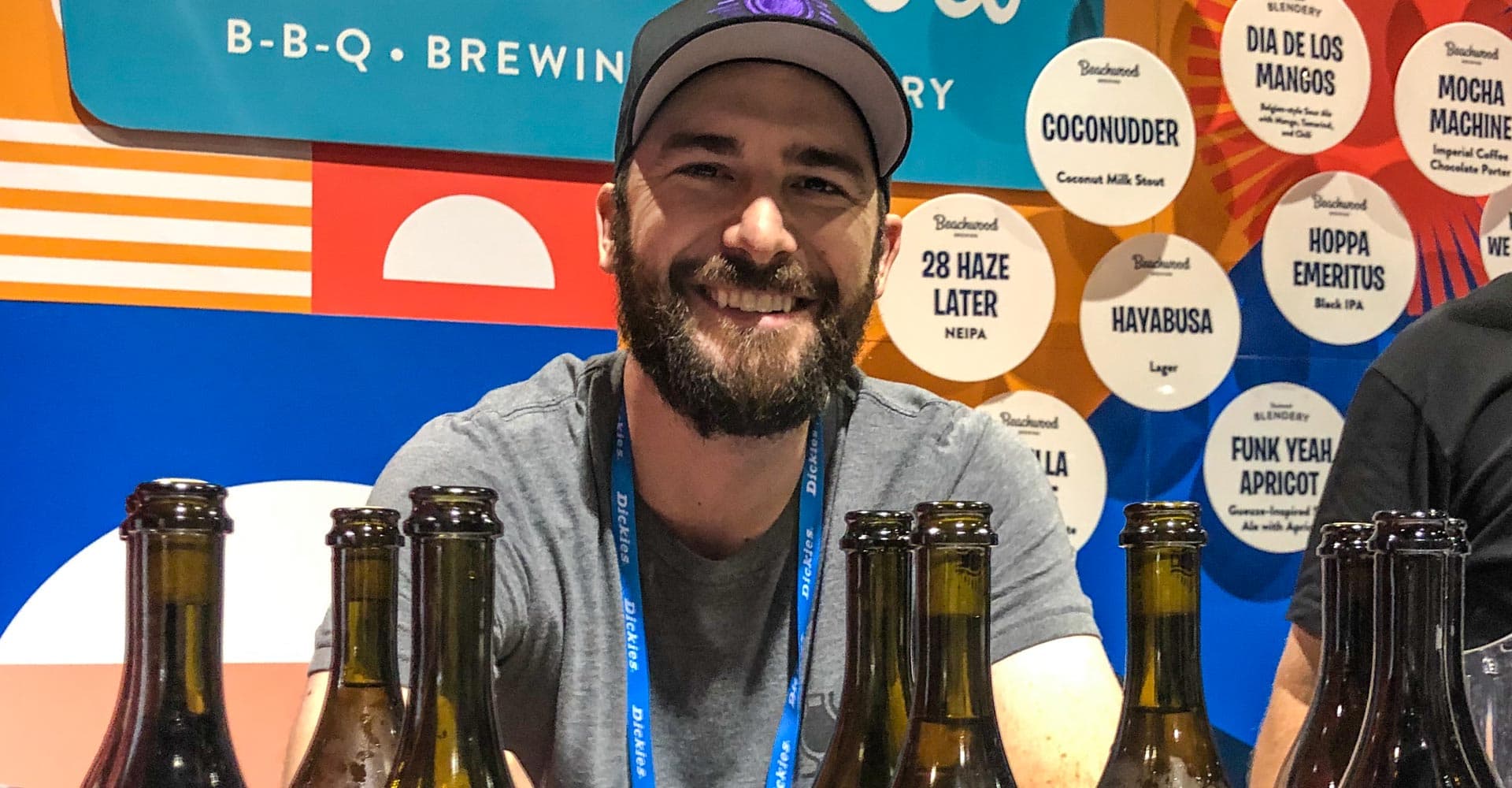
Beachwood has built a world-class sour, wild, and spontaneous beer program by controlling environmental factors and carefully selecting for desired character in their prevailing house culture.
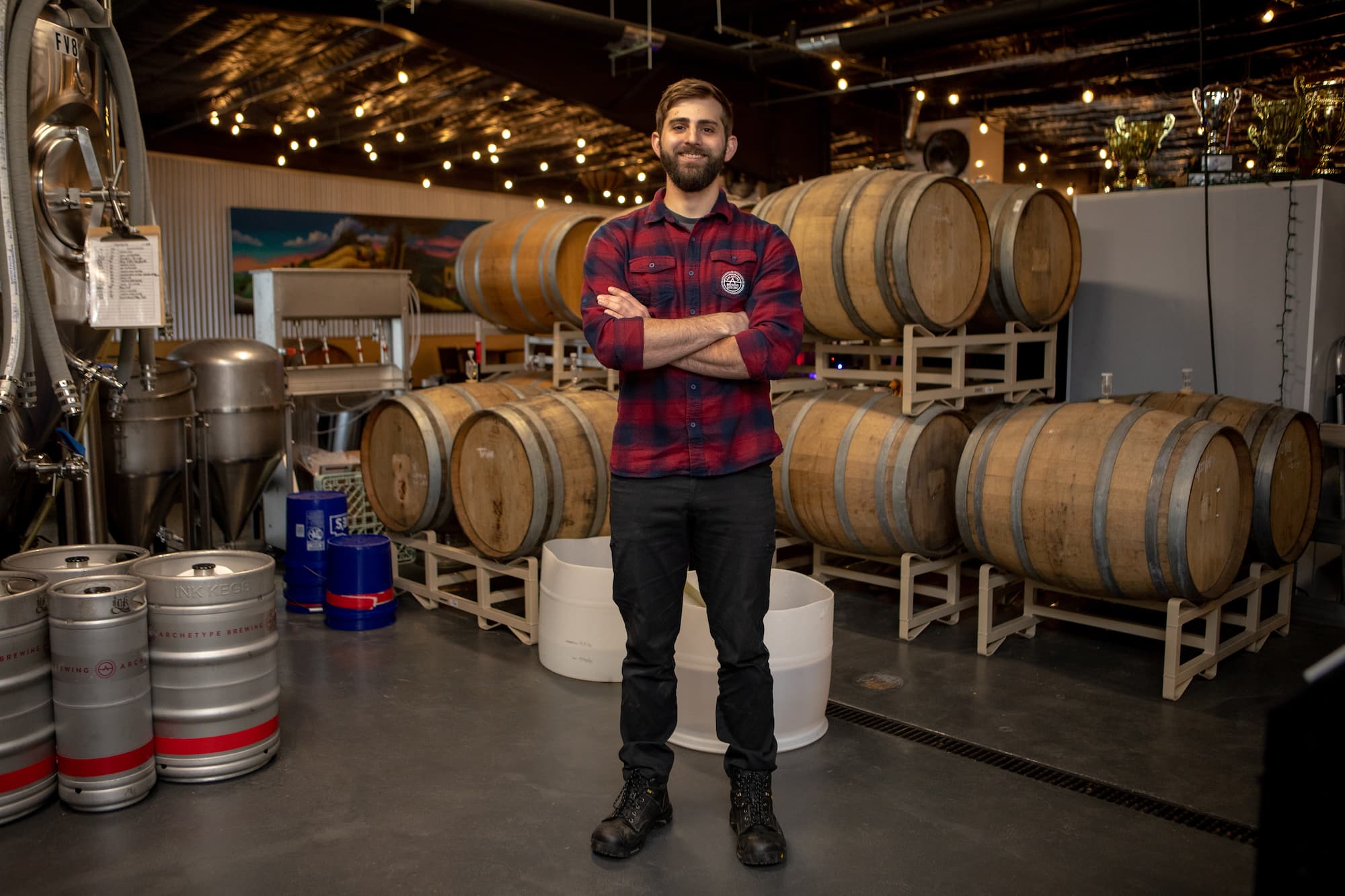
Steven Anan, head brewer and co-owner of Archetype Brewing in Asheville, takes you through alternative grains—including oats, wheat, rye, and non-cereals. He provides an overview of the ingredients and how to use them to formulate a better beer.
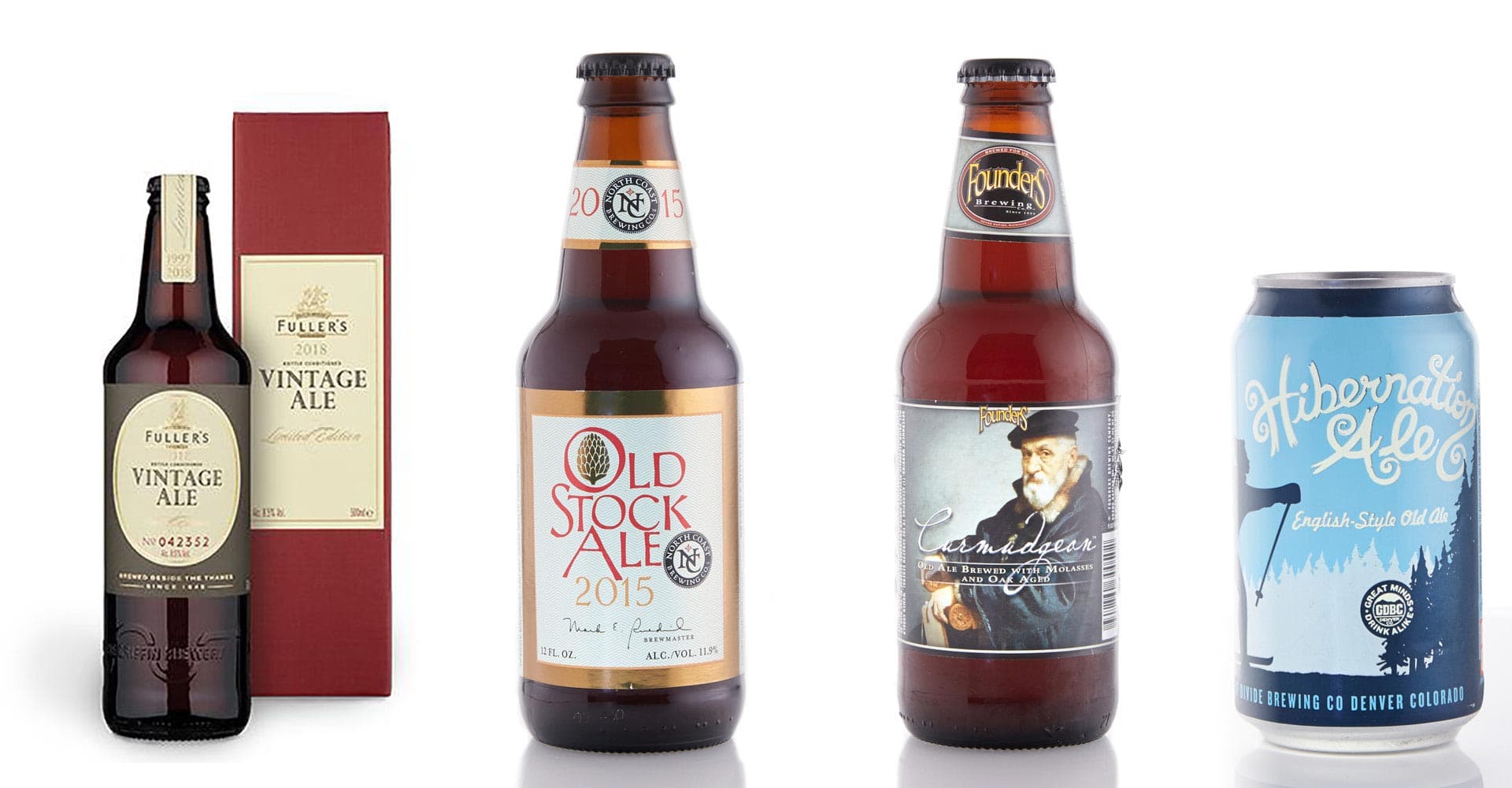
Here are four great examples of a style that doesn’t get much attention these days, despite the depth that reminds us why old ale endures.
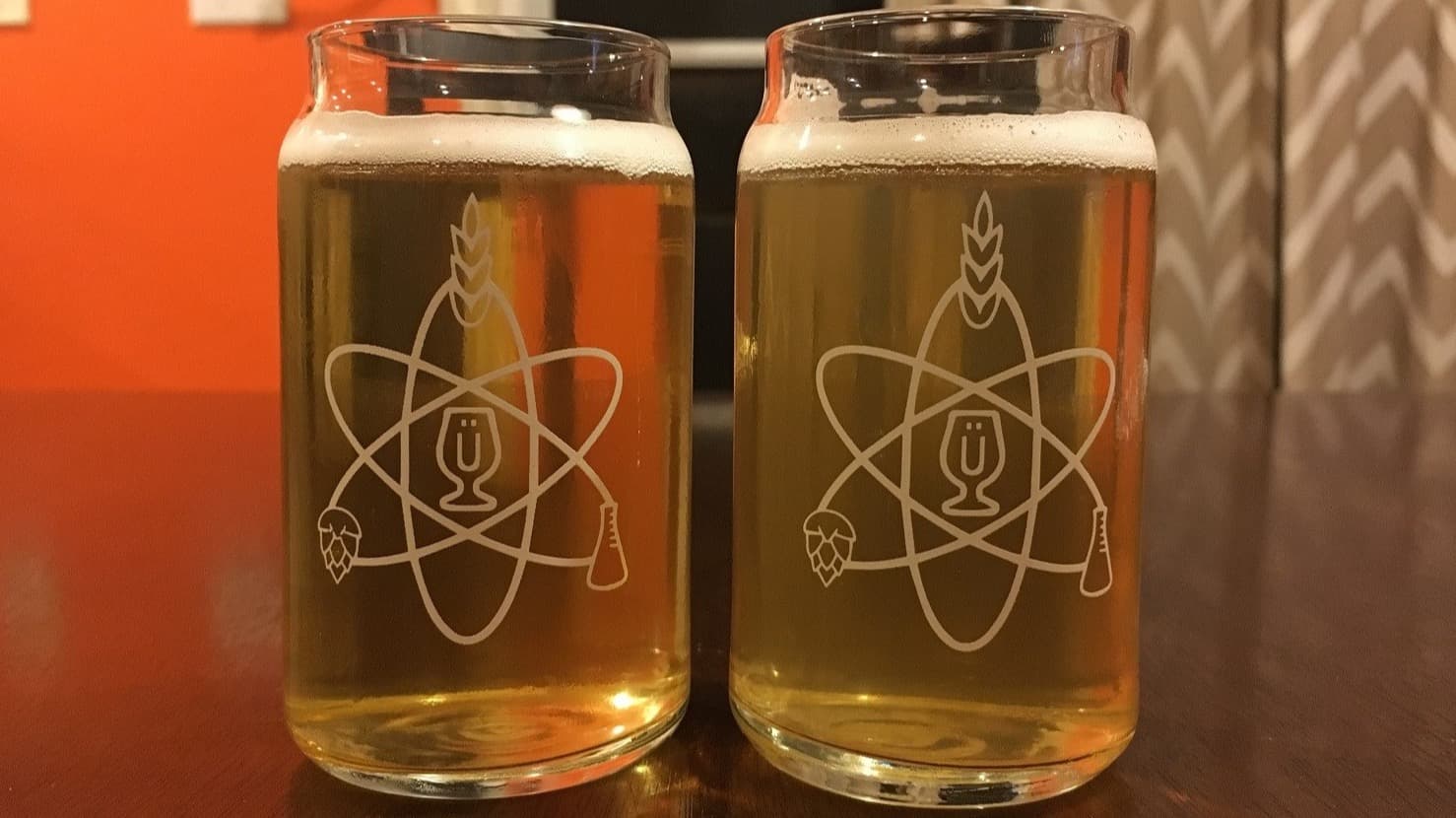
Here the methodical testers and tasters of Brülosophy.com share some of their most interesting findings on what makes a difference (and what doesn’t) in homebrewed beer.
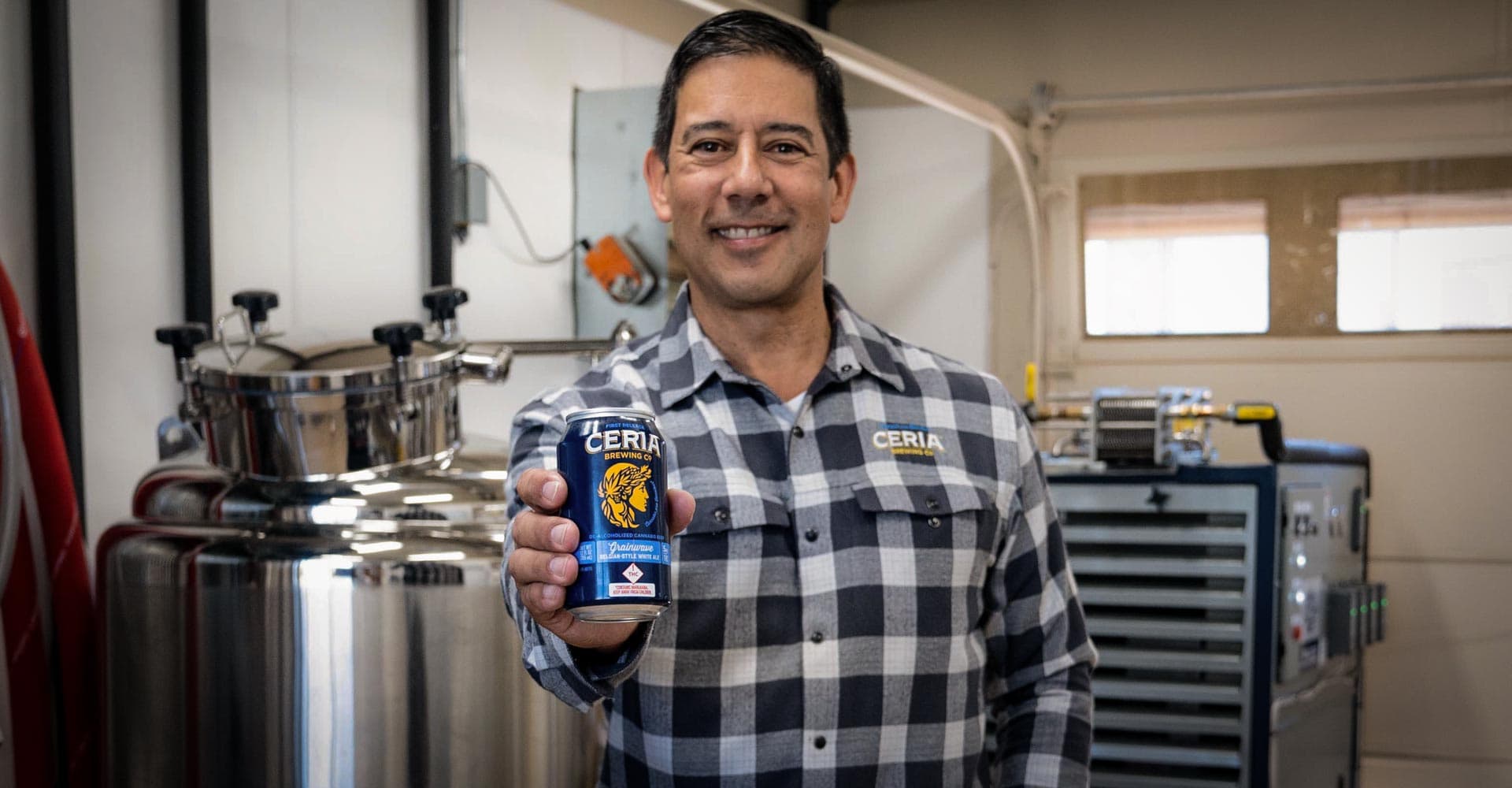
Keith Villa may be best known for creating and growing Coors’ Blue Moon brand of Belgian-style witbier, but his second act—developing non-alcoholic beer infused with cannabinoids—may be his most daring challenge yet.
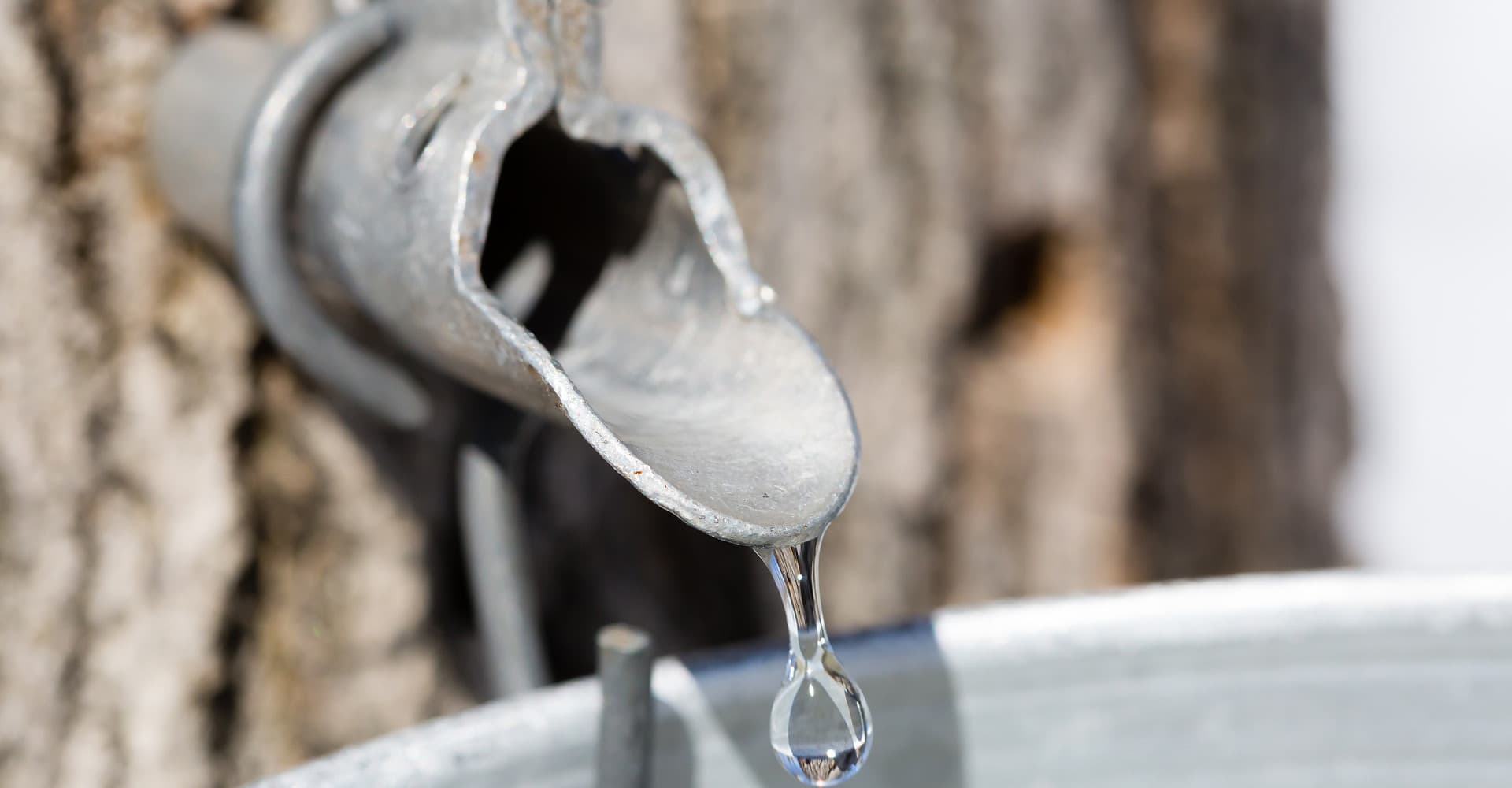
Head for the trees: Maple or birch sap can offer more complexity to a brew.
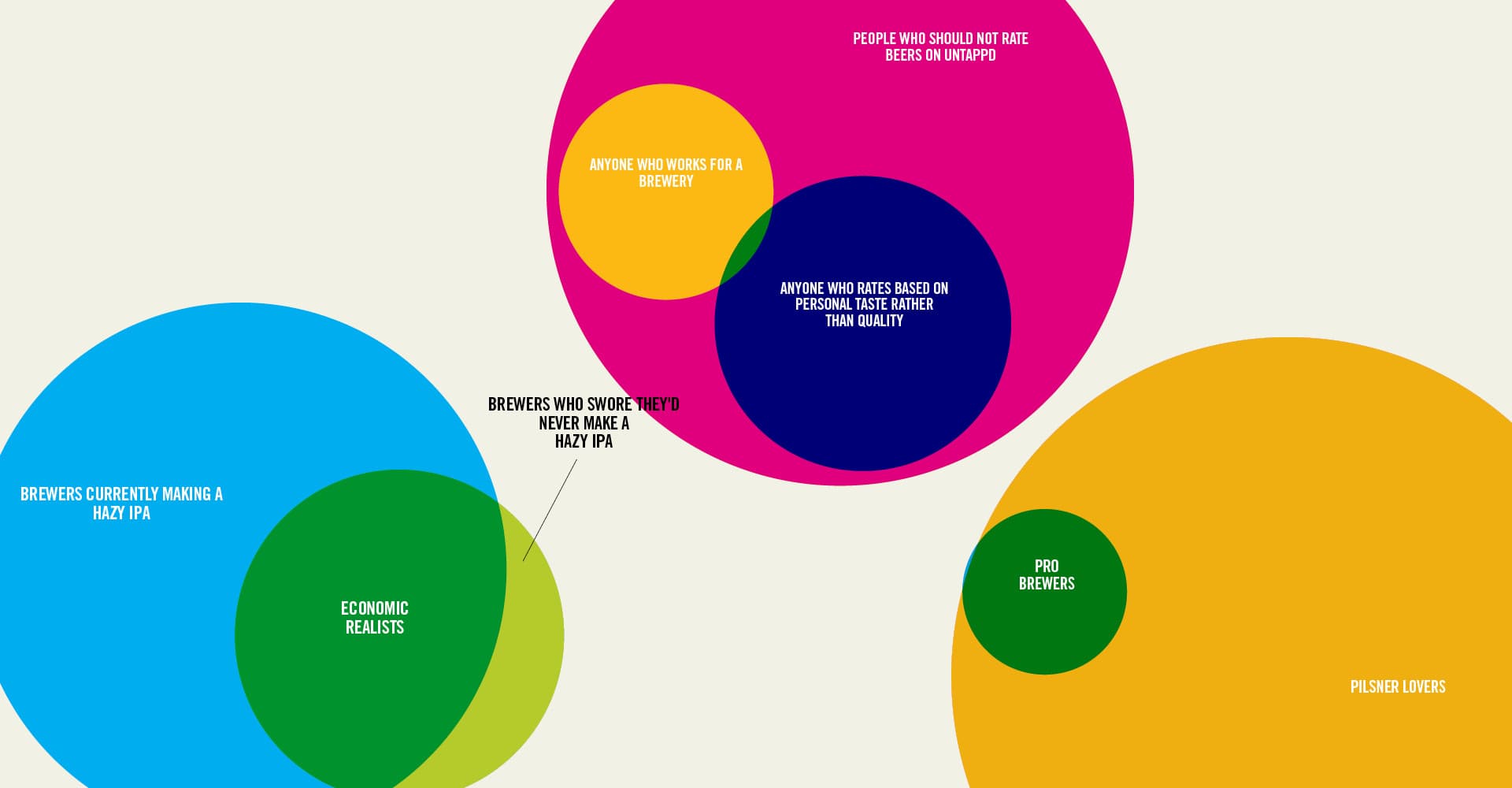
A humorous look at the intersections and insanity of craft beer.
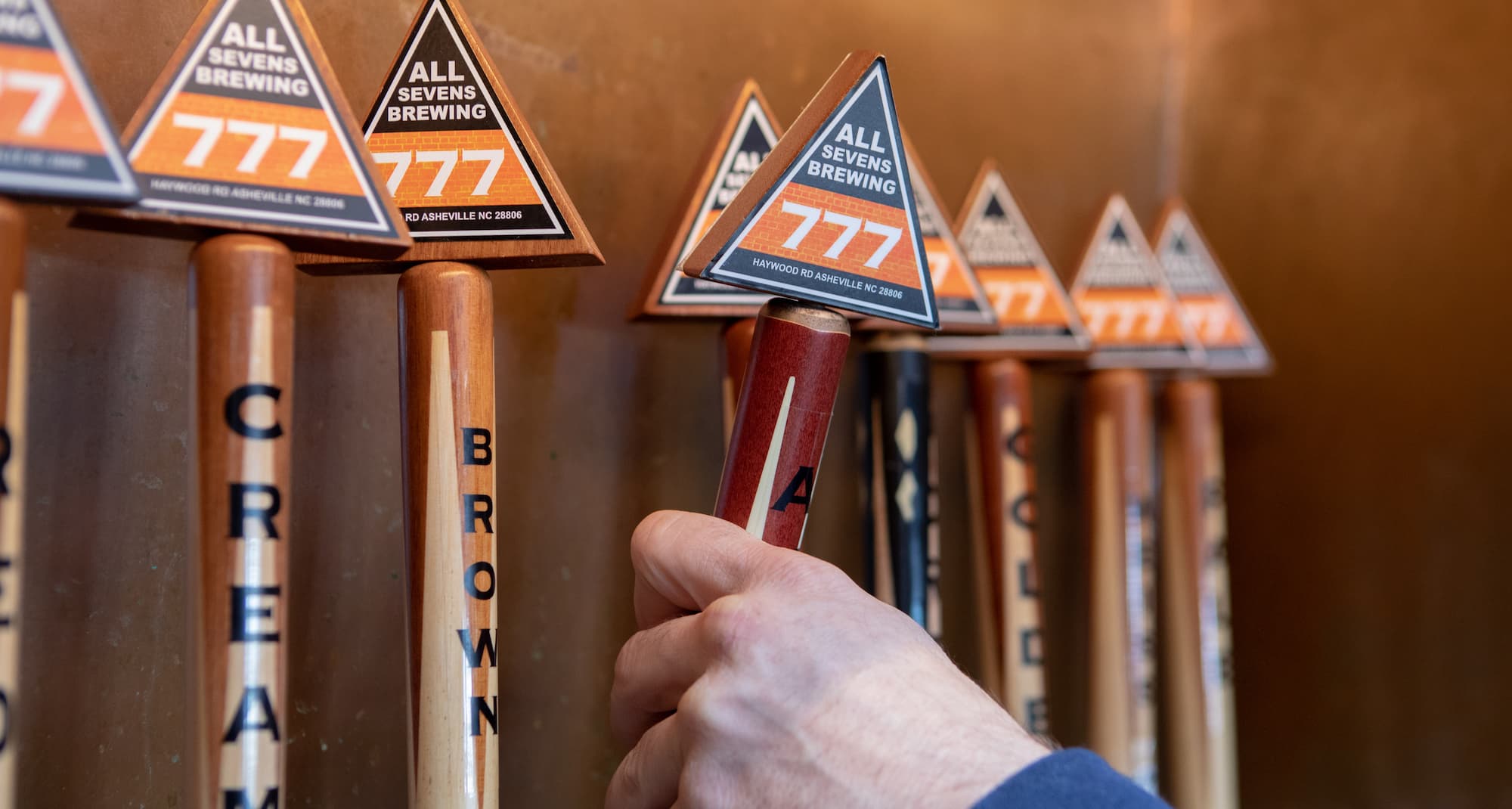
Keep it simple, keep it clean, and get a microscope. Here Dirk Hillegass of All Sevens shares his advice on choosing and handling yeast for clean, consistent ales.