Beer Bars We Love in Detroit, San Antonio, and Indianapolis
In each issue our Love Handles department visits three great beer bars. Here where we went for our June/July issue.

Showing 2481-2500 of 4726 articles
In each issue our Love Handles department visits three great beer bars. Here where we went for our June/July issue.
Northern Virginia: Overshadowed by the nation's capital, this budding beer scene is a thirst-slaking reason to get off the beaten path.
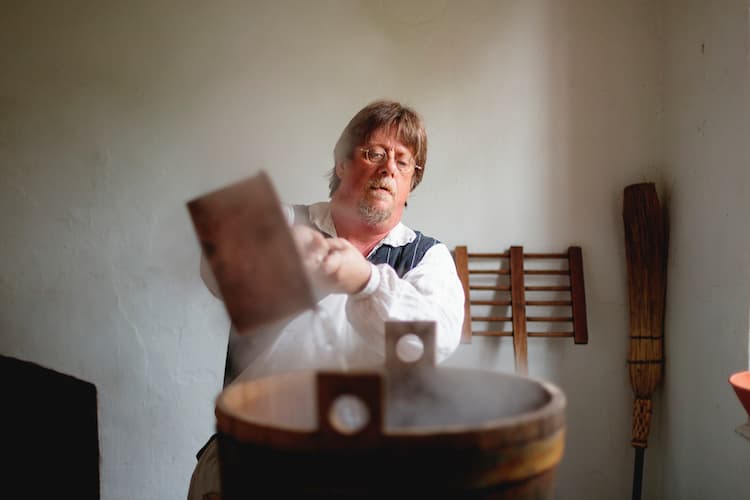
Popular legend holds that colonists brewed ales with pumpkins, even if the evidence is scanty. But if they did, what would they have been like? Frank Clark, food historian and brewer at Colonial Williamsburg, walks us through his highly educated guess.
As summer turns to autumn, here is Josh Weikert's recipe for a slimmed-down, session-strength, but still full-flavored Altbier.
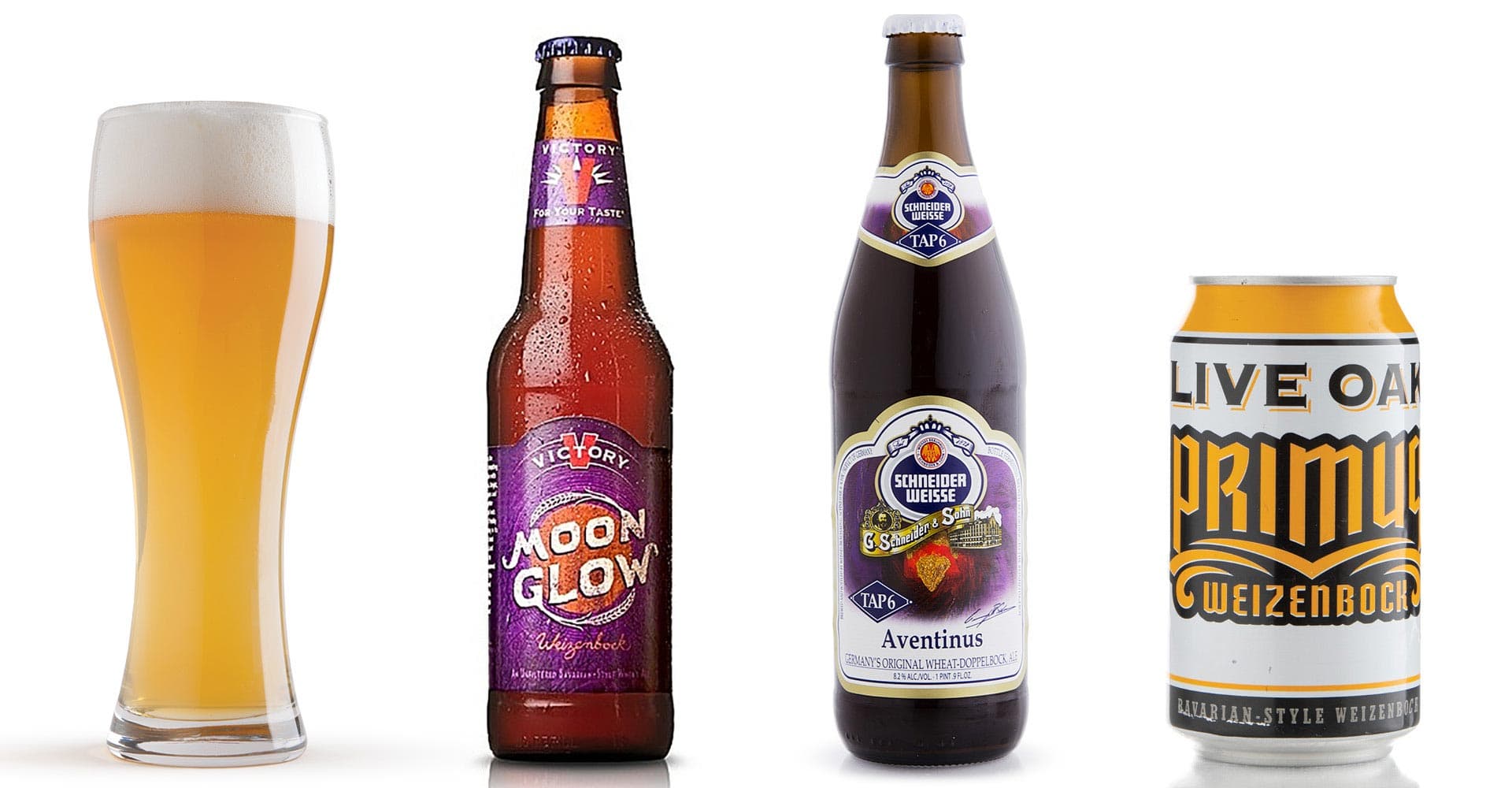
Leave understatement to the lagers. These big, estery wheats celebrate the fine flavors of rich fermentation.
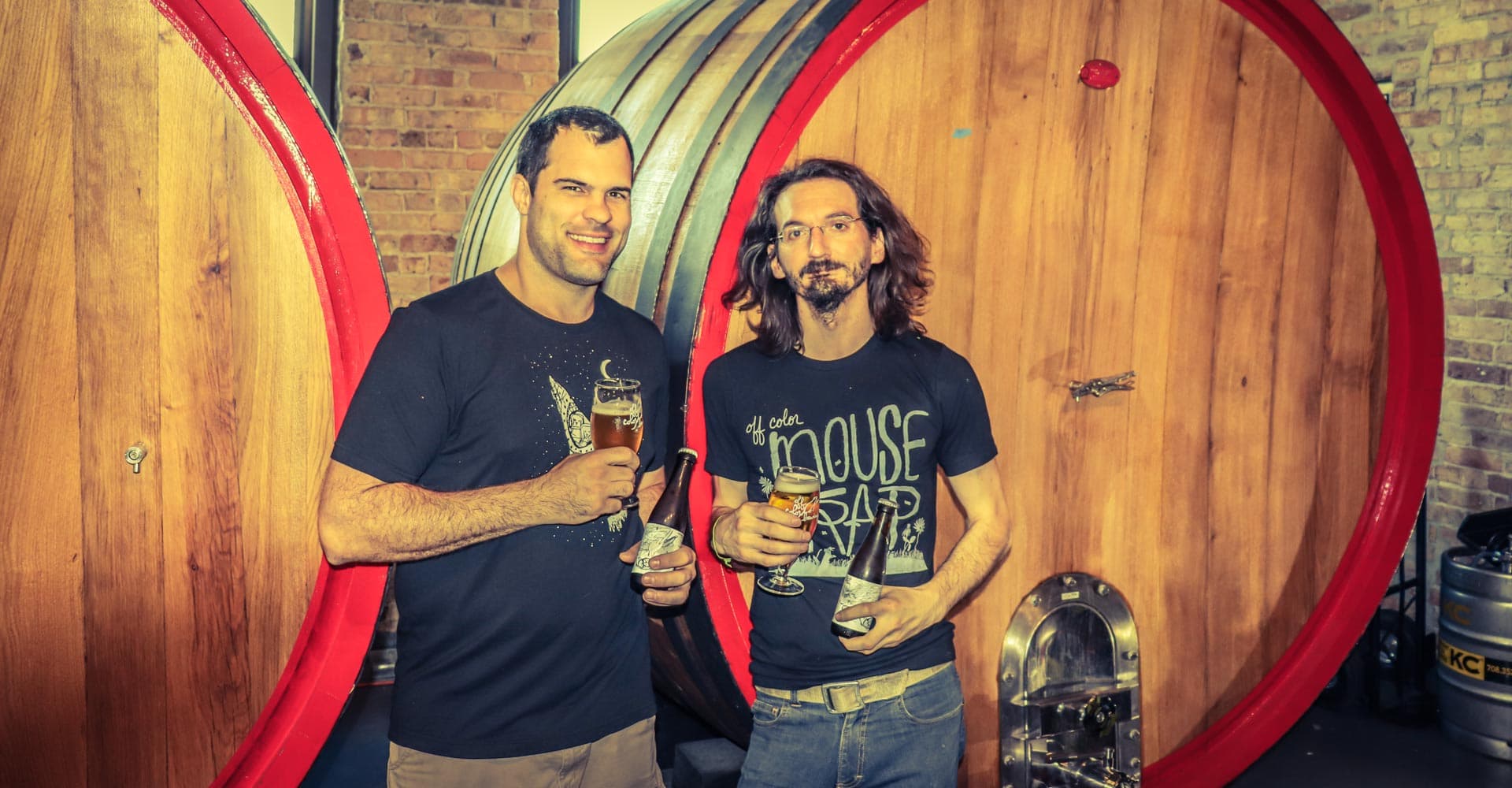
Laffler has a reputation for strong opinions, and in true form he pulls no punches in this episode with honest, bombastic takes on brewing philosophy and techniques.
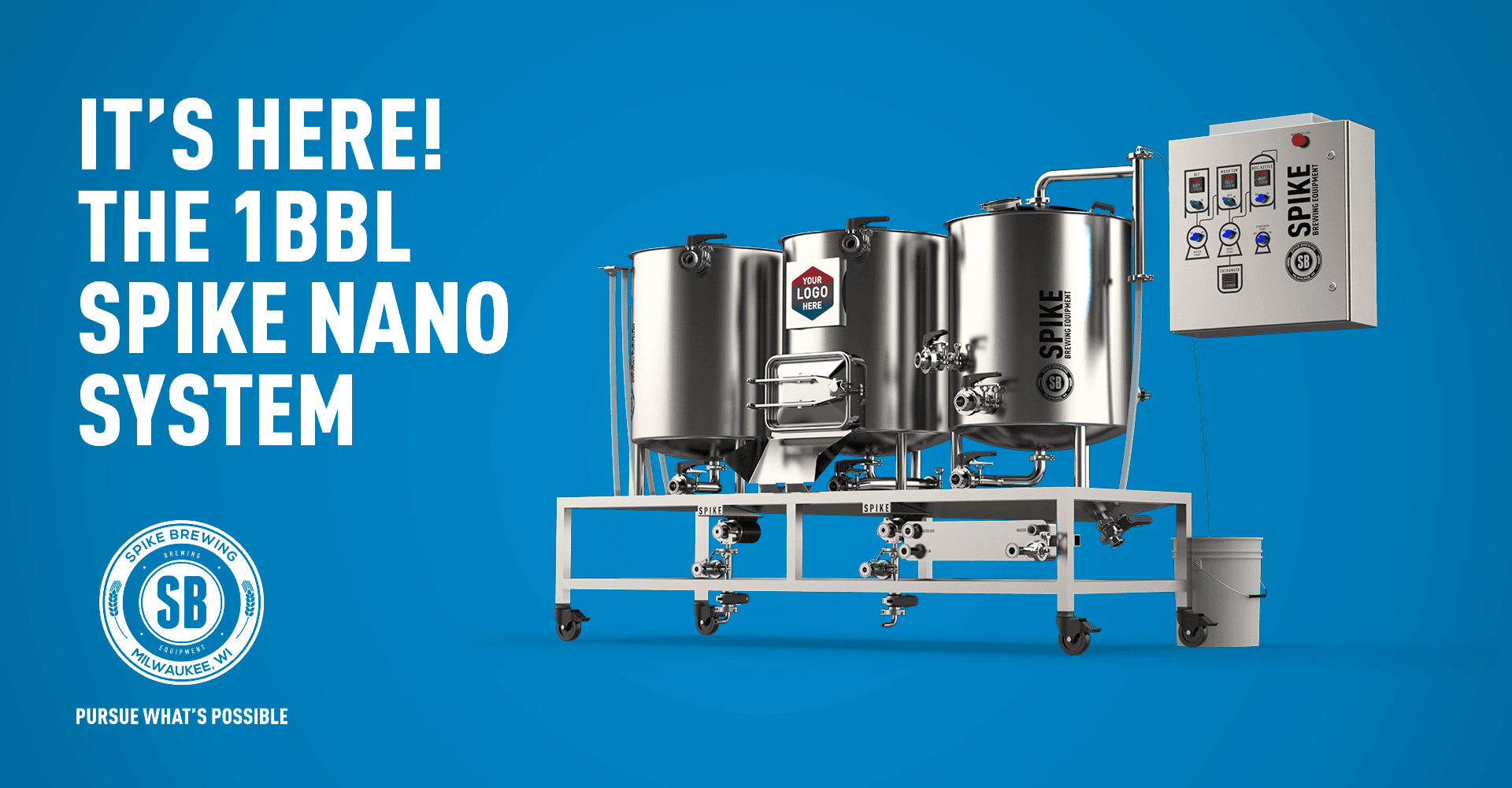
Milwaukee-based Spike Brewing debuts the Spike Nano, a turnkey brewing system.
Repeatability is key. Here Dirk Hillegass of All Sevens offers advice on how to choose the right hops for superior ales.
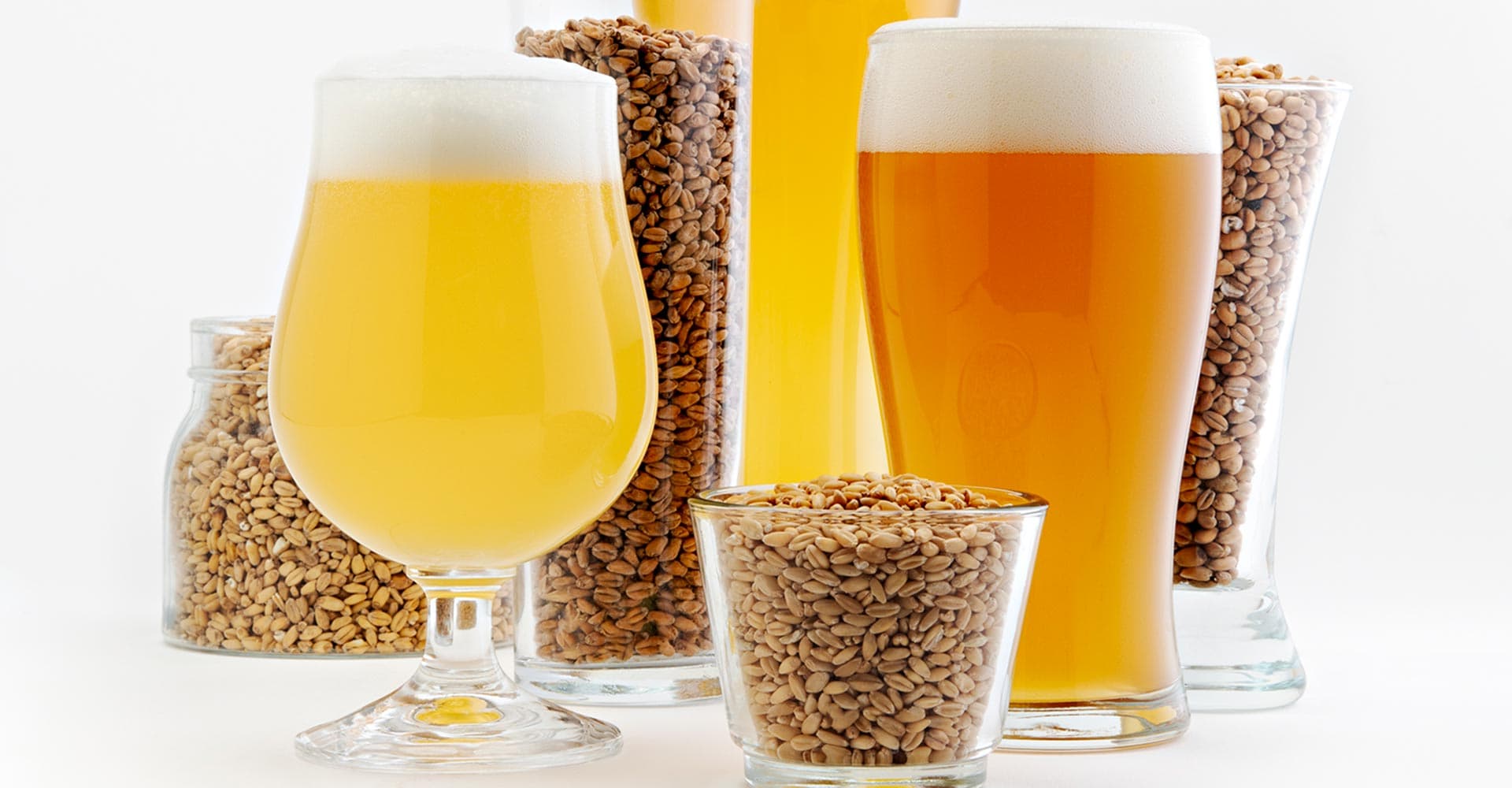
Want to change up your wheat-beer game? Here's John Mallett, director of brewing operations at Bell’s in Kalamazoo, Michigan, on forging a deeper relationship with this versatile ingredient—and how it can improve your next recipe.
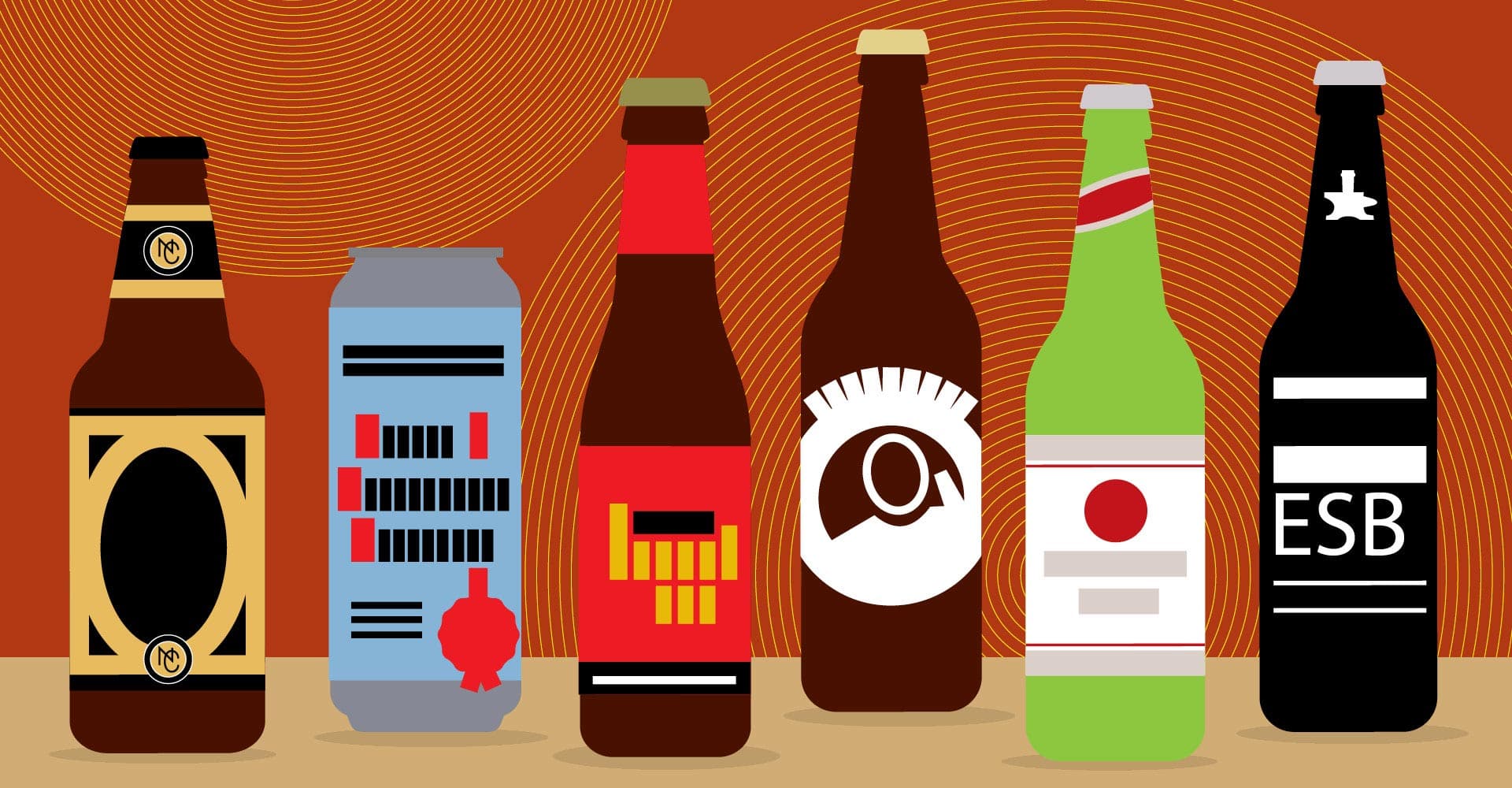
Since founding La Cumbre in Albuquerque in 2010, Jeff Erway has combined creativity with precision to earn six medals from GABF and four more from the World Beer Cup. Here, he names a six-pack of beers that have influenced his own journey.

Anywhere they pick lots of hops, they also throw a shindig. Plan your travel schedule accordingly. Don't worry: They'll have beer.
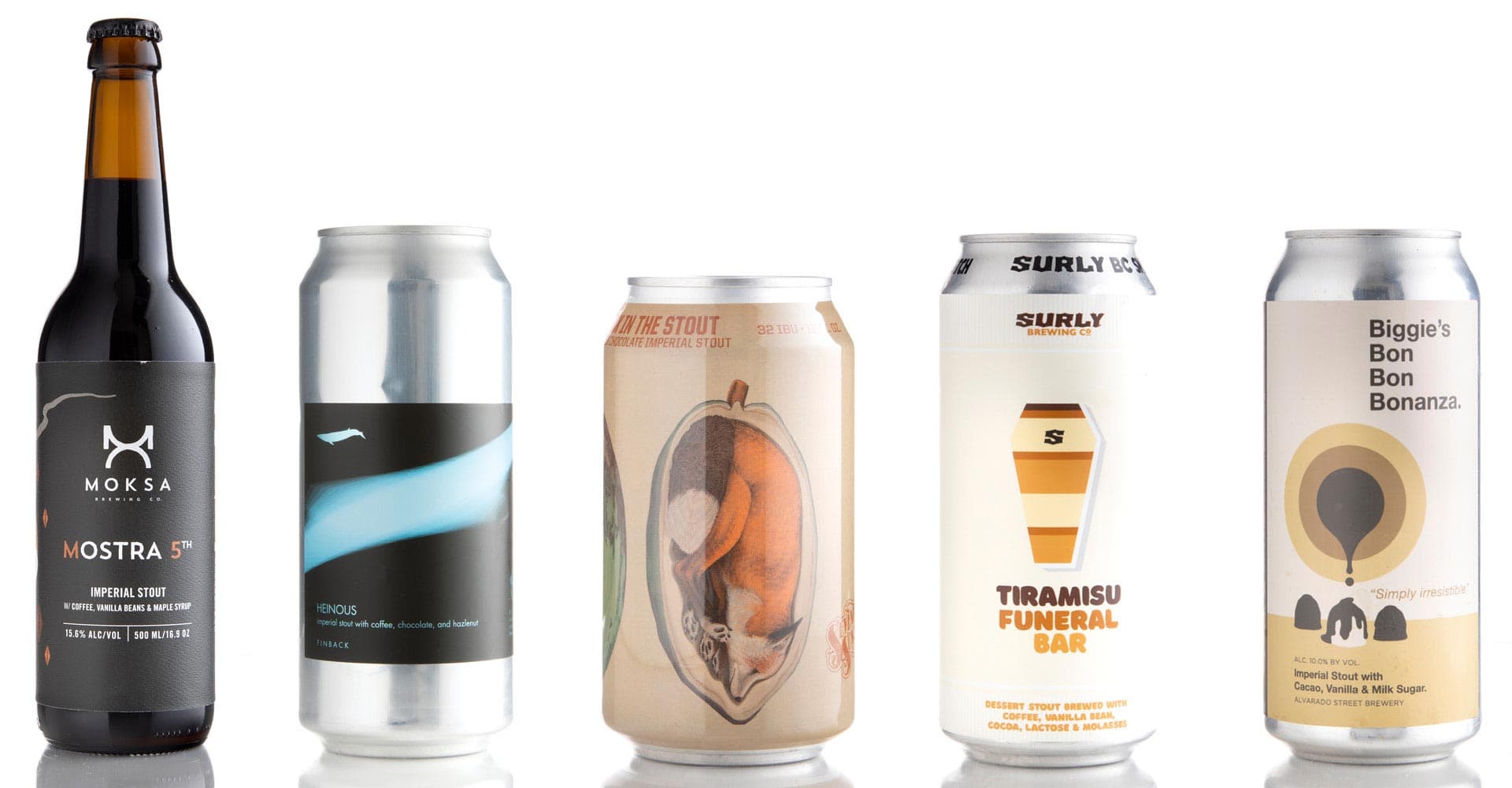
Here are five imperial stouts that combine indulgent sweetness with chocolate and roast balance, managing that elusive “drinkability” despite big, bold, lush flavors.
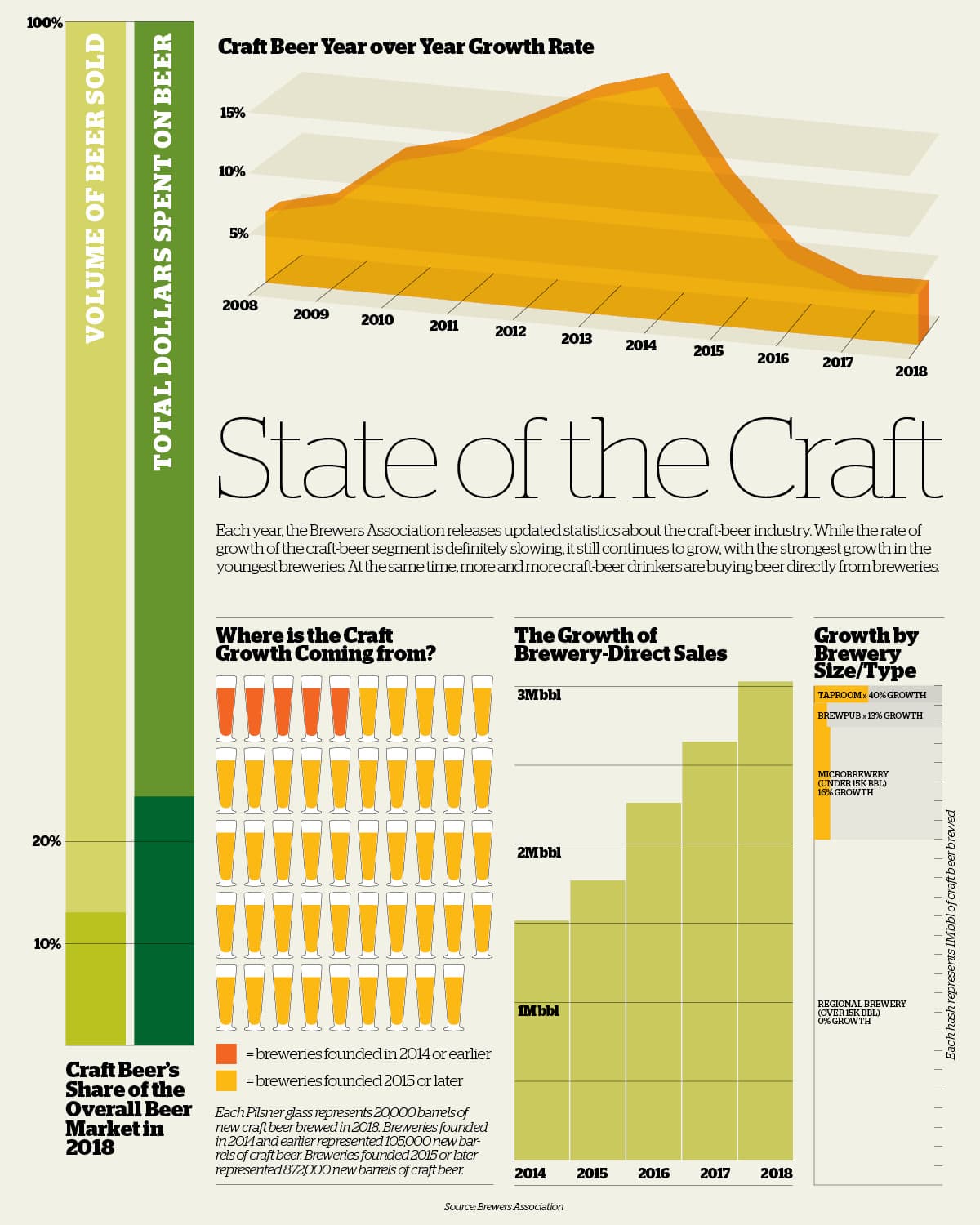
The Brewers Association's 2018 numbers show that craft beer is still growing, but also that growth has slowed considerably. The strongest growth is coming from newer breweries. Meanwhile more drinkers are getting their beer directly from the source.

We talk with longtime contributor Neil Fisher of Weldwerks Brewing before launching into the previously subscriber-only podcast takeover with Fisher and Side Project Brewing's Cory King.
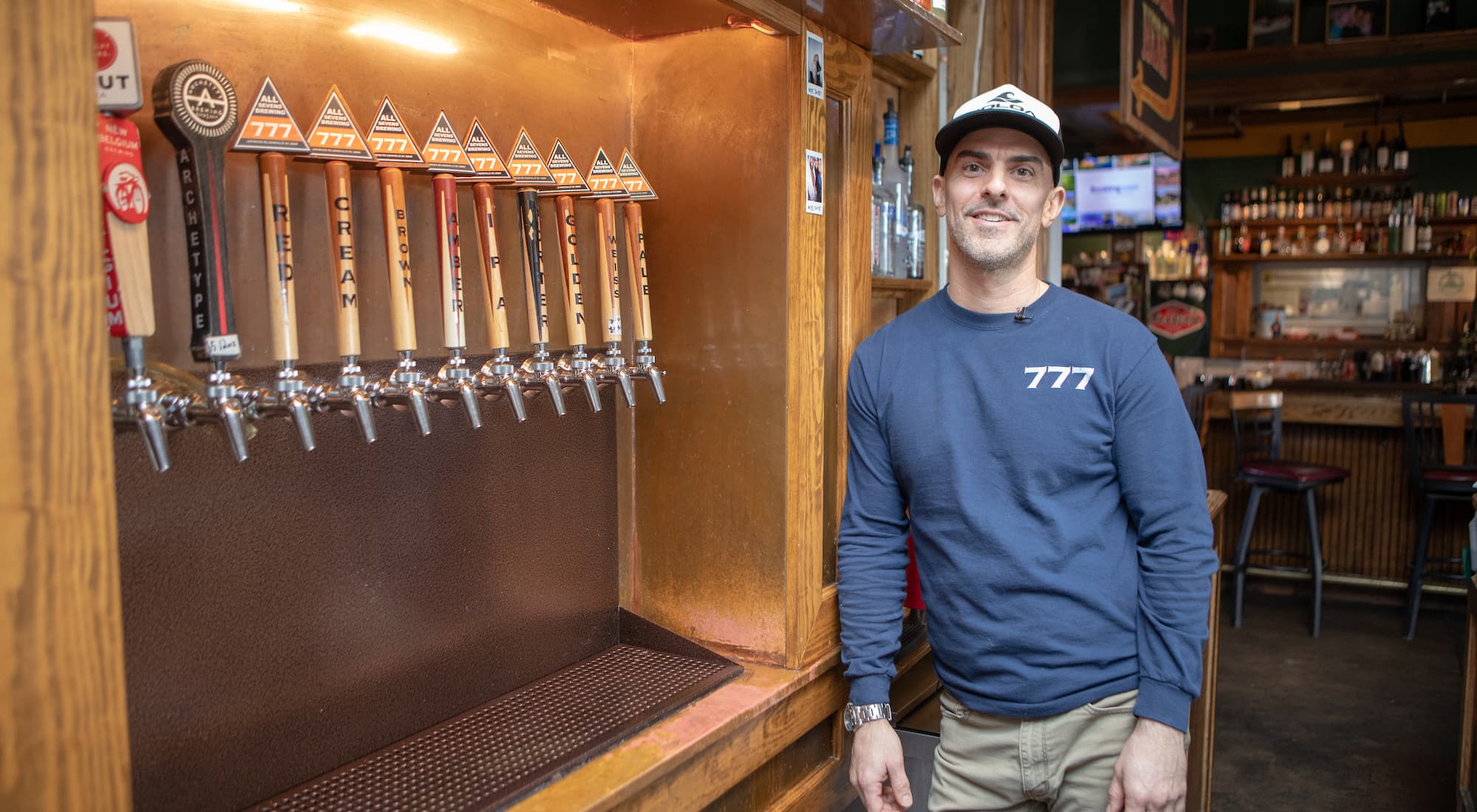
Keep it simple. Here Dirk Hillegass of All Sevens offers advice on selecting the right malts for superior ales.
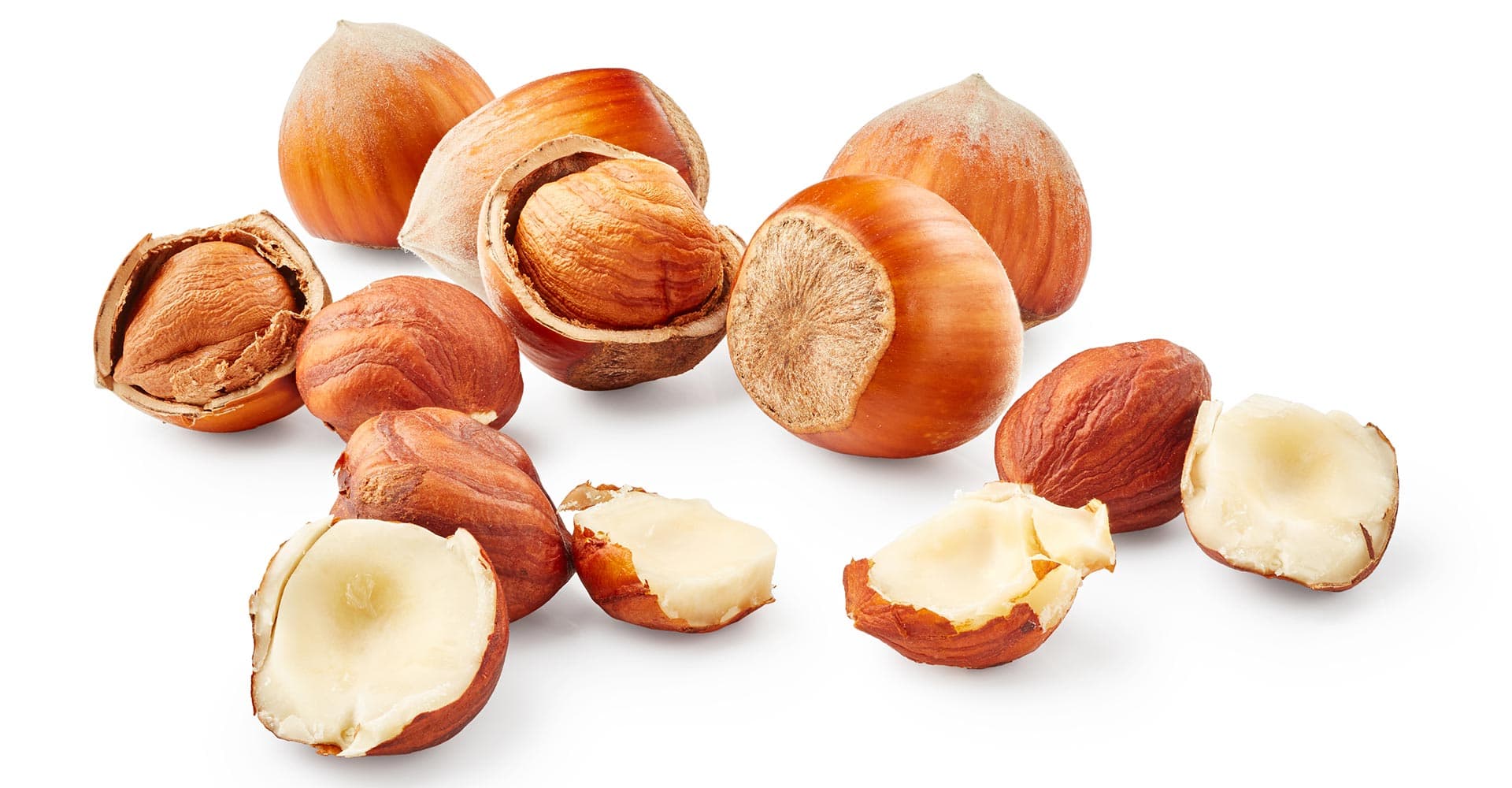
Once you figure out how best to avoid the pitfalls of using hazelnuts (also known as filberts), you’ll find a solid adjunct that is a versatile player with other ingredients in a variety of styles.
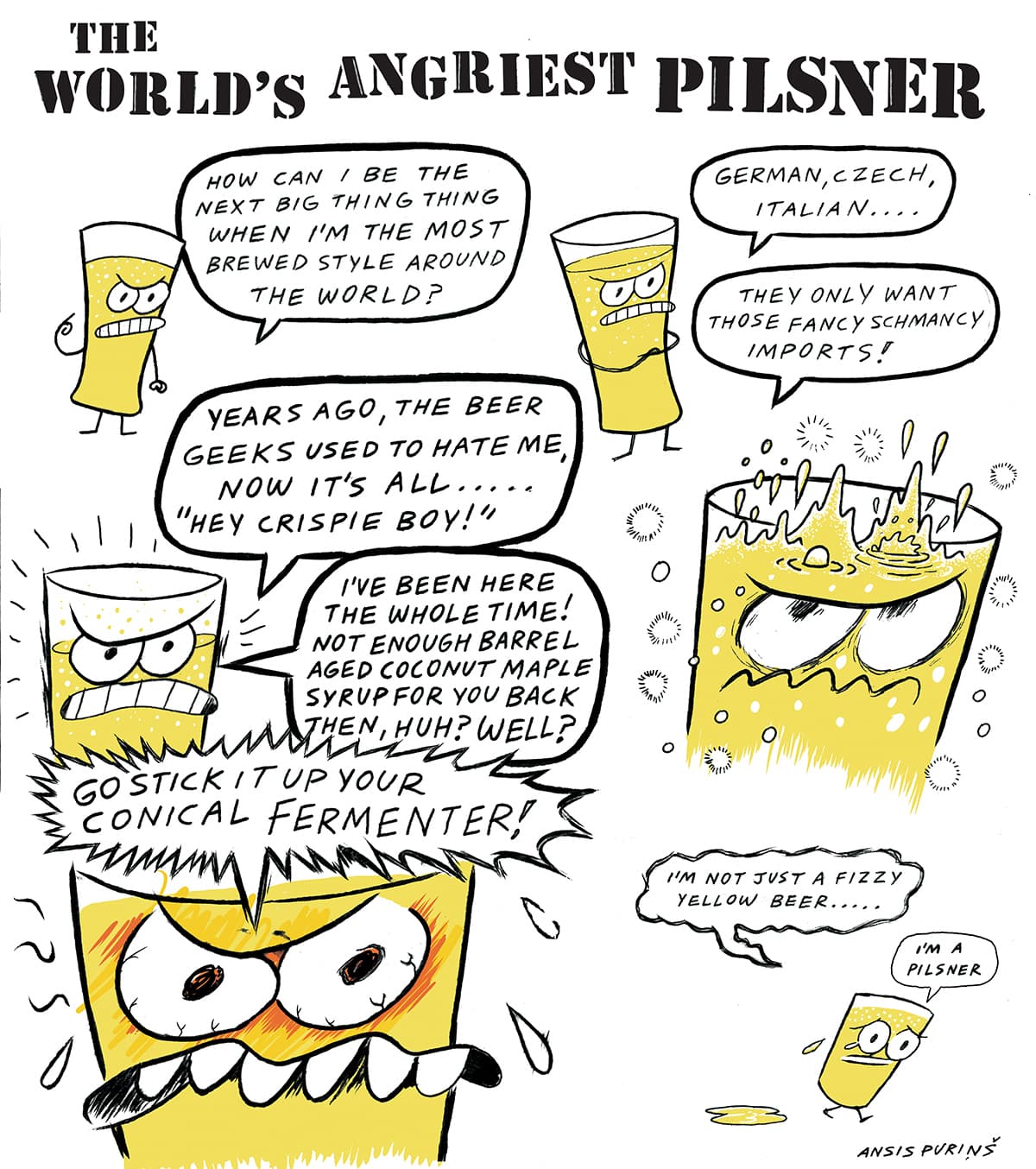
This glass of Pilsner is mad at the beer world, and isn't going to take it any more.
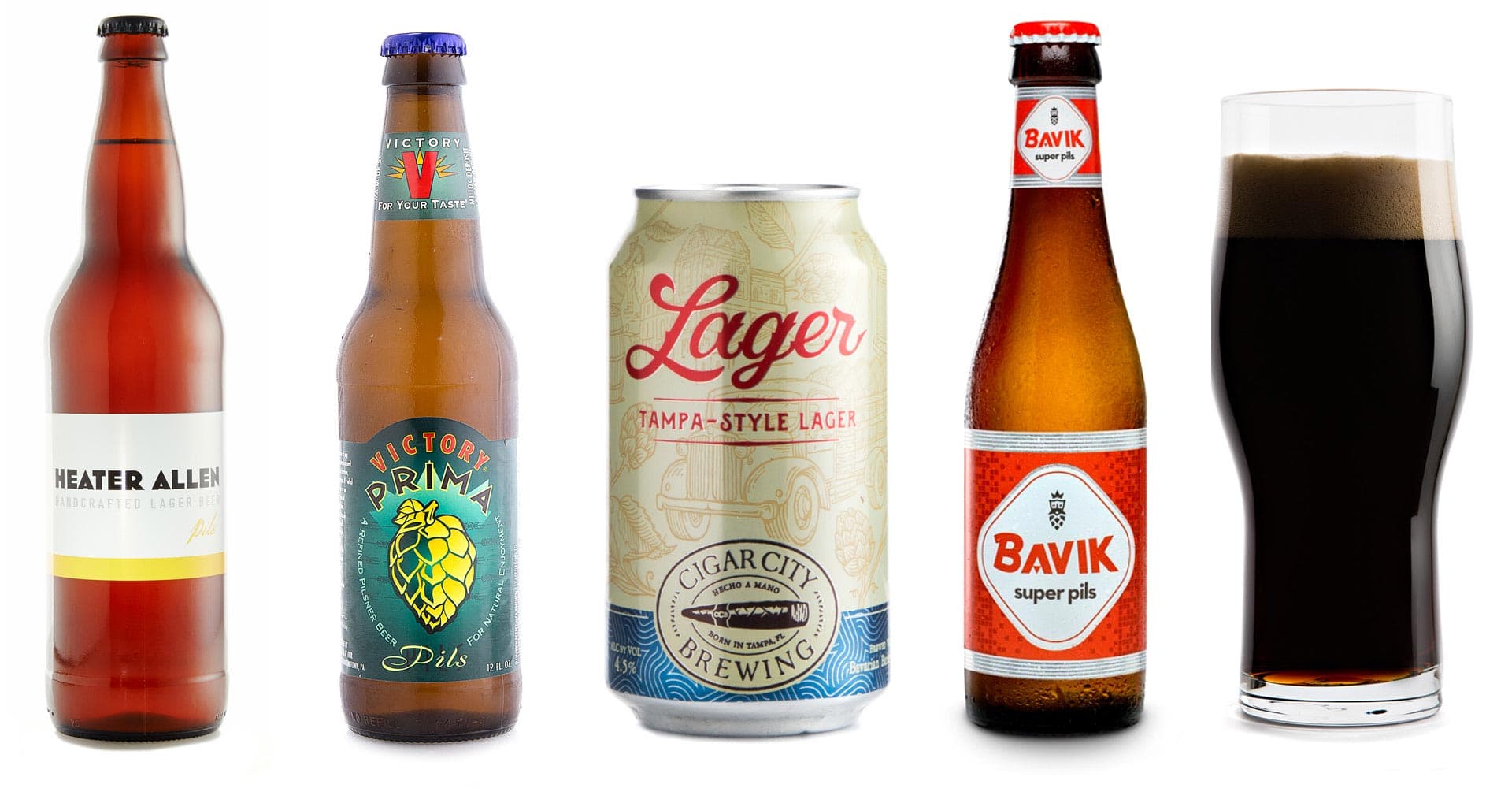
From light Pilsners to proper helles, schwarzbiers, and more, we asked brewers and industry folks from around the country to share the type of lager they would most like in their glass.
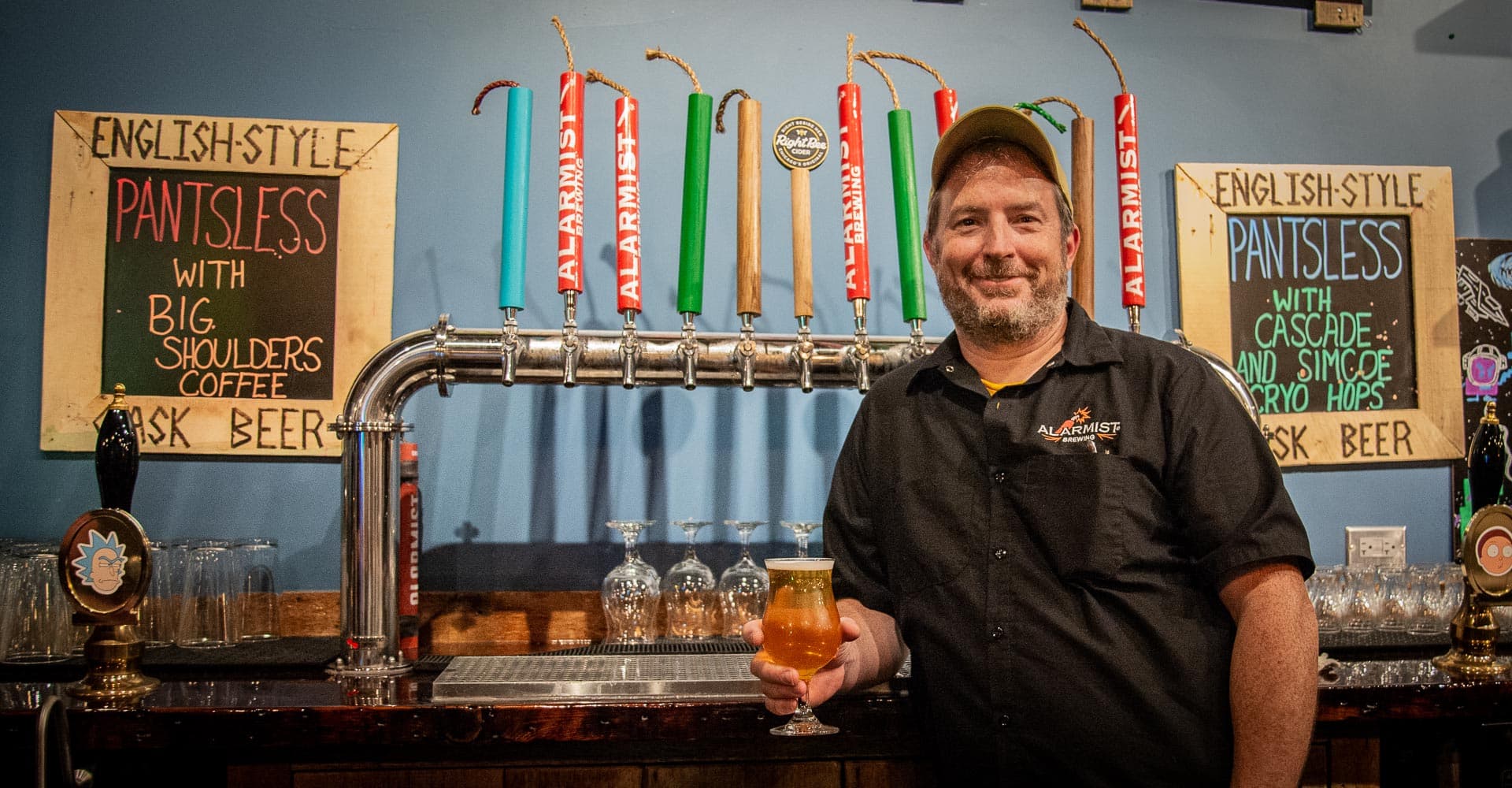
The founder of Alarmist Brewing (Chicago, Illinois) shares his thoughts on brewing hazy IPAs, and the perspective and techniques that helped them win gold in the competitive category.
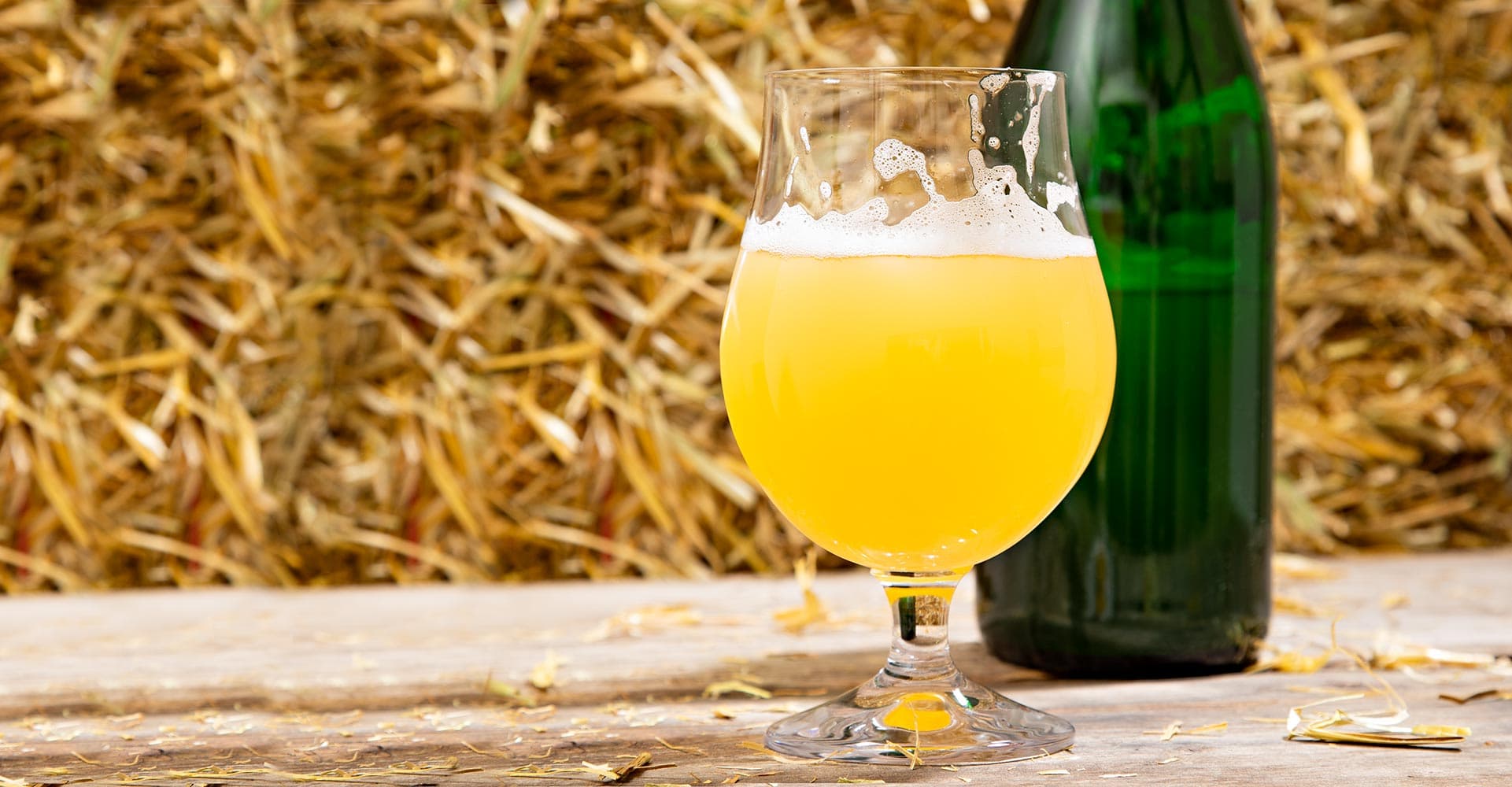
It’s clear that much about the origins of saison is confusing. That doesn’t mean there aren’t style marks to strive for. Randy Mosher breaks down this beer (often called farmhouse) point by point to give us a better understanding.