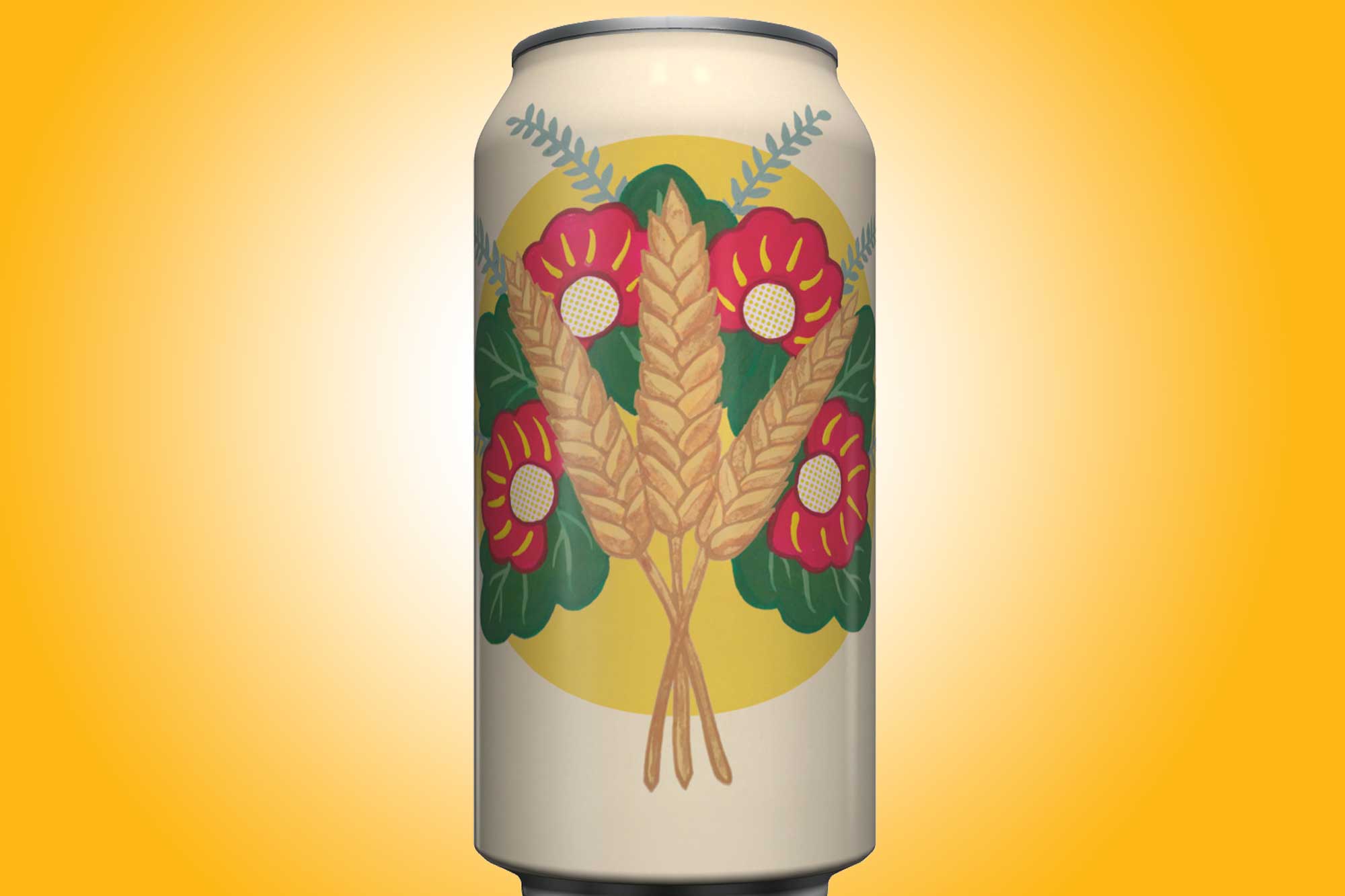
Recipe: Creature Comforts DaySpring
Subscriber
Inspired by Belgian grisette, Creature Comforts in Athens, Georgia, labels this a “country wheat beer,” describing it as dry, grassy, herbal, and slightly fruity.

50 articles in this category
Inspired by Belgian grisette, Creature Comforts in Athens, Georgia, labels this a “country wheat beer,” describing it as dry, grassy, herbal, and slightly fruity.
A bit of wheat is hard to beat—and it shows up in a bunch of today’s most popular beers and styles, even if most drinkers have no idea it’s there. Well beyond wheat beers and weizens, the golden grain has become one of the most useful ingredients in the modern craft brewery.
From Formula Brewing in Issaquah, Washington, here’s a recipe for the contemporary American wheat beer that won gold at the 2025 Great American Beer Festival.
Based more on an ingredient than an existing tradition, American wheat is arguably the United States’ first truly native modern beer style. Refreshing and easygoing, attractive and flavorful, it arrived just in time to help American craft beer grow.
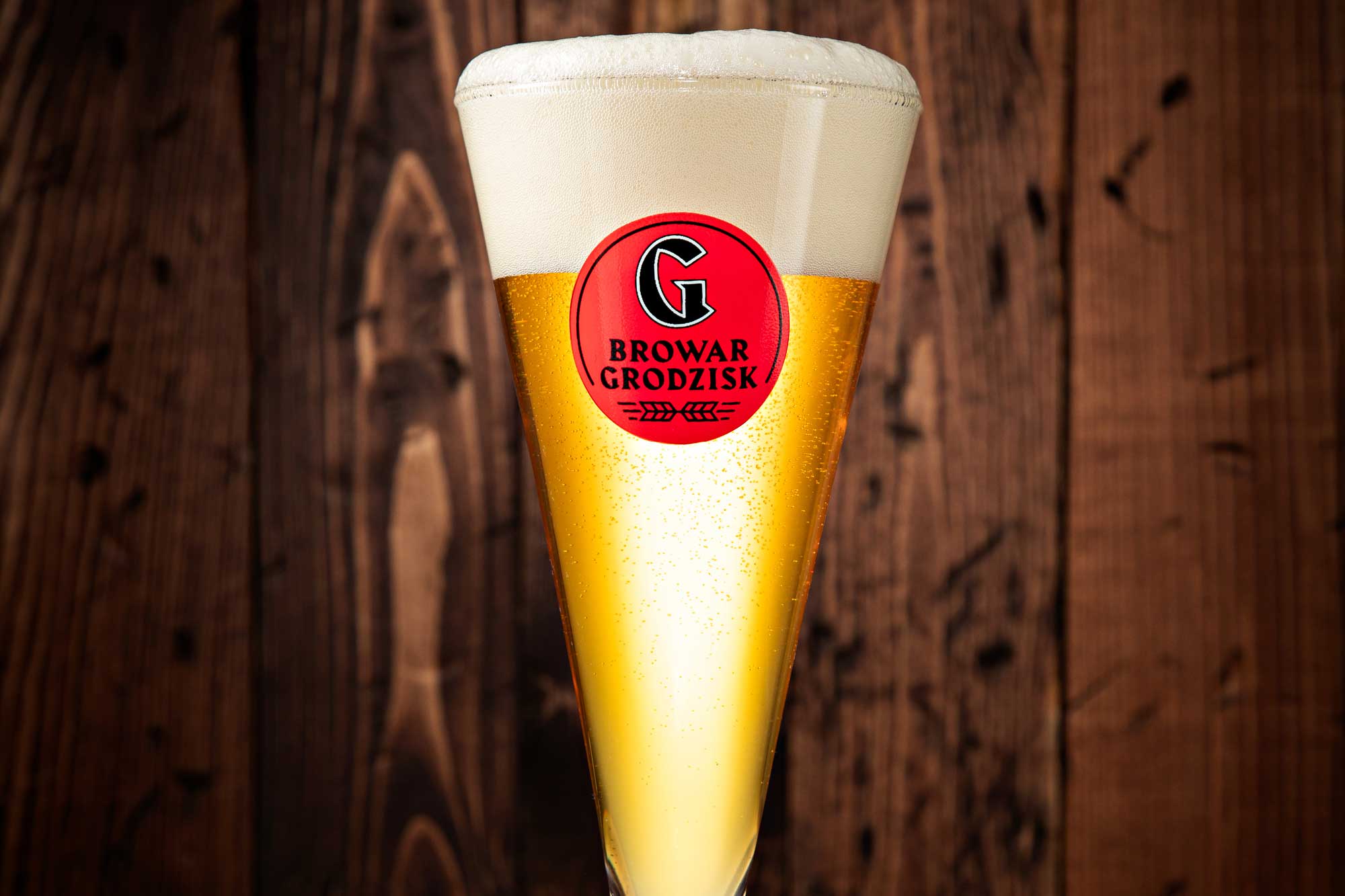
All but extinct before Polish homebrewers revived it, grodziskie is now more than a decade into its second life. Here are the elements that come together to make this smoky yet delicate style so beguiling.
Tart, light, and utterly quenching, a great Berliner weisse is the perfect summertime beer, and it can win the hearts and minds of stone-hearted skeptics. Best of all, it doesn’t need to be difficult to brew.
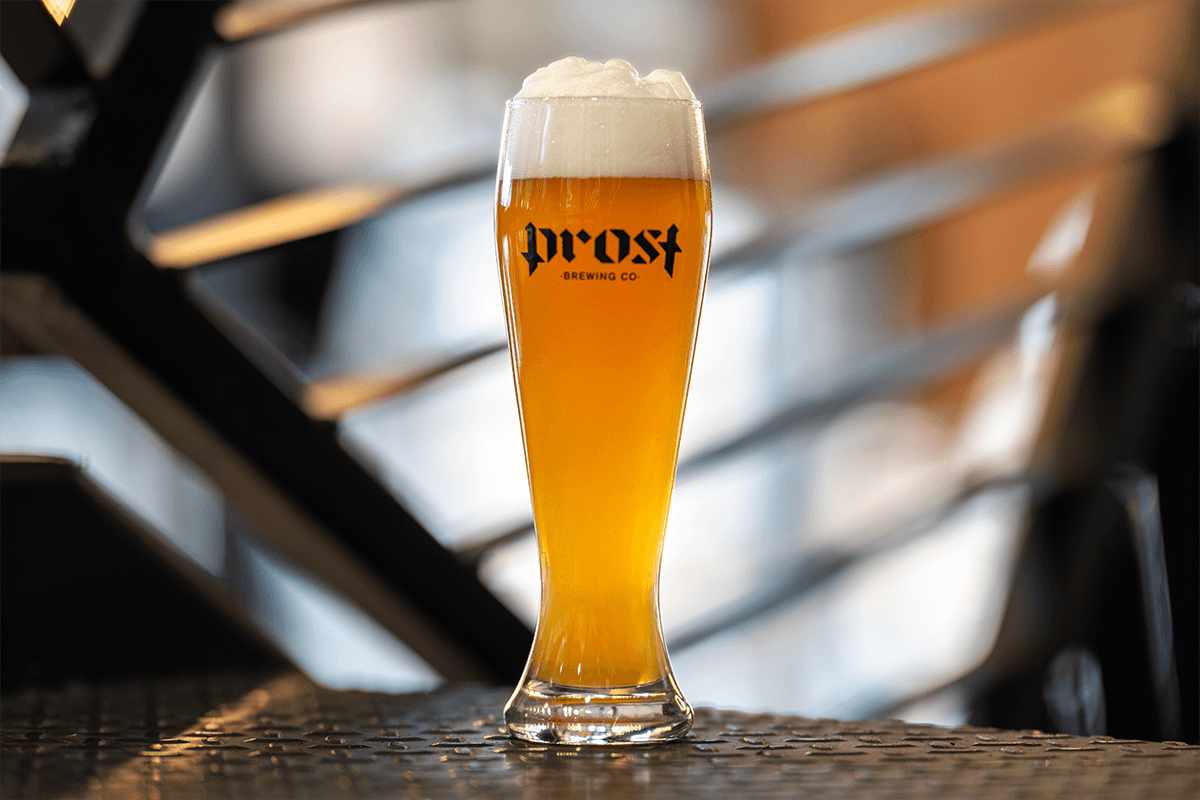
From their state-of-the-art production brewery in Northglenn, Colorado, this Bavarian-style weissbier remains one of the most popular beers in Prost’s beer gardens.
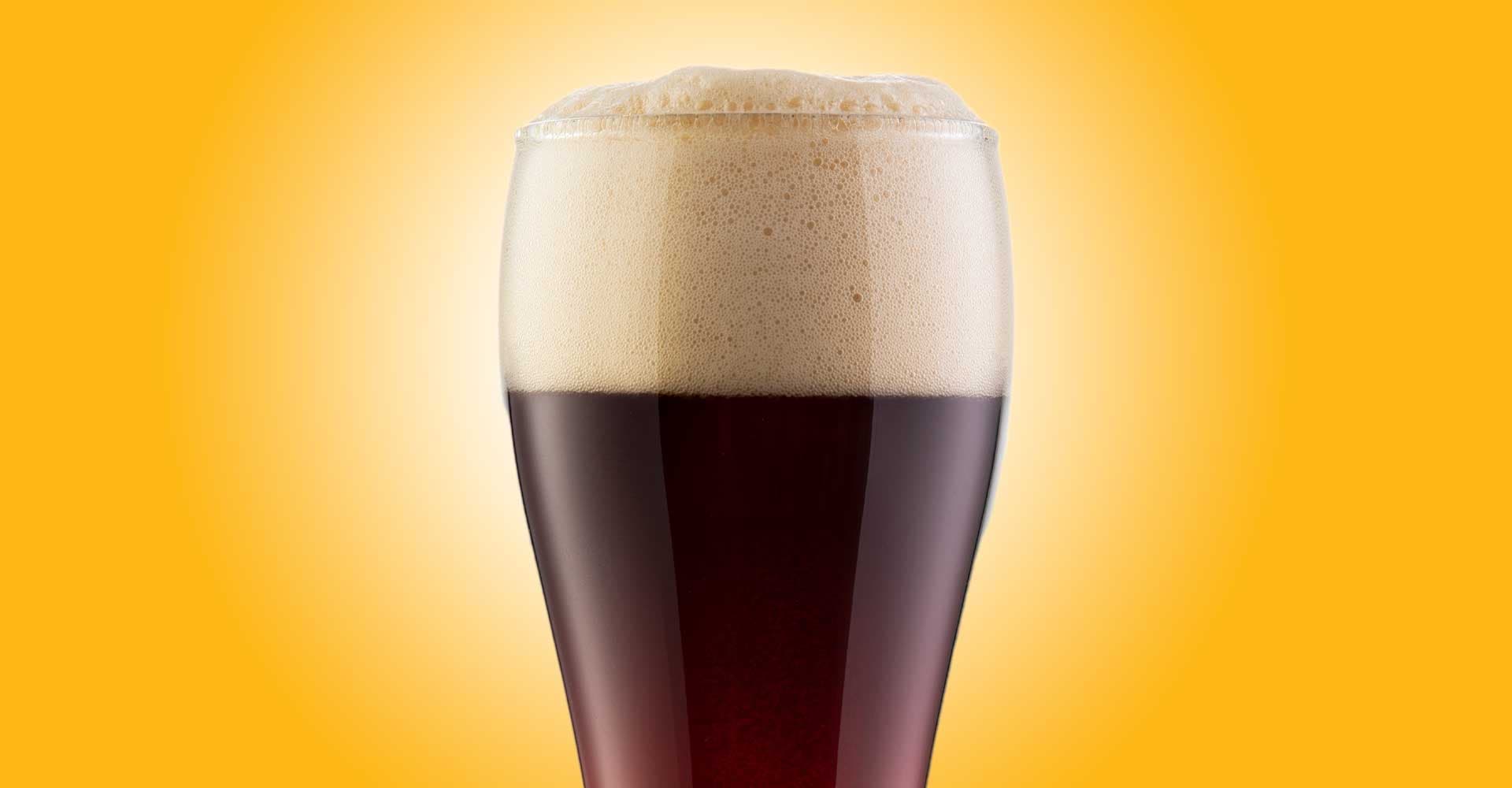
Whether you’ve got hop fatigue or are hunting some crowd-pleasing flavors—for autumn weather, holiday fare, or any time of year—this dark wheat beer in the German style need not be challenging to brew.
Oak-smoked wheat malt drives the character of this Polish-style quaffer, which—when brewed well—is as refreshing on a warm day as it is appropriate next to an autumn bonfire.
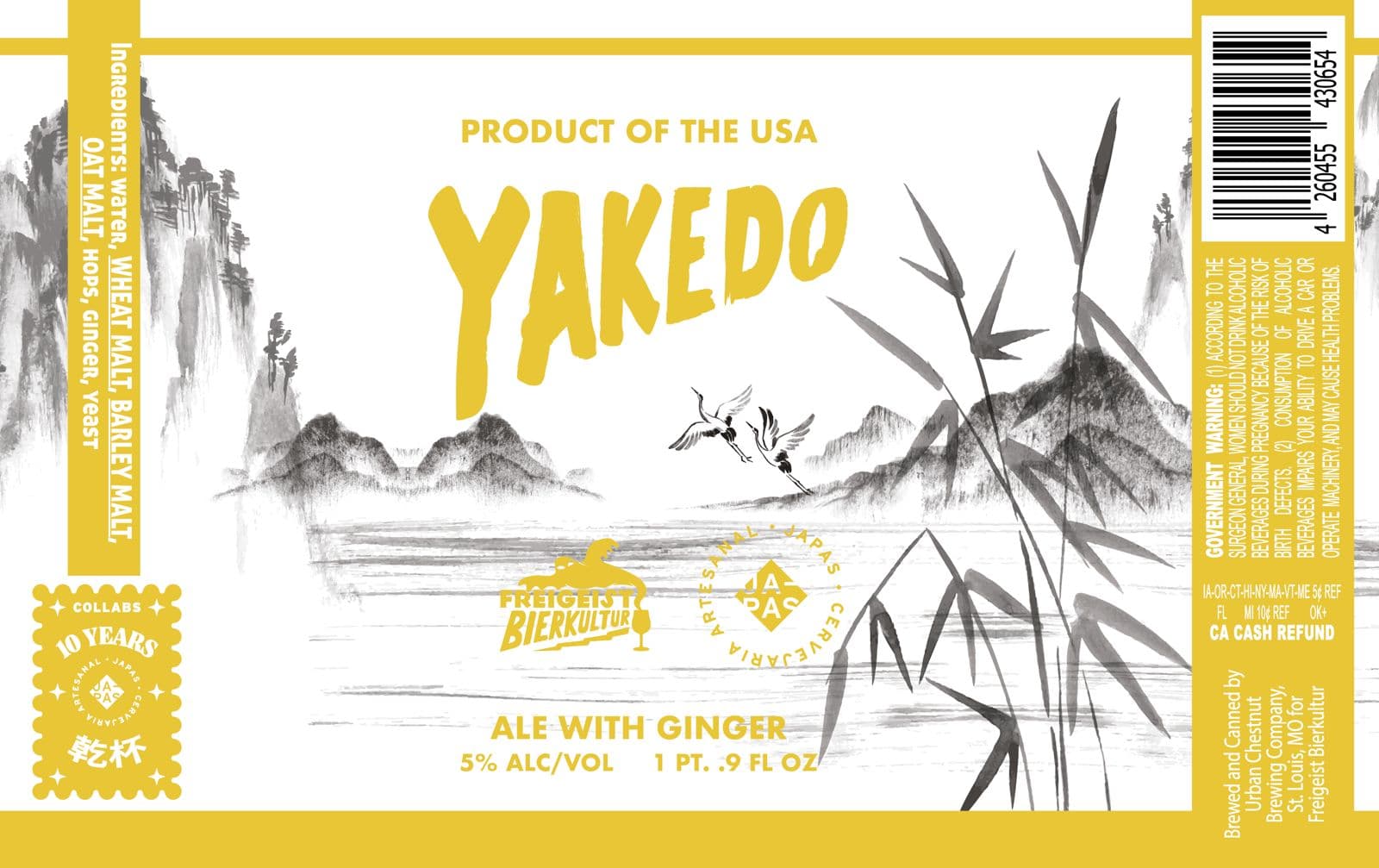
The recipe for this globe-spanning collab—a ginger-laced hefeweizen with influences from Brazil, Germany, Japan, and the United States—comes from Freigeist’s Sebastian Sauer and his friends at Japas Cervejaria in São Paulo.

From cofounder and brewmaster Matt Cole and his team at Fat Head’s in Ohio, here’s a recipe for the Bavarian-style weissbier that’s won three gold medals in the past four years.
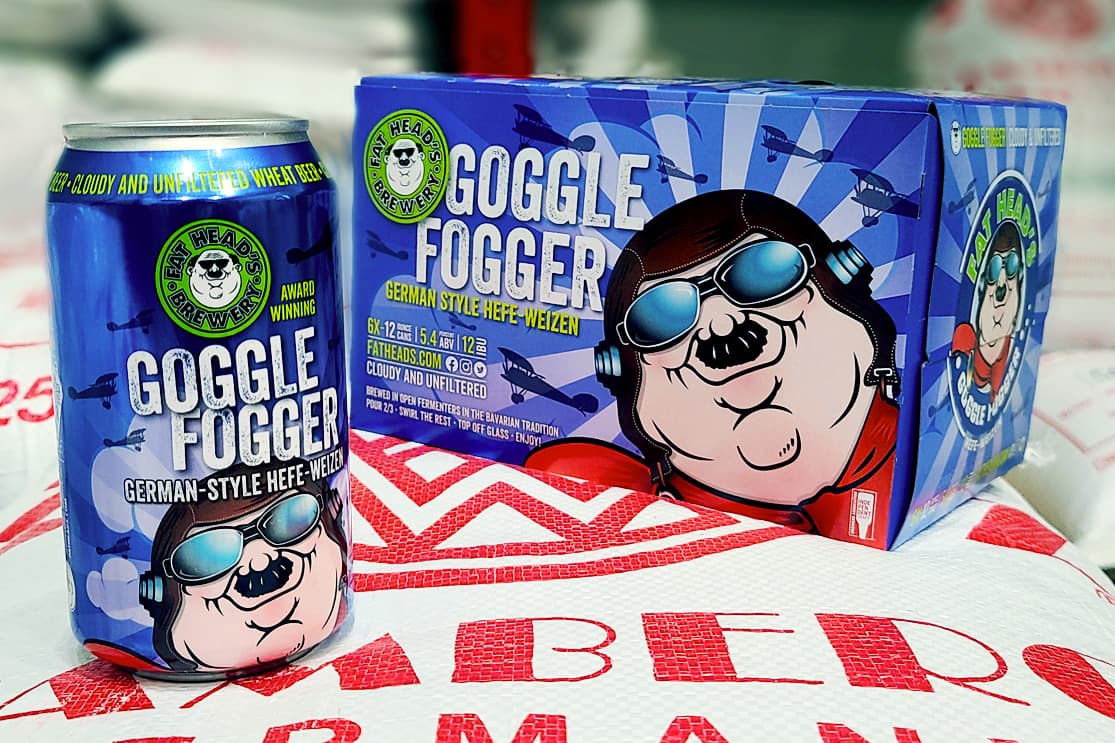
Fat Head’s Brewery in Middleburg Heights, Ohio, has won more than its share of medals over the years. One of its most decorated beers is Goggle Fogger, the Bavarian-inspired hefeweizen that’s won three major gold medals in the past four years. Here’s how its pieces fit together.
Barleywines and wheatwines explore the boldest flavor frontiers of their respective grains. Now, daring brewers are applying that maximalist approach to wine-strength beers brewed with millet, rye-wheat hybrids, smoked malts, and more.
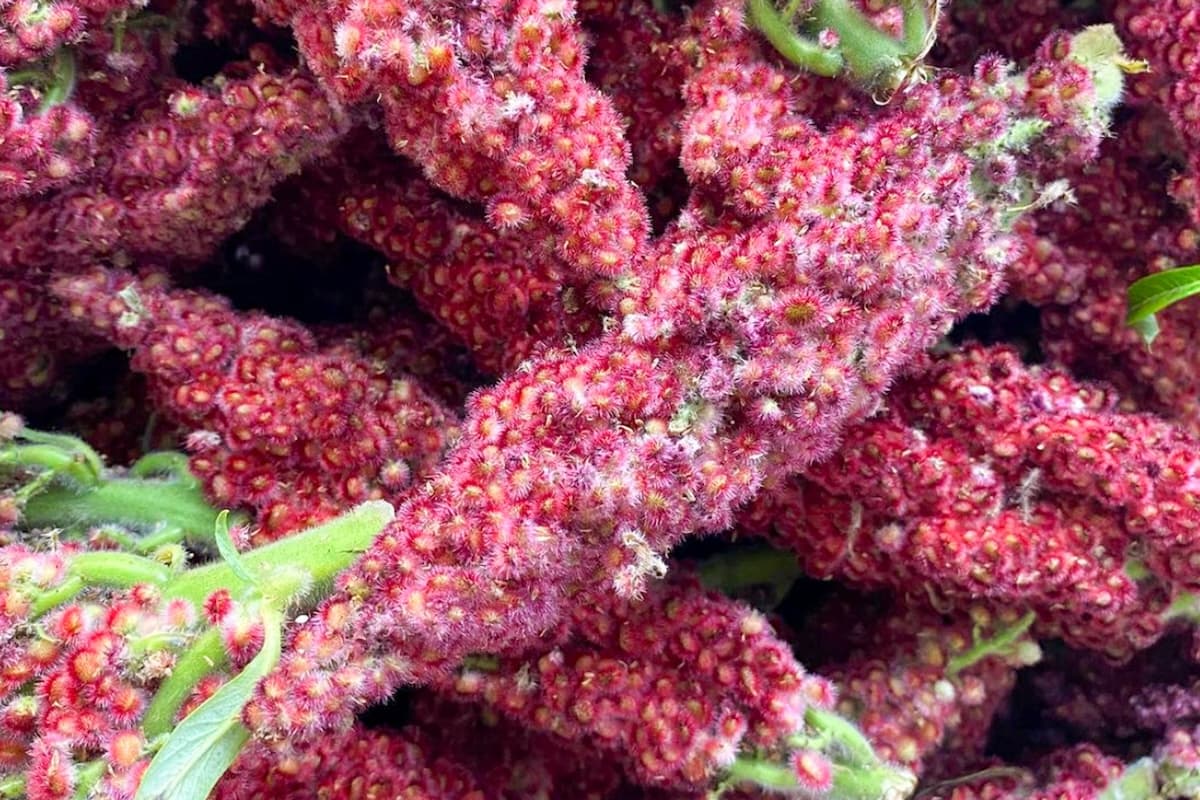
The beers of Wunderkammer get their own rustic character via locally foraged ingredients, mixed cultures that include Brett, and a stripped-down, old-fashioned process featuring direct-fired kettles and fermentation without strict temperature control.
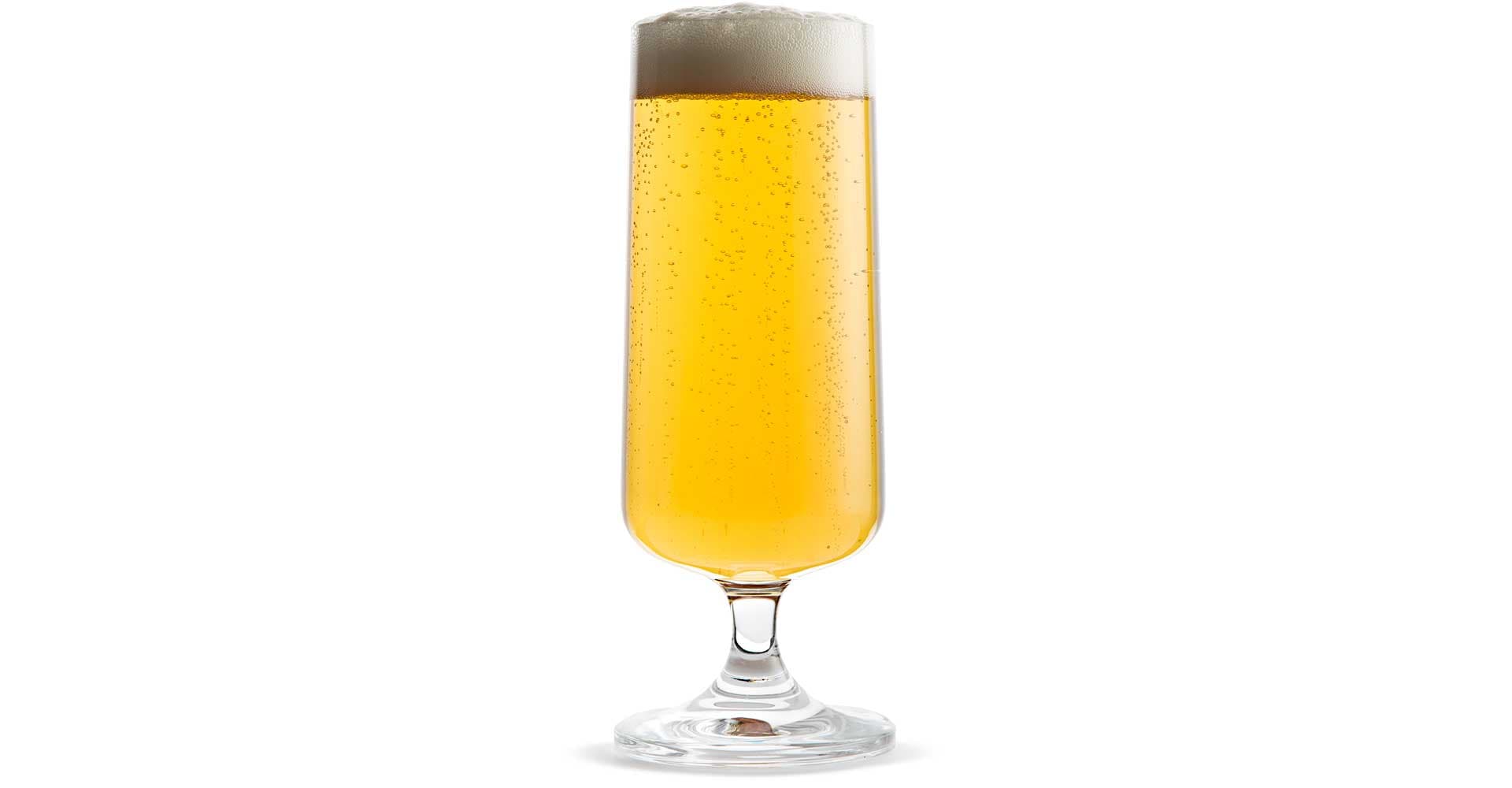
This light and quenching smoked wheat beer remains a relatively obscure platypus in the style canon. Lichtenhainer is undeniably odd yet easy to brew and lots of fun to drink.
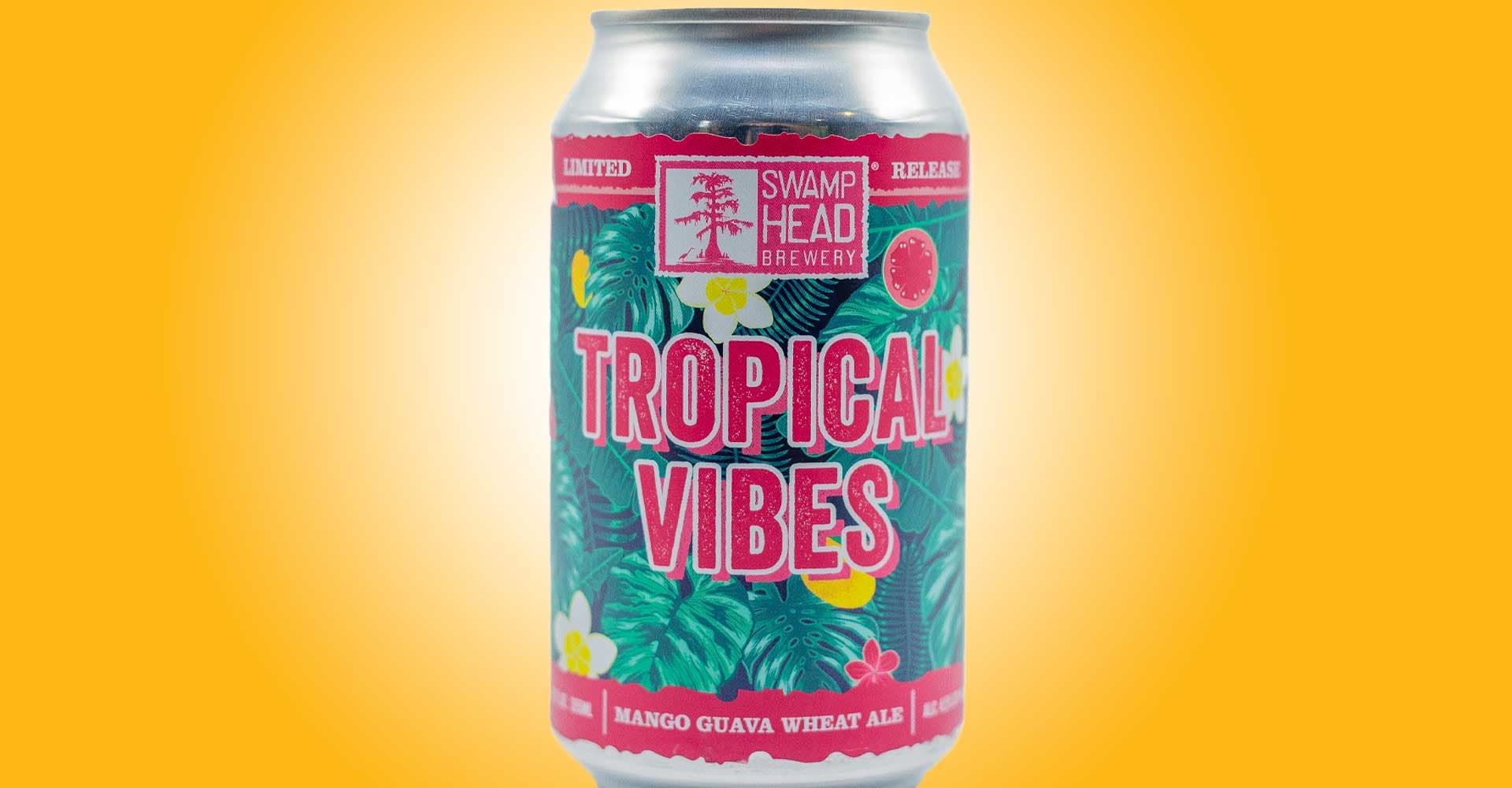
Fruit beers—they ain’t all thick smoothie sours. Out of Gainesville, Florida, Swamp Head’s Tropical Vibes is a bright, sunshiny, highly drinkable example of excellence in the form of a fruited wheat beer. We asked them what makes it tick.
Great to brew or drink at any time of year, the too-often-overlooked Bavarian-style dark wheat beer offers crowd-pleasing flavors and looks impressive in the glass.
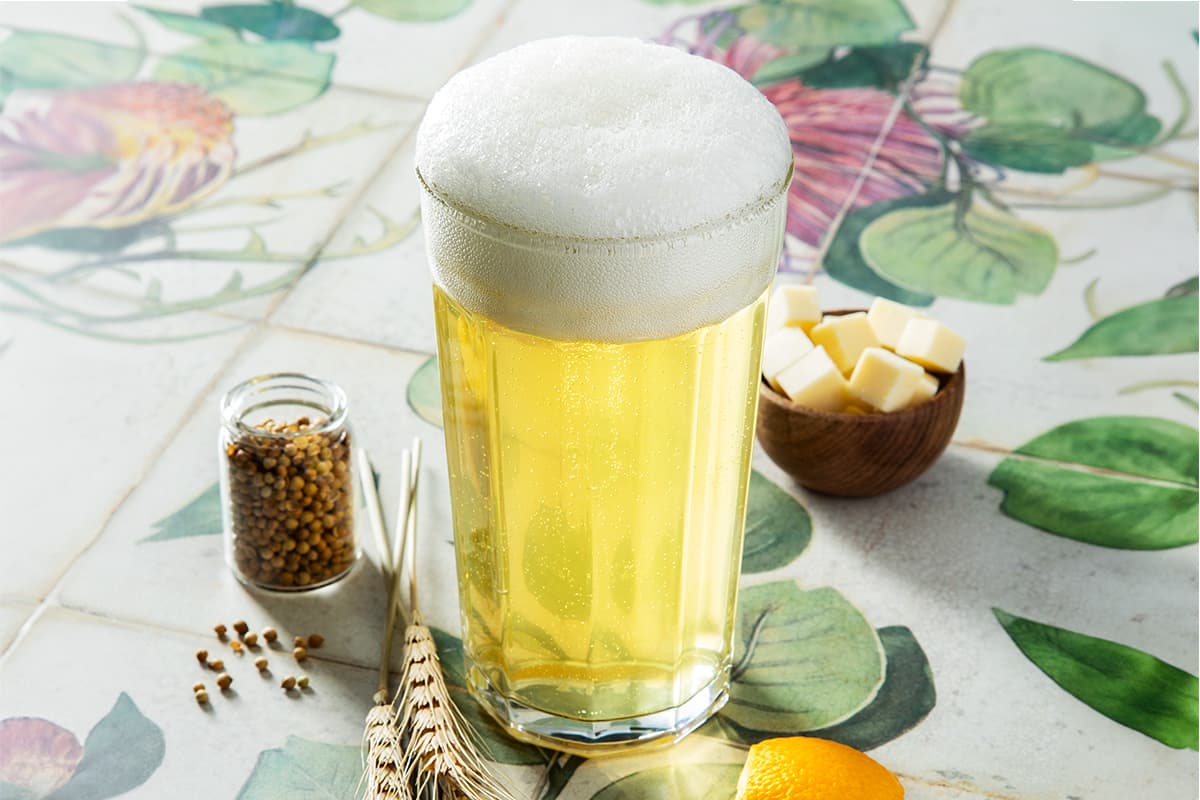
One of Belgium’s most broadly appealing styles is a reincarnation and a reinvention, inspired by a tradition that disappeared more than 60 years ago. Today it’s enjoyed around the world and ubiquitous in its home country—and in Maine.
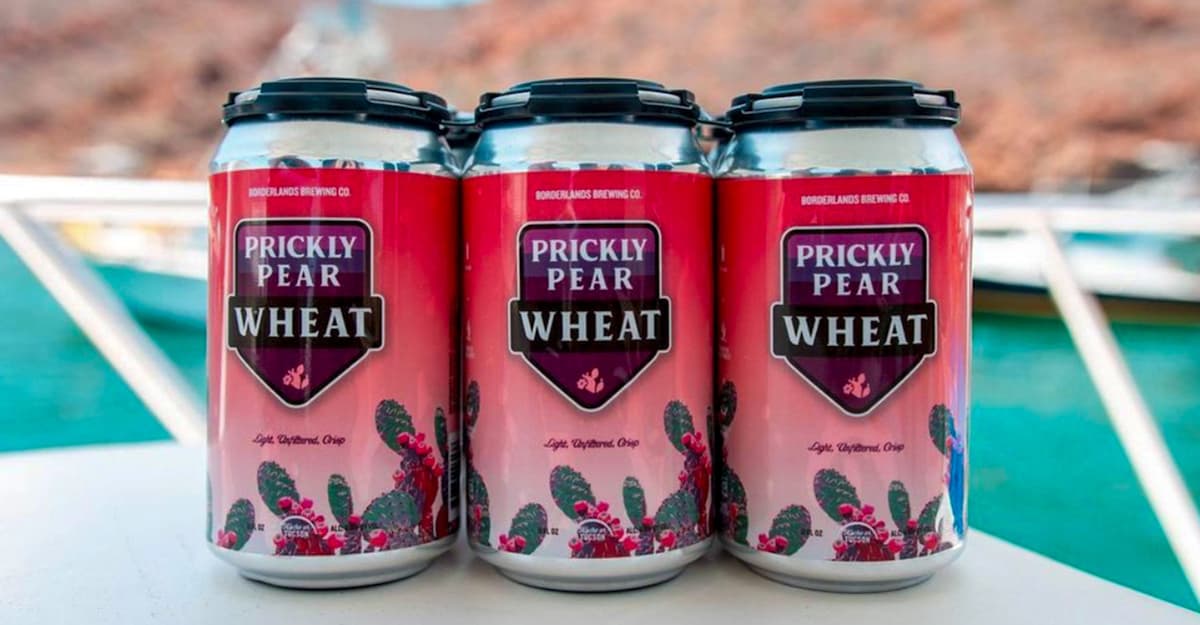
Ayla Kapahi, head brewer at Borderlands in Tucson, Arizona, shares this recipe for their easy-drinking wheat beer with German aroma hops, some light fruity esters, and a Southwestern twist: the addition of prickly pear.
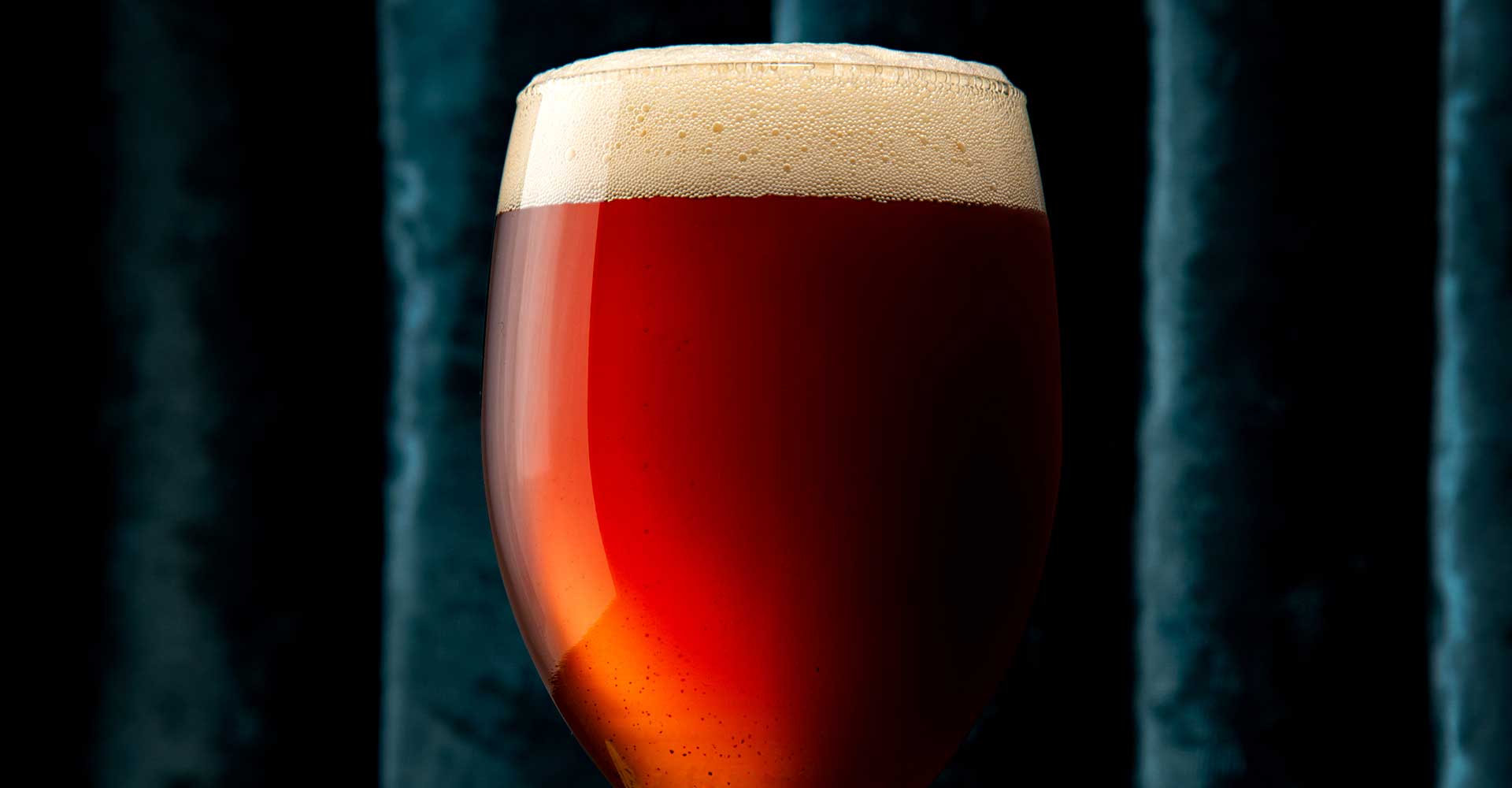
Extract brewers can embrace this indulgent wheat show smacking of fresh bread and jammy fruit, while letting the all-grain brewers enjoy their gummy stuck mashes.