Recipe: Encampment American Strong Ale
Subscriber
A classic style in the modern American pantheon, this hop-and-malt-forward strong ale serves as a great starting point for experimentation—for example, by subbing in your favorite hop varieties.

46 articles in this category
A classic style in the modern American pantheon, this hop-and-malt-forward strong ale serves as a great starting point for experimentation—for example, by subbing in your favorite hop varieties.
This celebration of malt and American hops is one that should evolve nicely as the weeks pass, the bitterness rounds, and malt comes into the fore.
From Cloudburst founder-brewer Steve Luke, here’s a homebrew recipe for the West Coast double red that won gold at the 2025 World Beer Cup.
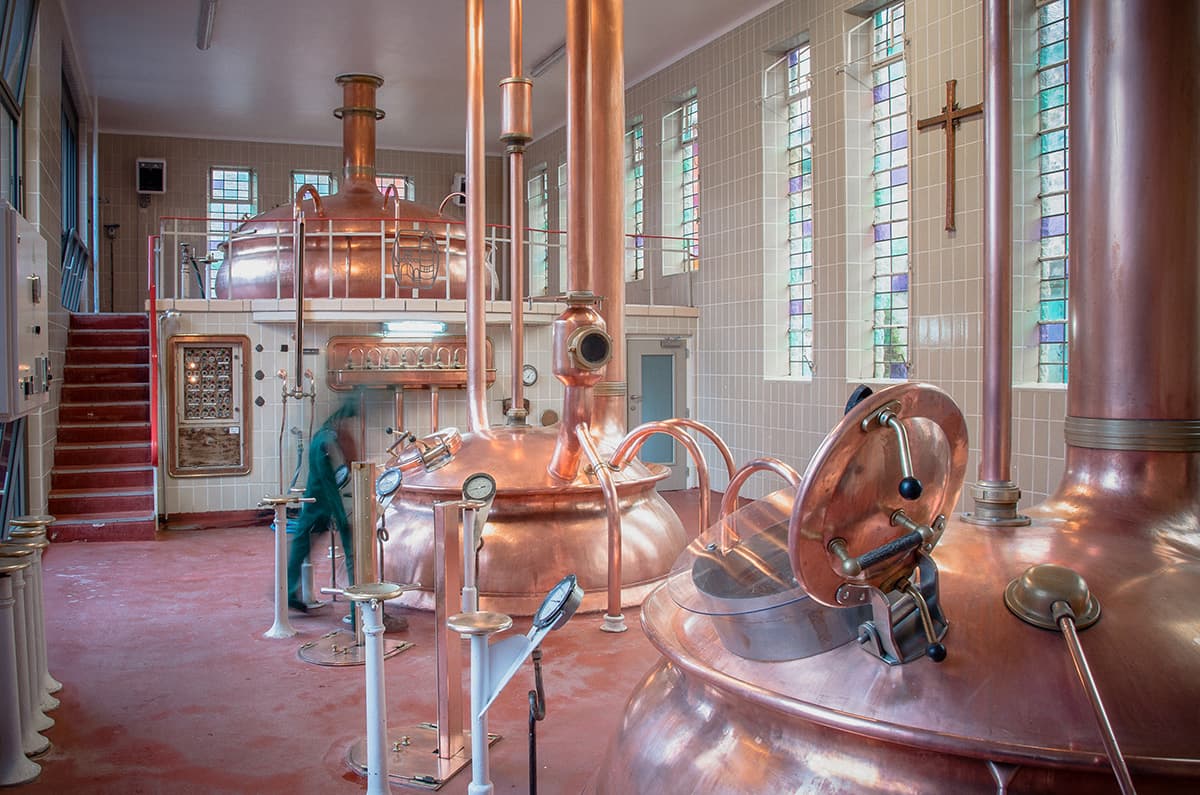
In Belgium’s Namur province, at the Notre-Dame de Saint-Rémy abbey, head brewer Gumer Santos shares some of the methods that go into the Brasserie des Trappistes Rochefort’s highly regarded dark ales—as well as its newer blonde triple.
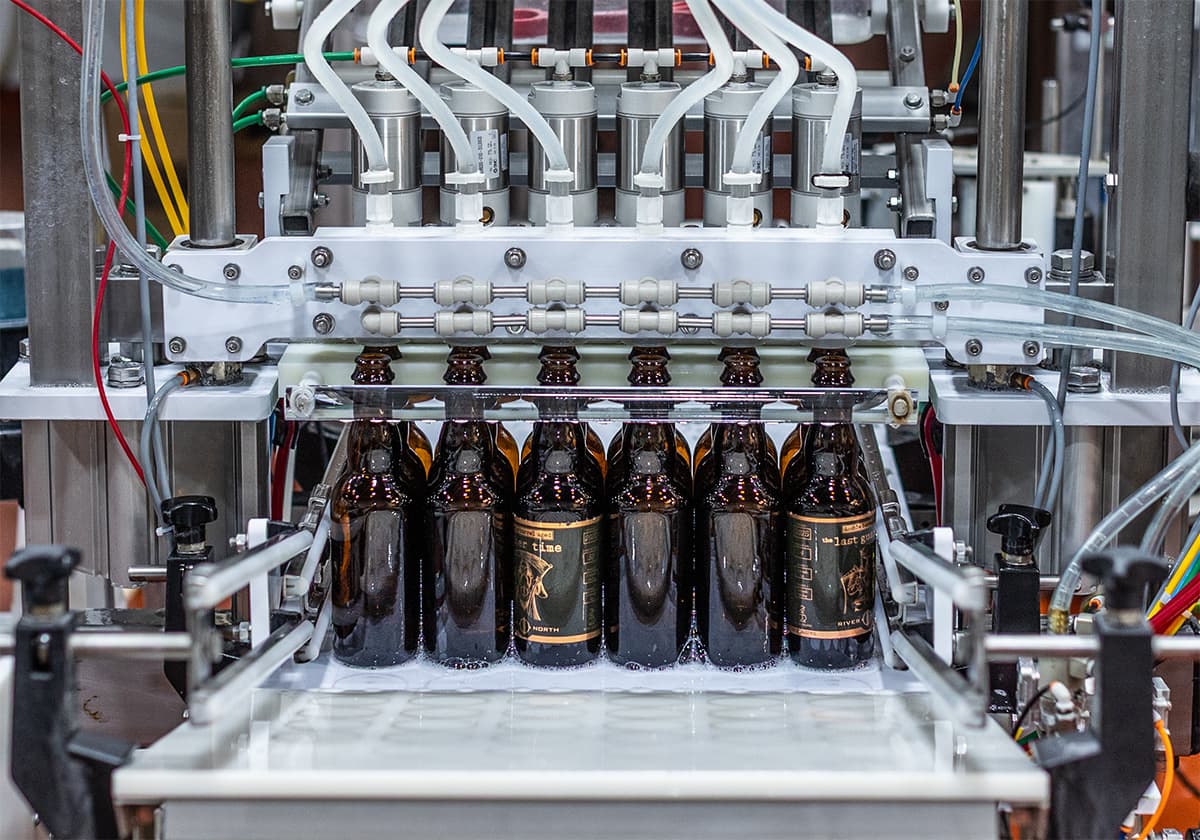
When beer gets high enough in alcohol content, it can pose a threat to can lining and affect how we perceive carbonation. In this clip from their video course, River North founder Matt Hess explains how and why they bottle in glass and adjust for carbonation.

For River North’s coffee-infused beers, it’s whole beans, fresh and medium-roasted. In this clip from their video course, founder Matt Hess explains the method.
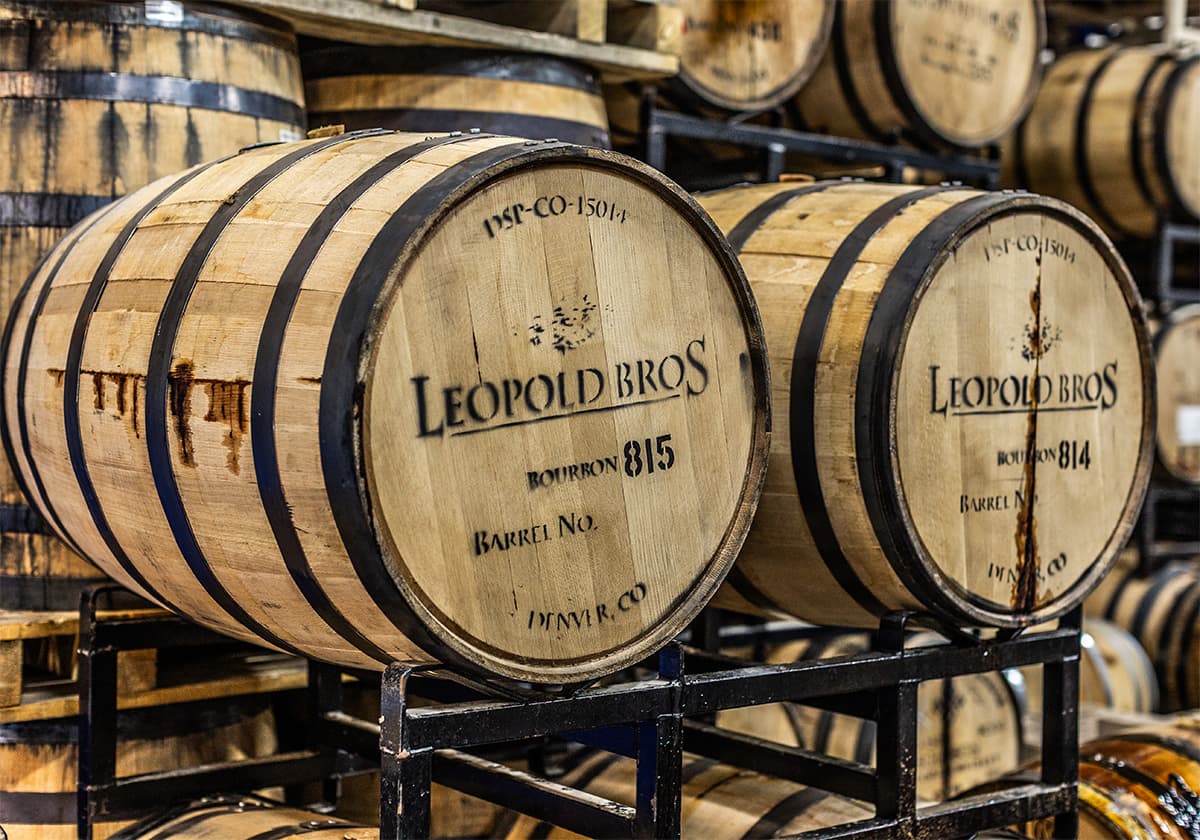
From the angel’s share to dilution, River North founder Matt Hess lays out some key considerations to keep in mind when you’re planning to age your beers in spirits barrels.
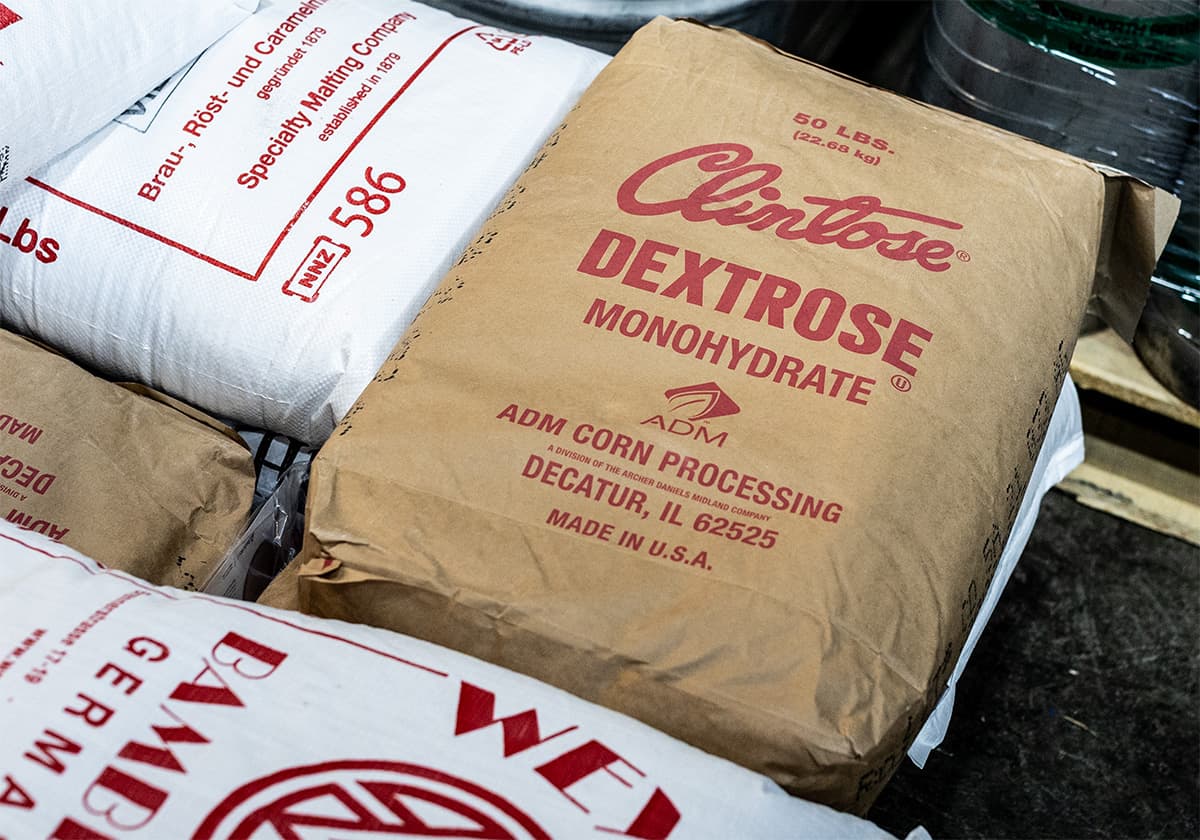
From dextrose to brewer’s crystals, River North founder Matt Hess covers some of the key things to consider when choosing and adding sugars to boost the gravities of very strong beers.
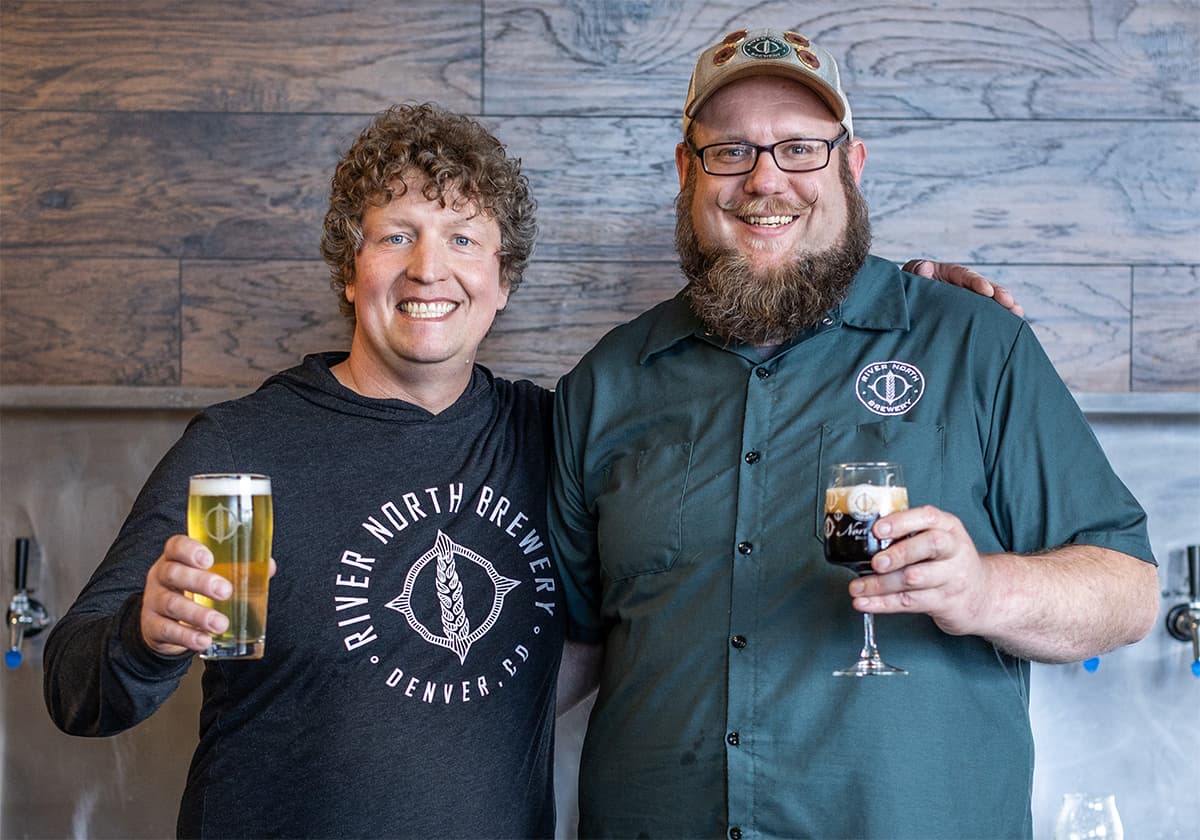
From recipe design and ingredient choices to barrel-aging, blending, and packaging, River North founder Matt Hess and head brewer Matt Malloy share the methods and philosophy behind their unusually robust and flavorful award-winning beers.
Here’s a recipe from mid-19th-century Scotland that makes a point: British milds weren’t always dark and low strength.
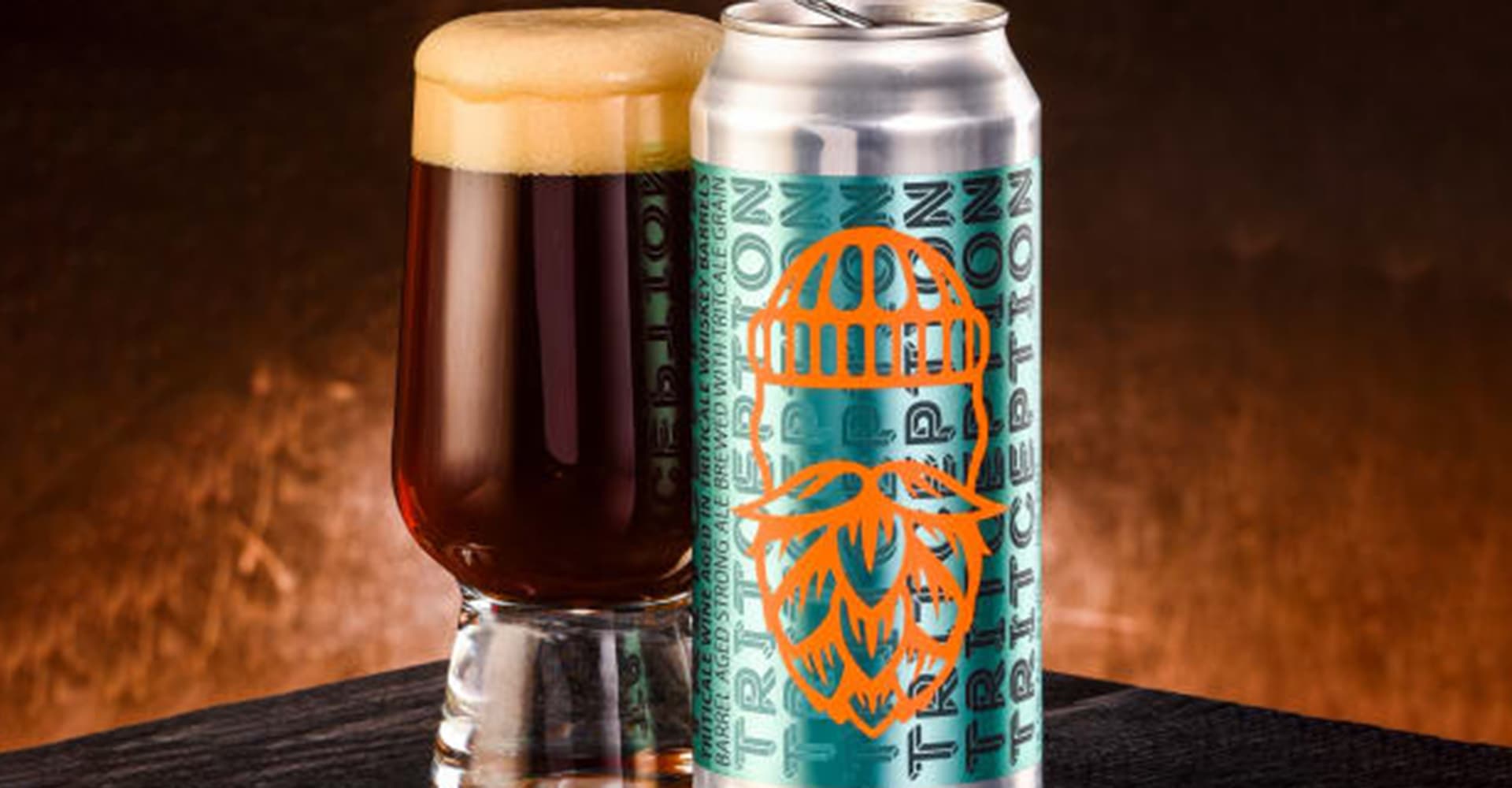
Brewed with barrel-aging in mind, this barleywine-style ale from Lumberbeard Brewing in Spokane, Washington, leans heavily into locally malted triticale—an unusual wheat-rye hybrid.
Barleywines and wheatwines explore the boldest flavor frontiers of their respective grains. Now, daring brewers are applying that maximalist approach to wine-strength beers brewed with millet, rye-wheat hybrids, smoked malts, and more.
Fresh and malty with plenty of English hop character, this is a great one to enjoy on those long winter evenings to come.
Typically, gammeltøl was brewed in March for drinking in the autumn, but the Danish tradition of brewing this strong, smoky raw ale has virtually died out. You can help revive it.
“Smooth and dangerous” and great for winter sipping, these are some of the most enjoyable beers you’ll ever drink—and they can be surprisingly easy to make if you build a good recipe and adhere to some basic brewing practices.
This big and complex yet dangerously easy-to-drink ale is relatively easy to brew well—just watch that attenuation and focus on healthy fermentation for a drying finish.
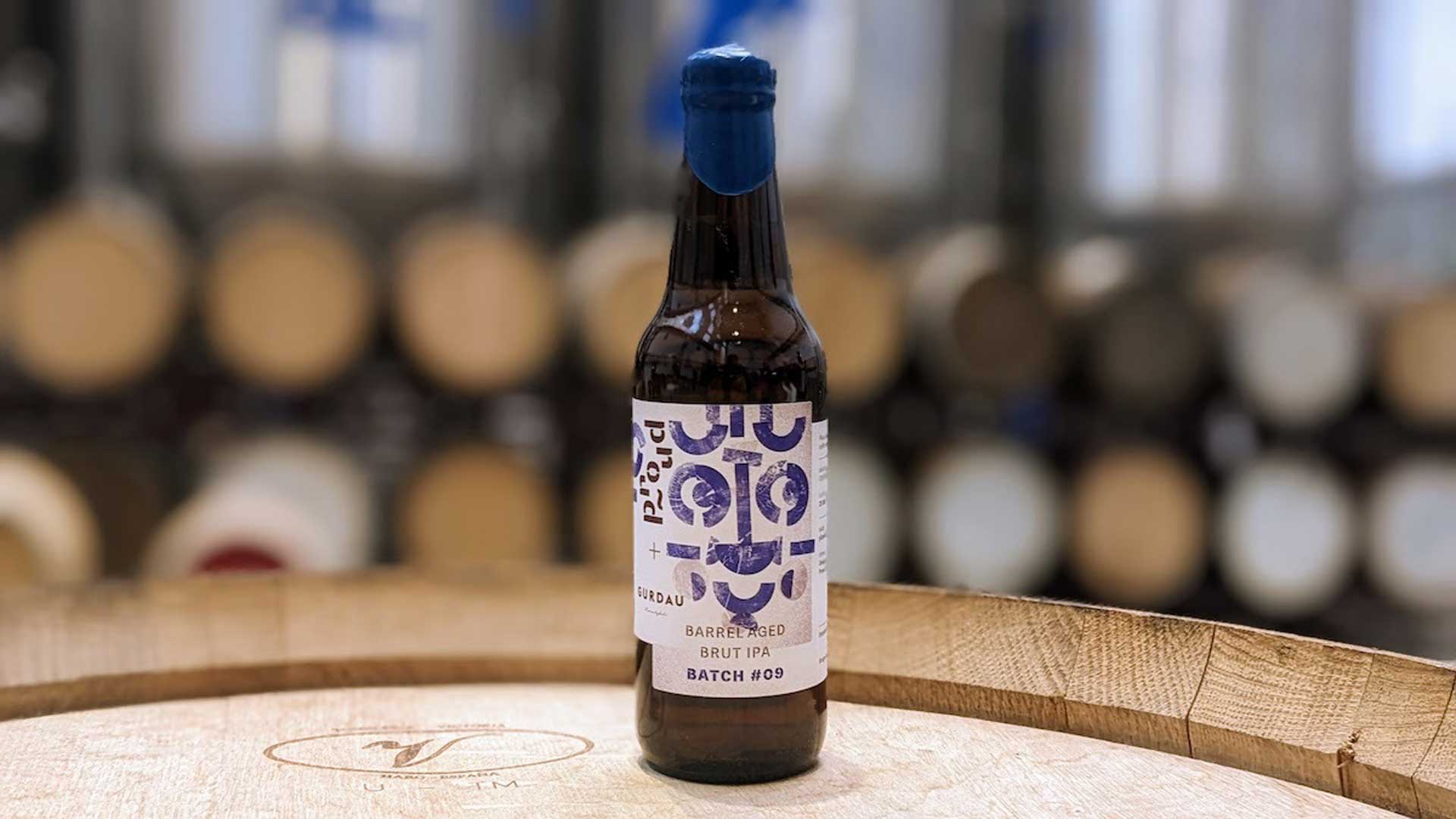
Remember brut IPA? Lenka Straková does. The brewmaster at Pilsner Urquell’s experimental Pivovar Proud shares this recipe for a strong yet light-bodied, fruity-and-floral barrel-aged ale that borrows some tricks from brut IPA.
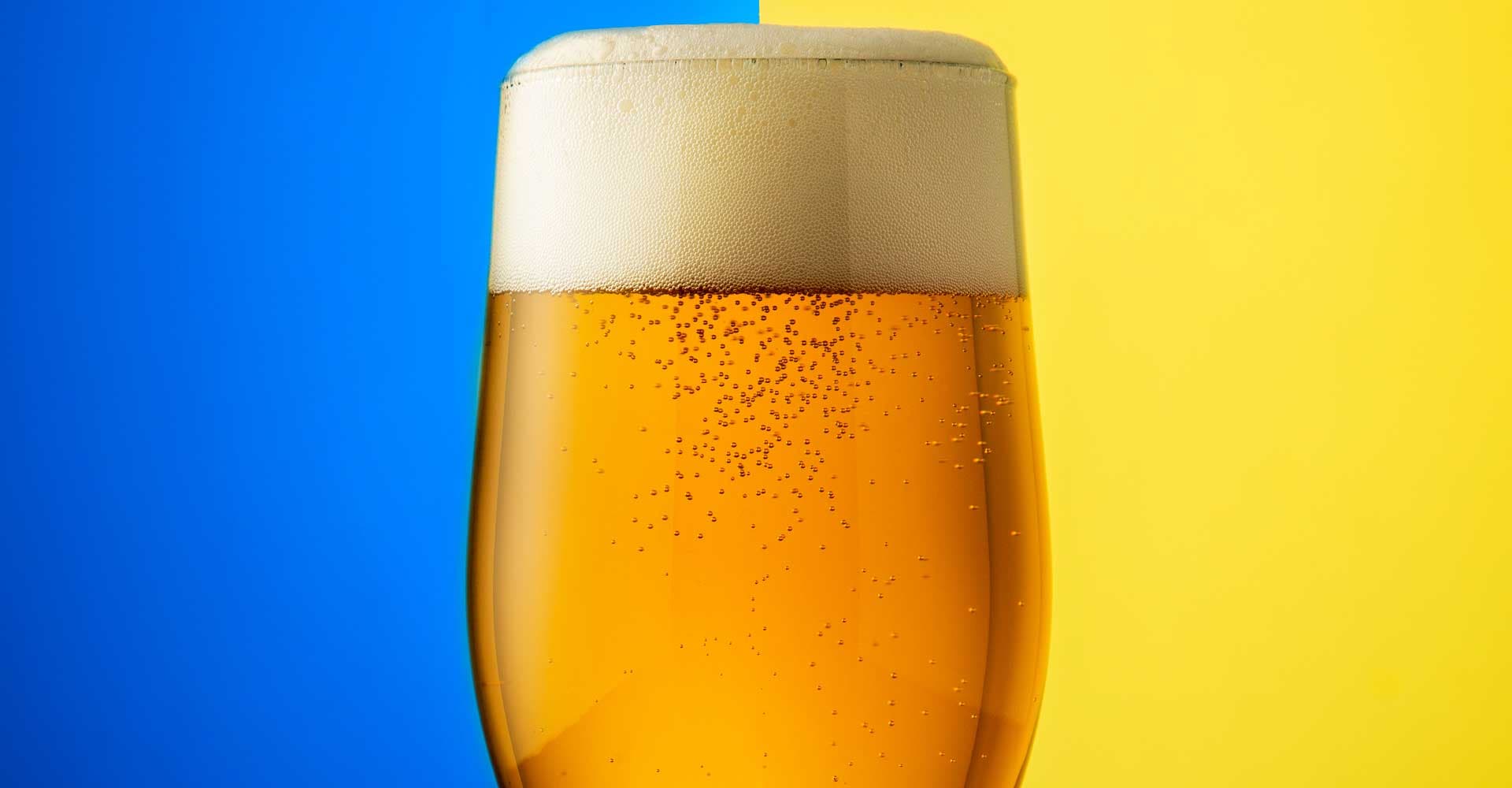
The defining traits of a Ukrainian golden ale are its golden hue, a relatively high ABV, and a smooth, sweet finish balanced by soft bitterness.
Brewing up something big and ponderous, and looking for inspiration? The British barleywine tradition offers more quirks than you might think, including more funk, more hops, and more time.
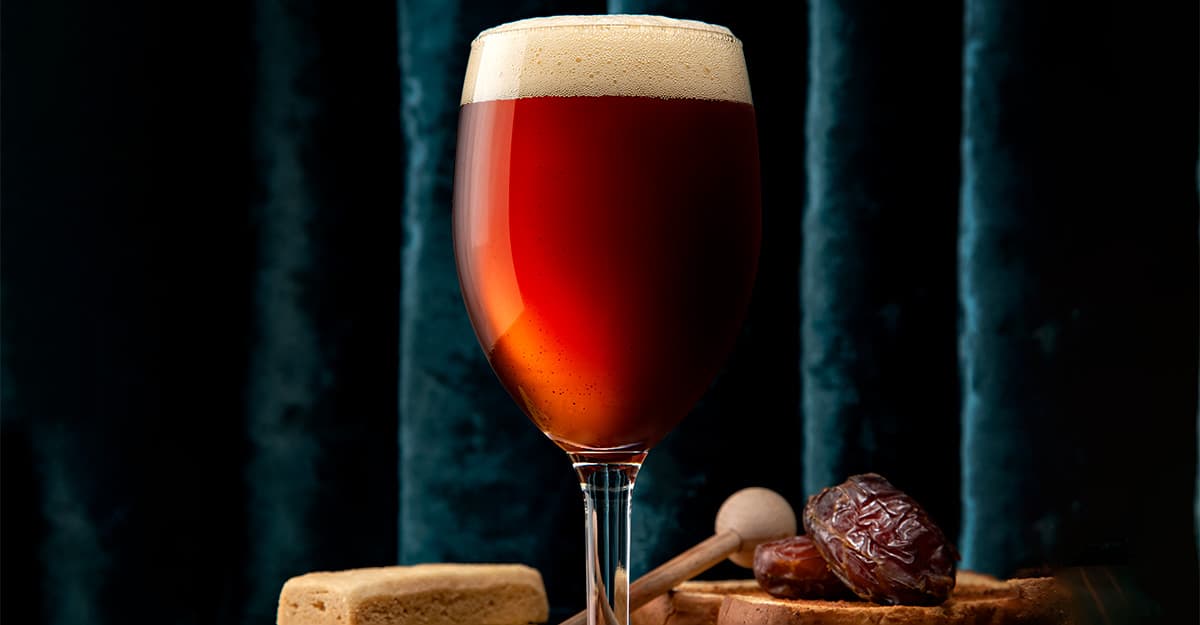
While their all-grain friends cope with gummy stuck mashes, here’s a recipe that extract brewers can employ for a strong, elegant, aromatically fruit-forward wheatwine.