
Special Ingredient: Brewing with Foraged Yarrow
Easily found in the springtime, this bitter flowering herb can contribute a unique depth to your beer—and a taste of ancient history.
By Joe Stange

38 articles in this category
Easily found in the springtime, this bitter flowering herb can contribute a unique depth to your beer—and a taste of ancient history.
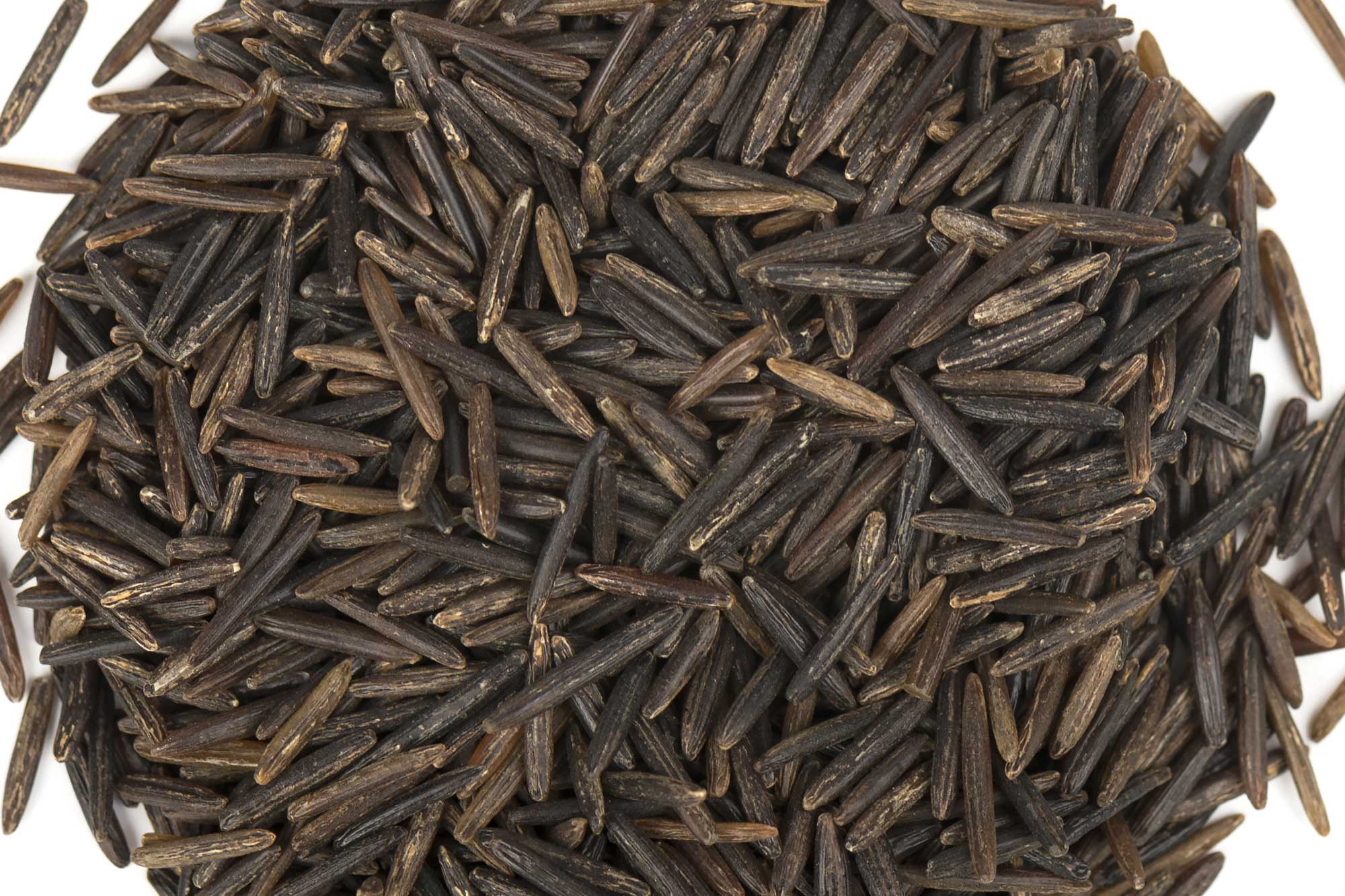
This truly indigenous, widely available American grain offers nutty, earthy flavors that would seem to be compatible with malt-forward beer. Yet relatively few breweries have tried it.

Bubbling up through Québécois gastronomy and into the brite tanks of craft brewers, this foraged spice is gaining wider fame and winning fans—and it grows freely across much of Canada and the northern United States.
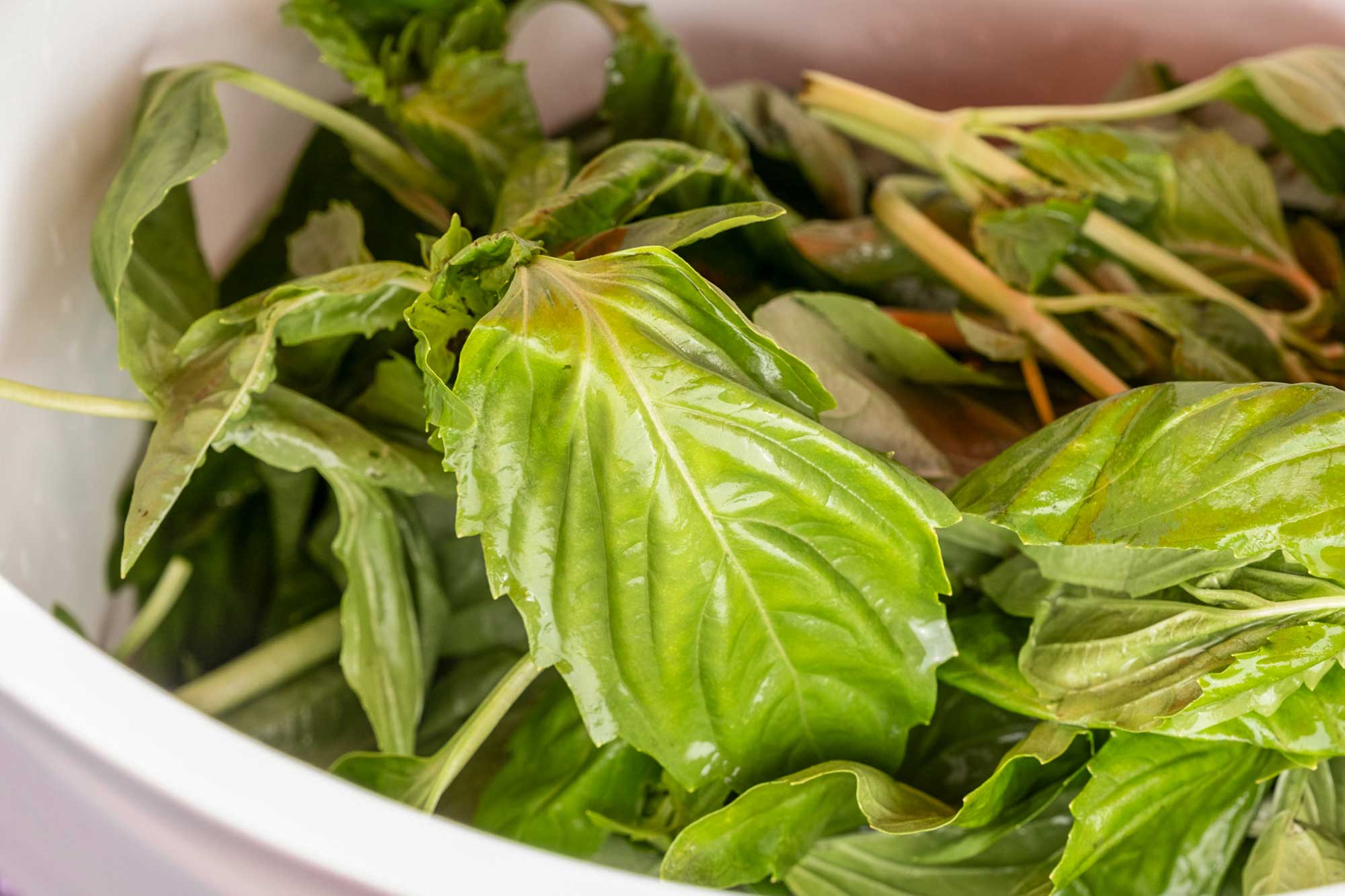
Beer and pizza are fast friends, as everyone knows. But how well do “pizza leaves” work in beer? Let’s find out.
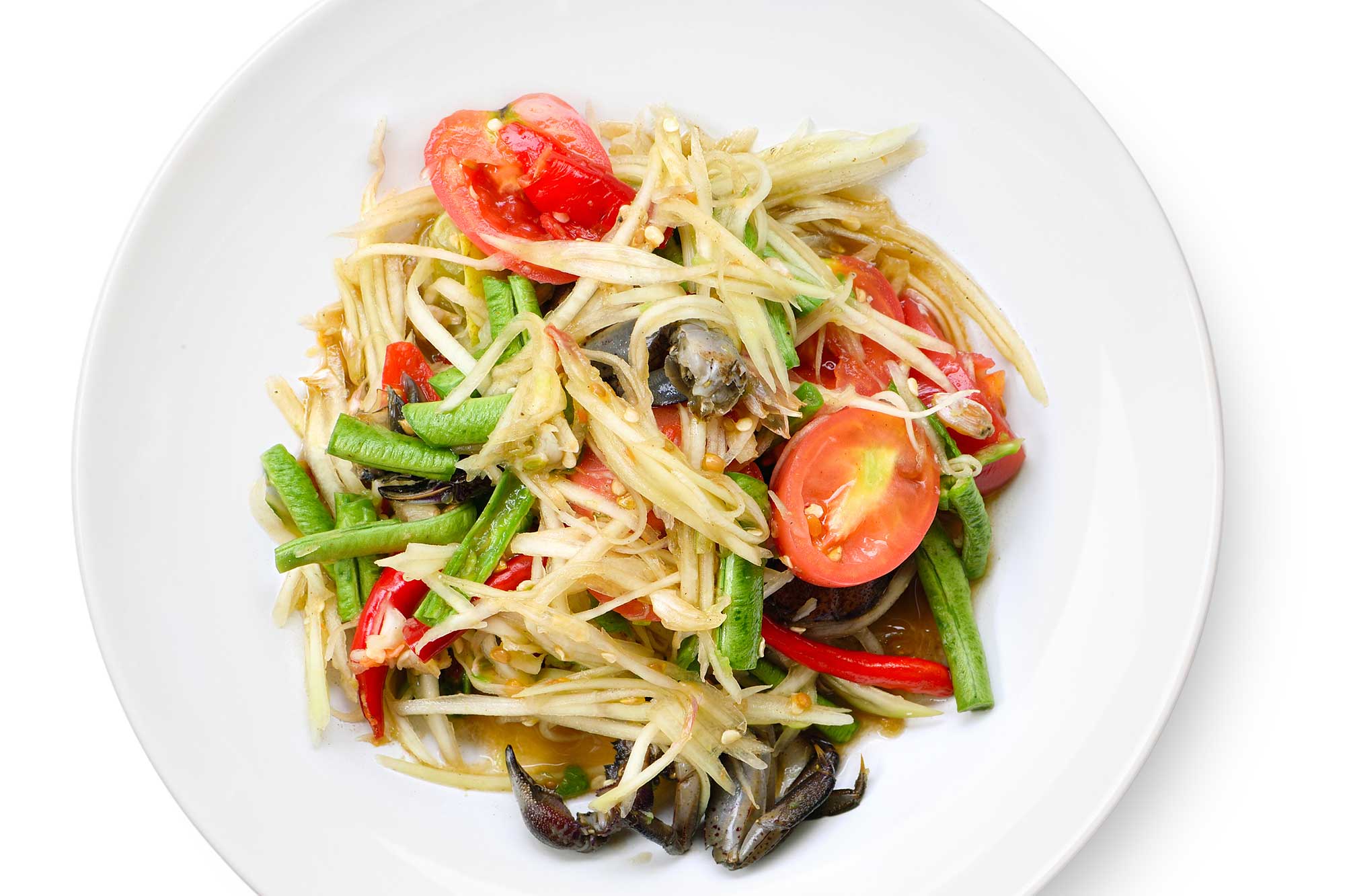
This fresh, vibrant, spicy Thai dish is a powerhouse of flavor, from its lime-driven acidity to its fiery chiles, crunchy peanuts, and briny little sea creatures. Should you put it in beer? Yes, obviously, you cowards.
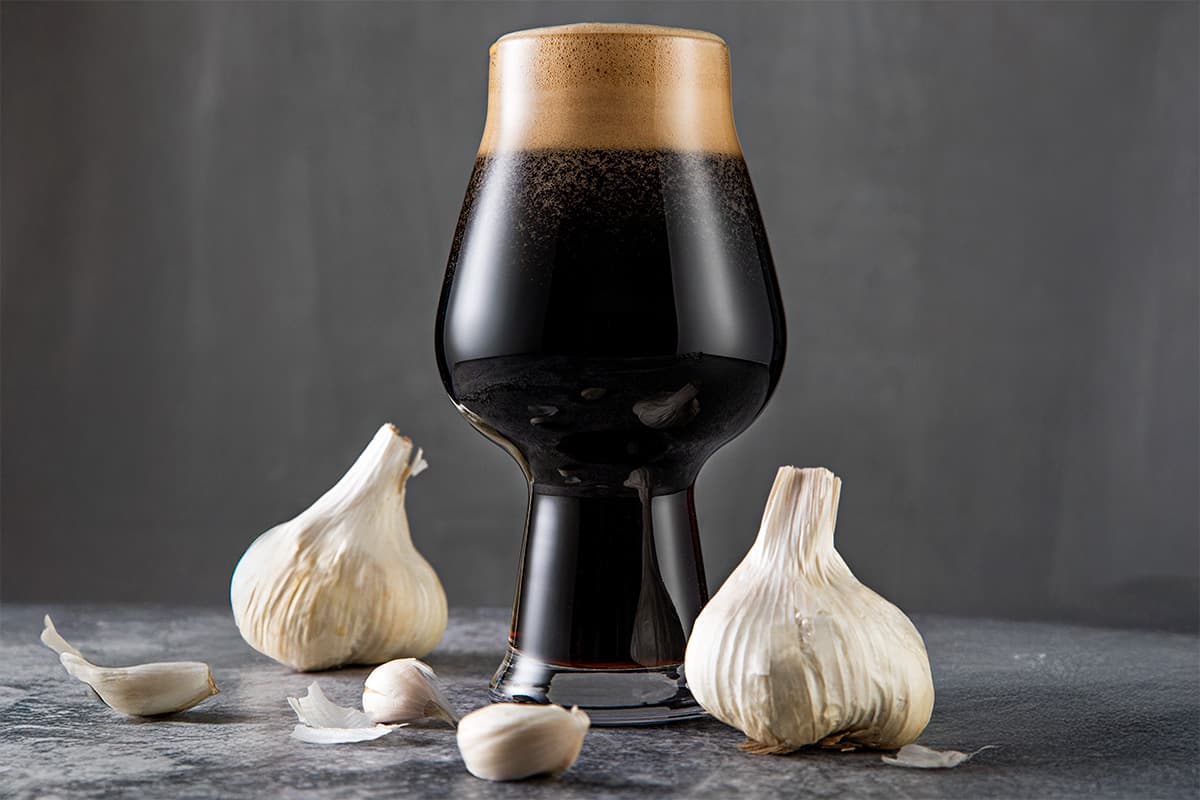
Roast us for it, if you must, but we won’t mince words: Garlic beer could be a breath of fresh air.
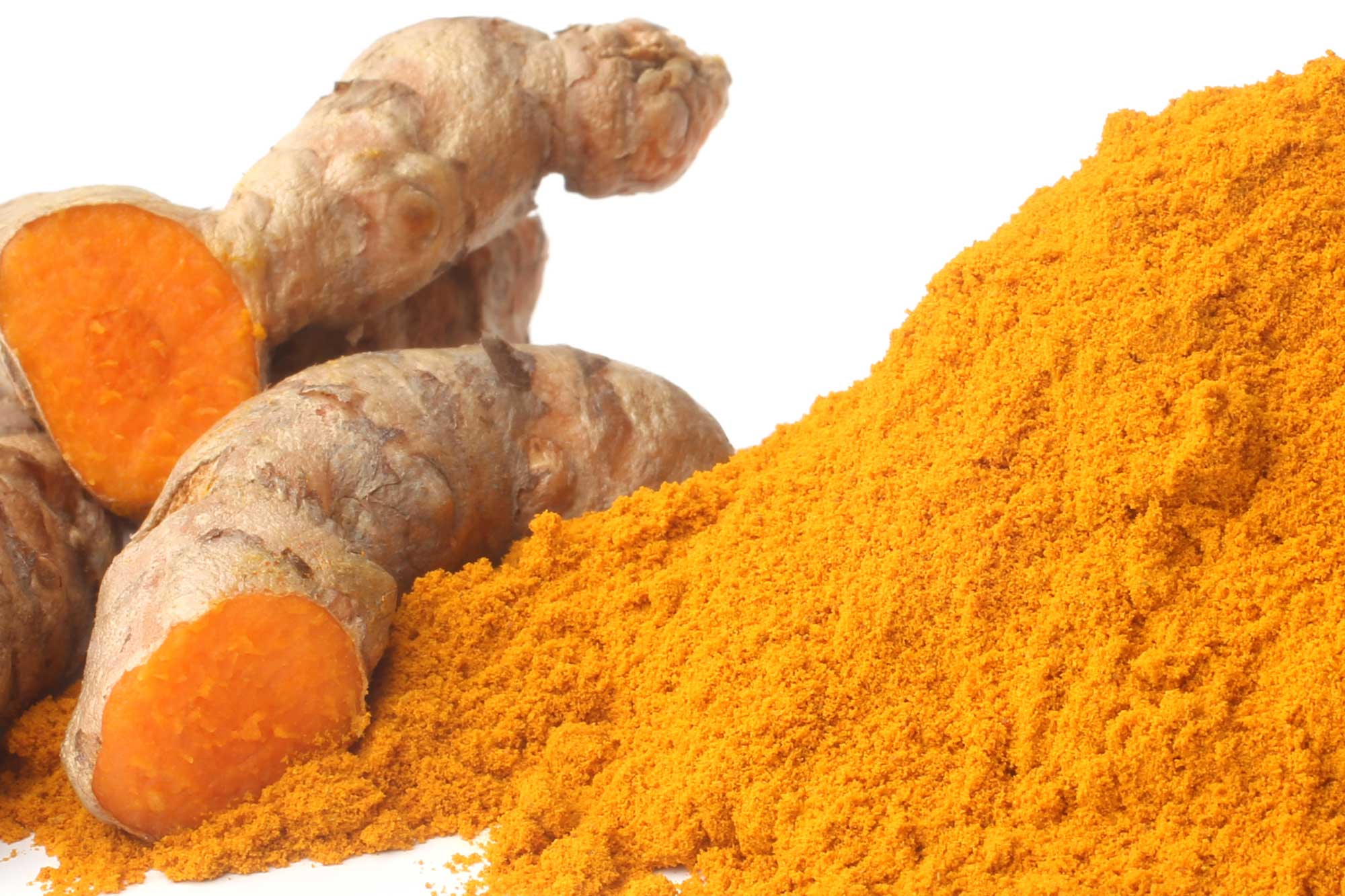
This plant from the ginger family can add subtle spice to your beer—or turn it so gold that it could have been brewed at Springfield Nuclear Power Plant.
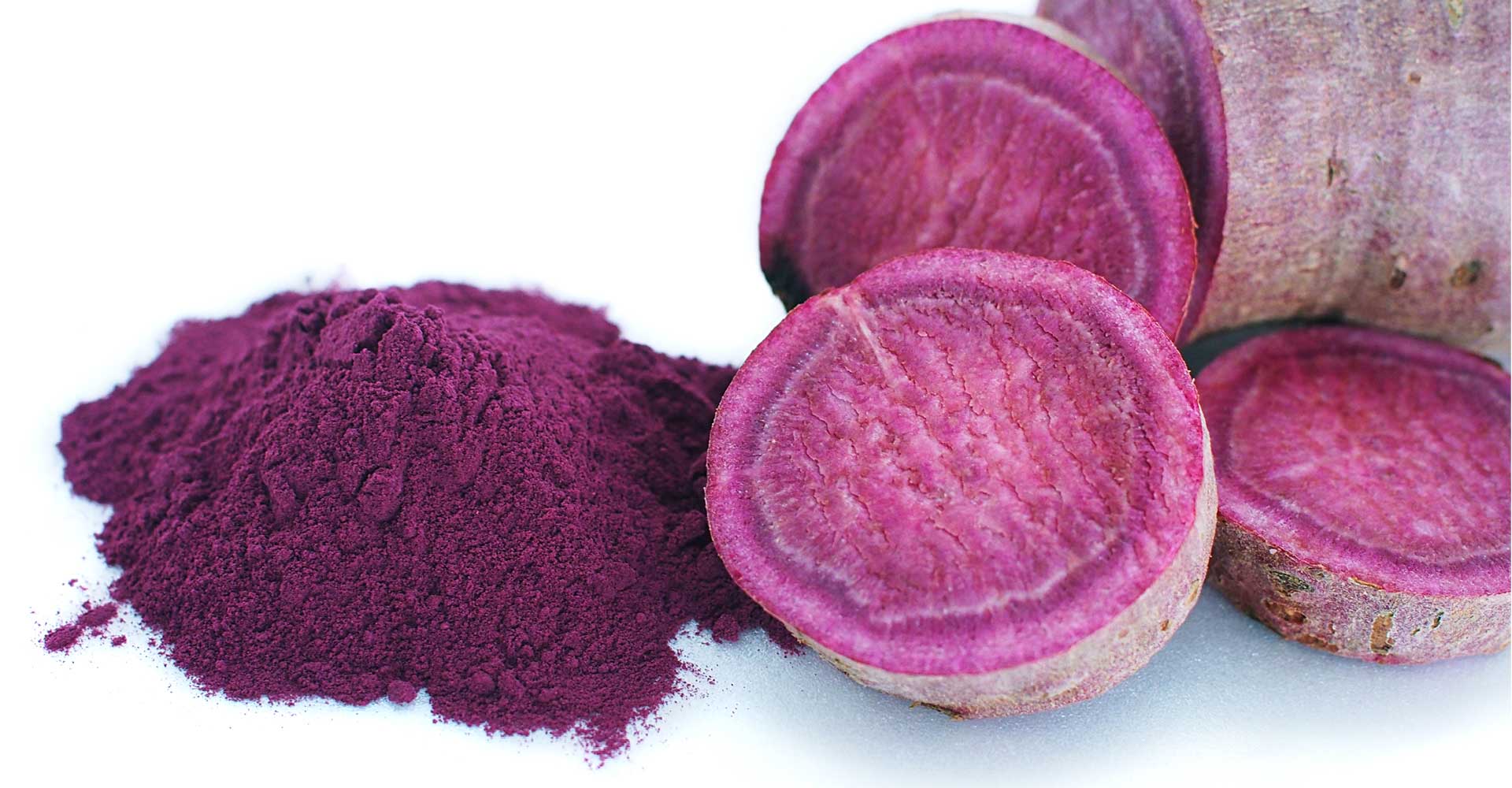
It’s sweet, it’s purple, it’s trendy, and many folks from the Philippines will be delighted when you make some beer with it.

Dipping in to put the crispy in crispy bois, this is nacho usual adjunct. (Sorry, was that corny?)
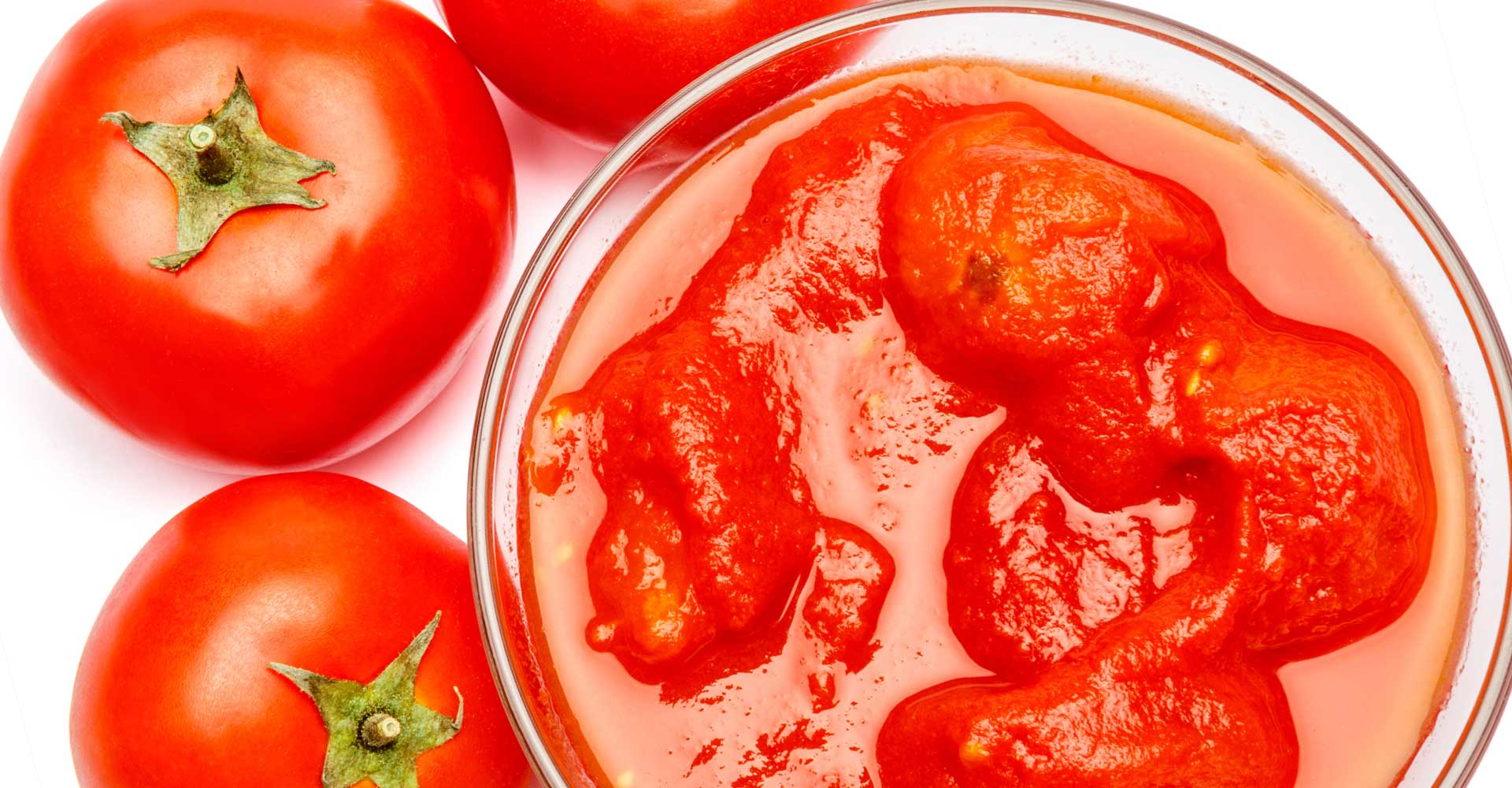
Taking the idea of a bloody beer to new heights, some Eastern European brewers have embraced a gose-based style thickened with tomato, chiles, garlic, smoke, and more. (Just add hangover.)
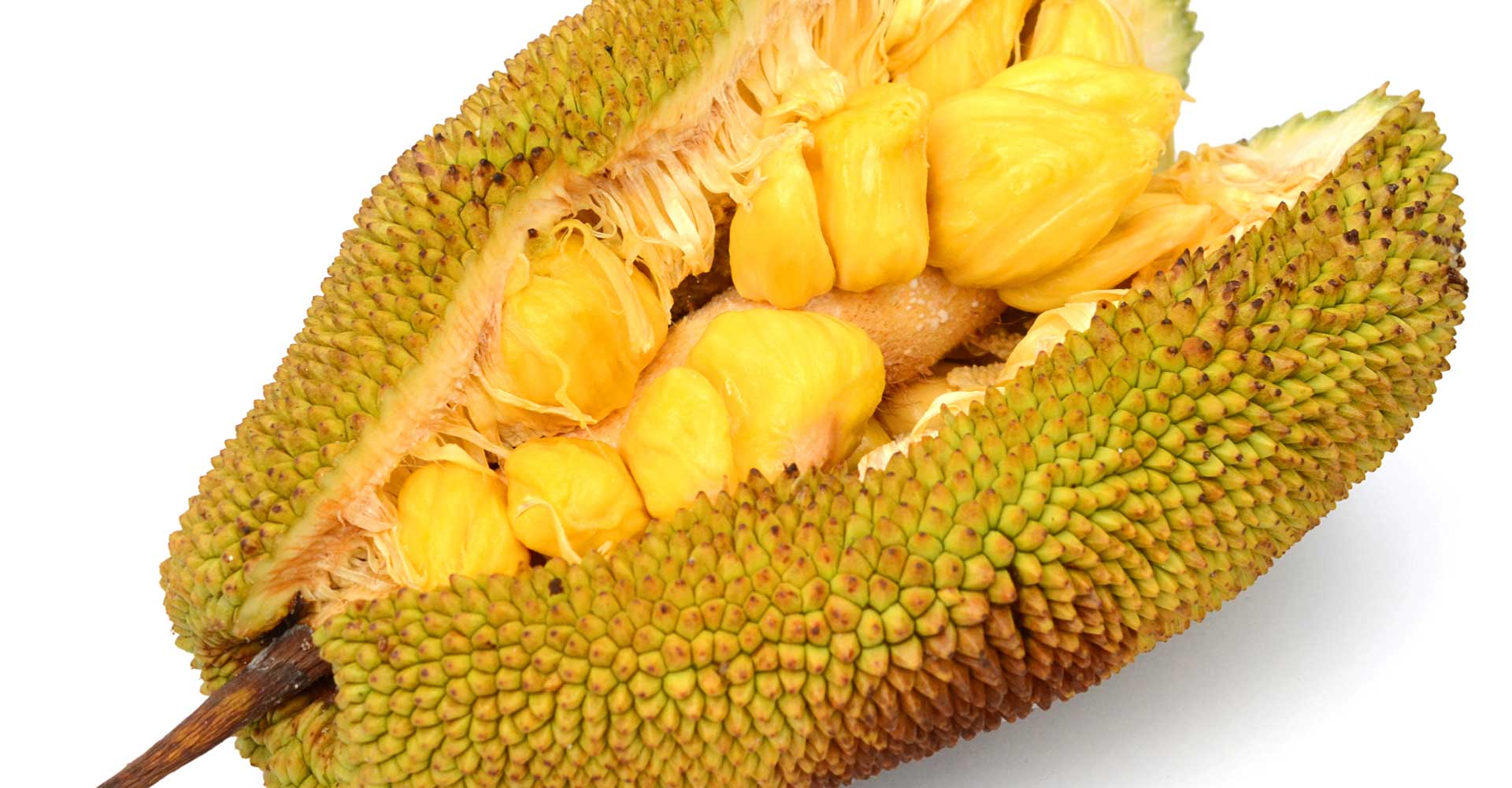
Popular in South Asia, this hulking tropical fruit with a sweet, creamy flavor may have something unique to add to the conversation.
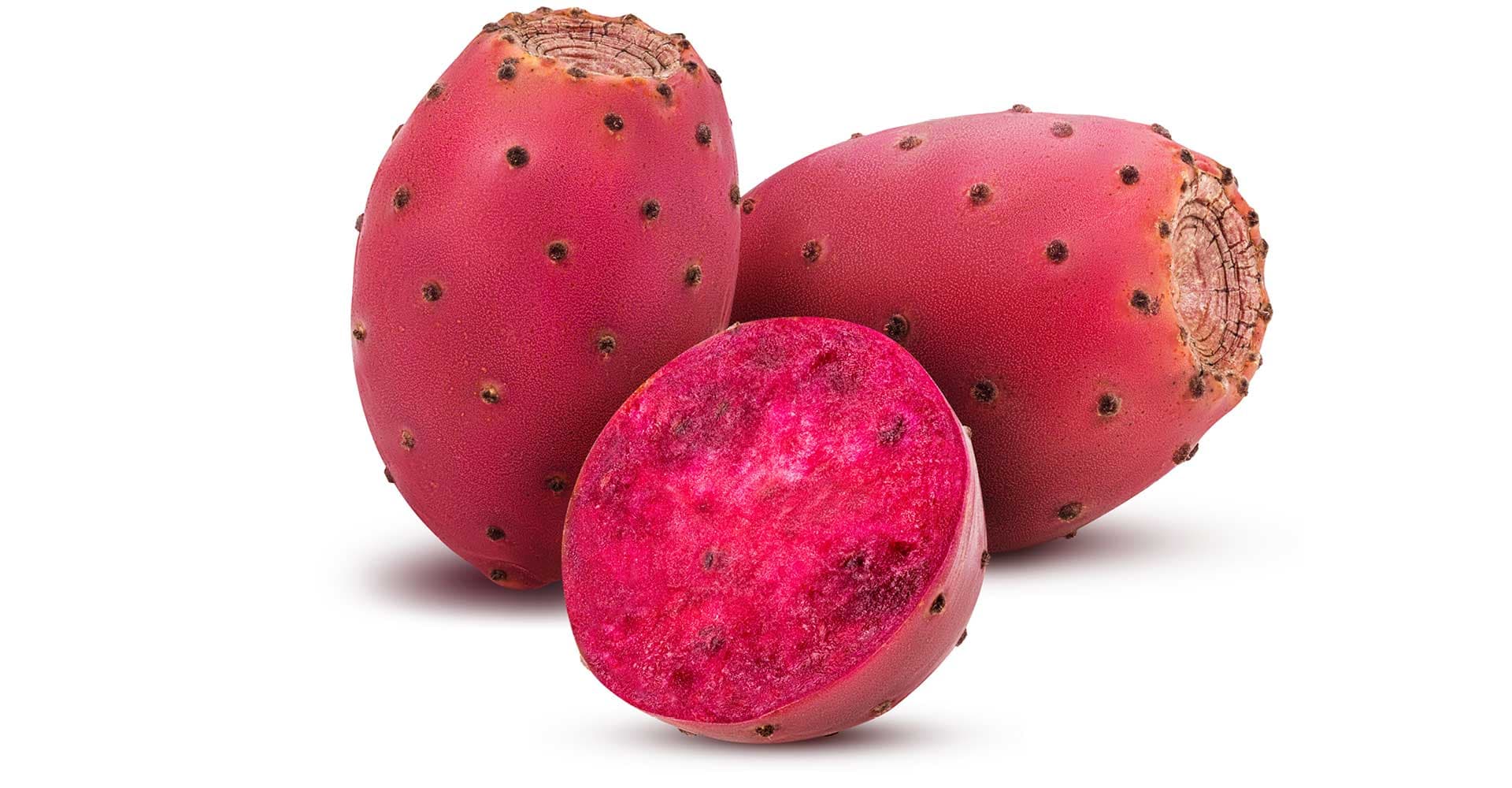
For a bright, fruity flavor that’s special to Mexico and the American Southwest, consider the humble prickly pear. (Just watch out for those spines.)
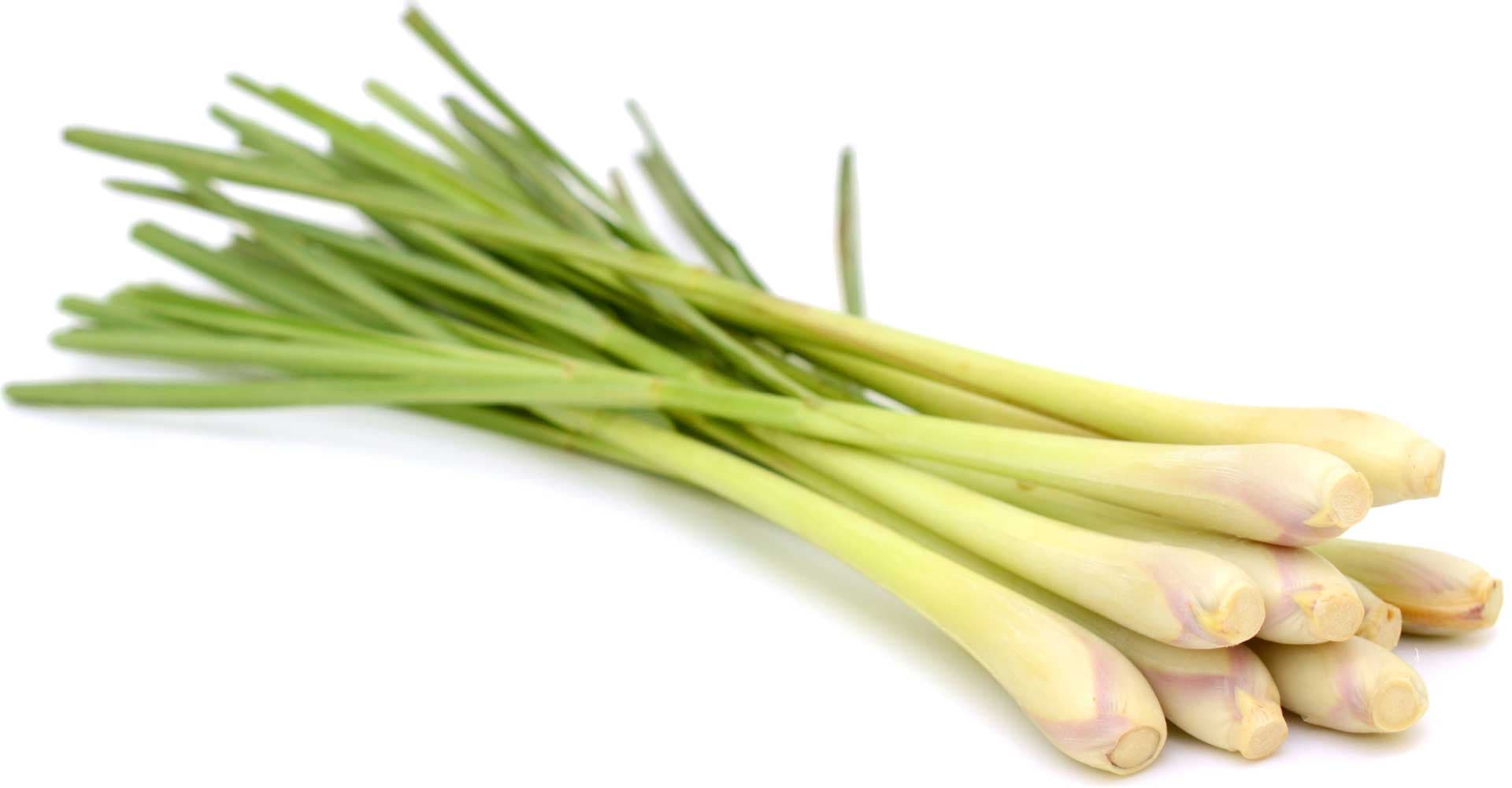
Exotic but familiar, the tropical plant lemongrass is far from being one of the traditional beer ingredients … yet its flavor and aroma fit right in with the others.
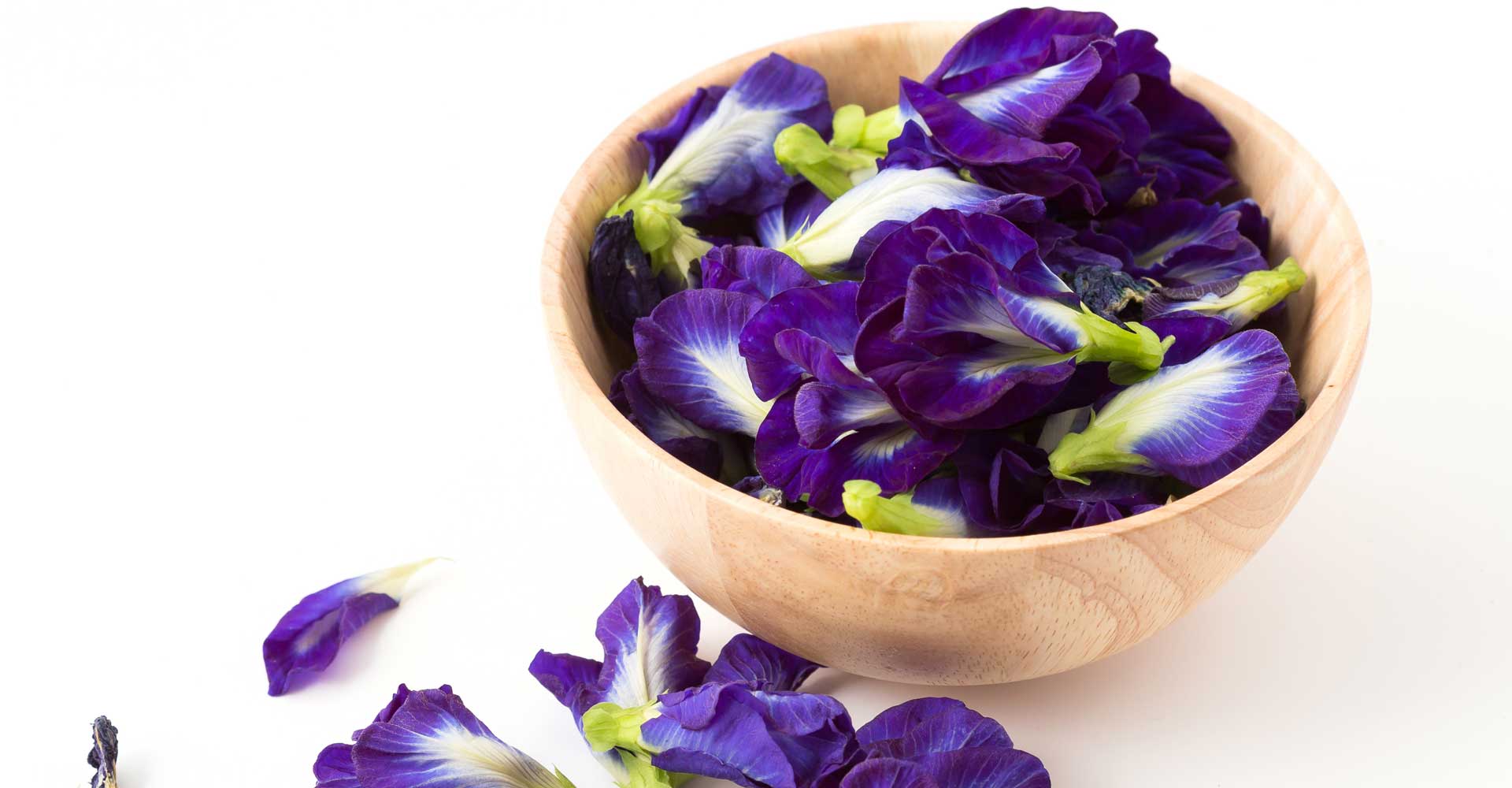
You might see the tea in Thai restaurants or trendy cafés or spas—a striking blue or purple liquid, steaming from clear mugs or iced in glasses. And, guess what? That potent color also works in beer.

Also known as Myrica gale, this mud-loving shrub was once a key ingredient in the unhopped ales of medieval Europe—and it has a unique character worth considering for your beers.
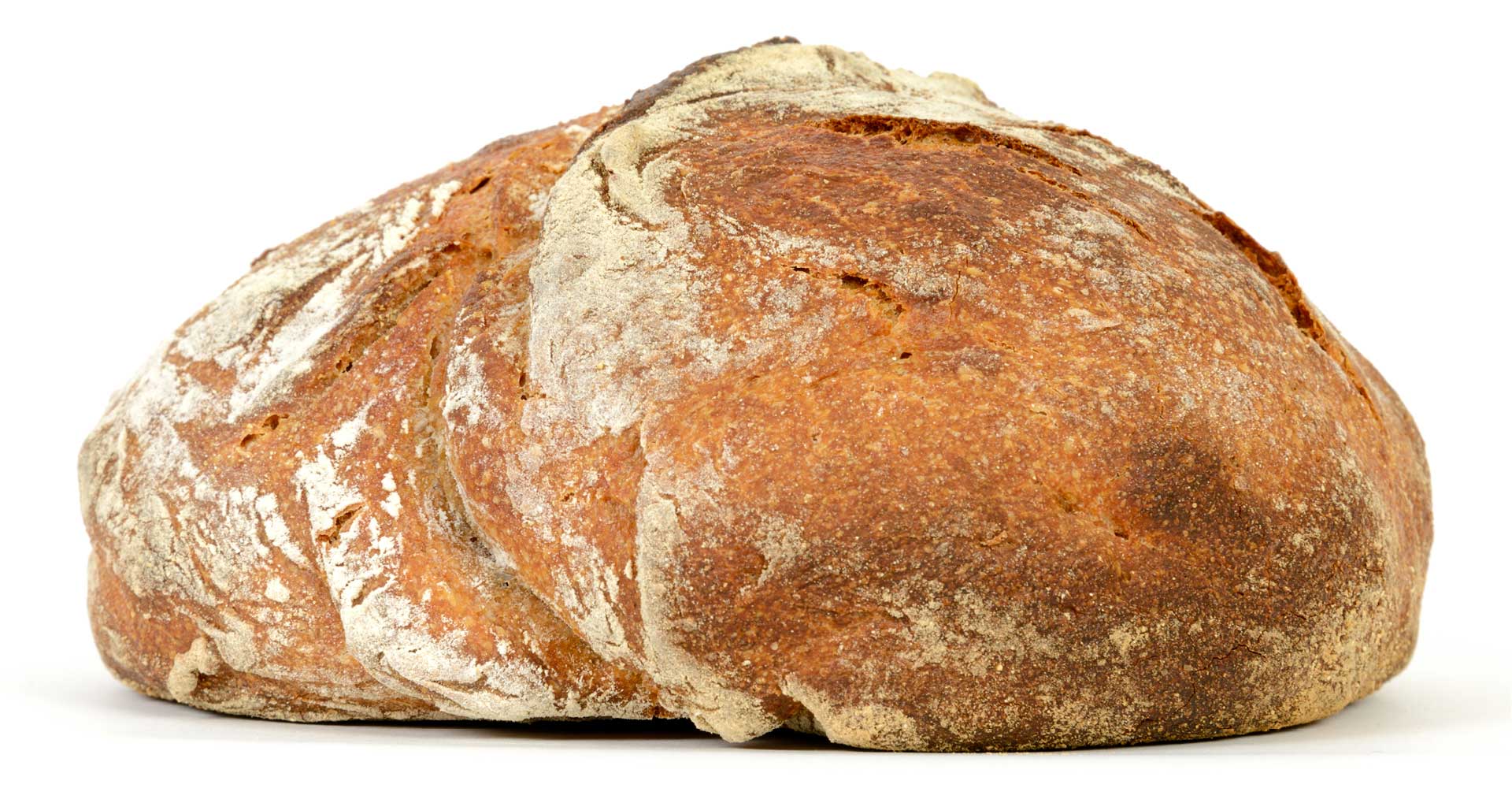
Don’t let that extra loaf go to waste—try throwing it into your mash tun. Here, Sam Fleet of Brussels Beer Project breaks down the unexpected benefits of brewing with bread.
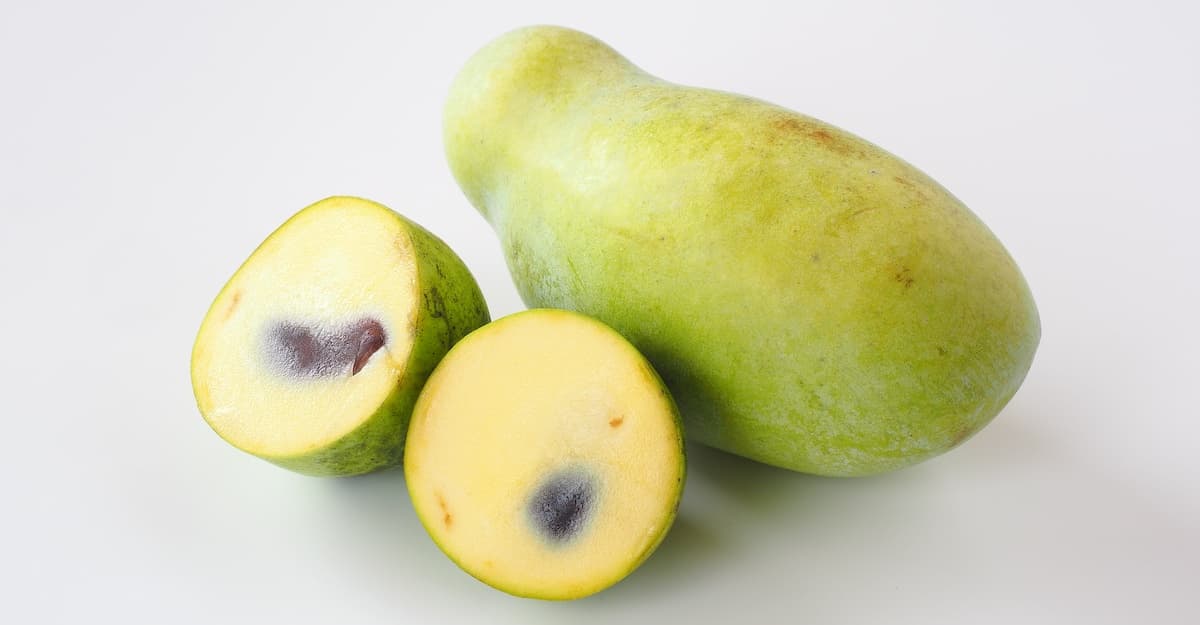
This tropical-flavored fruit from un-tropical places has a funny name and great potential for brewing some unusual fruited beers.

The rise of dessert stouts has included no small number of marshmallow beers, with the potential to evoke childhood memories of fireside treats. So, how do you brew with marshmallows—and is it even worth the mess?
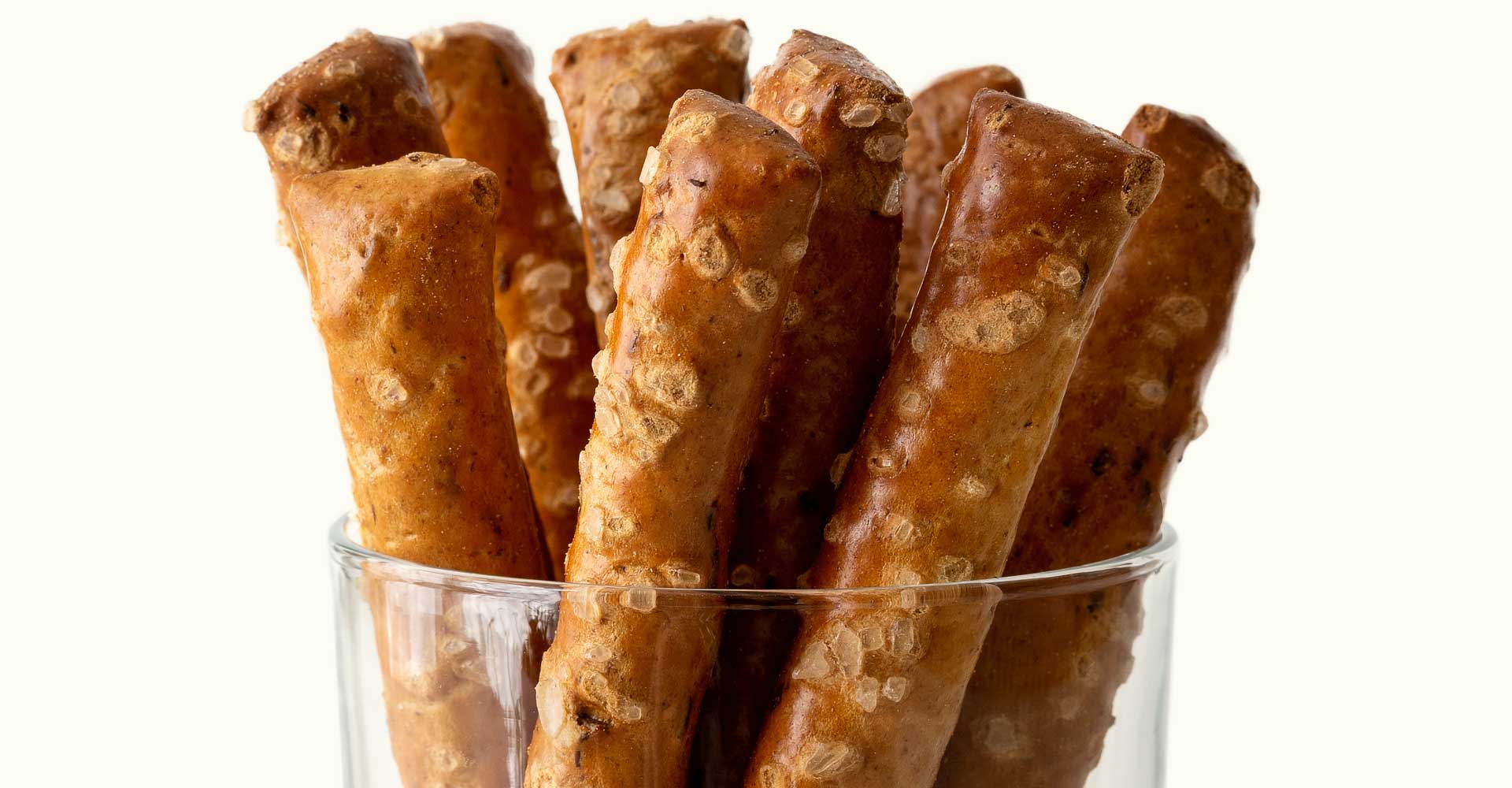
You munch on a pretzel, you take a gulp. It’s obvious: Pretzels have always made beer taste better. So why not just add them directly?
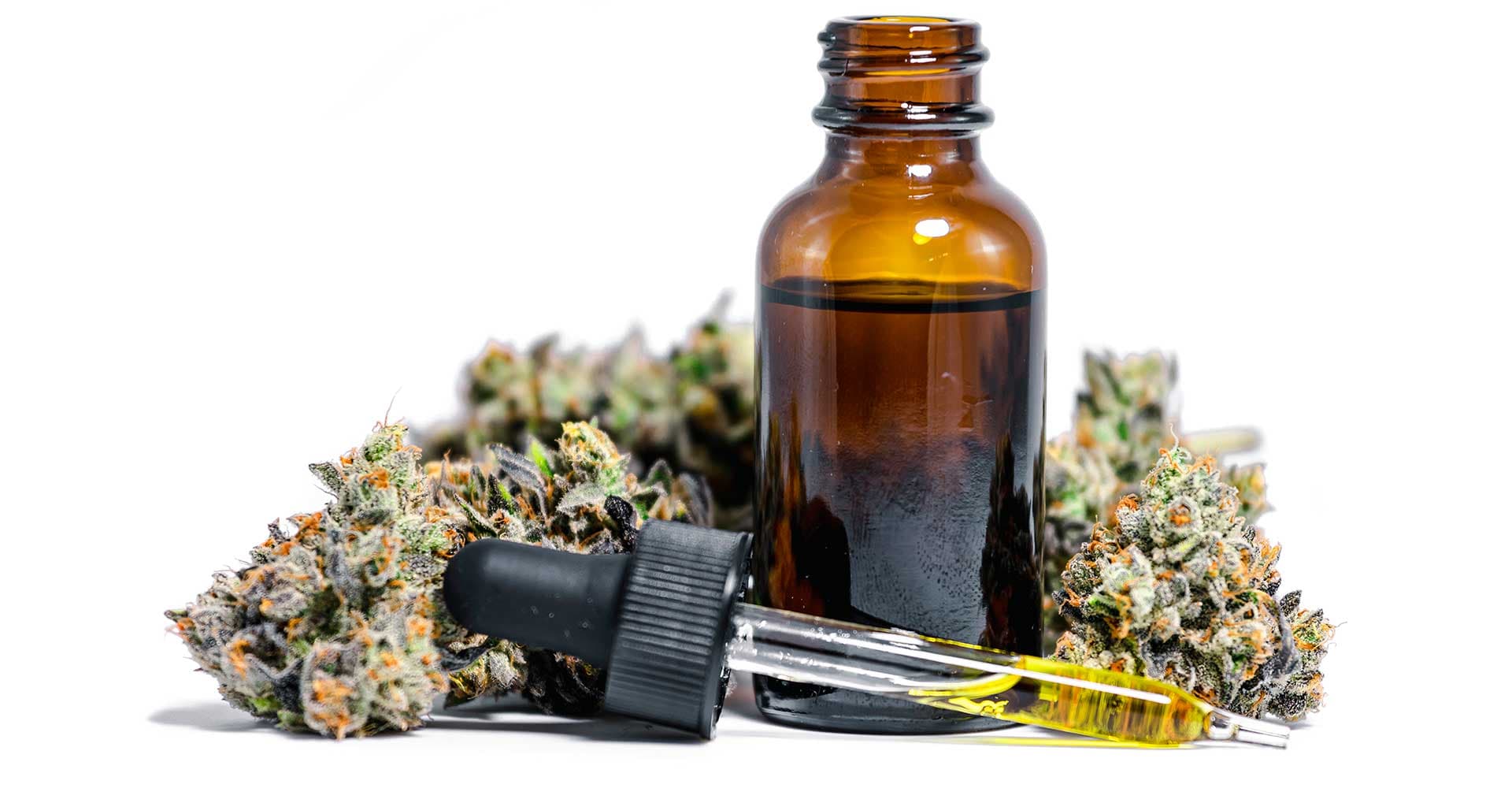
Commercial brewers are in the earliest days of figuring out how to legally get CBD into beer (and keep it there). For homebrewers, it presents an open—if legally vague—field of play and experimentation.
Browse every article filed under this tag.