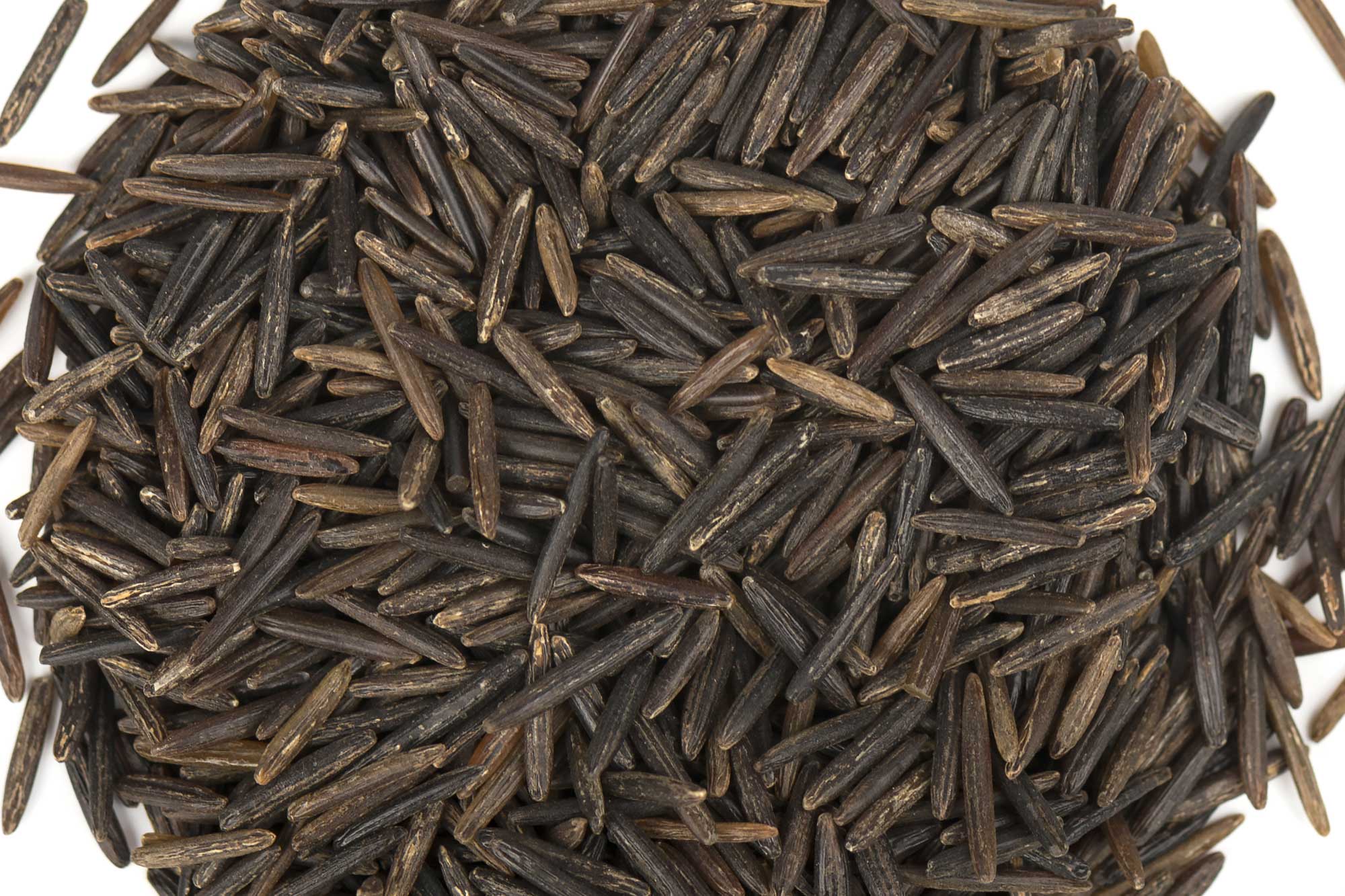
Brewing with Wild Rice, an American Grain
This truly indigenous, widely available American grain offers nutty, earthy flavors that would seem to be compatible with malt-forward beer. Yet relatively few breweries have tried it.

18 articles in this category
This truly indigenous, widely available American grain offers nutty, earthy flavors that would seem to be compatible with malt-forward beer. Yet relatively few breweries have tried it.
It’s not always a simple process, but independent brewers in Ghana are favoring locally grown starches such as rice and cassava over imported malt, forging an identity for Ghanaian craft—oh, and they’re winning international medals for the beer.
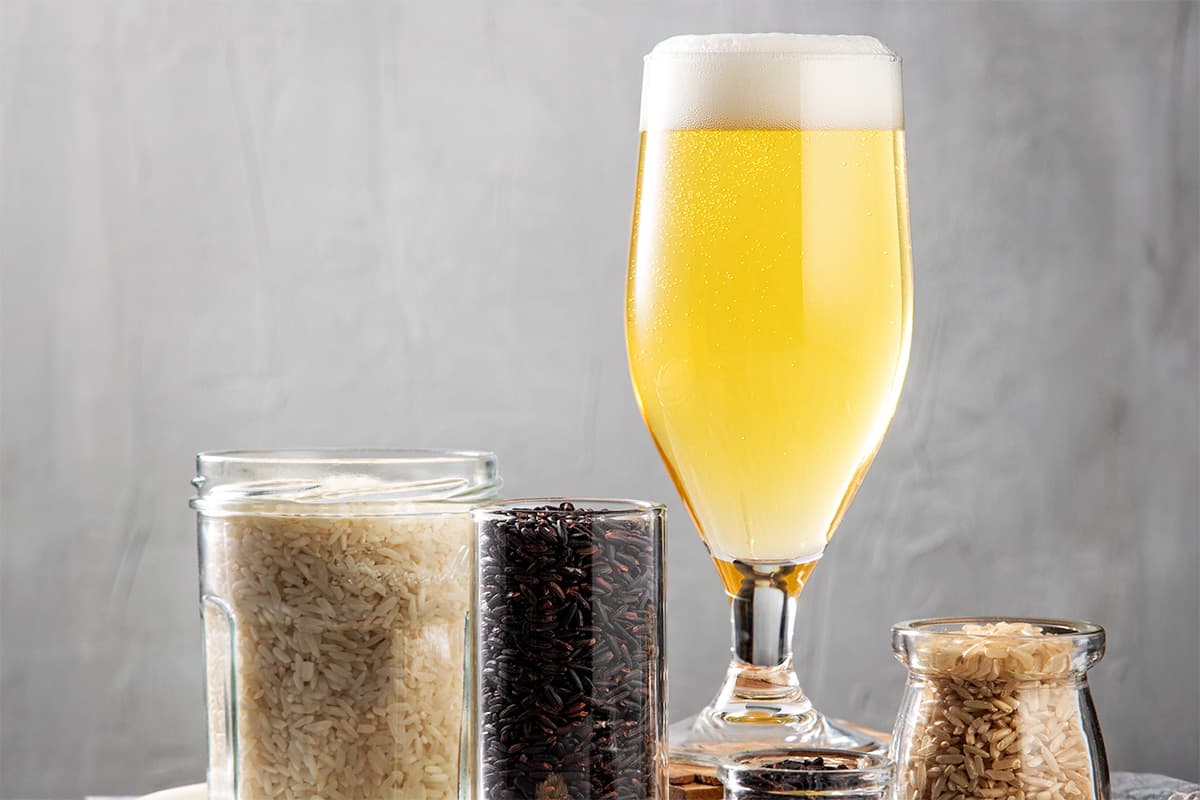
New research points toward much greater potential for rice malt in brewing—with varieties that provide color, character, and brewing specs that aren’t so different from barley.
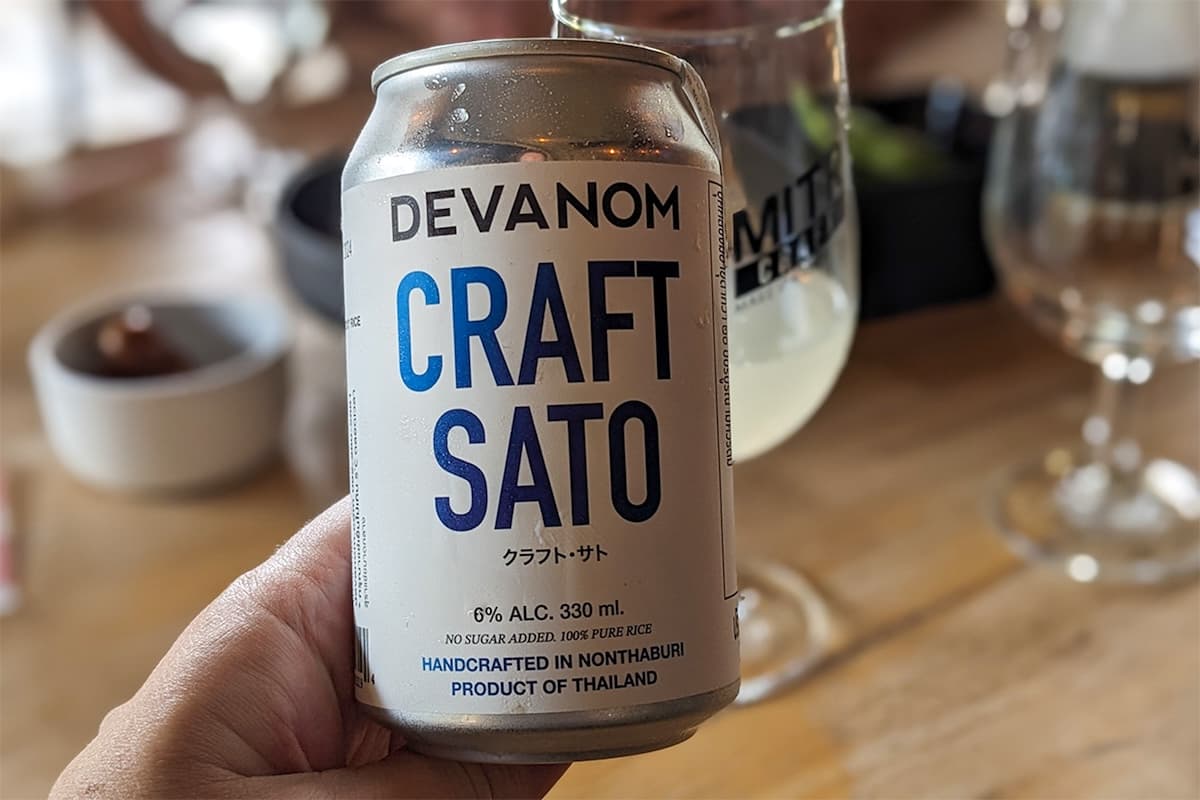
Based on input from Nattachai “Ob” Ungsriwong of the Devanom Brewing Company in Nonthaburi, Thailand, here’s a recipe for making your own sato—inspired by traditional methods, but with a few optional twists.
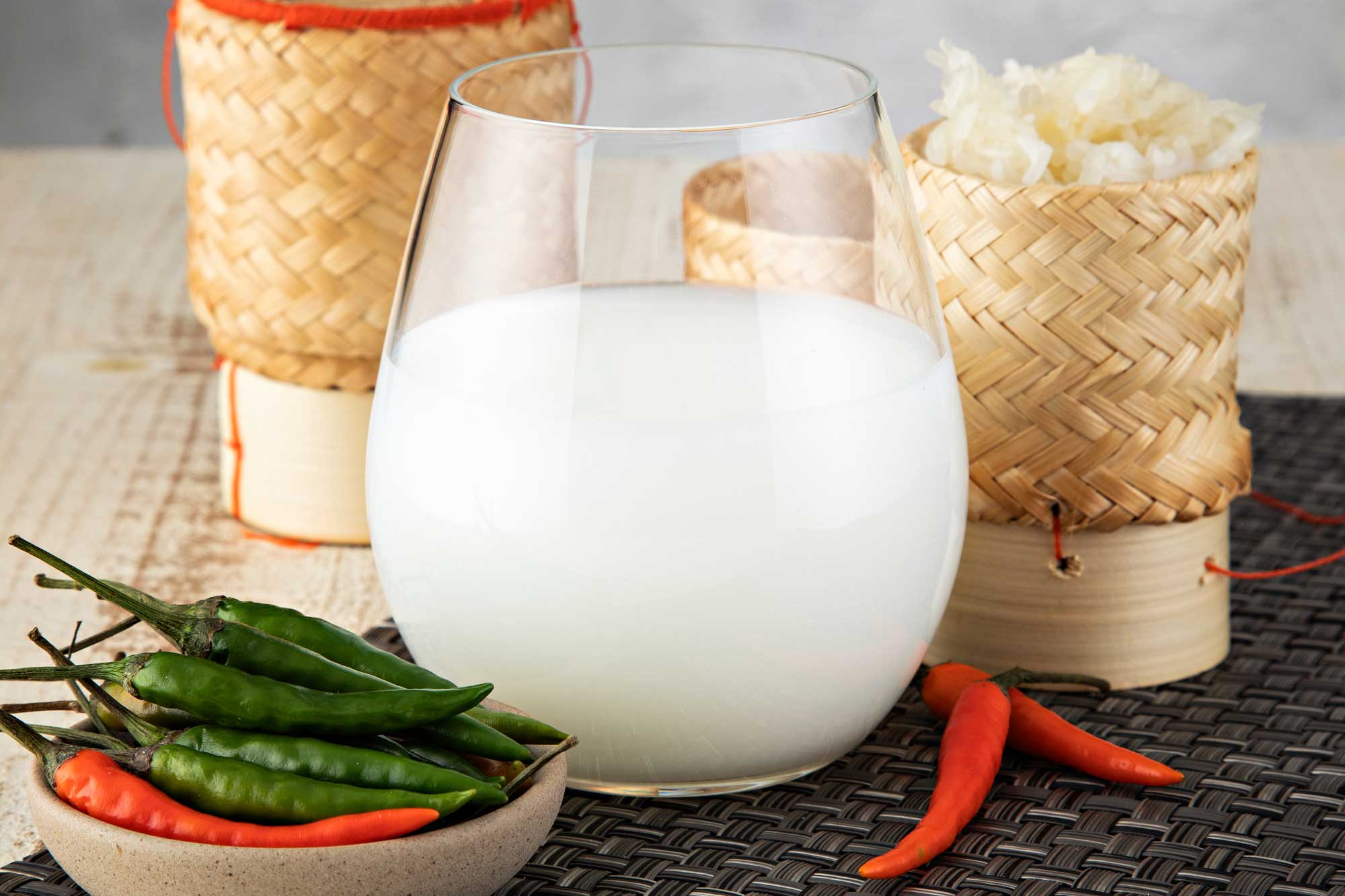
Amid craft beer’s rise in Thailand, brewers there are taking a fresh look at what their uncles and grandmas concocted—a folk drink fermented from sticky rice, wild yeast, molds, and a seemingly random mix of botanicals. (They’re also figuring out how to make it better.)

This crisp and dry Japanese-inspired lager is brewed with rice and hopped with Perle, Tettnanger, and Saphir. pFriem Family Brewers describes it as having aromas of “Shiso plum, fresh bread, and violet” with “sparkling notes of fresh green tea and wildflowers.”
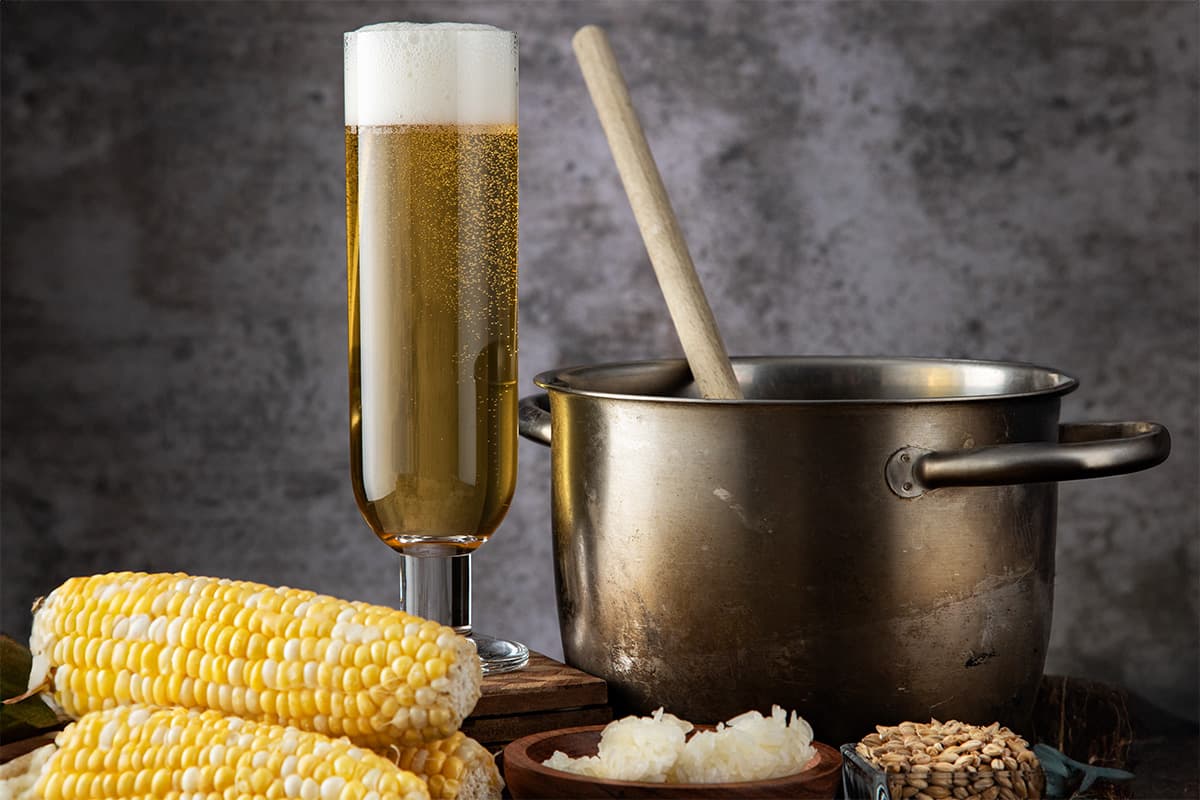
Craft brewers have gone from shunning adjuncts to embracing them with alacrity amid our ongoing love affair with lager. Here, we put the American and international lager traditions into context—and then we ponder which adjuncts might be the next to conquer the world.
Brewers share strategies for reducing costs on craft beer’s most competitive style.

Josh Pfriem, founder and brewmaster of pFriem Family Brewers, shares tips on how to dial in your mash process and support great foam retention in light, crisp, internationally inspired lagers—including a finishing touch of Tetra hop extract.
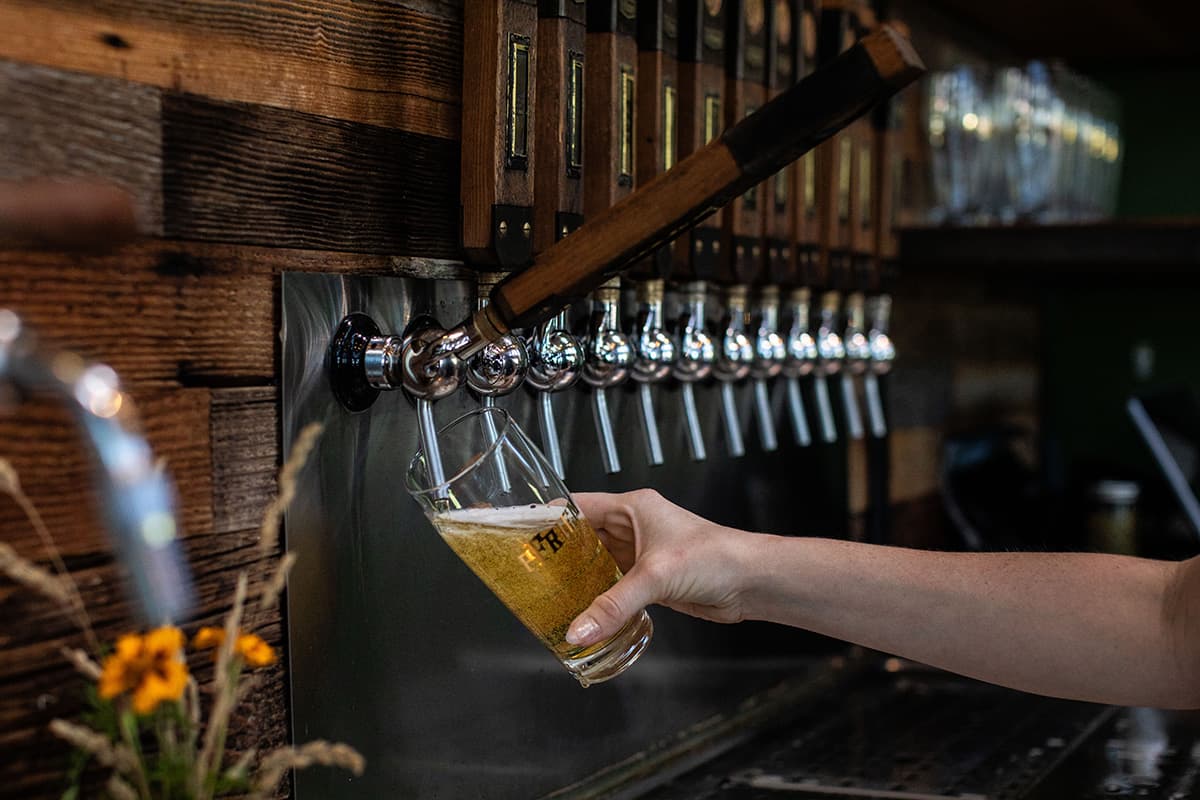
Josh Pfriem, founder and brewmaster of pFriem Family Brewers, lays out their approach to hopping Japanese- and Mexican-style lagers, including related flavor considerations for malt, pH, and sulfur content.

Since adjunct lagers are cool again, it may be time to give American malt liquor a fresh look. Lean and strong, this adjunct-laden product of the post-Prohibition era has the power to evoke simpler times.
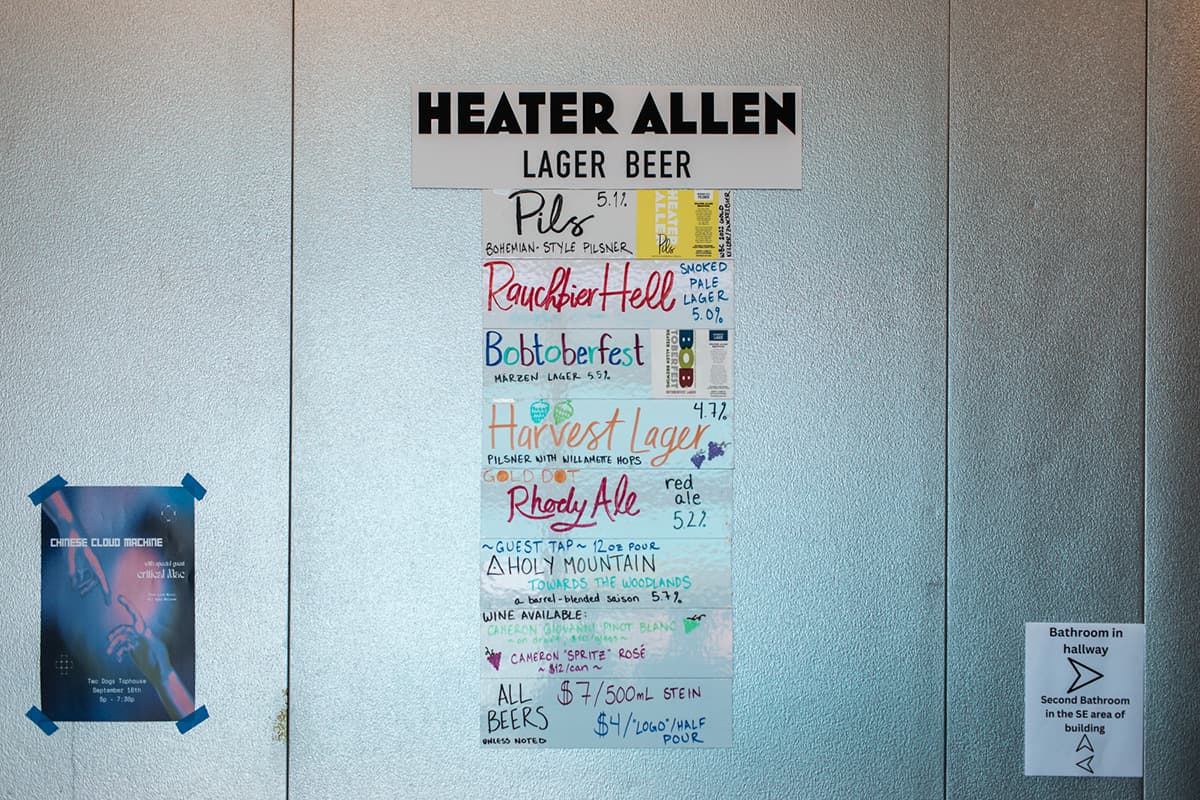
Kevin Davey, co-owner of Heater Allen Brewing and Gold Dot Beer, explains why domestic two-row is the base malt of choice for cold IPA, combining with adjuncts such as rice or corn for lighter body and longer shelf life.
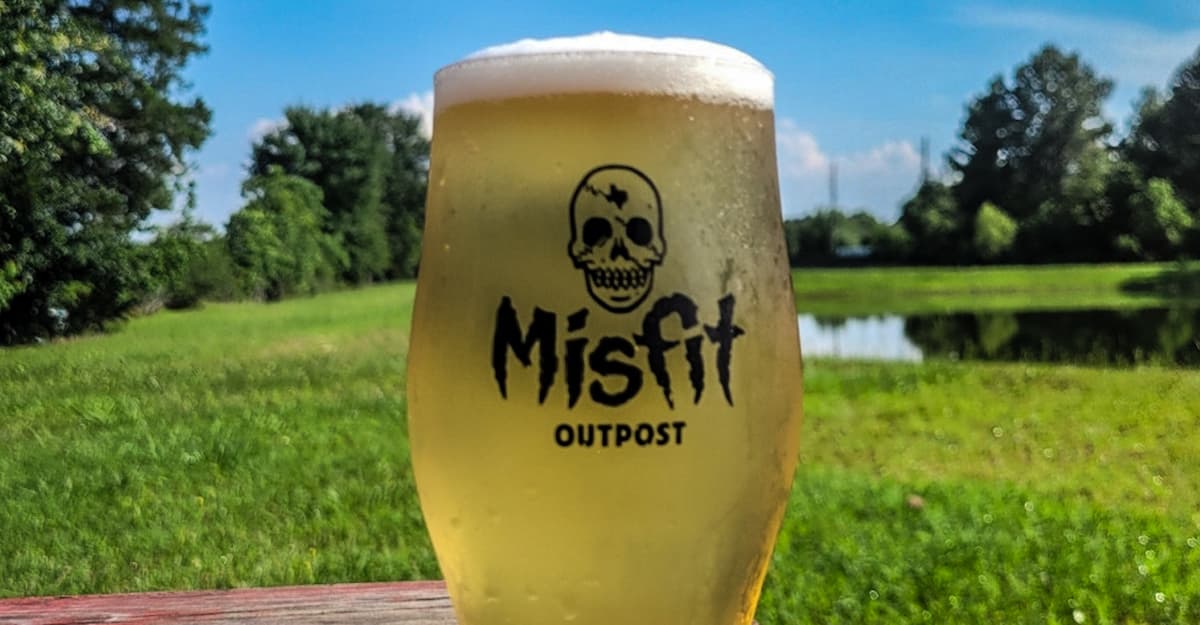
From Misfit Outpost in Cypress, Texas, this beer celebrates South Asian flavor in the form of sweet, creamy jackfruit, which adds its tropical accent to a light, crisp, rice-lager frame.

Crack some grains and cook some rice if you want, but attacking cold IPA with the partial-mash method is simple. Let the pedants argue about whether it’s a style—we’re too busy brewing and drinking it.
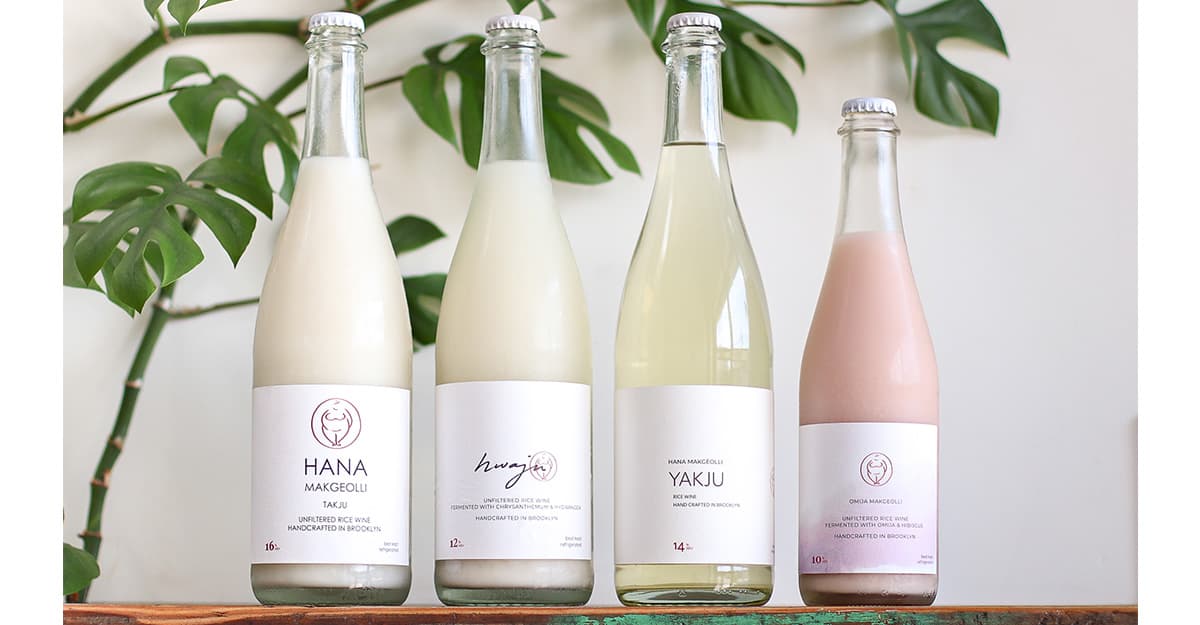
Danyangju is a strong makgeolli made from a simple, single-step fermentation process—ideal for beginners to try at home.
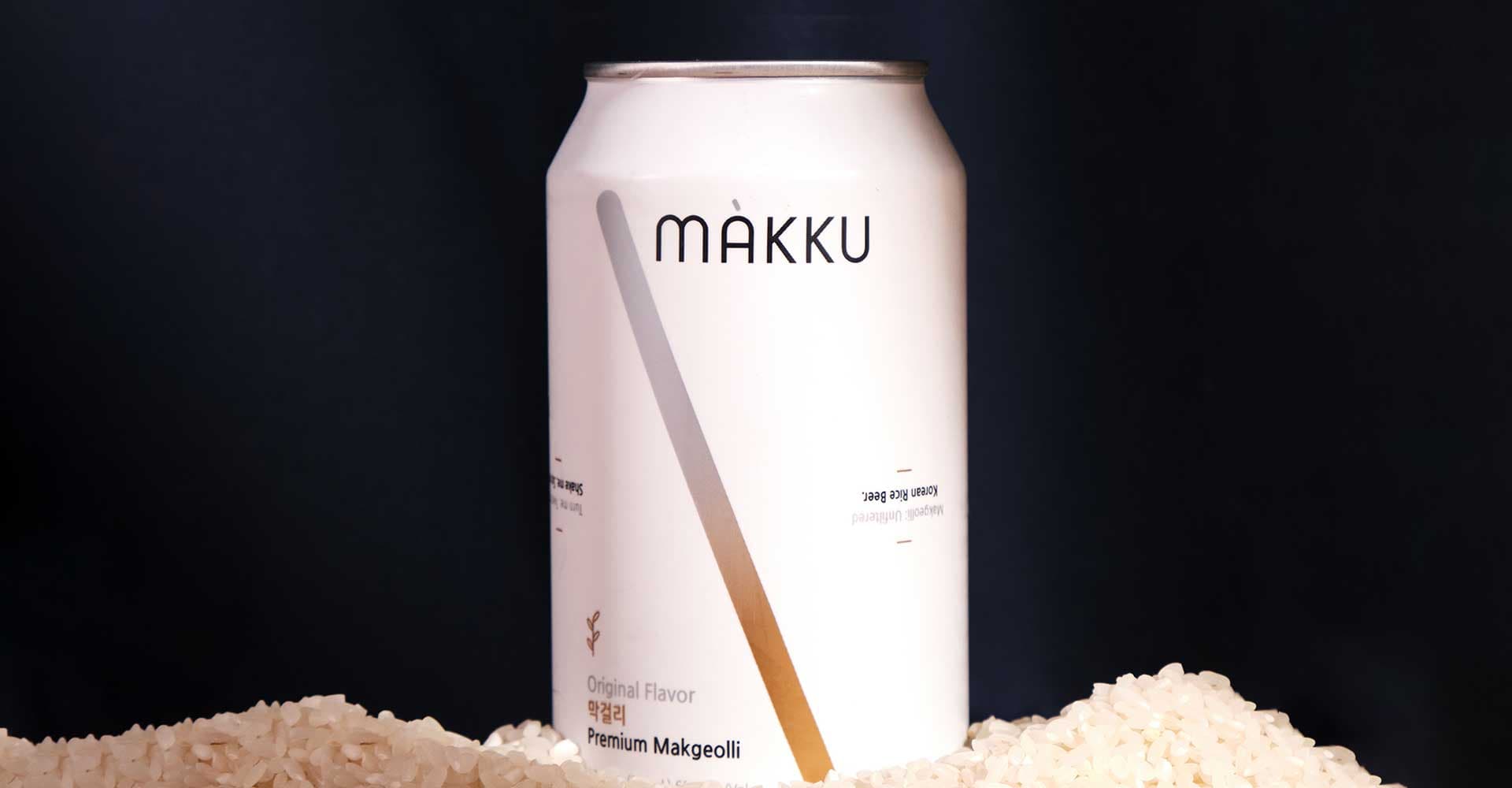
Courtesy of Carol Pak at Sool, here is a homebrew version of their lighter makgeolli recipe using glutinous (sticky) rice.
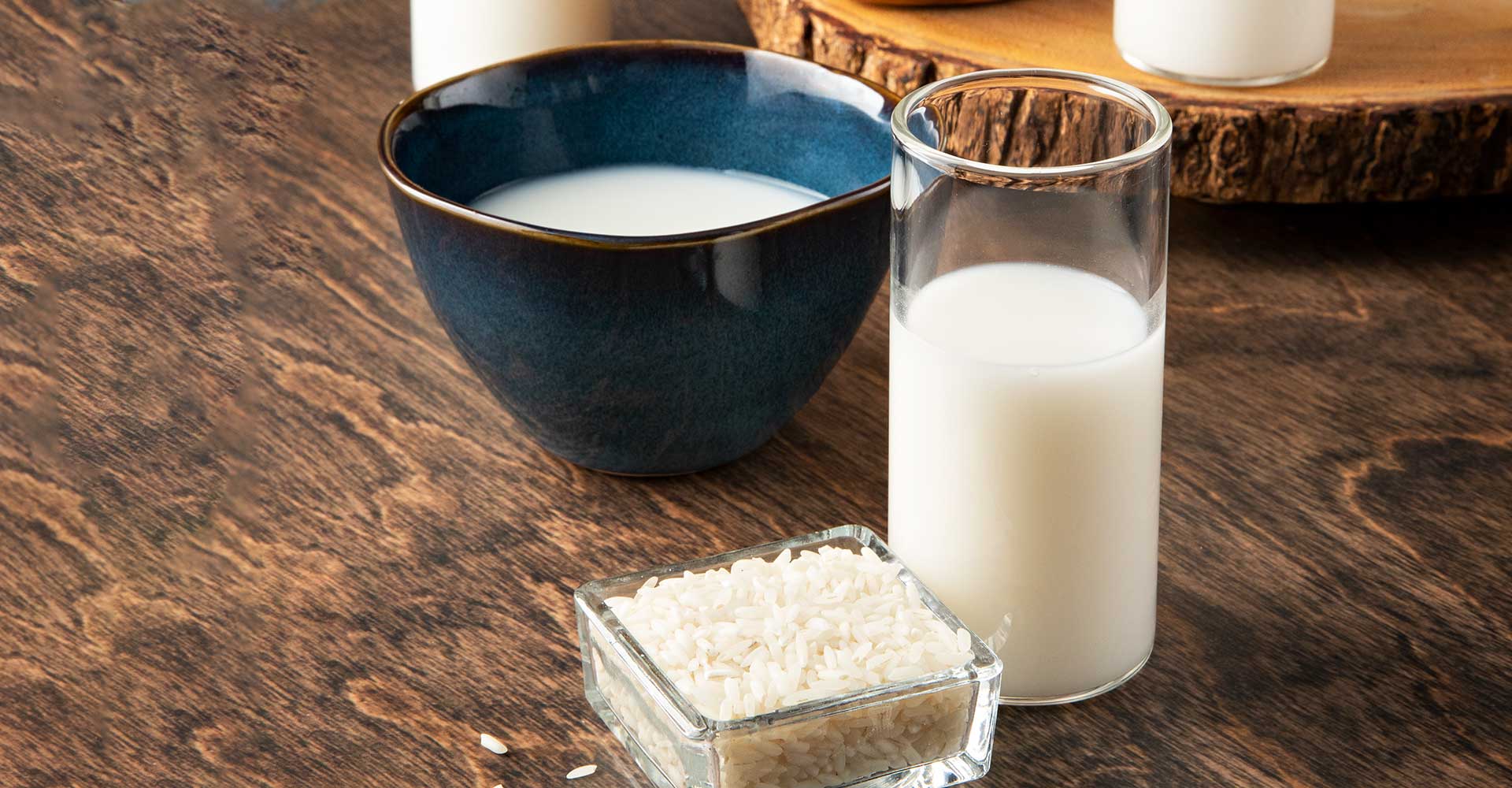
In Korea, a new generation has revived a folk drink made from rice and mixed-culture fermentation. Now, two small-batch producers are making makgeolli on American shores, celebrating their heritage while introducing many more to its depth of flavors.
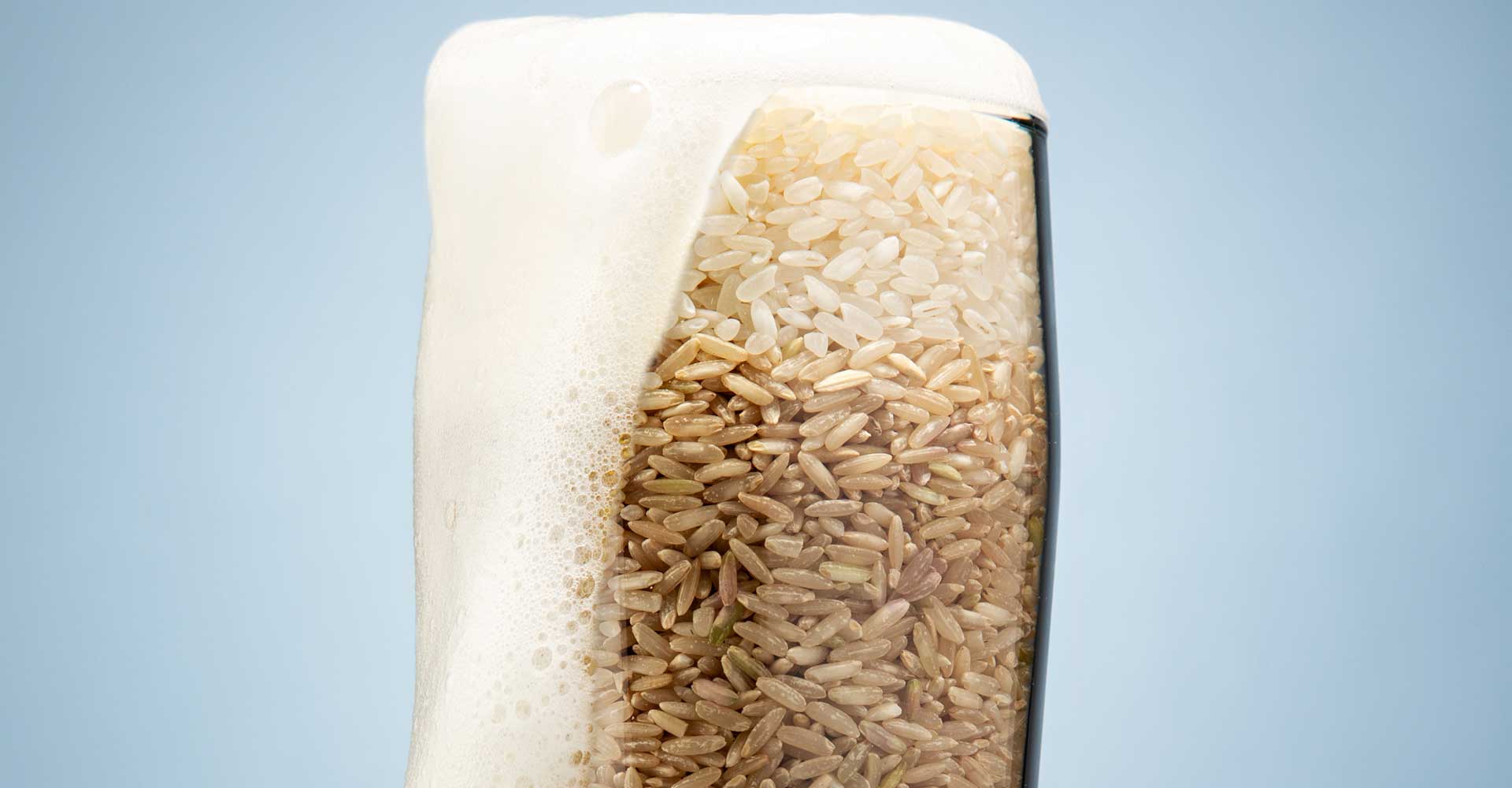
You don’t need an industrial Japanese brewery—nor even an all-grain homebrew system—to make a clean, light-bodied, refreshing rice lager ideal for sushi and summertime.