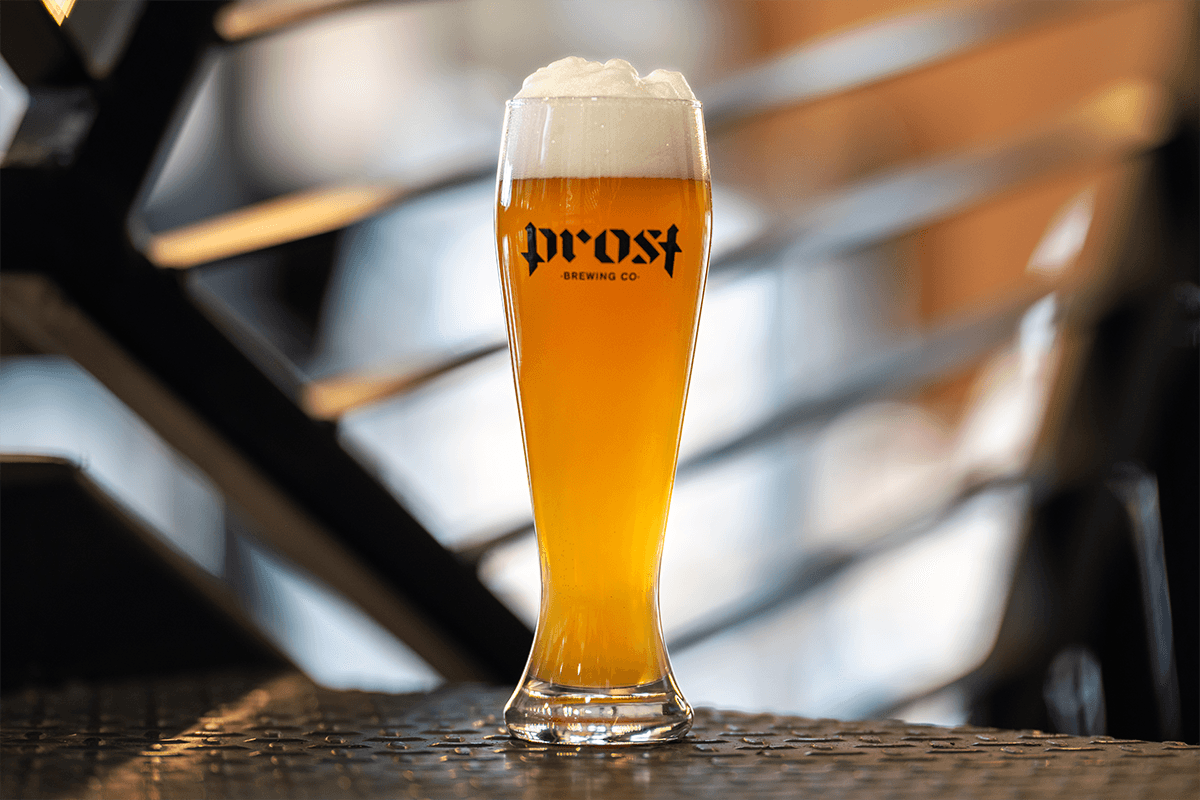
Recipe: Prost Hefeweizen
All Access
From their state-of-the-art production brewery in Northglenn, Colorado, this Bavarian-style weissbier remains one of the most popular beers in Prost’s beer gardens.

22 articles in this category
From their state-of-the-art production brewery in Northglenn, Colorado, this Bavarian-style weissbier remains one of the most popular beers in Prost’s beer gardens.

The recipe for this globe-spanning collab—a ginger-laced hefeweizen with influences from Brazil, Germany, Japan, and the United States—comes from Freigeist’s Sebastian Sauer and his friends at Japas Cervejaria in São Paulo.

From cofounder and brewmaster Matt Cole and his team at Fat Head’s in Ohio, here’s a recipe for the Bavarian-style weissbier that’s won three gold medals in the past four years.
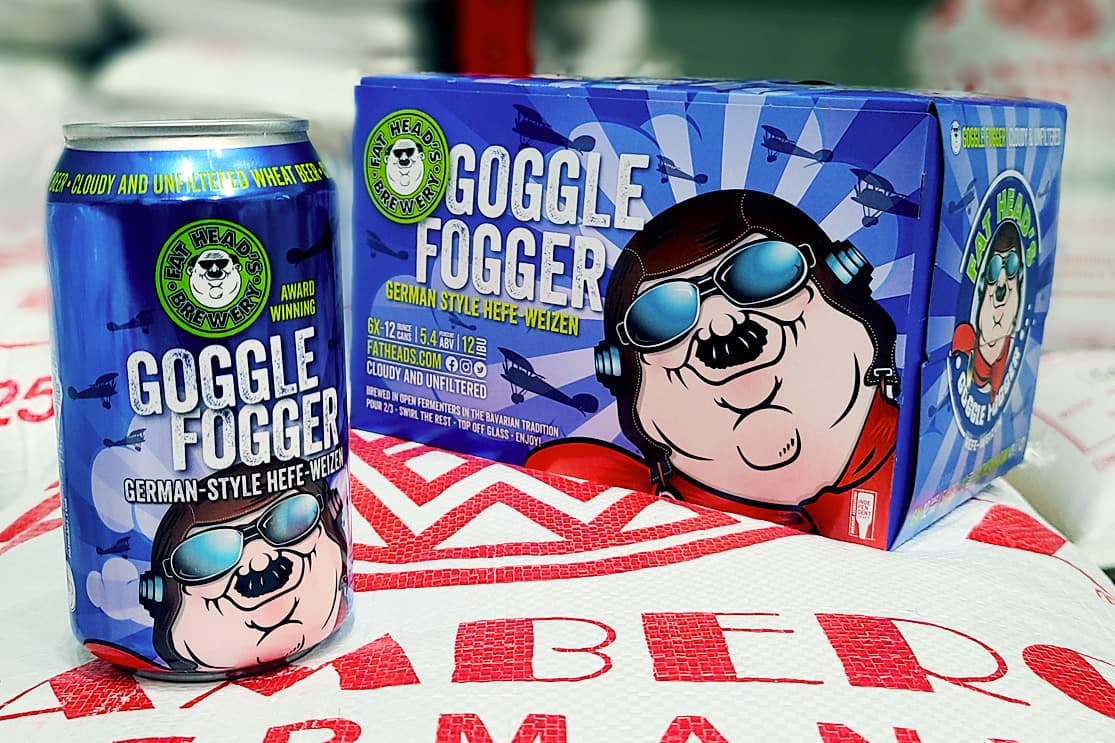
Fat Head’s Brewery in Middleburg Heights, Ohio, has won more than its share of medals over the years. One of its most decorated beers is Goggle Fogger, the Bavarian-inspired hefeweizen that’s won three major gold medals in the past four years. Here’s how its pieces fit together.
Hagen Dost and Bill Wesselink, owner-brewers at Dovetail in Chicago, go into detail on how they adjust their local water and rebuild it for brewing, with divergent approaches to lager and hefeweizen.
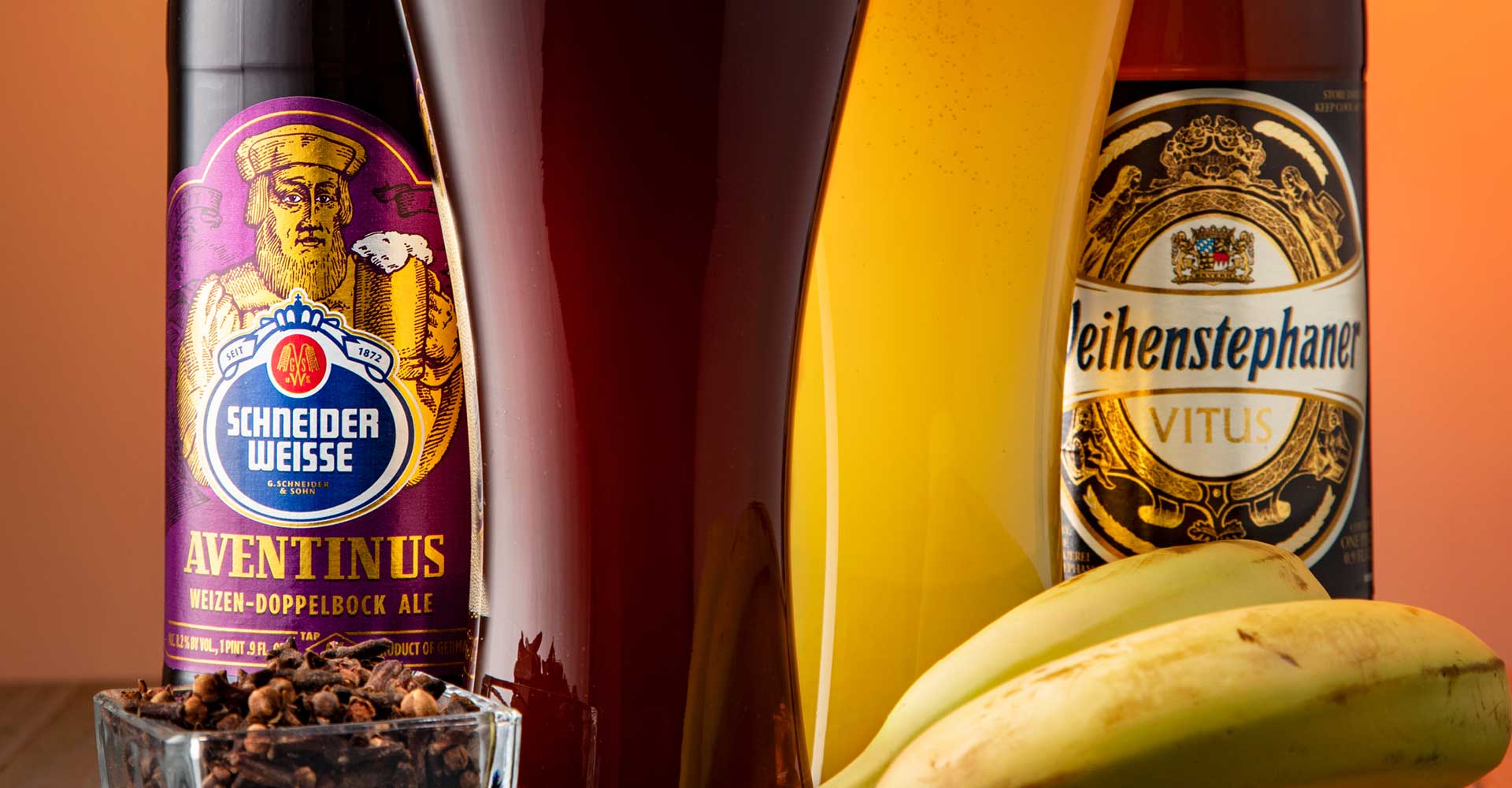
Weizenbock is so dangerously easy to drink, but the brewing process behind a great weizenbock is surprisingly complicated. It may be worth the trouble, since its potential for easygoing mass appeal remains largely untapped.
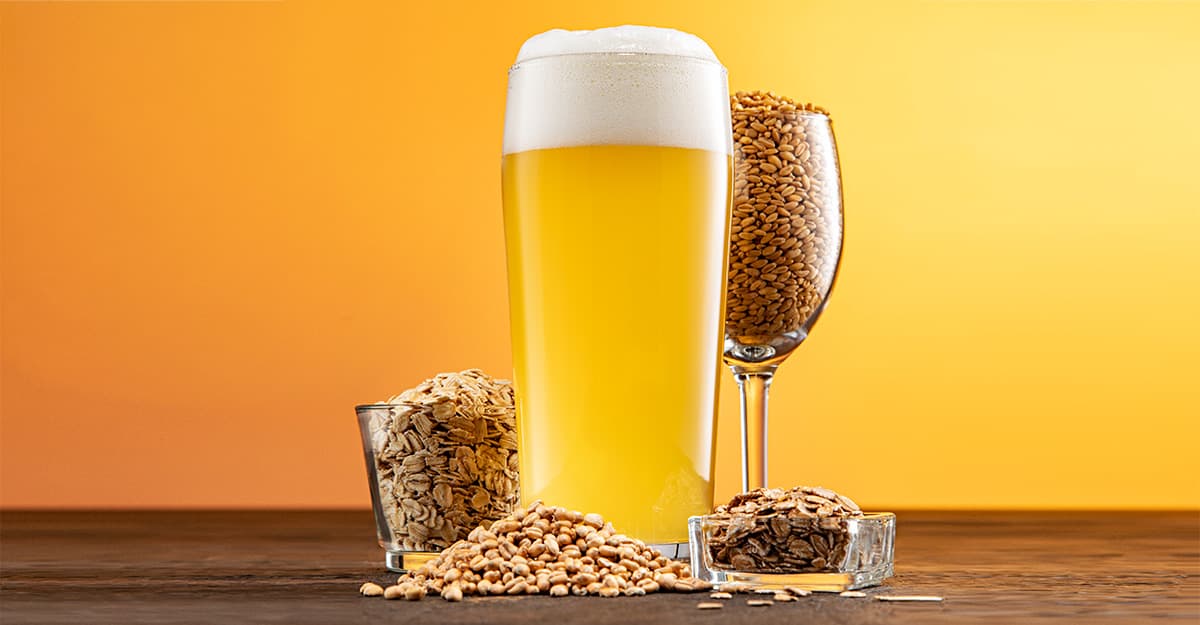
Human civilization has evolved alongside wheat, whose properties create a wide swath of beer’s diversity of flavor and texture—from quenching weissbier to soft, hazy IPA. Randy Mosher digs into its history and chemistry.

These marinated-and-grilled shrimp skewers are inspired by South Asian flavors and a splash of hefeweizen—just the thing for the season’s first cookout. (That’s a lie. We never stopped cooking out.)

At Bluejacket, head brewer Ro Guenzel and his team follow the example of the Bavarians and use shallow, open fermentors to get the aromatic expression they want from their weissbier. Here, Guenzel explains the dynamics of how it works and why it matters.

Ready for Wheat Beer School? Bluejacket head brewer Ro Guenzel connects the dots between the history of wheat and barley, their importance to civilization, and the unique properties they bring to Bavarian-style weissbier.

The composition of a Bavarian-style weissbier guarantees ample, sturdy foam—if brewed well. Bluejacket head brewer Ro Guenzel demonstrates the traditional pouring technique into a typical weissbier glass.

In this clip from his video course on how to brew traditional Bavarian-style weissbier, Bluejacket head brewer Ro Guenzel explains the monikers and origins of the style.
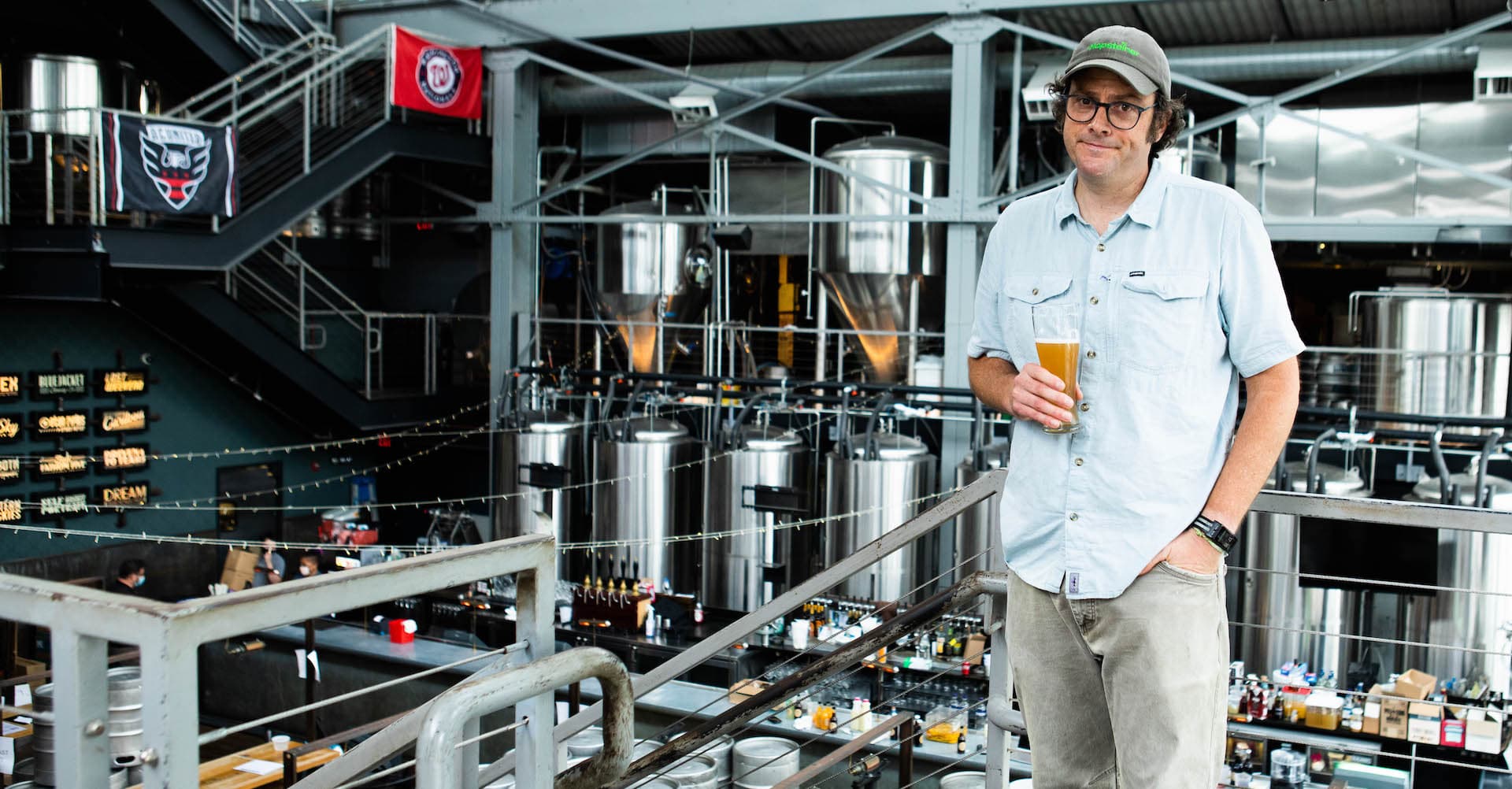
Ro Guenzel, head brewer of Bluejacket in Washington, DC, has a special love for authentic, Bavarian-style weissbier. In this video course, he tackles the history of the style, traditional brewing methods, food pairings, and much more.
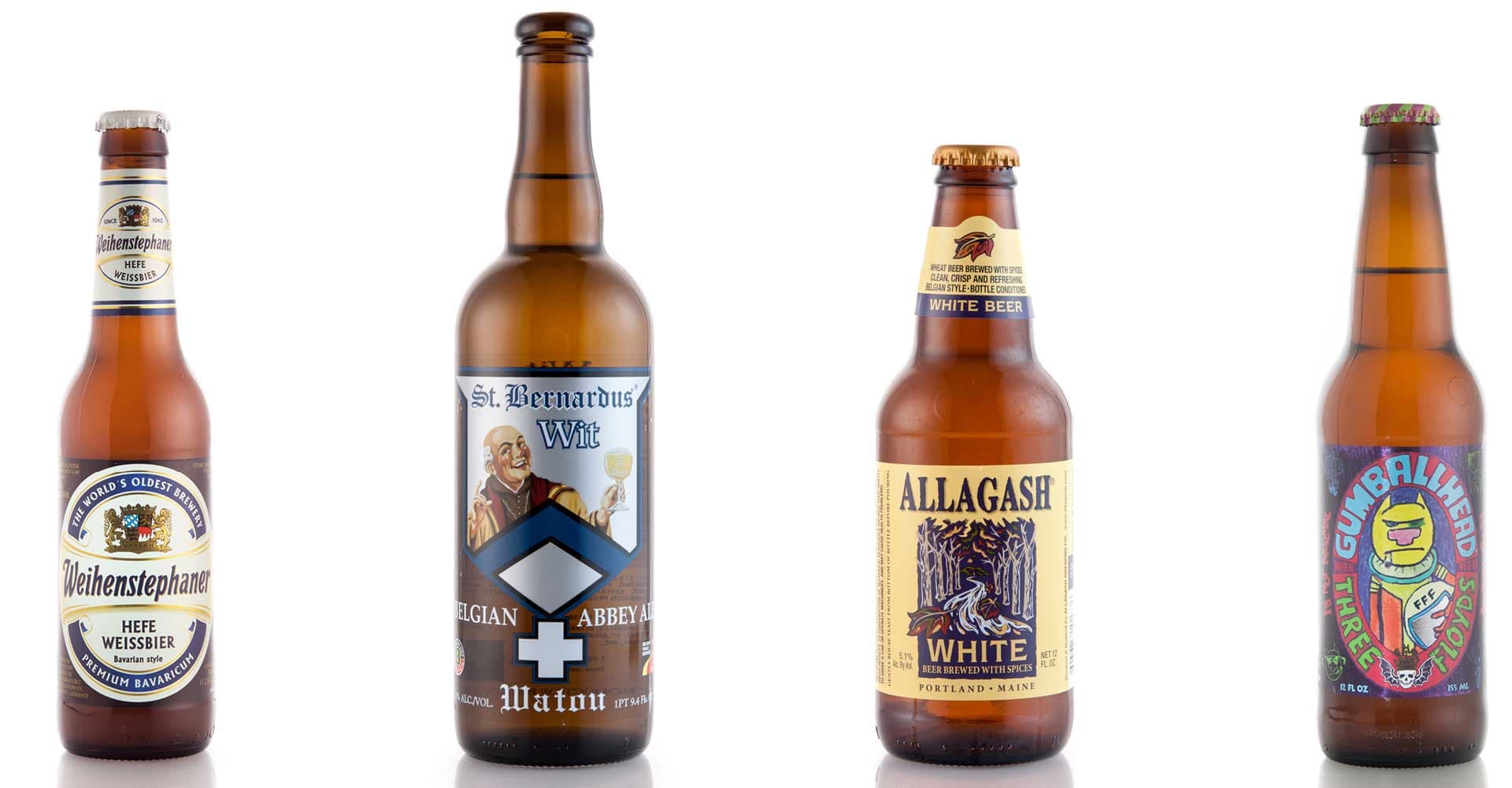
Not flashy but sublime, refreshing, and comforting—especially on a hot day—here are a few of the world's finest wheat beers.

As a rule, the Bayerische Staatsbrauerei Weihenstephan doesn’t open its books to share exact recipes. However, at our request, Brewmaster Tobias Zollo generously agreed to share a recipe based on the world classic Weihenstephaner Hefeweissbier.

As a root of civilization and the soft heart of some of the world’s most drinkable beers, wheat deserves more love.
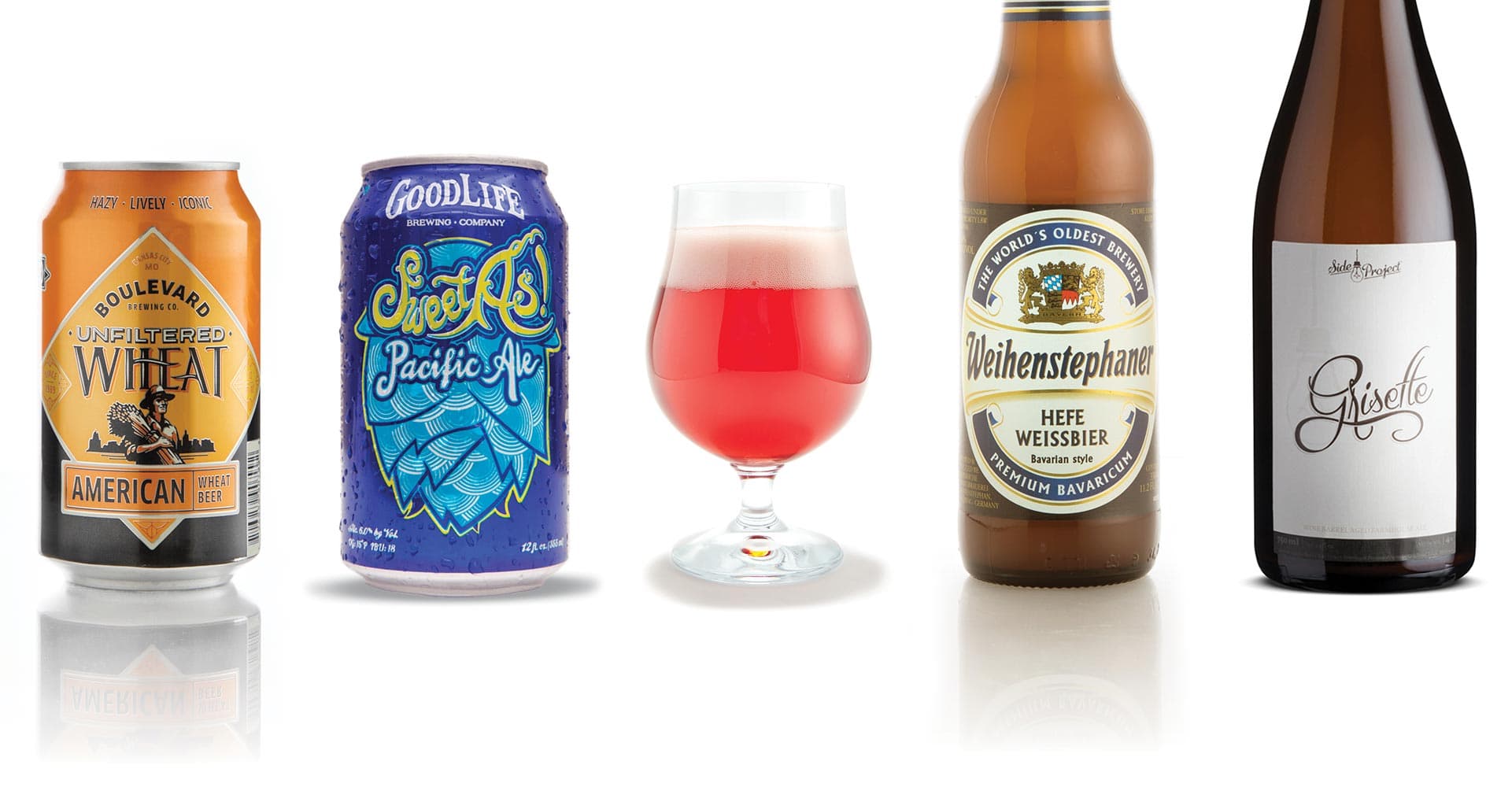
Wheat beer is a diverse category, and personal preferences play a big role in picking the right one. We asked brewers to share their thoughts on wheat beers they enjoy. Here are their suggestions for the next wheat beer in your glass.

Hefeweizen is the classic hazy style with aromas of banana and clove, and while it might not be the most popular beer style these days, Phil Markowski doesn’t think it will ever disappear and offers some tips on how to make a great version at home.
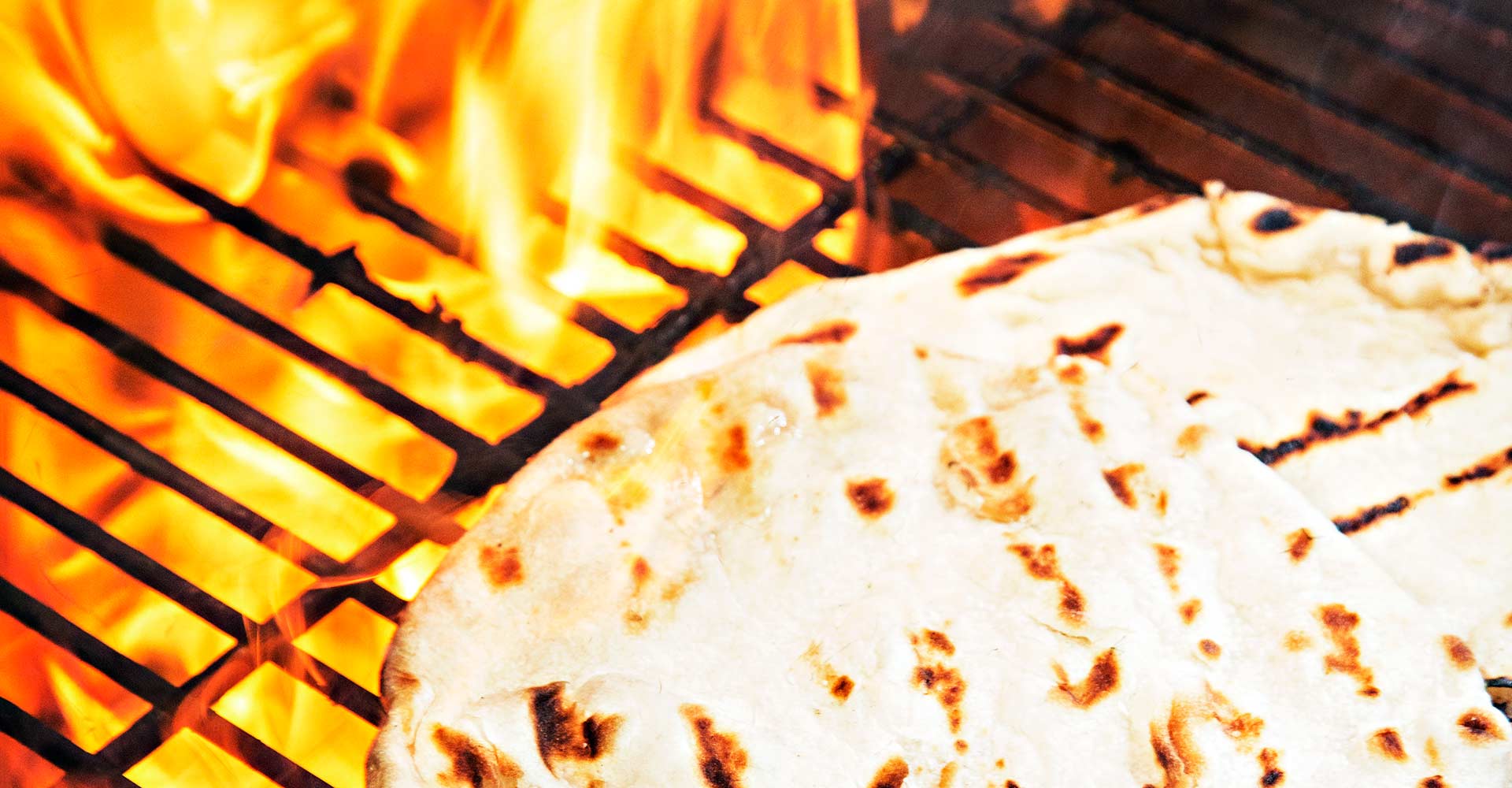
This easy to prepare recipe for campfire flatbread is perfect for your next camping trip.

WeldWerk’s award-winning Hefeweizen is risqué—it flirts with the line between traditional German-style weissbier and experimental American-style wheat beer.