Partake in the Passion for Pacific Pale Ale
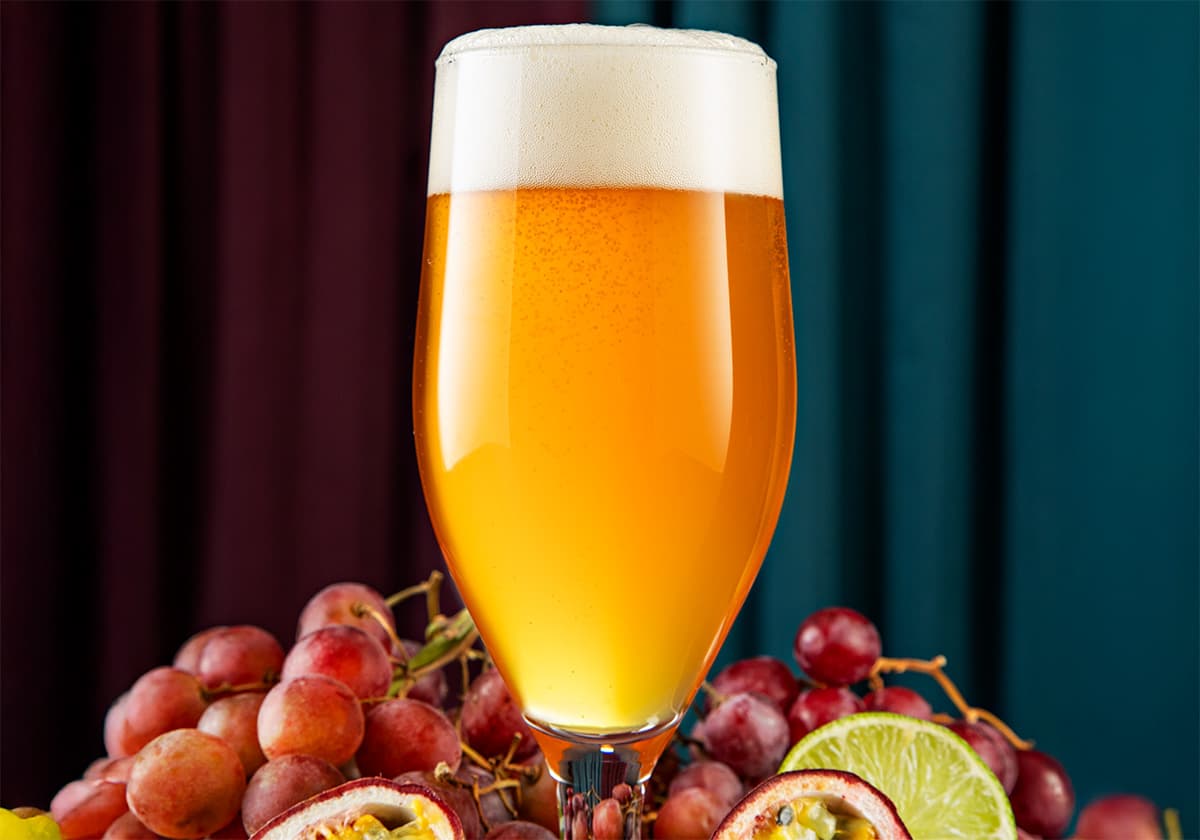
Here’s how homebrewers can punch up their pale ales with the bright flavors of New Zealand hops. Plus: a method for getting a whirlpool-like flavor burst without having to whirl anything.
19 articles in this category

Here’s how homebrewers can punch up their pale ales with the bright flavors of New Zealand hops. Plus: a method for getting a whirlpool-like flavor burst without having to whirl anything.

When it comes to smoked malt, there are far more options for all-grain brewers than for those who rely on extracts. This partial-mash recipe maps out just one way to get it done.

Don’t let them tell you an extract brewer can’t brew a good rauchbier. While smoked-malt extract is a rarity, there are ways to get creative with our smoke and dial it in to make a lager that can convert the skeptics.

Sometimes known as “kettle caramelization,” the Maillard richness of a boil reduction can add deeper malt flavor to any beer you brew—even if it’s not Scottish.

Pro brewers these days are learning about how best to take advantage of cold-side aroma extracts and other advanced hop products. Why shouldn’t you?

Crack some grains and cook some rice if you want, but attacking cold IPA with the partial-mash method is simple. Let the pedants argue about whether it’s a style—we’re too busy brewing and drinking it.

There is not one pale ale—they are infinite. For example: There are a few classic types that can be assembled from essentially the same wort based on some key choices. Let’s explore the versatility.

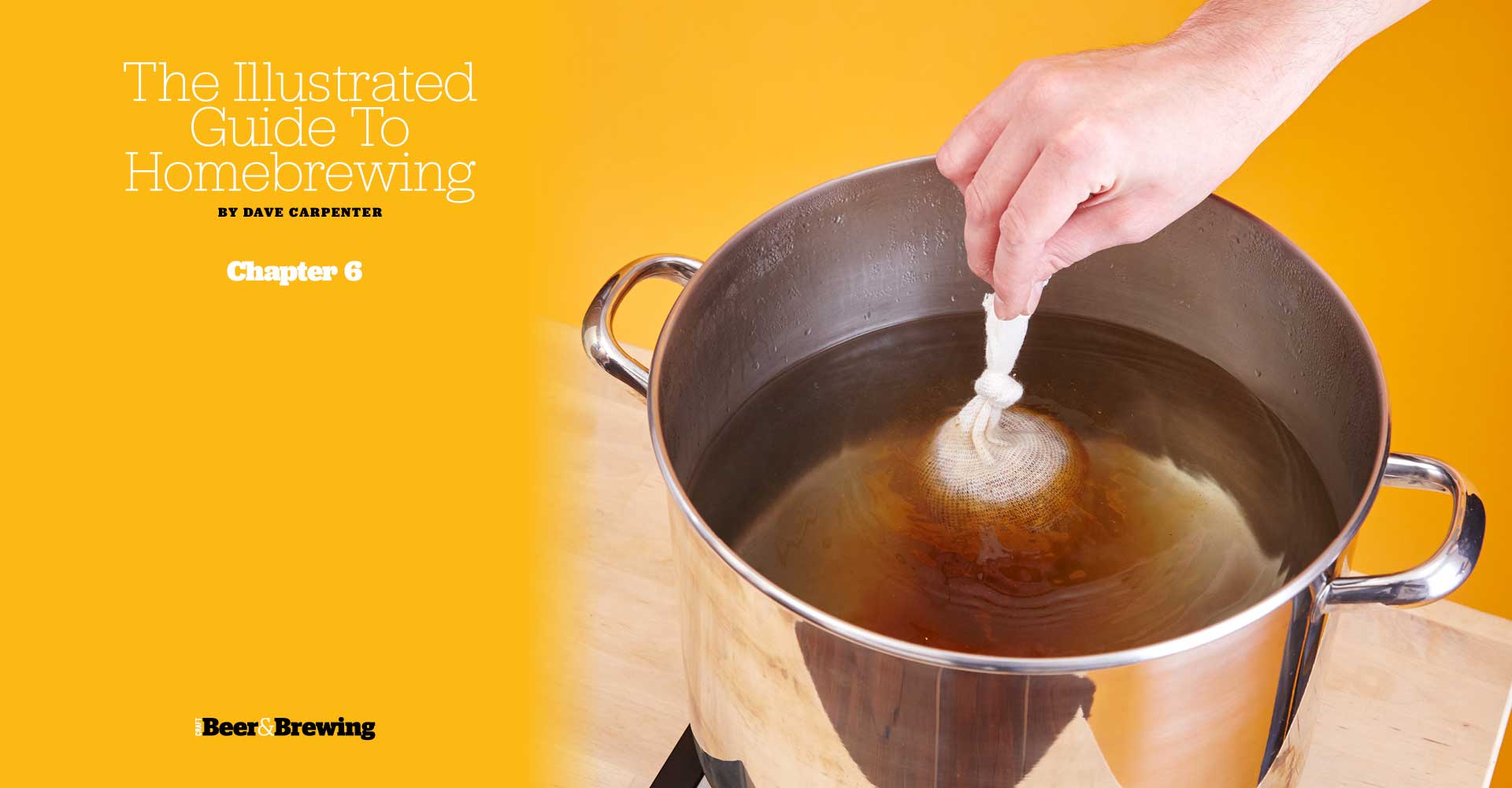
In this excerpt from our Illustrated Guide to Homebrewing, we discuss brewing with extracts and steeping with specialty grains—and why there is much to be said for embracing them at home.

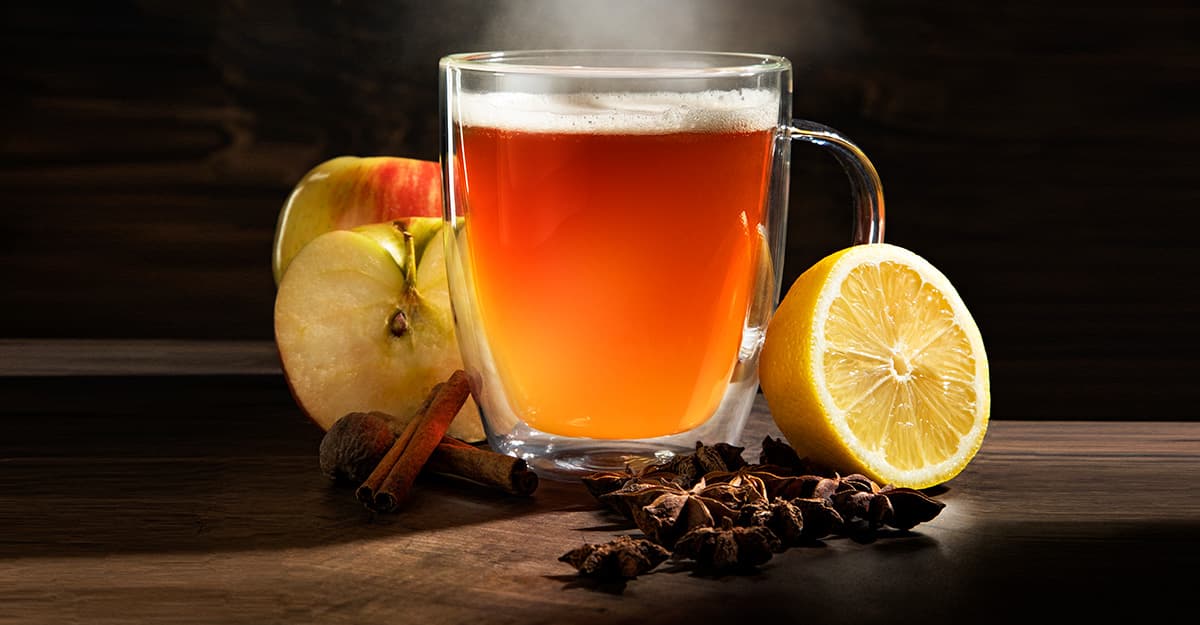
What the Noël? Hot fruit beers for the holidays? It’s not as weird as it sounds. As the days get cold, Annie Johnson explains how to keep warm by getting punchy.

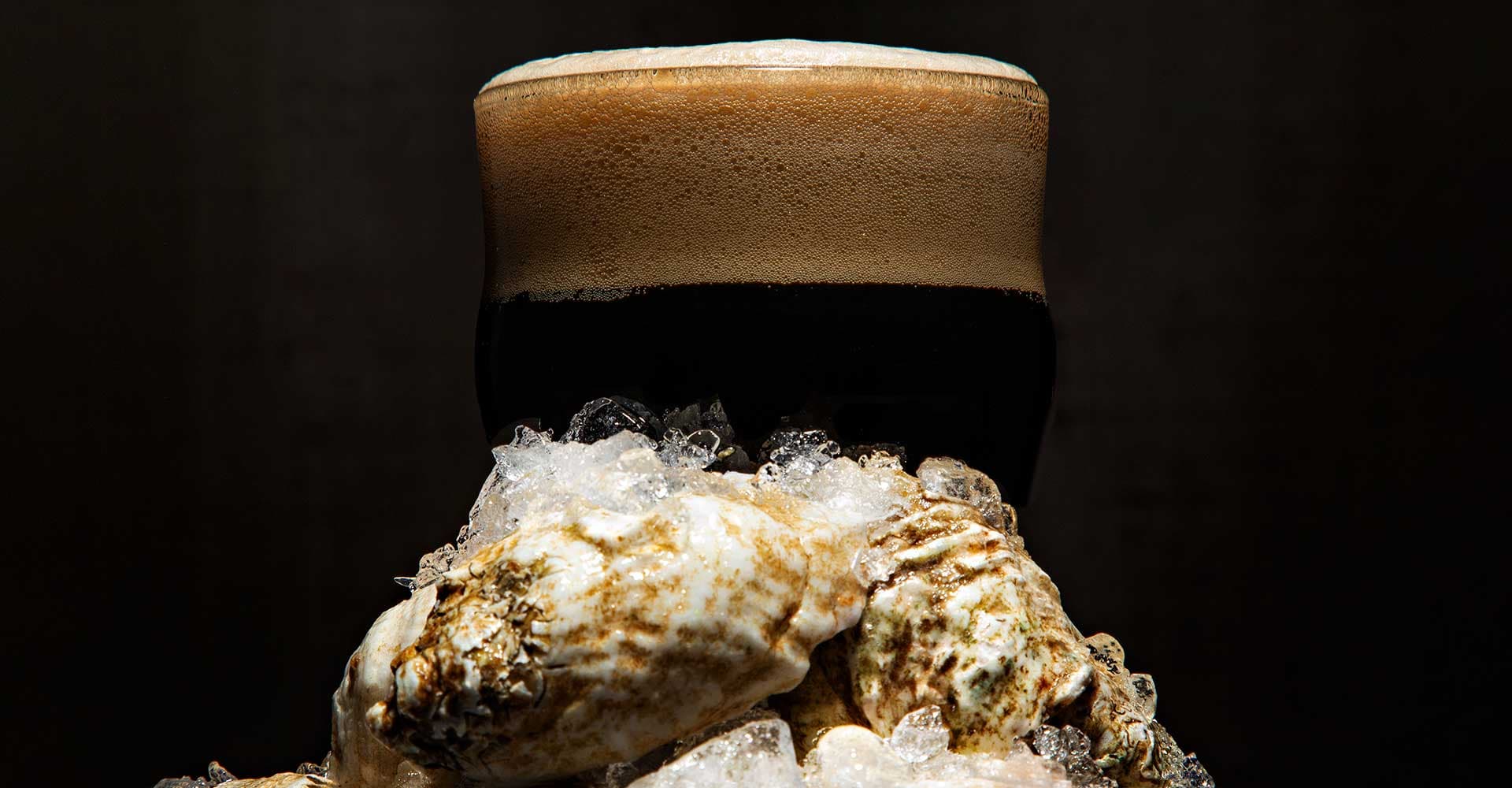
While not for vegetarians, oyster stout has the power to raise eyebrows with its sheer oddity and unlikely compatibility of flavors. The stout base is ideal for brewers with any level of experience—but are you ready to play the shell game?

In this throwback IPA style that recalls the beauty of malt—both visually and in the flavor—you can go with a complex, layered all-grain grist. Or, you can get there quicker (and just as beautifully red) with an intentional approach to extract brewing.

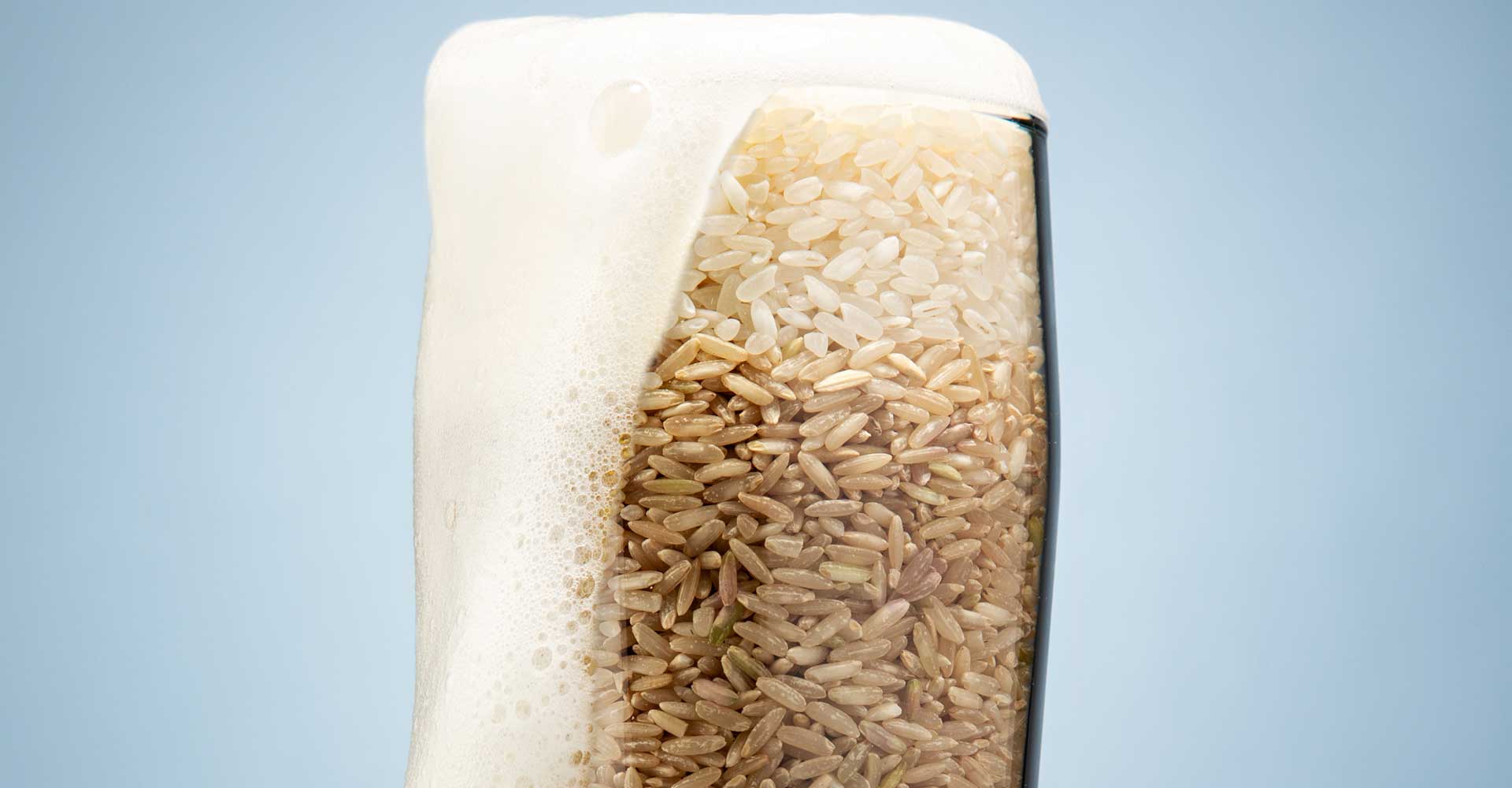
You don’t need an industrial Japanese brewery—nor even an all-grain homebrew system—to make a clean, light-bodied, refreshing rice lager ideal for sushi and summertime.

Belgium’s dark, strong ales are among the most complex and impressive beers in the canon—yet extract brewers can tackle them as well as anyone, as long as we pay attention to a few key points.

You don’t need a truckload of grain and a giant mash tun to brew a big, rich imperial stout perfect for laying down for months—this one is right in the extract brewer’s wheelhouse.

Die-hards will say you need to go all-grain to brew a great pilsner. They’ll also say you need strict temperature control. That’s fine—we don’t have to share our beer or our tricks with them.

Whether English or American or breaking new ground, barleywines are the Cadillacs of the ale world. Can you brew a great one with extracts? Of course you can. Annie Johnson breaks it down in our ongoing series on extract-brewing exceptional beers.

In further exploring how to squeeze the most character out of extract brewing, Jester Goldman turns his attention to kettle sours.

This quick and tasty hazy IPA uses malted oats for a luscious body to support a ton of hop oils.

For homebrewers who rely on malt extract, New England–style IPA is tricky thanks to a typical ingredient: oats. Here are solutions.