Partake in the Passion for Pacific Pale Ale
Here’s how homebrewers can punch up their pale ales with the bright flavors of New Zealand hops. Plus: a method for getting a whirlpool-like flavor burst without having to whirl anything.
89 articles in this category

Here’s how homebrewers can punch up their pale ales with the bright flavors of New Zealand hops. Plus: a method for getting a whirlpool-like flavor burst without having to whirl anything.

For this special episode, we’ve partnered with our friends at Abstrax to bring you a panel discussion on using terpenes, extracts, and more, featuring Tyler Thurman of Highland Park, Jude LaRose of Hop Butcher for the World, and Ross Hunsinger of Abstrax.

Flavor extracts and WONFs—additives “with other natural flavors”—could both have a place in the making of a great fruit beer, says Urban Artifact’s Bret Kollman Baker. But it helps to have a deft hand and clear communication with your supplier.

Third Eye co-owner and head brewer Kelly Montgomery makes the case for freshly roasted cacao nibs and using real vanilla extract in combination with vanilla beans to capture a rich chocolate flavor in stouts.

When it comes to smoked malt, there are far more options for all-grain brewers than for those who rely on extracts. This partial-mash recipe maps out just one way to get it done.

Don’t let them tell you an extract brewer can’t brew a good rauchbier. While smoked-malt extract is a rarity, there are ways to get creative with our smoke and dial it in to make a lager that can convert the skeptics.

While the aromas aren't qualitatively the same, a relatively tiny amount of HyperBoost can effectively replace a large amount of hop pellets—with none of the wort loss. Paul Schneider, cofounder and head brewer of Cinderlands Beer in Pittsburgh, explains.

Sometimes known as “kettle caramelization,” the Maillard richness of a boil reduction can add deeper malt flavor to any beer you brew—even if it’s not Scottish.

Pro brewers these days are learning about how best to take advantage of cold-side aroma extracts and other advanced hop products. Why shouldn’t you?

Great Notion lead brewer Lara Hargrave offers some useful advice for using flavor extracts, graham crackers, almonds, and more in your pastry- and dessert-inspired beers.

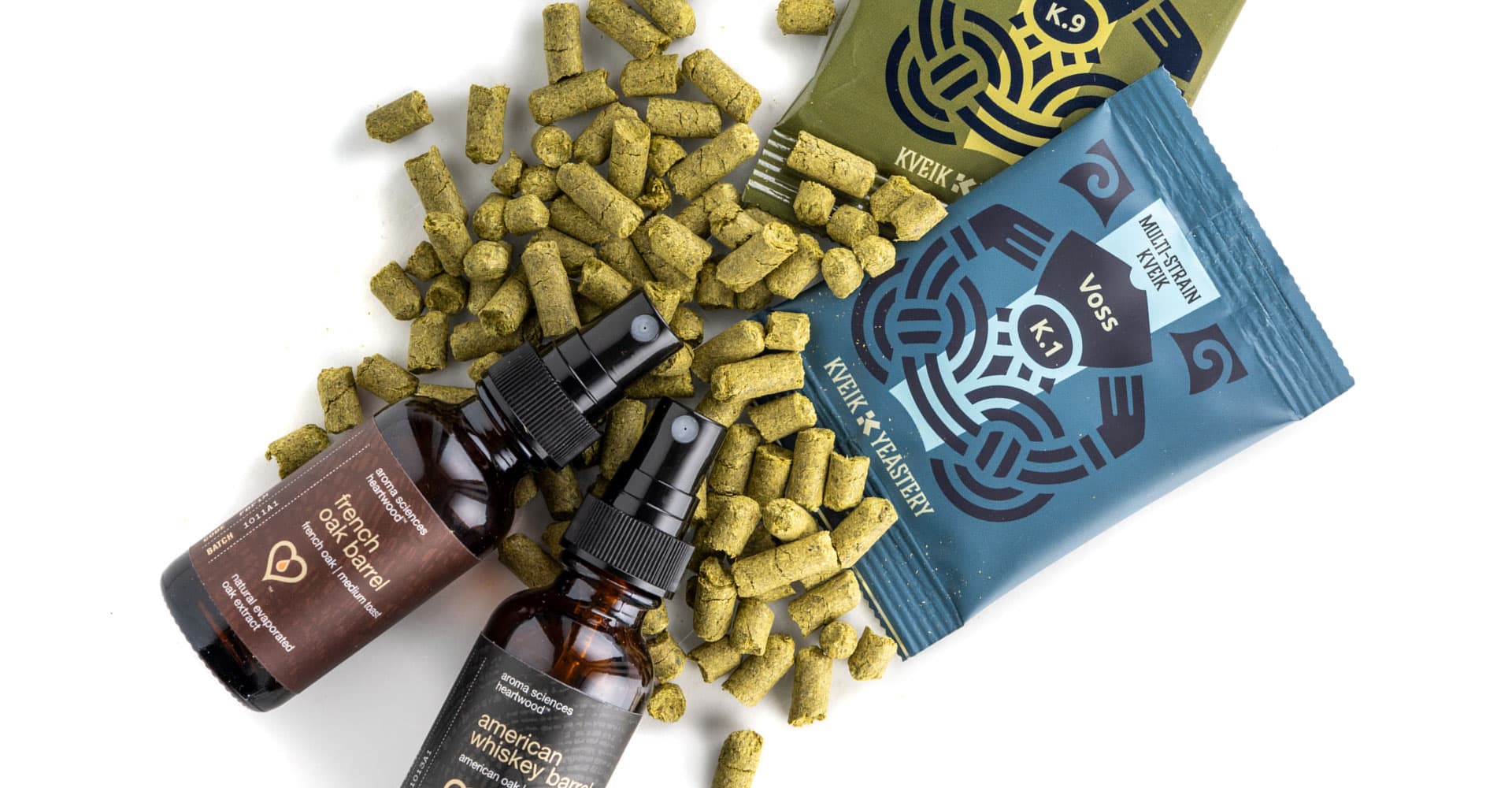
Looking for something fresh to give your beers an edge? Check out these new yeasts, hops, and flavor extracts.

Crack some grains and cook some rice if you want, but attacking cold IPA with the partial-mash method is simple. Let the pedants argue about whether it’s a style—we’re too busy brewing and drinking it.

There is not one pale ale—they are infinite. For example: There are a few classic types that can be assembled from essentially the same wort based on some key choices. Let’s explore the versatility.

Extract brewers can embrace this indulgent wheat show smacking of fresh bread and jammy fruit, while letting the all-grain brewers enjoy their gummy stuck mashes.

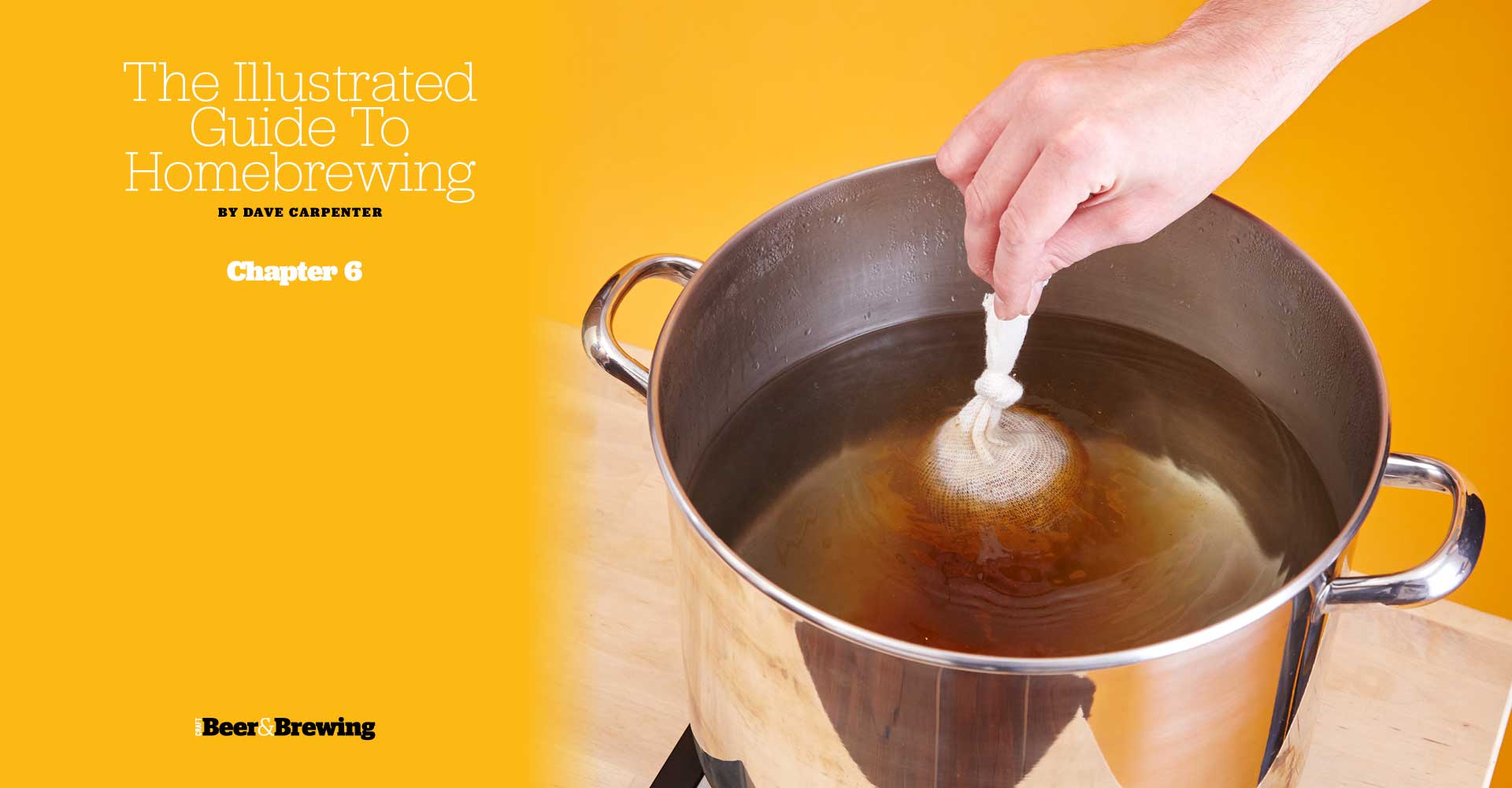
In this excerpt from our Illustrated Guide to Homebrewing, we discuss brewing with extracts and steeping with specialty grains—and why there is much to be said for embracing them at home.

What the Noël? Hot fruit beers for the holidays? It’s not as weird as it sounds. As the days get cold, Annie Johnson explains how to keep warm by getting punchy.

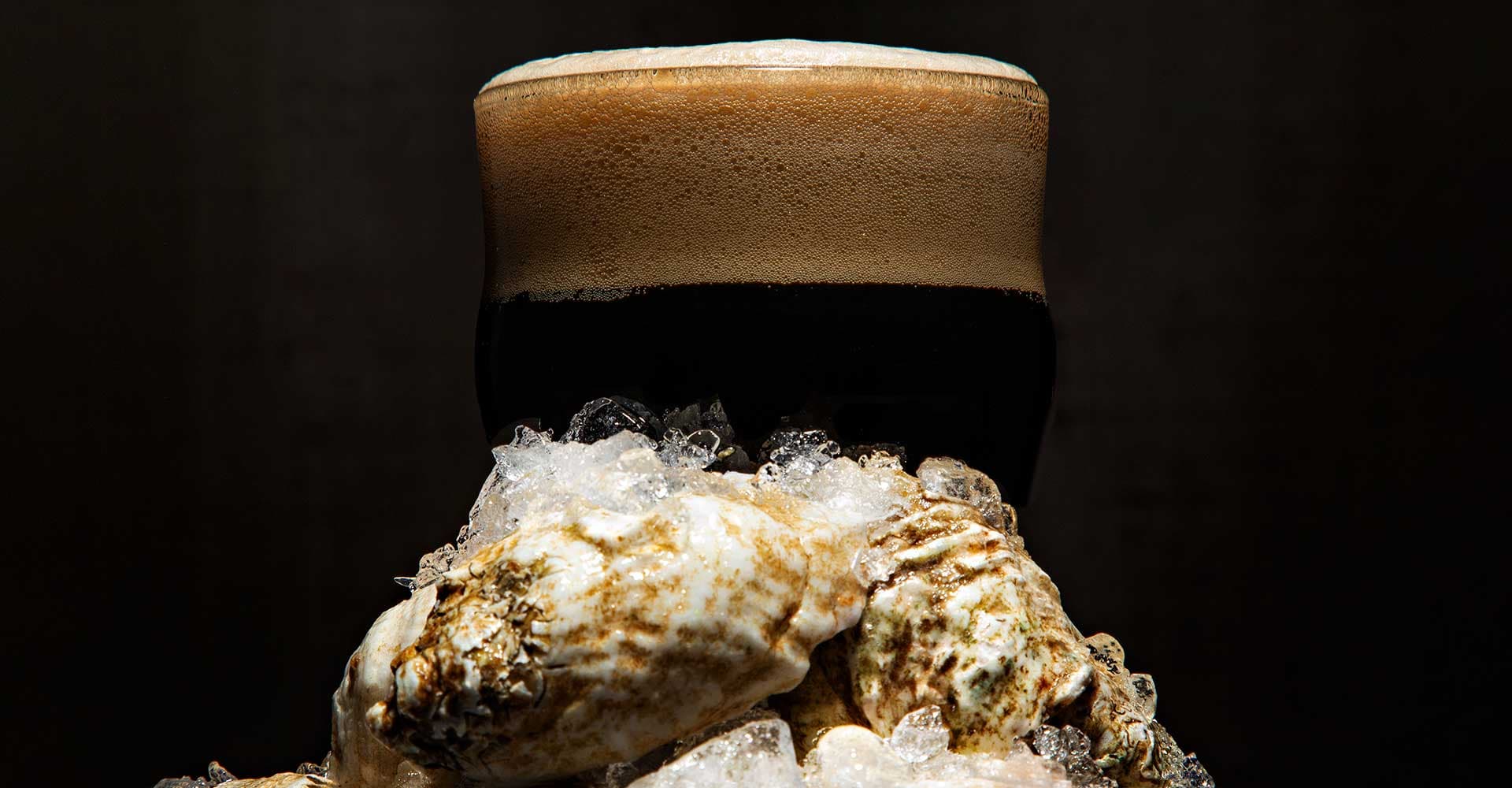
While not for vegetarians, oyster stout has the power to raise eyebrows with its sheer oddity and unlikely compatibility of flavors. The stout base is ideal for brewers with any level of experience—but are you ready to play the shell game?

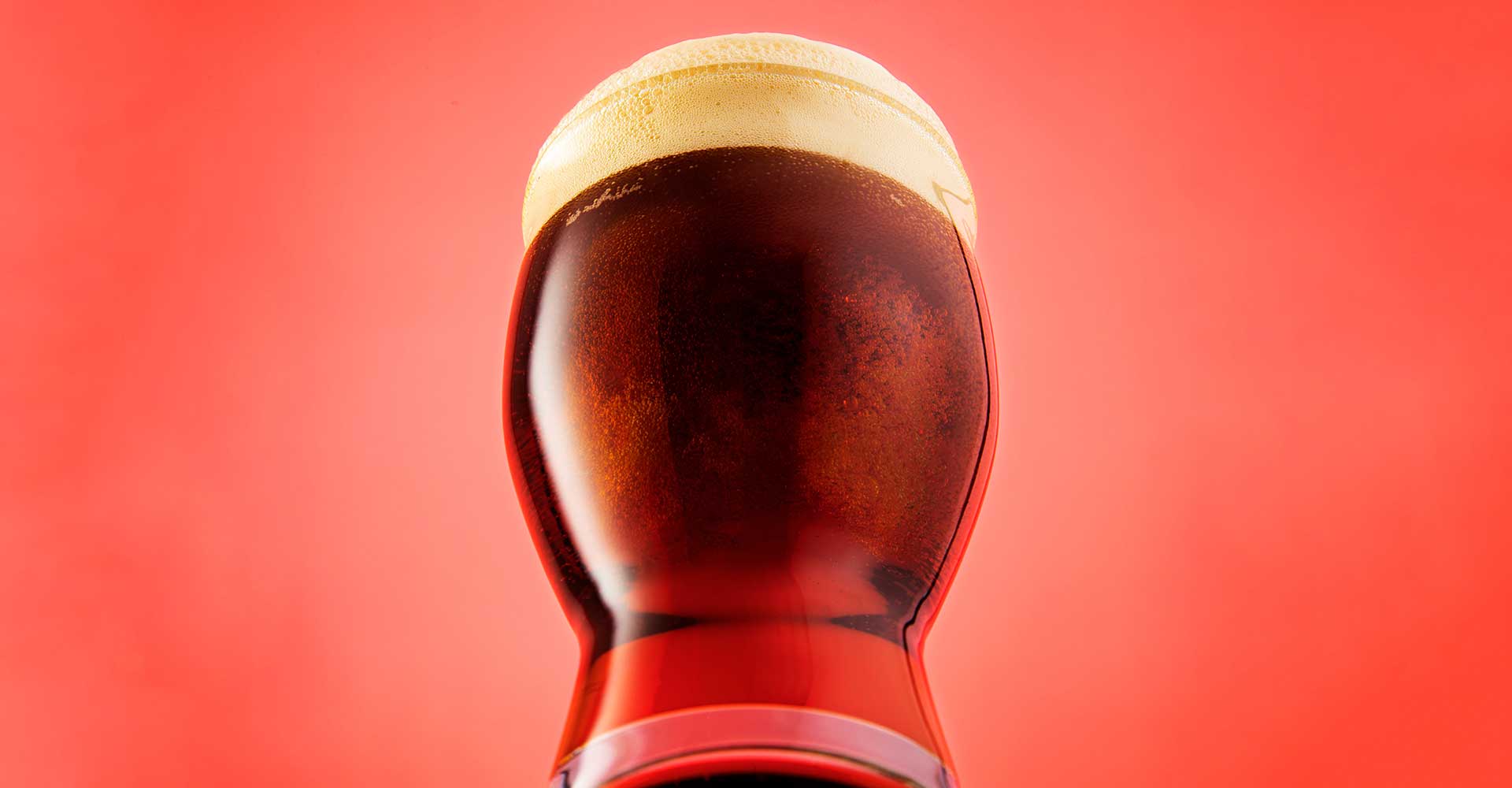
In this throwback IPA style that recalls the beauty of malt—both visually and in the flavor—you can go with a complex, layered all-grain grist. Or, you can get there quicker (and just as beautifully red) with an intentional approach to extract brewing.

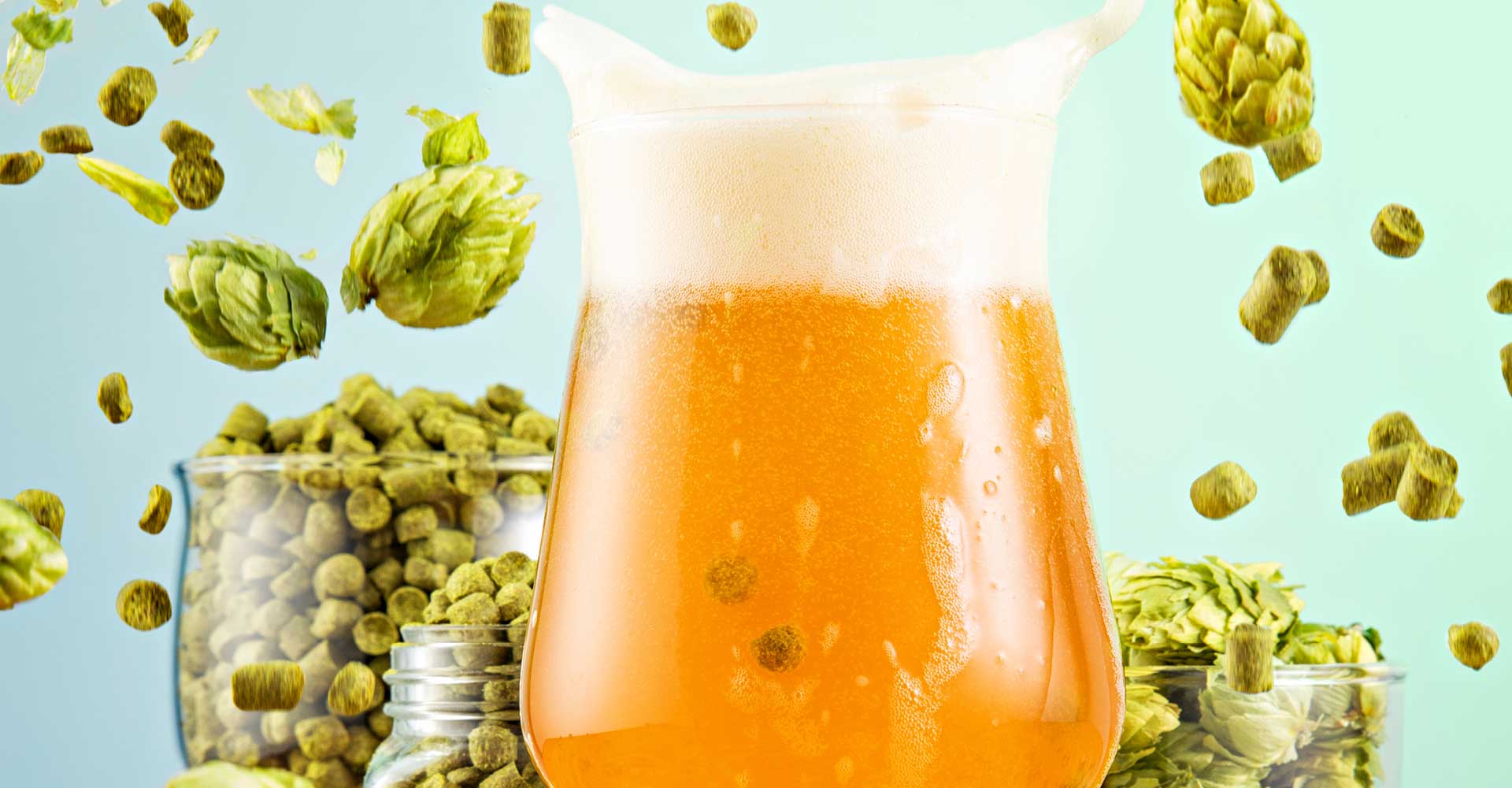
Brewers are experimenting with a variety of ways, old and new, to squeeze even more aroma and flavor from their hops and cram it into their beers. But how much hop saturation is too much for drinkers?

You don’t need an industrial Japanese brewery—nor even an all-grain homebrew system—to make a clean, light-bodied, refreshing rice lager ideal for sushi and summertime.