

Get a head start on your brewing schedule to ensure your big, winter-warming brews are perfectly aged and ready to enjoy by winter’s arrival. Making these complex brews successfully means understanding that the elevated starting gravities and extended fermentation times demand meticulous attention to yeast management, nutrition, and environmental control.
More Sugars = More Yeast
To achieve complete attenuation with high-gravity worts, it is essential to pitch a sufficient quantity of healthy, viable yeast. Just as a bigger Thanksgiving feast requires more guests, a high starting gravity demands a correspondingly robust yeast population to drive fermentation to completion. This helps minimize the risk of sluggish or incomplete fermentations.
Recommended Pitching Rates: 1.5–2 million cells/ml/P
Start with a Healthy Generation
Select a yeast generation that has demonstrated robust vitality and consistent attenuation, ideally from the third to fifth generation.
Yeast with previous fermentation experience brings enhanced stress tolerance, higher metabolic activity, and predictable results under demanding conditions. Because of particularly harsh fermentations, you shouldn’t plan on repitching after the brew, so using a good-fermenting higher generation can be ideal for this situation.
Build a Healthy Yeast Cell
Proper nutrition is essential for the marathon fermentation of bigger beer. Weak membranes are less able to withstand the osmotic pressure of high-gravity worts, leading to cell rupture and death.
Risks of Unhealthy Cells
- Poor fermentation, such as reduced alcohol tolerance and increased off-flavors.
- Poor nutrient uptake: cells with compromised membranes struggle to transport necessary sugars and nutrients, leading to less efficient fermentation.
- Less budding/yeast yield for subsequent batches.
Oxygenate More
Yeast depends on oxygen to provide the building blocks needed to synthesize unsaturated fatty acids and sterols, which are essential components of the yeast-cell membrane. These unsaturated fatty acids create a more permeable and fluid membrane, allowing cell replication and transportation of vital compounds in and out of the cell.
With a higher starting gravity, the viscosity of the wort will impact the solubility of oxygen. Be sure to keep this in mind when adding dissolved oxygen (DO) at knockout. A longer contact time or a higher rate might help.
Depending on attenuation rates, a secondary burst of DO may also benefit fermentation at the 12-hour mark. During this time, the first round of budding can happen, with the younger cells also benefiting from oxygen uptake.
Recommended DO Rates: 1 ppm per degree Plato

Provide Enough Nutrients
Free amino nitrogen (FAN) can be a friend or foe. With a bigger grain bill, FAN levels should exceed what is necessary for a successful fermentation. In a previous study, faster fermentations were observed with the addition of FANMax Bio®, which reduced the time to final gravity by around 50 percent in both 22°P (1.092) and 25°P (1.106) wort.

On the other hand, residual FAN levels can increase the risk of contamination and greatly reduce shelf life because of staling. Be sure to monitor residual FAN levels and adjust recipes accordingly.
Use Brewing Aids
Off-flavors such as acetaldehyde and diacetyl can be more common with high-gravity beers. Using brewing aids such as Zinc Buddy™ and Brewzyme-D at the start of fermentation can reduce these off-flavors and help quicken fermentation timelines.

Zinc is a cofactor in the enzyme alcohol dehydrogenase, helping facilitate and speed up the reaction from acetaldehyde to ethanol. Products such as Zinc Buddy™ promote the uptake of maltose and maltotriose, resulting in increased attenuation, up to 95 percent on all-malt beers, and beer reaches terminal gravity in one to two fewer days for most ales.
Yeast Options
For high-gravity stouts and porters, strain selection plays a critical role in achieving both expressive character and optimal attenuation. Pick strains to style with high attenuation rates to drive fermentation to completion and minimize residual sugars for cleaner big beers or pick strains that provide esters that complement the malt bill and leave some residual sweetness for the pastry side.
WLP001 California Ale Yeast®
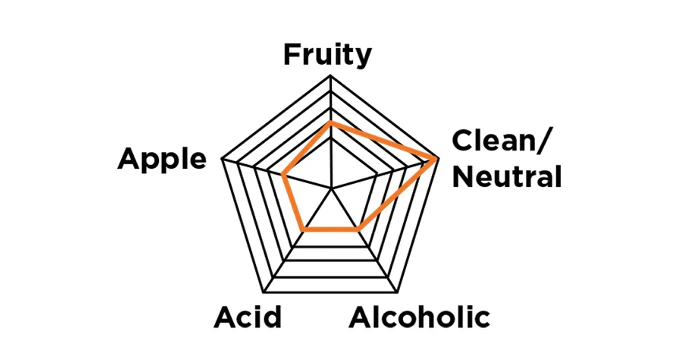
- Our best-selling yeast, this strain is famous for its clean flavors and hardy fermentations.
- For more complete fermentations, choose a high-attenuation strain.
- Great for American-style stouts.
WLP002 English Ale Strain
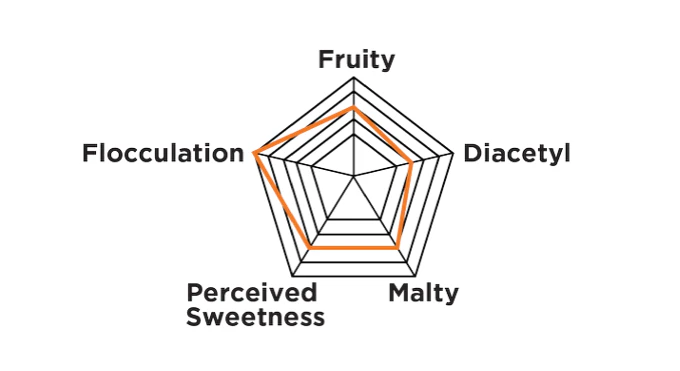
- For more esters to highlight the roastiness of a typical malt bill while maintaining residual sweetness, pick an English strain.
- These strains usually are high flocculators and low attenuators. Be sure to rouse the yeast during fermentation to help it along.
WLP004 Irish Ale Yeast
- This yeast is from one of the oldest stout-producing breweries in the world.
- Medium attenuation helps with a dry finish that promotes roasty notes.
- Esters help round out the overall flavor making a soft drinkable stout.
WLP007 Crisp English Ale Yeast
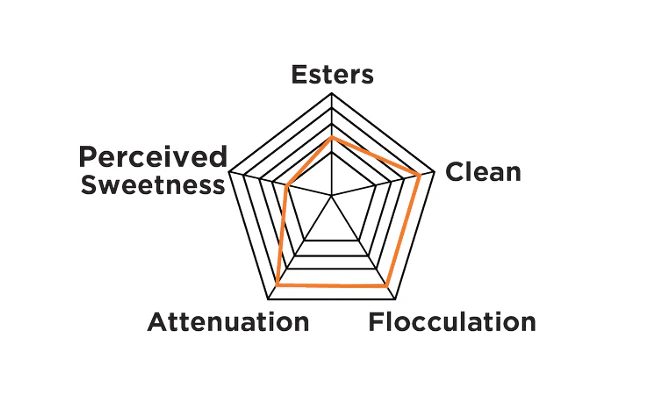
- This yeast is known for its high attenuation, achieving 80 percent even with 10 percent ABV beers.
- This strain has become a go-to house strain for breweries because of its clean profile and high attenuation.
For brewers seeking a balance between robust ester profiles and a lower final gravity, consider blending a highly expressive English strain with a proven high-attenuation yeast. This approach supports both complexity and efficient fermentation kinetics, resulting in a finished beer with desired depth and technical consistency.
Temperature Considerations
- Raise the temperature throughout fermentation, especially in the later half. Raising the temperature helps get the yeast awake and active to help finish fermentation.
- For a more robust, ester-forward fermentation, ferment on the slightly higher side. Note: A higher temperature can also cause an increase in fusel alcohols, acetaldehyde, and diacetyl.
By carefully managing yeast health, nutrition, and environmental factors, brewers can confidently tackle the challenges of high-gravity brewing. These robust, complex beers are more than just a seasonal offering; they are a testament to the brewer's skill and patience, providing rich, warming experiences that are perfectly suited for the colder months ahead. Embrace the season and enjoy the reward of a perfectly crafted winter brew.