Infographic: Openings & Closings
Recent numbers from the Brewers Association paint an interesting picture about the impact of a year of COVID-19 on brewery openings and closings.
Showing 1741-1760 of 4642 articles

Recent numbers from the Brewers Association paint an interesting picture about the impact of a year of COVID-19 on brewery openings and closings.

Over the past decade, Figueroa Mountain has won 25 GABF medals by focusing on exquisitely crafted, broadly traditional ales and lagers. Brewmaster Kevin Ashford spares no beer in the push for further improvement—even those that’ve won multiple medals.

Courtesy of Russell Carpenter, head brewer at Rocket Frog Brewing Company in Sterling, Virginia, here is a homebrew-scale recipe for their flagship American brown ale that earned two GABF medals in the past three years.

Rocket Frog Brewing in Sterling, Virginia, has taken home two Great American Beer Festival medals in the past three years for its flagship brown ale, Wallops Island. Head brewer Russell Carpenter takes us up to the brew deck and walks us through it.

Pinthouse’s Joe Mohrfeld discusses different forms of hops—from whole leaf to Cryo—and why the best hops available might not be the best for your own beers. He also explains a technique for getting the most out of harvest-fresh wet hops.

In Munich in 1872, the famous Schottenhamel tent needed more beer. Josef Sedlmayer had beer to sell ... but it was a stronger lager brewed in the Viennese style. Thanks to beer historian Andreas Krennmair, we have an educated guess about the recipe.

The head brewer of Northern California’s East Brother Beer shares details on their successful lager program—including the award-winning Bo Pils—and much more.

Based on some details shared by Pierre-Alex Carlier, here is a homebrew recipe inspired by the world-classic Saison d’Epeautre.

Saison is a dynamic creature—ever-evolving, open to interpretation, and grounded in a myth that is basically true. It chafes at hermetically sealed definitions and style guidelines. Plot twist: You get to write its next chapter.

Courtesy of Claremont Craft Ales head brewer Brian Seffer, here is a homebrew-scale recipe based on the strong, hoppy red ale that won two gold medals in the past three years at the Great American Beer Festival.

From our Love Handles department for great beer bars: Check out this labor of love from longtime beer geek (and rocker) Keri Kelli, in the thick of Sin City.

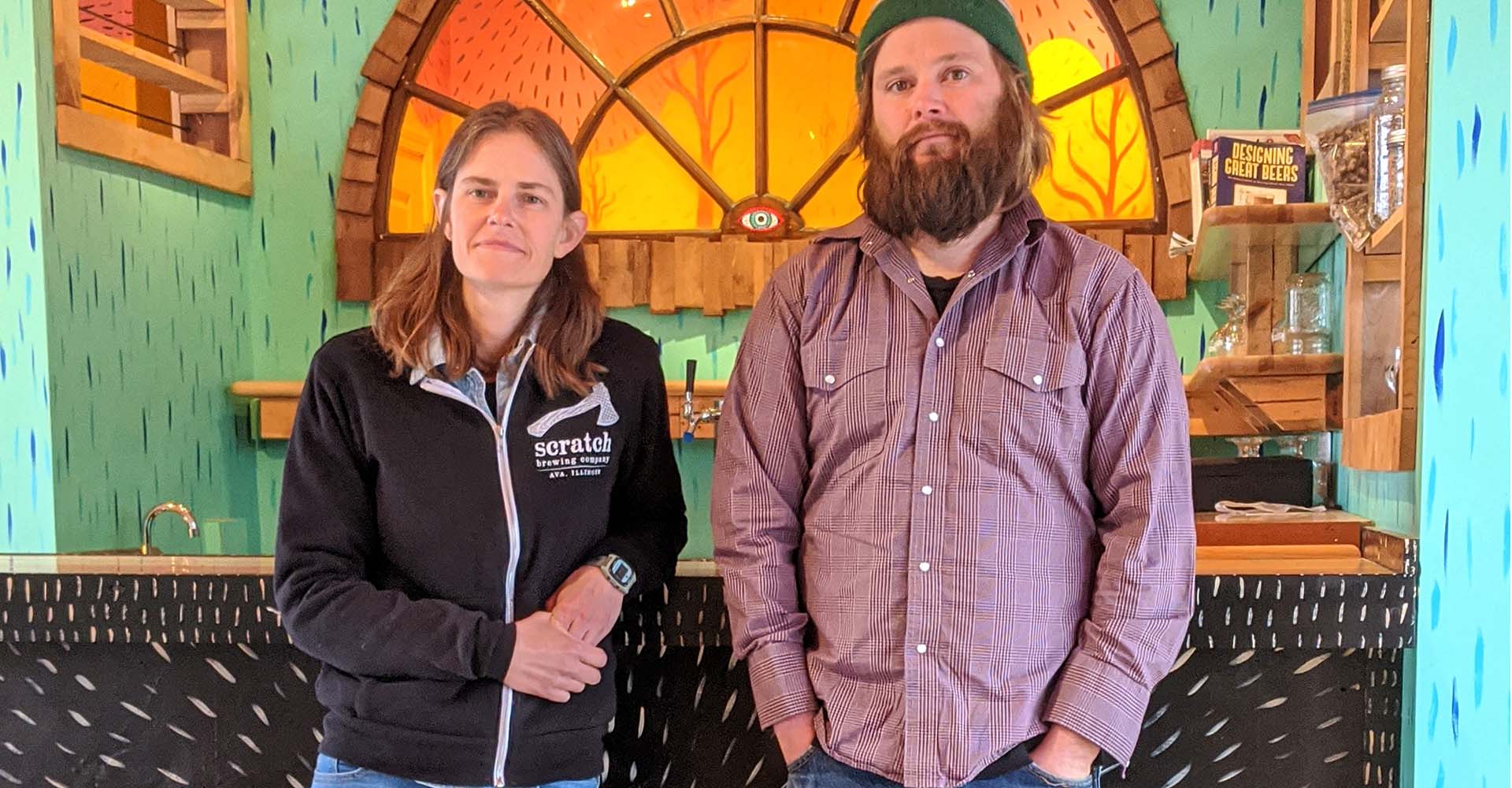
In this edition of Pick Six, Scratch Brewing cofounder Marika Josephson thoughtfully selects a sixer of beers that inspired and informed the creation of their rustic, forage-focused brewery in southern Illinois.

Here is a homebrew-scale recipe for Wren House’s best-selling beer—the same that won gold in the most competitive category of the 2020 Great American Beer Festival awards: Juicy/Hazy IPA.

Join Pinthouse Pizza Brewmaster Joe Mohrfeld for a master class in getting the most out of hops to brew highest-quality, aroma- and flavor-forward IPAs.

With freshly minted GABF gold for Spellbinder IPA, Phoenix’s Wren House hopes its new production facility can finally keep up with demand for its hazies and barrel-aged knockouts.

The foundational style of independent American brewing is still rooted in its bedrock, even as today’s brewers riff on it in new ways. Whatever take on pale ale you fancy, Josh Weikert explains why you should always order one.

Remember malt? Imperial red ale does. Brian Seffer, head brewer at Claremont Craft Ales in Claremont, California, explains the philosophy behind Happy Days, the 9.5 percent ABV red ale that brought home GABF gold in 2018—then did it again in 2020.

With the Continental Army at Valley Forge in mind, Josh Weikert brews this historically reimagined stock ale with molasses, spruce tips, and a portion of smoked malt.

Ryan Crisp, Alesmith’s director of brewing operations, shares the behind-the-scenes design and technique that make their Speedway imperial coffee stout so iconic.

This “bread IPA,” with a profile like a big, bitter British ESB, gets extra character and body from the addition of crusty, unsold loaves from Brussels supermarkets—promoting a less wasteful economy while suggesting new avenues for flavor experimentation.