Recipe: Counter Weight Fest Bier
SUBSCRIBERFollowing the golden path of modern festbier, this homebrew-scale recipe is closely based on Counter Weight’s GABF gold medal winner.
Showing 1641-1660 of 4603 articles

Following the golden path of modern festbier, this homebrew-scale recipe is closely based on Counter Weight’s GABF gold medal winner.

Whatever its strength, whatever its story, and whatever its color—amber or gold?—festbier ought to be drinkable in quantity. Here we dissect the diverging styles to find out what makes a great (Oktober)festbier tick.

Time is a precious ingredient, even after packaging. Jester King founder Jeff Stuffings lays out some key considerations for bottling and conditioning your rustic, mixed-fermentation beers.

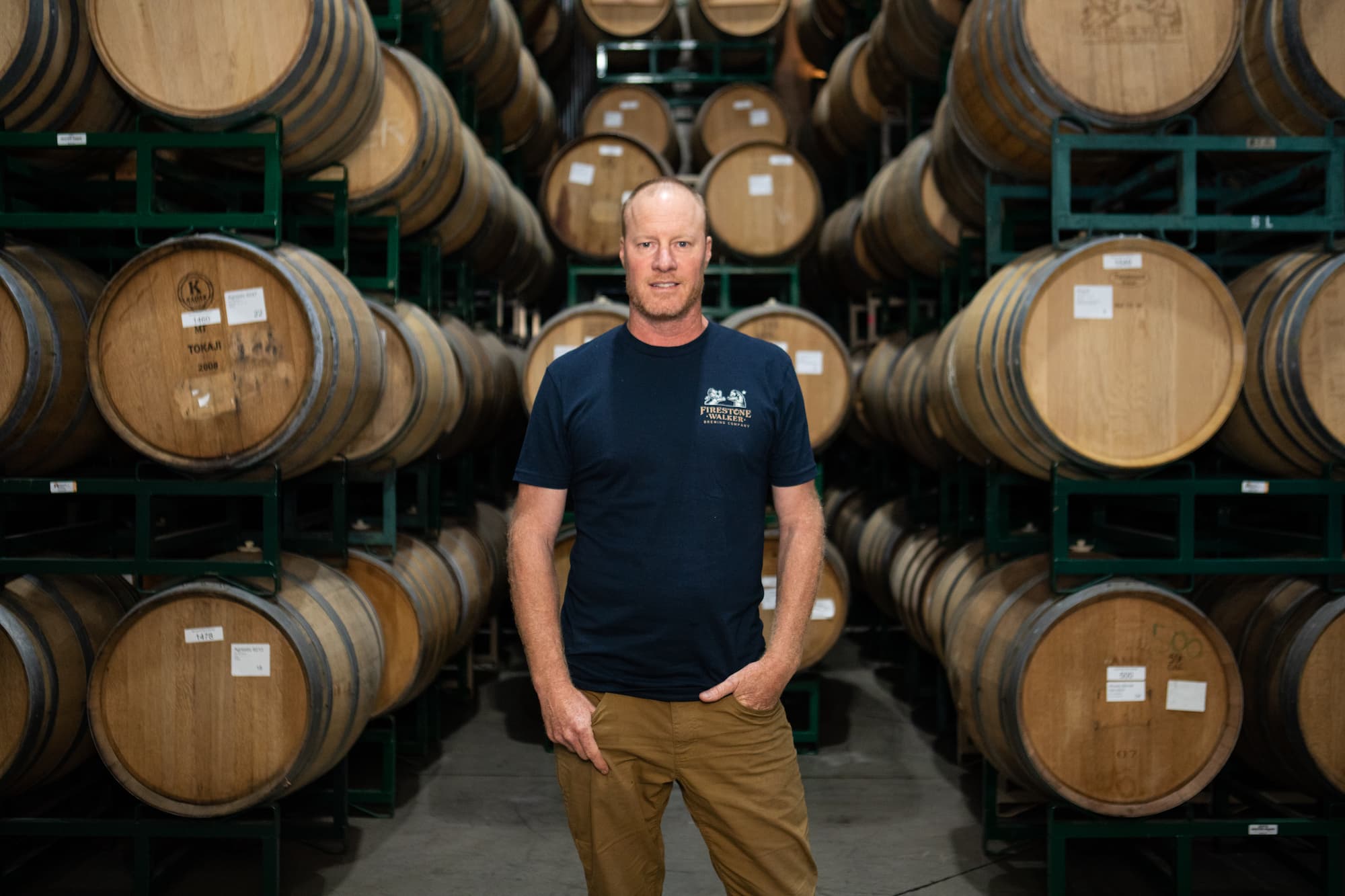
Firestone Walker’s Propagator brewhouse manager discusses the R&D process for popular beer families such as Luponic Distortion and Mind Haze, as they follow the path of subtle but continual evolution.

Josh Pfriem, brewmaster and cofounder of pFriem Family Brewers in Hood River, Oregon, breaks down their approach to Kölsch-Style Ale—an exercise in precision and a gold-medal winner at last year’s Great American Beer Festival.

Far from ordinary, the unassuming Kölsch is a unique beer with its own history and an identity firmly rooted in its city and rituals. Jeff Alworth has the story, with a fresh glass and a tick for your deckel.

This throwback American black ale goes for ample hops and rich malt, without overdoing it on the roast.

The labor market is tight for taprooms, brewpubs, bars, and other hospitality businesses. With smart technology in your back pocket and a partner at your side, you will survive (and even thrive).

Brewed since 1988, Bell's founder Larry Bell has called Cherry Stout the complex “pinot noir” of his brewery’s range. Its origins, however, are far simpler: It all started at homebrew club meetings in Kalamazoo.

In this clip from his video course, Jester King’s Jeff Stuffings discusses the wide range of possibilities—pure cultures, bottle dregs, native yeasts, and more—when it comes to choosing yeast and/or bacteria to ferment your farmhouse-inspired beers.

Are you getting the most you can out of the hops you use? Could you get even more? Brandon Capps thinks so. He’s been exploring the limits and potential of brewing with extracted terpenes.

Homebrewers can join the Brave Noise collaboration for a safer, more inclusive beer industry by helping to keep the conversation going—and by brewing and sharing this light, juicy pale ale.

From our Love Handles files on beer bars we love: Near the harbor, this locus of Maine’s bustling brewing scene specializes in a variety of sausages paired with local beers.

So, you’re a lagerhead. You’ve always got some pils, helles, and tmavý in the fridge, and you mail-ordered that one T-shirt from Halfway Crooks (if you know, you know). But do you have the drinkware to maximize your enjoyment of those classic styles?

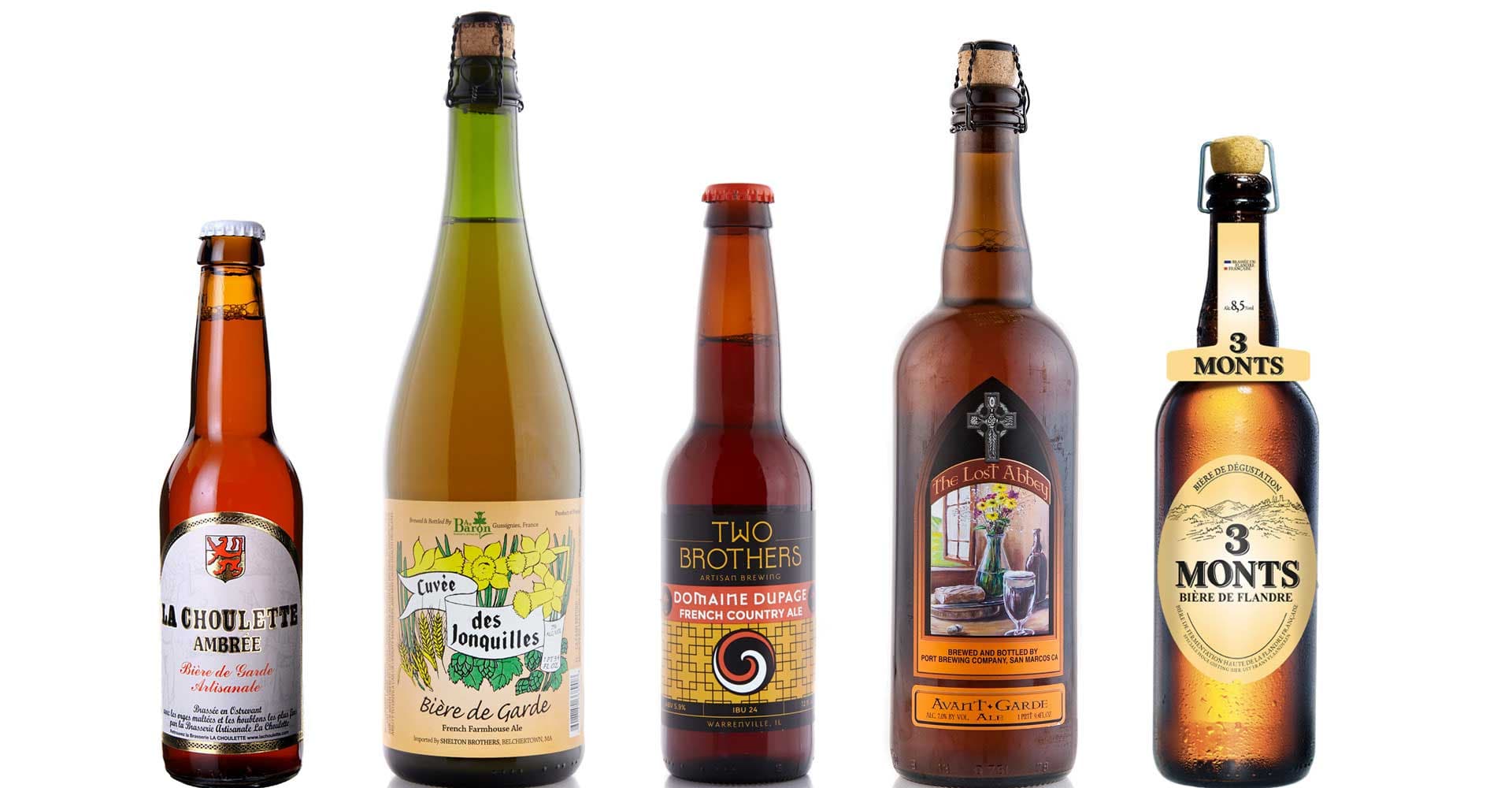
Is the future of Berliner weisse to be found in the past? These five mixed-fermentation versions offer a glimpse of what was and what remains possible.

“Electric Jellyfish is a hazy, Austin-style IPA, focusing on the juicy hop flavor and aroma from our favorite farmers while keeping the bitterness balanced and refreshing,” says Joe Mohrfeld, brewmaster at Pinthouse Pizza and Brewing in Austin.

For the cofounder of San Diego’s Societe Brewing, beer should be flavorful, easy to find, inexpensive, and beautifully crafted. His six-pack neatly mirrors Societe’s focus, with Belgian inspiration and a nod to the dark, hoppy beers of Southern California.

Jester King founder Jeff Stuffings explains their approach to hopping their rustic farmhouse ales, often choosing to embrace large quantities of low-alpha, spicy Noble hops. He also discusses aging hops on site for their more lambic-like beers.

Lager is made at the cellular level—and at the cultural one. How far can you push lager—with different ingredients, fermentations, sensory profiles—until it becomes something else? Randy Mosher ponders the science, the traditions, and the pragmatism.

It’s hard work to keep things simple, and this New York brewery proves that maxim with complex fermentations for their core beers and an ongoing focus on ales served on cask.