From Grain to Glass, Your Beer’s Not Done Until You Serve It Properly
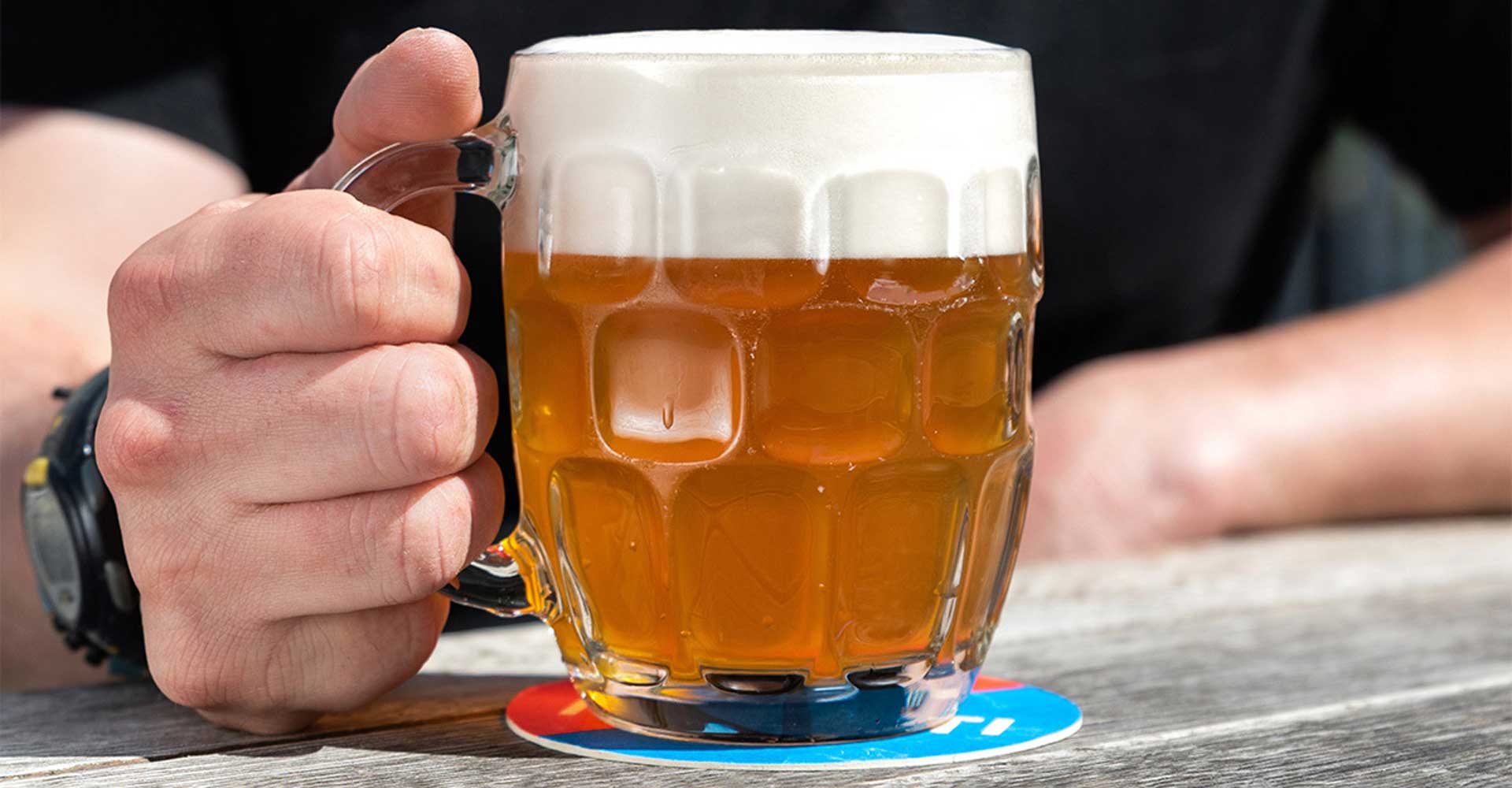
From our Illustrated Guide to Homebrewing, here are some tips on serving your own beer—and on evaluating it, so you can decide how to make it even better next time.
Showing 1041-1060 of 4676 articles

From our Illustrated Guide to Homebrewing, here are some tips on serving your own beer—and on evaluating it, so you can decide how to make it even better next time.

For Josh Weikert, author of our Make Your Best series, altbier is the all-around perfect style and the one he brews most often at home. Here’s his own recipe.

With skillful use of purposeful hops, independent brewers can attract more drinkers in an increasingly competitive market.

Brewing saisons with Brettanomyces offers an enticing opportunity to fully embrace Noble and Noble-esque hops, including newer varieties such as Adeena and Loral and later kettle additions to encourage biotransformation. Crooked Stave founder and brewmaster Chad Yakobson breaks down some possibilities.

Firestone Walker Brewmaster Matt Brynildson loves all of his beer children. But he seems to love one more than most: Pivo Pils.

Whether you’re making mead, cyser, or even honey beer, identifying high-quality honey is a challenge. James Naeger, director of sales and special projects at Schramm’s Mead in Ferndale, Michigan, offers some insight into the problems involved and how to overcome them.

From our Love Handles files on the world’s great beer bars: Seward Alehouse is a local dive like only Alaska can do it—it just happens to have great beer, too.

The scientist behind storied varieties such as Nelson Sauvin and up-and-comers like Nectaron shares insights into the process of developing impactful hops.

This pilsner from Twin Barns Brewing in Meredith, New Hampshire, near the shores of Lake Winnipesaukee, thrilled our blind judging panel and became one of our Best 20 Beers in 2022.

It seems inconceivable that Nectaron®, the latest hop sensation from New Zealand, spent years as a wallflower, hidden from the spotlight because it wasn’t high enough in alpha acids. Those days are gone.

Crooked Stave founder and brewmaster Chad Yakobson, one of the industry’s foremost experts on Brettanomyces, leads this in-depth course on brewing and fermenting funky, farmhouse-inspired beers.

Sierra Nevada Pale Ale may have put Cascade hops on the map—piney, citrusy, superb—but have you admired the beer’s unsung hero? Pale Ale’s yeast quietly anchors this classic, down to the pivotal finale that makes or breaks each batch: bottle conditioning.

Dry and spicy yet hop-forward, this lemongrass-laced saison from Oedipus in Amsterdam recently took home its third World Beer Cup medal.

Two splashes of hazy IPA add juicy subtlety to this comforting, moderately spicy fried chicken showcase.

Recorded among the wood-paneled walls of the centuries-old Schlenkerla pub in Bamberg, Germany, sixth-generation brewmaster Matthias Trum shares his deep insights into smoke, balance, and history.

Exotic but familiar, the tropical plant lemongrass is far from being one of the traditional beer ingredients … yet its flavor and aroma fit right in with the others.

Hazy IPAs remain popular—and they also remain remarkably similar. Here’s some advice on stepping away from the usual yeast strains to brew a hazy that stands out from the rest.

Pale ale makes an ideal base for trying out the split-batch method and experimenting with the different flavors you can get from one kettle of wort and a single brew day. Following this recipe, you’ll get an American-style pale ale, a Belgian-style pale ale, and a British-style strong bitter—but it’s easy to imagine more variations.

There is not one pale ale—they are infinite. For example: There are a few classic types that can be assembled from essentially the same wort based on some key choices. Let’s explore the versatility.

From Wild Fields in Atascadero, California, here’s a recipe for a brown ale that won gold medals at both the Great American Beer Festival and the World Beer Cup in 2022.