Recipe: 1851 William Younger XXX Mild Ale
Here’s a recipe from mid-19th-century Scotland that makes a point: British milds weren’t always dark and low strength.

Showing 761-780 of 4723 articles
Here’s a recipe from mid-19th-century Scotland that makes a point: British milds weren’t always dark and low strength.
Mild wasn’t always dark, smooth, and low in strength, but that modern incarnation is one well worth brewing and appreciating. Rich in flavor yet drinkable in quantity, mild is a tradition waiting for its next evolution.
Dry and lively with earthy-herbal hop flavors, saison should be refreshing, with any spicy character better driven by yeast and hops than by actual spices.
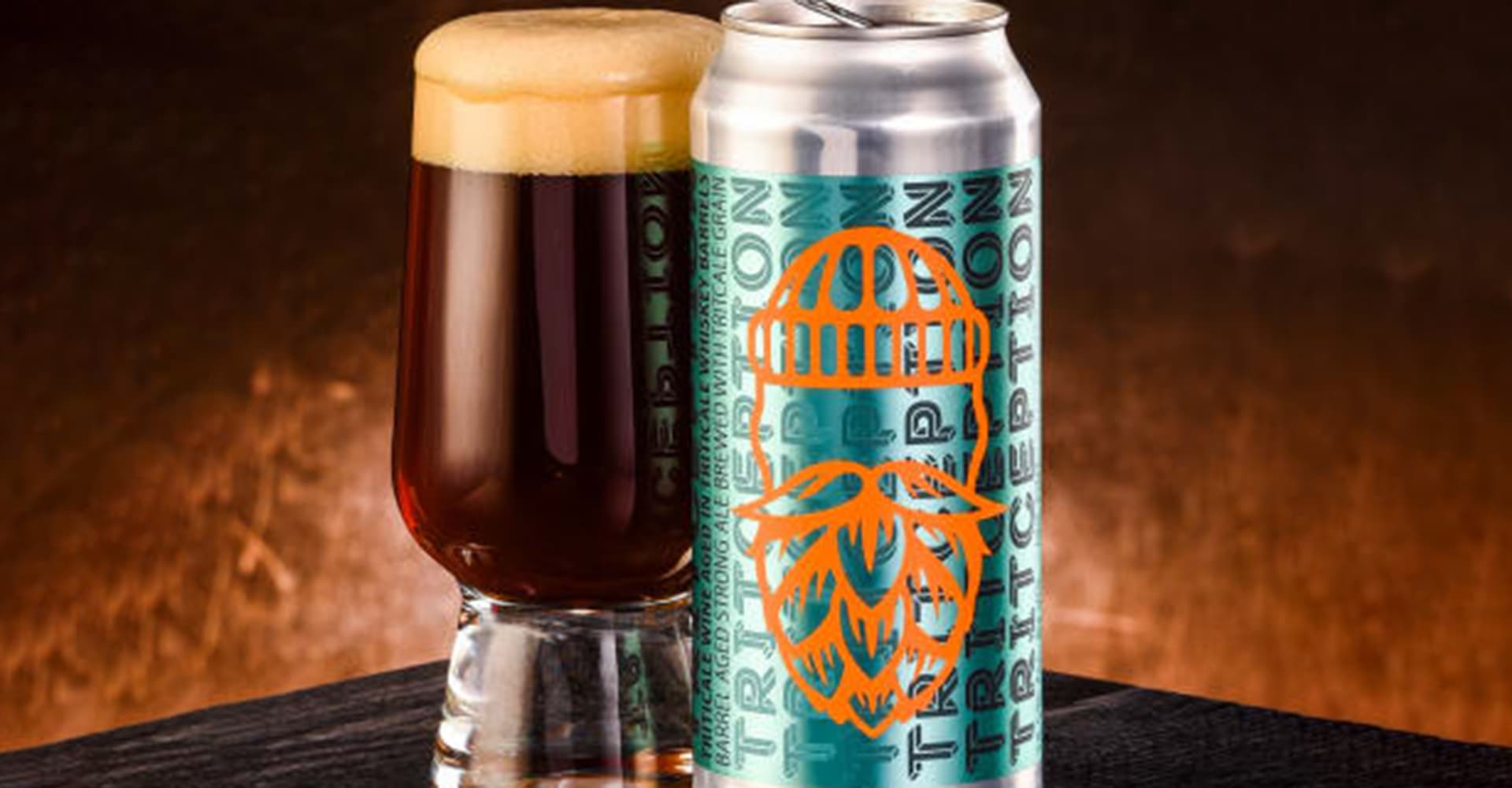
Brewed with barrel-aging in mind, this barleywine-style ale from Lumberbeard Brewing in Spokane, Washington, leans heavily into locally malted triticale—an unusual wheat-rye hybrid.
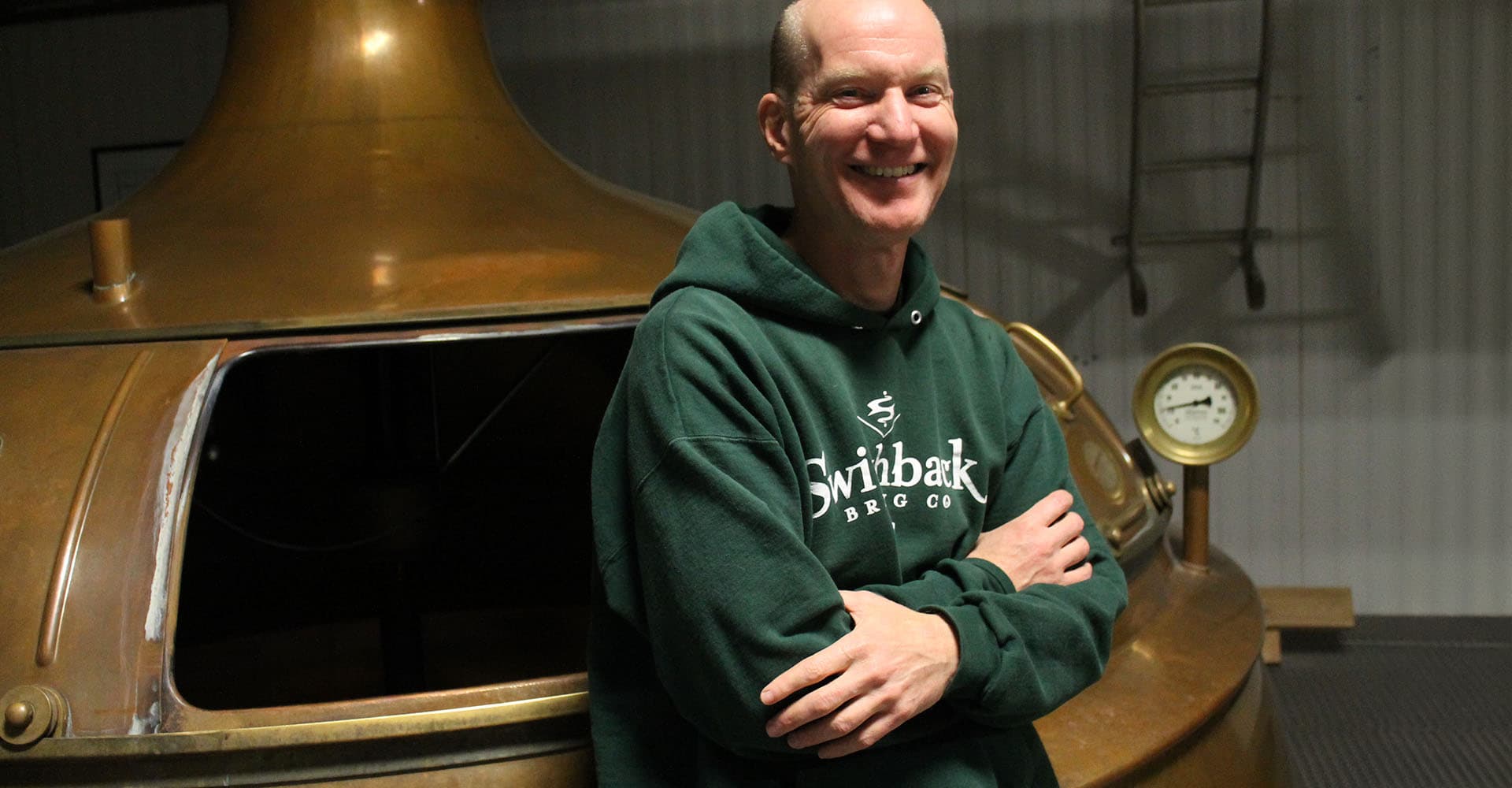
In a fast-moving era, Switchback founder Bill Cherry bucks the trend by choosing slow growth and less-popular niche styles—such as smoked beer—that afford time to learn and focus through iterative brewing.

The “happy-hour crowd” was once a main source of revenue for many craft-beer bars and breweries. However, the landscape is changing, and event programs such as bar trivia can help these bars and taprooms adapt and cultivate community.
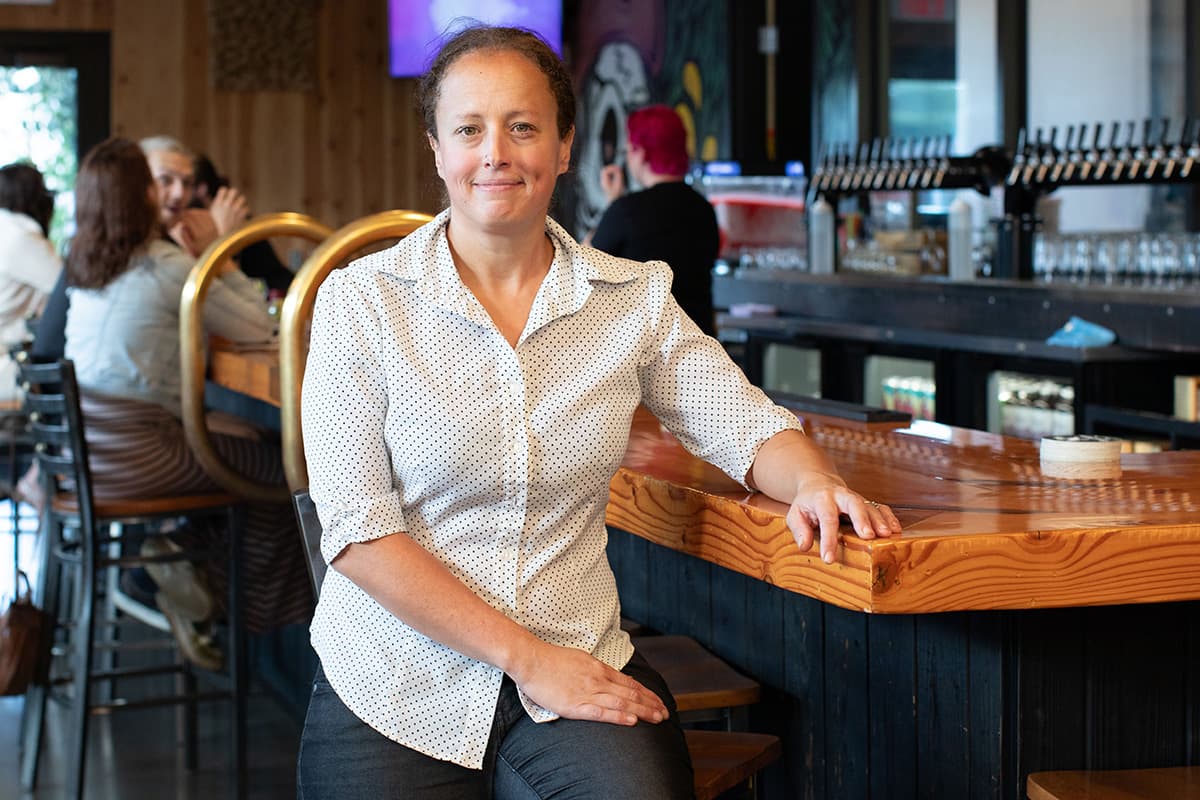
Great Notion lead brewer Lara Hargrave offers some useful advice for using flavor extracts, graham crackers, almonds, and more in your pastry- and dessert-inspired beers.
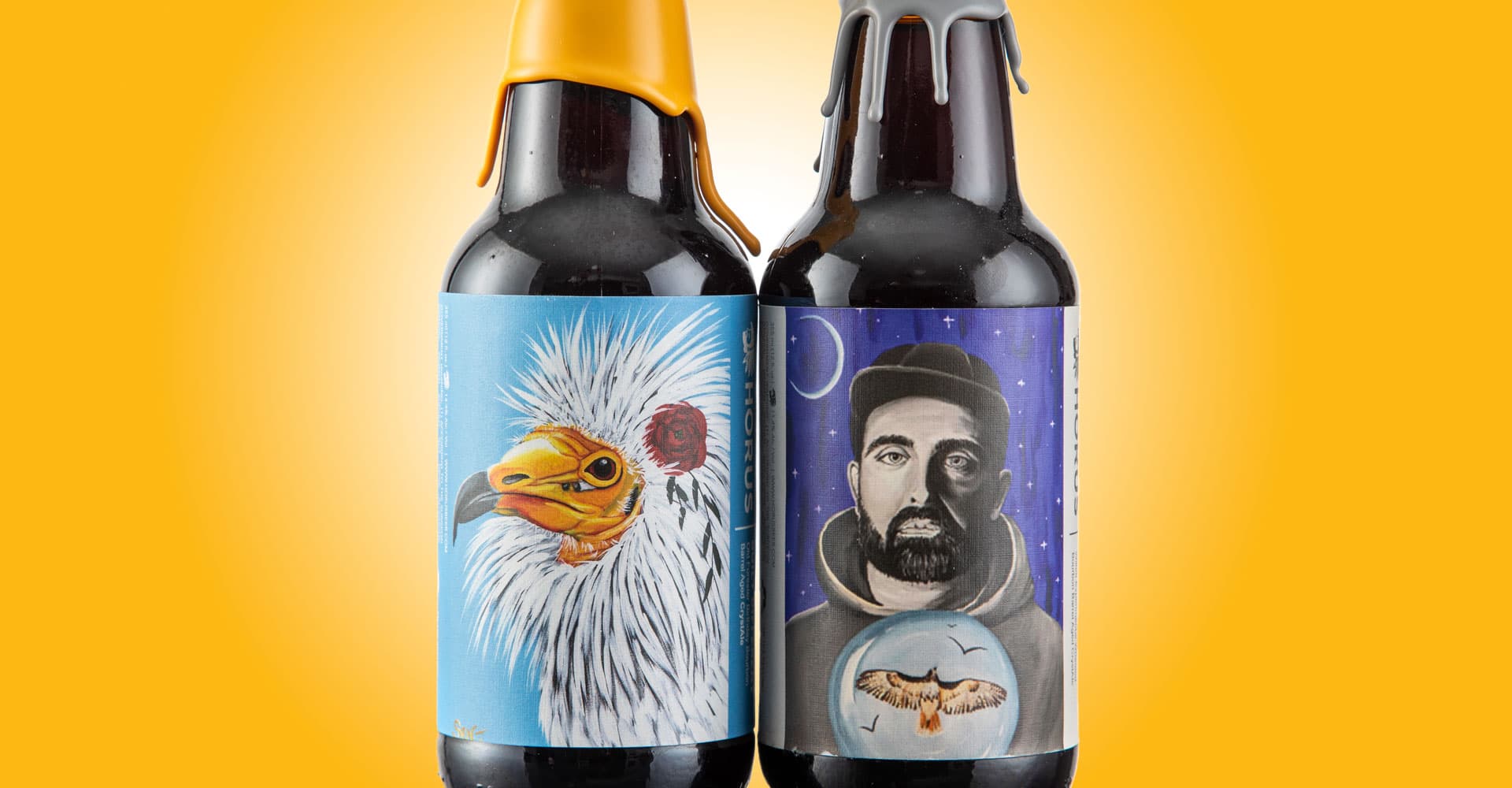
Rather than run away from crystal malt, Kyle Harrop of Horus Aged Ales in Oceanside, California, embraces it fully with this deviant barleywine-strength ale.
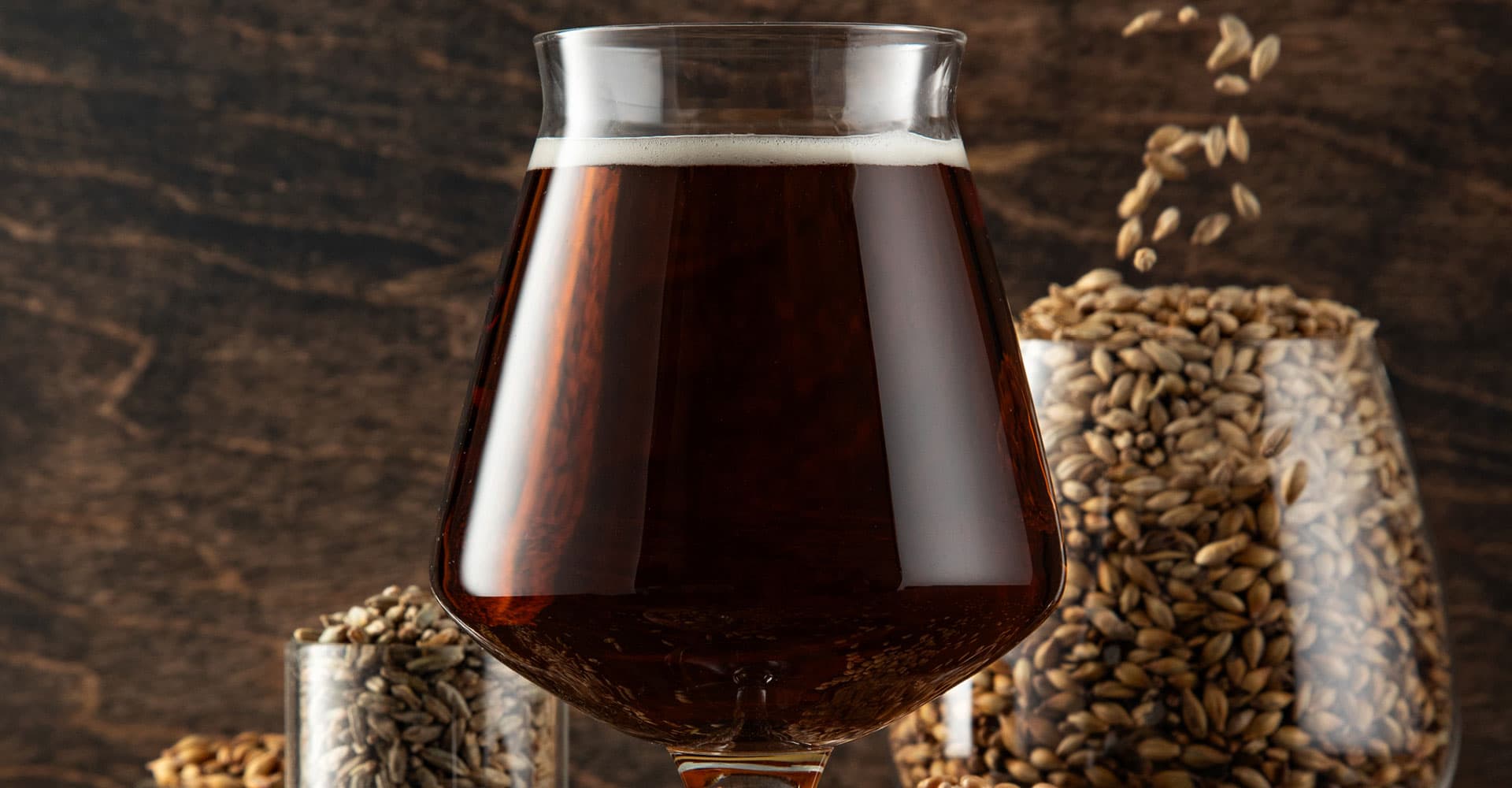
Barleywines and wheatwines explore the boldest flavor frontiers of their respective grains. Now, daring brewers are applying that maximalist approach to wine-strength beers brewed with millet, rye-wheat hybrids, smoked malts, and more.
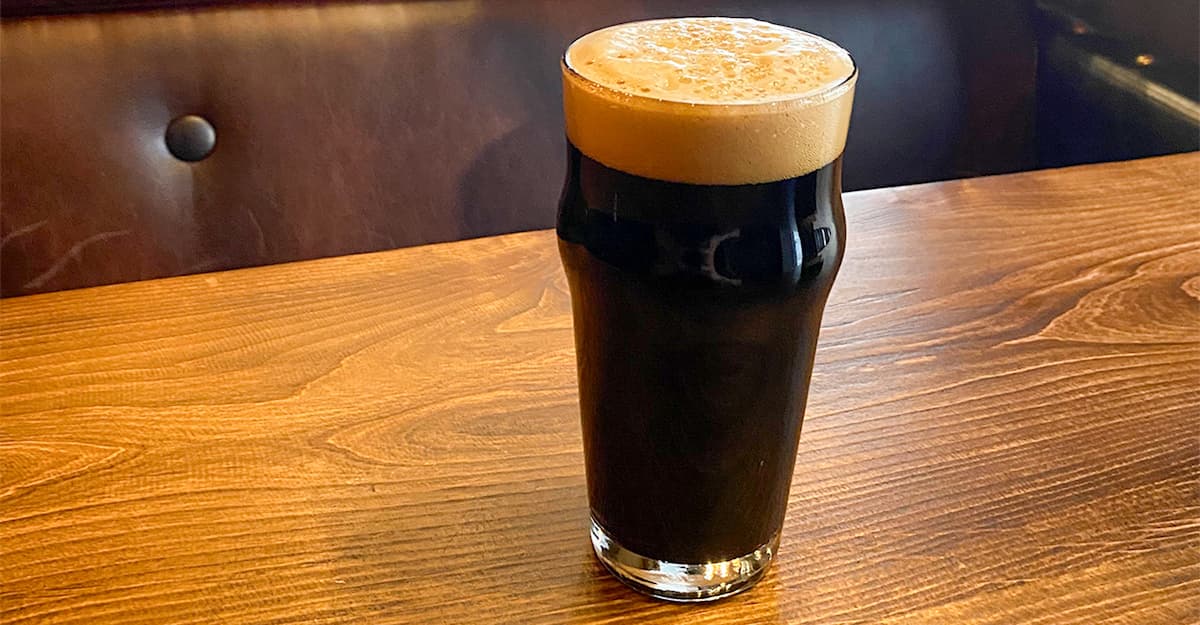
At San Francisco’s Bartlett Hall brewpub, head brewer Nick Mamere has built an award-winning program that includes this porter—winner of GABF silver in 2019, gold in 2022, and one of our Best 20 Beers in 2023.
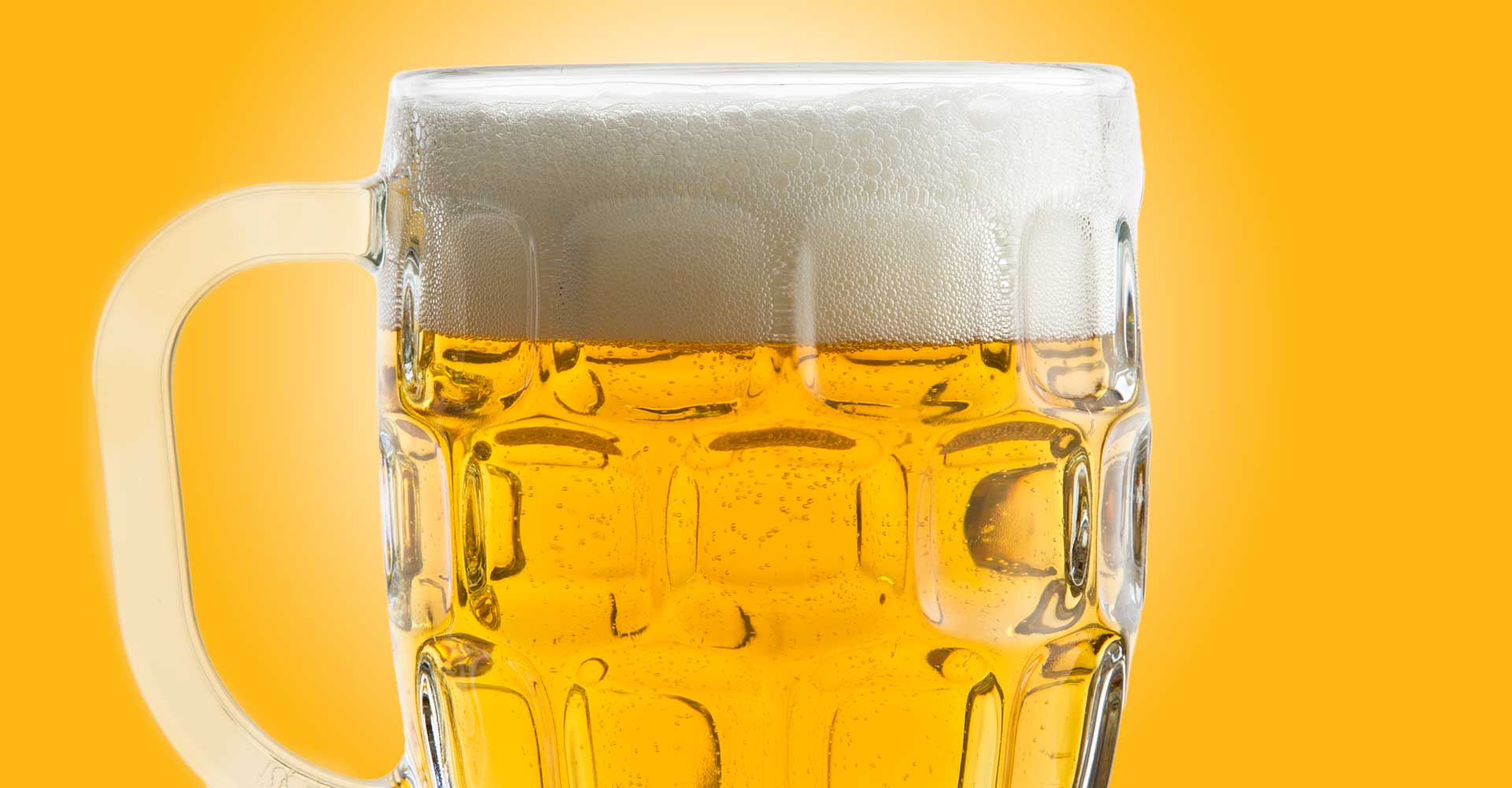
While the recipe is big for a Czech pale lager—it’s really 14°P rather than the typical 12°—it drinks well below its strength and makes a bright showcase for that floor malt and ample Saaz hops.
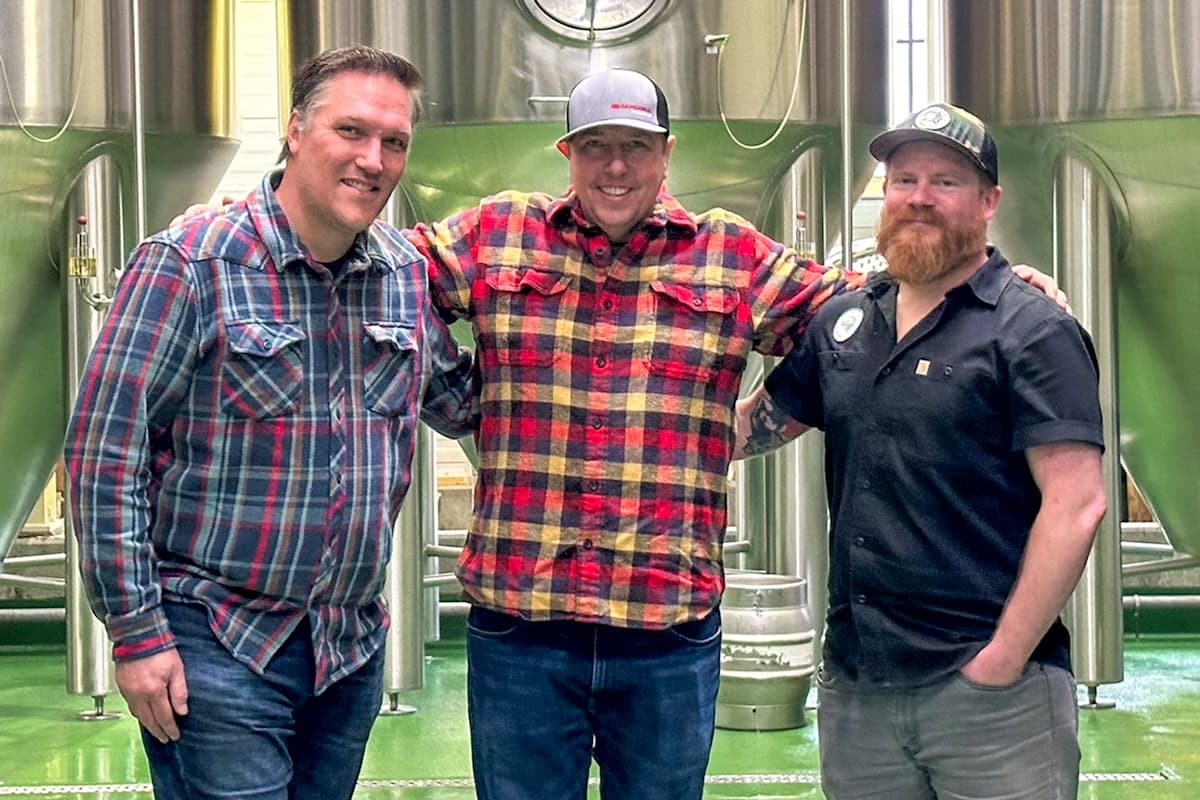
The von Trapp family history is well known thanks to the prominence of a certain Disney film, but their dogged approach to brewing lager, just down the hill from the family lodge in Stowe, Vermont, has earned them fans throughout the region and beyond.

From enchanting drinking experiences to inspirational breweries, Josh Pfriem, cofounder and brewmaster at pFriem Family Brewers, takes us on a rollicking tour through Bavaria, California, New England, and Belgium for his selected six-pack.
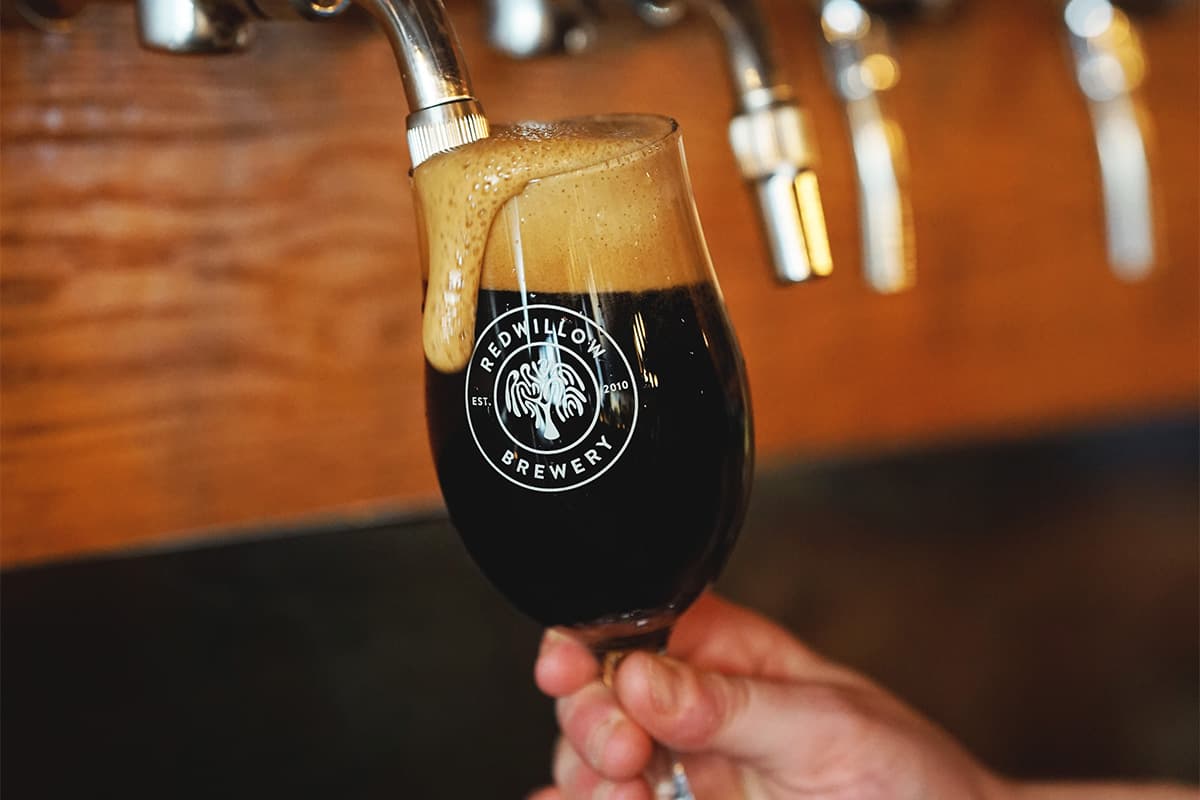
Toby McKenzie, owner and brewer at RedWillow Brewery in Macclesfield, Cheshire, England, shares this beefed-up version of their Heritage Porter, inspired by 19th-century recipes. Its layered malt bill gets added complexity from malt made from Chevallier, a landrace barley variety.
With Great Notion’s flavored stouts, it’s “go big, or go home.” Lead brewer Lara Hargrave explains their approach to building decadent, dessert-inspired recipes from base to adjuncts.
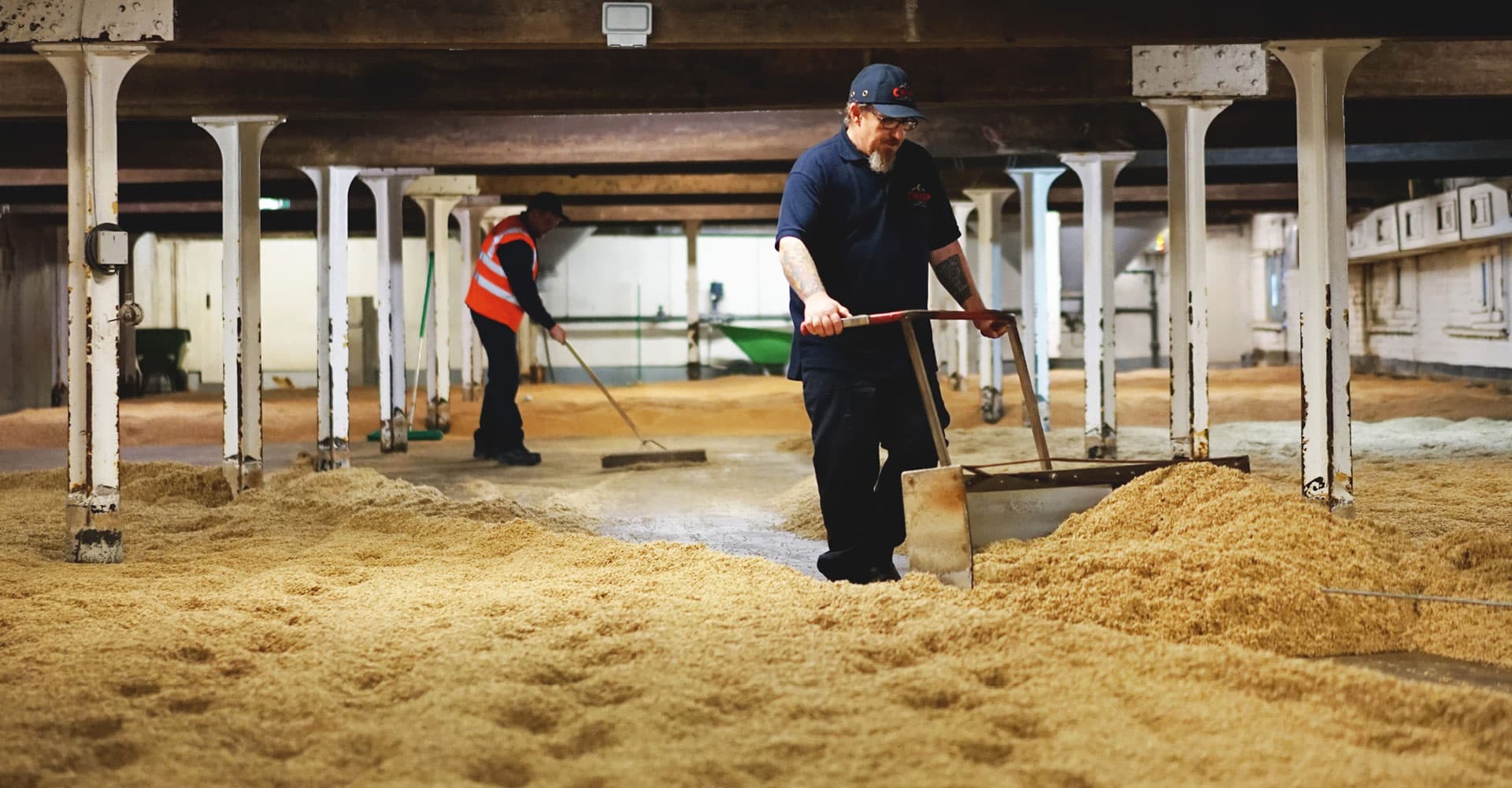
In the noble quest for variety and character, British maltsters and brewers have been resurrecting and experimenting with previously vanished yet intensely flavorful heritage barley malts—and they are increasingly available to brewers everywhere.
Crisp, dry, herbal-bitter, and clean, this is a lager you’ll want to have on tap all year long—but especially as the weather starts to warm.

Gorilla Brewing in Busan, South Korea, shares this recipe for a tart and spicy celebration of a cherished local staple.

In this final installment of our Las Vegas CBC preview episodes, Crafthaus head brewer Cameron Fisher shares his approach to making award-winning cold IPA with flaked maize, layered hop formats, and a characterful Czech lager yeast, as well as coffee beers and Scotch ale.
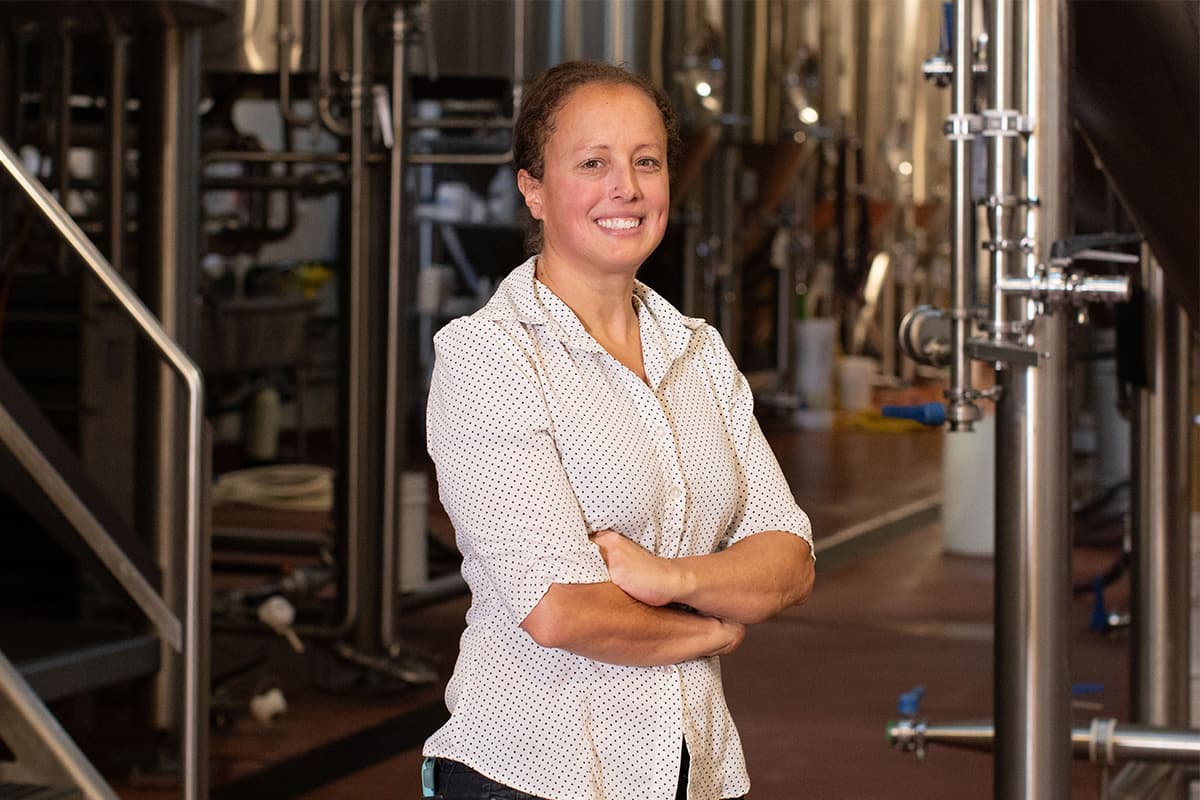
Lara Hargrave, lead brewer at Great Notion in Portland, Oregon, runs through several of the adjuncts they add to their pastry stouts, including some useful tips for flavor and practicality.