Recipe: Uncle John’s Pre-Prohibition Lager
SUBSCRIBERGive this one some time. After about three months, you’ll find that the malt and hops are so perfectly integrated that you’ll want to just sit and smell this beer for a while.

Showing 741-760 of 4723 articles
Give this one some time. After about three months, you’ll find that the malt and hops are so perfectly integrated that you’ll want to just sit and smell this beer for a while.
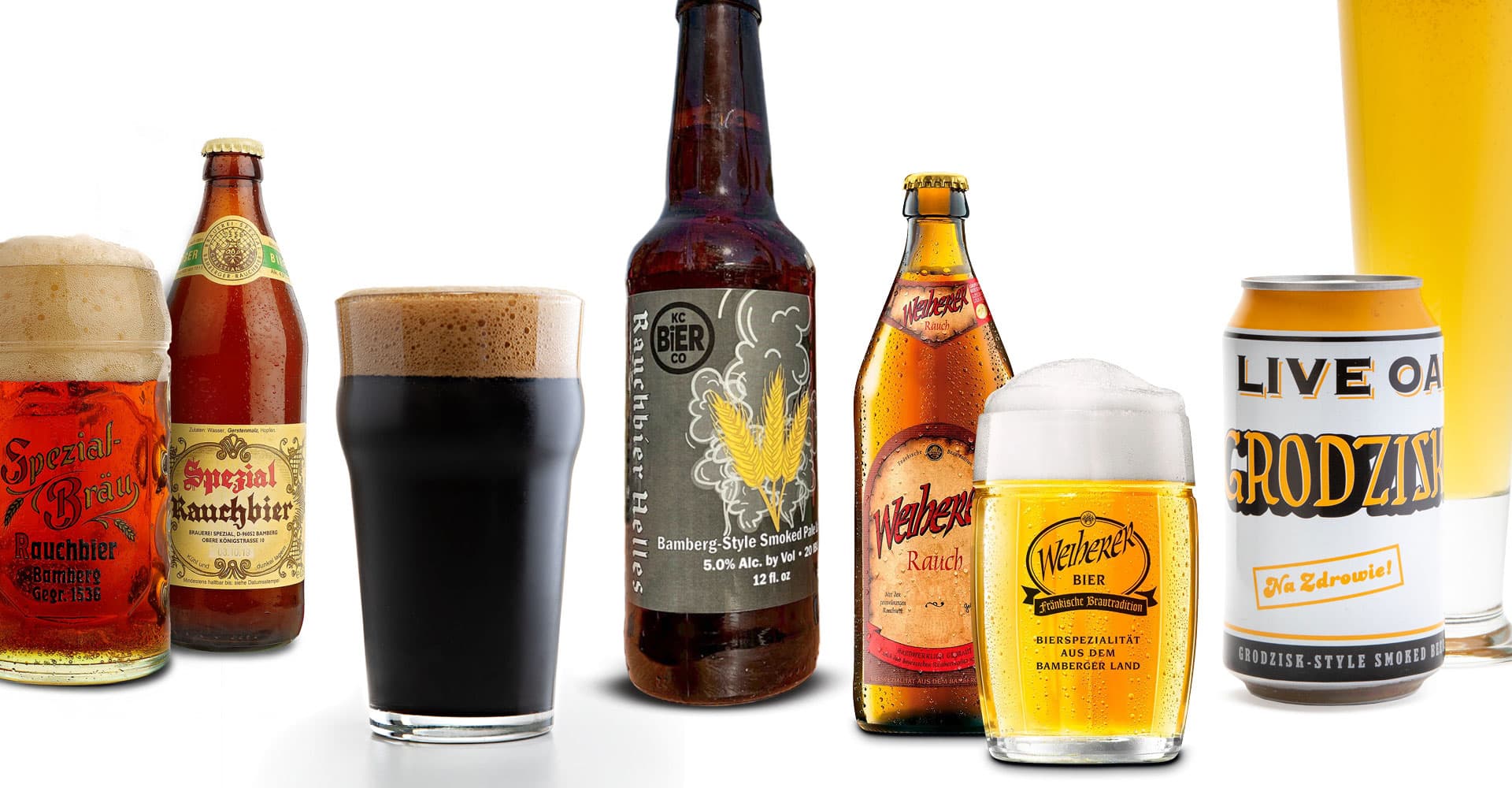
When it comes to building big flavor into smaller, session-strength beers, smoke is fire. These five picks from the pros are sure to make sparks fly.
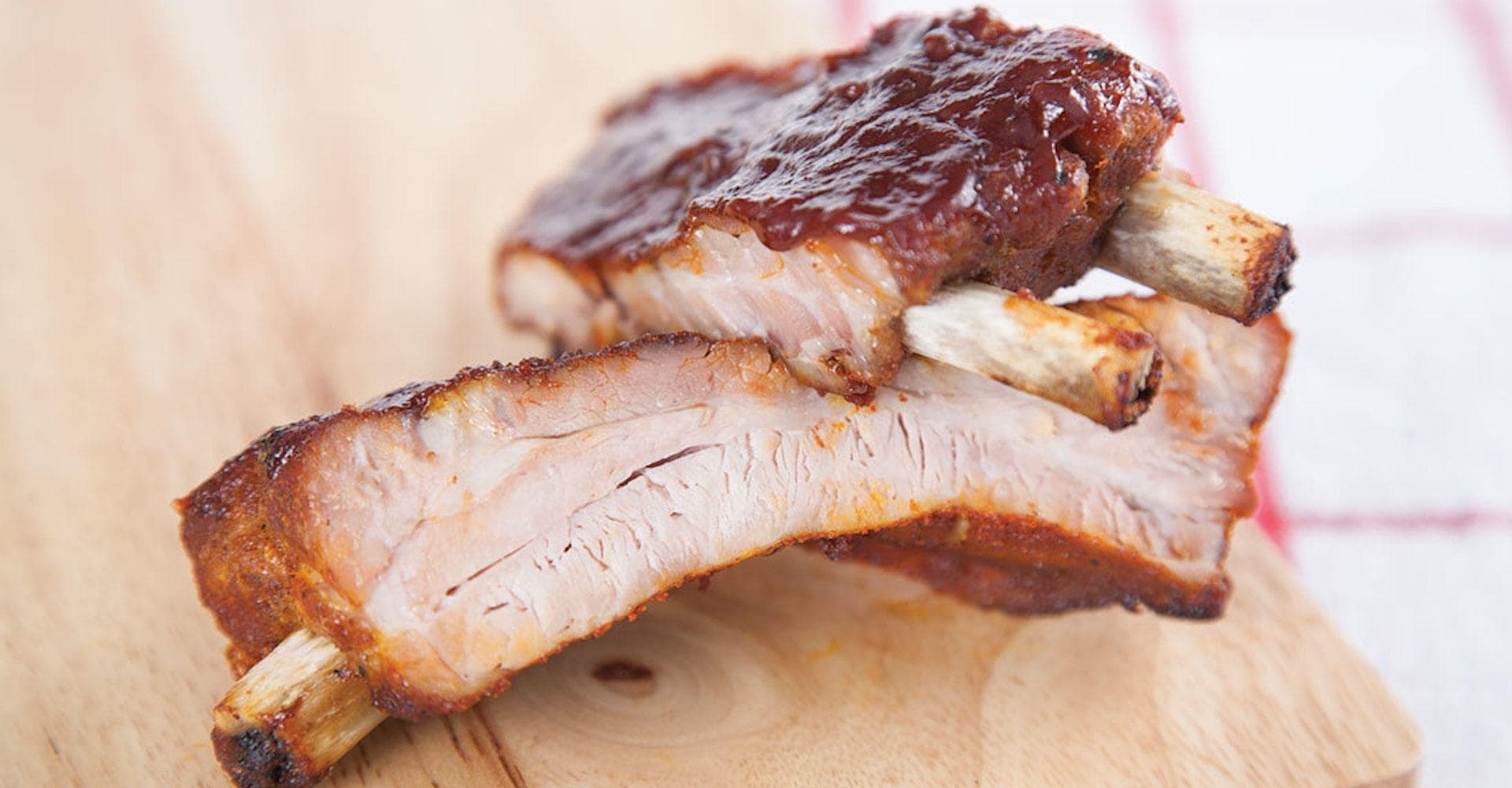
Looking for weekend grilling ideas? From our deep Cooking with Beer archive: You don’t need a smoker for this slam-dunk rib recipe—but you can include a smoked porter, if you want.

Despite opening in the throes of the pandemic in late 2020, Austin’s Meanwhile has bet big on a sprawling beer garden and well-appointed taproom, quenched by World Beer Cup and GABF medal–winning pilsner, helles, and San Diego–style IPA.
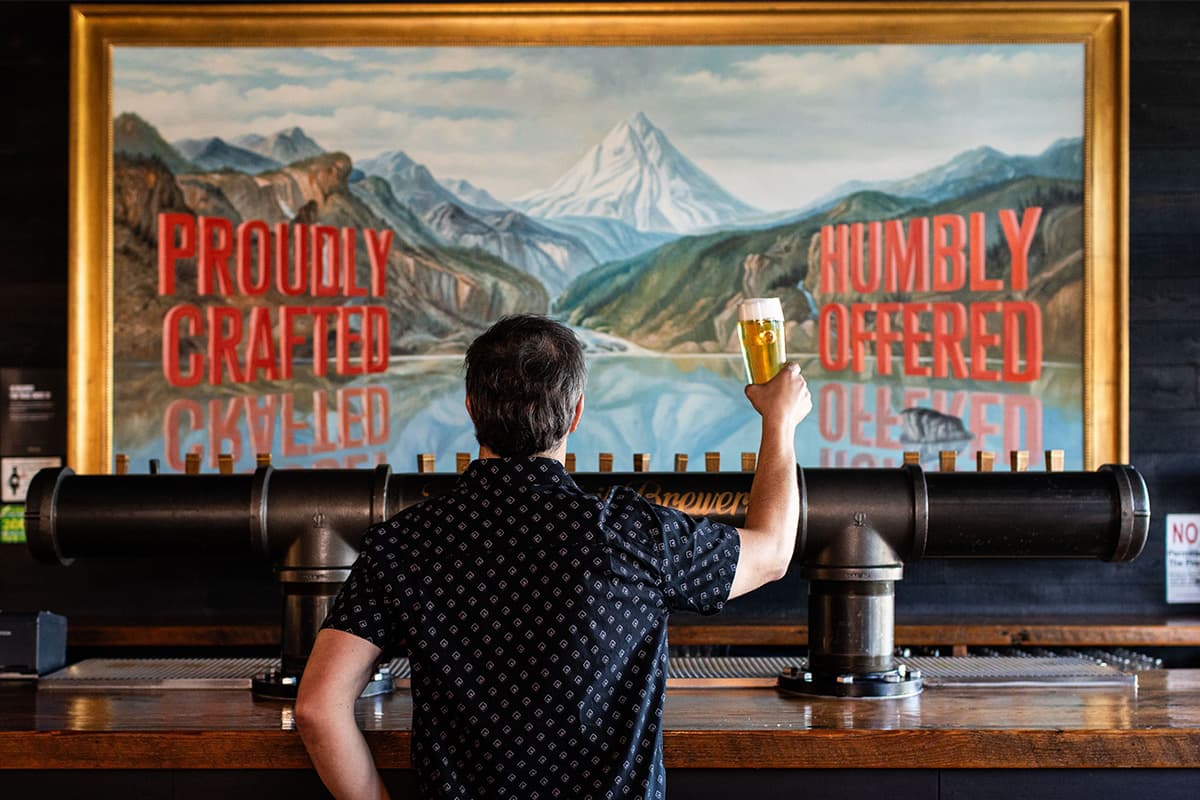
Josh Pfriem, cofounder and brewmaster of pFriem Family Brewers in Hood River, Oregon, explains what they love about their 34/70 lager strain and classic step mash.
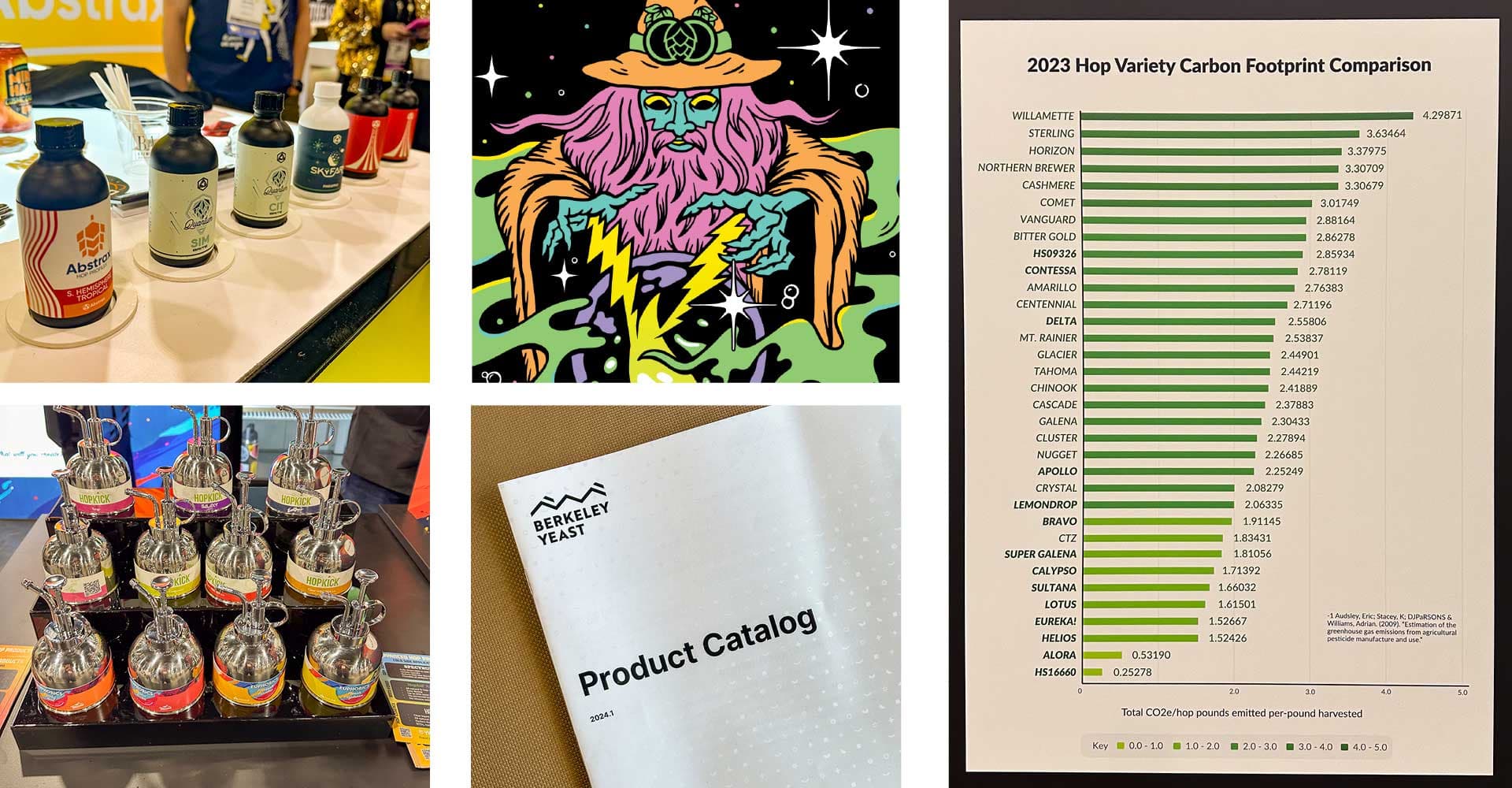
As it always does, the recent Craft Brewers Conference offered glimpses of where brewing may be going, whatever your scale. From terpenes to Dynaboost to new yeast strains, here are a few finds from the trade-show floor have us excited about what’s next.
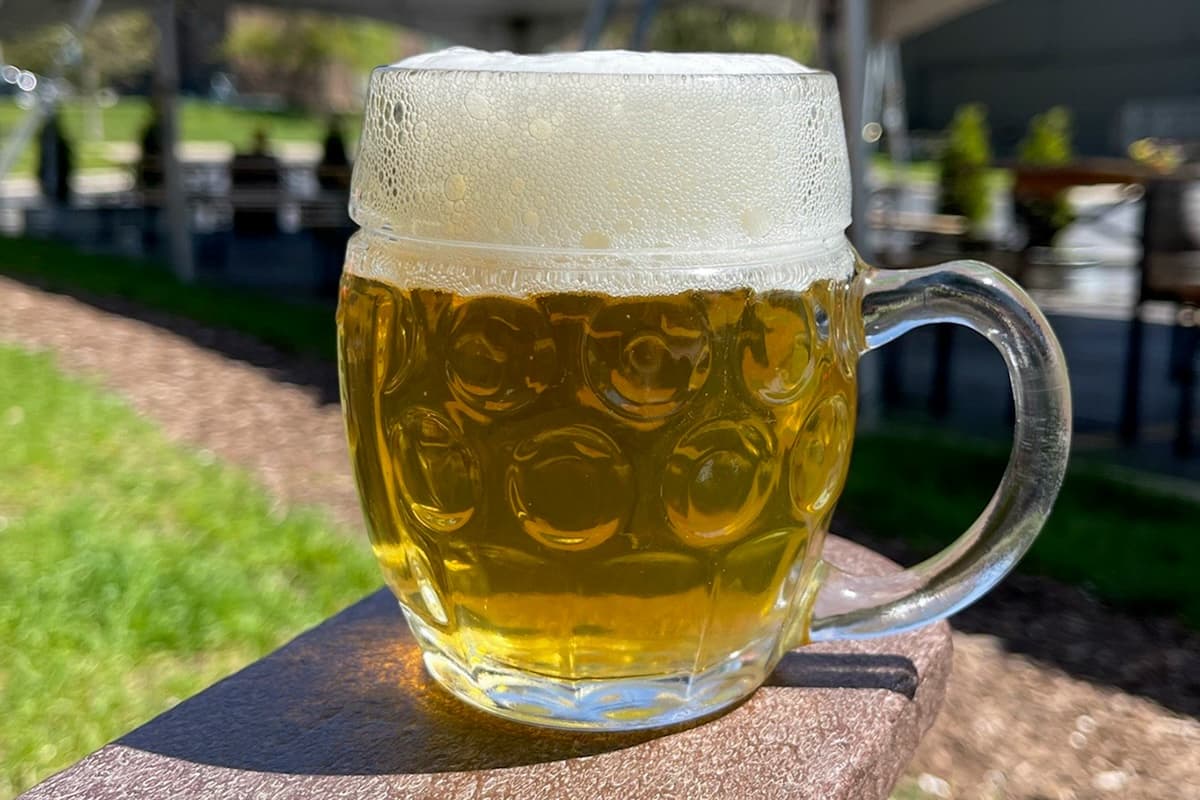
From Tom Beckmann, owner and brewer at Goldfinger Brewing in suburban Chicago, here’s a recipe for their smoothly smoky collab with Fair State Brewing Cooperative in Minneapolis.
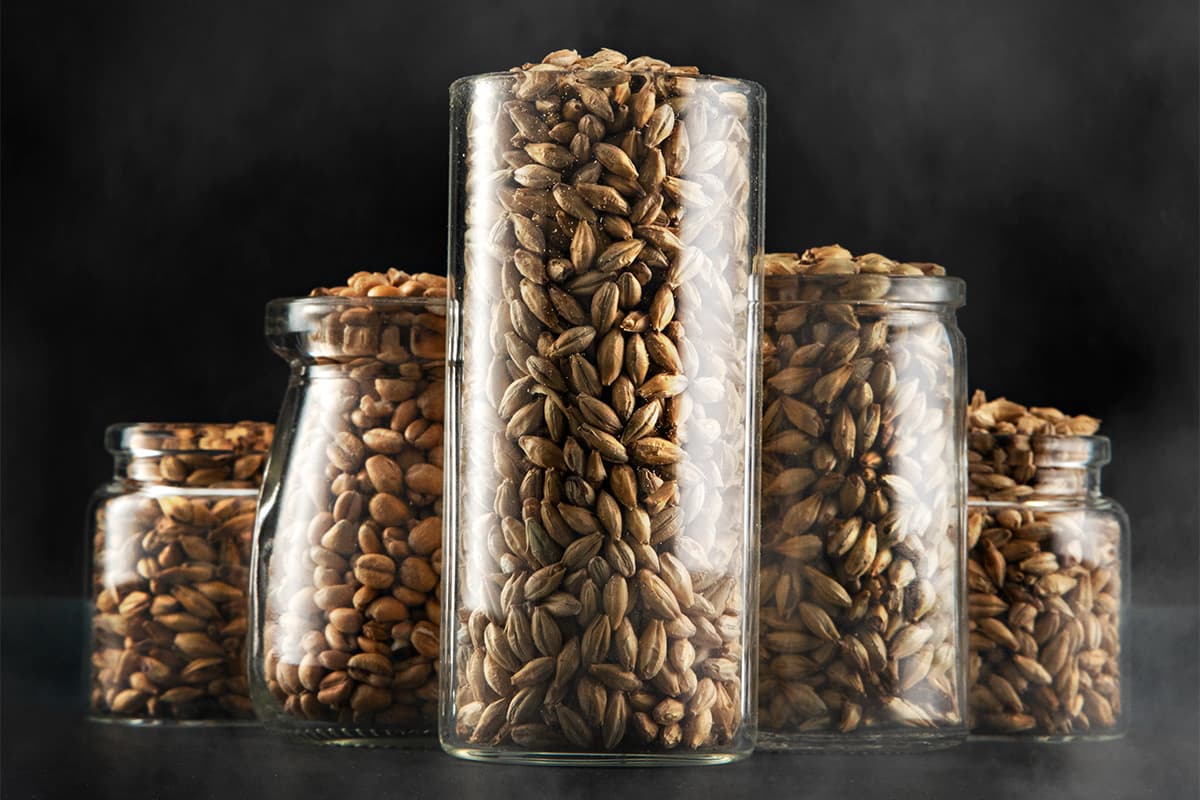
The idea that “all beer used to be smoky” doesn’t quite hold up, even if smoky malt must have been common in many places. Smokeheads, meanwhile, can tell you another possibility: The beer was smoky because people liked it that way.
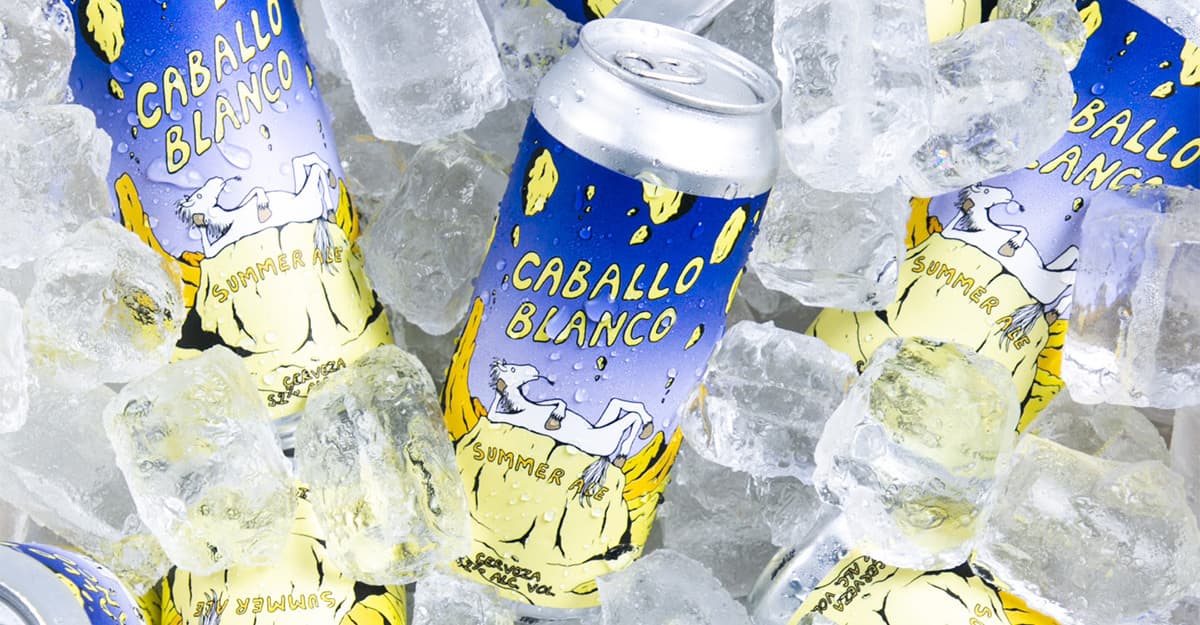
From Cervecería Hércules in Santiago de Querétaro, here’s a taste of summer from Mexico featuring a global blend of American, British, German, and New Zealand hops.
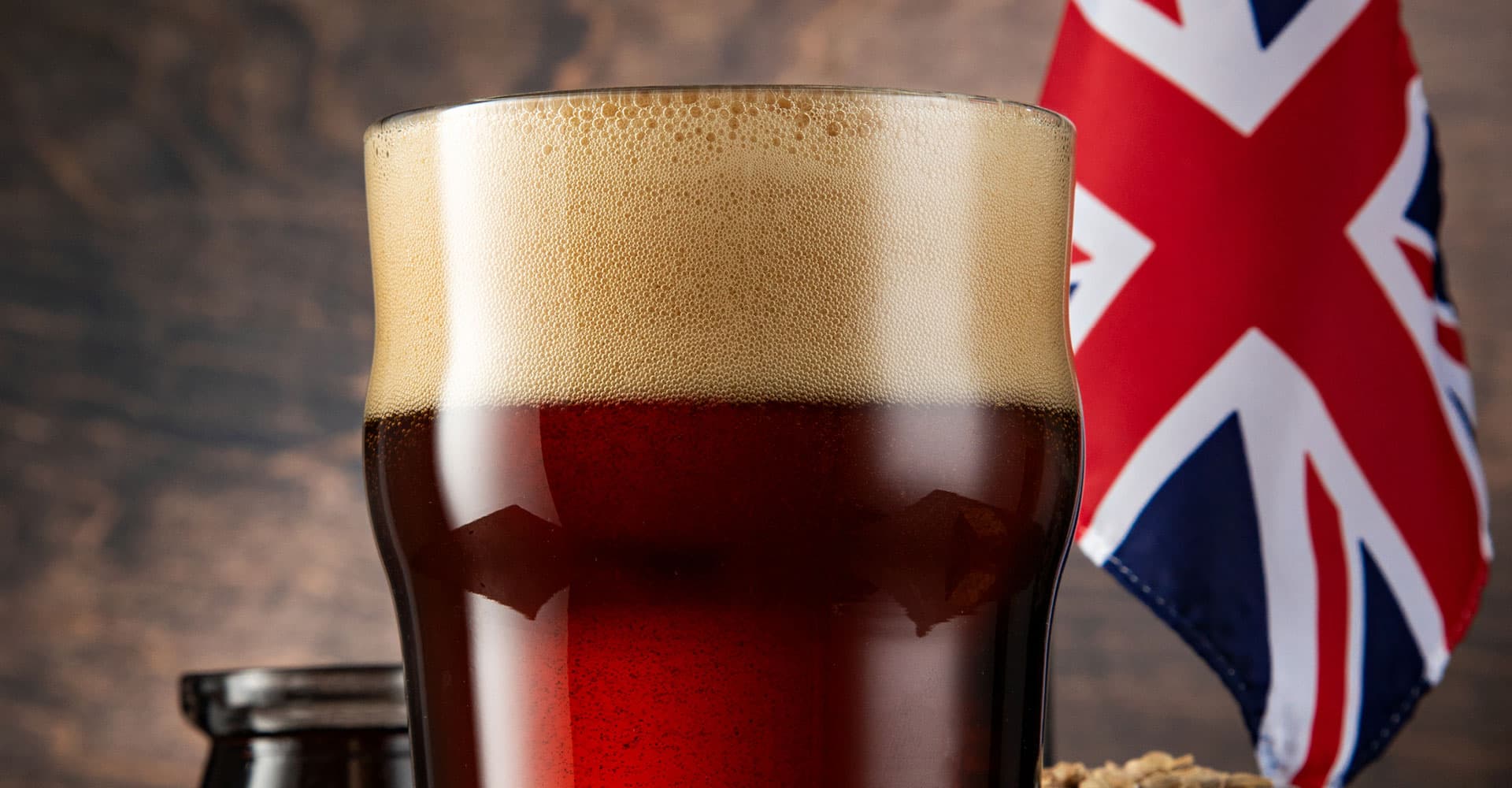
Fuller’s Brewery in west London no longer brews this dark mild—and hasn't done so regularly since the 1990s—but brewing manager Guy Stewart shares this recipe for a revived, all-malt version that briefly reappeared in 2010.

In his quest to understand the impact of every ingredient in their ever-widening family of hazy IPAs, no test is off-limits for Burlington Beer founder Joe Lemnah. From malts and adjuncts to the impact of yeast strains on surprisingly classic hop combos, the Burlington team haven’t stopped learning and tweaking in their pursuit of optimized flavor.
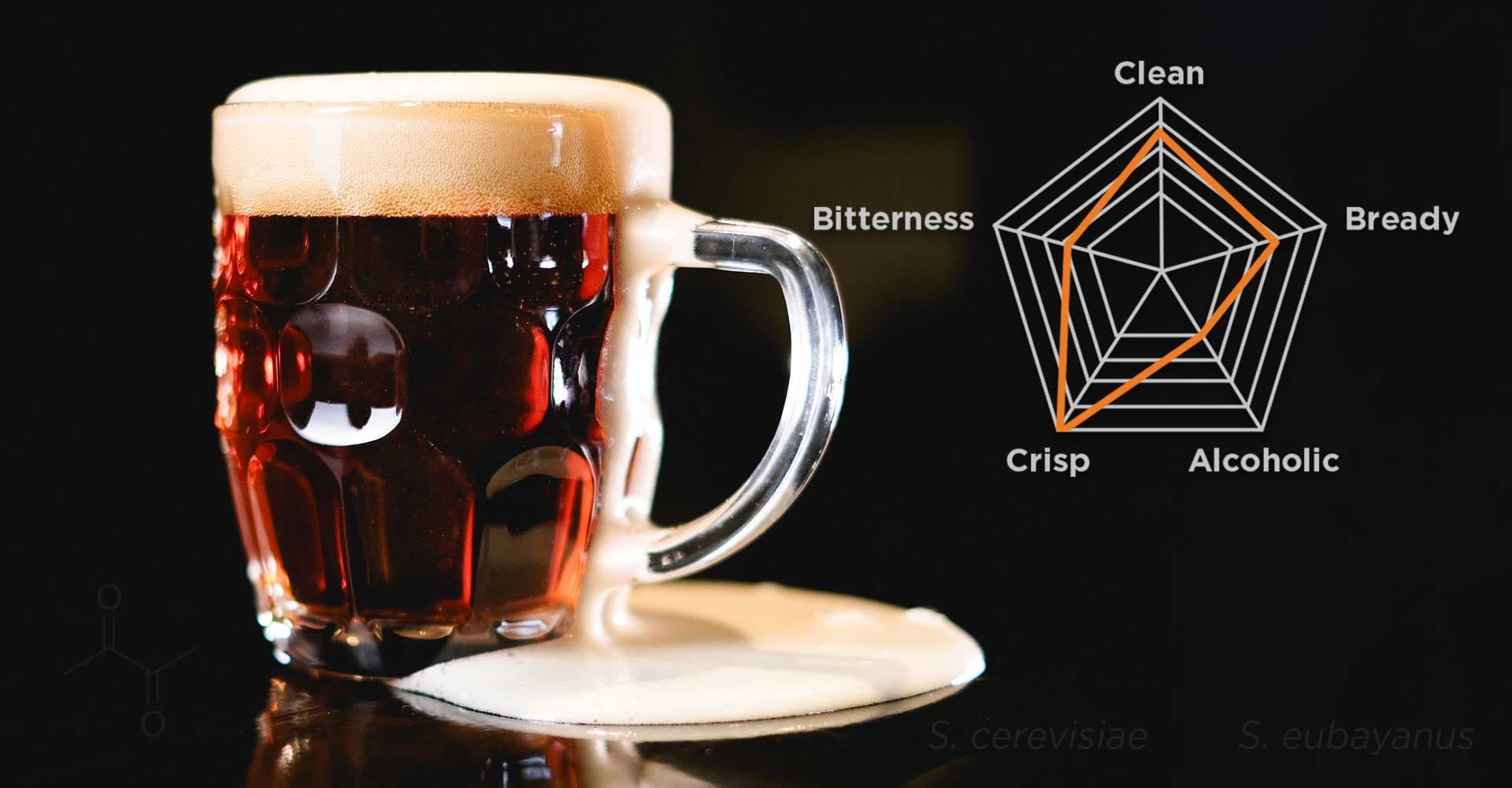
Yeast is often forgotten when we talk about crafting artisanal fermented beverages. Learn how these remarkable organisms can elevate your beer—or cider or spirits—game.

Josh Pfriem, cofounder and brewmaster of Oregon’s pFriem Family Brewers, details the thinking and process behind the brewery’s delicate, award-winning lagers inspired by traditions in Mexico, Japan, and beyond.
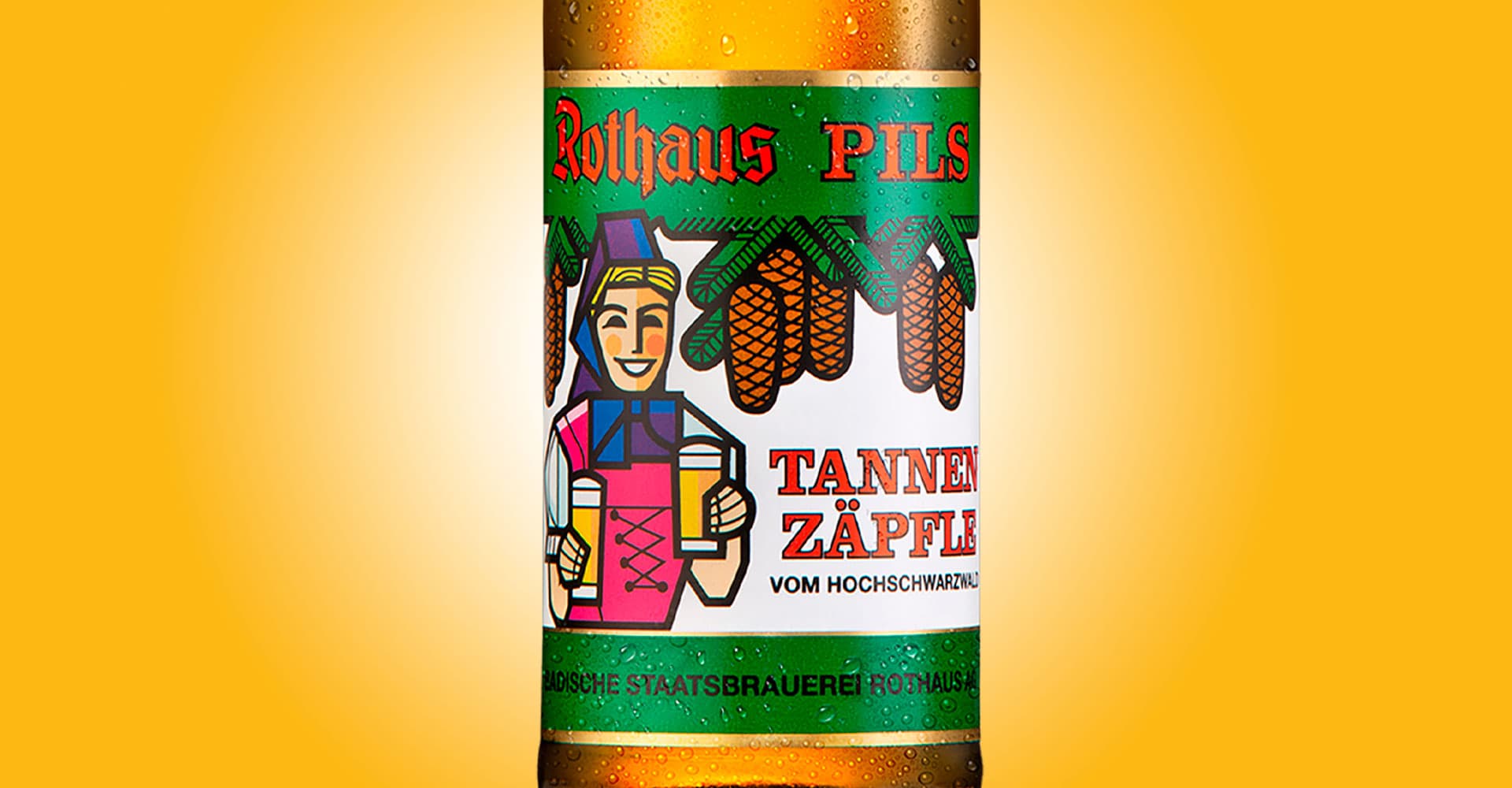
Based on conversations with Rothaus head brewer and production manager Mario Allendoerfer, here is a homebrew-scale recipe inspired by the modern classic German pilsner from the Black Forest.

With its loyal following in Germany and cult status elsewhere, what is it about Rothaus Tannenzäpfle that resonates with so many connoisseurs as well as casual lager drinkers? We went there to find out.
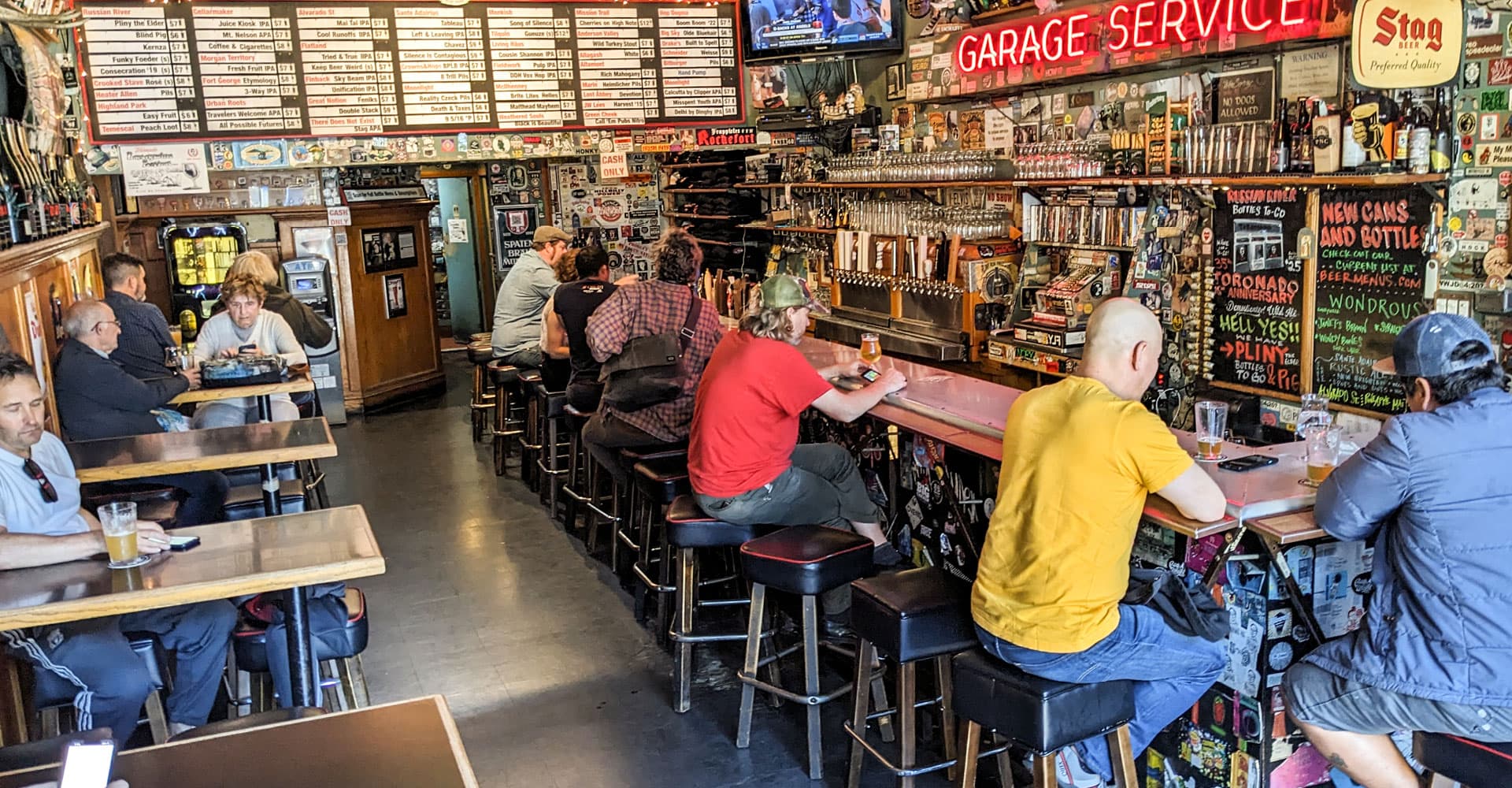
From our Love Handles files on the world’s best places to drink great beer: Steadily approaching four decades in operation, this influential bar continues to combine unpretentious atmosphere with a powerhouse selection of independently brewed beers.
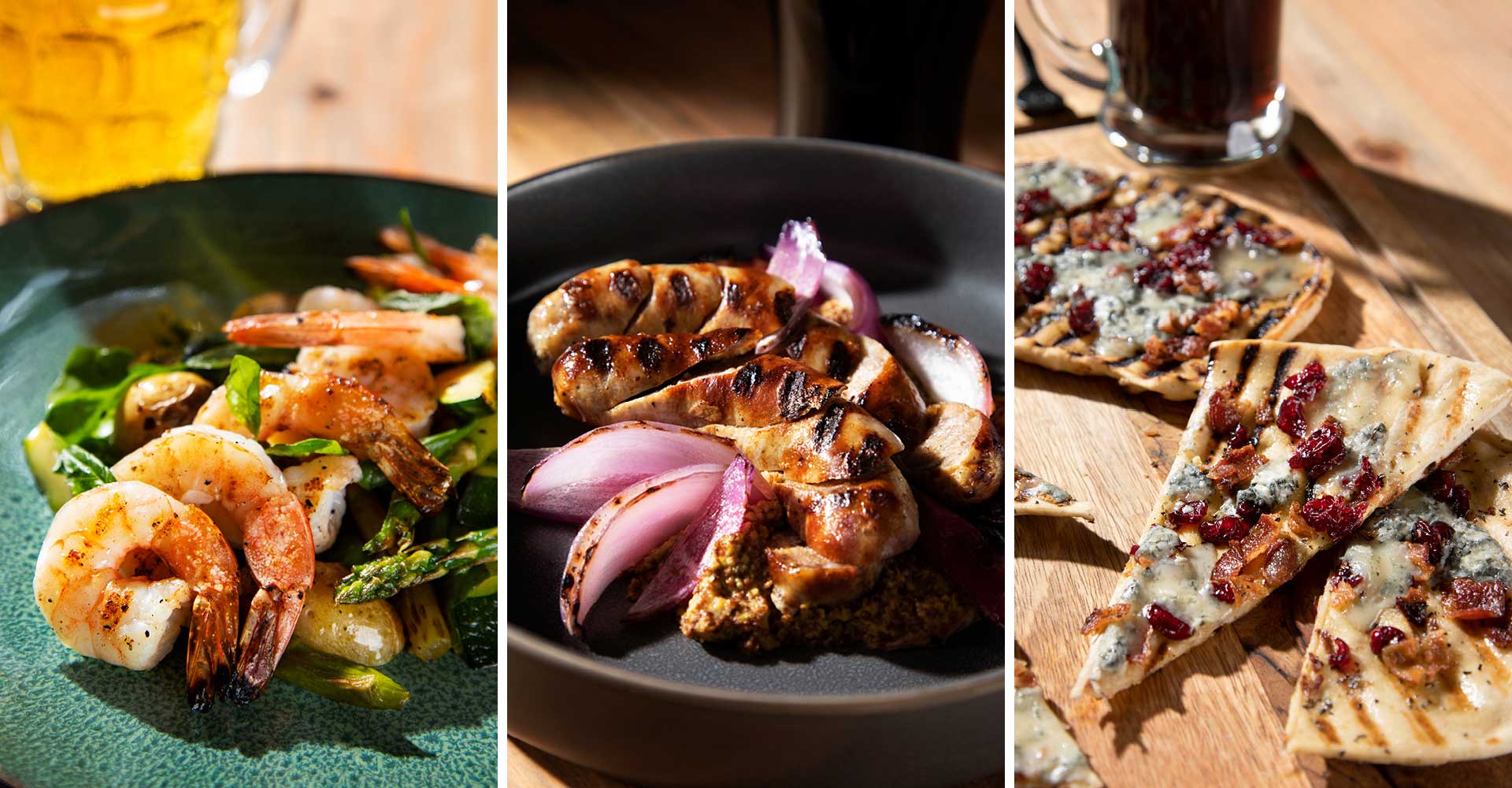
Spring is full swing, so fire up the grill and break out the lagers. These three tasty dishes—honey-helles shrimp skewers, dunkel-braised bratwurst, and grilled bock pizza—are designed for cooking over fire and for sharing.
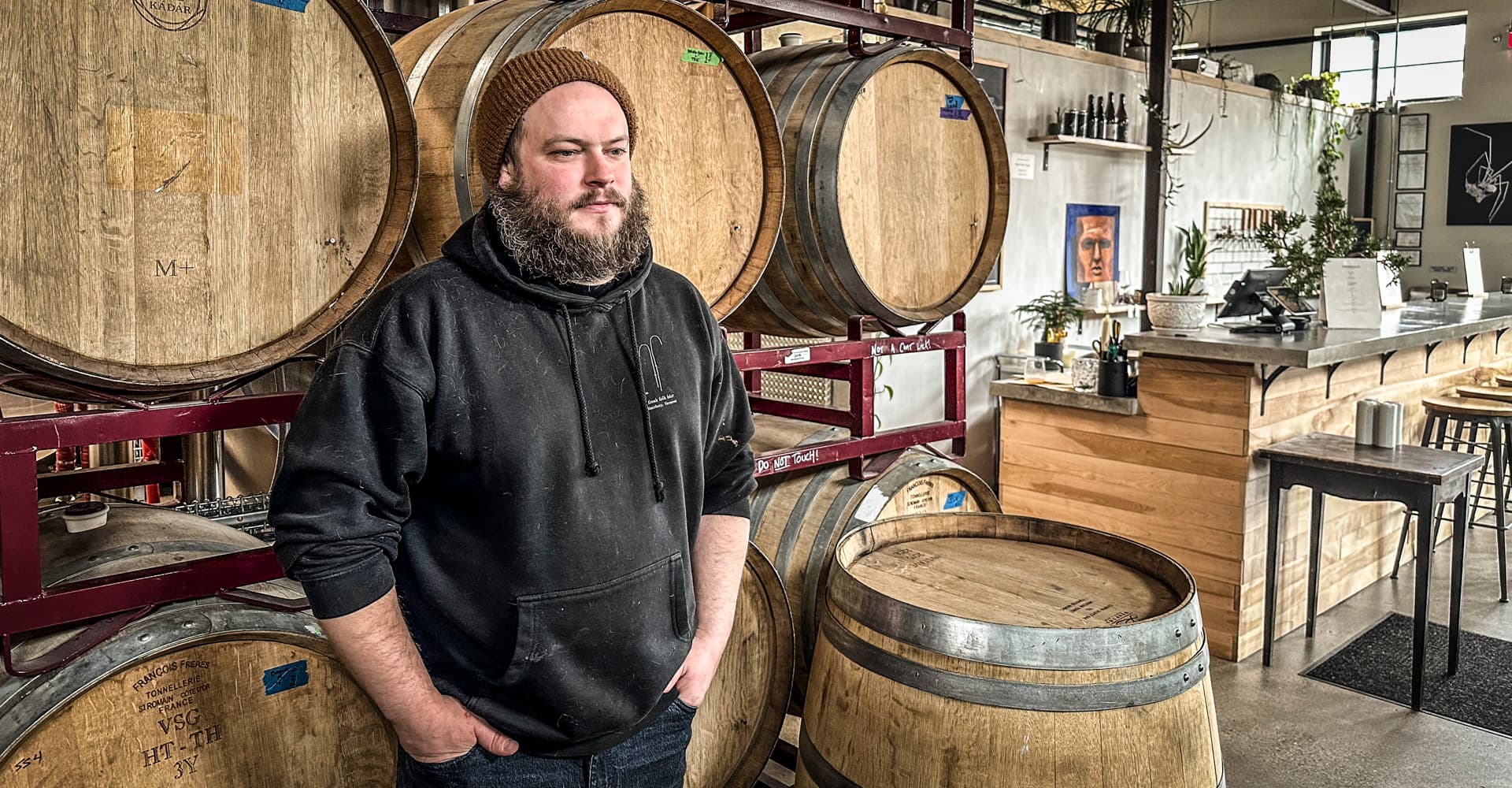
Lessons learned from many years of saison brewing have informed Freak Folk’s signature approach to brewing Vermont’s marquee style—hazy IPA.

And pistachios seemed like such a good idea. Great Notion lead brewer Lara Hargrave shares some tips on things to look out for when flavoring and finishing dessert-inspired stouts.
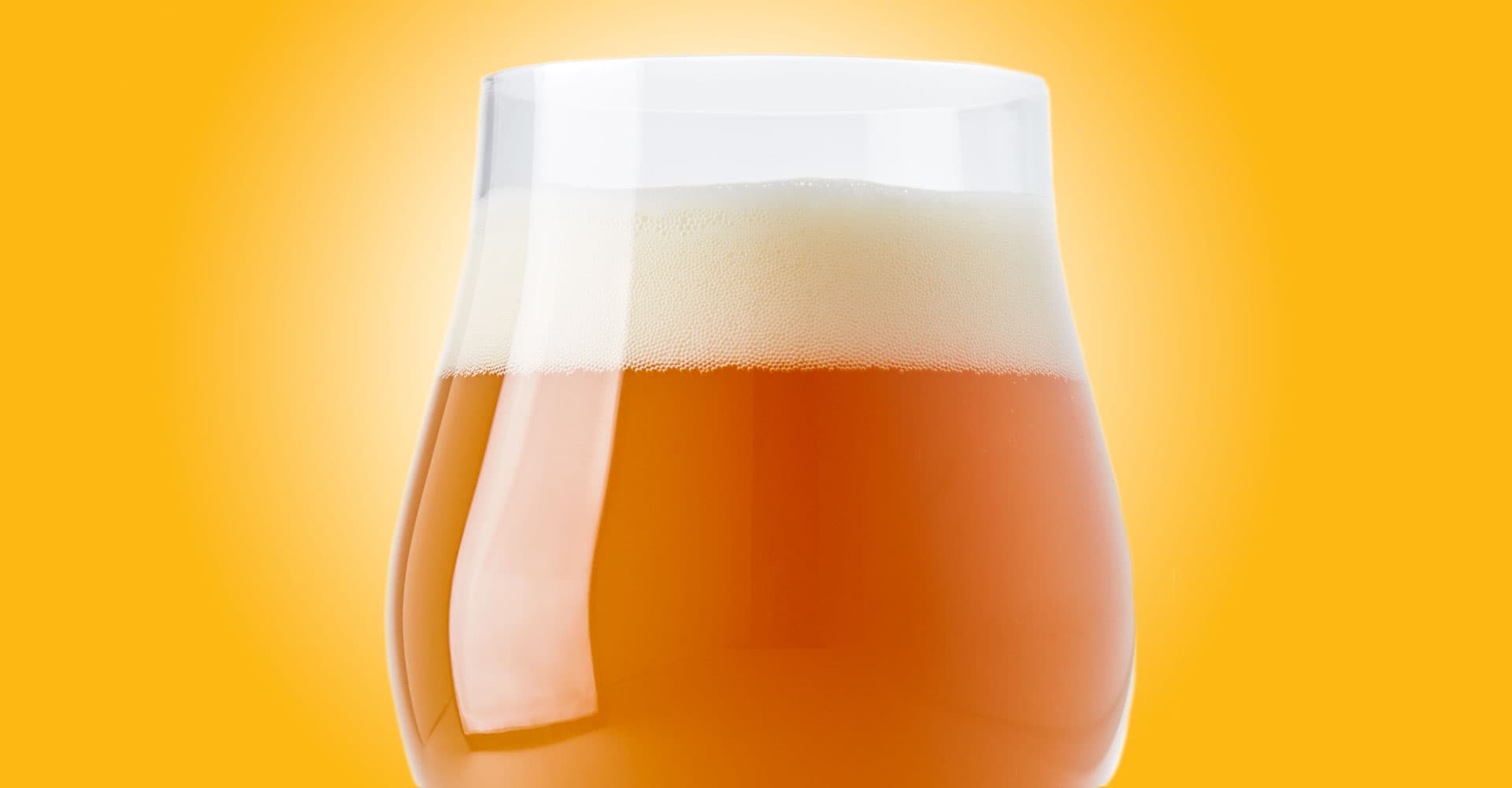
With this relatively obscure historical style, you can think of it as a fresher, drier, slightly lighter version of a clean bière de garde—or you can go for a more lambic-inspired version, bringing in some mixed cultures to have a say.