Special Ingredient: Tortilla Chips
Dipping in to put the crispy in crispy bois, this is nacho usual adjunct. (Sorry, was that corny?)
Showing 621-640 of 4637 articles

Dipping in to put the crispy in crispy bois, this is nacho usual adjunct. (Sorry, was that corny?)

When peaches are in season, pick a favorite malt-forward beer to take this summertime treat to the next level. (And don’t forget the ice cream.)

“This would be a silly choice for a two-ounce pour in a flight,” says Mike Karnowski, cofounder and brewer at Zebulon Artisan Ales. “This is a beer to be consumed in large amounts. ... The ingredients were simple: mild ale malt, some dark invert sugar syrup for flavor, and just enough hops to balance it all out.”

Brouwerij ’t Verzet infuses brash rock ‘n’ roll attitude and a penchant for experimentation into their studied, methodical approach to developing their own takes on traditional Flemish beers.

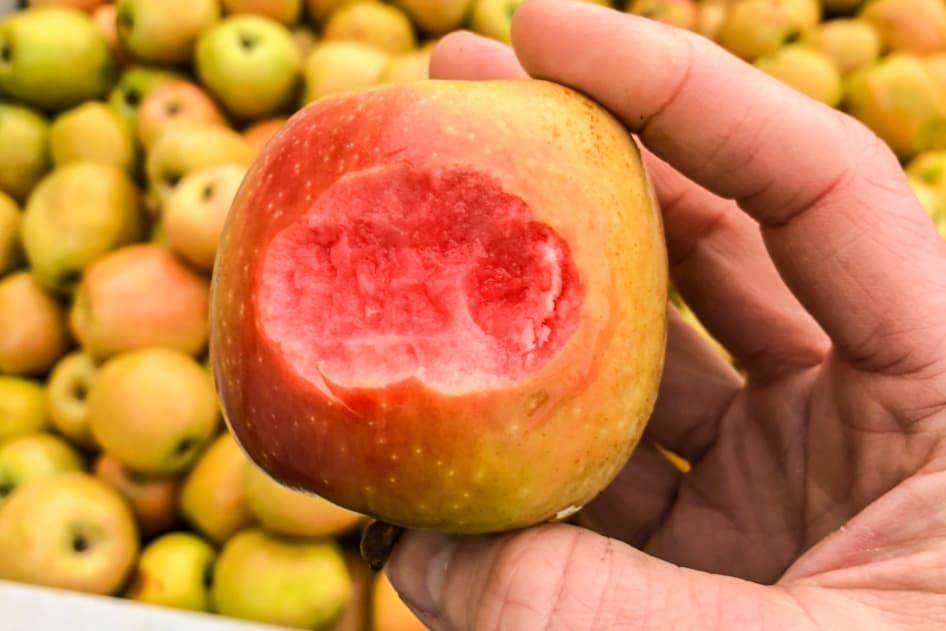
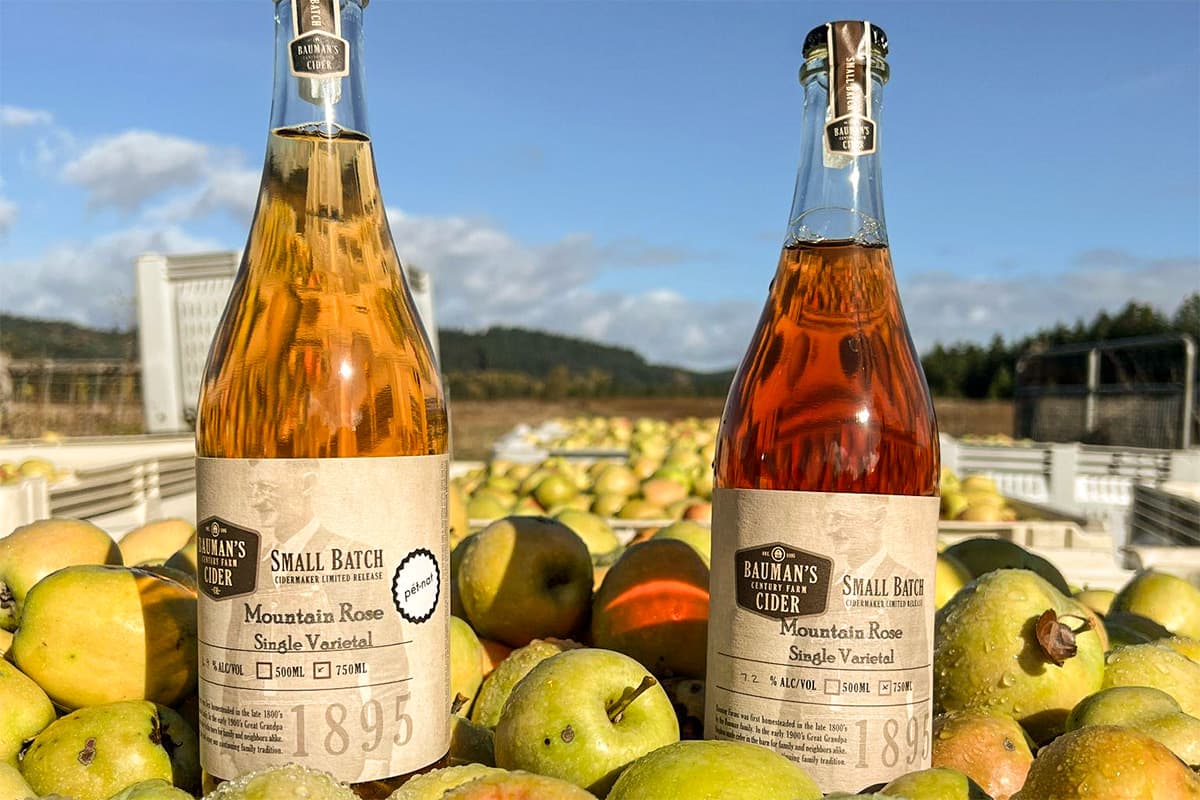
Many mainstream ciders are overly sweet and don’t even use real apples, unlike the diverse, high-quality ciders from Fenceline Cider in Mancos, Colorado. Fenceline sources apples from local, centuries-old cider apple trees, offering ciders that highlight the pure taste of apples—a taste more people should try.

Josh Pfriem, founder and brewmaster of pFriem Family Brewers, shares tips on how to dial in your mash process and support great foam retention in light, crisp, internationally inspired lagers—including a finishing touch of Tetra hop extract.

Great beer starts with top-notch water quality. Here’s how brewery water treatment works to help create amazing flavors.

At Zebulon Artisan Ales in Weaverville, North Carolina, cofounder and brewer Mike Karnowski nurtures a special interest in historically rooted beers. Here, he turns back the clock on a key ingredient used in many traditional British ales—and he shares an elegant way to make your own invert sugar in the brewhouse.

Based in the wine-growing region about 40 miles northeast of Cape Town, South Africa, Soul Barrel brewed this funky riff on umqombothi in collaboration with Tolokazi—a team of predominantly women brewers making traditional African beers.

For the brewmaster of Timmermans—the three-century-old lambic brewery in Itterbeek, just west of Brussels—studying and understanding the dynamics of spontaneous fermentation and wood-aging is the key to making beer with captivating flavor.

Check out Angel Ale Yeast A01, an ideal yeast for brewing American-style beers.

Josh Pfriem, founder and brewmaster of pFriem Family Brewers, lays out their approach to hopping Japanese- and Mexican-style lagers, including related flavor considerations for malt, pH, and sulfur content.

Was it the best one yet? Many say it was. The annual Firestone Walker Invitational Beer Fest returned on June 1, and it was nothing short of epic, featuring 68 brewers from around the world, more than 20 local restaurants, educational beer panels, and a concert by The White Buffalo. Even the weather—with temps in the low 80s—was perfect.

Easier to brew than it is for many people to say—it takes a click of the tongue—this ancient sorghum beer is unlike any modern style we know. Thick, tart, and creamy, it’s deeply traditional—yet it’s also open to a brewer’s own creative twists.

On your next camping trip, just a half-cup of that tart fruit beer you brought along is enough to brighten this simple treat that’s perfect for an open fire.

The beating hearts of a brewery aren’t glamorous and won’t impress casual visitors, but they can do a great deal to improve how brewers do their jobs. They can also make a lot of noise.

This Minneapolis brewery keeps a separate, non-public production facility for its award-winning, spontaneously fermented beers while delivering crowd-pleasing classics such as Midwest (and West Coast–style) IPA from their sprawling production facility and beer hall.

Double-decocted is the new double dry-hopped.

From a healthy yeast pitch to extra-cold lagering via spunding and harvesting, brewmaster Josh Pfriem walks us through the cold side of lager-making at pFriem Family Brewers.

Want to take a stab at a 16th century ale brewed with malted oats? This recipe is closely based on the one that historians recently re-created using Dublin Castle records that date to 1574.