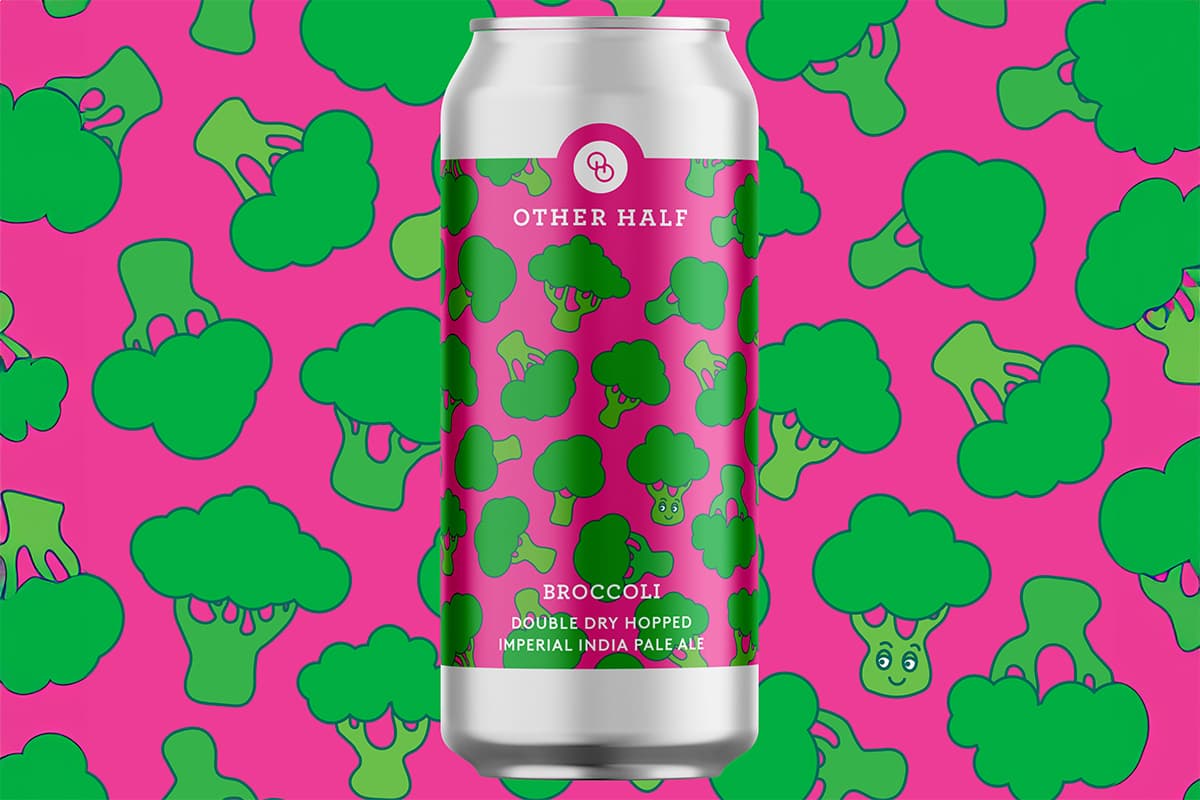
Recipe: Other Half Broccoli DDH Imperial IPA
ALL ACCESSNo broccoli was harmed in the making of this popular hazy imperial IPA from Other Half Brewing, based in Brooklyn, New York.

Showing 601-620 of 4723 articles
No broccoli was harmed in the making of this popular hazy imperial IPA from Other Half Brewing, based in Brooklyn, New York.
In this direct-fire Q&A with audience questions, recorded live at our Brewer’s Retreat at Dogfish Head in Delaware, Khris Johnson of Green Bench, Doug Reiser of Burial, and Vinnie Cilurzo of Russian River discuss West Coast and American IPA, and the dynamic changes in their recent approaches to brewing it.
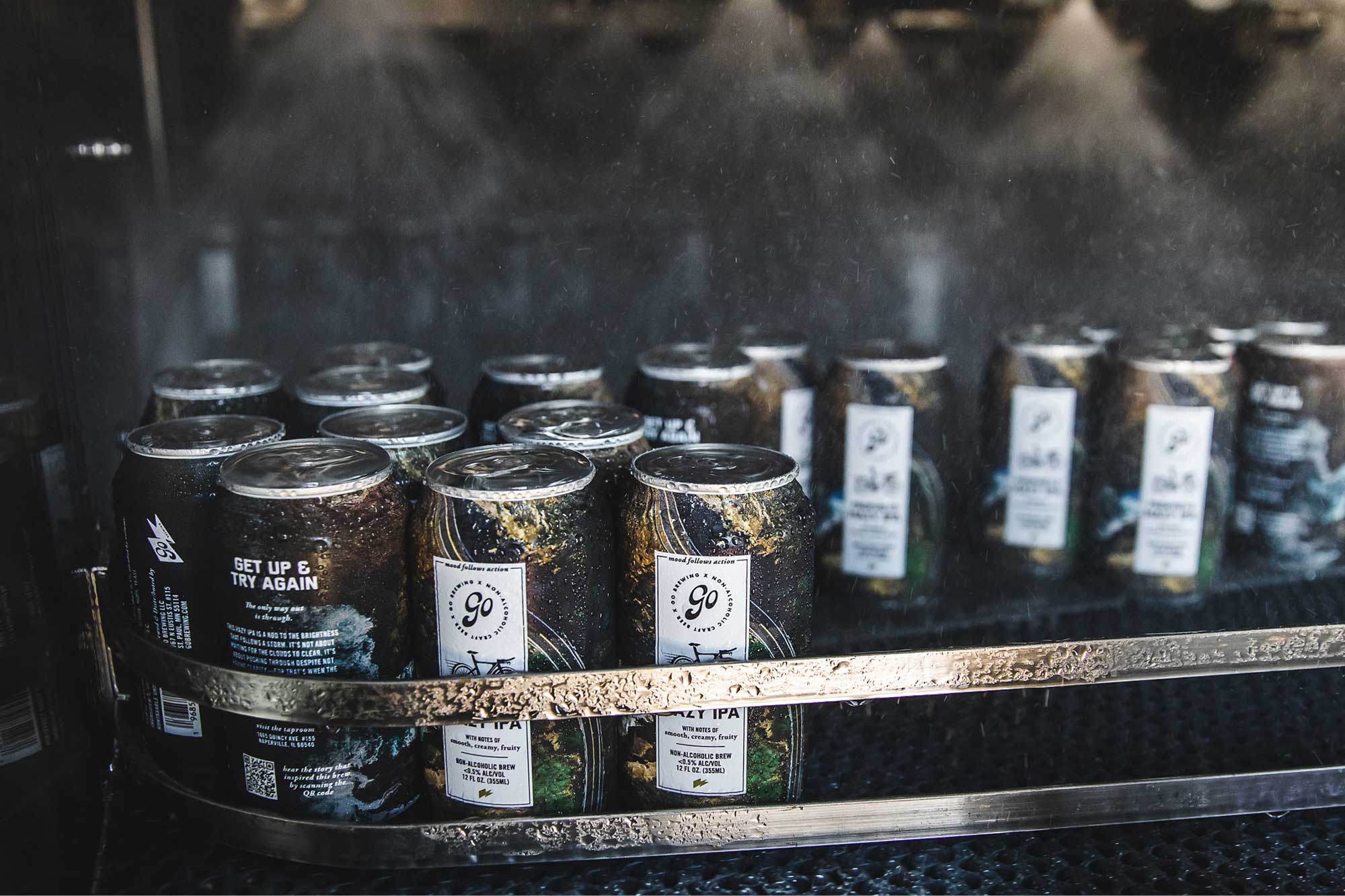
As demand grows for nonalcoholic craft beer, brewers and manufacturers are answering the call with a new wave of innovations—and the results have never tasted better.
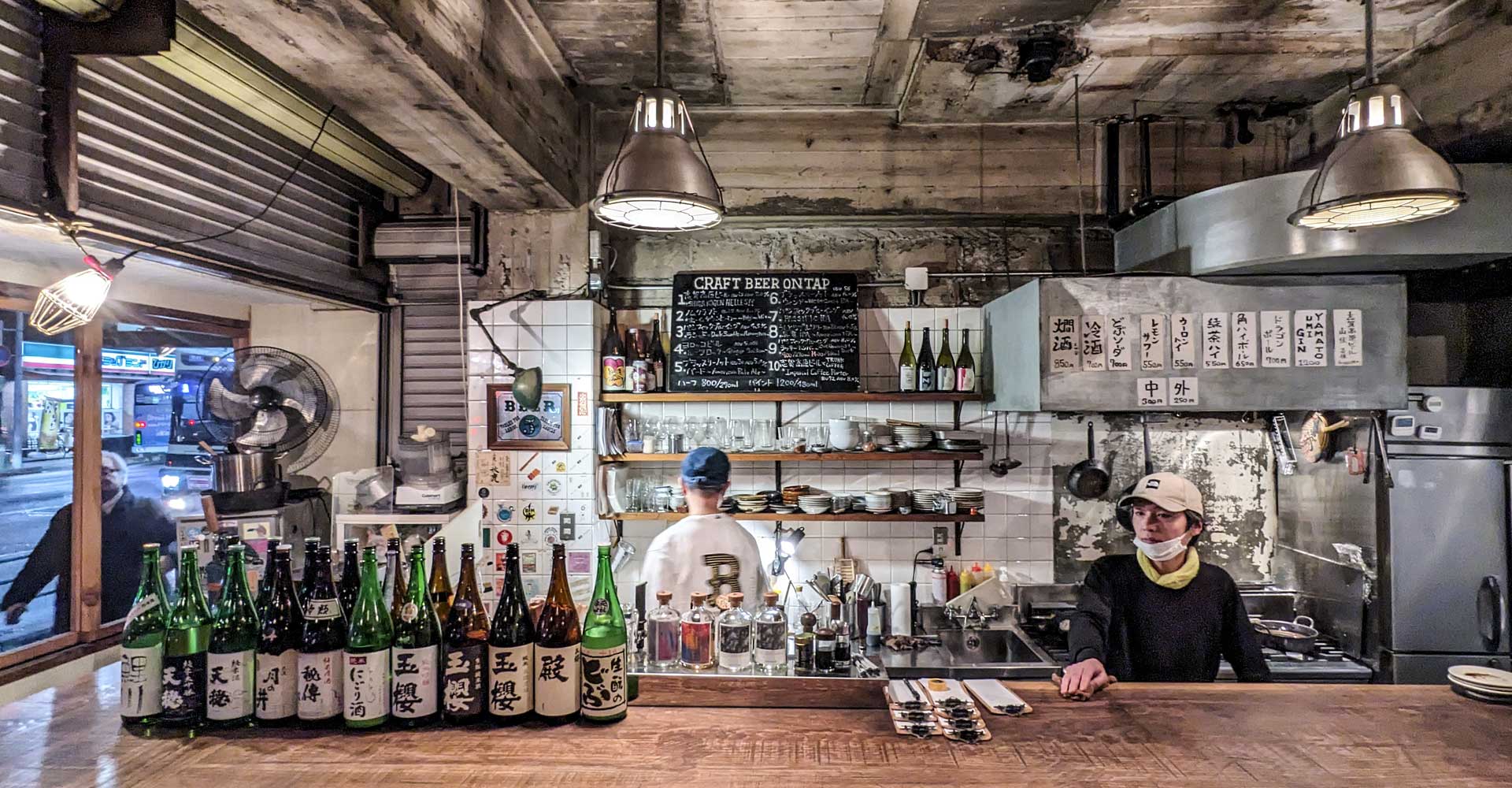
From our Love Handles files on the world’s great beer bars: In Kyoto, the atmospheric Bungalow eschews burgers and wings while catering to local tastes and pouring fresh beers from smaller Japanese independents.
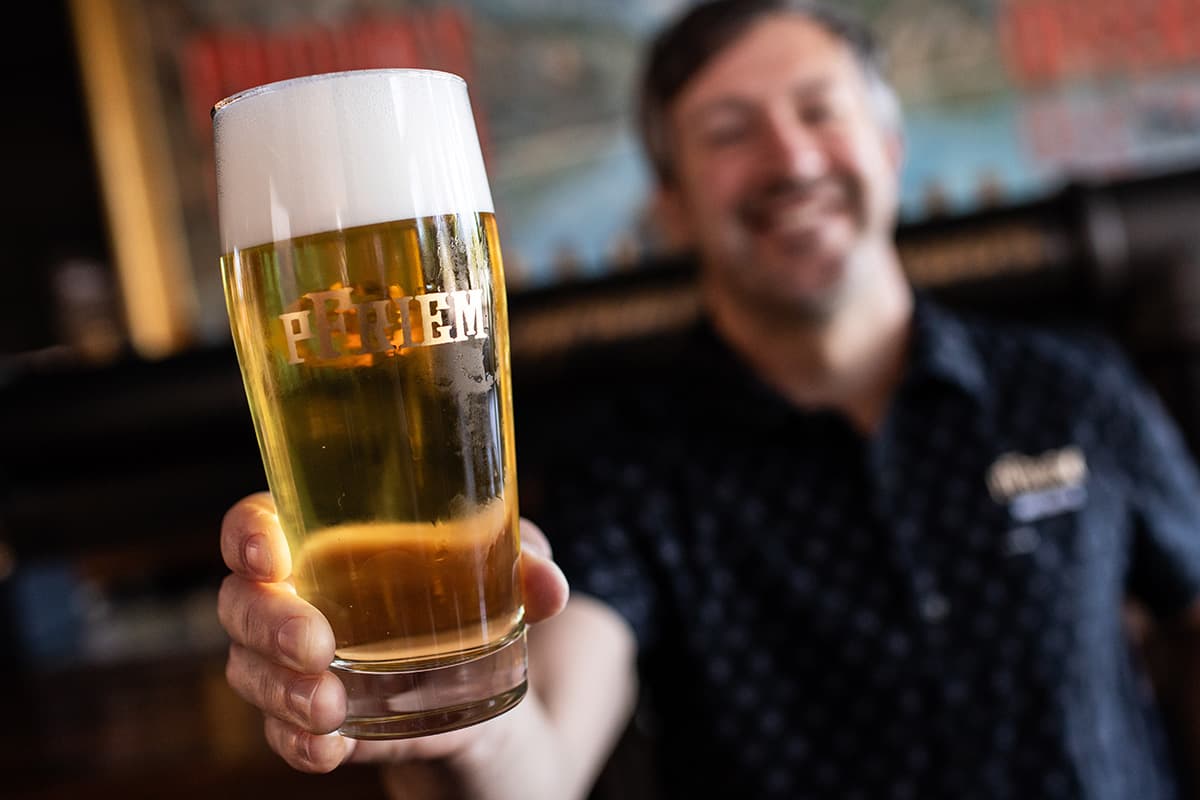
From Josh Pfriem, cofounder and brewmaster at pFriem Family Brewers in Hood River, Oregon, here’s a homebrew-scale recipe for their clean, crushable, and softly floral Mexican-inspired lager.
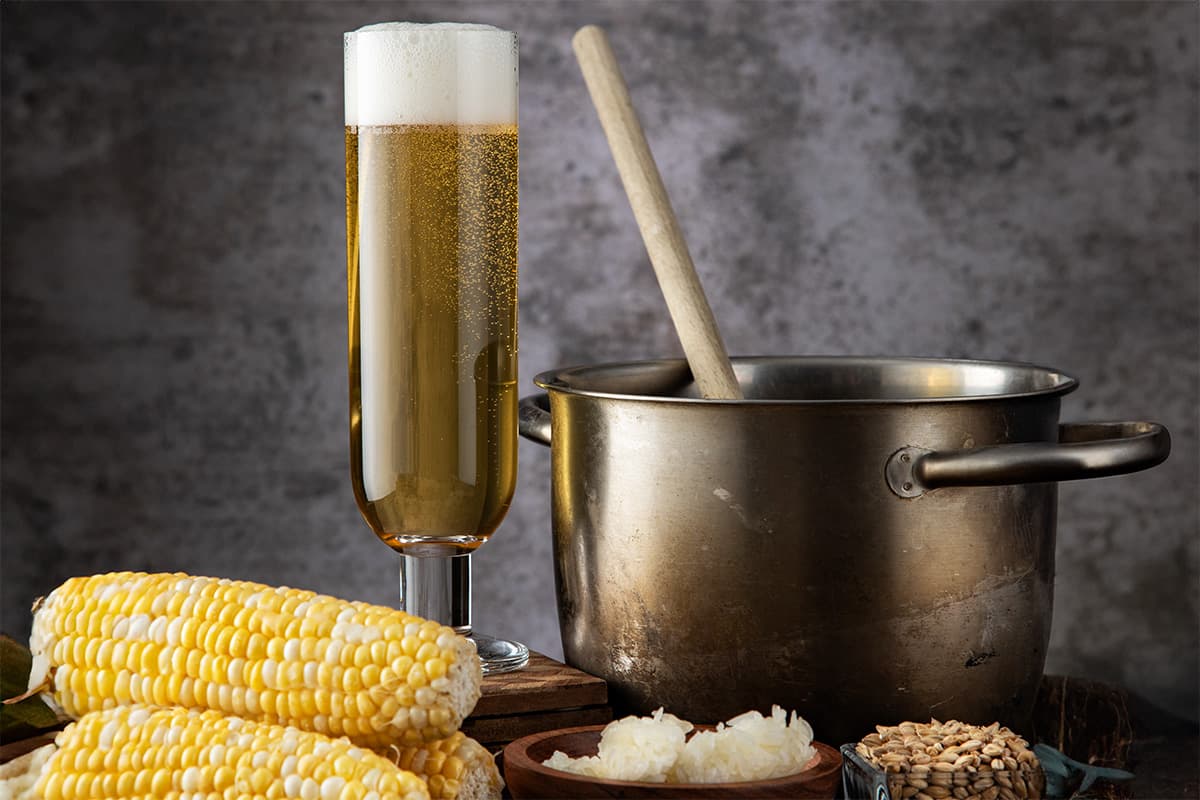
Craft brewers have gone from shunning adjuncts to embracing them with alacrity amid our ongoing love affair with lager. Here, we put the American and international lager traditions into context—and then we ponder which adjuncts might be the next to conquer the world.
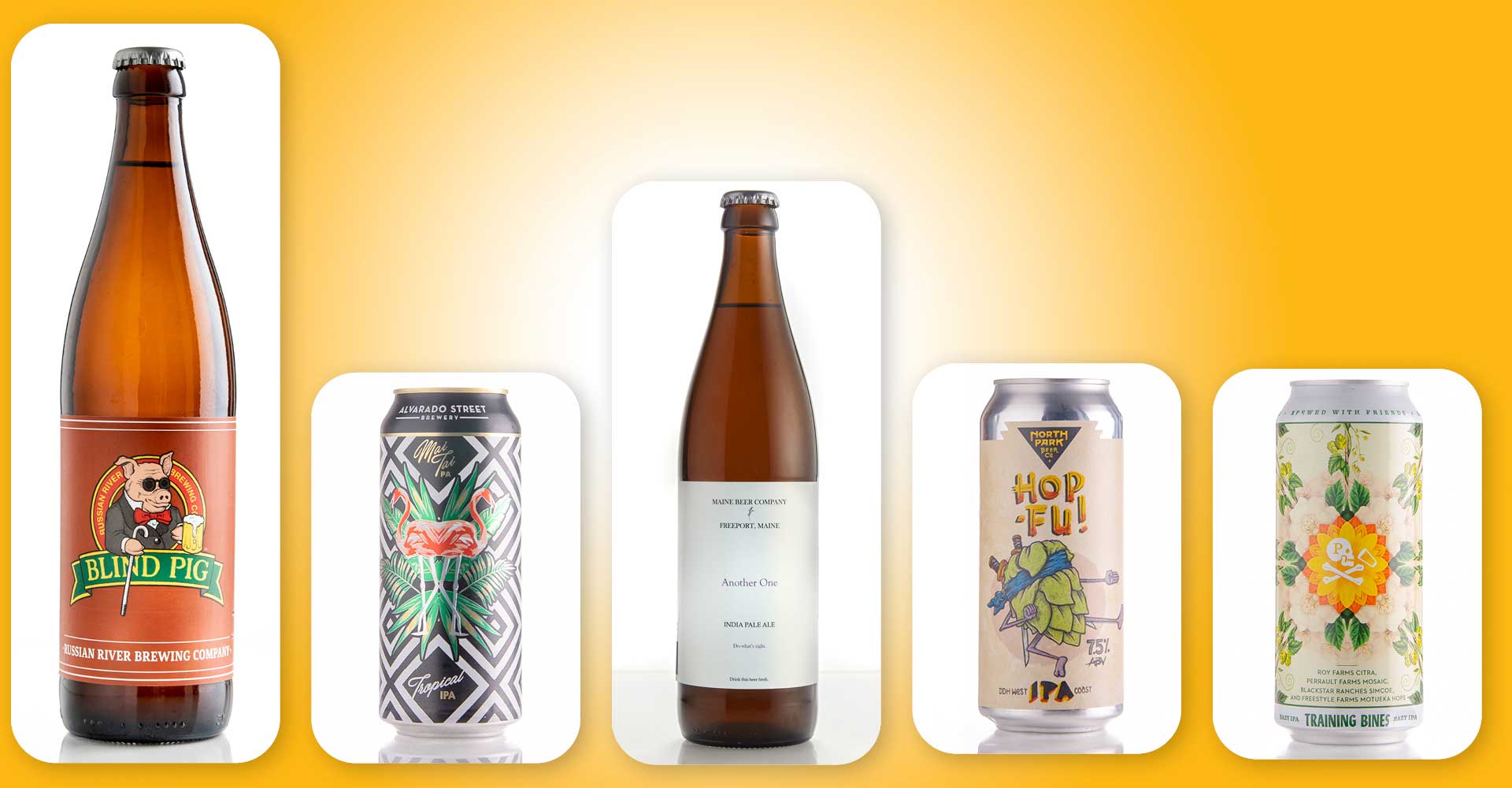
It’s the predominant style in American craft, and there are many great examples—it takes an exceptional one to impress fellow professional brewers. Here are five of their picks.
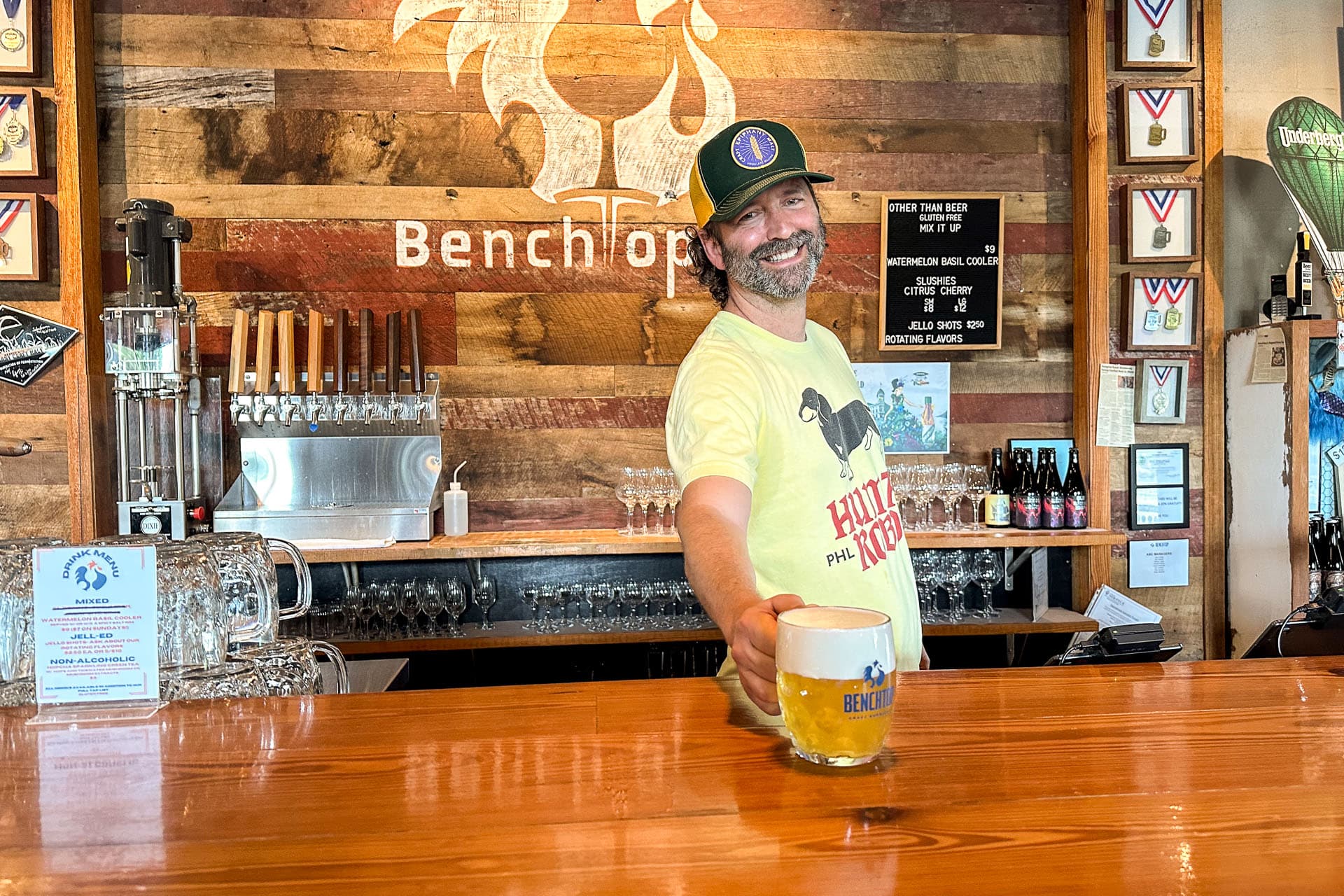
With a name like Benchtop, you’d expect experimentation backed by quantitative evaluation, and that’s exactly how founder Eric Tennant approaches brewing passion projects such as foeder lager and barrel-aged barleywine.
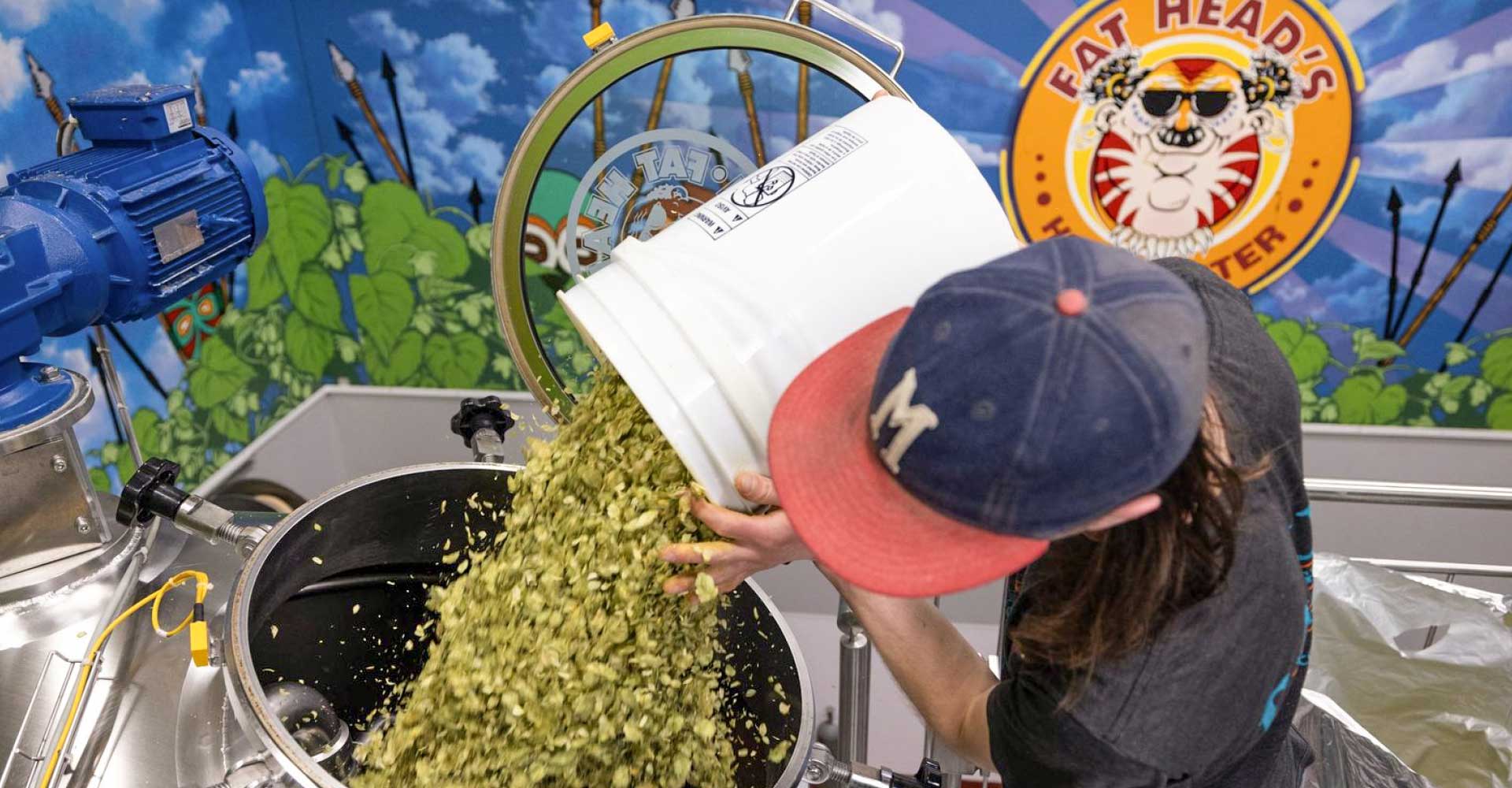
This bright and bitter American IPA—still with a light touch of caramel malt—won gold medals at the 2023 World Beer Cup and Great American Beer Festival, then went on to become one of our Best 20 Beers in 2023.
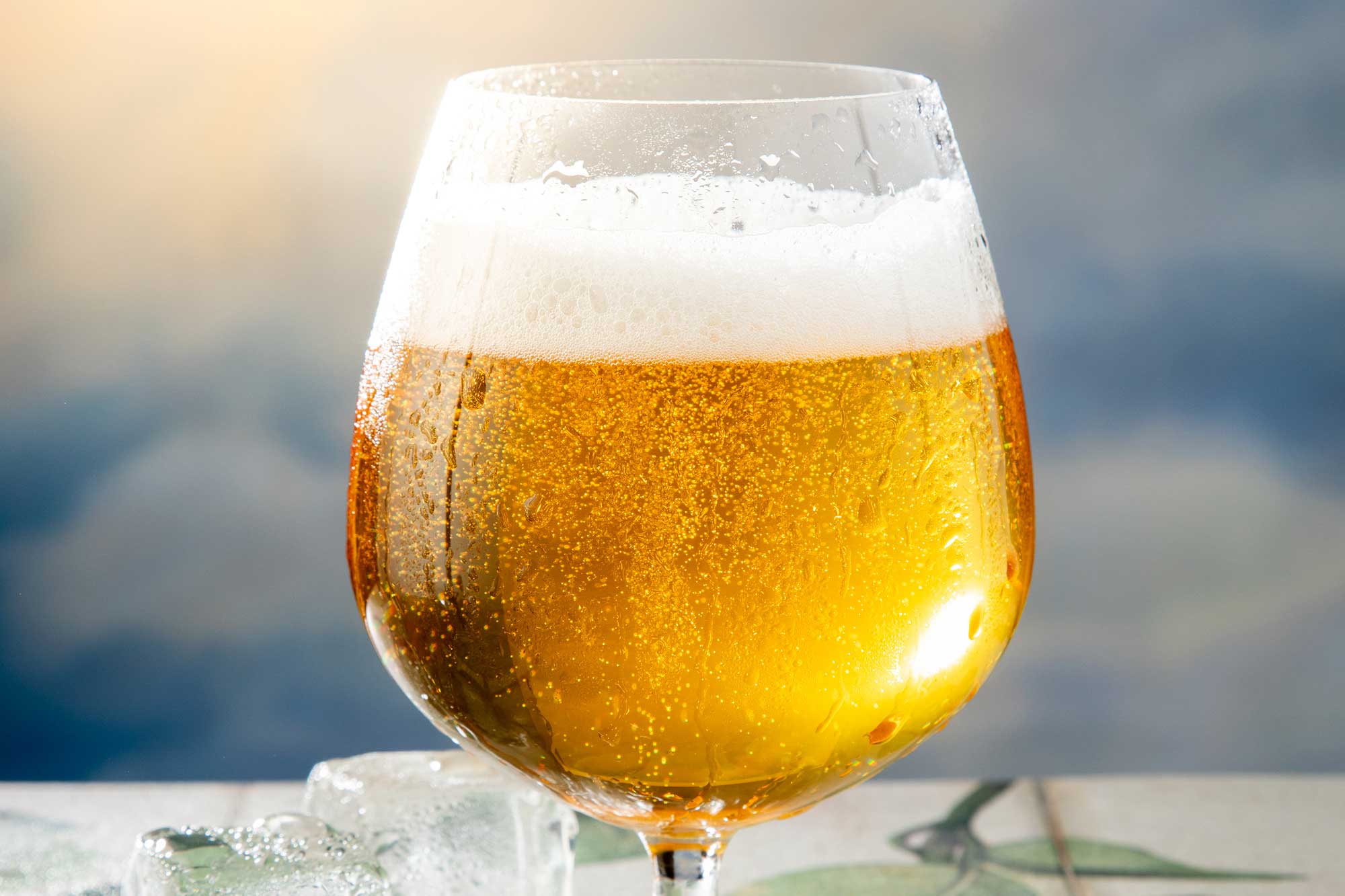
From the weather at the farms that grow the ingredients to every aspect of brewing and on to the climate in which we enjoy it, temperature affects beer profoundly. So, whether you’re gulping an ice-cold one in the desert or sipping a snifter by the fireside, let’s ponder beer’s ethereal, delicate nature—whatever the season.
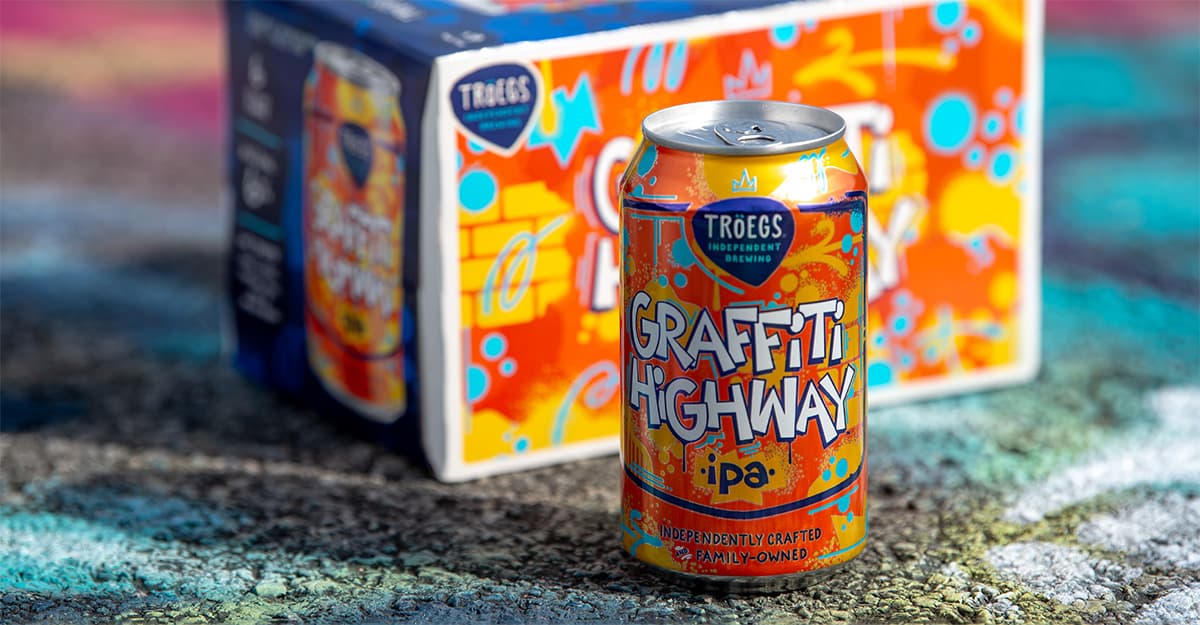
Brewers share strategies for reducing costs on craft beer’s most competitive style.
Beer sales are down, but not out. Recent history indicates that reigniting consumer interest in craft beer usually involves catchy new hop flavors and beer styles that deliver them to a range of palates.
A great one to enjoy by the autumn bonfire, this is a style that any smoked-beer enthusiast should know how to make—and it can be nearly as easy to brew as it is to drink.
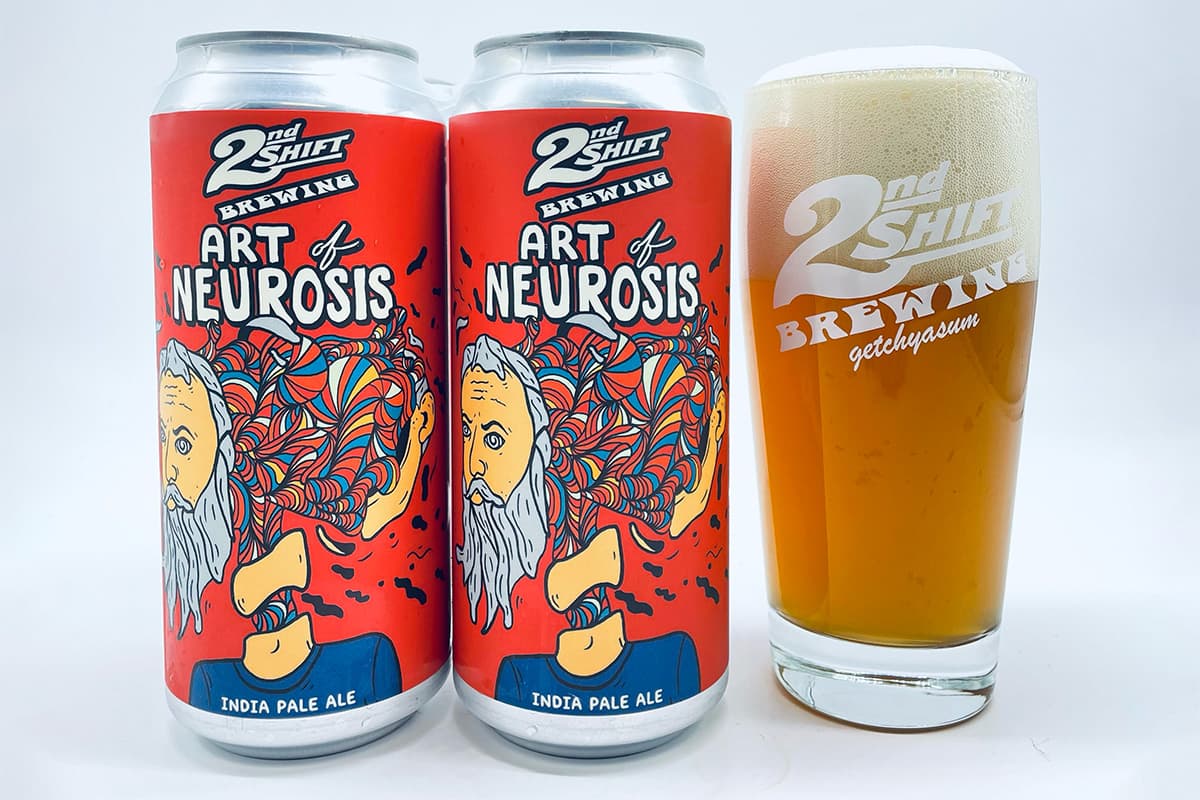
Billed as a “hop sandwich” by the St. Louis brewery, 2nd Shift’s Art of Neurosis is an evolving American IPA that features loads of Columbus and Simcoe with just a kiss of caramel malt.
From interviews recorded at 3 Sons Lumberjack Day in Dania Beach, Florida, these two brewers from different corners of Europe cover a range of topics, from using a mash press filter for imperial stouts to riffing on grodziskie with mixed cultures and fruit.
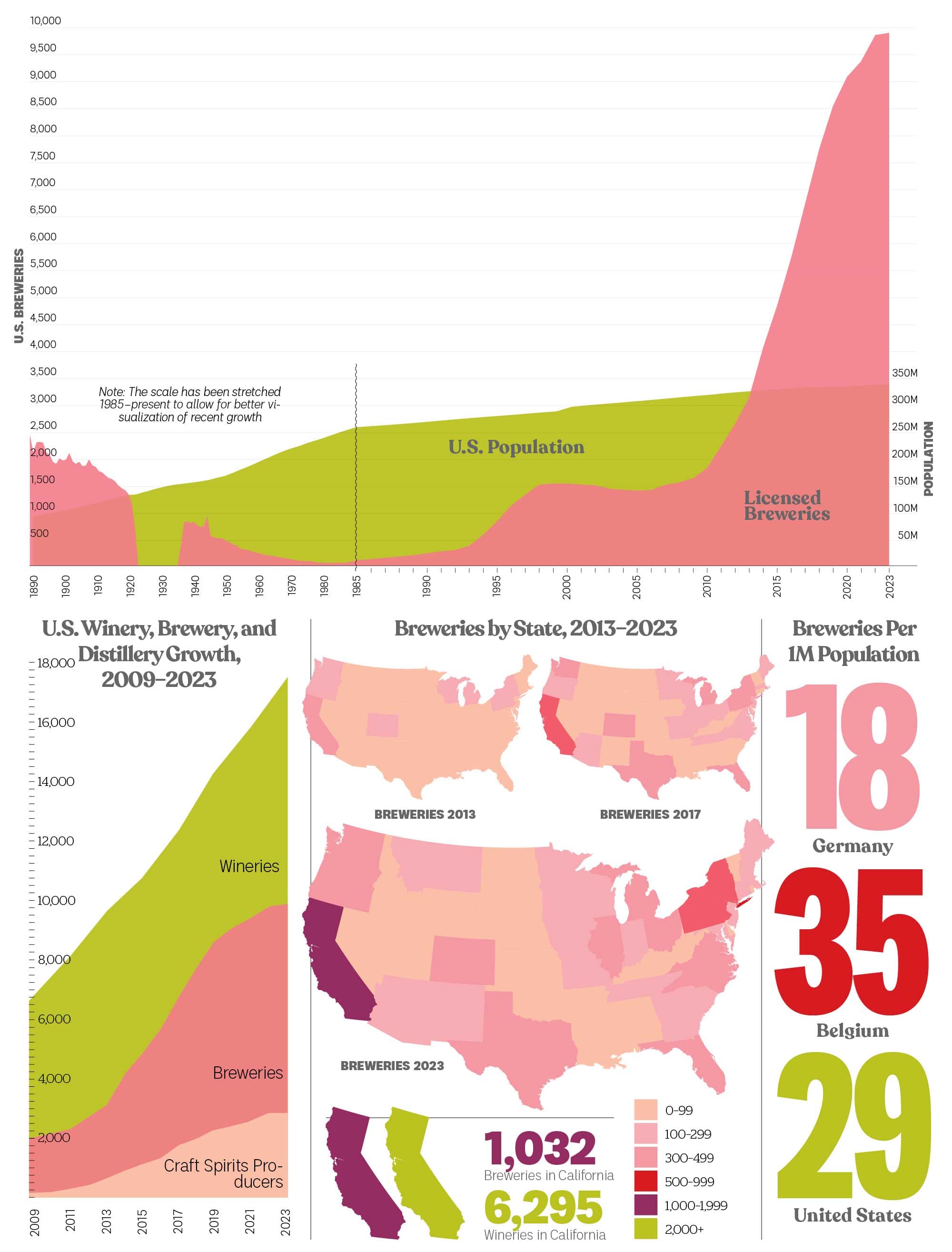
Here's a new look at the growth in the number of breweries in the United States—growth that’s been leveling off, recently—with some other data points for context.
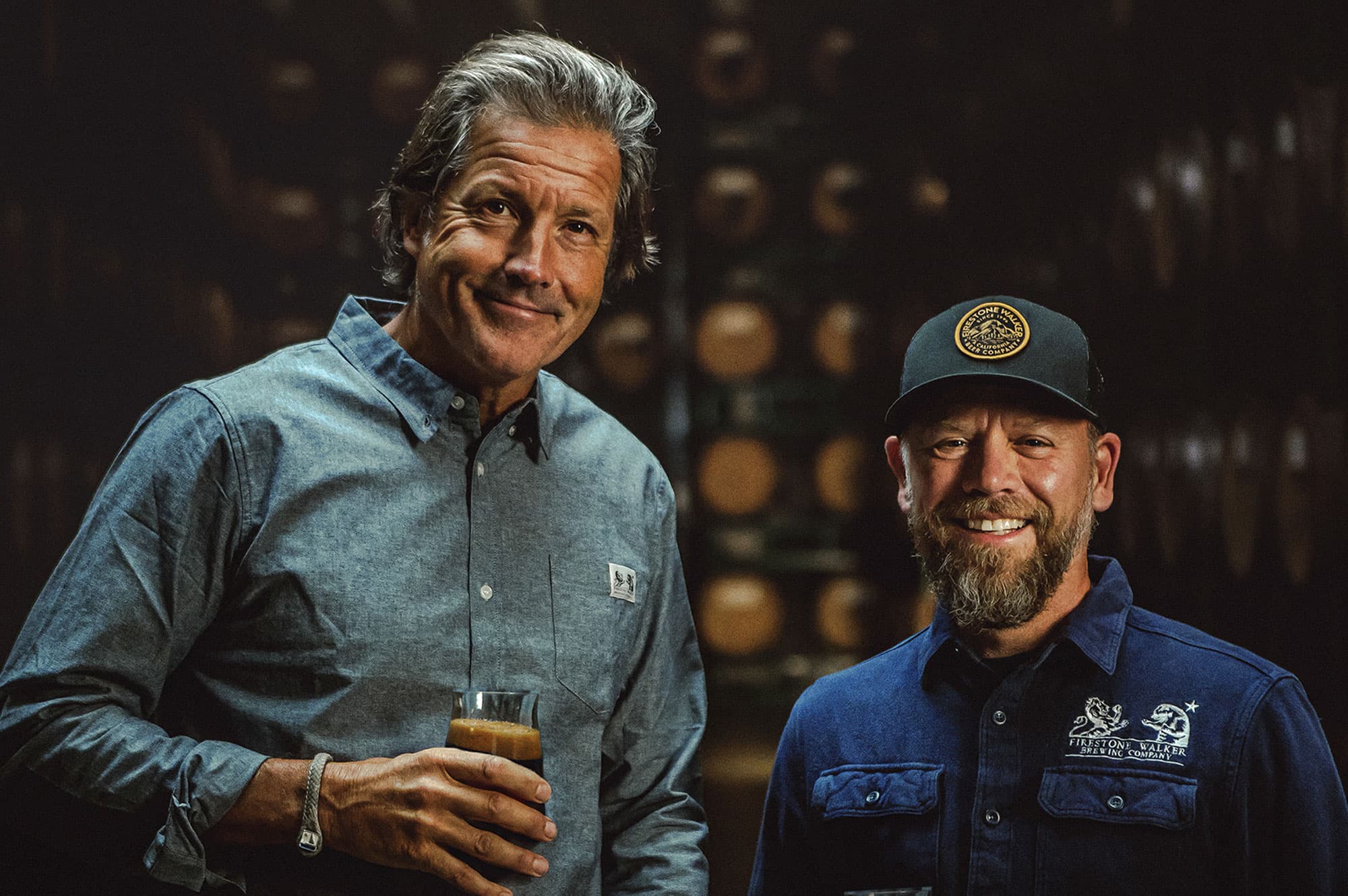
Introducing Firestone Walker’s 2025 Brewmaster’s Collective
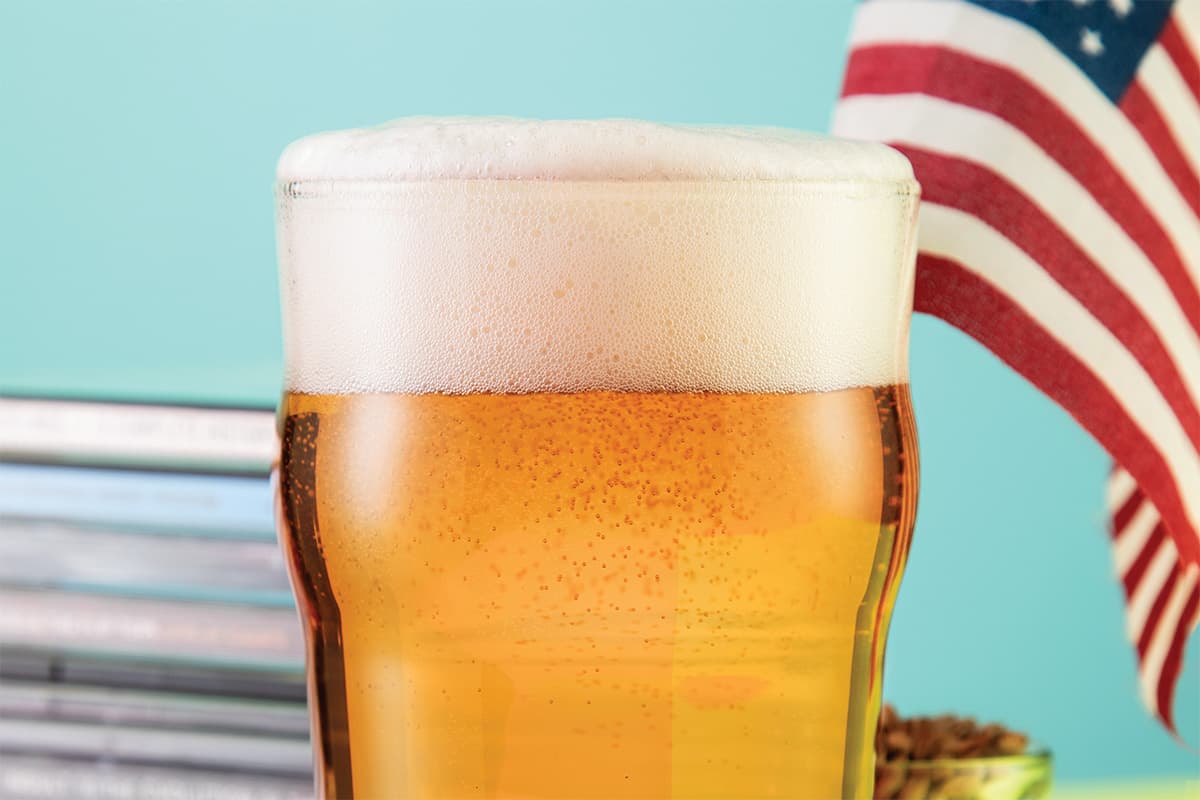
Before there was hazy or even a defined West Coast style, there was an IPA that emerged as a brashly hopped counterpoint to British ale. It never went away—but it evolved. And today’s brewers are making it better than ever.
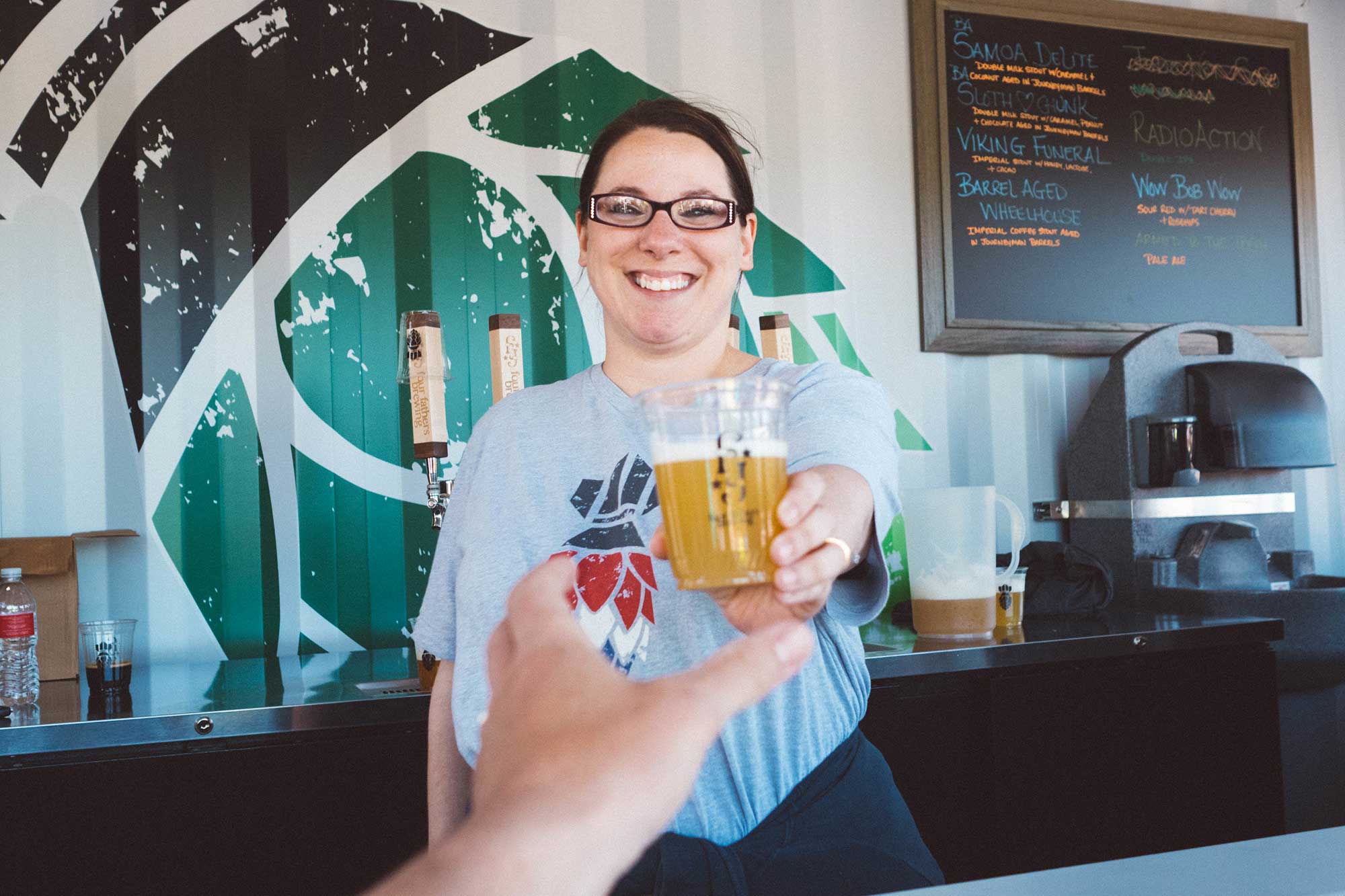
BoxPop® designed and fabricated a mobile shipping container bar for Four Father’s Brewing Company out of Indiana. Learn more about how BoxPop® helped expand their business to increase their serving capacity and allowed them to support more events.
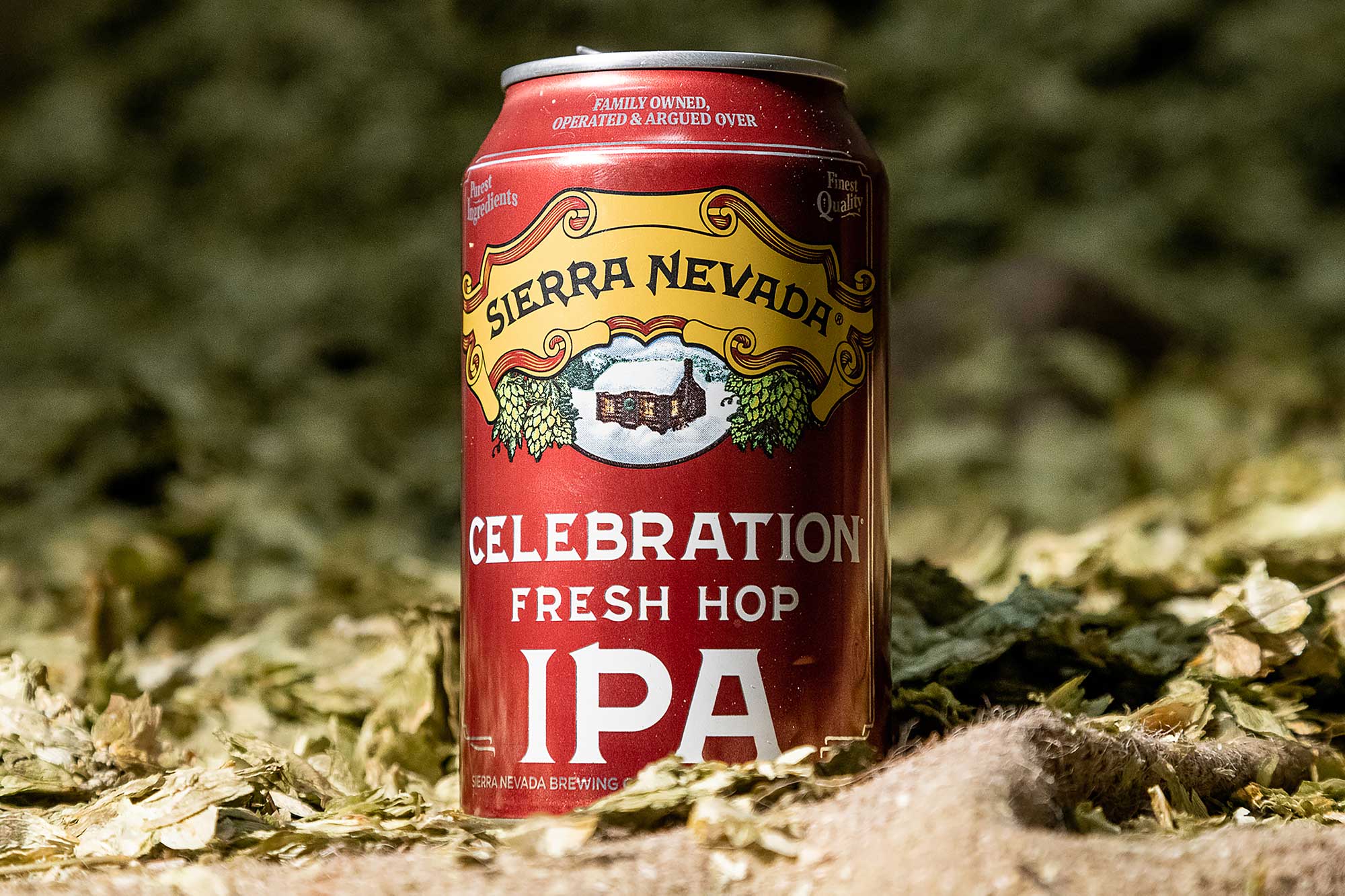
With thanks to Brian Grossman, Scott Jennings, and the production team at Sierra Nevada in Chico, California, and Mills River, North Carolina, here’s a homebrew-scale recipe for their fresh-hopped annual throwback.